Cauliflower Korma
Cauliflower Korma has been one of those recipes I reach for when I want a meal that feels elegant without the fuss. I remember the first time I made it for friends, how the kitchen filled with the warm, slightly sweet aroma of spices as the cauliflower simmered gently in creamy coconut. That night, everyone kept asking for seconds, and I loved how it gave the table a cozy, made-with-love vibe.
Over time I’ve tuned the balance of spices and texture, learning that a slightly larger cauliflower floret keeps some bite, while a blanket of rich coconut cream makes the sauce sing. I like to tell people this is the kind of dish you can serve at a casual dinner or bring to a potluck and watch it vanish. The memory of that first batch still makes me smile, because it proved comfort food can be just as impressive as it is easy to prepare.
Recipe Snapshot
30 mins
10 mins
20 mins
Medium
350 kcal
Indian
Keto, Gluten-Free
Dinner
Non-stick frying pan (10.5 inch / 26 cm), Wok
Why This Cauliflower Korma Works
Comforting creaminess without dairy
I love that Cauliflower Korma delivers a velvety sauce using full-fat coconut cream, so it stays rich and silky while remaining dairy free. The texture is luxurious, and the sauce clings to each cauliflower floret, creating a satisfying mouthfeel that feels indulgent yet light.
Layered spice complexity
What stands out to me is how the blend of warming spices, including garam masala, turmeric, cumin, and cardamom, builds depth without overpowering the main ingredient. I often toast the spices briefly in the pan to unlock their oils, and the aroma is intoxicating, hinting at nutty, floral, and earthy notes that make every bite interesting.
Simple technique, big payoff
This recipe relies on straightforward stovetop steps that anyone can follow, yet those small techniques produce big results. Sautéing the onion until it becomes sweet and translucent adds an underlying sweetness, while simmering the cauliflower in the sauce lets it soak up the flavors. I appreciate recipes that reward attention rather than complexity.
Versatile weeknight winner
I often turn to Cauliflower Korma for an easy weeknight dinner because it comes together quickly and pairs well with many sides. It reheats beautifully, and the flavors even deepen after sitting overnight, which makes it great to prepare ahead when I want to save time on busy days.
Nutritious and satisfying
Beyond flavor, I value how this dish centers on cauliflower, delivering fiber and vitamins while keeping the dish light. The use of coconut fat provides richness and satiety, and a modest amount of spice promotes digestion. For me, that’s a perfect balance between comfort and nourishment.
What You Need for Cauliflower Korma

These ingredients come together to create a harmonious, fragrant sauce and tender cauliflower. The philosophy here is simple: support the star vegetable with a creamy base, aromatic spices, and building flavors from sautéed aromatics. The key players are the coconut cream for silkiness, the onion and garlic for savory depth, and the spice blend for warmth and complexity.
- 14 oz Cauliflower: Provides a firm, slightly nutty base and substantial texture that soaks up the korma sauce; breaks into florets that absorb spices and coconut cream, creating a hearty vegetarian centerpiece.
- 13.5 oz Full-fat coconut cream (canned): Adds a rich, silky body and tropical creaminess that balances spices; lends depth and a luxurious mouthfeel while helping form the curry’s sauce.
- 1 tbsp Coconut oil: Imparts a mild, fragrant fat for sautéing aromatics and blooming spices; contributes a subtle coconut note that enhances the curry’s overall flavor profile.
- 1 Onion (medium): Caramelizes to add natural sweetness and savory depth when softened; forms the aromatic foundation by releasing sugars and supporting the curry’s spice blend.
- 3 clove garlic: Builds pungent, savory depth and a subtle warmth when minced and cooked; helps layer flavor and complements both onion and tomato paste.
- 2 tbsp Tomato paste: Concentrates tomato umami and acidity to brighten the sauce; provides a thickening component that binds spices and coconut cream.
- 1 tsp Garam masala: Delivers a warm, complex blend of spices that defines the curry character; adds aromatic heat and earthy notes that tie the dish together.
- 1 tsp Turmeric: Contributes a warm, bitter-sweet earthiness and brilliant color; complements other spices and helps round the curry’s flavor profile.
- 1 Bay leaves: Infuses a subtle bay-like depth and slight herbal aroma when simmered; enhances savory complexity and supports long-simmered flavors.
- 1/2 tsp Ground cumin seeds: Adds a warm, slightly bitter, earthy seed flavor that supports other spices; helps provide balance and a roasted nuance when toasted or heated.
- 1/2 tsp Salt: Balances and enhances all flavors while aiding seasoning control; helps bring out sweetness in vegetables and rounds the spice blend.
- 1/4 tsp Cloves ground: Provides a warm, slightly sweet and astringent clove note in small amounts; adds complexity and a hint of aromatic sharpness to the curry.
- 1/4 tsp Ground coriander seeds: Contributes citrusy, floral, and slightly sweet undertones that brighten the spice mix; offers subtle lift and aromatic complexity to the sauce.
- 1/4 tsp Cinnamon: Adds a sweet, woody warmth with faint citrus undertones that complements other spices; provides background depth and gentle sweetness.
- 1/4 tsp Cardamom: Lends a floral, eucalyptus-like warmth with sweet citrus notes in small measure; enhances fragrance and gives the curry a refined aromatic finish.
Directions for Cauliflower Korma
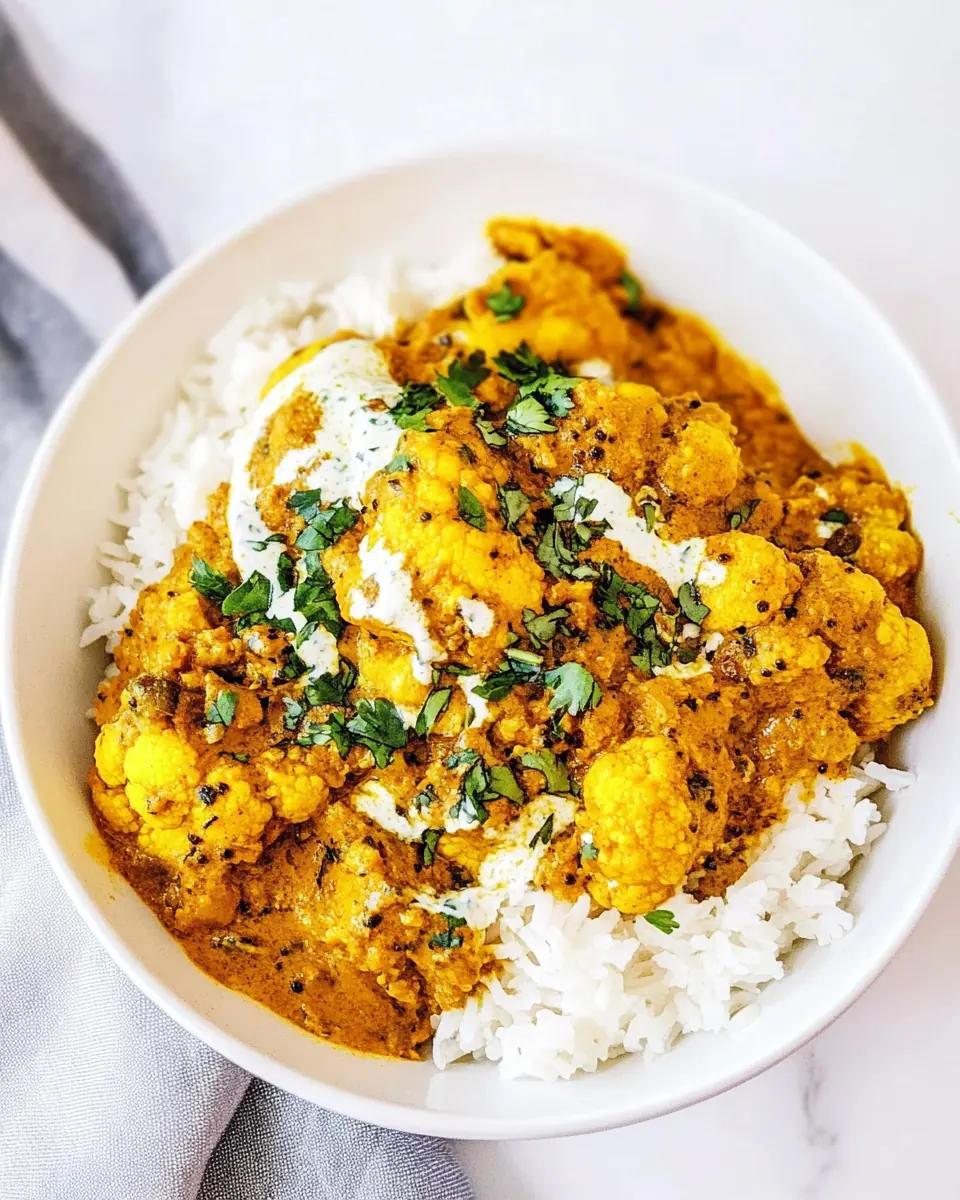
These directions guide you through straightforward stovetop steps that emphasize sensory cues and timing so you can achieve tender cauliflower and a silky, spiced sauce. Read through them, then follow along, paying attention to aromas, texture, and visual cues that tell you the dish is progressing correctly.
- Cut the outer leaves of the cauliflower. Cut it into smaller florets.: The air fills with a faint, green vegetal scent as you trim the outer leaves, revealing the firm curd beneath, and the clean, slightly cabbage like aroma of fresh cauliflower is reassuring. Aim for florets of similar size so they cook evenly, about bite sized pieces that will absorb sauce without falling apart. A common mistake is cutting pieces unevenly, which leads to some pieces turning mushy while others stay underdone. If your knife work feels slow, take a steady rhythm, and keep the pieces uniform, because consistent size is what guarantees an even texture at the end.
- Peel and chop the onion and garlic.: As you chop the onion , its sharp, slightly sweet sting will make you pause, and the chopped pieces should be small enough to soften quickly. Mince the garlic so it distributes through the sauce, releasing a warmer, garlicky perfume when cooked. Over chopping can lead to a pasty texture, while under chopping leaves harsh bites, so aim for a medium fine dice for both. Note that adding raw garlic too early can cause it to burn and taste bitter, so timing matters in the sauté step.
- Preheat the frying pan or wok over medium heat and add the coconut oil. Add chopped onions and saute them for 3-4 minutes.: When the pan heats, you might hear a soft hiss as you add the coconut oil , and soon the onion will begin to soften and turn translucent, releasing a sweet, savory steam. Keep the heat steady so the onions sweat rather than brown too quickly, because gentle cooking develops sweetness that underpins the sauce. A common error is turning the heat too high, causing rapid browning and a bitter edge, so adjust the flame if the edges start to darken before the centers are soft.
- Add chopped garlic and cook for 2 minutes.: Once the onion is translucent, add the chopped garlic and listen for a softer sizzle, accompanied by a bright, toasty aroma. Cook briefly so the garlic mellows and perfumes the pan, but watch closely because garlic burns quickly and becomes acrid. The right cue is when the fragrance turns warm and inviting without any browned bits. If you see the garlic darkening, lower the heat immediately and stir to prevent bitterness.
- Add all spices (cardamom, cinnamon, coriander, cloves, bay leaf, turmeric, garam masala, cumin). Stir well and cook for 2 minutes.: Stirring the spices releases a cascade of scents, from floral cardamom to warm cinnamon , and the pan will smell intensely aromatic in seconds as the heat blooms the oils. Cook briefly to toast them and deepen flavor, but keep them moving to avoid scorching. A common pitfall is leaving spices undisturbed, which can lead to a burnt taste, so stir constantly for those two minutes to coax out their best qualities without charring.
- Add tomato paste and stir well.: When the concentrated, slightly tangy scent of tomato paste hits the pan, it will darken slightly and begin to caramelize, adding umami and richness. Stir until the paste is well blended into the spiced oil and aromatics, and allow a faint sweetness to develop as raw edges fade. If the paste smells sharp or metallic, it needs a bit more cooking; continue to stir until it mellows. Not cooking the paste long enough is a typical mistake that leaves a raw tomato note in the final sauce.
- Add full-fat coconut cream. Stir well. Bring it to a boil.: Pouring in the full-fat coconut cream transforms the pan into a glossy, pale sauce, and as it warms you will see it thicken and release a fragrant, sweet coconut aroma. Stir until the sauce is homogeneous, then raise heat until gentle bubbling begins. The bubbling should be steady but not violent, signaling the flavors are melding; a heavy boil can separate the cream, so moderate the heat. If the sauce looks curdled, reduce heat and whisk gently to recombine.
- Add cauliflower florets. Cover with a lid and cook on medium heat for 10 minutes.: When the cauliflower meets the sauce, each floret becomes cloaked in fragrant cream, and a soft simmer should hush the pan with occasional tiny pops. Covering traps steam and ensures the florets cook through while absorbing sauce flavors. After about ten minutes, test a piece for tenderness; it should be fork tender with a slight bite. Overcooking leads to a mushy texture and a strong cabbage like scent, so check at the eight to ten minute mark and remove from heat once done.
Customization Ideas
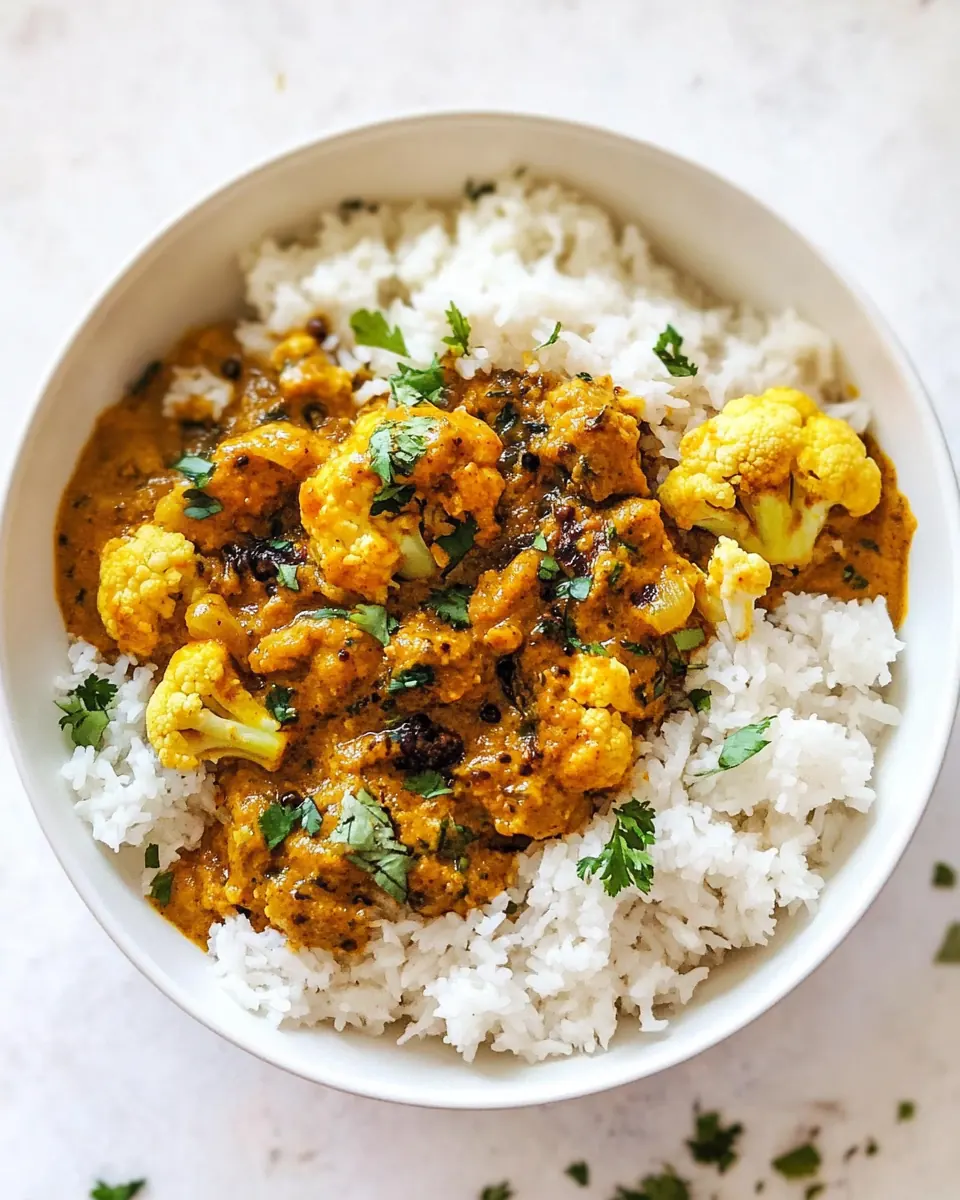
I like offering ways to tweak Cauliflower Korma so it fits different tastes and occasions, from heartier versions to lighter plates. Below are practical, tested ideas that keep the recipe reliable while letting you personalize the meal.
- Make it nuttier: Toast and grind a small handful of almonds or cashews, then whisk them into the sauce at the coconut cream stage to deepen the texture and add a rich, nutty flavor.
- Boost the spice level: If you prefer heat, add a pinch of red chili flakes or a dash of cayenne when you add the spices, building heat gradually so it complements rather than overwhelms the other flavors.
- Increase body: For a thicker sauce, simmer a bit longer uncovered after adding the cauliflower, stirring occasionally to reduce the liquid until you reach the desired consistency.
- Make it lighter: Use a slightly smaller amount of coconut cream and add a splash of water or vegetable broth to thin the sauce while keeping creaminess, which reduces richness without losing flavor.
- Fresh herb finish: Sprinkle chopped cilantro or a few crushed fresh mint leaves just before serving to add bright, herbal contrast to the warm spices and creamy sauce.
Serving Ideas for Cauliflower Korma
Cauliflower Korma pairs beautifully with a variety of accompaniments and works for casual dinners or special occasions. Below are thoughtful serving suggestions and pairing ideas to help you present it attractively and keep leftovers tasting great.
- Classic pairing: Serve the korma alongside steamed basmati rice, which soaks up the rich sauce and provides a neutral, fragrant bed for the spiced cauliflower.
- Bread service: Offer soft flatbread or naan to scoop up the sauce, giving a tactile, hands on way to enjoy every last bit of the creamy korma.
- Vegetable sides: Steamed greens or a simple cucumber raita style salad help cut richness and add refreshing contrast to the warm spices.
- Occasion suggestions: This dish is suitable for weeknight dinners, weekend guests, or festive moments like family gatherings, because it is both comforting and impressive without heavy prep.
- Storage tips: Cool completely, then refrigerate in an airtight container for up to three days; reheat gently on the stovetop to preserve texture and avoid splitting the coconut cream.
- Seasonal pairings: In cooler months, serve with roasted root vegetables for a heartier spread; in warmer months, pair with a citrusy salad to brighten the meal.
- Plating ideas: Garnish with a drizzle of coconut cream and a sprinkle of toasted seeds or chopped herbs to add visual contrast and a final flavor note.
FAQ
Conclusion
What makes this recipe special is its balance of creamy richness and layered spice that elevates humble cauliflower into a memorable main or side. The technique is straightforward, and the ingredients come together quickly to produce a dish that feels both comforting and refined. I encourage you to give it a try, experiment with the spice levels to suit your palate, and enjoy how well it pairs with rice or bread. This is one of those recipes that rewards small attentions, and it often becomes a repeat favorite in my kitchen.

Cauliflower Korma
Ingredients
Equipment
Method
- Cut the outer leaves of the cauliflower. Cut it into smaller florets.: The air fills with a faint, green vegetal scent as you trim the outer leaves, revealing the firm curd beneath, and the clean, slightly cabbage like aroma of fresh cauliflower is reassuring. Aim for florets of similar size so they cook evenly, about bite sized pieces that will absorb sauce without falling apart. A common mistake is cutting pieces unevenly, which leads to some pieces turning mushy while others stay underdone. If your knife work feels slow, take a steady rhythm, and keep the pieces uniform, because consistent size is what guarantees an even texture at the end.
- Peel and chop the onion and garlic.: As you chop the onion , its sharp, slightly sweet sting will make you pause, and the chopped pieces should be small enough to soften quickly. Mince the garlic so it distributes through the sauce, releasing a warmer, garlicky perfume when cooked. Over chopping can lead to a pasty texture, while under chopping leaves harsh bites, so aim for a medium fine dice for both. Note that adding raw garlic too early can cause it to burn and taste bitter, so timing matters in the sauté step.
- Preheat the frying pan or wok over medium heat and add the coconut oil. Add chopped onions and saute them for 3-4 minutes.: When the pan heats, you might hear a soft hiss as you add the coconut oil , and soon the onion will begin to soften and turn translucent, releasing a sweet, savory steam. Keep the heat steady so the onions sweat rather than brown too quickly, because gentle cooking develops sweetness that underpins the sauce. A common error is turning the heat too high, causing rapid browning and a bitter edge, so adjust the flame if the edges start to darken before the centers are soft.
- Add chopped garlic and cook for 2 minutes.: Once the onion is translucent, add the chopped garlic and listen for a softer sizzle, accompanied by a bright, toasty aroma. Cook briefly so the garlic mellows and perfumes the pan, but watch closely because garlic burns quickly and becomes acrid. The right cue is when the fragrance turns warm and inviting without any browned bits. If you see the garlic darkening, lower the heat immediately and stir to prevent bitterness.
- Add all spices (cardamom, cinnamon, coriander, cloves, bay leaf, turmeric, garam masala, cumin). Stir well and cook for 2 minutes.: Stirring the spices releases a cascade of scents, from floral cardamom to warm cinnamon , and the pan will smell intensely aromatic in seconds as the heat blooms the oils. Cook briefly to toast them and deepen flavor, but keep them moving to avoid scorching. A common pitfall is leaving spices undisturbed, which can lead to a burnt taste, so stir constantly for those two minutes to coax out their best qualities without charring.
- Add tomato paste and stir well.: When the concentrated, slightly tangy scent of tomato paste hits the pan, it will darken slightly and begin to caramelize, adding umami and richness. Stir until the paste is well blended into the spiced oil and aromatics, and allow a faint sweetness to develop as raw edges fade. If the paste smells sharp or metallic, it needs a bit more cooking; continue to stir until it mellows. Not cooking the paste long enough is a typical mistake that leaves a raw tomato note in the final sauce.
- Add full-fat coconut cream. Stir well. Bring it to a boil.: Pouring in the full-fat coconut cream transforms the pan into a glossy, pale sauce, and as it warms you will see it thicken and release a fragrant, sweet coconut aroma. Stir until the sauce is homogeneous, then raise heat until gentle bubbling begins. The bubbling should be steady but not violent, signaling the flavors are melding; a heavy boil can separate the cream, so moderate the heat. If the sauce looks curdled, reduce heat and whisk gently to recombine.
- Add cauliflower florets. Cover with a lid and cook on medium heat for 10 minutes.: When the cauliflower meets the sauce, each floret becomes cloaked in fragrant cream, and a soft simmer should hush the pan with occasional tiny pops. Covering traps steam and ensures the florets cook through while absorbing sauce flavors. After about ten minutes, test a piece for tenderness; it should be fork tender with a slight bite. Overcooking leads to a mushy texture and a strong cabbage like scent, so check at the eight to ten minute mark and remove from heat once done.
Notes
- Make it nuttier: Toast and grind a small handful of almonds or cashews, then whisk them into the sauce at the coconut cream stage to deepen the texture and add a rich, nutty flavor.
- Boost the spice level: If you prefer heat, add a pinch of red chili flakes or a dash of cayenne when you add the spices, building heat gradually so it complements rather than overwhelms the other flavors.
- Increase body: For a thicker sauce, simmer a bit longer uncovered after adding the cauliflower, stirring occasionally to reduce the liquid until you reach the desired consistency.
- Make it lighter: Use a slightly smaller amount of coconut cream and add a splash of water or vegetable broth to thin the sauce while keeping creaminess, which reduces richness without losing flavor.
- Fresh herb finish: Sprinkle chopped cilantro or a few crushed fresh mint leaves just before serving to add bright, herbal contrast to the warm spices and creamy sauce.