Hot Chocolate
Hot Chocolate is the warm, comforting cup I reach for when the air outside turns sharp and the lights in the house feel cozier than usual. I still remember the first time I learned to make it properly, standing on a stool in my grandmother’s kitchen while she whisked a glossy mixture on the stovetop and told stories between stirs. That early lesson taught me that a great cup of Hot Chocolate is about attention, small adjustments, and a little patience.
On a slow afternoon, I like to take those simple ingredients and treat the process like a mini ritual. There is something almost therapeutic about measuring out the milk, warming it gently, and watching the bittersweet chocolate melt into a thick ribbon of cocoa. Each whisk stroke feels purposeful, and the scent that fills the kitchen is an instant mood lifter. I often make this when friends stop by, because it invites conversation, and because the drink is unpretentious yet deeply satisfying.
Recipe Snapshot
10 mins
5 mins
5 mins
Easy
250 kcal
American
Gluten-Free, Low FODMAP
Desserts
Small saucepan, Whisk, Measuring cups
What You’ll Enjoy About This Hot Chocolate
Classic Comfort With a Simple Touch
I love how Hot Chocolate brings people to the table without any fuss. It does not rely on elaborate technique, yet when you treat the basics with care, the cup you end up with is truly remarkable. For me, it is the kind of recipe that proves small details matter, because stirring in quality bittersweet chocolate makes a deeper, rounder cocoa flavor than instant mixes.
Flexible and Friendly to Taste
One reason I return to this recipe is how forgiving it is. You can tweak the sweetness, choose different milk richness levels, or dust with extra unsweetened cocoa powder for a more adult finish. I find this flexibility means you can tailor the drink for kids, guests, or a solo evening without losing the core of what makes it special.
Fast Enough for Any Moment
This is a recipe that fits into busy evenings as easily as it does into a lazy morning. From start to finish, the steps are short and decisive, so you get that steaming mug in minutes. I appreciate recipes that respect time, and Hot Chocolate rewards quick attention with big flavor.
Textural and Sensory Joy
What I adore is the sensory payoff. When the bittersweet chocolate melts into the warm milk, the texture becomes silky and slightly thick, and the aroma lifts any gray day. Serving with whipped cream or marshmallows adds layers of texture and fun, and a drizzle of chocolate syrup feels like a little flourish that never overstays its welcome.
Easy to Share and Store
This recipe scales well and stores nicely in the fridge, which means you can make a batch and reheat gently when you want another cup. I often make a quart and keep it covered, stirring it back to life on low heat so it tastes almost freshly made. That convenience makes it a weekday treat and a weekend indulgence alike.
Everything You Need for Hot Chocolate
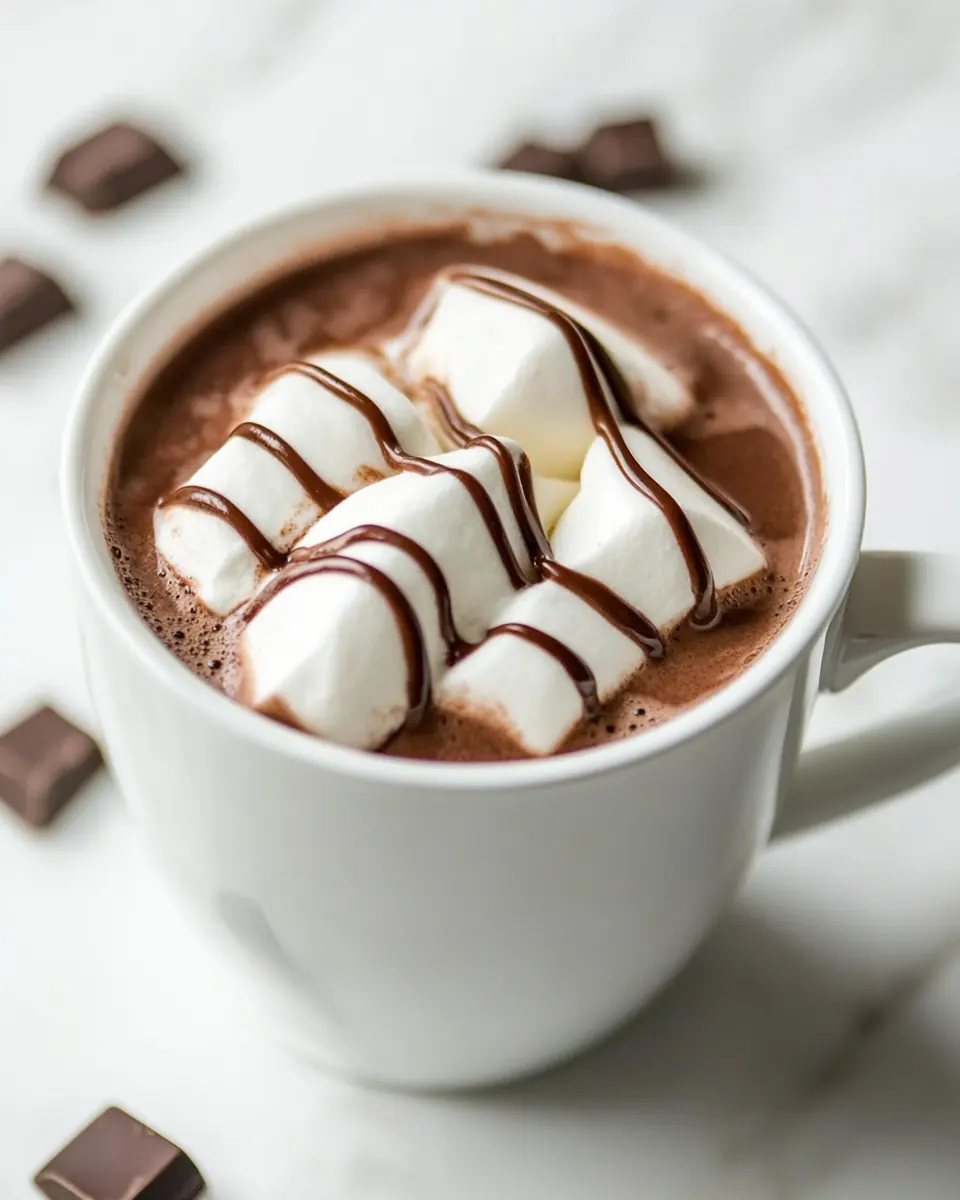
These ingredients are deliberately simple, chosen to work together for a rich, silky cup. The key players are the bittersweet chocolate for depth, the unsweetened cocoa powder for pure cocoa punch, and the milk for body and creaminess. The small amounts of water, sugar, and salt are there to bloom flavor and balance the chocolate, while finishing elements like whipped cream and marshmallows make the experience playful.
- 1/3 cup water: Provide moisture and help dissolve cocoa and sugar while forming the base for the drink; water brings out chocolate flavor and helps bloom cocoa powder for a smoother texture. Use heated water to ensure cocoa powder fully incorporates before adding milk for a lump-free mixture.
- 1/4 cup unsweetened cocoa powder plus more for dusting (optional): Supply concentrated chocolate flavor and deepen color while contributing slight bitterness; cocoa powder creates an intense chocolate backbone and can be dusted on top for aroma and presentation. Use unsweetened to control sweetness levels and allow adjustment with sugar.
- 3 cups milk (see note 1): Contribute creaminess, body, and richness to the hot chocolate; milk balances the bitterness from cocoa and chocolate and provides a silky mouthfeel. Choose the milk type based on desired richness and heat gently to avoid scalding while combining with dissolved cocoa.
- 4 ounces bittersweet chocolate chopped (see note 2): Provide deep, complex chocolate flavor and smooth texture as it melts into the warm liquid; chopped bittersweet chocolate adds cocoa butter for richness and a glossy finish. Use good-quality chocolate for best flavor and stir until fully incorporated for a velvety drink.
- 2 tablespoons granulated sugar or more to taste (see note 3): Add sweetness and help balance bitterness from cocoa and chocolate; granulated sugar allows precise control over final sweetness and can be increased to taste. Dissolve sugar in the warm liquid to ensure even sweetness throughout the beverage.
- 1 teaspoon vanilla extract: Enhance overall flavor profile by rounding and brightening the chocolate notes; vanilla adds aromatic complexity and softens harsh edges. Add near the end of heating to preserve its volatile aroma compounds.
- 1/8 teaspoons salt: Highlight and balance sweetness and chocolate bitterness by enhancing flavor contrast; salt rounds out flavors and makes the chocolate taste more vibrant. Use a small amount dissolved into the liquid so it disperses evenly.
- whipped cream for serving: Add a light, airy richness and indulgent finish when spooned atop the hot chocolate; whipped cream melts into the drink to create a luxuriously creamy surface. Use freshly whipped or store-bought cream to provide contrast in texture and extra decadence.
- marshmallows for serving: Bring a sweet, gooey texture and nostalgic topping when scattered over the hot chocolate; marshmallows melt slightly to form a soft, pillowy layer. Use mini marshmallows for quicker melting and an attractive presentation.
- chocolate syrup for serving: Provide extra sweetness and a glossy, decorative finish when drizzled on top; chocolate syrup intensifies chocolate flavor and adds a dramatic look. Use sparingly to avoid overpowering the drink and to create appealing swirls on whipped cream.
How to Make Hot Chocolate
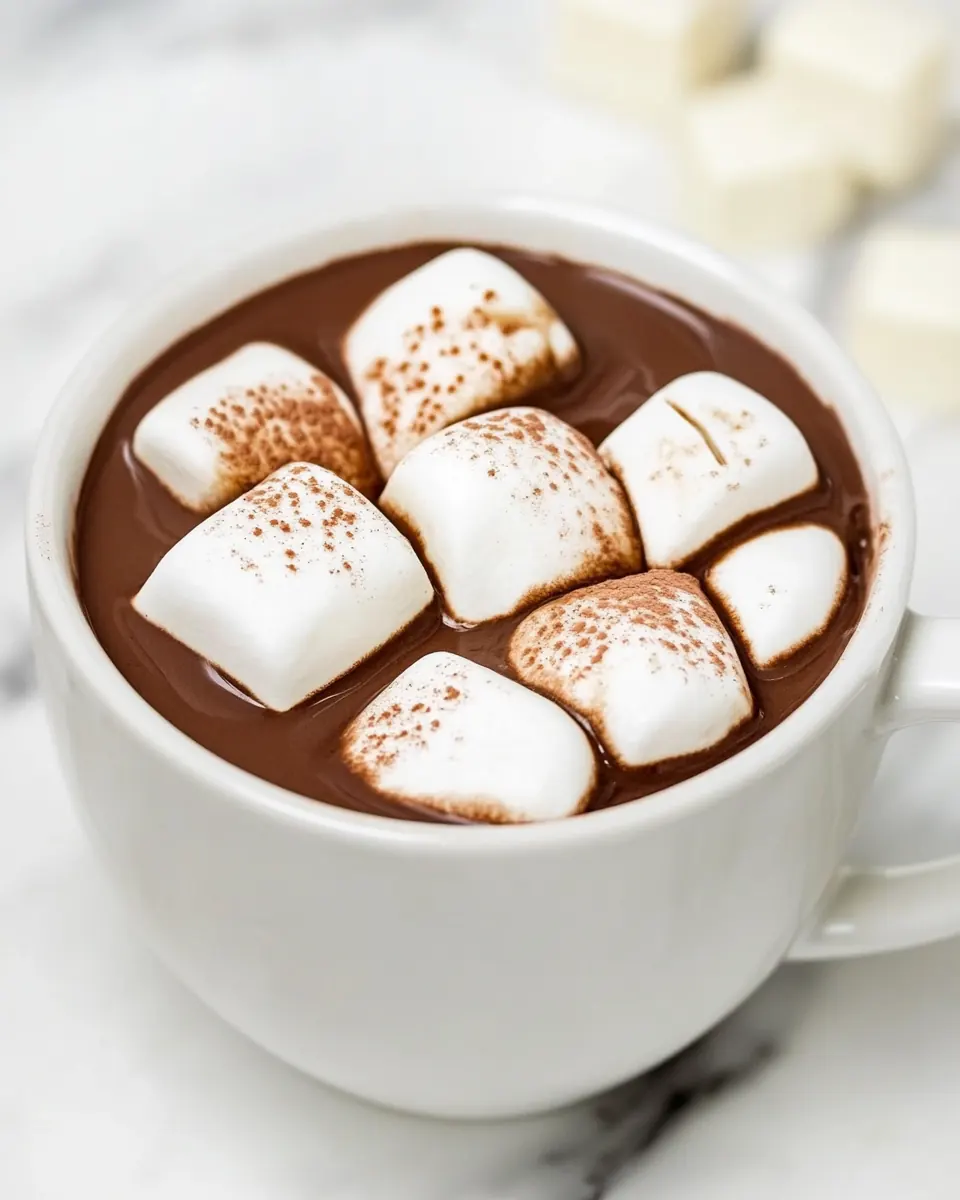
I keep the method relaxed and attentive, because the technique makes a real difference. Take a few mindful minutes, whisk steadily, and taste as you go. The directions are short, but the expansion below will help you aim for the exact texture and flavor you want.
- In a small saucepan, bring water to a boil. Whisk in cocoa until mostly smooth with some lumps. Reduce heat to medium and whisk in milk until cocoa powder is dissolved.: The first sensory cue is the water bubbling with a crisp, high sound and a faint steam rising, which tells you it is ready. This is followed by whisking in the unsweetened cocoa powder , which you will notice turning grainy at first, then smoothing into a dark paste. The reason for boiling the water briefly is that hot water helps bloom the cocoa, releasing fats and aromatics quickly, which deepens the chocolate flavor. A common mistake is to let the water sit too long and evaporate, concentrating it, so watch the pan and reduce heat as soon as you see rolling bubbles. If lumps persist, whisk energetically to break them up; the goal is a mostly smooth base before adding milk .
- Bring to a simmer and whisk in chocolate, sugar, and salt. Reduce heat to low and whisk until chocolate is smooth and incorporated. Taste and add more sugar if desired (I like 2 additional tablespoons for 1/4 cup total).: As you whisk, you will feel the texture change under the whisk from gritty to more cohesive, and the aroma grows richer and more chocolate forward. Those few small lumps are okay because the next step dissolves them, but you want to avoid large clumps that will not dissolve. The "why" behind this is that whisking now evenly distributes cocoa solids so they integrate seamlessly later. A frequent error is rushing this step, which leaves gritty pockets; take a minute to ensure even distribution.
- Remove from heat and stir in vanilla. Serve with whipped cream and marshmallows if desired.: When you add the milk , listen for a gentle change in sound as the liquid softens, and watch the color lighten slightly while becoming creamier. Keep the heat at medium to avoid scalding the milk . The milk temp should warm steadily, you may see thin steam but not vigorous bubbling. The purpose of this careful gentle heating is to allow the cocoa to fully hydrate and distribute through the milk without splitting or scorching. Avoid turning the heat up to hurry the process, which risks a burned flavor and a skin forming on top.
- Bring to a simmer and whisk in chocolate, sugar, and salt: As the mixture approaches a simmer, it will take on a richer sheen and the whisking will create slight ripples on the surface. Add the chopped bittersweet chocolate , sugar , and salt now; you will see the chocolate melt into glossy ribbons and the mixture will thicken slightly. The reason for adding the chocolate at simmer is that the higher temperature melts it quickly to give an even, velvety texture. A frequent misstep is adding cold chocolate pieces all at once in a very large size, which slows melting and leaves streaks; chopping small ensures quick integration and a uniformly smooth body.
- Reduce heat to low and whisk until chocolate is smooth and incorporated: On low heat the drink takes on a silky, consistent texture as the chocolate finishes melting, and the aroma will become rounder and deeper. You should whisk constantly for a short time so the chocolate fully incorporates and the mixture does not cling and burn on the saucepan bottom. This technique matters because residual heat can continue to thicken the mixture slightly while preserving creaminess. A common error is walking away, which can cause scorching and bitter notes, so stay close and keep whisking until there are no streaks of chocolate.
- Taste and add more sugar if desired (I like 2 additional tablespoons for 1/4 cup total): Once the mixture is smooth, taste for balance; you will notice the marriage of cocoa depth, chocolate richness, and the brightening pinch of salt . If the drink needs sweetness, add sugar in small increments and whisk, tasting after each addition. This step is about personal preference, since different chocolates have varying bitterness. Over-sugaring at once can flatten the complexity, so add cautiously and let each adjustment meld before evaluating.
- Remove from heat and stir in vanilla: After taking the saucepan off the heat, stir in the vanilla extract to preserve its fresh aroma, which elevates the chocolate without overpowering it. The sensory change is subtle and fragrant, lifting the warmth of the drink. Adding vanilla off heat prevents its delicate notes from evaporating. A mistake is heating vanilla too long, which can dull its fragrance and reduce its brightening effect.
- Serve with whipped cream and marshmallows if desired: Pour the hot chocolate into warmed cups and top with a cloud of whipped cream and a few marshmallows if you like. The contrast between the hot liquid and the cool, airy cream is delightful, and the marshmallows soften into sweet, pillowy islands. This finishing flourish brings textural variety and makes each sip more fun. Beware of filling cups to the brim before adding toppers, as the toppings can cause overflow when they melt.
Recipe Tips about Hot Chocolate
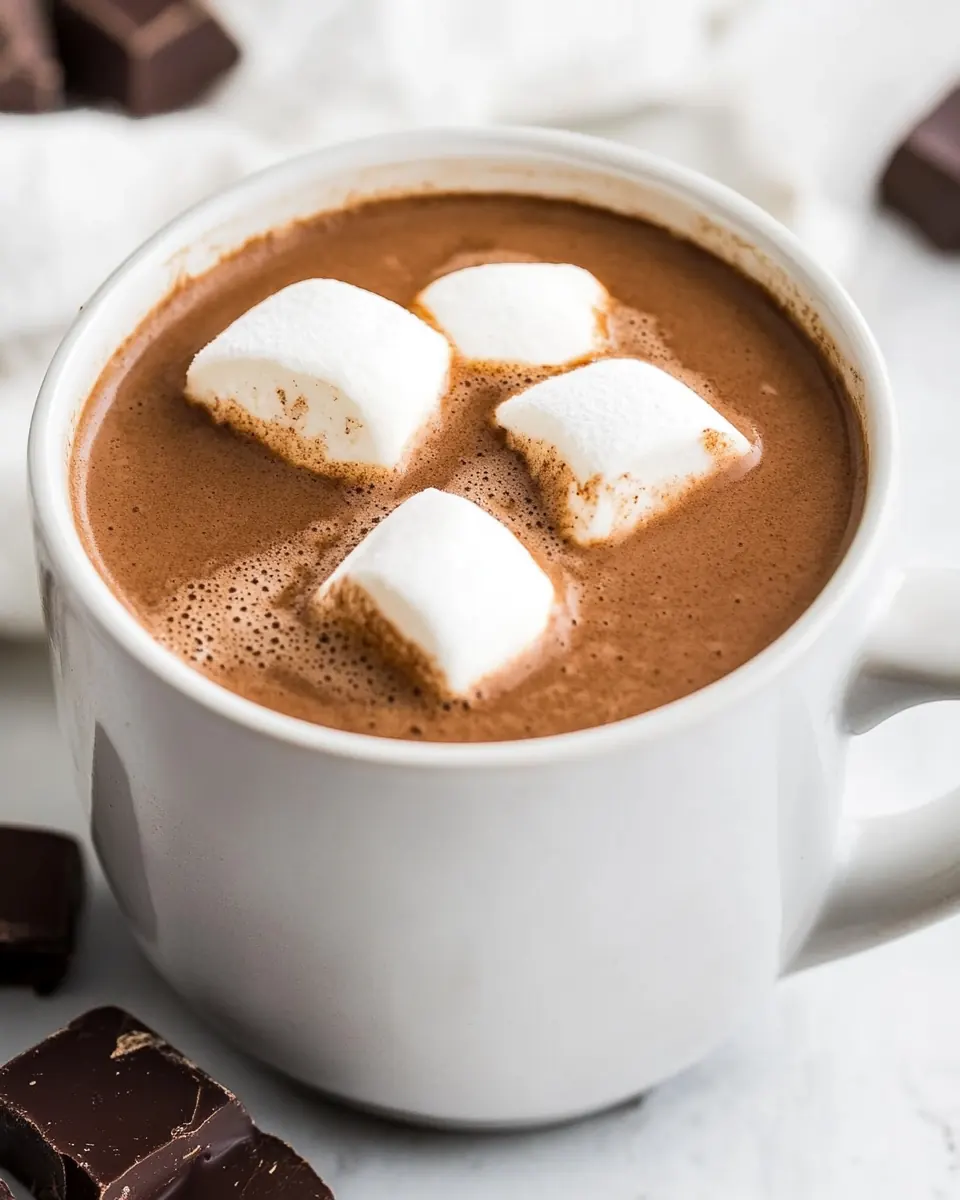
I like offering quick, practical tips that help you hit the sweet spot every time. These are the lessons I learned through trial and a few burnt batches, and they save time while improving texture and flavor.
- Choose whole milk for richness, it gives the creamiest texture and carries the chocolate flavor beautifully, though 2 percent still works if you prefer a lighter cup.
- Bloom cocoa in hot water first, this step helps dissolve the powder and releases more chocolate aroma than adding it directly to cold milk.
- Chop chocolate finely, so it melts into the milk quickly and you avoid streaks or lumps in the final drink.
- Add vanilla off heat, so the aroma stays bright and does not dissipate from prolonged cooking.
- Adjust sugar incrementally, tasting as you go to avoid making the cocoa cloyingly sweet and to preserve complexity.
- Reheat gently, use low heat and whisk while reheating stored hot chocolate to bring it back to a smooth consistency without scorching.
Serving Options for Hot Chocolate
Hot chocolate is wonderfully adaptable for different occasions and serving styles. Whether you want a simple cup for a quiet evening, a decadent treat for guests, or a quick pick me up, the serving choices below will help you match the mood.
- Classic cozy cup, serve a mug of Hot Chocolate topped with a spoonful of whipped cream for warmth and richness; this is perfect for a quiet evening at home.
- Kid friendly, add a handful of marshmallows to the top and a drizzle of chocolate syrup for a playful finish that children adore during chilly afternoons.
- Elegant gathering, pour into small demitasse cups and garnish with a light dusting of unsweetened cocoa powder for a refined presentation at dessert parties.
- Make ahead and store, cool and refrigerate the batch in a covered container for up to four days, then reheat on low while whisking to recombine any separation.
- Seasonal pairings, serve with biscotti, shortbread, or spiced cookies during winter gatherings; these textural contrasts create a satisfying tasting experience during holidays or quiet weeknights.
- Portion suggestions, this recipe yields about four cups, so it is ideal for sharing with friends or keeping a few servings for later indulgence.
FAQ
Conclusion
What makes this Hot Chocolate special is the balance between quality bittersweet chocolate, careful technique, and a few humble ingredients that amplify each other. It is quick to make yet richly satisfying, delivering a cozy warmth that suits quiet nights and small gatherings alike. Give it a try the next cold evening, and take a few extra moments to whisk patiently and taste as you go, because those small choices transform a good cup into a memorable one.
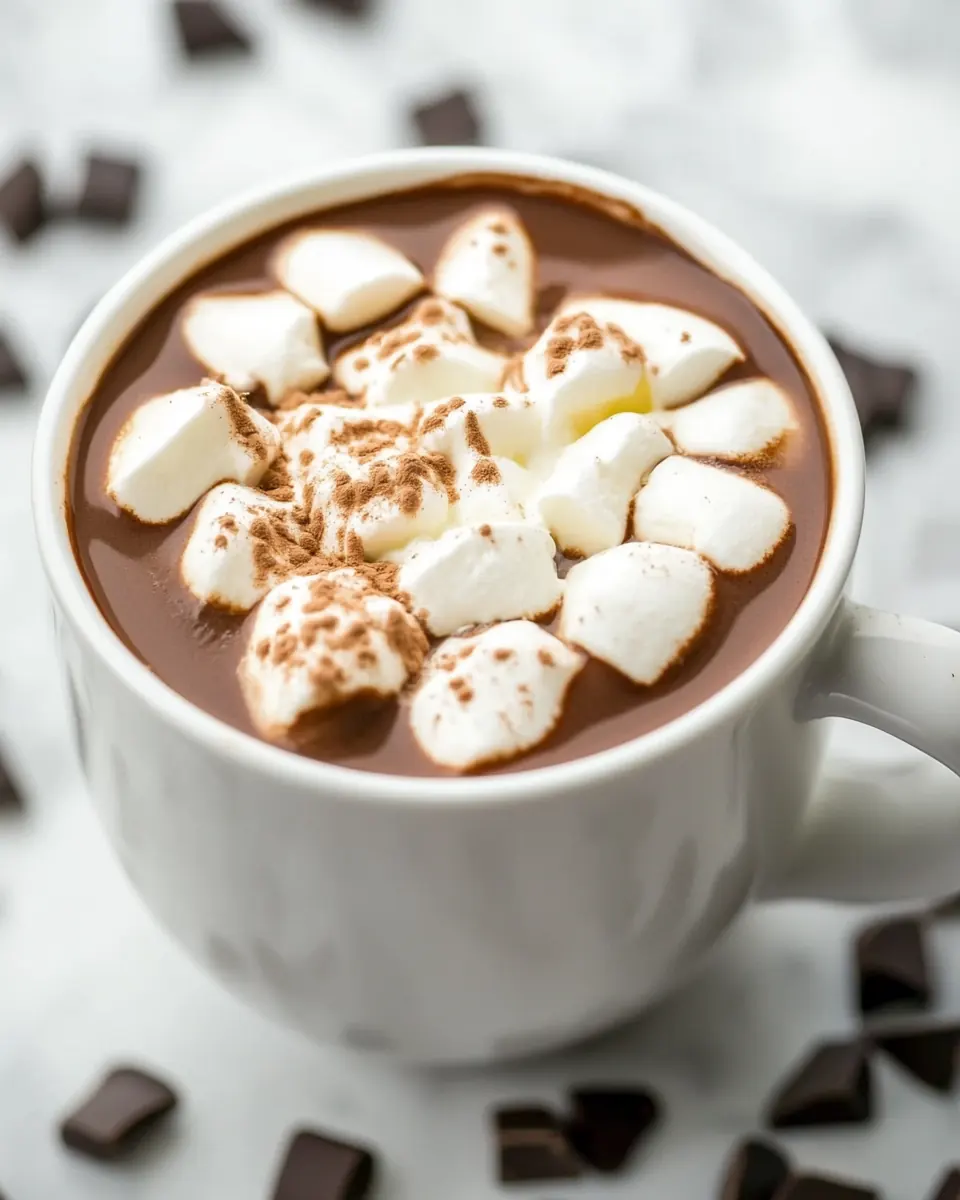
Hot Chocolate
Ingredients
Equipment
Method
- In a small saucepan, bring water to a boil. Whisk in cocoa until mostly smooth with some lumps. Reduce heat to medium and whisk in milk until cocoa powder is dissolved.: The first sensory cue is the water bubbling with a crisp, high sound and a faint steam rising, which tells you it is ready. This is followed by whisking in the unsweetened cocoa powder , which you will notice turning grainy at first, then smoothing into a dark paste. The reason for boiling the water briefly is that hot water helps bloom the cocoa, releasing fats and aromatics quickly, which deepens the chocolate flavor. A common mistake is to let the water sit too long and evaporate, concentrating it, so watch the pan and reduce heat as soon as you see rolling bubbles. If lumps persist, whisk energetically to break them up; the goal is a mostly smooth base before adding milk .
- Bring to a simmer and whisk in chocolate, sugar, and salt. Reduce heat to low and whisk until chocolate is smooth and incorporated. Taste and add more sugar if desired (I like 2 additional tablespoons for 1/4 cup total).: As you whisk, you will feel the texture change under the whisk from gritty to more cohesive, and the aroma grows richer and more chocolate forward. Those few small lumps are okay because the next step dissolves them, but you want to avoid large clumps that will not dissolve. The "why" behind this is that whisking now evenly distributes cocoa solids so they integrate seamlessly later. A frequent error is rushing this step, which leaves gritty pockets; take a minute to ensure even distribution.
- Remove from heat and stir in vanilla. Serve with whipped cream and marshmallows if desired.: When you add the milk , listen for a gentle change in sound as the liquid softens, and watch the color lighten slightly while becoming creamier. Keep the heat at medium to avoid scalding the milk . The milk temp should warm steadily, you may see thin steam but not vigorous bubbling. The purpose of this careful gentle heating is to allow the cocoa to fully hydrate and distribute through the milk without splitting or scorching. Avoid turning the heat up to hurry the process, which risks a burned flavor and a skin forming on top.
- Bring to a simmer and whisk in chocolate, sugar, and salt: As the mixture approaches a simmer, it will take on a richer sheen and the whisking will create slight ripples on the surface. Add the chopped bittersweet chocolate , sugar , and salt now; you will see the chocolate melt into glossy ribbons and the mixture will thicken slightly. The reason for adding the chocolate at simmer is that the higher temperature melts it quickly to give an even, velvety texture. A frequent misstep is adding cold chocolate pieces all at once in a very large size, which slows melting and leaves streaks; chopping small ensures quick integration and a uniformly smooth body.
- Reduce heat to low and whisk until chocolate is smooth and incorporated: On low heat the drink takes on a silky, consistent texture as the chocolate finishes melting, and the aroma will become rounder and deeper. You should whisk constantly for a short time so the chocolate fully incorporates and the mixture does not cling and burn on the saucepan bottom. This technique matters because residual heat can continue to thicken the mixture slightly while preserving creaminess. A common error is walking away, which can cause scorching and bitter notes, so stay close and keep whisking until there are no streaks of chocolate.
- Taste and add more sugar if desired (I like 2 additional tablespoons for 1/4 cup total): Once the mixture is smooth, taste for balance; you will notice the marriage of cocoa depth, chocolate richness, and the brightening pinch of salt . If the drink needs sweetness, add sugar in small increments and whisk, tasting after each addition. This step is about personal preference, since different chocolates have varying bitterness. Over-sugaring at once can flatten the complexity, so add cautiously and let each adjustment meld before evaluating.
- Remove from heat and stir in vanilla: After taking the saucepan off the heat, stir in the vanilla extract to preserve its fresh aroma, which elevates the chocolate without overpowering it. The sensory change is subtle and fragrant, lifting the warmth of the drink. Adding vanilla off heat prevents its delicate notes from evaporating. A mistake is heating vanilla too long, which can dull its fragrance and reduce its brightening effect.
- Serve with whipped cream and marshmallows if desired: Pour the hot chocolate into warmed cups and top with a cloud of whipped cream and a few marshmallows if you like. The contrast between the hot liquid and the cool, airy cream is delightful, and the marshmallows soften into sweet, pillowy islands. This finishing flourish brings textural variety and makes each sip more fun. Beware of filling cups to the brim before adding toppers, as the toppings can cause overflow when they melt.
Notes
- Choose whole milk for richness, it gives the creamiest texture and carries the chocolate flavor beautifully, though 2 percent still works if you prefer a lighter cup.
- Bloom cocoa in hot water first, this step helps dissolve the powder and releases more chocolate aroma than adding it directly to cold milk.
- Chop chocolate finely, so it melts into the milk quickly and you avoid streaks or lumps in the final drink.
- Add vanilla off heat, so the aroma stays bright and does not dissipate from prolonged cooking.
- Adjust sugar incrementally, tasting as you go to avoid making the cocoa cloyingly sweet and to preserve complexity.
- Reheat gently, use low heat and whisk while reheating stored hot chocolate to bring it back to a smooth consistency without scorching.