Copycat Cheesecake Factory Santa Fe Salad Dressing
Copycat Cheesecake Factory Santa Fe Salad Dressing is one of those recipes I reach for when I want a bright, herbaceous punch on a simple greens bowl, and the first time I made it I felt like I had cracked a secret. I remember pulling a jar from the fridge and tasting that cilantro and lime tango, thinking I should have been making this at home all along. The dressing has fresh sharpness from cilantro and lime juice, a savory backbone from Parmesan cheese, and a silky finish thanks to the oils, making every salad bite sing. I like to make a double batch when I have guests because it disappears fast.
On a quiet weeknight I’ll toss this dressing with a mix of lettuces, scatter some crunchy tortilla strips, and fold in sliced grilled chicken for contrast. It’s forgiving, so I’ll tweak the salt or honey depending on the mood, but the core balance stays the same. Over the years I learned little things, like always rinsing cilantro thoroughly to avoid grit, and letting the dressing rest so flavors relax and meld. The texture becomes luxuriously cohesive when you take the time to emulsify the oils slowly.
What I love most is how versatile Copycat Cheesecake Factory Santa Fe Salad Dressing is beyond salads. I’ve used it as a marinade for vegetables, a dunk for shrimp, and even drizzled it on grain bowls. Each application highlights different notes, sometimes sweet, sometimes herb-forward. When friends ask for the recipe, they’re surprised it comes together quickly and with pantry-friendly items. It feels like a restaurant treat that you can comfortably re-create in your own kitchen, and that’s a small kind of magic I never tire of.
Recipe Snapshot
20 mins
10 mins
10 mins
Easy
150 kcal
American
Gluten-Free, Vegan
Salads
Food processor, Mixing bowl, Whisk
Why This Copycat Cheesecake Factory Santa Fe Salad Dressing Is a Winner
Fresh, vibrant flavor
I love how Copycat Cheesecake Factory Santa Fe Salad Dressing delivers bright herbal notes from cilantro and tangy lift from fresh lime juice. That contrast keeps every bite lively, and I often find myself reaching for it when I want a lively counterpoint to richer ingredients.
Balanced savory backbone
The addition of freshly grated Parmesan cheese gives the dressing a savory depth that stops it from tasting one dimensional. I enjoy that umami edge because it plays well with crunchy salad toppings and proteins, and it makes the dressing feel substantial.
Easy to make, yet restaurant worthy
This dressing punches above its weight. With simple tools and a short bit of processing, you get a creamy, emulsified sauce that feels like something from a bistro. I usually make it in a food processor or blender because it becomes smooth and glossy quickly.
Versatility in serving
Beyond salads, I use Copycat Cheesecake Factory Santa Fe Salad Dressing as a marinade or a drizzle. It brightens grilled vegetables and pairs wonderfully with beans and corn. I like that it can adapt to different meals without losing its identity.
Quick pantry friendly
Most of the ingredients are staples I keep around, so this dressing is a fast lift for weeknight meals. A touch of honey balances the acid, and a friendly oil blend smooths everything out. I especially appreciate that the recipe scales easily when I want more for a gathering.
What You’ll Need for Copycat Cheesecake Factory Santa Fe Salad Dressing
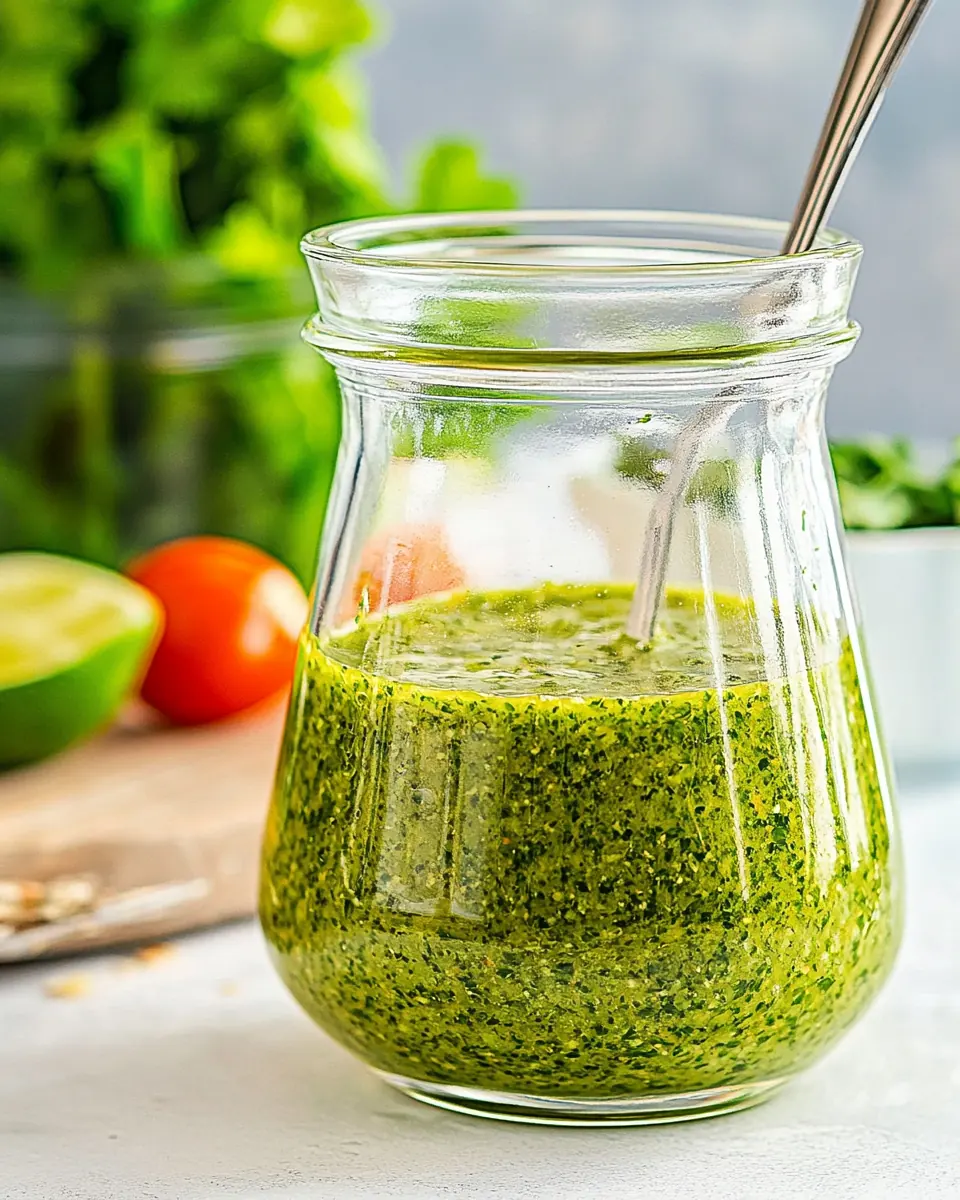
These ingredients are chosen to build layers of flavor and a stable emulsion. The herbaceous cilantro is the star, while fresh lime juice brings acidity to brighten flavors. Parmesan cheese adds savory depth, and the combination of canola oil and olive oil provides a silky mouthfeel and smooth mouth coating. Small hitters like garlic, fresh ginger, and honey round out the profile and keep the dressing balanced.
- 3 tablespoons garlic: Mince finely to release pungent aromatics that build savory depth and provide a strong garlicky backbone for the dressing.
- 1 tablespoon fresh ginger: Grate or finely mince to add a bright, spicy-ginger warmth that balances acidity and complements the cilantro and lime.
- 2 bunches cilantro rinsed well, most of the stalk ends trimmed off, and finely chopped (about 1 cup loosely packed): Chop finely after rinsing to supply fresh, citrusy-herb notes and a vibrant green flavor that defines the dressing’s character.
- 1/2 cup fresh lime juice: Squeeze freshly to contribute bright acidity and zesty citrus lift that helps balance oils and bind the flavors together.
- 1 1/2 teaspoons wine vinegar: Measure precisely to introduce a mild, tangy acidity that rounds out flavors and adds subtle wine-derived complexity.
- 3/4 teaspoons salt: Sprinkle evenly to enhance overall flavor, bringing a necessary savory balance and helping to season both herbs and oils.
- 1/2 teaspoon ground cumin: Toast lightly or measure dry to lend warm, earthy, slightly nutty notes that reinforce the salad’s southwestern profile.
- 1/2 teaspoon freshly ground pepper: Grind freshly to contribute sharp, spicy heat that accentuates other seasonings and brightens the dressing’s finish.
- 1 tablespoon honey: Stir or whisk in to add controlled sweetness that softens acidity and ties together savory, herbaceous, and tangy elements.
- 1/2 cup freshly grated parmesan cheese: Grate freshly to introduce salty, umami-rich creaminess that gives body and Parmesan tang to the dressing.
- 1/2 cup canola oil: Whisk in slowly to provide a neutral, smooth frying-oil texture that helps emulsify and carry flavors without overpowering them.
- 1/4 cup olive oil: Drizzle and mix to contribute fruity, slightly bitter richness that balances the canola oil and enhances mouthfeel.
Directions for Copycat Cheesecake Factory Santa Fe Salad Dressing
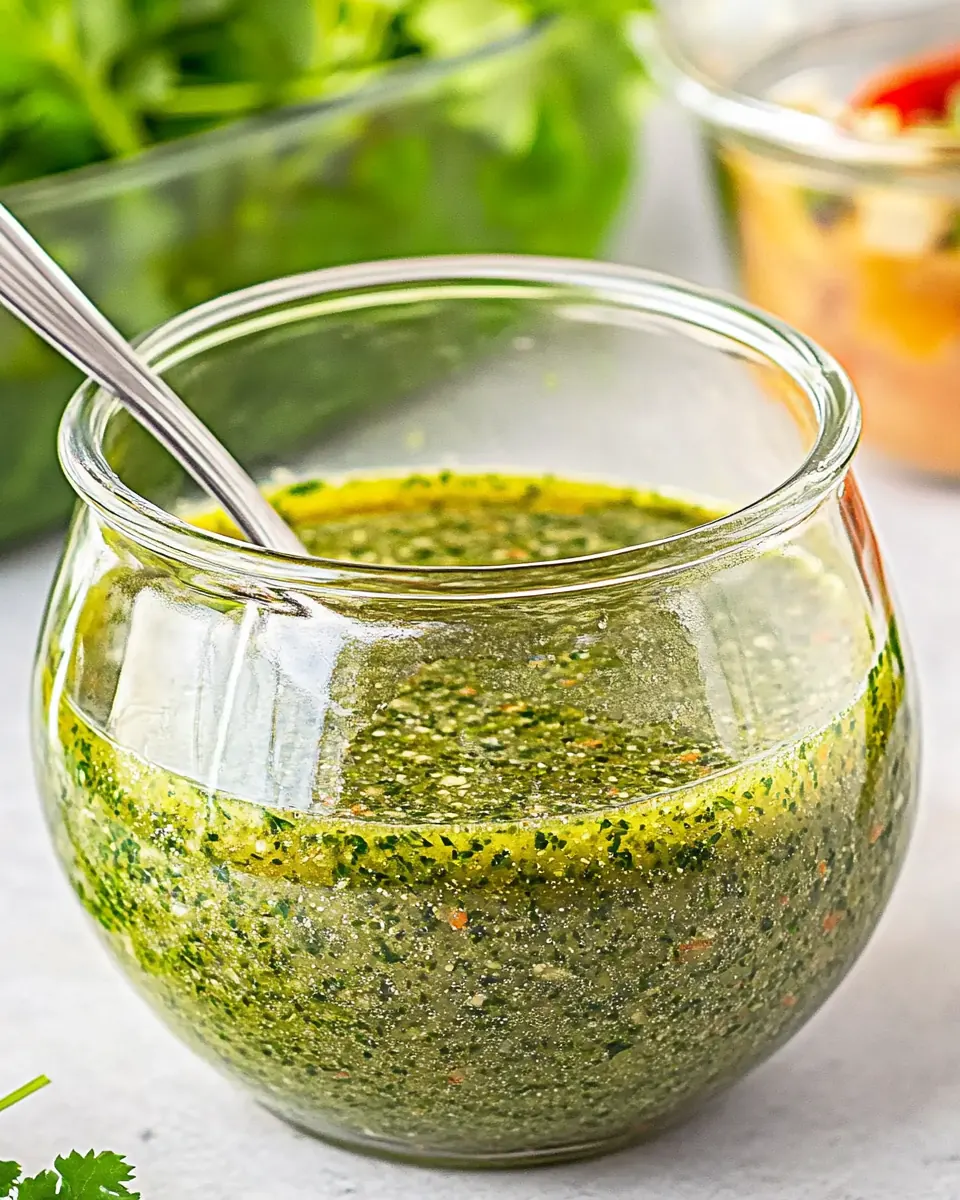
This method walks through both processor and manual approaches so you can choose your preferred tool. I’ll guide you through signals to watch for, and how to salvage texture if the emulsion looks weak. Keep a tasting spoon handy.
- Drop the garlic cloves and ginger through the feed tube while the motor is on. Mince well.: The sound of the processor chopping will shift from distinct snaps to a smoother whir as the garlic and fresh ginger break down, releasing their bright, spicy aromatics. You should smell a sharp, fragrant note that cuts through the air, and visually the pieces will be much smaller and moist. This quick blitz is key because tiny pieces distribute flavor evenly, preventing large chunks from overpowering a single bite. A common mistake is overpacking the feed tube which stalls the blades; if that happens, stop and scrape down the sides, then pulse in smaller batches to ensure even mincing. The texture you aim for is fine and cohesive, not pureed into a paste, because a little structure helps the dressing cling to leaves.
- Add the cilantro and process until finely chopped.: As the cilantro goes through the blades, its green color will deepen and a bright, leafy aroma will dominate, signaling the herb is evenly incorporated. You want a texture that is finely chopped but still visibly green, so the dressing looks fresh and vibrant. The reason this matters is that larger leaves can float or clump, creating uneven bites; finely chopped cilantro ensures every spoonful carries herb flavor. Watch for any long stems that can tangle in the processor; trimming them beforehand avoids tearing and bitterness. If the cilantro looks too wet from washing, blot it dry to prevent a diluted dressing.
- Add the lime juice, vinegar, salt, spices, honey, and Parmesan cheese. Process until well mixed.: Once these ingredients combine, you should notice a tangy, salty perfume with a hint of sweetness, and the Parmesan cheese will begin to integrate, lending a creamy grain to the mixture. This stage is where balance forms, so take a moment to taste; the acid from fresh lime juice should brighten without biting, and the honey should soften the edges. A frequent pitfall is adding too much salt initially; measure, then adjust after emulsification, because the Parmesan cheese contributes saltiness as it blends. The visual cue for readiness is a homogenous mixture where the cheese is distributed and no distinct pools of liquid remain.
- With the motor running, slowly pour the oils through the feed tube, and process for one more minute.: You will see the mixture go from a loose dressing to a glossy, slightly thickened emulsion as the canola oil and olive oil bind with the acidic base. Pouring the oils in a slow, steady stream while the blades turn encourages a stable emulsion, creating a silky texture that clings to leaves. If you pour too quickly, the dressing may break and separate into oily slicks and watery bits; to rescue a broken emulsion, stop, add a teaspoon of warm water, and process slowly to coax it back together. Expect a smooth sheen and a scent that melds herb, acid, and oil—this indicates success.
- Mince the garlic, ginger, and cilantro, and place them in a mixing bowl with the lime juice, vinegar, salt, spices, honey, and cheese.: When you prepare these components by hand, the aroma is more pronounced, with individual notes of garlic and cilantro standing out before being tempered by acid and cheese. Using a bowl gives you tactile control to adjust seasoning, and you can monitor the texture closely as you whisk in ingredients. One reason to do this manually is to avoid overprocessing delicate herbs which can turn bitter if pulped. A common error is not chopping finely enough; leave larger pieces and the dressing will feel uneven. The visual cue is a uniform mix where the solids are well distributed and ready to be emulsified with oil.
- Whisk in the oil until it is emulsified into the dressing.: As you whisk, the mixture will thicken and take on a glossy, cohesive body, and you will hear a faint rhythmic splash as oil becomes suspended in the acidic base. This manual emulsification lets you control speed and stop when you reach the desired thickness. The reason this matters is texture affects cling and mouthfeel; a properly emulsified dressing will coat salad leaves without sliding off. If the dressing resists emulsifying, add the oil in even smaller increments, or add a teaspoon of warm water to help bind. Avoid over whipping, which can thin the dressing again; aim for smooth, consistent viscosity and a bright, integrated aroma.
Tips and Tricks about Copycat Cheesecake Factory Santa Fe Salad Dressing
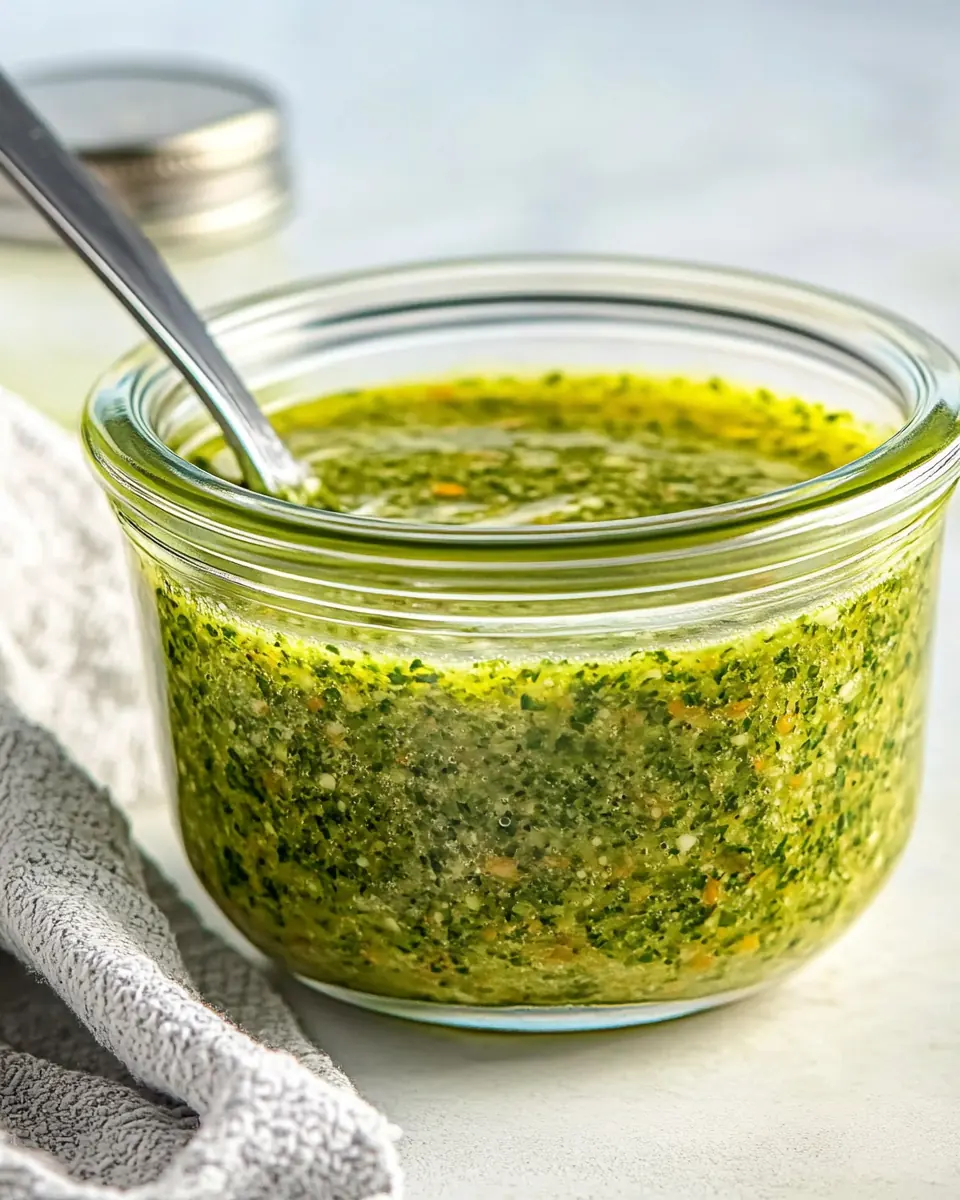
I like to keep a running list of small adjustments that make this dressing sing, from ingredient temperature to serving tricks. Below are expanded tips that I use regularly to ensure consistent, great results.
- Prep ingredients first so everything goes into the processor without delay; this keeps the processing time short and preserves the fresh herb aroma.
- Use fresh lime juice for the cleanest, brightest acid note; bottled lime often lacks the vibrant citrus oils that lift the dressing.
- Grate Parmesan fresh to avoid anti caking agents found in pregrated cheese, which can affect texture and melt into the dressing better.
- Combine oils to balance flavor and mouthfeel; a neutral oil keeps it light while olive oil adds depth, but pour them slowly to emulsify.
- Store chilled in an airtight container for up to one week, shaking well before use because natural separation can occur over time.
What to Serve With Copycat Cheesecake Factory Santa Fe Salad Dressing
This dressing lifts a wide range of dishes, and I often tailor the accompaniments to the occasion. For casual lunches I keep it simple, while for weekend dinners I add hearty proteins and warm sides. The suggestions below pair well across seasons and can be mixed for larger gatherings.
- Mixed green salad with tortilla strips, ideal for everyday lunches, letting the dressing shine against crisp leaves and crunchy texture.
- Grilled chicken breast sliced thin and served on top of a salad, perfect for a protein forward dinner that still feels bright and fresh.
- Southwestern grain bowl with corn and black beans for a satisfying vegetarian option where the dressing adds brightness and moisture to grains.
- Roasted vegetables like peppers and zucchini, where a drizzle of the dressing after roasting enlivens caramelized flavors with herbal acidity.
- Entertaining platter with finger foods and fresh veggies; serve the dressing on the side so guests can customize their portions.
- Seasonal pairing recommendations include spring salads with tender greens and summer corn salads, because the vibrant cilantro and lime notes marry well with lighter produce.
- Storage and make ahead suggestions: keep chilled in a sealed jar for up to one week, and bring to room temperature briefly before serving to let flavors become more aromatic.
FAQ
Conclusion
This dressing stands out for its vivid cilantro and lime brightness, balanced with savory Parmesan and a silky oil emulsion. Try making a batch and using it on a simple mixed green salad with tortilla strips, or as a drizzle over grilled vegetables for a fresh lift. It is quick to assemble, flexible in use, and consistently delivers restaurant style flavor at home. Enjoy experimenting with small tweaks to match your taste, and share the results with friends and family who appreciate bold, herbaceous dressings.
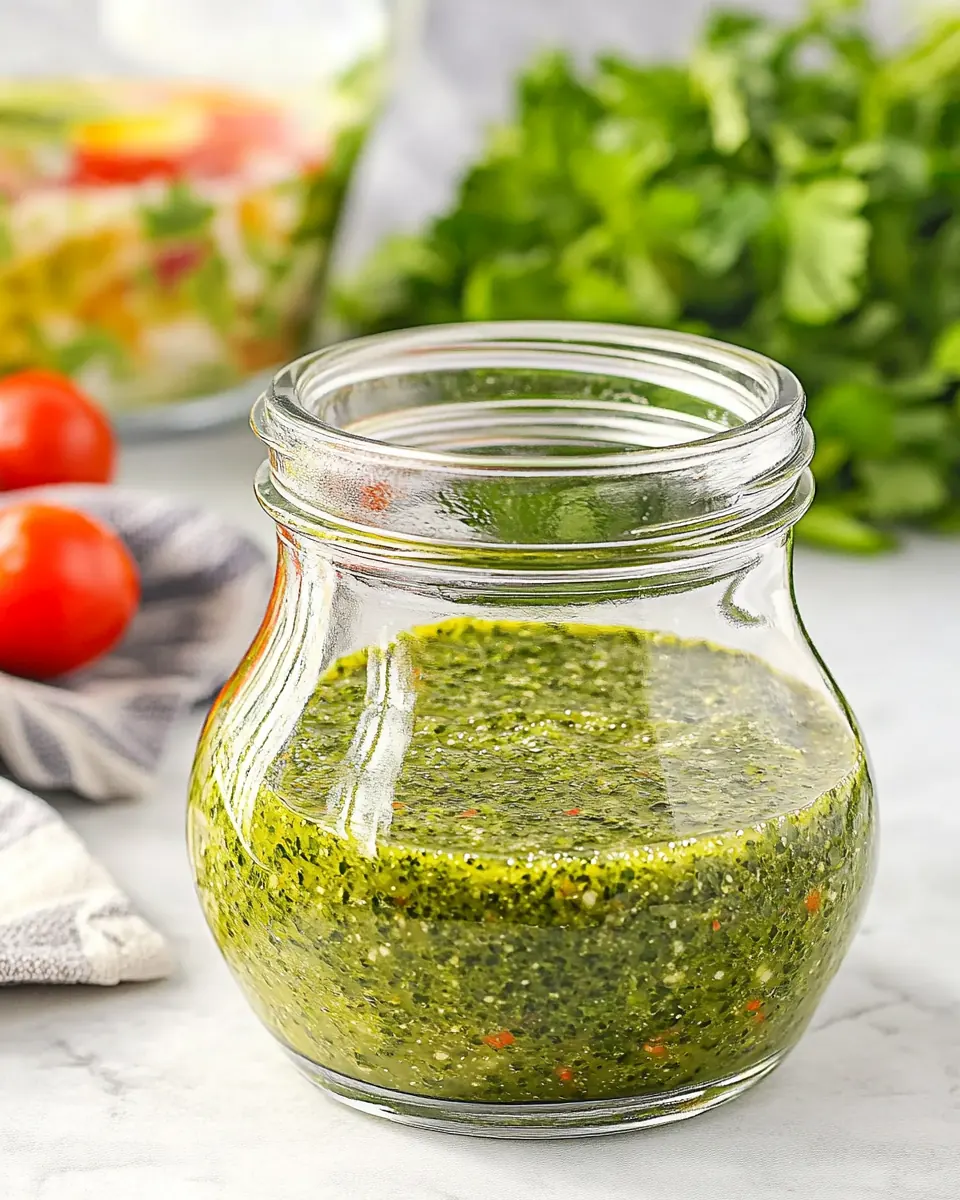
Copycat Cheesecake Factory Santa Fe Salad Dressing
Ingredients
Equipment
Method
- Drop the garlic cloves and ginger through the feed tube while the motor is on. Mince well.: The sound of the processor chopping will shift from distinct snaps to a smoother whir as the garlic and fresh ginger break down, releasing their bright, spicy aromatics. You should smell a sharp, fragrant note that cuts through the air, and visually the pieces will be much smaller and moist. This quick blitz is key because tiny pieces distribute flavor evenly, preventing large chunks from overpowering a single bite. A common mistake is overpacking the feed tube which stalls the blades; if that happens, stop and scrape down the sides, then pulse in smaller batches to ensure even mincing. The texture you aim for is fine and cohesive, not pureed into a paste, because a little structure helps the dressing cling to leaves.
- Add the cilantro and process until finely chopped.: As the cilantro goes through the blades, its green color will deepen and a bright, leafy aroma will dominate, signaling the herb is evenly incorporated. You want a texture that is finely chopped but still visibly green, so the dressing looks fresh and vibrant. The reason this matters is that larger leaves can float or clump, creating uneven bites; finely chopped cilantro ensures every spoonful carries herb flavor. Watch for any long stems that can tangle in the processor; trimming them beforehand avoids tearing and bitterness. If the cilantro looks too wet from washing, blot it dry to prevent a diluted dressing.
- Add the lime juice, vinegar, salt, spices, honey, and Parmesan cheese. Process until well mixed.: Once these ingredients combine, you should notice a tangy, salty perfume with a hint of sweetness, and the Parmesan cheese will begin to integrate, lending a creamy grain to the mixture. This stage is where balance forms, so take a moment to taste; the acid from fresh lime juice should brighten without biting, and the honey should soften the edges. A frequent pitfall is adding too much salt initially; measure, then adjust after emulsification, because the Parmesan cheese contributes saltiness as it blends. The visual cue for readiness is a homogenous mixture where the cheese is distributed and no distinct pools of liquid remain.
- With the motor running, slowly pour the oils through the feed tube, and process for one more minute.: You will see the mixture go from a loose dressing to a glossy, slightly thickened emulsion as the canola oil and olive oil bind with the acidic base. Pouring the oils in a slow, steady stream while the blades turn encourages a stable emulsion, creating a silky texture that clings to leaves. If you pour too quickly, the dressing may break and separate into oily slicks and watery bits; to rescue a broken emulsion, stop, add a teaspoon of warm water, and process slowly to coax it back together. Expect a smooth sheen and a scent that melds herb, acid, and oil—this indicates success.
- Mince the garlic, ginger, and cilantro, and place them in a mixing bowl with the lime juice, vinegar, salt, spices, honey, and cheese.: When you prepare these components by hand, the aroma is more pronounced, with individual notes of garlic and cilantro standing out before being tempered by acid and cheese. Using a bowl gives you tactile control to adjust seasoning, and you can monitor the texture closely as you whisk in ingredients. One reason to do this manually is to avoid overprocessing delicate herbs which can turn bitter if pulped. A common error is not chopping finely enough; leave larger pieces and the dressing will feel uneven. The visual cue is a uniform mix where the solids are well distributed and ready to be emulsified with oil.
- Whisk in the oil until it is emulsified into the dressing.: As you whisk, the mixture will thicken and take on a glossy, cohesive body, and you will hear a faint rhythmic splash as oil becomes suspended in the acidic base. This manual emulsification lets you control speed and stop when you reach the desired thickness. The reason this matters is texture affects cling and mouthfeel; a properly emulsified dressing will coat salad leaves without sliding off. If the dressing resists emulsifying, add the oil in even smaller increments, or add a teaspoon of warm water to help bind. Avoid over whipping, which can thin the dressing again; aim for smooth, consistent viscosity and a bright, integrated aroma.
Notes
- Prep ingredients first so everything goes into the processor without delay; this keeps the processing time short and preserves the fresh herb aroma.
- Use fresh lime juice for the cleanest, brightest acid note; bottled lime often lacks the vibrant citrus oils that lift the dressing.
- Grate Parmesan fresh to avoid anti caking agents found in pregrated cheese, which can affect texture and melt into the dressing better.
- Combine oils to balance flavor and mouthfeel; a neutral oil keeps it light while olive oil adds depth, but pour them slowly to emulsify.
- Store chilled in an airtight container for up to one week, shaking well before use because natural separation can occur over time.