Maldivian Tuna Curry
Maldivian Tuna Curry is a dish that hooked me the first time I tasted it on a windswept evening by the sea, when a neighbor pressed a bowl into my hands and said, you must try this. The flavors were unapologetically bold, yet tender and balanced, and I remember how the coconut and spices felt like a warm salt breeze. From that day forward, I chased that memory in my own kitchen, learning how each step mattered, and how the humble tuna transforms when treated with gentle heat and bright aromatics.
I still laugh at my first attempt when I wrapped the fish in coconut leaf and tied the knot too tight, turning the rolls into something that looked more like parcels than food. Practice taught me patience, and along the way I collected a few tricks I want to share with you. Cooking Maldivian Tuna Curry became more than a recipe, it became a ritual I return to when I crave something soulful and sea kissed. The textures, from the creamy coconut milk to the roasted spice paste, make every spoonful a small celebration.
There is something comforting about a dish that announces itself with fragrance, and this curry does that without shouting. I love that it feels festive yet approachable, perfect for family dinners or when you want to impress without fuss. Over the years I have learned to trust small visual cues, and I will describe them so you can replicate that perfect moment when the sauce thickens and the aroma fills the room. Let me walk you through how I make this beloved recipe feel like home.
Recipe Snapshot
2 hr
30 mins
90 mins
Medium
350 kcal
Maldivian
Keto, Gluten-Free
Dinner
Pan, Food processor, Pot, Knife
What’s Great About This Maldivian Tuna Curry
Authentic coastal flavor
I grew up near the water, and every time I cook Maldivian Tuna Curry I’m taken back to open kitchens and salt air. The marriage of roasted spice paste and fresh tuna creates a deeply layered taste that feels true to its island roots, and I love how the coconut presence is both creamy and fragrant.
Textural contrast
The recipe balances silky coconut milk with the meaty bite of the tuna, and the little chew from folded rolls wrapped in leaf adds a playful texture. I often find myself pausing to appreciate that contrast while stirring, which makes eating the dish feel deliberate rather than rushed.
Technique forward, not fussy
What draws me in is how the technique elevates simple ingredients. Roasting the spice paste until it browns brings a toasty complexity, and forming rolls teaches patience. I like that this dish rewards care, and the steps are satisfying rather than complicated.
Versatile for gatherings
I’ve served this curry for quiet family nights and lively dinners alike. It scales well, and because it’s hearty, it pairs beautifully with plain steamed rice. I appreciate recipes that let me enjoy company instead of spending the evening over the stove, and this one does exactly that when you prepare parts ahead.
Memorable and comforting
Finally, the aroma alone makes it memorable. When I cook Maldivian Tuna Curry guests lean into the kitchen, curious and delighted. That instant connection, between scent and story, is why I keep returning to this recipe.
Ingredients You’ll Need for Maldivian Tuna Curry
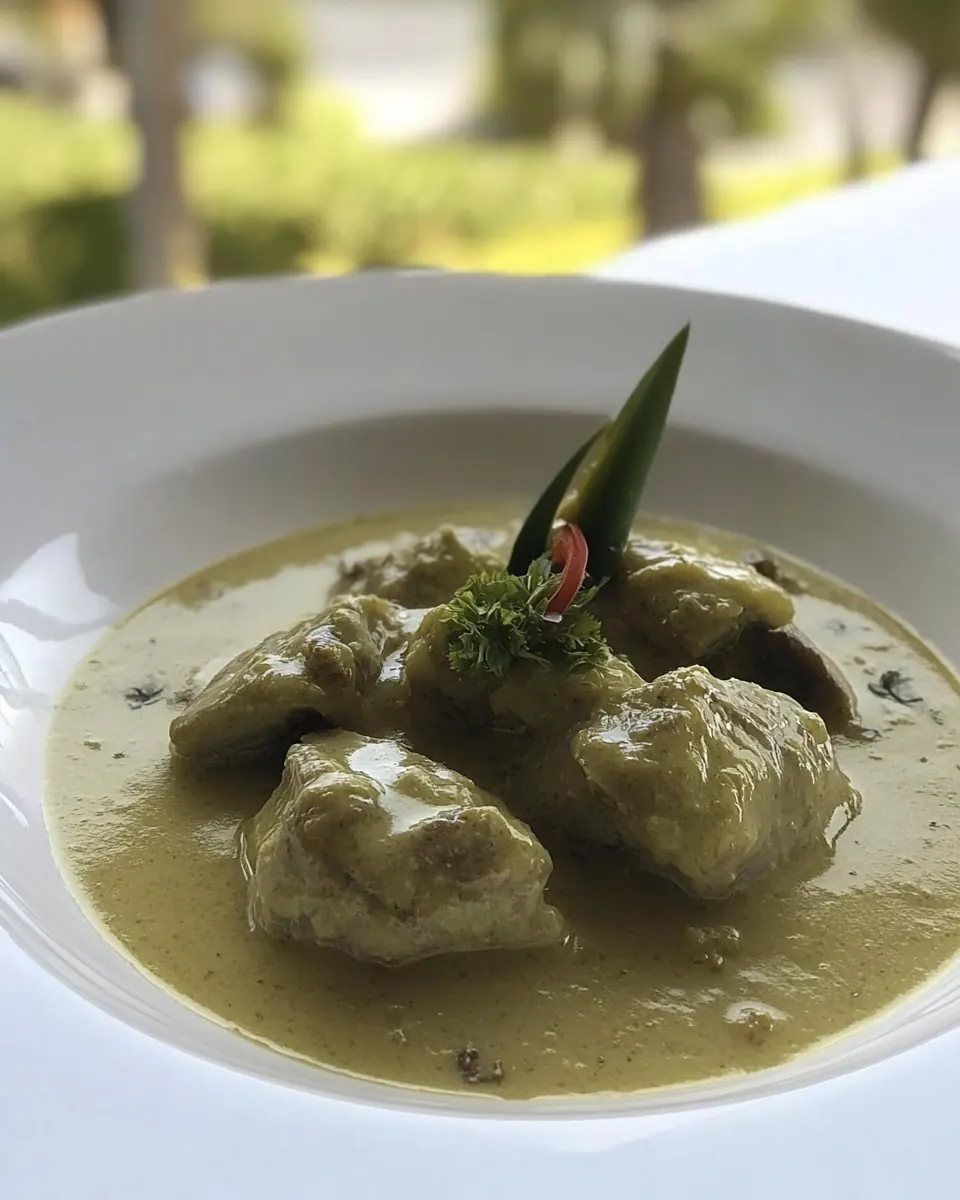
These ingredients form a compact orchestra, each player contributing to the finished curry. The two types of coconut milk give a layered creaminess, while the spice paste combines warm seeds and fresh aromatics to build depth. Fresh tuna is the star, and the curry leaves and coconut add that unmistakable island character. Together they create a curry that is fragrant, balanced, and robust.
- 1 3/4 lbs yellowfin tuna: Cut into steaks or cubes and provide the primary protein and firm texture that holds the curry together; browning briefly helps seal flavors and keeps the flesh intact during simmering.
- 15 thin strips of coconut leaf in absence of coconut leaf use rampe leaf ranba fai: Use as a traditional aromatic wrap or substitute alternative leaves to impart subtle smoky and grassy notes; tie or layer within the pot to infuse a light vegetal fragrance.
- 12 curry leaves: Add whole to release a citrusy, slightly floral aroma that brightens the curry; bruise the leaves slightly to awaken their essential oils before stirring in.
- 1 cup thick coconut milk: Stir in near the end to enrich the sauce with velvety body and a concentrated coconut flavor; adds richness and helps create a silky mouthfeel for the finished curry.
- 1 cup light coconut milk: Add earlier in cooking to thin and balance the thicker milk while contributing a gentle coconut sweetness and liquid for simmering the fish and spices.
- 3/4 onions thinly sliced: Slice thinly to sweeten and soften during sautéing, creating a savory base that complements spices and helps build the curry’s overall depth of flavor.
- 1 1/2 tsp salt: Dissolve into the cooking liquid to season the curry evenly; adjust carefully as it directly influences the overall savory balance of the dish.
- 1 tsp cumin seeds: Toast briefly to awaken nutty, warm notes and grind if desired to enhance the curry’s earthy, aromatic backbone; whole seeds also lend texture and subtle crunch.
- 1 inch ginger (1/3 of an inch) crushed: Crush to release a sharp, warming heat and bright root flavor that cuts through the richness of coconut and complements the fish; incorporate early for mellowed warmth.
- 4 garlic cloves crushed: Crush to provide pungent, savory depth and umami that supports the curry base; cooking briefly softens raw sharpness and blends it into the sauce.
- 4 pcs cardamom: Lightly crush or add whole to infuse a sweet, resinous scent and warm, citrusy undertones; pods release aromatic oils that subtly lift the curry complexity.
- 1/4 tsp turmeric powder: Sprinkle sparingly to add warm color and a mild earthy bitterness that complements other spices; blends smoothly into the curry for gentle background warmth.
- 5 dry red chilies: Soak or fry to release smoky, fruity heat and deepen the curry’s color and spiciness; adjust quantity to control the dish’s overall fiery character.
- 1 maldivian chili (or hot chili): Chop or bruise to introduce a concentrated, intense fresh chili heat characteristic of Maldivian cuisine; use carefully to match desired spice level.
- 1 1/2 onion: Slice or dice and sauté to build additional savory sweetness and body; adds to the aromatic base and complements the thinly sliced onions for layered flavor.
- 1 1/2 cups scraped fresh coconut: Grate or process to lend fresh, sweet coconut oil and texture that enhances the sauce’s richness and traditional coastal flavor profile.
- 1 tbsp salt: Dissolve into the curry for additional seasoning and to balance flavors; use precisely to avoid over-salting the finished dish.
How to Cook Maldivian Tuna Curry
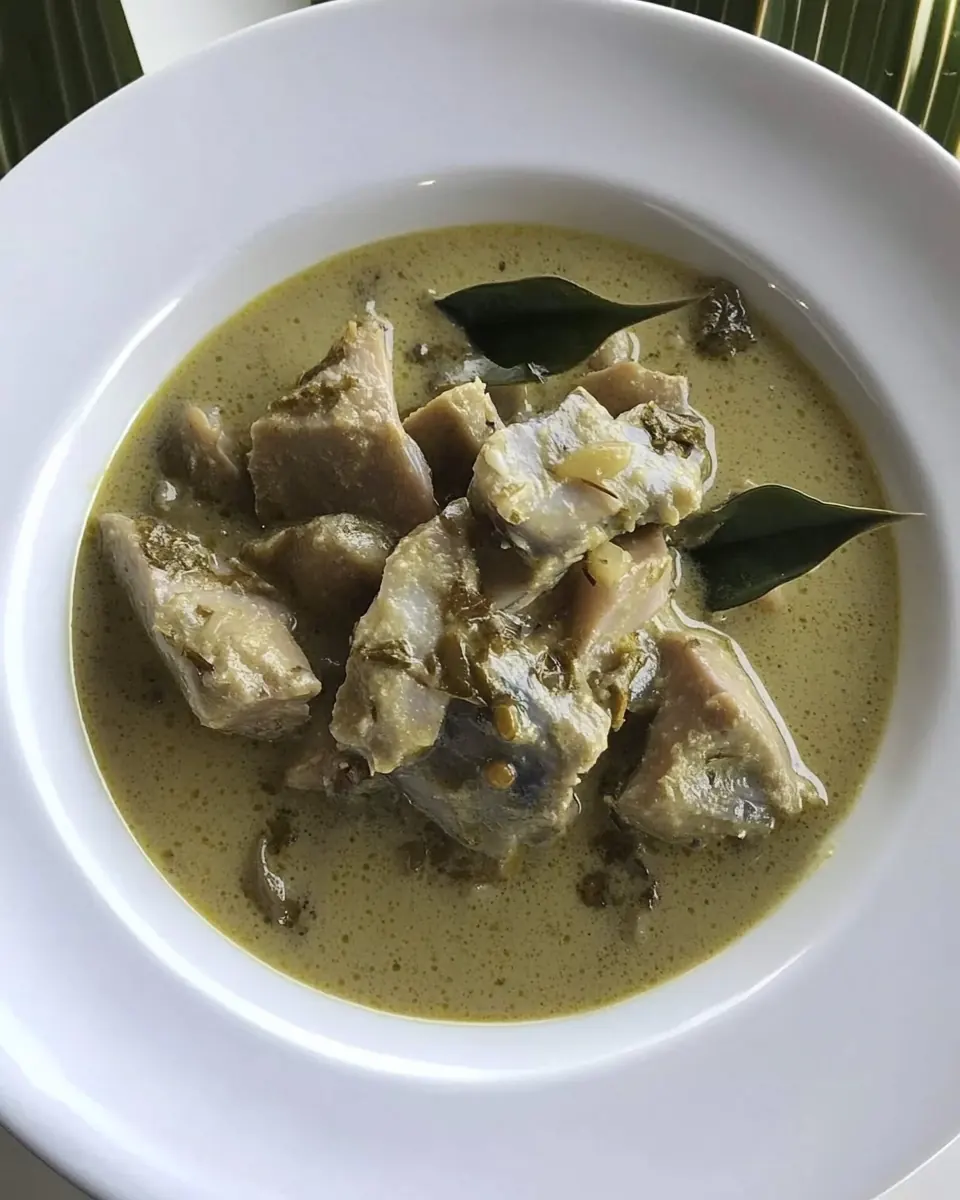
I like to move through these steps methodically, savoring the aromas as the paste transforms and the fish finishes in the coconut sauce. The instructions that follow capture the sensory cues and small fixes I use so the final curry feels authentically island inspired and reliably delicious.
- In a small bowl, mix together the cumin seeds, ginger, garlic, cardamom, turmeric powder, chili, onion, scraped coconut and salt.: The moment you combine these ingredients you'll notice a raw, bright perfume that hints at what is to come. Work the mixture until it is evenly distributed so each component can contribute when roasted. If anything smells excessively sharp, a quick toast will calm it. A common mistake here is under crushing the aromatics, which leaves pockets of intense flavor rather than a cohesive paste. Take time to break down the larger bits, and keep a small spoon of water nearby to help the mixture bind if it sits too dry.
- Heat the pan and add the paste made from all the spices and roast until browned.: As the paste hits the hot pan you'll hear a sizzle and the aroma will turn toasty and deep, an important sign you're developing complexity. Stir frequently to avoid burning, and watch for a uniform golden brown color forming, that indicates Maillard reactions that elevate sweet and nutty notes. If you rush the heat too high you risk charring and bitterness, so moderate the flame and patience will reward you with a fragrant base. Use a heavy pan for even heat distribution, and if the paste begins to stick, lower the heat and scrape the fond to reincorporate those flavors.
- Drain the mixture of any liquid and put it in a food processor. Grind it to a smooth paste and add 1/4 cup (60 ml) of water to dilute.: After roasting, removing excess liquid concentrates the solids and prevents a runny paste. In the food processor the roasted bits will grind into a smoother texture, which helps the paste cling to the fish. If the mixture seems too dry, add a splash of water gradually while pulsing until smooth. Overliquifying is a common slip, leading to a thin consistency that will separate in the sauce, so aim for a paste that is moist but not soupy.
- Skin and bone the tuna and cut into square pieces of 1 cm/ (1/3 of an inch) in thickness and 10 cm/ 4 inches in length and breadth.: The sound of the processor will change as the texture becomes silkier, and the visual cue is a glossy, cohesive paste. That small amount of water helps the paste spread and integrate into the coconut milk later. If the paste still feels gritty, pulse a bit longer. Beware of adding too much water, which dilutes flavor; instead, scrape the sides down and reprocess for uniformity.
- Place 1/2 the curry paste in a separate bowl. Take 1/4 tsp of curry paste and put on one slice of tuna.: Handling the tuna carefully ensures neat rolls that cook evenly. Use a sharp knife and steady hand to produce uniform pieces, which is crucial for even simmering and presentation. Raw tuna has a clean, slightly sweet scent; if it smells overly fishy, it may not be fresh. A common error is cutting inconsistent pieces that lead to uneven cooking, so take time to measure and slice deliberately.
- Fold the tuna slice into a roll. Wrap the coconut leaf strip around the tuna roll so that it remains closed. Make a knot.: Separating the paste gives you control over filling intensity and seasoning. The aroma will seem concentrated, and reserving half prevents overwhelming the fish. Stir the reserved paste to ensure even seasoning, and taste a tiny dab to confirm salt balance. Avoid the impulse to use all the paste at once, which can overpower the gentle coconut backdrop; moderation here keeps the curry balanced.
- Repeat the same with all the tuna slices.: A little paste goes a long way, and you will feel the paste's texture as it adheres to the fish. This small amount flavors the interior of the roll without masking the tuna itself. If the paste slides off, the fish may be too wet, so pat it dry first. Overstuffing is a frequent mistake that makes rolling difficult and can force filling out during cooking, so measure carefully.
- Mix 1 cup light coconut milk and 2 spoons of curry paste. Pour into a pot and cook for a few minutes.: Rolling transforms the thin slice into a compact parcel that retains moisture. The motion should be gentle and precise so the roll stays tight. If edges won't seal, a dab of paste or a small strip of leaf can help hold it together. Rolling too loosely results in unraveling while simmering, so aim for a snug form.
- Add remaining onion, salt and gently bring to a boil. Add the prepared fish and simmer till the meat is tender.: The wrapping gives structure and imparts a subtle aromatic note as it heats. You'll hear the soft rustle of the leaf and see the roll take on a more finished look. Be careful not to knot so tightly that circulation is blocked, which could prevent even cooking. If you cannot knot securely, tuck the end in beneath the roll to hold it in place.
- Add the reaming coconut milk and cook until the curry thickens.: Repetition builds rhythm and speed, and you'll notice your rolls becoming more uniform as you go. Keep a tray nearby to arrange finished rolls so they do not crowd each other. A common oversight is letting the rolls sit too long before cooking, which can cause excess moisture to accumulate; cook them promptly for best texture.
- Serve hot with rice.: Combining the lighter coconut milk with paste creates a gentle sauce base that will coat the fish. Stir until it looks homogeneous, and the aroma will shift from roasted spice to a blended, aromatic sauce. If separation occurs, whisk vigorously and lower the heat during simmering. Using very hot liquid immediately can sometimes break the emulsion, so temper slowly if needed.
- This is the king of our curries! A traditional dish, too good to be a tuna dish, that it became known as the chicken curry of the sea. Ha ha…so I may think that’s how it got the funny name. Believe me, this is the best ever Maldivian fish curry!: As the sauce heats you will see small bubbles and the scent will deepen, signaling that flavors are marrying. Cooking briefly at this stage blooms the spices into the coconut milk. Avoid rapid boiling which can curdle the milk; maintain a gentle simmer to preserve creaminess. If the sauce reduces too fast, add a splash of light coconut milk to maintain consistency.
- Take the risk. Cook and enjoy!: Adding the extra onion and salt now layers sweetness and seasoning into the sauce. When the sauce comes to a gentle boil you will hear a steady simmer and see the surface ripple. Keep an eye on salt, as the fish will also release seasoning. A frequent mistake is letting it boil vigorously, which can make the coconut separate; instead, aim for a controlled simmer.
- Add the prepared fish and simmer till the meat is tender: Placing the rolls into the sauce, you will hear a soft subsidence of the simmer as the pot cools slightly, then resume bubbling. The fish should poach gently, and you'll notice the color change and the flesh flaking slightly when it is done. Overcooking causes dryness, so check early and often; tender tuna yields a melt in the mouth texture.
- Add the reaming coconut milk and cook until the curry thickens: Stirring in the thicker coconut milk at the end enriches the sauce and gives it a luscious finish. Simmer until the surface gains body and begins to coat a spoon. The aroma will become creamy and rounded, signaling readiness. A common error is adding the thick milk too early, which prevents reduction; add it toward the finish for best texture.
- Serve hot with rice: The final visual cue is a glossy sauce clinging to the rolls, releasing a comforting coconut and spice fragrance. Serve immediately so the sauce is warm and the texture is ideal. If sitting, gently rewarm without boiling to preserve the creaminess. Avoid refrigerating too long before serving, which can tighten the fish and dull the flavors.
- This is the king of our curries: The proud, familiar scent and the layered taste are what make this dish stand out in family memory. Enjoy the interplay of toasted spice, creamy coconut, and tender tuna , and take a moment to savor each bite as you would a small celebration. The common pitfall is rushing through steps; slow, attentive cooking brings the best results here.
- Take the risk: Embrace the process and allow the recipe to teach you as it did me. The reward is a deeply flavored, comforting bowl that connects you to coastal tradition. If something seems off, revisit seasoning and texture rather than adding more heat or liquid impulsively.
Pro Tips and Tweaks
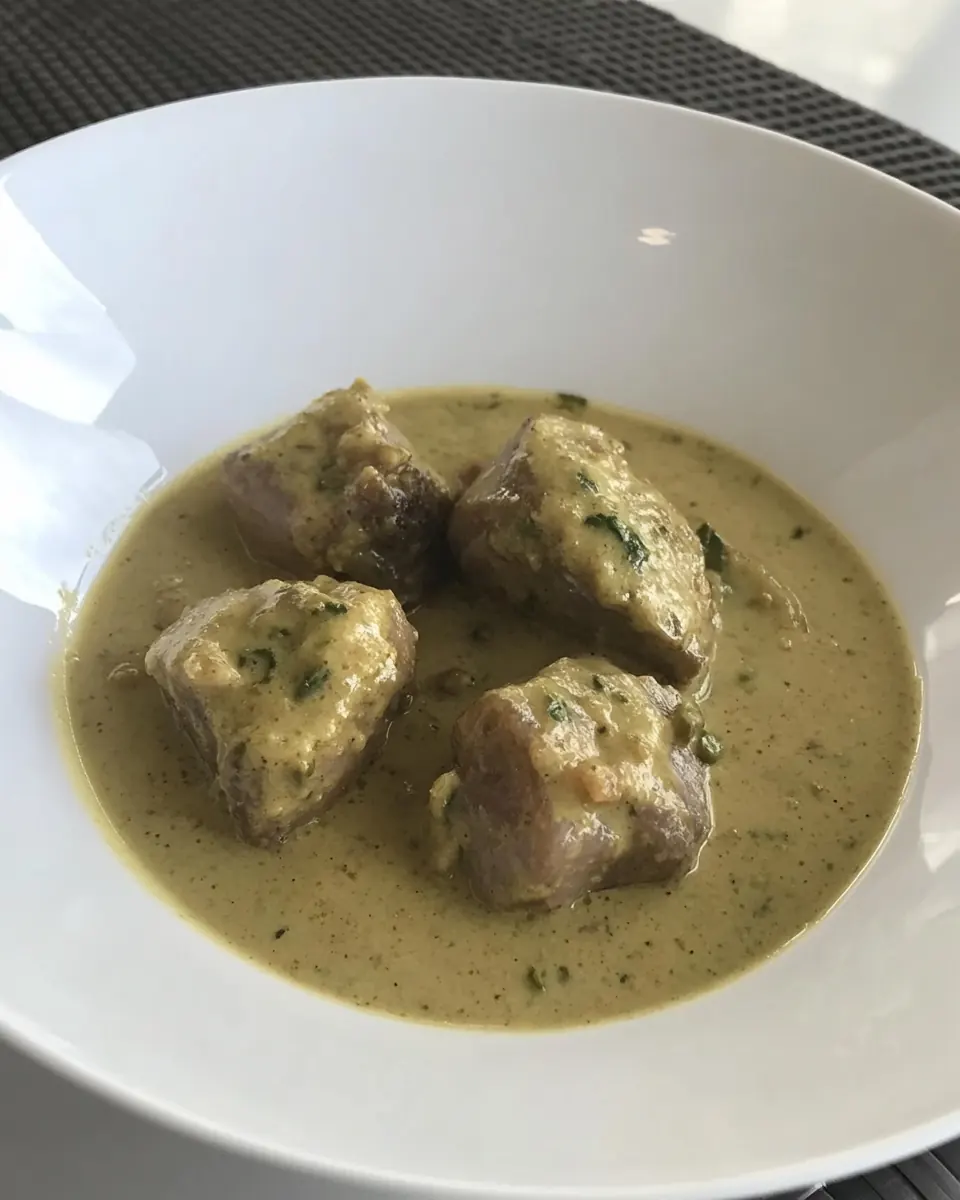
I like to think of these tips as small adjustments that make a big difference when cooking Maldivian Tuna Curry. They focus on freshness, timing, and presentation to help you get the best result without adding complexity.
- Choose the freshest tuna, ideally sashimi grade if possible, because fresh tuna has a clean flavor and firm texture that stands up to poaching and rolling.
- Toast spices gently on medium heat until aromatic but not burnt, which enhances the roasted paste without introducing bitterness.
- Control the heat while simmering to maintain a gentle bubbling, preventing the coconut milk from breaking and ensuring a smooth sauce.
- Reserve thick coconut milk for finishing to create a velvety final texture that coats the fish and carries the paste flavors beautifully.
- Wrap rolls snugly but not tightly so steam circulates and the fish cooks evenly while holding its shape for a pleasing presentation.
- Prepare paste ahead and refrigerate for a day to let flavors mellow, making the cooking process faster while deepening taste complexity.
Serving Ideas for Maldivian Tuna Curry
This curry shines when served thoughtfully; consider simple accompaniments and mindful presentation to highlight its coastal character. I often pair it with plain steamed rice to let the sauce sing, and I like to serve warm in shallow bowls so each roll is easy to share. For festive meals it sits well on a communal platter where guests can enjoy the aroma and choose portion sizes.
- Serve with plain steamed rice, which soaks up the creamy sauce and keeps the focus on the curry‘s complex flavors.
- Offer a light vegetable side such as gently steamed greens to provide contrast and a fresh mouthful between rich bites.
- Present the rolls on a large platter with scattered curry leaves for visual flair and immediate fragrance at the table.
- For special occasions, serve this curry during festive dinners or family gatherings where its layered flavors can be appreciated slowly.
- Storage tip, refrigerate leftovers in an airtight container and reheat gently on low heat to preserve the coconut creaminess.
- Seasonal pairing, this dish works year round, especially when you want a comforting, sea inspired main that feels celebratory without fuss.
FAQ
Conclusion
This recipe stands out because it balances roasted spice paste, creamy coconut, and firm tuna into a dish that is both comforting and elegantly layered. I encourage you to try it, even if some steps feel unfamiliar, because the techniques reward care and yield a memorable, soulful meal. Take your time with the paste and the gentle poaching, and you will be rewarded with fragrant, silky curry that brings a taste of the islands to your table.
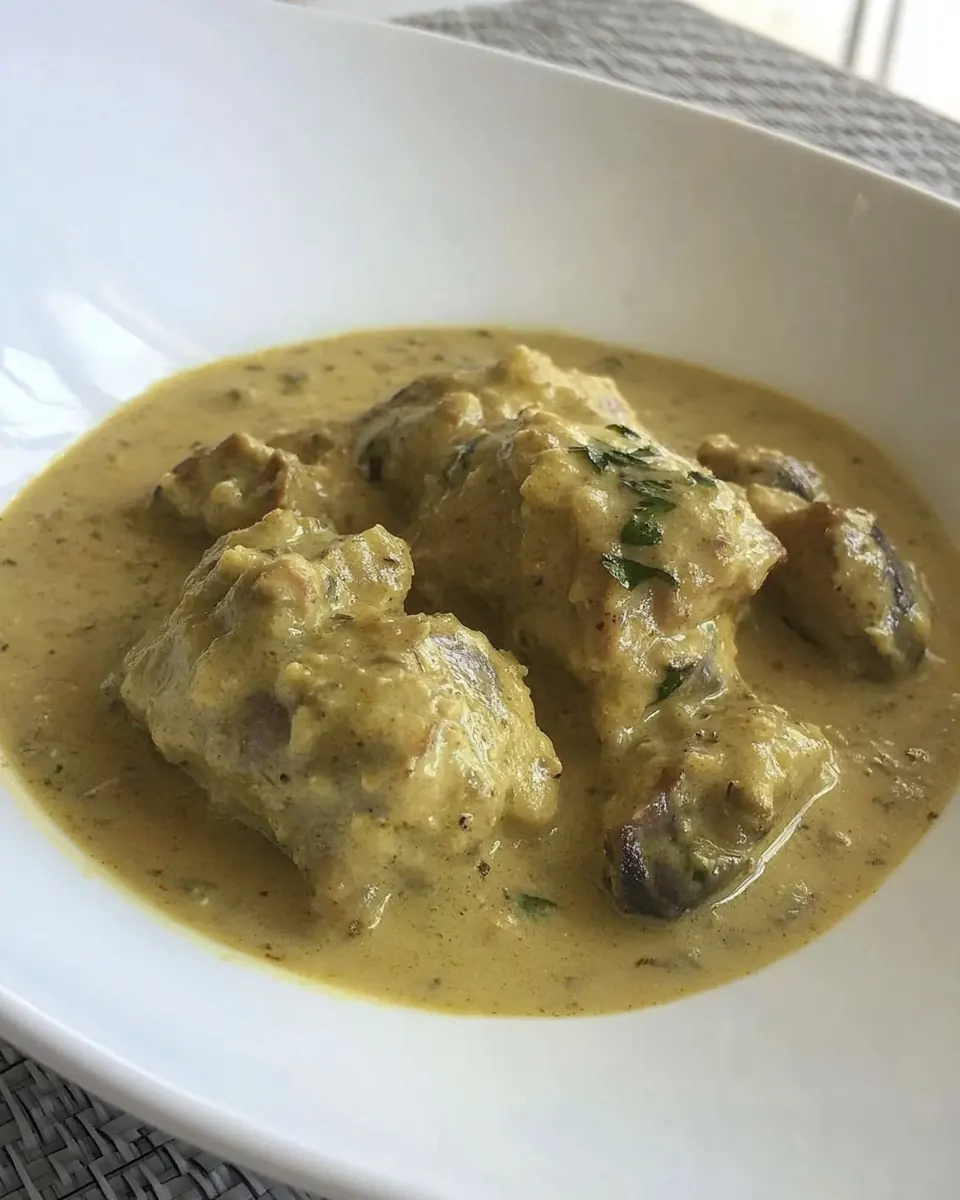
Maldivian Tuna Curry
Ingredients
Equipment
Method
- In a small bowl, mix together the cumin seeds, ginger, garlic, cardamom, turmeric powder, chili, onion, scraped coconut and salt.: The moment you combine these ingredients you'll notice a raw, bright perfume that hints at what is to come. Work the mixture until it is evenly distributed so each component can contribute when roasted. If anything smells excessively sharp, a quick toast will calm it. A common mistake here is under crushing the aromatics, which leaves pockets of intense flavor rather than a cohesive paste. Take time to break down the larger bits, and keep a small spoon of water nearby to help the mixture bind if it sits too dry.
- Heat the pan and add the paste made from all the spices and roast until browned.: As the paste hits the hot pan you'll hear a sizzle and the aroma will turn toasty and deep, an important sign you're developing complexity. Stir frequently to avoid burning, and watch for a uniform golden brown color forming, that indicates Maillard reactions that elevate sweet and nutty notes. If you rush the heat too high you risk charring and bitterness, so moderate the flame and patience will reward you with a fragrant base. Use a heavy pan for even heat distribution, and if the paste begins to stick, lower the heat and scrape the fond to reincorporate those flavors.
- Drain the mixture of any liquid and put it in a food processor. Grind it to a smooth paste and add 1/4 cup (60 ml) of water to dilute.: After roasting, removing excess liquid concentrates the solids and prevents a runny paste. In the food processor the roasted bits will grind into a smoother texture, which helps the paste cling to the fish. If the mixture seems too dry, add a splash of water gradually while pulsing until smooth. Overliquifying is a common slip, leading to a thin consistency that will separate in the sauce, so aim for a paste that is moist but not soupy.
- Skin and bone the tuna and cut into square pieces of 1 cm/ (1/3 of an inch) in thickness and 10 cm/ 4 inches in length and breadth.: The sound of the processor will change as the texture becomes silkier, and the visual cue is a glossy, cohesive paste. That small amount of water helps the paste spread and integrate into the coconut milk later. If the paste still feels gritty, pulse a bit longer. Beware of adding too much water, which dilutes flavor; instead, scrape the sides down and reprocess for uniformity.
- Place 1/2 the curry paste in a separate bowl. Take 1/4 tsp of curry paste and put on one slice of tuna.: Handling the tuna carefully ensures neat rolls that cook evenly. Use a sharp knife and steady hand to produce uniform pieces, which is crucial for even simmering and presentation. Raw tuna has a clean, slightly sweet scent; if it smells overly fishy, it may not be fresh. A common error is cutting inconsistent pieces that lead to uneven cooking, so take time to measure and slice deliberately.
- Fold the tuna slice into a roll. Wrap the coconut leaf strip around the tuna roll so that it remains closed. Make a knot.: Separating the paste gives you control over filling intensity and seasoning. The aroma will seem concentrated, and reserving half prevents overwhelming the fish. Stir the reserved paste to ensure even seasoning, and taste a tiny dab to confirm salt balance. Avoid the impulse to use all the paste at once, which can overpower the gentle coconut backdrop; moderation here keeps the curry balanced.
- Repeat the same with all the tuna slices.: A little paste goes a long way, and you will feel the paste's texture as it adheres to the fish. This small amount flavors the interior of the roll without masking the tuna itself. If the paste slides off, the fish may be too wet, so pat it dry first. Overstuffing is a frequent mistake that makes rolling difficult and can force filling out during cooking, so measure carefully.
- Mix 1 cup light coconut milk and 2 spoons of curry paste. Pour into a pot and cook for a few minutes.: Rolling transforms the thin slice into a compact parcel that retains moisture. The motion should be gentle and precise so the roll stays tight. If edges won't seal, a dab of paste or a small strip of leaf can help hold it together. Rolling too loosely results in unraveling while simmering, so aim for a snug form.
- Add remaining onion, salt and gently bring to a boil. Add the prepared fish and simmer till the meat is tender.: The wrapping gives structure and imparts a subtle aromatic note as it heats. You'll hear the soft rustle of the leaf and see the roll take on a more finished look. Be careful not to knot so tightly that circulation is blocked, which could prevent even cooking. If you cannot knot securely, tuck the end in beneath the roll to hold it in place.
- Add the reaming coconut milk and cook until the curry thickens.: Repetition builds rhythm and speed, and you'll notice your rolls becoming more uniform as you go. Keep a tray nearby to arrange finished rolls so they do not crowd each other. A common oversight is letting the rolls sit too long before cooking, which can cause excess moisture to accumulate; cook them promptly for best texture.
- Serve hot with rice.: Combining the lighter coconut milk with paste creates a gentle sauce base that will coat the fish. Stir until it looks homogeneous, and the aroma will shift from roasted spice to a blended, aromatic sauce. If separation occurs, whisk vigorously and lower the heat during simmering. Using very hot liquid immediately can sometimes break the emulsion, so temper slowly if needed.
- This is the king of our curries! A traditional dish, too good to be a tuna dish, that it became known as the chicken curry of the sea. Ha ha…so I may think that’s how it got the funny name. Believe me, this is the best ever Maldivian fish curry!: As the sauce heats you will see small bubbles and the scent will deepen, signaling that flavors are marrying. Cooking briefly at this stage blooms the spices into the coconut milk. Avoid rapid boiling which can curdle the milk; maintain a gentle simmer to preserve creaminess. If the sauce reduces too fast, add a splash of light coconut milk to maintain consistency.
- Take the risk. Cook and enjoy!: Adding the extra onion and salt now layers sweetness and seasoning into the sauce. When the sauce comes to a gentle boil you will hear a steady simmer and see the surface ripple. Keep an eye on salt, as the fish will also release seasoning. A frequent mistake is letting it boil vigorously, which can make the coconut separate; instead, aim for a controlled simmer.
- Add the prepared fish and simmer till the meat is tender: Placing the rolls into the sauce, you will hear a soft subsidence of the simmer as the pot cools slightly, then resume bubbling. The fish should poach gently, and you'll notice the color change and the flesh flaking slightly when it is done. Overcooking causes dryness, so check early and often; tender tuna yields a melt in the mouth texture.
- Add the reaming coconut milk and cook until the curry thickens: Stirring in the thicker coconut milk at the end enriches the sauce and gives it a luscious finish. Simmer until the surface gains body and begins to coat a spoon. The aroma will become creamy and rounded, signaling readiness. A common error is adding the thick milk too early, which prevents reduction; add it toward the finish for best texture.
- Serve hot with rice: The final visual cue is a glossy sauce clinging to the rolls, releasing a comforting coconut and spice fragrance. Serve immediately so the sauce is warm and the texture is ideal. If sitting, gently rewarm without boiling to preserve the creaminess. Avoid refrigerating too long before serving, which can tighten the fish and dull the flavors.
- This is the king of our curries: The proud, familiar scent and the layered taste are what make this dish stand out in family memory. Enjoy the interplay of toasted spice, creamy coconut, and tender tuna , and take a moment to savor each bite as you would a small celebration. The common pitfall is rushing through steps; slow, attentive cooking brings the best results here.
- Take the risk: Embrace the process and allow the recipe to teach you as it did me. The reward is a deeply flavored, comforting bowl that connects you to coastal tradition. If something seems off, revisit seasoning and texture rather than adding more heat or liquid impulsively.
Notes
- Choose the freshest tuna, ideally sashimi grade if possible, because fresh tuna has a clean flavor and firm texture that stands up to poaching and rolling.
- Toast spices gently on medium heat until aromatic but not burnt, which enhances the roasted paste without introducing bitterness.
- Control the heat while simmering to maintain a gentle bubbling, preventing the coconut milk from breaking and ensuring a smooth sauce.
- Reserve thick coconut milk for finishing to create a velvety final texture that coats the fish and carries the paste flavors beautifully.
- Wrap rolls snugly but not tightly so steam circulates and the fish cooks evenly while holding its shape for a pleasing presentation.
- Prepare paste ahead and refrigerate for a day to let flavors mellow, making the cooking process faster while deepening taste complexity.