In a small bowl, mix together the cumin seeds, ginger, garlic, cardamom, turmeric powder, chili, onion, scraped coconut and salt.: The moment you combine these ingredients you'll notice a raw, bright perfume that hints at what is to come. Work the mixture until it is evenly distributed so each component can contribute when roasted. If anything smells excessively sharp, a quick toast will calm it. A common mistake here is under crushing the aromatics, which leaves pockets of intense flavor rather than a cohesive paste. Take time to break down the larger bits, and keep a small spoon of water nearby to help the mixture bind if it sits too dry.
Heat the pan and add the paste made from all the spices and roast until browned.: As the paste hits the hot pan you'll hear a sizzle and the aroma will turn toasty and deep, an important sign you're developing complexity. Stir frequently to avoid burning, and watch for a uniform golden brown color forming, that indicates Maillard reactions that elevate sweet and nutty notes. If you rush the heat too high you risk charring and bitterness, so moderate the flame and patience will reward you with a fragrant base. Use a heavy pan for even heat distribution, and if the paste begins to stick, lower the heat and scrape the fond to reincorporate those flavors.
Drain the mixture of any liquid and put it in a food processor. Grind it to a smooth paste and add 1/4 cup (60 ml) of water to dilute.: After roasting, removing excess liquid concentrates the solids and prevents a runny paste. In the food processor the roasted bits will grind into a smoother texture, which helps the paste cling to the fish. If the mixture seems too dry, add a splash of water gradually while pulsing until smooth. Overliquifying is a common slip, leading to a thin consistency that will separate in the sauce, so aim for a paste that is moist but not soupy.
Skin and bone the tuna and cut into square pieces of 1 cm/ (1/3 of an inch) in thickness and 10 cm/ 4 inches in length and breadth.: The sound of the processor will change as the texture becomes silkier, and the visual cue is a glossy, cohesive paste. That small amount of water helps the paste spread and integrate into the coconut milk later. If the paste still feels gritty, pulse a bit longer. Beware of adding too much water, which dilutes flavor; instead, scrape the sides down and reprocess for uniformity.
Place 1/2 the curry paste in a separate bowl. Take 1/4 tsp of curry paste and put on one slice of tuna.: Handling the tuna carefully ensures neat rolls that cook evenly. Use a sharp knife and steady hand to produce uniform pieces, which is crucial for even simmering and presentation. Raw tuna has a clean, slightly sweet scent; if it smells overly fishy, it may not be fresh. A common error is cutting inconsistent pieces that lead to uneven cooking, so take time to measure and slice deliberately.
Fold the tuna slice into a roll. Wrap the coconut leaf strip around the tuna roll so that it remains closed. Make a knot.: Separating the paste gives you control over filling intensity and seasoning. The aroma will seem concentrated, and reserving half prevents overwhelming the fish. Stir the reserved paste to ensure even seasoning, and taste a tiny dab to confirm salt balance. Avoid the impulse to use all the paste at once, which can overpower the gentle coconut backdrop; moderation here keeps the curry balanced.
Repeat the same with all the tuna slices.: A little paste goes a long way, and you will feel the paste's texture as it adheres to the fish. This small amount flavors the interior of the roll without masking the tuna itself. If the paste slides off, the fish may be too wet, so pat it dry first. Overstuffing is a frequent mistake that makes rolling difficult and can force filling out during cooking, so measure carefully.
Mix 1 cup light coconut milk and 2 spoons of curry paste. Pour into a pot and cook for a few minutes.: Rolling transforms the thin slice into a compact parcel that retains moisture. The motion should be gentle and precise so the roll stays tight. If edges won't seal, a dab of paste or a small strip of leaf can help hold it together. Rolling too loosely results in unraveling while simmering, so aim for a snug form.
Add remaining onion, salt and gently bring to a boil. Add the prepared fish and simmer till the meat is tender.: The wrapping gives structure and imparts a subtle aromatic note as it heats. You'll hear the soft rustle of the leaf and see the roll take on a more finished look. Be careful not to knot so tightly that circulation is blocked, which could prevent even cooking. If you cannot knot securely, tuck the end in beneath the roll to hold it in place.
Add the reaming coconut milk and cook until the curry thickens.: Repetition builds rhythm and speed, and you'll notice your rolls becoming more uniform as you go. Keep a tray nearby to arrange finished rolls so they do not crowd each other. A common oversight is letting the rolls sit too long before cooking, which can cause excess moisture to accumulate; cook them promptly for best texture.
Serve hot with rice.: Combining the lighter coconut milk with paste creates a gentle sauce base that will coat the fish. Stir until it looks homogeneous, and the aroma will shift from roasted spice to a blended, aromatic sauce. If separation occurs, whisk vigorously and lower the heat during simmering. Using very hot liquid immediately can sometimes break the emulsion, so temper slowly if needed.
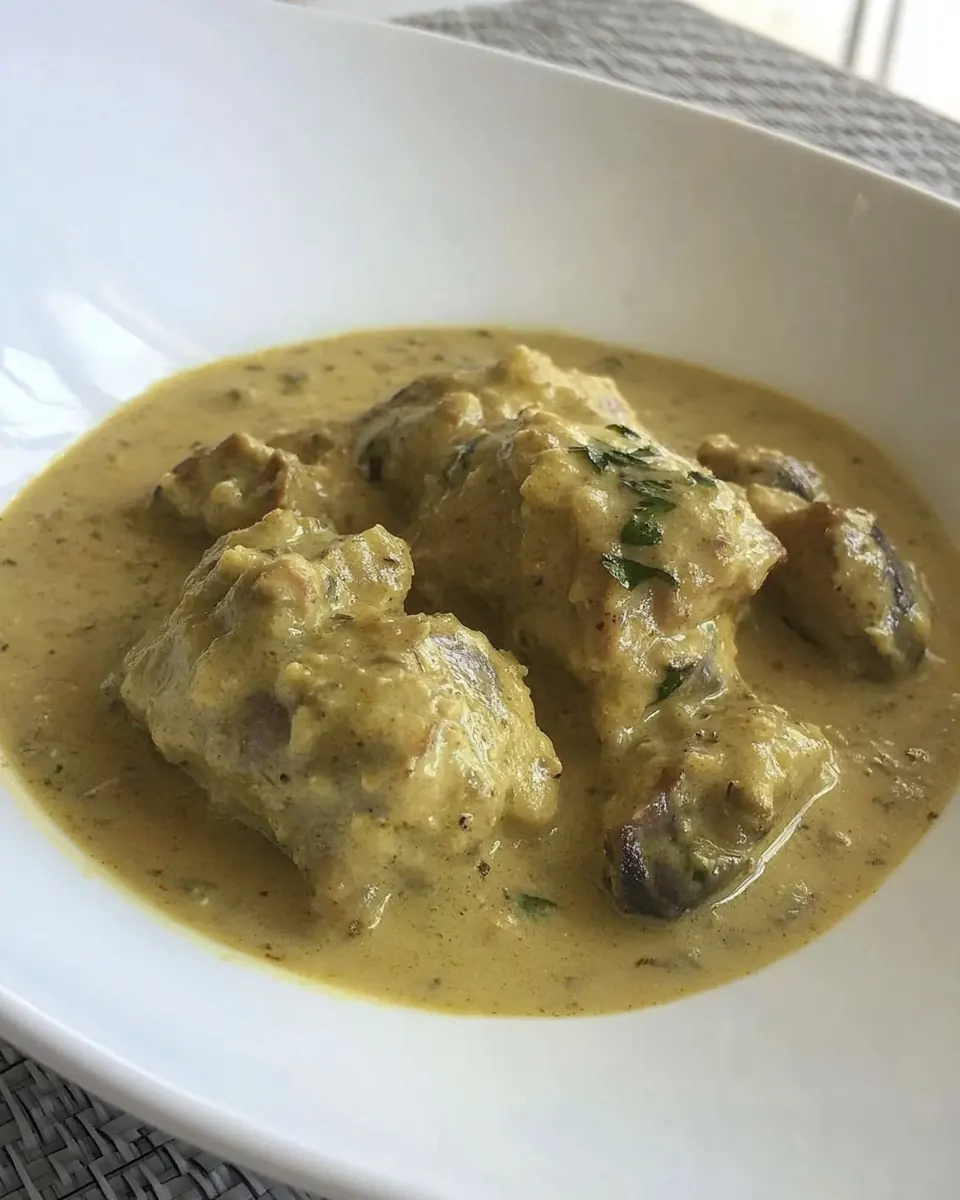
This is the king of our curries! A traditional dish, too good to be a tuna dish, that it became known as the chicken curry of the sea. Ha ha…so I may think that’s how it got the funny name. Believe me, this is the best ever Maldivian fish curry!: As the sauce heats you will see small bubbles and the scent will deepen, signaling that flavors are marrying. Cooking briefly at this stage blooms the spices into the coconut milk. Avoid rapid boiling which can curdle the milk; maintain a gentle simmer to preserve creaminess. If the sauce reduces too fast, add a splash of light coconut milk to maintain consistency.
Take the risk. Cook and enjoy!: Adding the extra onion and salt now layers sweetness and seasoning into the sauce. When the sauce comes to a gentle boil you will hear a steady simmer and see the surface ripple. Keep an eye on salt, as the fish will also release seasoning. A frequent mistake is letting it boil vigorously, which can make the coconut separate; instead, aim for a controlled simmer.
Add the prepared fish and simmer till the meat is tender: Placing the rolls into the sauce, you will hear a soft subsidence of the simmer as the pot cools slightly, then resume bubbling. The fish should poach gently, and you'll notice the color change and the flesh flaking slightly when it is done. Overcooking causes dryness, so check early and often; tender tuna yields a melt in the mouth texture.
Add the reaming coconut milk and cook until the curry thickens: Stirring in the thicker coconut milk at the end enriches the sauce and gives it a luscious finish. Simmer until the surface gains body and begins to coat a spoon. The aroma will become creamy and rounded, signaling readiness. A common error is adding the thick milk too early, which prevents reduction; add it toward the finish for best texture.
Serve hot with rice: The final visual cue is a glossy sauce clinging to the rolls, releasing a comforting coconut and spice fragrance. Serve immediately so the sauce is warm and the texture is ideal. If sitting, gently rewarm without boiling to preserve the creaminess. Avoid refrigerating too long before serving, which can tighten the fish and dull the flavors.
This is the king of our curries: The proud, familiar scent and the layered taste are what make this dish stand out in family memory. Enjoy the interplay of toasted spice, creamy coconut, and tender tuna , and take a moment to savor each bite as you would a small celebration. The common pitfall is rushing through steps; slow, attentive cooking brings the best results here.
Take the risk: Embrace the process and allow the recipe to teach you as it did me. The reward is a deeply flavored, comforting bowl that connects you to coastal tradition. If something seems off, revisit seasoning and texture rather than adding more heat or liquid impulsively.