Mushroom Bisque
Mushroom Bisque started as a late winter comfort I made after a long market run, when my arms were full of fungi and my kitchen smelled like earth and rain.
I remember standing over the stove, hands warm from stirring a pot, while the house outside was grey and quiet. The first spoonful felt like a small celebration, velvet on the tongue with just enough savory depth to make the whole week feel better. That moment is why I keep returning to this bowl whenever I want something soothing yet sophisticated. The texture is gently luxurious, the aroma a mix of browned butter and herbs that invites everyone to the table. Over time I learned small changes that turn a good bisque into a memorable one, and those are the details I love to share when I cook for friends who ask for something cozy but not fussy.
Making Mushroom Bisque became a ritual for me, one that balances technique with intuition. I like to let mushrooms do most of the work, coaxing out their moisture and concentrating flavor before adding the broth and cream. The blender step is where the soup transforms, becoming seamless and silk like a fine sweater. Even if you have little time or confidence, this recipe is forgiving, and it rewards patience. I often serve it with a simple salad or crusty bread, and the leftovers are even better the next day, the flavors settled and harmonious. Every spoonful takes me back to that first winter afternoon, and I hope it will do the same for you: bring warmth, ease, and a touch of comfort to your table.
Recipe Snapshot
55 mins
10 mins
45 mins
Medium
350 kcal
American
Gluten-Free, Paleo
Soups
Blender
Why We Love This Mushroom Bisque
Deep, Concentrated Flavor
I love how Mushroom Bisque relies on focused mushroom cooking to build a rich base. I intentionally cook the mushrooms until their liquid almost entirely evaporates, which intensifies the umami and gives the bisque a savory backbone that no quick sauté can match. That concentrated taste is the reason a few simple additions become enough to round the soup into something elegant.
Velvety Texture Without Tricks
One of the things I appreciate is the silkiness achieved by blending. Using a high speed blender and a towel to protect the lid produces a seamless, creamy body without relying on heavy thickeners. The addition of heavy cream is measured to provide richness, while the pureeing step ensures the mouthfeel is smooth and luxurious, so each spoon glides rather than drags.
Simple Ingredients, Big Results
What stands out to me is how pantry friendly this recipe is. With basic items like butter, all purpose flour, and chicken broth, the soup tastes restaurant worthy. The modest herb additions of thyme and parsley lift the flavors without competing, showing that well chosen small elements can transform humble components into something memorable.
Technique Driven, Not Time Intensive
I often tell friends that the important part is technique rather than a long ingredient list. Taking the time to brown the mushrooms, cook the flour, and blend carefully turns straightforward steps into deep flavor. These small investments in timing and attention create a soup that feels like a labor of love, but not an all day project.
Versatile and Crowd Friendly
Finally, I adore how adaptable Mushroom Bisque is. It sits beautifully at a cozy dinner, yet it can be scaled for a gathering. Its warm, comforting profile makes it especially welcome in winter, and I find it pairs well with many sides, making it a reliable choice when you want something both simple and special.
Mushroom Bisque Ingredients
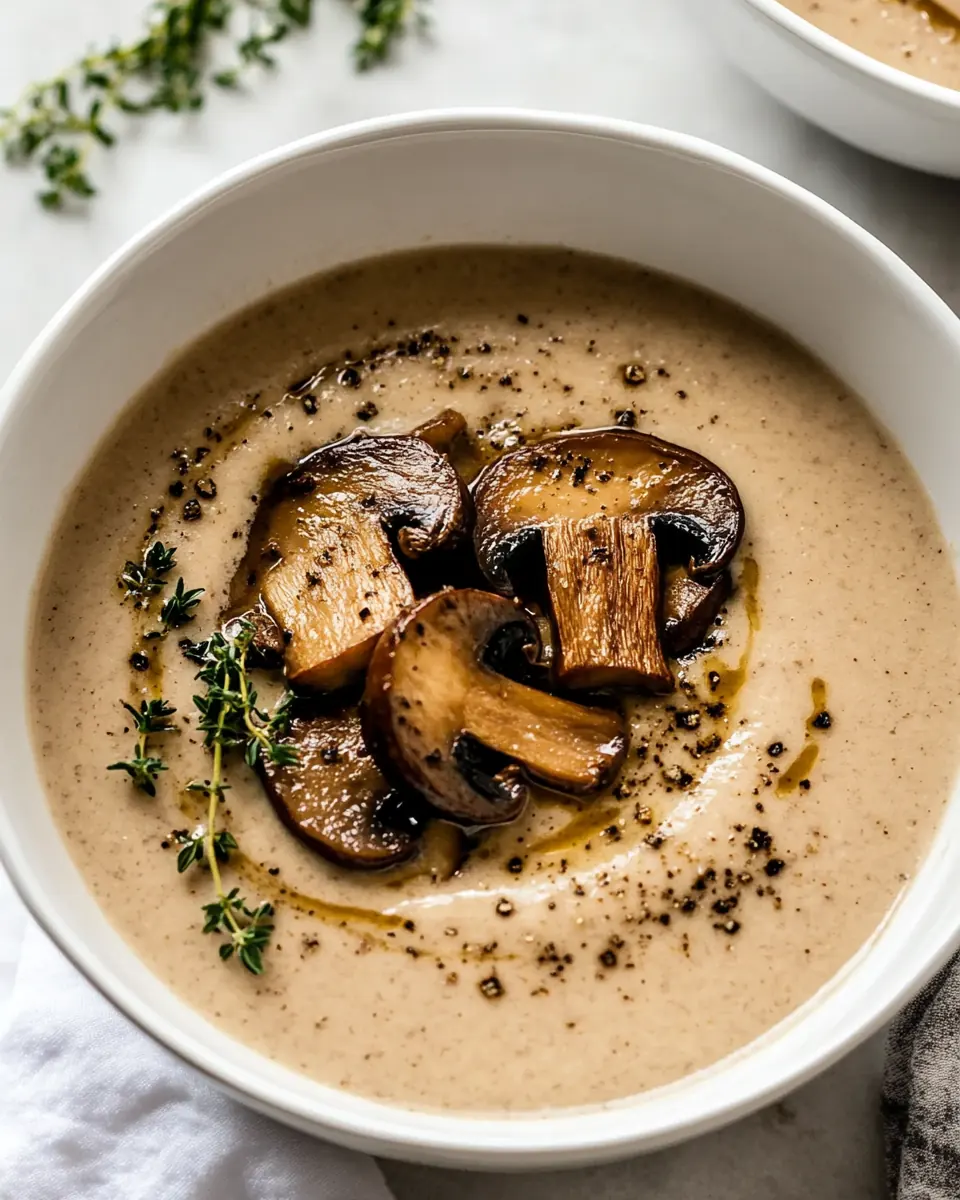
The ingredient list for Mushroom Bisque is a study in harmony. Each component has a job: the mushrooms provide body and umami, the butter adds richness and encourages browning, the all purpose flour helps thicken gently, and the chicken broth and heavy cream create the silky base. Herbs and aromatics bring brightness so the soup never feels flat.
- 4 tablespoons unsalted butter: Melted and nutty, provides the rich, silky base for sautéing aromatics and developing flavor; helps brown mushrooms and carry fat-soluble flavors. Enhances mouthfeel in the finished bisque and adds a subtle depth when browned slightly before adding other ingredients.
- 20 ounces sliced mushrooms: Earthy and meaty, supplies the primary mushroom flavor and body to the bisque; when sliced and sautéed it releases moisture and concentrates umami. Contributes texture and visual appeal while forming the backbone of the soup’s savory profile.
- 1/2 cup diced onion, about half an onion: Aromatic and slightly sweet, offers a mild onion flavor that softens and dissolves into the base during sautéing; helps build a layered savory foundation. Adds subtle complexity without overpowering the delicate mushroom character.
- 2 teaspoons minced garlic: Pungent and aromatic, delivers sharp garlicky notes that brighten and lift the overall flavor when minced and cooked briefly; enhances umami perception. Should be added at the right time to avoid bitterness from overcooking.
- 1 teaspoon fresh thyme, chopped: Herbaceous and fragrant, supplies fresh, citrusy-green thyme notes that complement mushrooms; chopped and sprinkled in during cooking infuses an earthy brightness. Helps balance richness and adds an aromatic signature to the bisque.
- 1 teaspoon fresh parsley, chopped: Fresh and slightly peppery, contributes a clean, bright herbal finish when chopped and stirred in or used as garnish; supports other herbs without dominating. Adds color contrast and a subtle freshness to the creamy soup.
- 1/4 cup all-purpose flour: Thickening and toasty when cooked, creates a roux that helps the bisque achieve a smooth, velvety texture; flour absorbs fat and liquid to add body. Must be cooked briefly to remove raw flour taste before adding broth to ensure a pleasant mouthfeel.
- 3 cups chicken broth: Savory and savory-rich liquid, provides the bulk of the soup’s liquid and a savory backbone; chicken broth adds depth and balances the creaminess. Helps deglaze the pan and dissolve the roux to form a cohesive, flavorful base.
- 1 1/2 cups heavy cream: Luxurious and creamy, lends richness, smoothness, and a silky texture to the bisque while mellowing intense flavors; heavy cream creates a luscious mouthfeel. Should be added gently and heated without boiling to prevent separation and preserve creaminess.
- salt and pepper, to taste: Seasoning balance, used to enhance and adjust overall taste; salt brightens flavors while pepper adds mild heat and complexity. Should be added gradually and tasted to achieve a well-rounded, savory final soup.
Making This Mushroom Bisque
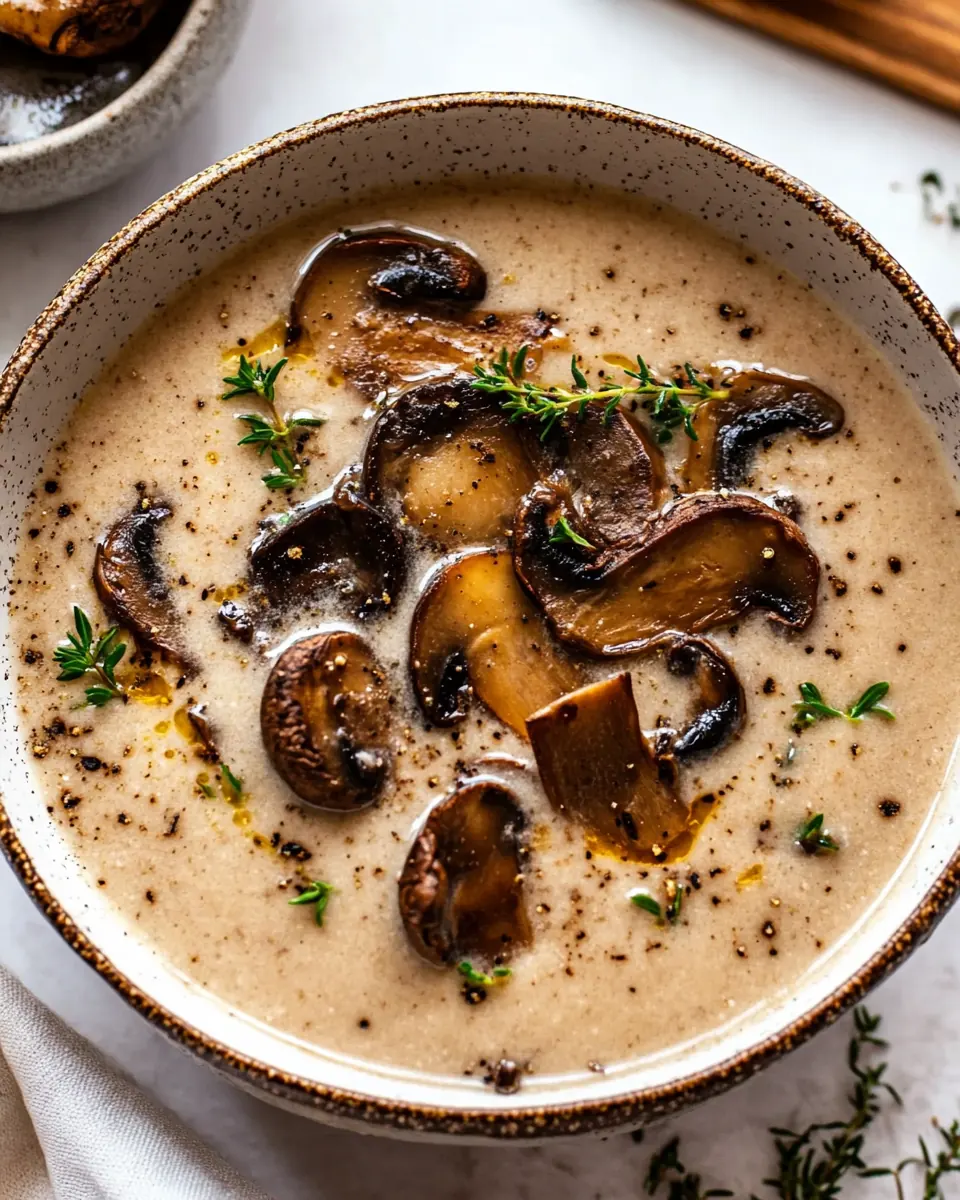
These directions transform simple ingredients into a velvety, aromatic soup. I like to move deliberately, focusing on the sensory clues that tell you when each stage is right. Below, each step includes what you should notice in smell, sound, and appearance, why it matters, and one troubleshooting tip to keep you on track.
- Add 4 tablespoons unsalted butter to a 6 or 8-quart Dutch oven and melt over medium heat. Once the butter is melted, add 20 ounces sliced mushrooms. Cook and stir the mushrooms for about 5 minutes until they have released a lot of liquid. Turn the heat to medium-low and cook for an additional 10-15 minutes until the liquid has almost entirely evaporated.: The first sign is the butter foaming and giving off a warm, nutty aroma as it melts; listen for a gentle sizzle when the pan is at temperature. This butter sets the foundation for browning, helping the mushrooms caramelize and develop flavor, which is essential for depth later. If the butter smokes immediately, the heat is too high so reduce it and wipe the pan briefly before continuing to avoid a bitter taste.
- Add 1/2 cup diced onion, 2 teaspoons minced garlic, 1 teaspoon fresh thyme, and 1 teaspoon fresh parsley, and cook for 2-3 minutes, until the onions start turning translucent and the garlic is fragrant.: At first they will sizzle and begin to release liquid, which is normal; after several minutes you will see a pool of mushroom juice, then gradual evaporation and concentrated aroma as they brown. This process extracts umami and transforms raw mushrooms into a savory base. If you notice steaming rather than browning, the pan is overcrowded; remove some mushrooms to a separate batch so they sear properly.
- Turn the heat back up to medium and stir in 1/4 cup all-purpose flour. Continue to stir as you cook the flour with the mushroom mixture for 3-4 minutes. It will get clumpy and stick together, which is alright.: You will hear a consistent simmer and smell a deep, earthy scent; visually the mushrooms will look glossier and reduced in size. This early stage draws out moisture, enabling later caramelization and richer flavor. A common mistake is stirring too often which prevents good browning; stir enough to keep them from sticking, but allow contact with the pan.
- Slowly stir in 3 cups chicken broth, ensuring the mixture doesn’t clump up too much as you add it.: As the liquid dissipates you will see the mushrooms begin to brown at the edges and hear more pronounced sizzles, which signals flavor concentration. This is crucial because it prevents a watery soup and gives the bisque an intense mushroom profile. If the pan becomes dry and pieces start to burn, add a small splash of broth to deglaze and lower the heat slightly.
- Add 1 1/2 cups heavy cream and stir until combined.: A sweet, savory aroma should bloom, and the onions should soften without browning, which ensures they meld into the bisque. The herbs release bright notes that balance the earthiness of the mushrooms . Avoid overbrowning the garlic, which will introduce a bitter edge; add it when the onions are already softened.
- Carefully ladle the soup into a high-speed blender. Place a clean, folded kitchen towel on top to prevent leaking, and then blend the soup on high speed until smooth. This may be split into a few increments if your blender is not big enough for all of the soup at one time.: You will notice the mixture thicken and become slightly clumpy, with the raw flour smell fading as you cook; this step creates a roux that will thicken the soup without using starches later. The flour needs a few minutes of cooking to lose its raw taste. If you see pale raw flour, continue gentle cooking while stirring to fully incorporate and toast it lightly.
- Add the pureed soup back to the pot and simmer over medium-low heat while stirring intermittently for about 10 minutes until thickened. Season with salt and pepper, to taste. Serve warm.: The pan will emit a toasty scent and the roux will darken slightly, which signals the flour has cooked enough to contribute body without a pasty finish. Proper cooking here ensures a smooth final texture. If the mixture sticks too aggressively, add a splash of broth and scrape the fond to incorporate those flavorful brown bits.
- Slowly stir in 3 cups chicken broth ensuring the mixture doesn’t clump up too much as you add it: Pouring gradually while whisking or stirring prevents lumps and helps the liquid integrate, creating a cohesive base; you will hear a soft simmer as the broth hits the warm roux and see the mixture loosen into a soup. This step balances richness and keeps the bisque velvety. Adding all the broth at once risks clumping, so take it slow and scrape the bottom to dissolve any bits.
- Add 1 1/2 cups heavy cream and stir until combined: The cream will mellow the broth and give the soup a luscious sheen; visually the soup should look more opaque and smoother. This fat carries flavor and yields a luxurious mouthfeel. Do not allow the liquid to boil vigorously after adding cream, because high heat can cause separation; keep it at a gentle simmer instead.
- Carefully ladle the soup into a high speed blender: When you transfer the hot liquid, you should hear a brief whoosh and see steam; placing a folded kitchen towel over the lid prevents splashes and creates a safer blending environment. Blending is where texture becomes silky, making the bisque feel refined. Overfilling the blender is risky, so blend in batches if necessary to avoid spills and pressure buildup.
- Place a clean folded kitchen towel on top to prevent leaking and then blend the soup on high speed until smooth: The sound will change as the soup emulsifies, and the aroma will lift into a more unified fragrance; the surface should become uniformly smooth without visible lumps. This step is responsible for the bisque's signature texture. If your blender struggles, pulse first then increase speed to avoid overheating the motor and to maintain safety.
- Add the pureed soup back to the pot and simmer over medium low heat while stirring intermittently for about 10 minutes until thickened: The simmer will reduce slightly and the soup will thicken, clinging to a spoon with a silky ribbon; gentle bubbles and a faint steam trail are the right cues. Simmering melds flavors and ensures a harmonious finish. Avoid high heat that can cause the cream to break, and stir periodically to prevent sticking.
- Season with salt and pepper to taste: Seasoning at the end lets you control the final impact as flavors concentrate during reduction; taste the soup warm and add seasoning carefully. The right balance should lift without overpowering the mushroom character. The main trap is oversalting; add small amounts, taste, and adjust gradually.
- Serve warm: The ideal serving temperature allows the aroma to come forward while keeping the texture silky; ladle into warmed bowls if possible so the bisque maintains heat. A warm bowl enhances the overall experience and presentation. If the soup sits too long, it will cool and thicken; reheat gently over low heat while stirring to restore consistency.
Recipe Notes about Mushroom Bisque
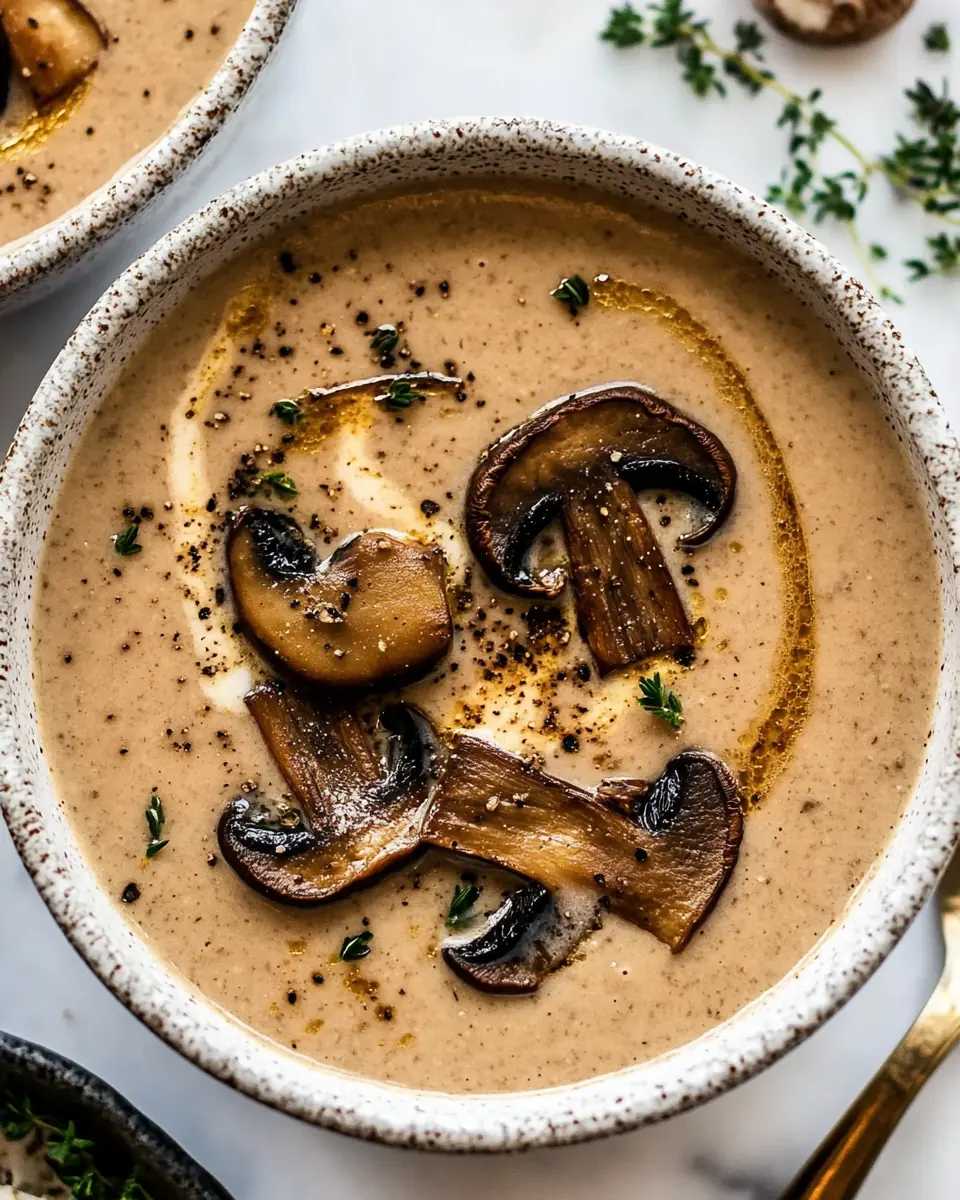
Small technique notes go a long way with this soup. Below are practical pointers I rely on to keep the texture velvety and the flavor focused. Each tip highlights the key idea up front so you can skim and use what you need.
- Choose fresh mushrooms: Fresh, firm mushrooms will brown better and provide more concentrated flavor than older, soft ones. If you find they are wet, dry them gently with a towel before slicing to help them caramelize.
- Manage heat carefully: Keeping the pan at medium to medium low during reduction prevents burning and encourages proper evaporation of mushroom liquid, which builds umami without bitterness.
- Work in batches for blending: If your blender is not large, blend the soup in two or three batches to avoid pressure buildup and ensure smooth pureeing.
- Use low sodium broth: Starting with low sodium chicken broth gives you control over the final salt level as flavors concentrate during simmering.
- Adjust cream at the end: Add the heavy cream after the broth is incorporated and adjust quantity to reach your preferred richness without overpowering the mushroom flavor.
What to Serve With Mushroom Bisque
This soup pairs well with simple, textural contrasts and flexible accompaniments. I like to serve it when I want a warm, homey main for a light dinner or as an elegant starter for a multi course meal. Below are serving ideas, occasions, and storage advice to help you plan a complete experience.
- Crusty bread or baguette: A crisp, sturdy loaf provides a delightful contrast to the silkiness of the bisque; use bread to soak up the last creamy spoonfuls and offer a rustic touch to the bowl.
- Simple green salad: A bright salad with a light vinaigrette cuts through the richness and refreshes the palate, making the meal feel balanced for lunch or dinner.
- Light protein addition: For a heartier meal, pair the bisque with grilled vegetables or a side of roasted chicken for those who eat meat, keeping the soup as the flavorful, comforting centerpiece.
- Occasions: This dish shines during winter family dinners, cozy weeknights, and intimate gatherings where a warm, elegant starter sets the tone; it also works well for Ramadan if you want a gentle, nourishing evening course.
- Storage tips: Refrigerate leftovers in an airtight container for up to three days; reheat slowly over low heat while stirring to preserve texture, and stir in a splash of broth if it thickens too much.
- Seasonal pairings: Serve this in fall and winter when mushrooms are at their best, and complement it with roasted root vegetables and warmed spiced drinks for a cohesive seasonal menu.
FAQ
Conclusion
This Mushroom Bisque stands out for its concentrated mushroom flavor and luxuriously smooth texture. It brings warmth and comfort without demanding complicated steps, relying instead on careful browning and pureeing to achieve its signature richness. I encourage you to give it a try, savoring the sensory details as you cook and sharing a steaming bowl with someone you enjoy feeding. The balance of earthiness and cream makes it a memorable bowl you will likely return to again and again.
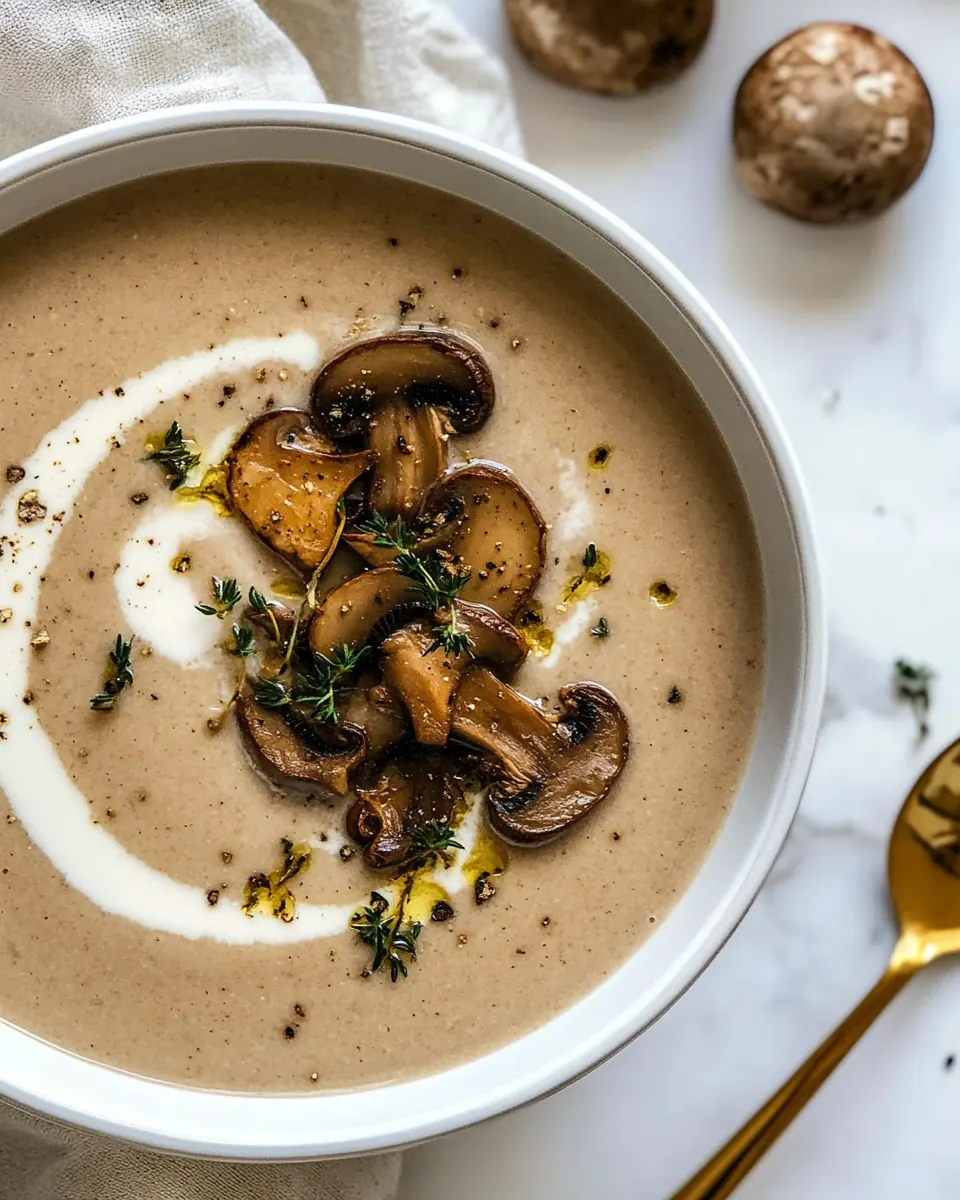
Mushroom Bisque
Ingredients
Equipment
Method
- Add 4 tablespoons unsalted butter to a 6 or 8-quart Dutch oven and melt over medium heat. Once the butter is melted, add 20 ounces sliced mushrooms. Cook and stir the mushrooms for about 5 minutes until they have released a lot of liquid. Turn the heat to medium-low and cook for an additional 10-15 minutes until the liquid has almost entirely evaporated.: The first sign is the butter foaming and giving off a warm, nutty aroma as it melts; listen for a gentle sizzle when the pan is at temperature. This butter sets the foundation for browning, helping the mushrooms caramelize and develop flavor, which is essential for depth later. If the butter smokes immediately, the heat is too high so reduce it and wipe the pan briefly before continuing to avoid a bitter taste.
- Add 1/2 cup diced onion, 2 teaspoons minced garlic, 1 teaspoon fresh thyme, and 1 teaspoon fresh parsley, and cook for 2-3 minutes, until the onions start turning translucent and the garlic is fragrant.: At first they will sizzle and begin to release liquid, which is normal; after several minutes you will see a pool of mushroom juice, then gradual evaporation and concentrated aroma as they brown. This process extracts umami and transforms raw mushrooms into a savory base. If you notice steaming rather than browning, the pan is overcrowded; remove some mushrooms to a separate batch so they sear properly.
- Turn the heat back up to medium and stir in 1/4 cup all-purpose flour. Continue to stir as you cook the flour with the mushroom mixture for 3-4 minutes. It will get clumpy and stick together, which is alright.: You will hear a consistent simmer and smell a deep, earthy scent; visually the mushrooms will look glossier and reduced in size. This early stage draws out moisture, enabling later caramelization and richer flavor. A common mistake is stirring too often which prevents good browning; stir enough to keep them from sticking, but allow contact with the pan.
- Slowly stir in 3 cups chicken broth, ensuring the mixture doesn’t clump up too much as you add it.: As the liquid dissipates you will see the mushrooms begin to brown at the edges and hear more pronounced sizzles, which signals flavor concentration. This is crucial because it prevents a watery soup and gives the bisque an intense mushroom profile. If the pan becomes dry and pieces start to burn, add a small splash of broth to deglaze and lower the heat slightly.
- Add 1 1/2 cups heavy cream and stir until combined.: A sweet, savory aroma should bloom, and the onions should soften without browning, which ensures they meld into the bisque. The herbs release bright notes that balance the earthiness of the mushrooms . Avoid overbrowning the garlic, which will introduce a bitter edge; add it when the onions are already softened.
- Carefully ladle the soup into a high-speed blender. Place a clean, folded kitchen towel on top to prevent leaking, and then blend the soup on high speed until smooth. This may be split into a few increments if your blender is not big enough for all of the soup at one time.: You will notice the mixture thicken and become slightly clumpy, with the raw flour smell fading as you cook; this step creates a roux that will thicken the soup without using starches later. The flour needs a few minutes of cooking to lose its raw taste. If you see pale raw flour, continue gentle cooking while stirring to fully incorporate and toast it lightly.
- Add the pureed soup back to the pot and simmer over medium-low heat while stirring intermittently for about 10 minutes until thickened. Season with salt and pepper, to taste. Serve warm.: The pan will emit a toasty scent and the roux will darken slightly, which signals the flour has cooked enough to contribute body without a pasty finish. Proper cooking here ensures a smooth final texture. If the mixture sticks too aggressively, add a splash of broth and scrape the fond to incorporate those flavorful brown bits.
- Slowly stir in 3 cups chicken broth ensuring the mixture doesn’t clump up too much as you add it: Pouring gradually while whisking or stirring prevents lumps and helps the liquid integrate, creating a cohesive base; you will hear a soft simmer as the broth hits the warm roux and see the mixture loosen into a soup. This step balances richness and keeps the bisque velvety. Adding all the broth at once risks clumping, so take it slow and scrape the bottom to dissolve any bits.
- Add 1 1/2 cups heavy cream and stir until combined: The cream will mellow the broth and give the soup a luscious sheen; visually the soup should look more opaque and smoother. This fat carries flavor and yields a luxurious mouthfeel. Do not allow the liquid to boil vigorously after adding cream, because high heat can cause separation; keep it at a gentle simmer instead.
- Carefully ladle the soup into a high speed blender: When you transfer the hot liquid, you should hear a brief whoosh and see steam; placing a folded kitchen towel over the lid prevents splashes and creates a safer blending environment. Blending is where texture becomes silky, making the bisque feel refined. Overfilling the blender is risky, so blend in batches if necessary to avoid spills and pressure buildup.
- Place a clean folded kitchen towel on top to prevent leaking and then blend the soup on high speed until smooth: The sound will change as the soup emulsifies, and the aroma will lift into a more unified fragrance; the surface should become uniformly smooth without visible lumps. This step is responsible for the bisque's signature texture. If your blender struggles, pulse first then increase speed to avoid overheating the motor and to maintain safety.
- Add the pureed soup back to the pot and simmer over medium low heat while stirring intermittently for about 10 minutes until thickened: The simmer will reduce slightly and the soup will thicken, clinging to a spoon with a silky ribbon; gentle bubbles and a faint steam trail are the right cues. Simmering melds flavors and ensures a harmonious finish. Avoid high heat that can cause the cream to break, and stir periodically to prevent sticking.
- Season with salt and pepper to taste: Seasoning at the end lets you control the final impact as flavors concentrate during reduction; taste the soup warm and add seasoning carefully. The right balance should lift without overpowering the mushroom character. The main trap is oversalting; add small amounts, taste, and adjust gradually.
- Serve warm: The ideal serving temperature allows the aroma to come forward while keeping the texture silky; ladle into warmed bowls if possible so the bisque maintains heat. A warm bowl enhances the overall experience and presentation. If the soup sits too long, it will cool and thicken; reheat gently over low heat while stirring to restore consistency.
Notes
- Choose fresh mushrooms: Fresh, firm mushrooms will brown better and provide more concentrated flavor than older, soft ones. If you find they are wet, dry them gently with a towel before slicing to help them caramelize.
- Manage heat carefully: Keeping the pan at medium to medium low during reduction prevents burning and encourages proper evaporation of mushroom liquid, which builds umami without bitterness.
- Work in batches for blending: If your blender is not large, blend the soup in two or three batches to avoid pressure buildup and ensure smooth pureeing.
- Use low sodium broth: Starting with low sodium chicken broth gives you control over the final salt level as flavors concentrate during simmering.
- Adjust cream at the end: Add the heavy cream after the broth is incorporated and adjust quantity to reach your preferred richness without overpowering the mushroom flavor.