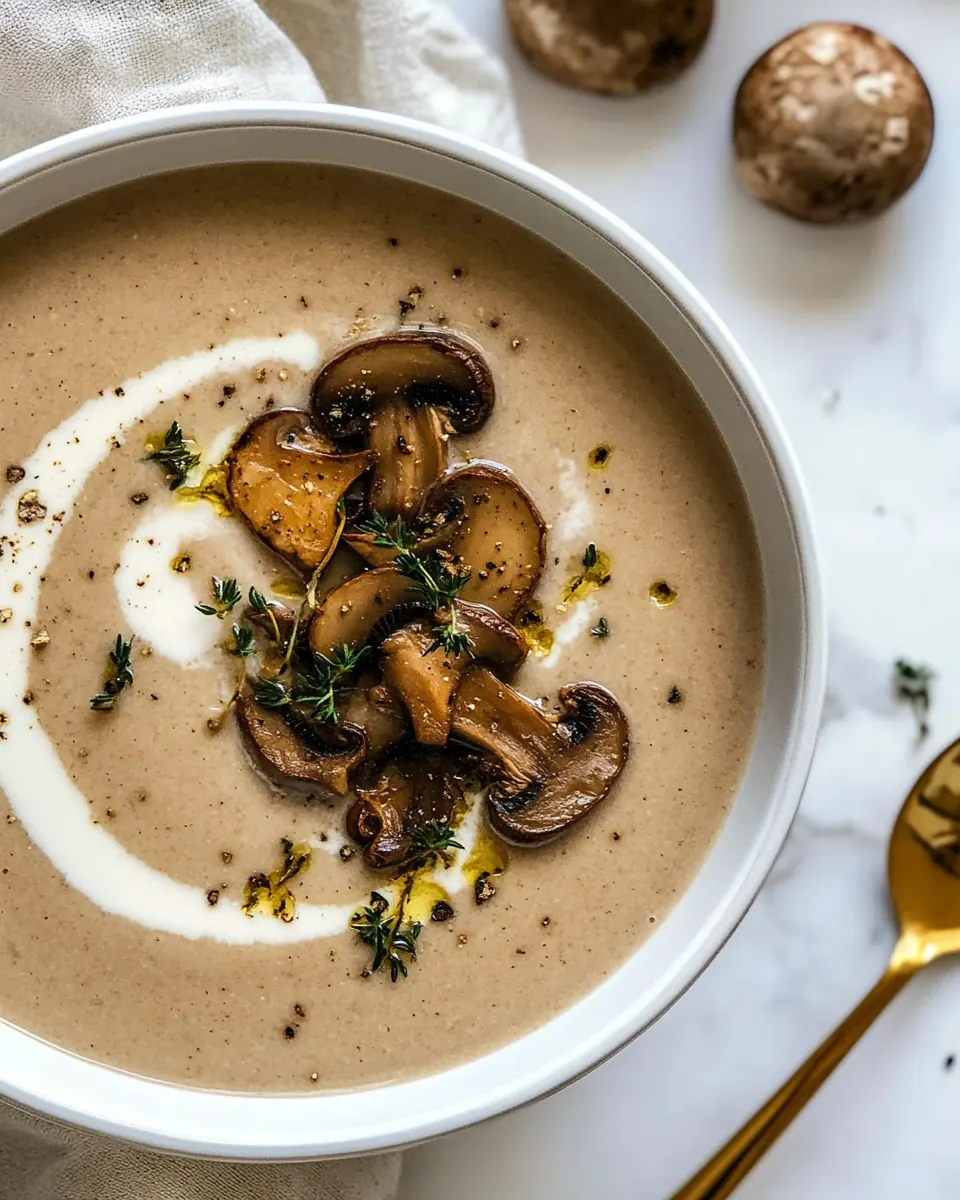
Add 4 tablespoons unsalted butter to a 6 or 8-quart Dutch oven and melt over medium heat. Once the butter is melted, add 20 ounces sliced mushrooms. Cook and stir the mushrooms for about 5 minutes until they have released a lot of liquid. Turn the heat to medium-low and cook for an additional 10-15 minutes until the liquid has almost entirely evaporated.: The first sign is the butter foaming and giving off a warm, nutty aroma as it melts; listen for a gentle sizzle when the pan is at temperature. This butter sets the foundation for browning, helping the mushrooms caramelize and develop flavor, which is essential for depth later. If the butter smokes immediately, the heat is too high so reduce it and wipe the pan briefly before continuing to avoid a bitter taste.
Add 1/2 cup diced onion, 2 teaspoons minced garlic, 1 teaspoon fresh thyme, and 1 teaspoon fresh parsley, and cook for 2-3 minutes, until the onions start turning translucent and the garlic is fragrant.: At first they will sizzle and begin to release liquid, which is normal; after several minutes you will see a pool of mushroom juice, then gradual evaporation and concentrated aroma as they brown. This process extracts umami and transforms raw mushrooms into a savory base. If you notice steaming rather than browning, the pan is overcrowded; remove some mushrooms to a separate batch so they sear properly.
Turn the heat back up to medium and stir in 1/4 cup all-purpose flour. Continue to stir as you cook the flour with the mushroom mixture for 3-4 minutes. It will get clumpy and stick together, which is alright.: You will hear a consistent simmer and smell a deep, earthy scent; visually the mushrooms will look glossier and reduced in size. This early stage draws out moisture, enabling later caramelization and richer flavor. A common mistake is stirring too often which prevents good browning; stir enough to keep them from sticking, but allow contact with the pan.
Slowly stir in 3 cups chicken broth, ensuring the mixture doesn’t clump up too much as you add it.: As the liquid dissipates you will see the mushrooms begin to brown at the edges and hear more pronounced sizzles, which signals flavor concentration. This is crucial because it prevents a watery soup and gives the bisque an intense mushroom profile. If the pan becomes dry and pieces start to burn, add a small splash of broth to deglaze and lower the heat slightly.
Add 1 1/2 cups heavy cream and stir until combined.: A sweet, savory aroma should bloom, and the onions should soften without browning, which ensures they meld into the bisque. The herbs release bright notes that balance the earthiness of the mushrooms . Avoid overbrowning the garlic, which will introduce a bitter edge; add it when the onions are already softened.
Carefully ladle the soup into a high-speed blender. Place a clean, folded kitchen towel on top to prevent leaking, and then blend the soup on high speed until smooth. This may be split into a few increments if your blender is not big enough for all of the soup at one time.: You will notice the mixture thicken and become slightly clumpy, with the raw flour smell fading as you cook; this step creates a roux that will thicken the soup without using starches later. The flour needs a few minutes of cooking to lose its raw taste. If you see pale raw flour, continue gentle cooking while stirring to fully incorporate and toast it lightly.
Add the pureed soup back to the pot and simmer over medium-low heat while stirring intermittently for about 10 minutes until thickened. Season with salt and pepper, to taste. Serve warm.: The pan will emit a toasty scent and the roux will darken slightly, which signals the flour has cooked enough to contribute body without a pasty finish. Proper cooking here ensures a smooth final texture. If the mixture sticks too aggressively, add a splash of broth and scrape the fond to incorporate those flavorful brown bits.
Slowly stir in 3 cups chicken broth ensuring the mixture doesn’t clump up too much as you add it: Pouring gradually while whisking or stirring prevents lumps and helps the liquid integrate, creating a cohesive base; you will hear a soft simmer as the broth hits the warm roux and see the mixture loosen into a soup. This step balances richness and keeps the bisque velvety. Adding all the broth at once risks clumping, so take it slow and scrape the bottom to dissolve any bits.
Add 1 1/2 cups heavy cream and stir until combined: The cream will mellow the broth and give the soup a luscious sheen; visually the soup should look more opaque and smoother. This fat carries flavor and yields a luxurious mouthfeel. Do not allow the liquid to boil vigorously after adding cream, because high heat can cause separation; keep it at a gentle simmer instead.
Carefully ladle the soup into a high speed blender: When you transfer the hot liquid, you should hear a brief whoosh and see steam; placing a folded kitchen towel over the lid prevents splashes and creates a safer blending environment. Blending is where texture becomes silky, making the bisque feel refined. Overfilling the blender is risky, so blend in batches if necessary to avoid spills and pressure buildup.
Place a clean folded kitchen towel on top to prevent leaking and then blend the soup on high speed until smooth: The sound will change as the soup emulsifies, and the aroma will lift into a more unified fragrance; the surface should become uniformly smooth without visible lumps. This step is responsible for the bisque's signature texture. If your blender struggles, pulse first then increase speed to avoid overheating the motor and to maintain safety.
Add the pureed soup back to the pot and simmer over medium low heat while stirring intermittently for about 10 minutes until thickened: The simmer will reduce slightly and the soup will thicken, clinging to a spoon with a silky ribbon; gentle bubbles and a faint steam trail are the right cues. Simmering melds flavors and ensures a harmonious finish. Avoid high heat that can cause the cream to break, and stir periodically to prevent sticking.
Season with salt and pepper to taste: Seasoning at the end lets you control the final impact as flavors concentrate during reduction; taste the soup warm and add seasoning carefully. The right balance should lift without overpowering the mushroom character. The main trap is oversalting; add small amounts, taste, and adjust gradually.
Serve warm: The ideal serving temperature allows the aroma to come forward while keeping the texture silky; ladle into warmed bowls if possible so the bisque maintains heat. A warm bowl enhances the overall experience and presentation. If the soup sits too long, it will cool and thicken; reheat gently over low heat while stirring to restore consistency.