Homemade Eggnog
Homemade Eggnog has always been the warm, cozy ritual that marks the slow approach of winter in my house. The first time I made it, I was chasing a childhood memory of a creamy cup handed to me by my grandmother, and I still remember the hush in the kitchen as the spice scent rose, promising comfort. I like to make a double batch when friends visit, because watching people’s faces when they take that first sip is the best kind of reaction.
There is something gentle about stirring a pot of milk and spices on low heat while an old playlist runs in the background. I tend to talk to myself as I cook, adjusting the cinnamon a pinch at a time, because I know the difference between a dull, flat cup and one that sings with warming spice. Over the years I learned the small moves that truly matter, like tempering the eggs slowly, and why chilling the mixture overnight tightens the flavors. Those little habits make this version of Homemade Eggnog feel like tradition rather than a recipe.
Recipe Snapshot
20 mins
5 mins
15 mins
Medium
250 kcal
American
Gluten-Free, Low FODMAP
Desserts
Small saucepan, Medium bowl, Whisk
Why Try This Homemade Eggnog
Classic, comforting flavor
I love how Homemade Eggnog tastes like a holiday hug. The combination of milk, nutmeg and cinnamon yields a creamy, spiced base that feels familiar yet festive. When I sip it slowly I notice the warm spices first, then the rich mouthfeel from the heavy cream, and finally a lingering sweetness that invites another sip.
Simple ingredients, big payoff
One reason I keep returning to this recipe is the honesty of the ingredients. You do not need anything exotic, and every component plays a clear role. The egg yolks create silkiness, the granulated sugar balances the spices, and the vanilla extract adds a smooth aroma. I always appreciate a recipe that rewards patience more than complexity.
Hands on technique that builds confidence
Tempering the eggs and gently cooking the mixture teaches patience and control. The first time I successfully thickened the custard without curdling it felt empowering. I’ll walk you through what to look for so you can relax and enjoy the process, rather than fearing the stove.
Versatile and sociable
Homemade Eggnog is excellent for a quiet evening, but it also shines at gatherings. I like offering small cups garnished with a dusting of nutmeg or a cinnamon stick so guests can personalize their drink. It’s one of those treats that sparks conversation and memory sharing.
Make ahead and savor later
This recipe rewards planning because chilling allows the flavors to meld. I often make it a day ahead so the spice notes deepen, and the texture becomes more cohesive. That effortless readiness makes hosting less stressful, and it always feels like a thoughtful touch to have something prepped that delights everyone.
What You Need for Homemade Eggnog
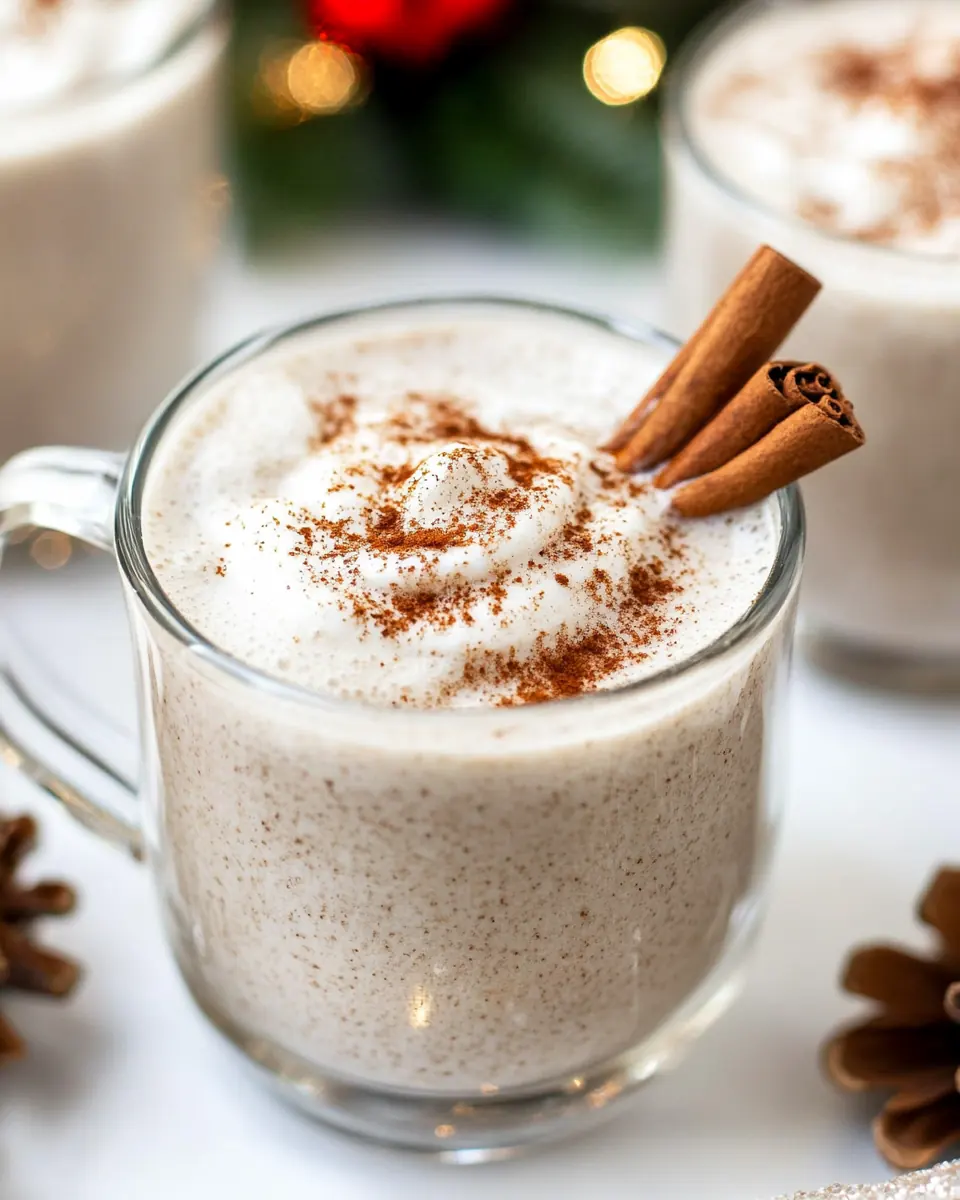
The ingredient list for Homemade Eggnog is intentionally short and focused on quality. The philosophy here is harmony, where each element supports the creamy custard base. The key players are the dairy components that provide richness, the egg yolks that lend body and silk, and the warm spices that define the holiday character. Together they produce a spiced, velvety drink that feels indulgent yet simple.
- 2 c. milk: Provide the creamy liquid base that carries flavors and balances richness; use whole milk for a traditional, smooth texture and gentle dairy sweetness. Warm gently when combining with eggs to temper and prevent curdling, and chill before serving to achieve the classic eggnog mouthfeel.
- 1 tsp ground cinnamon plus a little for garnish if desired: Add warm, aromatic spice that complements nutmeg and enhances the holiday profile; sprinkle into the mixture and reserve a pinch for garnish if desired. Use ground cinnamon sparingly to avoid overpowering the delicate custard flavors while contributing fragrance and subtle warmth.
- 1 tsp ground nutmeg: Contribute classic eggnog flavor with a sweet, slightly spicy aroma that defines the drink; grate or use pre-ground nutmeg for consistent seasoning. Incorporate into the custard and finish with an extra dusting atop individual servings for a traditional presentation.
- 1 tsp vanilla extract: Provide a fragrant, sweet vanilla aroma that rounds out the custard and enhances perceived sweetness; add after tempering to preserve volatile flavor compounds. Use pure vanilla extract for best results and stir in thoroughly to integrate with the milk and egg base.
- 6 large egg yolks: Supply richness, body, and the traditional custardy structure of eggnog through yolk emulsification and thickening; whisk thoroughly to create a smooth, luscious texture. Temper yolks with warm milk gradually to avoid scrambling, then cook gently until they coat the back of a spoon for safe, silky custard.
- 1/2 c. granulated sugar: Impart sweetness and help stabilize the custard by dissolving into the yolks during whipping; adjust slightly to taste for desired sweetness level. Whisk sugar into yolks until pale and slightly thickened to incorporate air and contribute to a smooth mouthfeel.
- 1 c. heavy cream: Add extra richness and a velvety, indulgent finish to the eggnog; fold in heavy cream after the custard has cooled for a luxurious texture. Chill the combined mixture to allow flavors to meld, and gently stir before serving to restore uniform consistency.
- Whipping cream: Provide an optional light, airy topping when whipped to soft peaks; sweeten lightly and pipe or dollop atop each serving for visual appeal and creamy contrast. Use chilled whipping cream whipped to desired firmness to crown servings and absorb sprinkled spices for presentation.
- Cinnamon stick: Offer an aromatic garnish that infuses subtle warm notes while served; stir a cinnamon stick into warm batches or use as a decorative stirrer in individual glasses. Replaceable as needed, the stick releases gentle flavor without altering the smooth custard texture when used sparingly.
- Star Anise: Lend a mildly sweet, licorice-like aroma for an elegant, decorative touch; float whole star anise in the serving bowl or glass to perfume the drink subtly. Remove before drinking if desired, and use sparingly to avoid overwhelming the classic spice balance.
Cooking Method for Homemade Eggnog
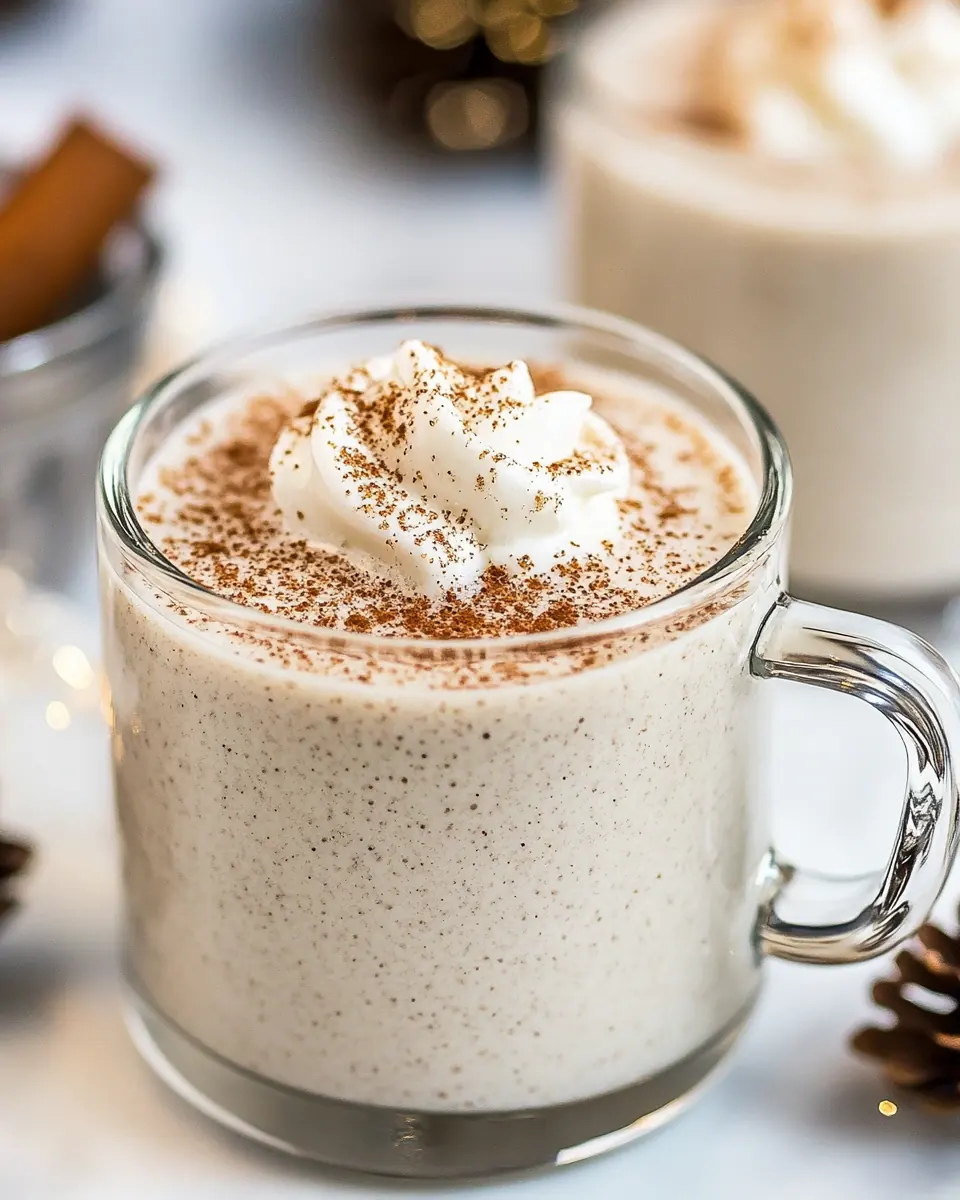
The method for Homemade Eggnog is gentle and deliberate. You want slow heat, steady whisking, and patience so the custard becomes silky without curdling. Below I expand the steps into sensory rich guidance so you can follow confidently and avoid the common traps.
- In a small saucepan, combine milk, cinnamon, nutmeg and vanilla. Slowly bring mixture to a low boil over low heat.: As the spices warm in the milk , a fragrant steam will rise, smelling like a warm bakery counter. You should see tiny bubbles form at the edges as the mixture comes to temperature, not a rolling boil. The low heat allows the spices to bloom into the liquid, enhancing aromatics. If the pot gets too hot you risk scalding the milk , which gives a slightly cooked scent, so keep the flame low and stir gently to distribute heat evenly.
- In a medium sized bowl, separate egg yolks from the whites. Add sugar to egg yolks and whisk until light and pale in color, about 2-3 minutes.: Watch for a gentle simmer, with small pearls of steam at the surface and a faint hissing sound, rather than violent bubbling. This stage develops flavor without tightening the proteins too quickly. A common error is turning up the heat to rush things, which can create a scorched flavor or make the later tempering more hazardous.
- Begin by adding a very small amount of the heated milk mixture to the eggs, whisking constantly to temper the eggs. Do not add the hot milk too quickly or it will cook the eggs.: The yolk and sugar mixture will thicken and take on a ribbon like quality as you lift the whisk, reflecting light like satin. This aeration lightens texture and helps the custard hold together. If you do not whisk long enough the mixture will be denser, and if you overbeat at very high speed you can incorporate too much air, making settling uneven.
- Continue adding small amounts of the milk to the eggs, whisking constantly until all the milk is incorporated and well combined.: As you drizzle, the egg mixture will warm and become glossy rather than grainy. The sound is quiet, just a steady whisking. Tempering avoids curdled bits by slowly equalizing temperatures. A frequent mistake is pouring too fast, which causes strands of cooked egg to form and ruins the custard.
- Return the saucepan to stovetop and cook over medium heat until slightly thick and mixture coats the back of a spoon. Do not boil.: The bowl will feel warm and the mixture will begin to take on a uniform color and sheen. Maintaining a slow, steady stream is key so that the eggs adjust without seizing. If you pause too long between additions the temperature can fluctuate and risk partial curdling, so keep a rhythm and stay focused.
- Remove the saucepan from heat and stir in heavy cream until mixed thoroughly.: You will notice the custard slowly thicken, and when a finger drawn across a spoon leaves a clear trail, it is ready. The aroma intensifies, smelling richer and almost custardy. Boiling will break the emulsion and cause separation, so once you reach the coat the spoon stage remove it promptly.
- Chill for several hours before serving.: Off the heat, adding the heavy cream builds silk and softens the temperature, making the texture more lush. The surface may appear glossy and slightly thicker. If you add the cream too cold it can create a slight chill, so bring it close to room temperature for the smoothest incorporation.
- To serve, add whipping cream, ground cinnamon, cinnamon stick or star anise if desired.: As it cools, the flavors settle and the texture tightens into a cohesive, velvety body. You will notice the spice notes deepen and blend rather than appearing as separate hits. Rushing to serve warm will give a different experience, less rounded and slightly thinner, so allow adequate chilling time for the best results.
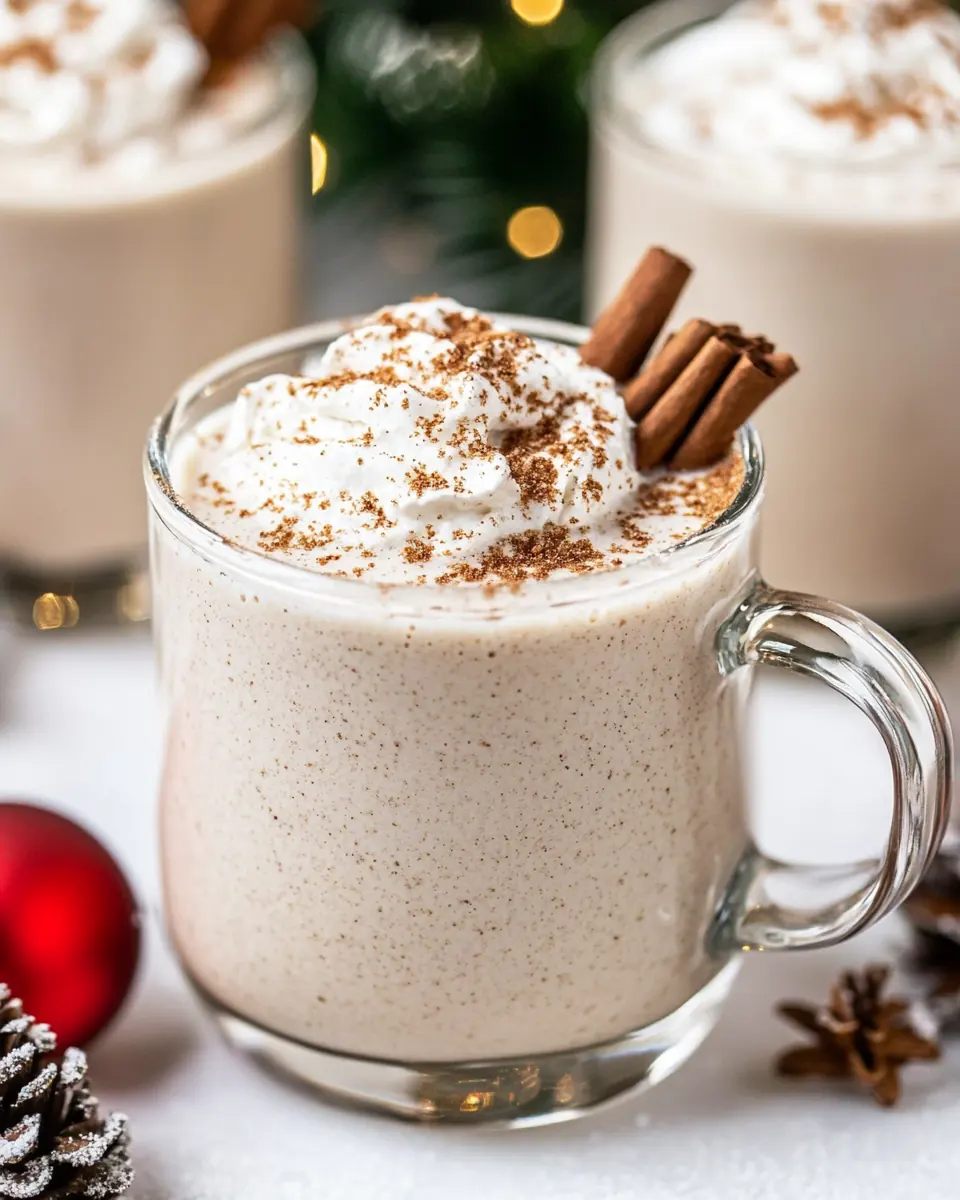
- Store leftovers in refrigerator.: Topping each cup with a soft dollop of whipping cream gives a bright, airy contrast to the rich base, and a dusting of ground cinnamon adds an immediate aromatic lift. The cinnamon stick or star anise acts as both garnish and aroma carrier. Be careful not to overload garnishes, which can overpower the delicate custard flavors.
- Store leftovers in refrigerator: Chilled, the eggnog keeps its texture and flavor for a few days if sealed well. You may notice slight thickening on standing, which is normal. Avoid leaving it at room temperature for extended periods as that invites spoilage, and always use clean utensils to prevent contamination.
Change It Up
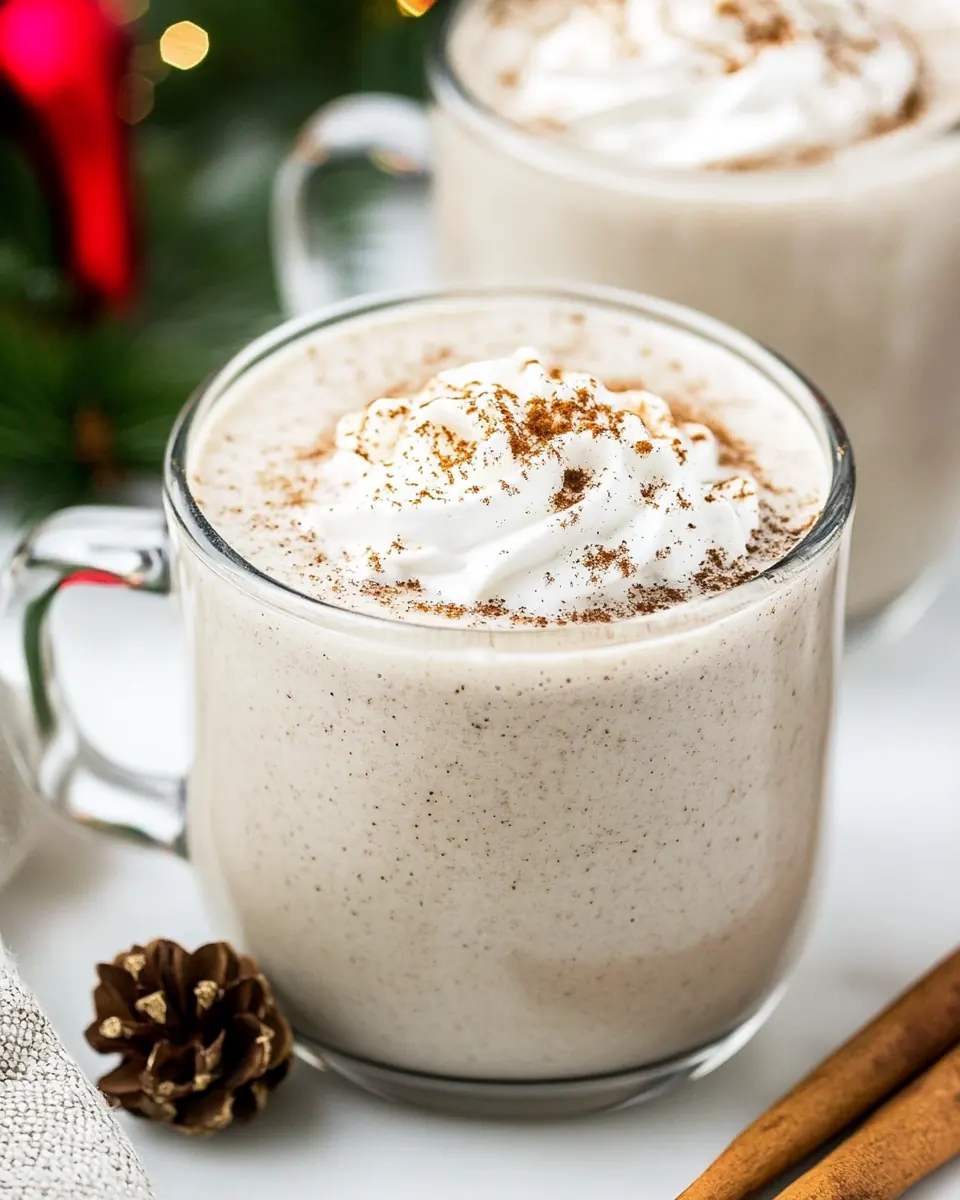
I like to vary small details to suit the moment, whether serving for an intimate night or a larger crowd. These tips expand the base recipe into a flexible template, so you can personalize texture and presentation while staying true to the core flavors.
- Lighten the texture by folding in softly whipped whipping cream right before serving for an airy mouthfeel that contrasts the rich custard.
- Boost spice intensity by toasting whole cinnamon or grating fresh nutmeg into the warm milk to extract more aromatic oils before straining.
- Make it decorative with a cinnamon stick or star anise in each cup for visual charm and a slow release of fragrance while sipping.
- Scale confidently by multiplying quantities and using a heavy bottomed pot to ensure even heat distribution for larger batches.
- Adjust sweetness by tasting after chilling and adding small amounts of granulated sugar if needed, because flavors concentrate while cold.
Serving Ideas for Homemade Eggnog
Homemade Eggnog is a festive centerpiece for gatherings and quiet evenings alike. I enjoy offering several serving options so guests can tailor their cup. Think warm or chilled, plain or topped, casual or dressed up. Here are ways I present and pair this recipe for different occasions.
- Holiday gatherings Serve in small cups with a swirl of whipping cream and a dusting of nutmeg for each guest to enjoy as a cozy after dinner treat.
- Brunch option Offer alongside baked goods and fruit, allowing the rich custard to mimic a sweet, creamy beverage for mid morning events.
- Quiet evenings Pour a modest serving into a warmed mug for a slow, comforting nightcap that feels like a treat without fuss.
- Presentation tip Use vintage glassware or small bowls and garnish with a cinnamon stick or star anise for a rustic, elegant look.
- Storage guidance Keep in an airtight container in the refrigerator for up to three days, and always rewhisk briefly before serving if separation occurs.
FAQ
Conclusion
What makes this recipe special is the way simple ingredients combine to create a richly spiced, silky custard that feels both nostalgic and indulgent. I encourage you to give Homemade Eggnog a try, whether you make a small batch for yourself or prepare a larger portion for friends. The technique of slow tempering and gentle cooking pays off in texture, and chilling deepens the flavors. Enjoy the process and the cozy moments that follow each cup.
Homemade Eggnog
Ingredients
Equipment
Method
- In a small saucepan, combine milk, cinnamon, nutmeg and vanilla. Slowly bring mixture to a low boil over low heat.: As the spices warm in the milk , a fragrant steam will rise, smelling like a warm bakery counter. You should see tiny bubbles form at the edges as the mixture comes to temperature, not a rolling boil. The low heat allows the spices to bloom into the liquid, enhancing aromatics. If the pot gets too hot you risk scalding the milk , which gives a slightly cooked scent, so keep the flame low and stir gently to distribute heat evenly.
- In a medium sized bowl, separate egg yolks from the whites. Add sugar to egg yolks and whisk until light and pale in color, about 2-3 minutes.: Watch for a gentle simmer, with small pearls of steam at the surface and a faint hissing sound, rather than violent bubbling. This stage develops flavor without tightening the proteins too quickly. A common error is turning up the heat to rush things, which can create a scorched flavor or make the later tempering more hazardous.
- Begin by adding a very small amount of the heated milk mixture to the eggs, whisking constantly to temper the eggs. Do not add the hot milk too quickly or it will cook the eggs.: The yolk and sugar mixture will thicken and take on a ribbon like quality as you lift the whisk, reflecting light like satin. This aeration lightens texture and helps the custard hold together. If you do not whisk long enough the mixture will be denser, and if you overbeat at very high speed you can incorporate too much air, making settling uneven.
- Continue adding small amounts of the milk to the eggs, whisking constantly until all the milk is incorporated and well combined.: As you drizzle, the egg mixture will warm and become glossy rather than grainy. The sound is quiet, just a steady whisking. Tempering avoids curdled bits by slowly equalizing temperatures. A frequent mistake is pouring too fast, which causes strands of cooked egg to form and ruins the custard.
- Return the saucepan to stovetop and cook over medium heat until slightly thick and mixture coats the back of a spoon. Do not boil.: The bowl will feel warm and the mixture will begin to take on a uniform color and sheen. Maintaining a slow, steady stream is key so that the eggs adjust without seizing. If you pause too long between additions the temperature can fluctuate and risk partial curdling, so keep a rhythm and stay focused.
- Remove the saucepan from heat and stir in heavy cream until mixed thoroughly.: You will notice the custard slowly thicken, and when a finger drawn across a spoon leaves a clear trail, it is ready. The aroma intensifies, smelling richer and almost custardy. Boiling will break the emulsion and cause separation, so once you reach the coat the spoon stage remove it promptly.
- Chill for several hours before serving.: Off the heat, adding the heavy cream builds silk and softens the temperature, making the texture more lush. The surface may appear glossy and slightly thicker. If you add the cream too cold it can create a slight chill, so bring it close to room temperature for the smoothest incorporation.
- To serve, add whipping cream, ground cinnamon, cinnamon stick or star anise if desired.: As it cools, the flavors settle and the texture tightens into a cohesive, velvety body. You will notice the spice notes deepen and blend rather than appearing as separate hits. Rushing to serve warm will give a different experience, less rounded and slightly thinner, so allow adequate chilling time for the best results.
- Store leftovers in refrigerator.: Topping each cup with a soft dollop of whipping cream gives a bright, airy contrast to the rich base, and a dusting of ground cinnamon adds an immediate aromatic lift. The cinnamon stick or star anise acts as both garnish and aroma carrier. Be careful not to overload garnishes, which can overpower the delicate custard flavors.
- Store leftovers in refrigerator: Chilled, the eggnog keeps its texture and flavor for a few days if sealed well. You may notice slight thickening on standing, which is normal. Avoid leaving it at room temperature for extended periods as that invites spoilage, and always use clean utensils to prevent contamination.
Notes
- Lighten the texture by folding in softly whipped whipping cream right before serving for an airy mouthfeel that contrasts the rich custard.
- Boost spice intensity by toasting whole cinnamon or grating fresh nutmeg into the warm milk to extract more aromatic oils before straining.
- Make it decorative with a cinnamon stick or star anise in each cup for visual charm and a slow release of fragrance while sipping.
- Scale confidently by multiplying quantities and using a heavy bottomed pot to ensure even heat distribution for larger batches.
- Adjust sweetness by tasting after chilling and adding small amounts of granulated sugar if needed, because flavors concentrate while cold.