Sweet Potato Fries
Sweet Potato Fries have been my go to when I want something crunchy, a little sweet, and impossibly comforting. I remember the first time I learned to make them at home, standing at my tiny apartment counter with a single baking sheet and a stubbornly smoky oven. I wanted fries that held their shape, tasted bright with seasoning, and had a crisp edge that snapped when you bit into it. Over repeated attempts, tweaking oil, heat, and the cut, I landed on this version that feels like a friendly compromise between old fashioned fry cart fries and something a little more thoughtful.
These days I make Sweet Potato Fries when friends drop by, when I need a quick side, and often as a solo treat paired with a dipping sauce. I like that the recipe is forgiving, and that small changes in spice or finish can make it feel new every time. There is a rhythm to the process, from cutting the tubers into uniform sticks to the satisfying rattle when you flip the tray at the right moment. Each element matters, but nothing is so precious that it ruins the dish if you have to improvise.
Recipe Snapshot
50 mins
15 mins
35 mins
Medium
180 kcal
American
Paleo, Gluten-Free
Side Dishes
Oven, Baking sheet, Parchment paper, Large mixing bowl, Small bowl, Spatula
What’s Great About This Sweet Potato Fries
They crisp up beautifully in a home oven
I love that you can get a satisfying crisp without special equipment. With the right cut and spacing, the edges caramelize and darken, giving you that textural contrast between exterior crunch and tender interior. The smell that fills the kitchen as they roast is warm and slightly sweet, and it always feels like a small celebration.
Simple ingredients, big flavor impact
Using just a few pantry staples like extra-virgin olive oil, kosher salt, and a pinch of spice lets the natural sweetness of the sweet potatoes shine. I appreciate recipes that maximize flavor from minimal fuss, and this one does that by coaxing out sugars through roasting and building layers of taste with curry, garlic powder, and cayenne when desired.
Flexible for different diets and occasions
We can easily make these vegan friendly by skipping the egg white and using a little extra oil. They work as a snack, a side for weeknight dinners, or as part of a larger spread. I often double the batch for gatherings because they travel well from oven to table and disappear fast.
Easy to adjust for texture and heat
I like that the recipe gives choices for thickness and spice level, so you control whether the fries are pillowy in the center or a bit more crisp throughout. Small tweaks in cut size or oven positioning can change the final bite, which makes it a fun experiment rather than a rigid instruction set.
Make ahead and reheat without losing charm
Leftovers store and reheat well when handled properly. The method of reheating on a baking sheet at moderate heat revives the crispness, so you can enjoy near fresh results the next day. That reliability is why these fries have become a regular in my rotation.
Ingredients Overview for Sweet Potato Fries
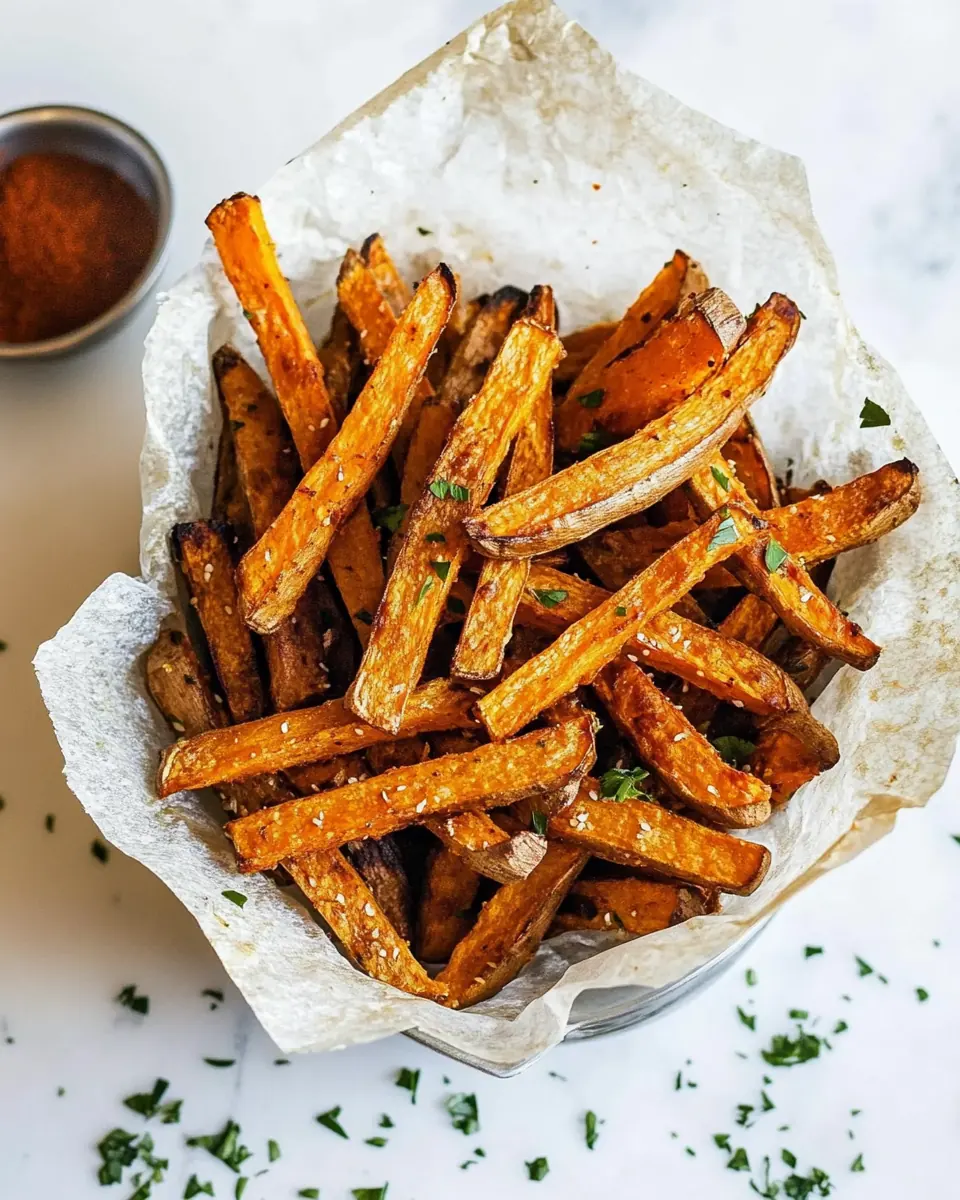
These ingredients work together to balance sweetness, savory seasoning, and crisp texture. The sweet potatoes are the star, while the combination of egg white and extra-virgin olive oil helps the spices adhere and promotes surface browning. Salt and pepper provide the essential savory counterpoint, and the optional spices let you dial in warmth and heat.
- 1 egg white use 1 additional tablespoon oil if you prefer the fries vegan: Whisked until frothy to help spices and oil adhere to the fries; when omitted for a vegan version, add an additional tablespoon of oil to replace its binding action. Provides a light coating that promotes even browning and crispness in the oven or air fryer.
- 2 pounds 2 large or 3 medium sweet potatoes scrubbed and dried, peels on: Scrubbed and dried with peels left on to retain nutrients and texture; cut into uniform sticks to ensure even cooking and consistent crispness. Using two pounds yields a generous batch suitable for sharing or meal prep.
- 2 tablespoons extra-virgin olive oil: Drizzled over the cut sweet potatoes to promote caramelization and prevent sticking; extra–virgin form adds a mild fruity flavor that complements the sweet potatoes and spices. Use just enough to coat pieces evenly for optimal crisp edges.
- 3/4 teaspoon kosher salt plus additional to taste: Sprinkled to season and enhance the natural sweetness of the potatoes; kosher salt’s larger crystals distribute flavor well and can be adjusted to taste after cooking. Balances the sweet and spicy elements in the seasoning blend for a well-rounded fry.
- 1/4 teaspoon ground black pepper: Ground to provide a sharp, savory counterpoint and depth to the overall seasoning mix; its bright, aromatic bite cuts through the sweet potato’s richness. Use measured amounts to avoid overpowering other spices.
- 1 tablespoon curry powder *, for flavor (optional): Added optionally to introduce warm, earthy, and slightly sweet notes that pair well with sweet potatoes; curry powder can be tailored in quantity for mild or pronounced flavor. Blends with the oil and egg white to coat fries evenly and create a complex spice profile.
- 1/4 teaspoon garlic powder , but highly recommended (optional): Sprinkled optionally to add a mellow, savory garlic undertone that enhances overall flavor; powdered form disperses uniformly on the fries for consistent taste. Highly recommended for a more robust and familiar savory note.
- 1/8 to 1/4 teaspoon cayenne pepper , for heat (optional): Pinched in optionally to bring heat and a subtle smoky kick; quantity can be adjusted between 1/8 and 1/4 teaspoon depending on desired spiciness. Works well with curry and black pepper to add layering to the flavor.
- Chopped fresh chives or parsley , for garnish (optional): Chopped and sprinkled optionally after cooking to add fresh color and a bright, herbaceous finish; chives offer mild onion notes while parsley provides a clean, slightly bitter contrast. Garnish enhances presentation and adds a fresh aromatic component.
Making This Sweet Potato Fries
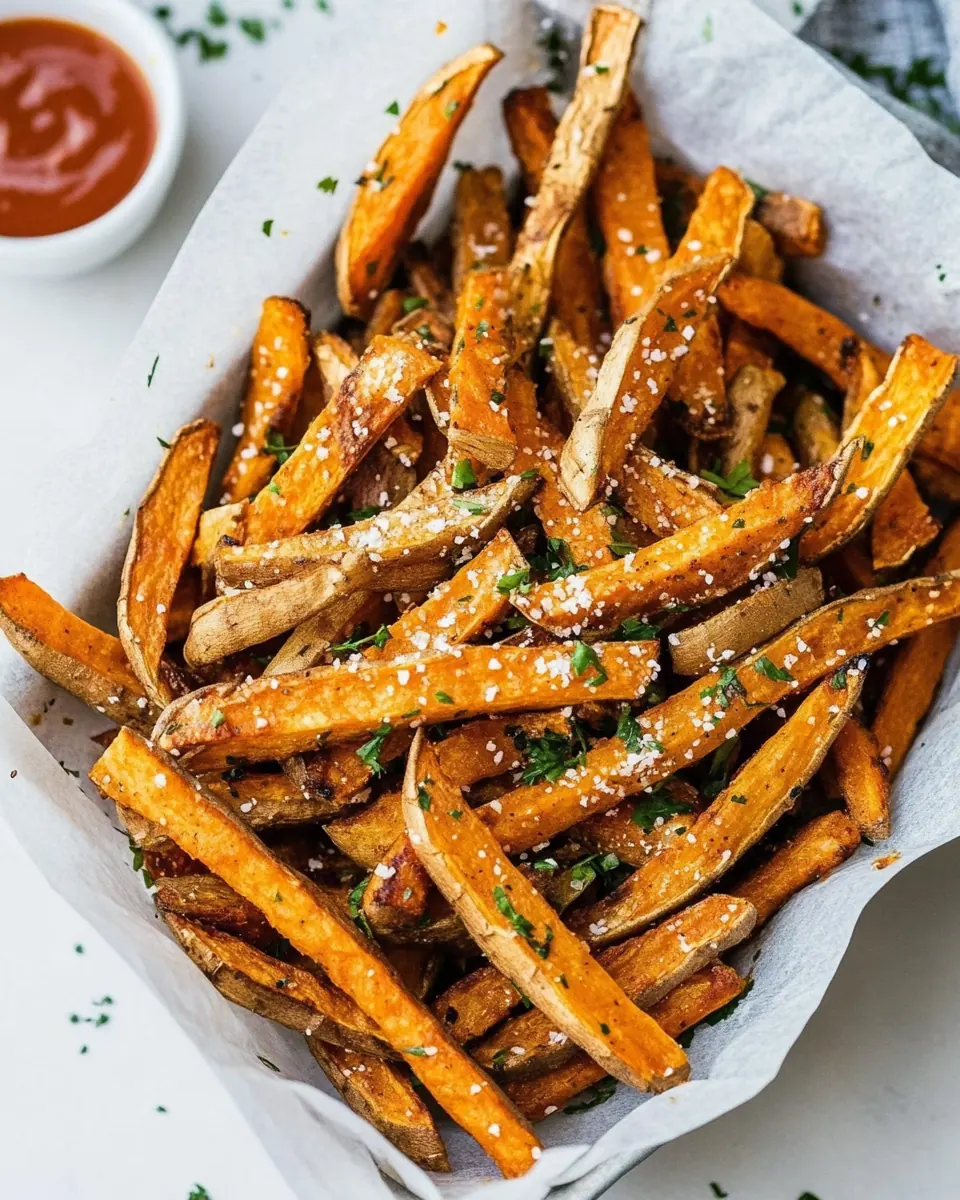
These directions turn a few simple actions into a reliably crunchy final product. I find the process meditative: prep with care, season thoughtfully, and pay attention to how the fries shift in the oven. Below you’ll find the cleaned steps expanded into sensory rich guidance and troubleshooting notes to help you get great results every time.
- Position racks in the upper and lower thirds of your oven. Preheat oven to 400 degrees F. Line 2 baking sheets with parchment paper.: As the oven warms the air starts to smell faintly of heated metal and insulation, and you can feel the kitchen warming up which sets the stage for caramelization. Proper rack placement encourages even heat circulation so both sheets brown evenly, and the parchment prevents sticking and makes cleanup easy. A common error is crowding the oven with too many pans, which disrupts airflow and prolongs cooking, so stick to the two trays. If your oven runs hot, a quick oven thermometer check will keep you on track. Using racks in the upper and lower thirds helps manage hot spots, and rotating the pans later evens out color differences.
- Place the egg white in the bottom of a large mixing bowl. Briskly whisk until it is foamy.: The whisking introduces air, creating a frothy surface that helps the seasonings cling to the fries and promotes a delicate coating that crisps. You should see tiny bubbles form and the white lighten in color, which signals readiness. If you stop too soon, the coating will be patchy and spices may fall off during tossing; whisk until foamy but not stiff. Overwhisking can break down the proteins and make it wetter, so aim for a glossy foam. The action should be brisk, and the bowl should feel light as you move it, indicating enough aeration.
- Cut potatoes into fry-shaped sticks that are about 1/4- to 1/2-inch wide and 3-inches long. Make the pieces as uniform as possible so that the fries bake evenly. Place the fries in the bowl with the egg white as you go.: When you cut the sweet potatoes consistently you get even cooking and predictable textures, with crispy edges and tender centers. The sound of the knife through the flesh is a firm, clean cut, and the exposed surfaces will take on more color as they roast. Uneven pieces lead to some fries burning while others remain undercooked, so take the time to match sizes. If a piece is much thicker, it may need extra time on a separate tray. As you add the sticks to the bowl, they begin to glisten and accept the foam, which readies them for oil and spices.
- Drizzle the fries with the oil.: The first wetting of the fries should create a light sheen on each piece, helping heat transfer and caramelization. You will hear a soft dragging sound as you toss the oiled pieces, and visually the surfaces will darken slightly. Too much oil will pool and inhibit crispness, so distribute it evenly and use your hands or tongs for even coverage. If it feels soggy, blot briefly with a paper towel before seasoning to avoid steaming in the oven.
- In a small bowl, stir together the curry powder, salt, black pepper, garlic powder, and cayenne.: Mixing the spices releases aromas as essential oils come alive, and inhaling that small burst of scent hints at the layered flavor to come. Aim for a homogenous blend so every fry gets balanced seasoning. Skipping this step can result in uneven pockets of flavor, and clumping can form if you add them dry to a very oily bowl, so whisk them first to distribute evenly.
- Sprinkle the spices over the fries. Toss to coat the fries evenly. Try to get them to be as evenly moistened and seasoned as possible.: As you toss, you will see the spice blend adhere to the foamed surface, creating a speckled, appetizing appearance. The aroma will lift and hint at warmth from the curry and heat from the cayenne. Achieving even coverage ensures no bite is bland or overly spicy. A typical mistake is aggressive over tossing which can break fragile fries; use gentle folding motions to maintain shape while distributing seasoning.
- Spread the fries onto the baking sheets, dividing them evenly between each. Make sure the fries are not crowded, or they will steam and not crisp up.: Arranging the fries into single layers allows hot air to circulate and encourages each edge to brown. You'll notice that spaced fries take on a dry sheen rather than a wet one, which is ideal for crisping. Crowding is the most common culprit when fries turn out limp, so resist the temptation to pile them together. If you must bake in batches, do so for the best texture. Watch for small pools of oil, and space fries away from them to avoid sogginess.
- Bake the sweet potato fries for 20 minutes.: During this initial bake the kitchen fills with a toasty, sweet aroma as sugars begin to caramelize. The surface will start to develop a light golden hue and the fries will firm up slightly. This period sets the foundation for the final crisp, so patience pays off. Opening the oven frequently will drop temperature and extend cooking time, so try to peek sparingly. If you cut the fries thicker than recommended, they may need a longer first bake to reach tenderness inside.
- Remove the pans from the oven, then flip the fries over (I recommend using a large spatula—scoop the fries in big sections, then use a fast turn of your wrist).: When you flip, you will hear a soft clatter as fries shift on the sheet and you may see steam release from the hot surfaces. This flip exposes the other sides to direct heat and promotes even browning. Use a large spatula to scoop in sections, and give the pans a quick wrist turn to flip; this helps prevent breaking individual sticks. Flipping too roughly can scatter small pieces unevenly, so be steady and intentional.
- Rearrange the fries back into a single layer to make sure they are not overlapping. If any look like they are browning too quickly, keep these towards the center or front of the baking sheet (the back of the oven tends to be the hottest).: After flipping, take a moment to nudge fries into a tidy single layer, watching for darker edges that may overbrown. The visual cue of deepening brown spots tells you where heat is concentrating, and moving those pieces inward can prevent burning. Overlapping will create steamed spots that never crisp, so take a minute to spread them out. If you notice inconsistent color, it often points to uneven thickness or oven hot spots.
- Return the pans to the oven, switching their positions on the upper and lower racks.: Swapping rack positions evens out differences in oven heat, which is especially helpful for home ovens with hot zones. You may hear a faint hiss as the sheets reenter the hot oven, and the smell will deepen as caramelization proceeds. This rotation helps both sheets finish at the same time. Forgetting to switch can leave one sheet browner than the other, so set a timer to remind yourself.
- Continue baking until the fries are crisp and brown on the outside and tender on the inside. The ends may look very dark on some of the fries, and you’ll see lighter brown spots in a few places. This will take about 10 to 15 additional minutes, depending on your oven and what size you cut the fries.: In the final phase, the sound is minimal, but visually you will see edges that are deeply caramelized and centers that yield when pressed. The precise timing depends on piece size and oven characteristics, usually taking about 10 to 15 additional minutes. This step concentrates flavor and texture, so monitor closely to catch the moment they are just right rather than overdone. A common pitfall is relying only on time; instead check for both crisp edges and a tender interior by testing one piece.
- Remove from the oven. Sprinkle with a pinch of additional salt. Serve immediately.: The finishing salt brightens and balances the roasted sweetness, and as you transfer them to a serving dish the steam releases a final aromatic note. Serving hot preserves the contrast between crisp exterior and soft center, so invite your guests quickly. If you leave them to sit too long, they will lose crunch, so plan your plating so the fries hit the table while still warm. A light garnish of herbs added at the end brings freshness to the dish.
Tips and Variations
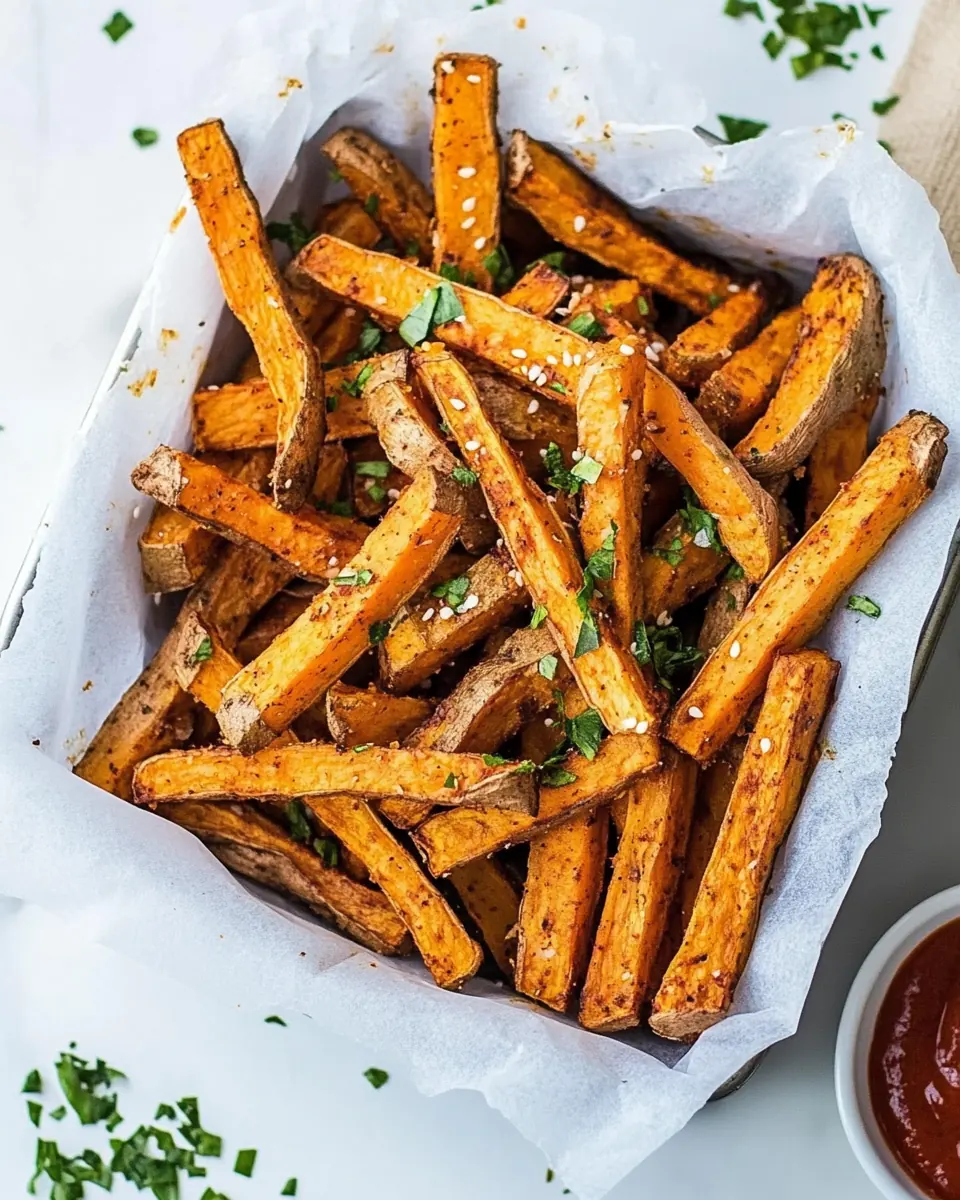
These tips will help you customize Sweet Potato Fries for texture and flavor. Small adjustments in cut size, spice, and handling deliver noticeably different experiences, so experiment and make this recipe your own.
- Vegan swap: If you prefer to keep this recipe vegan, skip the egg white and add an extra tablespoon of extra-virgin olive oil to help the spices adhere and promote browning.
- Spice variations: For a smokier profile, mix in a pinch of smoked paprika with the curry and garlic powders; increase the cayenne cautiously if you like more heat.
- Double bake trick: For boundary level crispness, parbake the fries slightly longer, cool them briefly, then return them to a very hot oven to finish crisping, watching closely to prevent burning.
- Storage method: Cool completely before refrigerating in an airtight container; reheat on a baking sheet at 350 degrees F to revive texture rather than microwaving which makes them soggy.
- Garnish ideas: Sprinkle chopped chives or parsley just before serving for a fresh contrast and an appetizing finish.
Side Dish Ideas for Sweet Potato Fries
These serving suggestions will help you match the fries to meals and occasions. From casual snacks to dinner accompaniments, think about temperature, texture, and complementary flavors when plating. Keep the fries hot and crisp, and choose sides that offer contrast in texture or brightness to balance the sweetness.
- Casual lunch pairing: Serve Sweet Potato Fries alongside a hearty sandwich or wrap for a satisfying midday meal, adding a crisp element to softer fillings.
- Dinner side dish: Pair with roasted vegetables and a simple grain salad to make a vegetarian friendly plate that feels complete and varied in texture.
- Entertaining: Lay out fries with small bowls of dips, each labeled with flavor notes, so guests can sample different combinations and the fries function as a shareable finger food.
- Ramadan or fasting meal: Offer fries as part of an iftar spread alongside soups and fresh salads to provide energy dense comfort that is easy to eat after a long fast.
- Storage tips: Cool to room temperature and store in an airtight container for up to four days; reheat on a baking sheet in the oven at 350 degrees F to restore crispness.
- Seasonal pairings: In fall, pair with warm apple chutney or a maple mustard dip to echo autumnal flavors and enhance the natural sweetness of the sweet potatoes.
FAQ
Conclusion
What makes this recipe special is its balance of sweet roasted flavor and crisp, caramelized edges that come from simple techniques and a few thoughtful seasonings. The method is forgiving yet precise enough to reward attention, making it a reliable choice whether you are feeding a crowd or treating yourself. Give these fries a try, and you may find they become a repeat hit at your table. Enjoy the process of cutting, seasoning, and watching the oven work its magic, and take pride in a snack that brings comfort and a little culinary satisfaction.
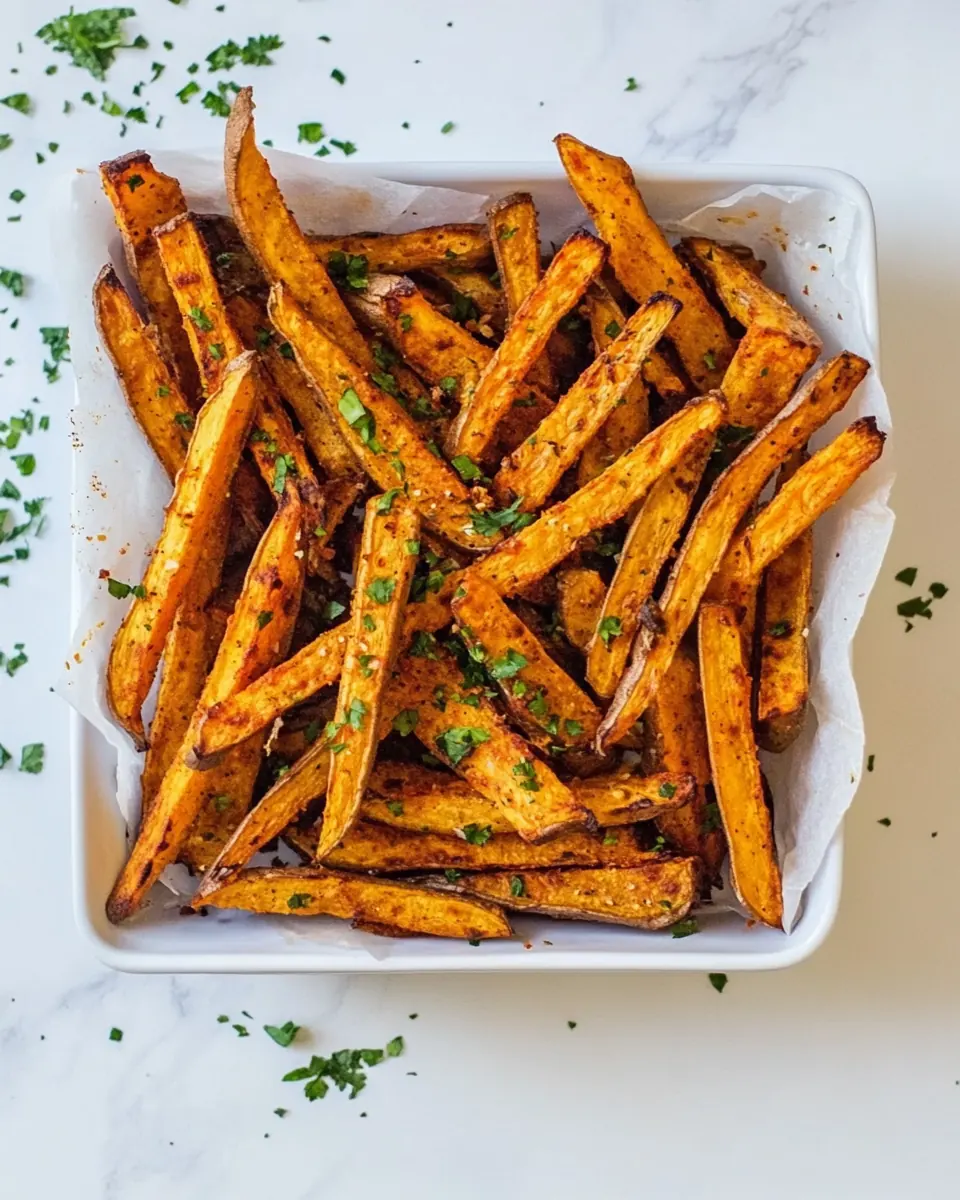
Sweet Potato Fries
Ingredients
Equipment
Method
- Position racks in the upper and lower thirds of your oven. Preheat oven to 400 degrees F. Line 2 baking sheets with parchment paper.: As the oven warms the air starts to smell faintly of heated metal and insulation, and you can feel the kitchen warming up which sets the stage for caramelization. Proper rack placement encourages even heat circulation so both sheets brown evenly, and the parchment prevents sticking and makes cleanup easy. A common error is crowding the oven with too many pans, which disrupts airflow and prolongs cooking, so stick to the two trays. If your oven runs hot, a quick oven thermometer check will keep you on track. Using racks in the upper and lower thirds helps manage hot spots, and rotating the pans later evens out color differences.
- Place the egg white in the bottom of a large mixing bowl. Briskly whisk until it is foamy.: The whisking introduces air, creating a frothy surface that helps the seasonings cling to the fries and promotes a delicate coating that crisps. You should see tiny bubbles form and the white lighten in color, which signals readiness. If you stop too soon, the coating will be patchy and spices may fall off during tossing; whisk until foamy but not stiff. Overwhisking can break down the proteins and make it wetter, so aim for a glossy foam. The action should be brisk, and the bowl should feel light as you move it, indicating enough aeration.
- Cut potatoes into fry-shaped sticks that are about 1/4- to 1/2-inch wide and 3-inches long. Make the pieces as uniform as possible so that the fries bake evenly. Place the fries in the bowl with the egg white as you go.: When you cut the sweet potatoes consistently you get even cooking and predictable textures, with crispy edges and tender centers. The sound of the knife through the flesh is a firm, clean cut, and the exposed surfaces will take on more color as they roast. Uneven pieces lead to some fries burning while others remain undercooked, so take the time to match sizes. If a piece is much thicker, it may need extra time on a separate tray. As you add the sticks to the bowl, they begin to glisten and accept the foam, which readies them for oil and spices.
- Drizzle the fries with the oil.: The first wetting of the fries should create a light sheen on each piece, helping heat transfer and caramelization. You will hear a soft dragging sound as you toss the oiled pieces, and visually the surfaces will darken slightly. Too much oil will pool and inhibit crispness, so distribute it evenly and use your hands or tongs for even coverage. If it feels soggy, blot briefly with a paper towel before seasoning to avoid steaming in the oven.
- In a small bowl, stir together the curry powder, salt, black pepper, garlic powder, and cayenne.: Mixing the spices releases aromas as essential oils come alive, and inhaling that small burst of scent hints at the layered flavor to come. Aim for a homogenous blend so every fry gets balanced seasoning. Skipping this step can result in uneven pockets of flavor, and clumping can form if you add them dry to a very oily bowl, so whisk them first to distribute evenly.
- Sprinkle the spices over the fries. Toss to coat the fries evenly. Try to get them to be as evenly moistened and seasoned as possible.: As you toss, you will see the spice blend adhere to the foamed surface, creating a speckled, appetizing appearance. The aroma will lift and hint at warmth from the curry and heat from the cayenne. Achieving even coverage ensures no bite is bland or overly spicy. A typical mistake is aggressive over tossing which can break fragile fries; use gentle folding motions to maintain shape while distributing seasoning.
- Spread the fries onto the baking sheets, dividing them evenly between each. Make sure the fries are not crowded, or they will steam and not crisp up.: Arranging the fries into single layers allows hot air to circulate and encourages each edge to brown. You'll notice that spaced fries take on a dry sheen rather than a wet one, which is ideal for crisping. Crowding is the most common culprit when fries turn out limp, so resist the temptation to pile them together. If you must bake in batches, do so for the best texture. Watch for small pools of oil, and space fries away from them to avoid sogginess.
- Bake the sweet potato fries for 20 minutes.: During this initial bake the kitchen fills with a toasty, sweet aroma as sugars begin to caramelize. The surface will start to develop a light golden hue and the fries will firm up slightly. This period sets the foundation for the final crisp, so patience pays off. Opening the oven frequently will drop temperature and extend cooking time, so try to peek sparingly. If you cut the fries thicker than recommended, they may need a longer first bake to reach tenderness inside.
- Remove the pans from the oven, then flip the fries over (I recommend using a large spatula—scoop the fries in big sections, then use a fast turn of your wrist).: When you flip, you will hear a soft clatter as fries shift on the sheet and you may see steam release from the hot surfaces. This flip exposes the other sides to direct heat and promotes even browning. Use a large spatula to scoop in sections, and give the pans a quick wrist turn to flip; this helps prevent breaking individual sticks. Flipping too roughly can scatter small pieces unevenly, so be steady and intentional.
- Rearrange the fries back into a single layer to make sure they are not overlapping. If any look like they are browning too quickly, keep these towards the center or front of the baking sheet (the back of the oven tends to be the hottest).: After flipping, take a moment to nudge fries into a tidy single layer, watching for darker edges that may overbrown. The visual cue of deepening brown spots tells you where heat is concentrating, and moving those pieces inward can prevent burning. Overlapping will create steamed spots that never crisp, so take a minute to spread them out. If you notice inconsistent color, it often points to uneven thickness or oven hot spots.
- Return the pans to the oven, switching their positions on the upper and lower racks.: Swapping rack positions evens out differences in oven heat, which is especially helpful for home ovens with hot zones. You may hear a faint hiss as the sheets reenter the hot oven, and the smell will deepen as caramelization proceeds. This rotation helps both sheets finish at the same time. Forgetting to switch can leave one sheet browner than the other, so set a timer to remind yourself.
- Continue baking until the fries are crisp and brown on the outside and tender on the inside. The ends may look very dark on some of the fries, and you’ll see lighter brown spots in a few places. This will take about 10 to 15 additional minutes, depending on your oven and what size you cut the fries.: In the final phase, the sound is minimal, but visually you will see edges that are deeply caramelized and centers that yield when pressed. The precise timing depends on piece size and oven characteristics, usually taking about 10 to 15 additional minutes. This step concentrates flavor and texture, so monitor closely to catch the moment they are just right rather than overdone. A common pitfall is relying only on time; instead check for both crisp edges and a tender interior by testing one piece.
- Remove from the oven. Sprinkle with a pinch of additional salt. Serve immediately.: The finishing salt brightens and balances the roasted sweetness, and as you transfer them to a serving dish the steam releases a final aromatic note. Serving hot preserves the contrast between crisp exterior and soft center, so invite your guests quickly. If you leave them to sit too long, they will lose crunch, so plan your plating so the fries hit the table while still warm. A light garnish of herbs added at the end brings freshness to the dish.
Notes
- Vegan swap: If you prefer to keep this recipe vegan, skip the egg white and add an extra tablespoon of extra-virgin olive oil to help the spices adhere and promote browning.
- Spice variations: For a smokier profile, mix in a pinch of smoked paprika with the curry and garlic powders; increase the cayenne cautiously if you like more heat.
- Double bake trick: For boundary level crispness, parbake the fries slightly longer, cool them briefly, then return them to a very hot oven to finish crisping, watching closely to prevent burning.
- Storage method: Cool completely before refrigerating in an airtight container; reheat on a baking sheet at 350 degrees F to revive texture rather than microwaving which makes them soggy.
- Garnish ideas: Sprinkle chopped chives or parsley just before serving for a fresh contrast and an appetizing finish.