Seaweed Cookie
Seaweed Cookie came into my kitchen on a rainy afternoon when I was craving something both comforting and adventurous, so I decided to experiment with a classic cookie dough and a tiny coastal twist. I remember unwrapping the butter, inhaling that familiar creamy scent, and wondering how a whisper of seaweed salt would change the whole experience. The first batch was a discovery, not perfection, and I kept notes while sipping tea and listening to the rain.
That first bite taught me a lot, and every version since then has been about balancing the subtle savory mineral notes with tender, melt in your mouth crumb. I love how the dough behaves as you work it, going from soft and shy to firm and confident after a chill in the fridge. Friends who tried them were surprised by how approachable the flavor felt, rather than overpowering, and soon I found myself reaching for the jar of fleur de sel aux algues whenever I wanted a small, elegant snack.
Recipe Snapshot
45 mins
30 mins
15 mins
Medium
150 kcal
American
Gluten-Free, Low FODMAP
Desserts
Mixing bowl, Electric mixer, Plastic wrap, Baking sheet, Parchment paper or silicone mat, Sharp knife, Oven
The Best Thing About This Seaweed Cookie
Unique flavor contrast
I love how Seaweed Cookie combines buttery sweetness with a muted oceanic salt, creating a contrast that keeps you curious with every bite. The seaweed salt does not shout, it whispers, and that subtlety is what makes these cookies memorable. When I serve them, people pause before finishing, trying to place that mineral note, and then they smile when they do.
Simple technique, impressive results
One of my favorite things is that the process is forgiving. With just basic mixing, chilling, and slicing, you end up with an elegant cookie. I find that this is a great recipe to introduce to friends who are intimidated by baking, because the method focuses on texture and chill time rather than precision gymnastics.
Versatile and refined
I often bring these to tea or casual gatherings because they feel refined yet relaxed. Seaweed Cookie pairs beautifully with a bright cup of green tea or a nutty coffee, so it works for many occasions. You can keep the presentation simple, or dress it up on a small plate for guests.
Ingredient driven
These cookies shine because each ingredient plays a clear role. The butter gives richness, the egg yolk adds silkiness, and the olive oil helps with tenderness. The flour provides structure, while the powdered sugar ensures a delicate crumb. Because the recipe uses few ingredients, each one needs to be thoughtful, and that attention yields a cookie that tastes intentional and balanced.
Make ahead friendly
I value recipes that respect busy lives, and this one fits. You can chill the dough, or even freeze logs for later, which means you can bake fresh cookies when you need them without redoing the whole process. That practical edge makes me reach for this recipe on weekday evenings and for last minute gatherings alike.
What You’ll Need for Seaweed Cookie
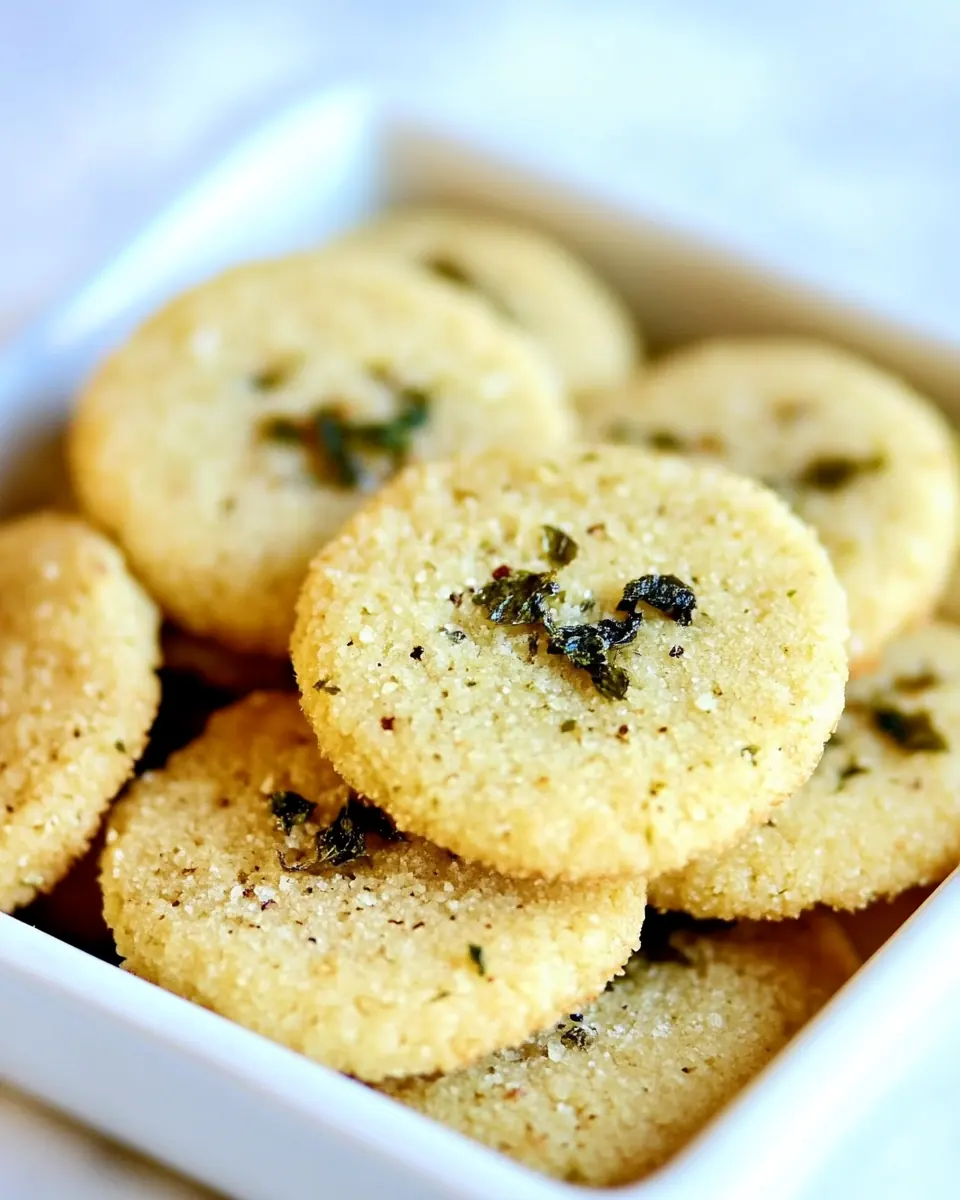
These ingredients are intentionally few, each performing a clear job. I treat this list like a little crew, where fat and flour set the stage, sugar and egg yolk tune the crumb, and the seaweed salt provides the finishing signature. When they come together, you get a cookie that is delicate yet flavorful, familiar but with an intriguing twist.
- 6 tablespoons (90 g) unsalted butter, at room temperature: Creamy and pliable, provides the rich fat and moisture that gives cookies a tender, melt-in-the-mouth texture; helps carry flavors and create a soft crumb when creamed with sugar. Use at room temperature to ensure even incorporation and proper aeration for lightness.
- 2 teaspoons fleur de sel aux algues, plus additional for sprinkling the cookies: Salty and mineral-forward, adds a nuanced oceanic flavor that complements the seaweed theme and balances the cookie's sweetness; sprinkle a small amount into the dough and reserve some for finishing to enhance contrast. Choose a fleur de sel infused with seaweed for a subtle umami lift without overpowering the cookie.
- 9 tablespoons (110 g) powdered sugar: Fine and powdery, sweetens while dissolving smoothly into butter for an even texture and prevents grittiness in the finished cookie; contributes structure by interacting with the fat during creaming. Sift if necessary to remove lumps and ensure uniform distribution throughout the dough.
- 1 large egg yolk: Silky and concentrated, provides richness and emulsification that helps bind fats and dry ingredients, improving texture and color in baked cookies. Use only the yolk to add tenderness and a slightly custardy depth without adding extra liquid from white.
- 1 1/2 tablespoons olive oil: Fruity and liquid, adds a touch of richness and helps with tenderness while contributing a subtle savory or fruity note depending on the oil used; aids in mouthfeel and keeps cookies from becoming dry. Incorporate gently to combine fats evenly without overworking the dough.
- 1 cup plus 2 tablespoons (155 g) flour: Dry and starchy, supplies the primary structure and bulk of the cookie by forming gluten when mixed and setting during baking; determines texture, thickness, and spread. Measure carefully and sift if needed to ensure even mixing and a consistent final crumb.
Directions for Seaweed Cookie
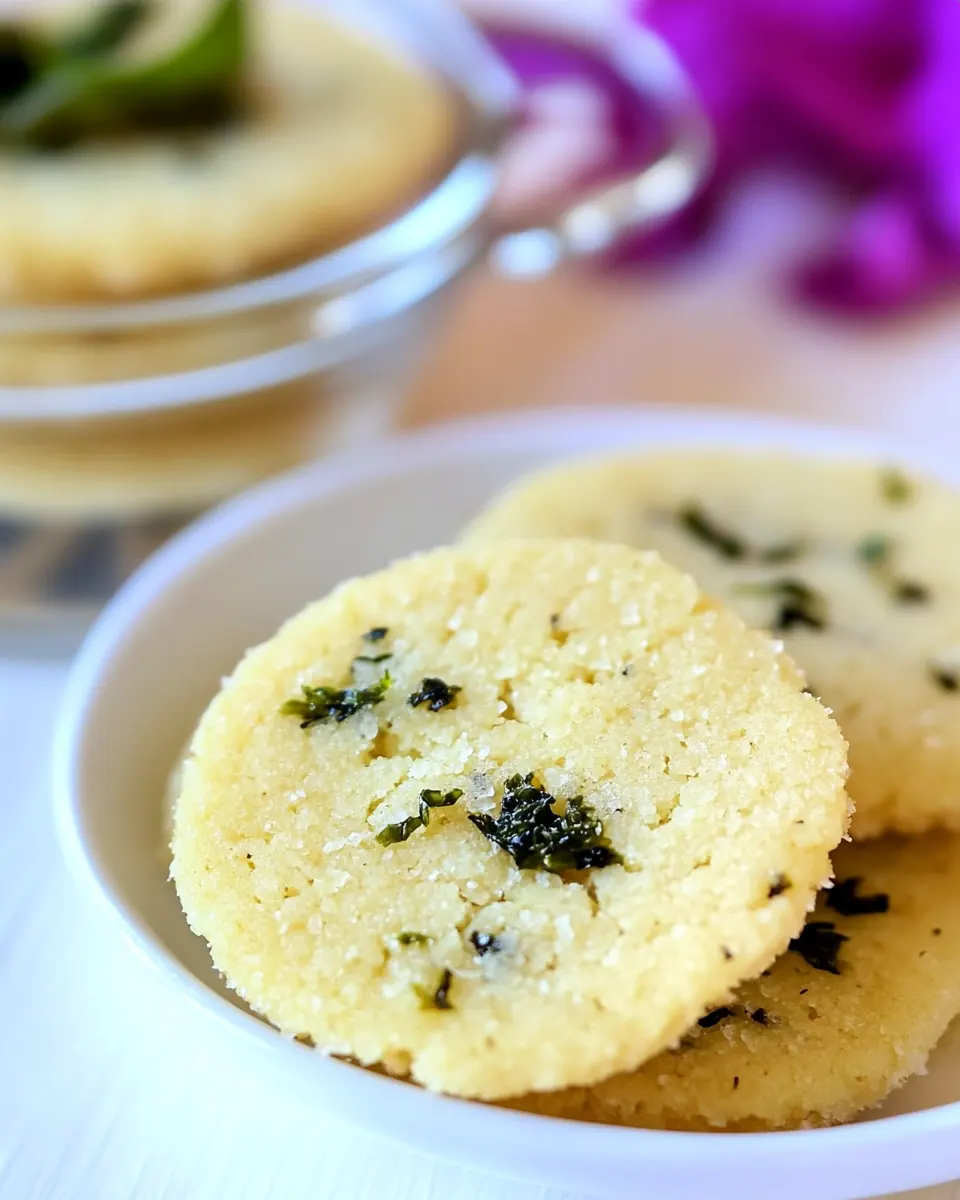
These directions are straightforward, but I like to slow down and savor each step to ensure a perfect, delicate cookie. I recommend reading through once, then preparing the ingredients so everything is within reach. Here are the steps rewritten with sensory cues, troubleshooting, and reasons why each choice matters.
- Mix the butter and fleur de sel aux algues together until smooth. Beat in the powdered sugar, then the egg yolk.: The bowl will smell buttery with a whisper of brine, and the texture should become glossy and smooth as you beat. I notice a silky sheen when the butter and powdered sugar are fully incorporated, and the mixture should lose any grainy feel under the spoon. This step matters because properly creamed butter traps tiny air pockets that help the cookie feel light rather than dense. If the mixture looks lumpy or greasy, you may have used overly warm butter , so refrigerate the bowl for 10 to 15 minutes and try again. A common mistake is rushing this stage, which can leave sugar unincorporated and cause an uneven texture in the baked cookie.
- If using an electric mixer, scrape down the sides, then add the olive oil and flour until smooth.: You will hear the mixer hum and see the dough change from glossy to a slightly thicker paste as the olive oil blends in. The scent will pick up a soft fruity note from the oil, and the finished dough should hold together without pockets of flour. Scraping the bowl ensures that any bits stuck to the sides are folded in, which prevents streaks of dry flour . If the dough seems very soft or greasy, you may have overmixed; stop immediately and chill the dough to firm it up. Avoid adding extra flour to fix a soft dough, as that can make the cookies dry and crumbly.
- On the counter top, roll the dough into two logs, each about 8-inch (20 cm) long. Wrap each in plastic and chill until firm enough to slice, about 1 hour.: As you roll, the dough should feel cool and slightly tacky, not sticky. Rolling into logs creates a uniform shape so each cookie bakes evenly, and chilling solidifies the fats, which keeps the cookies from flattening excessively in the oven. I like to press gently so the surface is smooth; rough logs produce uneven slices. A frequent issue is under chilling, which leads to clicking or misshapen cookies when you slice; if you are in doubt, chill for a bit longer. For slicing ease, the logs should be firm but not rock hard.
- To bake the cookies, preheat the oven to 300 F (150 C). Line a baking sheet with a silicone mat or parchment paper then slice the cookies on the scant side of 1/4-inch (1/2 cm) thick. Place them evenly-spaced on the prepared baking sheet.: The oven preheat will create a stable hot environment where the cookies can set gently. As you slice, the cross section should reveal a pale, creamy interior; the edges should be neat. Leaving space between the rounds prevents them from touching as they spread slightly. If your slices crumble while cutting, try chilling them again for 10 to 15 minutes to firm up. A common pitfall is slicing too thick or too thin; very thin slices will crisp too fast, and overly thick ones may not bake through evenly.
- Sprinkle a couple of grains of seaweed salt over the top of each cookie (mine was pretty coarse so I crushed it a bit first), then bake for 12-14 minutes, or until slightly-firm. Cool before serving.: When you sprinkle the salt, you should see tiny sparkling flecks on each cookie that will toast lightly in the oven. During baking, the kitchen fills with a warm, buttery aroma and the edges begin to set while the centers remain pale. You are looking for a gentle firmness to the touch and a barely visible color change; they will continue to firm as they cool. If the cookies brown too much, your oven temperature may be high or the rack is too low, so adjust and watch closely. Cooling on the tray for a few minutes before transferring to a wire rack helps them finish setting without breaking.
Customization Ideas
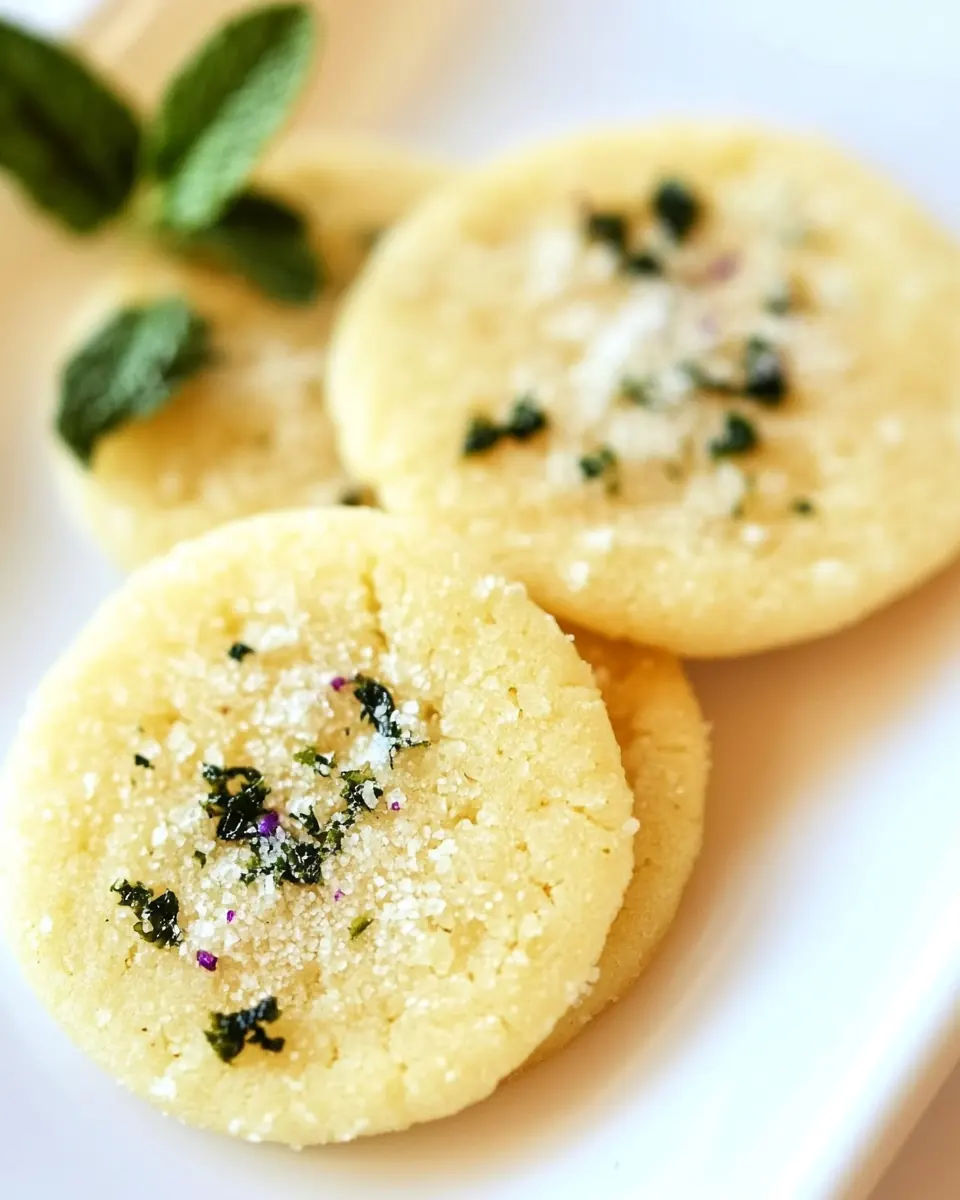
I like offering variations so you can make this recipe feel personal without changing its essence. Below are ideas that keep the core profile intact while allowing subtle experiments with texture and presentation. Each tip begins with a concise phrase so you can scan quickly, followed by a short explanation.
- Use different sea salts — Try a milder, finer sea salt if you prefer a subtler briny note, or a flaked sea salt for a dramatic finish and crunch.
- Adjust slice thickness — Cutting slightly thicker yields a tender bite, while thinner slices make the cookie crispier and more delicate, ideal for serving with tea.
- Chill longer for travel — If you need the dough to travel, chill it longer or freeze, which keeps the logs firm and makes slicing neater after thawing briefly.
- Crush salt for even flavor — If your fleur de sel aux algues is coarse, gently crush it to distribute flavor without overwhelming any single bite.
- Make ahead storage — Prepare the dough logs a few days ahead, or freeze them for longer storage so you can bake fresh cookies anytime.
- Presentation matters — Sprinkle just before baking for glossy salt crystals, or press a few flakes on straight out of the oven for dramatic texture.
Serve This Seaweed Cookie With
These cookies are versatile, and how you serve them can change the whole mood. Below are ways I like to present them, pairing ideas, and storage notes to help you plan for occasions from quiet afternoons to small celebrations.
- Tea time pairing — Serve with a bright cup of green tea to complement the subtle ocean notes and to balance the buttery richness.
- Coffee companion — Pair with a medium roast coffee where nutty, caramel notes create a pleasant counterpoint to the saltiness.
- Small plates for gatherings — Arrange on a small platter with simple garnishes for an elegant nibble during casual get togethers or intimate parties.
- Storage tips — Store baked cookies in an airtight container overnight for best freshness, and keep unbaked dough logs chilled for up to five days or frozen for two months.
- Seasonal occasions — These work well year round, and I often bring them to spring brunches or holiday cookie swaps as a refined alternative to overly sweet treats.
FAQ
Conclusion
These Seaweed Cookie are special because they pair a simple buttery base with a refined oceanic note, creating a sophisticated snack that feels both familiar and novel. Give them a try to experience how a tiny amount of fleur de sel aux algues can elevate a classic cookie into something memorable. I hope this inspires you to bake a batch, share with a friend, and enjoy the small surprises that come from thoughtful ingredients and relaxed technique.
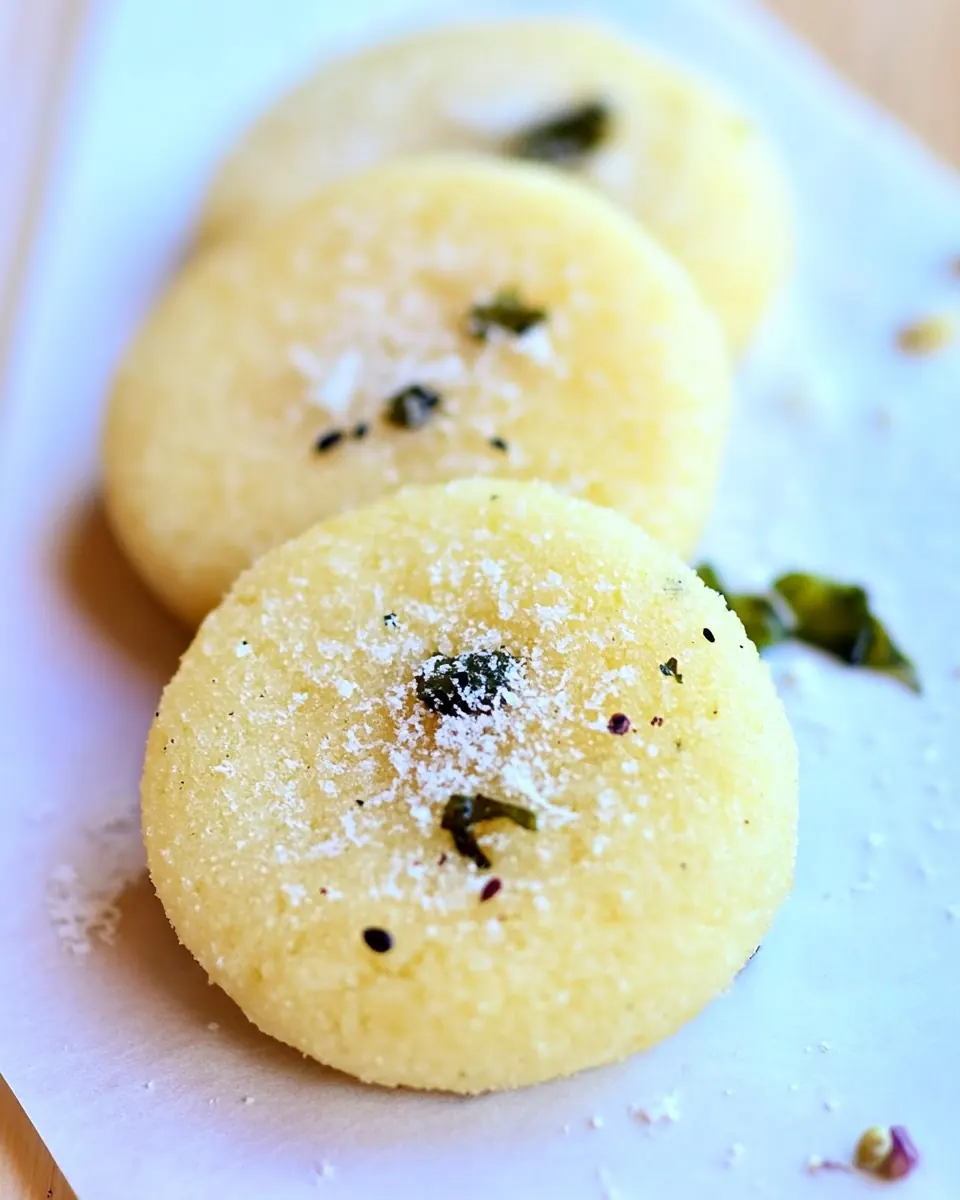
Seaweed Cookie
Ingredients
Equipment
Method
- Mix the butter and fleur de sel aux algues together until smooth. Beat in the powdered sugar, then the egg yolk.: The bowl will smell buttery with a whisper of brine, and the texture should become glossy and smooth as you beat. I notice a silky sheen when the butter and powdered sugar are fully incorporated, and the mixture should lose any grainy feel under the spoon. This step matters because properly creamed butter traps tiny air pockets that help the cookie feel light rather than dense. If the mixture looks lumpy or greasy, you may have used overly warm butter , so refrigerate the bowl for 10 to 15 minutes and try again. A common mistake is rushing this stage, which can leave sugar unincorporated and cause an uneven texture in the baked cookie.
- If using an electric mixer, scrape down the sides, then add the olive oil and flour until smooth.: You will hear the mixer hum and see the dough change from glossy to a slightly thicker paste as the olive oil blends in. The scent will pick up a soft fruity note from the oil, and the finished dough should hold together without pockets of flour. Scraping the bowl ensures that any bits stuck to the sides are folded in, which prevents streaks of dry flour . If the dough seems very soft or greasy, you may have overmixed; stop immediately and chill the dough to firm it up. Avoid adding extra flour to fix a soft dough, as that can make the cookies dry and crumbly.
- On the counter top, roll the dough into two logs, each about 8-inch (20 cm) long. Wrap each in plastic and chill until firm enough to slice, about 1 hour.: As you roll, the dough should feel cool and slightly tacky, not sticky. Rolling into logs creates a uniform shape so each cookie bakes evenly, and chilling solidifies the fats, which keeps the cookies from flattening excessively in the oven. I like to press gently so the surface is smooth; rough logs produce uneven slices. A frequent issue is under chilling, which leads to clicking or misshapen cookies when you slice; if you are in doubt, chill for a bit longer. For slicing ease, the logs should be firm but not rock hard.
- To bake the cookies, preheat the oven to 300 F (150 C). Line a baking sheet with a silicone mat or parchment paper then slice the cookies on the scant side of 1/4-inch (1/2 cm) thick. Place them evenly-spaced on the prepared baking sheet.: The oven preheat will create a stable hot environment where the cookies can set gently. As you slice, the cross section should reveal a pale, creamy interior; the edges should be neat. Leaving space between the rounds prevents them from touching as they spread slightly. If your slices crumble while cutting, try chilling them again for 10 to 15 minutes to firm up. A common pitfall is slicing too thick or too thin; very thin slices will crisp too fast, and overly thick ones may not bake through evenly.
- Sprinkle a couple of grains of seaweed salt over the top of each cookie (mine was pretty coarse so I crushed it a bit first), then bake for 12-14 minutes, or until slightly-firm. Cool before serving.: When you sprinkle the salt, you should see tiny sparkling flecks on each cookie that will toast lightly in the oven. During baking, the kitchen fills with a warm, buttery aroma and the edges begin to set while the centers remain pale. You are looking for a gentle firmness to the touch and a barely visible color change; they will continue to firm as they cool. If the cookies brown too much, your oven temperature may be high or the rack is too low, so adjust and watch closely. Cooling on the tray for a few minutes before transferring to a wire rack helps them finish setting without breaking.
Notes
- Use different sea salts — Try a milder, finer sea salt if you prefer a subtler briny note, or a flaked sea salt for a dramatic finish and crunch.
- Adjust slice thickness — Cutting slightly thicker yields a tender bite, while thinner slices make the cookie crispier and more delicate, ideal for serving with tea.
- Chill longer for travel — If you need the dough to travel, chill it longer or freeze, which keeps the logs firm and makes slicing neater after thawing briefly.
- Crush salt for even flavor — If your fleur de sel aux algues is coarse, gently crush it to distribute flavor without overwhelming any single bite.
- Make ahead storage — Prepare the dough logs a few days ahead, or freeze them for longer storage so you can bake fresh cookies anytime.
- Presentation matters — Sprinkle just before baking for glossy salt crystals, or press a few flakes on straight out of the oven for dramatic texture.