Mix the butter and fleur de sel aux algues together until smooth. Beat in the powdered sugar, then the egg yolk.: The bowl will smell buttery with a whisper of brine, and the texture should become glossy and smooth as you beat. I notice a silky sheen when the butter and powdered sugar are fully incorporated, and the mixture should lose any grainy feel under the spoon. This step matters because properly creamed butter traps tiny air pockets that help the cookie feel light rather than dense. If the mixture looks lumpy or greasy, you may have used overly warm butter , so refrigerate the bowl for 10 to 15 minutes and try again. A common mistake is rushing this stage, which can leave sugar unincorporated and cause an uneven texture in the baked cookie.
If using an electric mixer, scrape down the sides, then add the olive oil and flour until smooth.: You will hear the mixer hum and see the dough change from glossy to a slightly thicker paste as the olive oil blends in. The scent will pick up a soft fruity note from the oil, and the finished dough should hold together without pockets of flour. Scraping the bowl ensures that any bits stuck to the sides are folded in, which prevents streaks of dry flour . If the dough seems very soft or greasy, you may have overmixed; stop immediately and chill the dough to firm it up. Avoid adding extra flour to fix a soft dough, as that can make the cookies dry and crumbly.
On the counter top, roll the dough into two logs, each about 8-inch (20 cm) long. Wrap each in plastic and chill until firm enough to slice, about 1 hour.: As you roll, the dough should feel cool and slightly tacky, not sticky. Rolling into logs creates a uniform shape so each cookie bakes evenly, and chilling solidifies the fats, which keeps the cookies from flattening excessively in the oven. I like to press gently so the surface is smooth; rough logs produce uneven slices. A frequent issue is under chilling, which leads to clicking or misshapen cookies when you slice; if you are in doubt, chill for a bit longer. For slicing ease, the logs should be firm but not rock hard.
To bake the cookies, preheat the oven to 300 F (150 C). Line a baking sheet with a silicone mat or parchment paper then slice the cookies on the scant side of 1/4-inch (1/2 cm) thick. Place them evenly-spaced on the prepared baking sheet.: The oven preheat will create a stable hot environment where the cookies can set gently. As you slice, the cross section should reveal a pale, creamy interior; the edges should be neat. Leaving space between the rounds prevents them from touching as they spread slightly. If your slices crumble while cutting, try chilling them again for 10 to 15 minutes to firm up. A common pitfall is slicing too thick or too thin; very thin slices will crisp too fast, and overly thick ones may not bake through evenly.
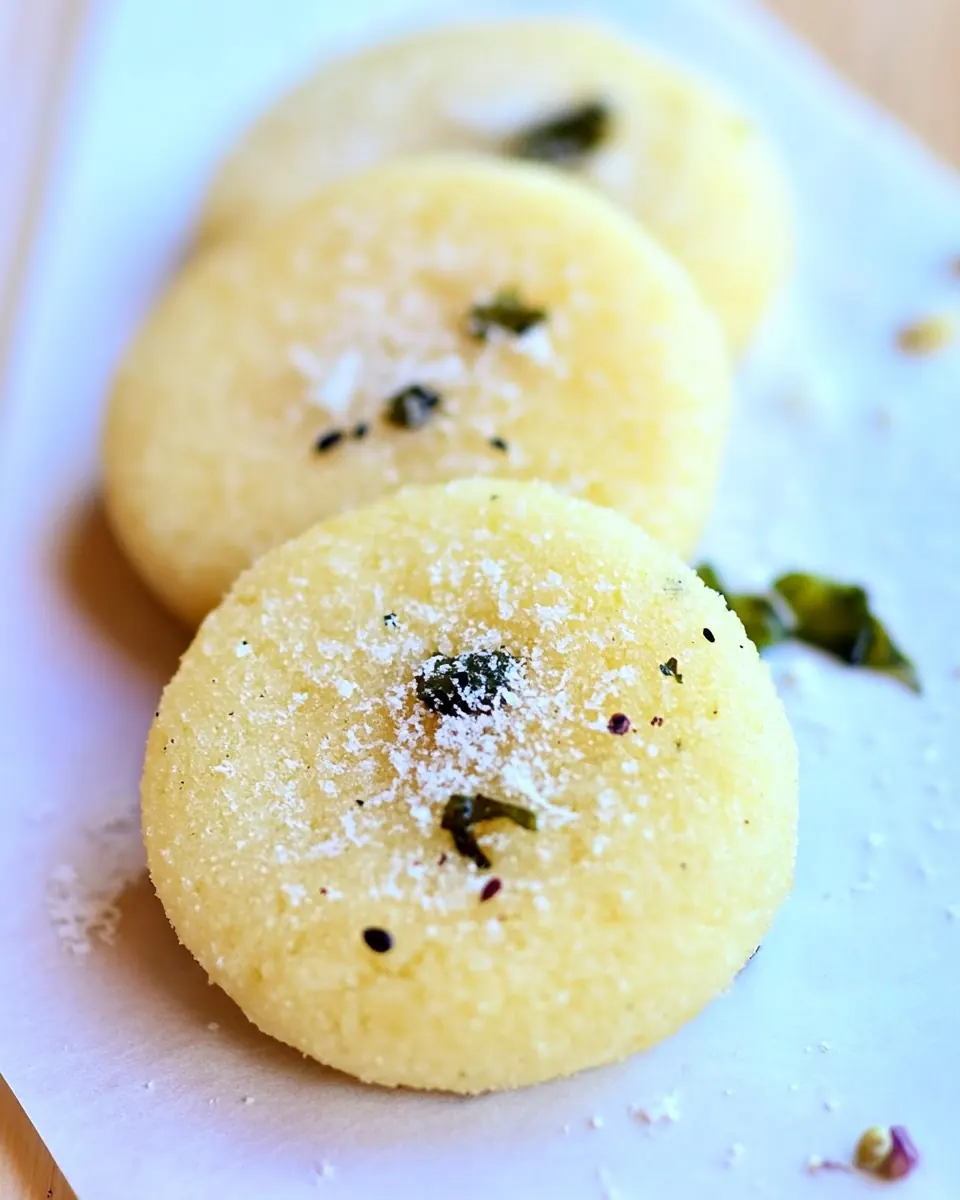
Sprinkle a couple of grains of seaweed salt over the top of each cookie (mine was pretty coarse so I crushed it a bit first), then bake for 12-14 minutes, or until slightly-firm. Cool before serving.: When you sprinkle the salt, you should see tiny sparkling flecks on each cookie that will toast lightly in the oven. During baking, the kitchen fills with a warm, buttery aroma and the edges begin to set while the centers remain pale. You are looking for a gentle firmness to the touch and a barely visible color change; they will continue to firm as they cool. If the cookies brown too much, your oven temperature may be high or the rack is too low, so adjust and watch closely. Cooling on the tray for a few minutes before transferring to a wire rack helps them finish setting without breaking.