Instant Pot Sweet Potato Curry
Instant Pot Sweet Potato Curry is one of those weeknight lifesavers I turn to when I want cozy comfort that still feels bright and wholesome.
I remember the first time I made this, coming in from a chilly day and craving something warming but not heavy. The kitchen filled with a fragrant steam that hinted at coconut and curry, and by the time I lifted the lid, the sweet potatoes had softened into tender chunks that contrasted perfectly with the creamy coconut sauce. I wrote notes on a napkin while spooning curry into a bowl, thinking about how this recipe would be perfect for nights when you need dinner fast, or for prepping lunches that hold up well in the fridge.
Over the years I tweaked amounts and technique so the texture hits just right, and now this version is my trusted go to when I want an easy, satisfying plant forward meal. I love how the curry paste gives a deep, savory backbone while the sweet potato keeps things naturally sweet and comforting. I hope this recipe becomes one of your go to dishes too, the one you turn to when you want something soulful without a lot of fuss.
Recipe Snapshot
21 mins
5 mins
16 mins
Easy
350 kcal
Indian
Gluten-Free, Vegan
Dinner
Instant Pot, Stainless steel insert
Why This Instant Pot Sweet Potato Curry Is a Winner
Rich, layered flavor in minutes
I adore how Instant Pot Sweet Potato Curry builds deep flavor without fuss. Using the Instant Pot concentrates aromatics quickly, so the coconut and curry paste become a silky, fragrant sauce that tastes like you simmered it for ages.
Comfort without heaviness
This curry feels indulgent, yet it stays light thanks to hearty sweet potato and protein from the chickpeas. I love serving it when I want something soothing but not overly rich.
Fast weeknight winner
We can get dinner on the table in a fraction of traditional stove top time. The pressure cooking speeds up softening the sweet potatoes, so you get tender texture and melded flavors in a snap.
Versatile for meal prep
I often double the batch and portion it out, because the curry keeps beautifully. The flavors continue to develop in the fridge, and reheating is a breeze, making it a practical solution for busy weeks.
Vegetarian and approachable
This recipe highlights accessible pantry ingredients like canned coconut milk and chickpeas. I find people who don’t cook much yet love how satisfying and approachable the final bowl is.
Ingredients Required for Instant Pot Sweet Potato Curry
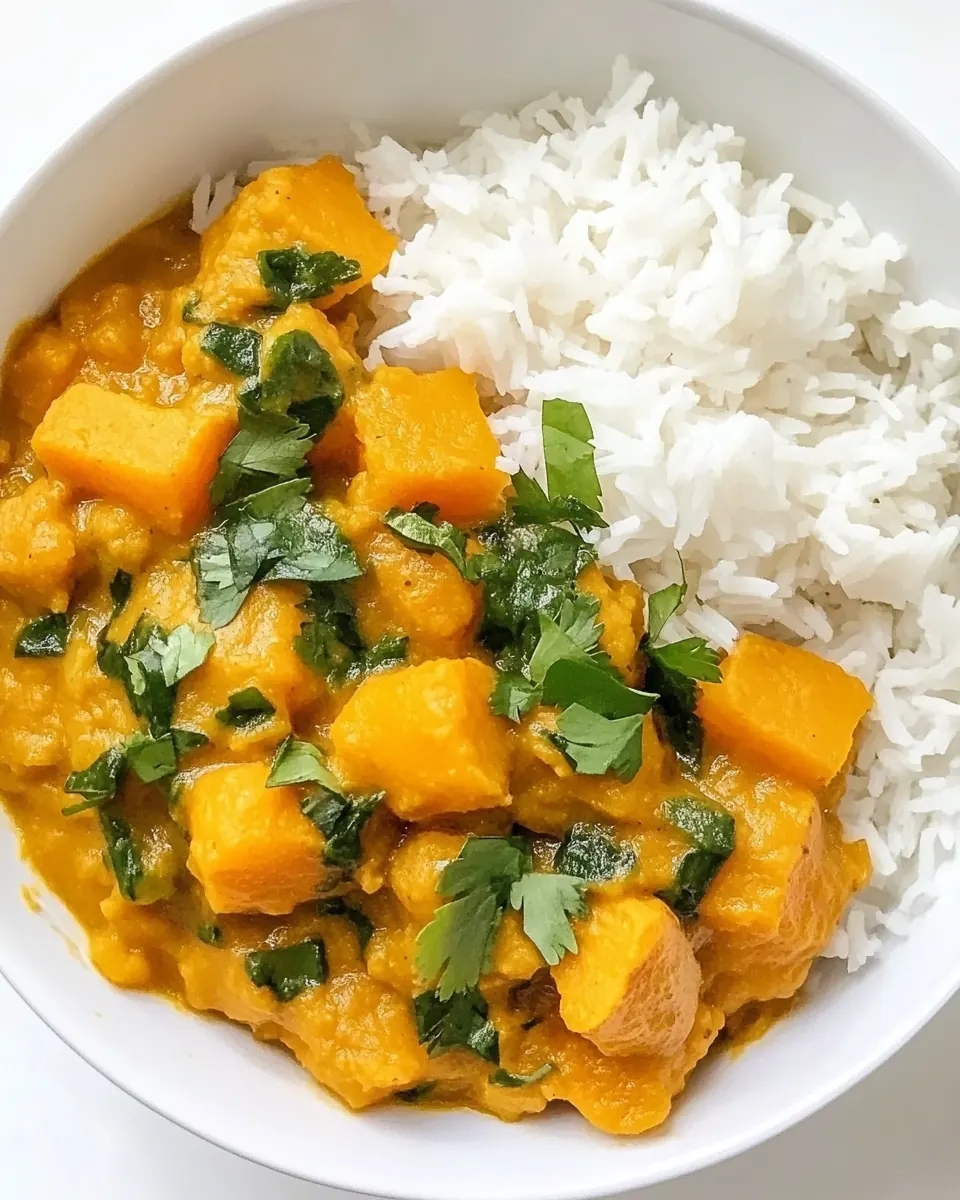
I think of this ingredient list as a small ensemble where each player supports the others. The creamy coconut milk creates a luscious base, the red curry paste brings warmth and complexity, and starchy sweet potato supplies body and natural sweetness. The chickpeas add texture and a gentle protein boost, while the spinach lifts the dish at the end with fresh color and leafy brightness.
- 1 tablespoon olive oil: Heat gently to create a cooking medium and add subtle fruitiness; olive oil helps prevent sticking and promotes even sautéing of aromatics like onion and garlic. Use it to bloom spices and curry paste, enhancing overall flavor complexity in the Instant Pot curry.
- 1 medium yellow onion: Sauté until translucent to develop natural sweetness and savory depth; yellow onion provides a foundational aromatic base for the curry. Chop or slice to release juices and caramelize lightly before adding liquids and other ingredients for better-rounded flavor.
- 3 garlic cloves minced: Mince finely to distribute pungent, savory notes throughout the dish; garlic contributes sharpness and umami that balances the sweetness of the potatoes and coconut. Add during the initial sauté to mellow raw bite and integrate into the curry sauce.
- 4 medium sweet potatoes peeled and cut into 1" chunks: Cube into even 1" pieces to ensure uniform cooking and tender texture; sweet potatoes bring natural sweetness, body, and a creamy mouthfeel to the curry. Peel to remove tougher skin and allow the potatoes to absorb spices, liquids, and coconut milk during pressure cooking.
- 2 tablespoons red curry paste See note: Spoon in to impart concentrated heat, aromatic warmth, and complex savory-sweet curry flavor; red curry paste acts as the primary seasoning and spice backbone. Adjust quantity cautiously for desired spiciness and mix into the sautéed aromatics to bloom its flavors before adding liquids.
- 15 oz can of chickpeas drained and rinsed: Drain and rinse to remove excess sodium from the can and add hearty plant-based protein and texture; chickpeas provide bite and help make the curry more filling. Stir them into the pot so they absorb sauce flavors and contribute fiber and protein to the meal.
- 3 cups water or vegetable stock: Pour to provide the necessary liquid for pressure cooking and to thin the curry to a desirable consistency; water or vegetable stock controls flavor intensity and depth. Use stock for more savory richness or water for a neutral base, ensuring enough liquid for the Instant Pot to reach pressure.
- 15 oz can coconut milk: Shake and stir in to add creaminess, tropical sweetness, and richness to the sauce; coconut milk creates a luscious texture and balances the curry paste’s heat. Add after pressure cooking or before finishing so it simmers briefly and melds into a cohesive, velvety curry.
- 1/2 teaspoons salt: Sprinkle to season and enhance overall taste; salt brings out sweetness in the potatoes and amplifies other savory components. Taste and adjust at the end of cooking to avoid over-salting, especially if using salted stock.
- 1/4 teaspoon black pepper: Grind lightly to introduce mild heat and aromatic complexity; black pepper adds a subtle bite that complements the curry’s spices without overpowering. Add during cooking or at the finish to brighten flavors and provide a gentle background warmth.
- 2 cups loosely packed spinach: Fold in at the end to add fresh color, mild bitterness, and a tender leafy texture; spinach wilts quickly and boosts nutritional value with minimal effort. Incorporate just before serving so leaves retain vibrancy and contribute a light, leafy contrast to the rich sauce.
Instructions for Instant Pot Sweet Potato Curry
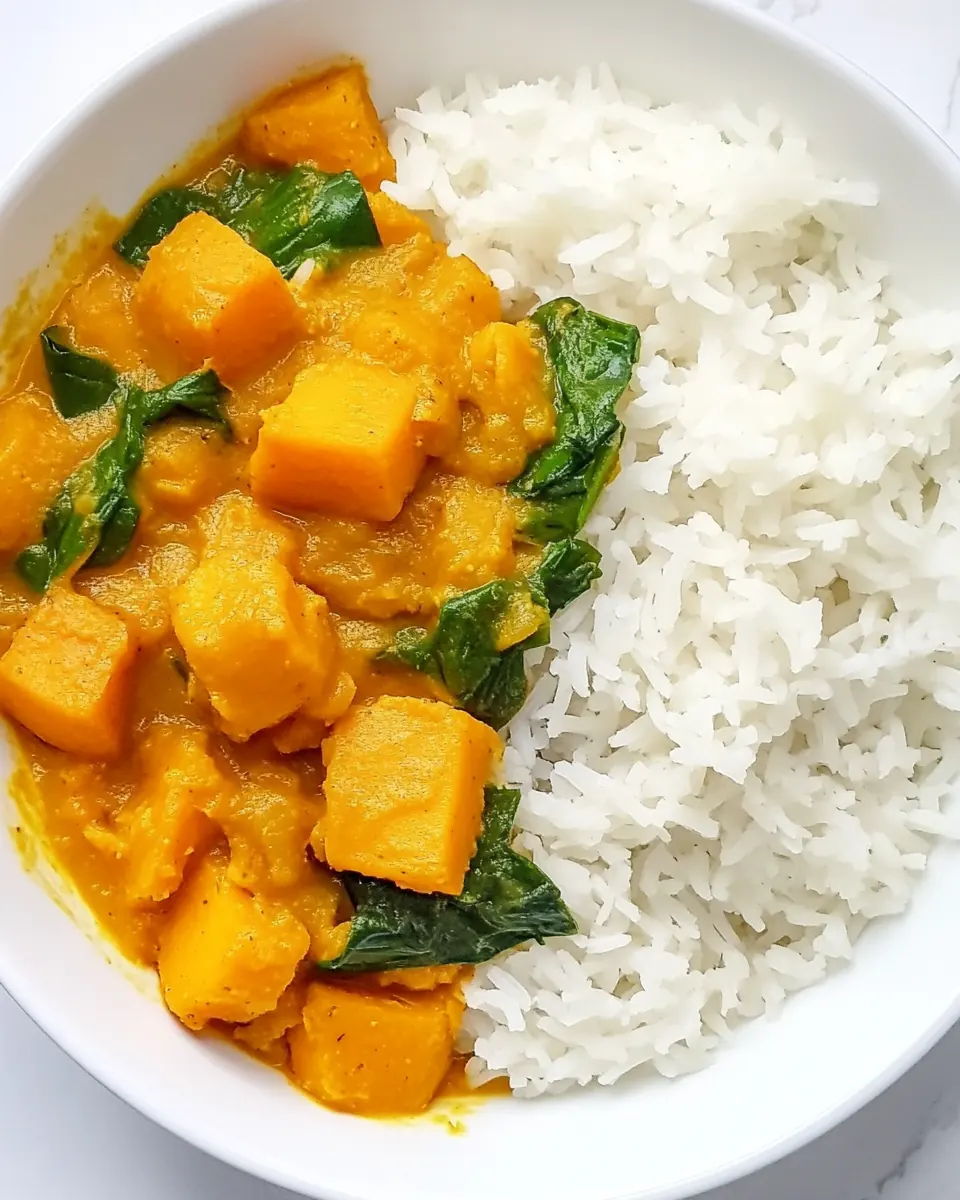
These directions will guide you through each moment in the pot with plenty of sensory cues so you know what to expect. Take your time with the saute stage, because that is where the dish builds its initial flavor. Then let the pressure cooking do the heavy lifting, and finish with delicate adjustments so the sauce hits the right texture and seasoning.
- Make sure the stainless steel insert is in your Instant Pot. Press “saute” setting and let the IP heat up for 2 minutes. Add oil and let it heat up.: You will notice the pot surface warming and a faint shimmer across the olive oil once it is ready, a visual cue that the surface is hot enough to release flavor from the aromatics. The brief heating step helps evaporate any residual moisture on the pot, preventing splatter when you add the onion . Listen for a soft sizzle when the olive oil meets the pan, and be ready with a spoon to stir. A common mistake is rushing and using oil that is not hot enough, which can make the onion sweat rather than lightly caramelize, resulting in a flatter base.
- Add onion and garlic and saute for 2 minutes. Add sweet potatoes and stir. Add curry paste (if you don't have curry paste, mix tomato paste with garam masala, ground ginger.: You will smell the onion sweetening as it softens and the minced garlic releasing a warm, savory perfume. When you toss in the diced sweet potatoes you will hear a gentle clatter as they hit the pot, and this contact helps start their exterior to warm and absorb flavor. Scooping in the red curry paste will immediately perfume the pan with chili, lemongrass, and spice notes, and stirring fast helps dissolve it into the vegetables. Avoid letting the paste stick and scorch; if you see darkening or an acrid smell, add a splash of stock to deglaze the pan and scrape those browned bits to reclaim flavor.
- Add chickpeas and stir. Press 'cancel/off' button. Add water or vegetable stock and stir in the coconut milk. Close the lid. Close lid, set valve to “sealing” position. Make sure the Instant Pot is set to cook on HIGH pressure. Press the “manual” or “pressure cook” button. Set timer to 12 minutes. It will take about 10 minutes for the IP to come to pressure.: Stirring in the chickpeas distributes the legumes so they warm through evenly, and the aroma will deepen as the coconut milk mellows the curry paste into a glossy sauce. As you secure the lid and set the valve to sealing , you should hear a faint hiss as the cooker begins to pressurize over the next several minutes, building a steady bass hum. This pressurized steam is what transforms the diced sweet potatoes into tender, fork tender pieces while concentrating the sauce. A typical error here is setting the valve incorrectly; always double check the valve position, because an open vent will prevent pressure build up and undercook the vegetables.
- When the timer is done, let the pressure release naturally. When the pressure pin is down, carefully open the lid away from your face. There will be leftover steam in the pot so be careful. Add spinach to curry. Stir it all together. The heat of the dish will wilt the spinach. If you want the curry thicker, mix 2 tablespoons of cornstarch or arrowroot powder with 1/4 cup of water and add to curry. It should thicken up as you stir. You can simmer it on 'saute' setting for a few minutes.: After natural release, you will hear the pot settle and the pressure pin will drop, a key visual cue that it is safe to open. Lifting the lid away from you allows the hot steam to vent safely while a coconut scented cloud escapes, and you will see tender sweet potato chunks suspended in a fragrant sauce. Adding the fresh spinach at this stage provides vibrant green color and a soft leafy texture as it wilts almost instantly. If the sauce feels too thin, whisking in a cornstarch slurry will thicken it to a glossy coating; the sauce will bubble gently on saute and the thickening happens quickly, so stir constantly to avoid clumping. A frequent mistake is leaving the lid on too long after pressure release which will overcook the spinach and make it overly soft, so add and stir promptly.
- Season with salt and pepper. Serve curry with rice or cool completely, divide into meal prep containers and store in the fridge for up to 5 days.: The final seasoning step is where the curry truly comes together, as the added salt enhances depth and the black pepper adds a subtle bite that lifts the coconut sweetness. Taste carefully, because canned ingredients may already contribute sodium. Serving with warm rice creates a pleasing textural contrast and a complete meal, while cooling and storing in airtight containers lets flavor continue to meld over time. When reheating from the fridge, stir gently and add a splash of water if the sauce thickened too much. A typical misstep is over salting before tasting; hold back and adjust at the end for the most balanced bowl.
Substitutions and Tips
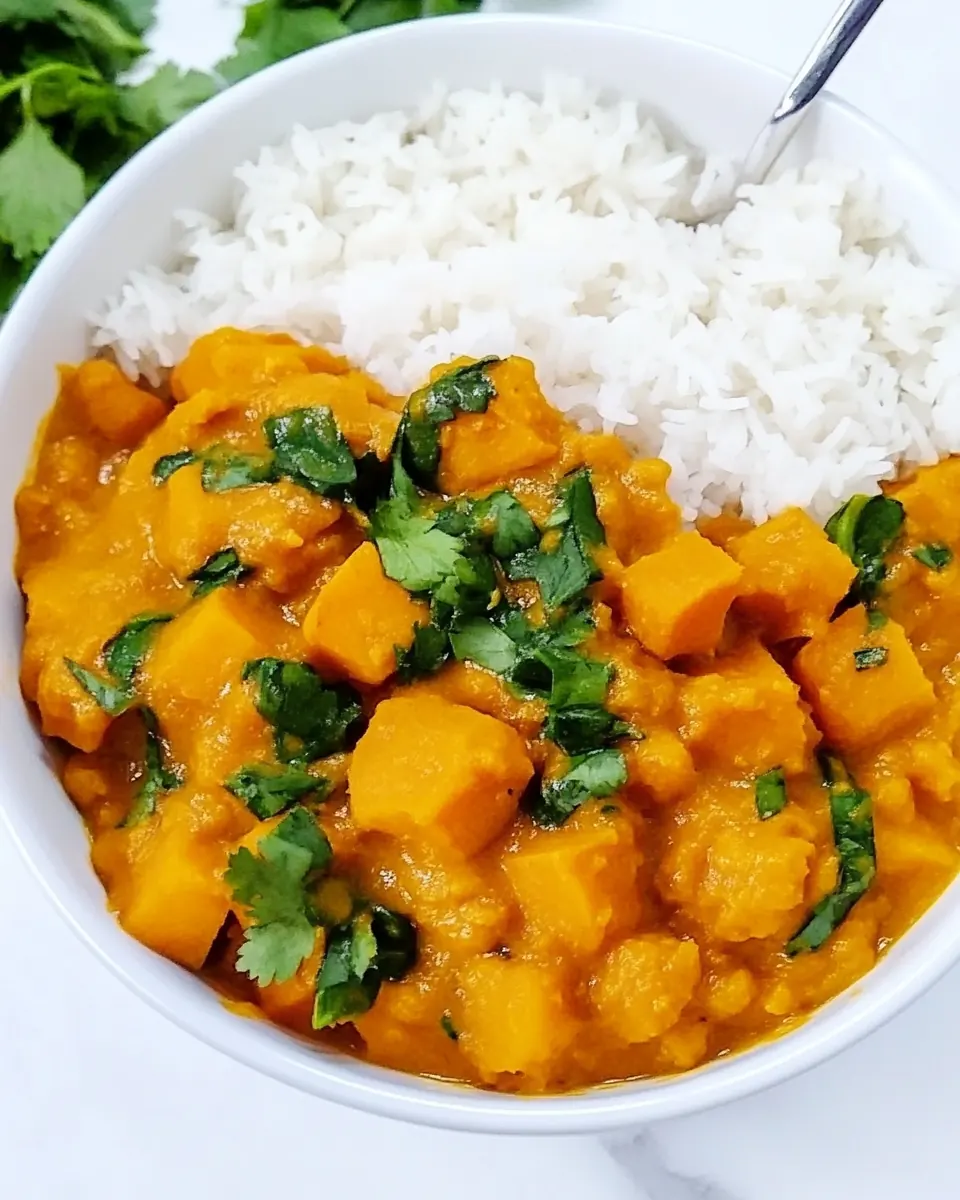
I like to think of substitutions as gentle pivots that keep the spirit of the dish intact. Below are practical suggestions and technique notes that I use when ingredients vary or time is short. Each tip begins with a short bolded phrase to make it easy to scan.
- Swap for vegetable stock – If you want extra savory depth, substitute the water for homemade or low sodium vegetable stock; it adds umami without changing the curry profile dramatically.
- Adjust curry paste intensity – Because brands vary, start with less red curry paste and taste after cooking, then stir in more if you prefer a bolder heat and flavor.
- Use frozen spinach – If fresh spinach is not available, 1/2 cup frozen spinach can be added toward the end; thaw and squeeze excess water before stirring to avoid diluting the sauce.
- Thickening options – For a gluten free thickener, mix 2 tablespoons arrowroot with 1/4 cup cold water and stir into the warm curry while simmering on the saute setting until glossy.
- Meal prep strategy – Cool the curry quickly and store in airtight containers for up to 5 days; separate rice if you prefer reheating only the curry to retain texture.
- Make it milder – Reduce the red curry paste by half and add a touch more coconut milk if you prefer a gentler spice level that kids or sensitive eaters will enjoy.
Serving Options for Instant Pot Sweet Potato Curry
This curry is very adaptable across meals and occasions. Below are detailed serving ideas and pairing notes to help you present the dish with confidence.
- Serve over rice – Spoon the warm curry over a bed of fluffy white or brown rice for a classic, comforting pairing that lets the sauce soak into the grains and rounds out the meal.
- Grain bowl style – Build a bowl with a base of quinoa or farro, top with the curry and garnish with fresh herbs for a hearty lunch or dinner that travels well to work.
- Family dinner – This is a great option for a casual family meal, the mild sweetness from the sweet potato tends to be crowd pleasing and the curry is easy to portion for everyone.
- Meal prep and leftovers – Divide into individual containers for an easy grab and go lunch; the curry flavors deepen in the fridge and reheat well in the microwave or on the stove top with a splash of water.
- Seasonal pairing – In fall, pair with simple roasted vegetables or a crisp green salad to balance the warm spiced notes of the curry.
- Occasion ideas – Serve at a casual dinner party with side bowls of rice and chopped herbs so guests can customize their bowls; it also works well as a weeknight centerpiece.
FAQ
Conclusion
What makes this Instant Pot Sweet Potato Curry special is how it combines cozy, creamy coconut flavors with bright spices and tender sweet potatoes for a bowl that comforts without weighing you down. I hope you give this recipe a try, whether you need an easy weeknight dinner or a make ahead meal that reheats beautifully. It offers a lovely balance of texture, warmth, and simple pantry-driven flavor that I keep returning to, and I think you will enjoy it as much as I do.
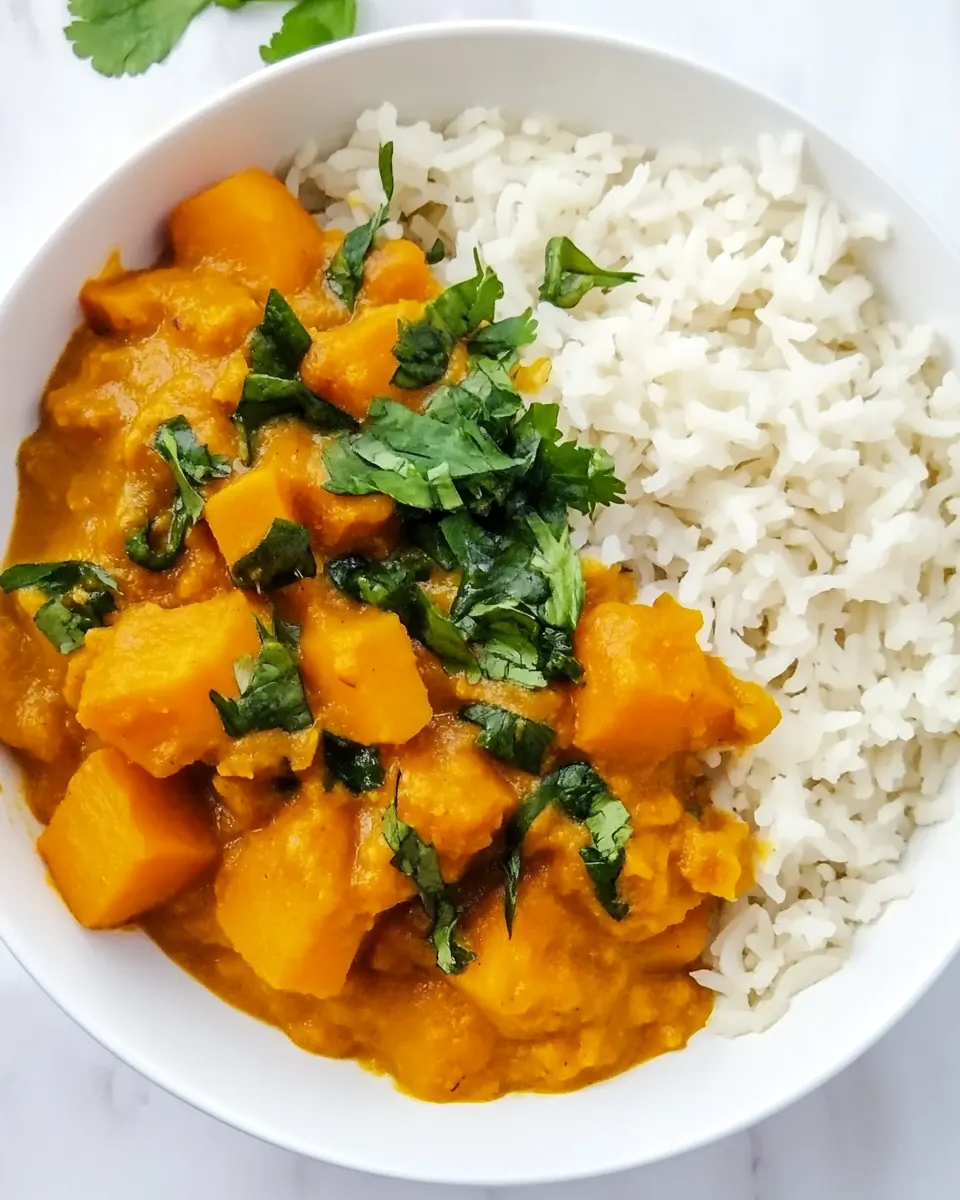
Instant Pot Sweet Potato Curry
Ingredients
Equipment
Method
- Make sure the stainless steel insert is in your Instant Pot. Press “saute” setting and let the IP heat up for 2 minutes. Add oil and let it heat up.: You will notice the pot surface warming and a faint shimmer across the olive oil once it is ready, a visual cue that the surface is hot enough to release flavor from the aromatics. The brief heating step helps evaporate any residual moisture on the pot, preventing splatter when you add the onion . Listen for a soft sizzle when the olive oil meets the pan, and be ready with a spoon to stir. A common mistake is rushing and using oil that is not hot enough, which can make the onion sweat rather than lightly caramelize, resulting in a flatter base.
- Add onion and garlic and saute for 2 minutes. Add sweet potatoes and stir. Add curry paste (if you don't have curry paste, mix tomato paste with garam masala, ground ginger.: You will smell the onion sweetening as it softens and the minced garlic releasing a warm, savory perfume. When you toss in the diced sweet potatoes you will hear a gentle clatter as they hit the pot, and this contact helps start their exterior to warm and absorb flavor. Scooping in the red curry paste will immediately perfume the pan with chili, lemongrass, and spice notes, and stirring fast helps dissolve it into the vegetables. Avoid letting the paste stick and scorch; if you see darkening or an acrid smell, add a splash of stock to deglaze the pan and scrape those browned bits to reclaim flavor.
- Add chickpeas and stir. Press 'cancel/off' button. Add water or vegetable stock and stir in the coconut milk. Close the lid. Close lid, set valve to “sealing” position. Make sure the Instant Pot is set to cook on HIGH pressure. Press the “manual” or “pressure cook” button. Set timer to 12 minutes. It will take about 10 minutes for the IP to come to pressure.: Stirring in the chickpeas distributes the legumes so they warm through evenly, and the aroma will deepen as the coconut milk mellows the curry paste into a glossy sauce. As you secure the lid and set the valve to sealing , you should hear a faint hiss as the cooker begins to pressurize over the next several minutes, building a steady bass hum. This pressurized steam is what transforms the diced sweet potatoes into tender, fork tender pieces while concentrating the sauce. A typical error here is setting the valve incorrectly; always double check the valve position, because an open vent will prevent pressure build up and undercook the vegetables.
- When the timer is done, let the pressure release naturally. When the pressure pin is down, carefully open the lid away from your face. There will be leftover steam in the pot so be careful. Add spinach to curry. Stir it all together. The heat of the dish will wilt the spinach. If you want the curry thicker, mix 2 tablespoons of cornstarch or arrowroot powder with 1/4 cup of water and add to curry. It should thicken up as you stir. You can simmer it on 'saute' setting for a few minutes.: After natural release, you will hear the pot settle and the pressure pin will drop, a key visual cue that it is safe to open. Lifting the lid away from you allows the hot steam to vent safely while a coconut scented cloud escapes, and you will see tender sweet potato chunks suspended in a fragrant sauce. Adding the fresh spinach at this stage provides vibrant green color and a soft leafy texture as it wilts almost instantly. If the sauce feels too thin, whisking in a cornstarch slurry will thicken it to a glossy coating; the sauce will bubble gently on saute and the thickening happens quickly, so stir constantly to avoid clumping. A frequent mistake is leaving the lid on too long after pressure release which will overcook the spinach and make it overly soft, so add and stir promptly.
- Season with salt and pepper. Serve curry with rice or cool completely, divide into meal prep containers and store in the fridge for up to 5 days.: The final seasoning step is where the curry truly comes together, as the added salt enhances depth and the black pepper adds a subtle bite that lifts the coconut sweetness. Taste carefully, because canned ingredients may already contribute sodium. Serving with warm rice creates a pleasing textural contrast and a complete meal, while cooling and storing in airtight containers lets flavor continue to meld over time. When reheating from the fridge, stir gently and add a splash of water if the sauce thickened too much. A typical misstep is over salting before tasting; hold back and adjust at the end for the most balanced bowl.
Notes
- Swap for vegetable stock - If you want extra savory depth, substitute the water for homemade or low sodium vegetable stock; it adds umami without changing the curry profile dramatically.
- Adjust curry paste intensity - Because brands vary, start with less red curry paste and taste after cooking, then stir in more if you prefer a bolder heat and flavor.
- Use frozen spinach - If fresh spinach is not available, 1/2 cup frozen spinach can be added toward the end; thaw and squeeze excess water before stirring to avoid diluting the sauce.
- Thickening options - For a gluten free thickener, mix 2 tablespoons arrowroot with 1/4 cup cold water and stir into the warm curry while simmering on the saute setting until glossy.
- Meal prep strategy - Cool the curry quickly and store in airtight containers for up to 5 days; separate rice if you prefer reheating only the curry to retain texture.
- Make it milder - Reduce the red curry paste by half and add a touch more coconut milk if you prefer a gentler spice level that kids or sensitive eaters will enjoy.