Pumpkin Swirl Cheesecake
Pumpkin Swirl Cheesecake is the one dessert I bring when I want a crowd to pause, take a slow bite, and ask for the recipe. The first time I made this cheesecake I remember the chilly October afternoon, a kitchen full of cinnamon scent, and the moment a friend closed their eyes after the first forkful. That quiet approval told me I had something special, not just another holiday treat.
I learned to love the contrast between the silky, lush texture of the cream cheese filling and the warm, spiced pockets of pumpkin puree. Each swirl feels intentional, like a little work of art, and yet the method is forgiving enough that you can make it after a hectic day. I often make the crust a day ahead, letting the butter bind the gingersnap cookies and pecans so the base holds its shape under the creamy filling. When I slice the cake, the surface may crack slightly, but that tells me it is perfectly set and bursting with flavor.
Family gatherings and Thanksgiving dinners have turned into a ritual around this cheesecake. I sometimes top slices with a drizzle of caramel or a cloud of whipped cream, but I also enjoy it plain, where the spice and tang speak loudest. You will find the baking process calming, the steam from the water bath filling your kitchen with a gentle humidity, and the cooling stage rewarding because it makes the texture supremely velvety. Over the years I have tweaked tiny things, like the order I beat the cream cheese and eggs, to avoid lumps and to achieve a mirror smooth finish. Try it once and I bet it will become a repeat request in your house, just like it did in mine.
Recipe Snapshot
2 hr 25 mins
40 mins
105 mins
Hard
350 kcal
American
Gluten-Free, Low FODMAP
Desserts
9-inch springform pan, Heavy Duty Foil, Wire Rack, Hand Mixer
Why You’ll Love This Pumpkin Swirl Cheesecake
Rich, Balanced Flavor
I love how Pumpkin Swirl Cheesecake marries the tang of cream cheese with the warm spices of cinnamon and nutmeg. The pumpkin layer adds earthy sweetness without overpowering the filling, and the gingersnap crust brings a lively molasses note that ties everything together. Every forkful carries multiple tastes that unfold gradually, which is why this is such a satisfying dessert for special occasions.
Comforting Texture Contrast
The texture contrast is a big reason I keep making this recipe. A crisp, nutty crust gives way to a luxuriously smooth center, interrupted by velvety ribbons of pumpkin. That interplay keeps the palate engaged, so even after a heavy meal you still crave another bite. I find the water bath technique helps the center set gently, avoiding gritty curds and ensuring a silk like mouthfeel.
Visual Drama with Minimal Effort
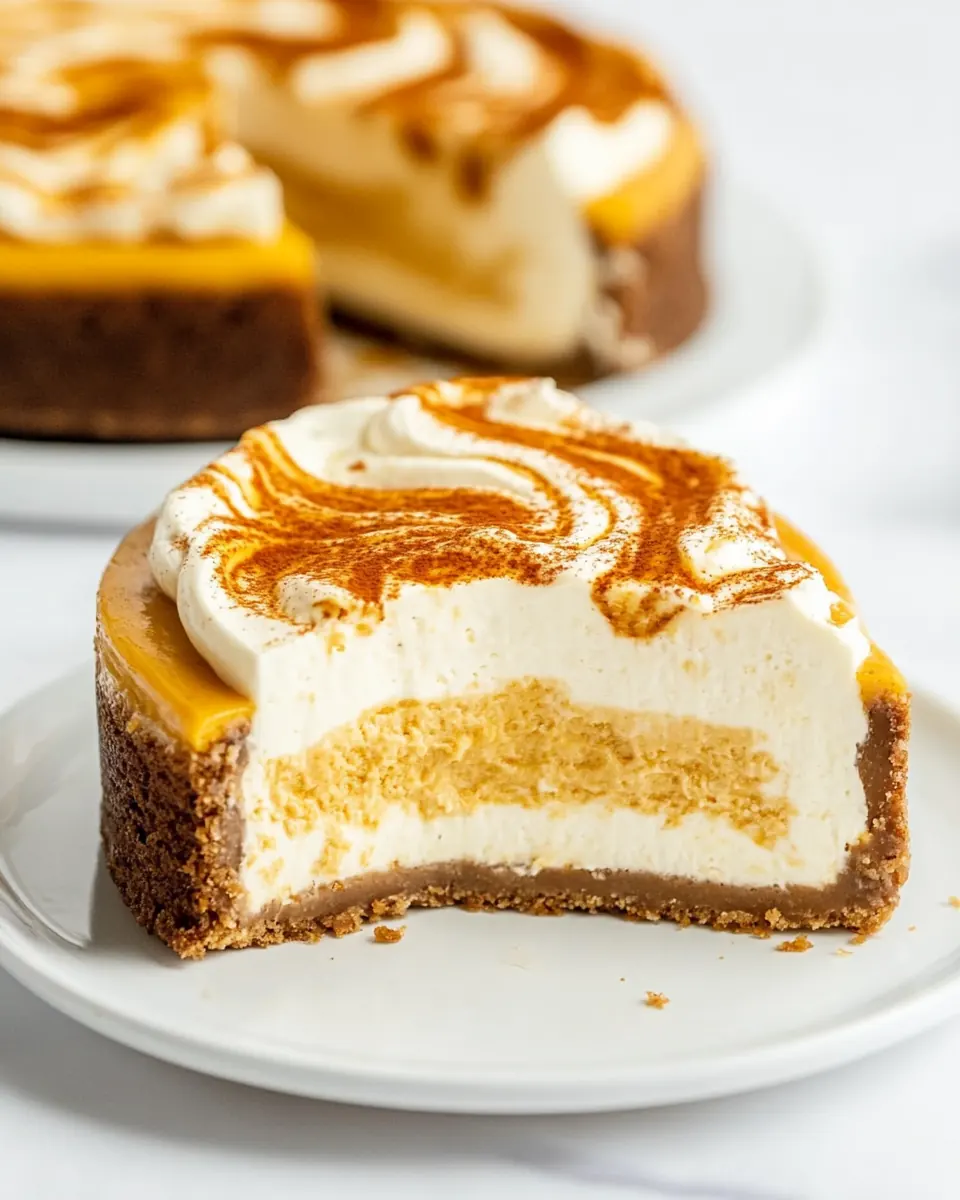
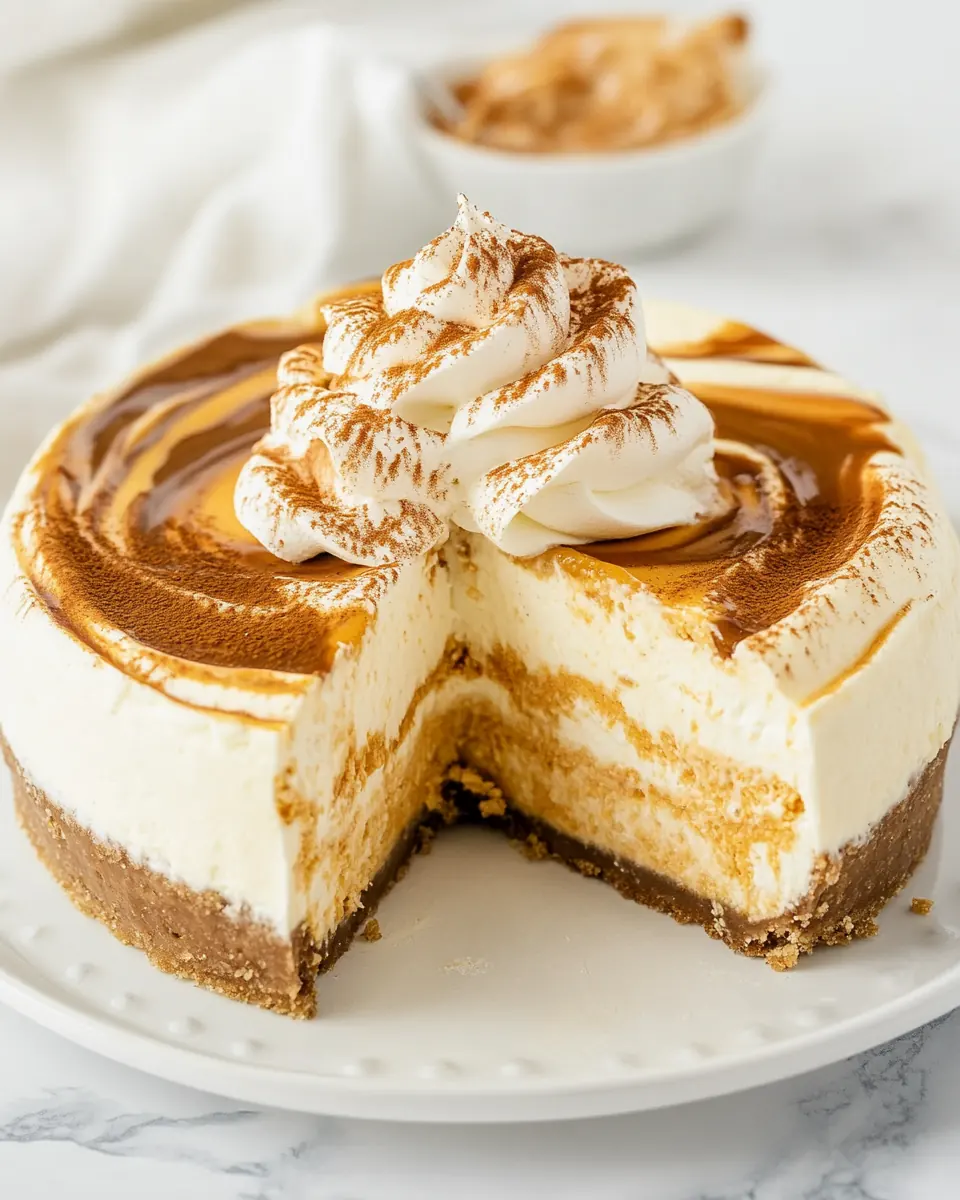
The swirls look impressive though they are easy to achieve. A few spoonfuls of pumpkin filling and a simple cut through the layers produce an elegant, marbled top. Guests often assume I spent hours on presentation, but the truth is the technique is forgiving and wonderfully dramatic even when imperfect.
Make Ahead Friendly
This cheesecake really shines when made ahead. I refrigerate it overnight to let flavors meld and texture firm up, which means less stress on the day of the event and better slices. I’ve brought this to Thanksgiving dinners where I baked it a day early and only added a quick garnish before serving, which made hosting feel effortless.
Adaptable and Crowd Pleasing
Finally, Pumpkin Swirl Cheesecake pleases a wide range of palates. It is festive enough for holiday tables yet cozy enough for smaller family dinners. I can adjust toppings from caramel to extra crushed gingersnaps, and it never loses its appeal. It’s one of those recipes that becomes a staple because it reliably brings smiles.
Main Ingredients for Pumpkin Swirl Cheesecake
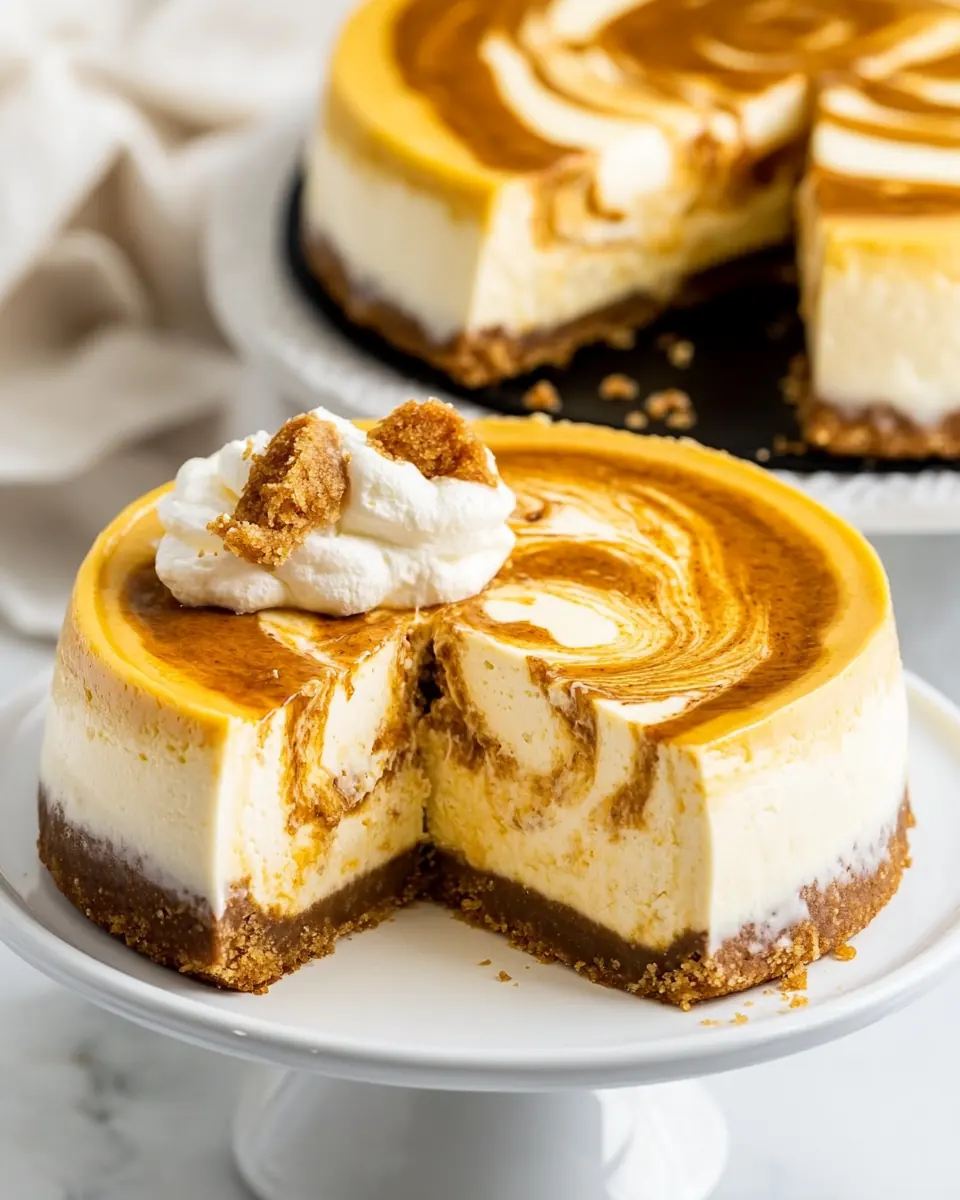
The philosophy behind these components is simple: build layers that harmonize in flavor and texture. The crust needs a crunchy, spiced backbone so it can hold the rich filling. The filling must be velvety and slightly tangy so the pumpkin layer can stand out rather than get lost. Every item plays a key role in balance and mouthfeel.
- 1 cup finely crushed gingersnap cookies (crumbs!): Provide a crisp, spicy base layer for the crust that binds together when mixed with melted butter and offers ginger-forward flavor and crunchy texture.
- 1/3 cup very finely chopped pecans: Add a subtle nutty crunch and depth to the crust while contributing to structure and a toasted aroma once finely chopped.
- 1/4 cup salted butter, melted: Melt to bind the cookie crumbs and pecans into a firm, sliceable crust while imparting a rich mouthfeel and slight salt balance.
- 4 8-ounce packages cream cheese, at room temperature: Soften and whisk until smooth to create the creamy, tangy foundation of the cheesecake filling, providing body and richness.
- 1 1/2 cups granulated white sugar, divided: Sweeten and balance the tang of the cream cheese in the filling; divide so some helps stabilize the pumpkin layer and some sweetens the plain filling.
- 2 tablespoons cornstarch: Thicken the cheesecake batter slightly and help stabilize the texture for a smooth, sliceable filling that resists cracking.
- 4 large eggs: Whisk in to add richness and structure to the filling; eggs set the custard when baked, creating the classic cheesecake texture.
- 2 teaspoons vanilla extract: Flavor the batter with warm, aromatic vanilla to enhance overall sweetness and round out the dairy and spice notes in the filling.
- 1 cup canned unsweetened pumpkin puree: Incorporate to create the signature pumpkin swirl, offering moistness, autumnal flavor, and a velvety consistency to the spiced layer.
- 2 teaspoons ground cinnamon: Season the pumpkin layer with warm, woody spice that complements pumpkin and enhances the overall autumnal profile of the cheesecake.
- 1 1/2 teaspoons ground nutmeg: Provide bright, warm spice and nutty complexity to the pumpkin layer, balancing sweetness and deepening the dessert’s flavor.
- caramel, whipped cream, additional crushed gingersnaps, etc, as desired.: Garnish and finish with optional elements like caramel, whipped cream, or extra crumbs to add sweetness, texture, and visual appeal as desired.
Recipe Steps for Pumpkin Swirl Cheesecake
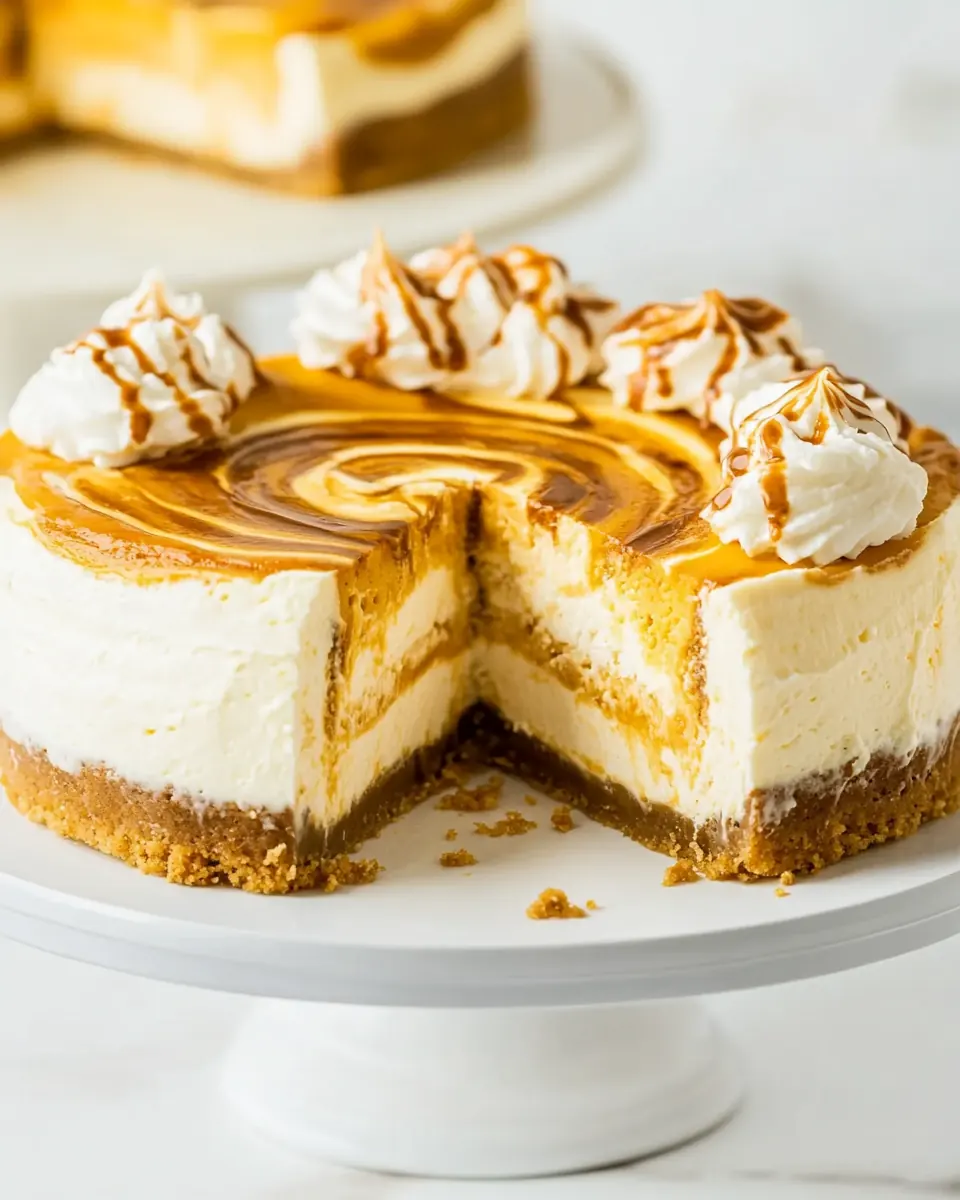
These steps are straightforward but benefit from close attention. Below I expand each direction with sensory cues, reasons for the technique, and common pitfalls to avoid so you can feel confident at every stage.
- Preheat the oven to 350℉. Spray a 9-inch springform pan and place it on a double thickness of heavy-duty foil (about 19-inches square). Securely wrap the foil around the pan.: As the oven warms, you should feel the kitchen shift from cool to cozy, and the preheat allows the cheesecake to bake evenly. Setting the oven accurately ensures the outer edge and center cook at the same pace. A common mistake is skipping the preheat which can lead to uneven rise and texture. Also, prepare your 9-inch springform pan by spraying it and wrapping it in heavy duty foil to prevent water from seeping in during the water bath.
- In a small bowl, combine the cookie crumbs, pecans and butter. Press onto the bottom of the prepared pan. Place on a baking sheet, and bake for 8 to 10 minutes. Cool on a wire rack.: You will notice the buttery crumbs taking on a compact, sandy texture as you press them into the pan, and the fragrance of baked spices will bloom as the crust toasts. Baking the crust firms it so slices hold together when served. If you press the crust too thin it can become fragile, and if it is too thick it can dominate each bite. After baking, cooling on a wire rack prevents residual heat from steaming the crust and keeps it crisp.
- In a large bowl, use an electric mixer to beat one package of the cream cheese, 1/2 cup of sugar and the cornstarch until smooth – about 2 minutes. Beat in the remaining cream cheese, one package at a time. Add the remaining sugar. Add 2 eggs; beat on low speed just until combined. Add the vanilla and the remaining eggs, beating on low speed just until combined.: You will feel the batter transform from lumpy to glossy and smooth, and the room will smell faintly of cream and sugar. Starting with one package of cream cheese plus some sugar and cornstarch helps create a lump free base, then adding the remaining packages one at a time prevents over beating. Mixing on low speed minimizes air incorporation which avoids doming and cracking. A common error is overbeating, which traps air and can cause the cake to crack while cooling. Use a hand mixer and scrape the bowl between additions so everything combines evenly.
- Place 2 cups of the filling in a small bowl; stir in the pumpkin, cinnamon and nutmeg. Remove 3/4 cup of the pumpkin filling; set aside. Pour the remaining pumpkin filling over the crust; top with the remaining plain filling. Drop the reserved pumpkin filling by spoonfuls over the cheesecake. Cut through with a knife to swirl.: The first sensory clue is the warm, spiced aroma as you blend pumpkin puree with cinnamon and nutmeg . When you pour the pumpkin layer onto the crust it should sit as a distinct, slightly denser layer than the plain filling, and the contrast helps the swirl pattern hold. Dropping reserved pumpkin by spoonfuls creates islands of color that you will drag a knife through to make marbling. Avoid over swirling which can homogenize the two batters and dilute the visual effect; aim for elegant streaks, not a single uniform color.
- Place the wrapped springform pan in a large baking pan; add 1-inch of hot water to the larger pan. Bake at 350 for 55 to 60 minutes or until the center is just set and the top appears dull. Remove the springform pan from the water bath. Cool on a wire rack for 10 minutes. Carefully run a knife around the edge of the pan to loosen; cool 1 hour longer. Refrigerate overnight.: The water bath creates a moist oven environment that prevents the exterior from baking too quickly, which helps the center set gently and remain creamy. During baking you will notice the edges firming and the center still slightly wobbly like a softly set custard. The top will lose its sheen and look matte when done. A tricky pitfall is letting the water touch the foil seam; ensure the foil is secure so water does not seep in. After baking, cooling gradually reduces temperature stress that can cause cracking. Refrigeration overnight finishes the set, allowing flavors to settle and the texture to become sliceable and dense, not watery.
- Garnish individual slices as desired: suggest whipped cream, caramel syrup and more gingersnap cookie crumbs.: The final sensory rewards are visual and aromatic. A light dollop of whipped cream adds brightness and a soft mouthfeel, while a drizzle of caramel introduces a buttery sweetness that complements the spice. Extra crushed gingersnaps on top echo the crust and add a crisp contrast. Avoid heavy, wet toppings that can make slices soggy; add garnishes just before serving to keep textures distinct and inviting.
Ways to Adapt This Recipe
This cheesecake is versatile and receptive to small changes without losing its signature profile. Below are thoughtful ways to adapt it, each expanded with practical notes so you can tailor the dessert while preserving the balance between crust spice and creamy filling.
- Make the crust gluten free: Swap the gingersnap cookies for a certified gluten free gingersnap or graham style cookie to keep the flavor intact while accommodating gluten sensitivities.
- Nut free crust option: Omit the pecans and increase the cookie crumbs slightly for structure, or replace with toasted oats for a nut free crunch.
- Reduce sugar: Cut the granulated white sugar by up to 25 percent if you prefer a less sweet finish, keeping in mind the balance with the spiced pumpkin layer.
- Make mini cheesecakes: Bake in a muffin tin lined with paper cups for individual portions; reduce bake time and watch for the matte top to indicate doneness.
- Swap toppings: Instead of caramel, use a browned butter drizzle or a light dusting of extra crushed gingersnaps for texture and a spiced crunch without extra syrupy sweetness.
Serve This Pumpkin Swirl Cheesecake With
This cheesecake makes an excellent centerpiece for holiday tables and cozy dinners alike. Below are thoughtful serving ideas and pairings that enhance the serving experience and help you plan for occasions large and small.
- Thanksgiving centerpiece: Serve slices alongside roasted turkey or as the final course; its spiced profile complements classic holiday mains and makes a memorable dessert finish.
- Afternoon tea setting: Pair with warm tea or coffee for an indulgent afternoon treat; the cheesecake’s richness is balanced by astringent beverages that cleanse the palate between bites.
- Storage tips: Store tightly covered in the refrigerator for up to four days, and freeze slices for up to one month wrapped well to preserve texture and flavor. Thaw in the refrigerator overnight for best results.
- Seasonal serving styles: In fall serve with extra dollops of whipped cream and a drizzle of caramel; in cooler months keep the toppings minimal to highlight the pumpkin spice melody.
- Portioning for events: Cut chilled slices with a hot, dry knife for cleaner edges; wipe the blade between cuts to keep slices neat for buffet style serving.
FAQ
Conclusion
Pumpkin Swirl Cheesecake stands out because it balances a spiced, crunchy crust with a luxuriously smooth, tangy filling streaked with warm pumpkin ribbons. It is reliably impressive, forgiving in technique, and makes a beautiful centerpiece for holiday tables or cozy gatherings. Give it a try the next time you want a dessert that feels both festive and comforting, and let the blend of textures and autumnal spices win over your guests.
Pumpkin Swirl Cheesecake
Ingredients
Equipment
Method
- Preheat the oven to 350℉. Spray a 9-inch springform pan and place it on a double thickness of heavy-duty foil (about 19-inches square). Securely wrap the foil around the pan.: As the oven warms, you should feel the kitchen shift from cool to cozy, and the preheat allows the cheesecake to bake evenly. Setting the oven accurately ensures the outer edge and center cook at the same pace. A common mistake is skipping the preheat which can lead to uneven rise and texture. Also, prepare your 9-inch springform pan by spraying it and wrapping it in heavy duty foil to prevent water from seeping in during the water bath.
- In a small bowl, combine the cookie crumbs, pecans and butter. Press onto the bottom of the prepared pan. Place on a baking sheet, and bake for 8 to 10 minutes. Cool on a wire rack.: You will notice the buttery crumbs taking on a compact, sandy texture as you press them into the pan, and the fragrance of baked spices will bloom as the crust toasts. Baking the crust firms it so slices hold together when served. If you press the crust too thin it can become fragile, and if it is too thick it can dominate each bite. After baking, cooling on a wire rack prevents residual heat from steaming the crust and keeps it crisp.
- In a large bowl, use an electric mixer to beat one package of the cream cheese, 1/2 cup of sugar and the cornstarch until smooth - about 2 minutes. Beat in the remaining cream cheese, one package at a time. Add the remaining sugar. Add 2 eggs; beat on low speed just until combined. Add the vanilla and the remaining eggs, beating on low speed just until combined.: You will feel the batter transform from lumpy to glossy and smooth, and the room will smell faintly of cream and sugar. Starting with one package of cream cheese plus some sugar and cornstarch helps create a lump free base, then adding the remaining packages one at a time prevents over beating. Mixing on low speed minimizes air incorporation which avoids doming and cracking. A common error is overbeating, which traps air and can cause the cake to crack while cooling. Use a hand mixer and scrape the bowl between additions so everything combines evenly.
- Place 2 cups of the filling in a small bowl; stir in the pumpkin, cinnamon and nutmeg. Remove 3/4 cup of the pumpkin filling; set aside. Pour the remaining pumpkin filling over the crust; top with the remaining plain filling. Drop the reserved pumpkin filling by spoonfuls over the cheesecake. Cut through with a knife to swirl.: The first sensory clue is the warm, spiced aroma as you blend pumpkin puree with cinnamon and nutmeg . When you pour the pumpkin layer onto the crust it should sit as a distinct, slightly denser layer than the plain filling, and the contrast helps the swirl pattern hold. Dropping reserved pumpkin by spoonfuls creates islands of color that you will drag a knife through to make marbling. Avoid over swirling which can homogenize the two batters and dilute the visual effect; aim for elegant streaks, not a single uniform color.
- Place the wrapped springform pan in a large baking pan; add 1-inch of hot water to the larger pan. Bake at 350 for 55 to 60 minutes or until the center is just set and the top appears dull. Remove the springform pan from the water bath. Cool on a wire rack for 10 minutes. Carefully run a knife around the edge of the pan to loosen; cool 1 hour longer. Refrigerate overnight.: The water bath creates a moist oven environment that prevents the exterior from baking too quickly, which helps the center set gently and remain creamy. During baking you will notice the edges firming and the center still slightly wobbly like a softly set custard. The top will lose its sheen and look matte when done. A tricky pitfall is letting the water touch the foil seam; ensure the foil is secure so water does not seep in. After baking, cooling gradually reduces temperature stress that can cause cracking. Refrigeration overnight finishes the set, allowing flavors to settle and the texture to become sliceable and dense, not watery.
- Garnish individual slices as desired: suggest whipped cream, caramel syrup and more gingersnap cookie crumbs.: The final sensory rewards are visual and aromatic. A light dollop of whipped cream adds brightness and a soft mouthfeel, while a drizzle of caramel introduces a buttery sweetness that complements the spice. Extra crushed gingersnaps on top echo the crust and add a crisp contrast. Avoid heavy, wet toppings that can make slices soggy; add garnishes just before serving to keep textures distinct and inviting.
Notes
- Make the crust gluten free: Swap the gingersnap cookies for a certified gluten free gingersnap or graham style cookie to keep the flavor intact while accommodating gluten sensitivities.
- Nut free crust option: Omit the pecans and increase the cookie crumbs slightly for structure, or replace with toasted oats for a nut free crunch.
- Reduce sugar: Cut the granulated white sugar by up to 25 percent if you prefer a less sweet finish, keeping in mind the balance with the spiced pumpkin layer.
- Make mini cheesecakes: Bake in a muffin tin lined with paper cups for individual portions; reduce bake time and watch for the matte top to indicate doneness.
- Swap toppings: Instead of caramel, use a browned butter drizzle or a light dusting of extra crushed gingersnaps for texture and a spiced crunch without extra syrupy sweetness.