Raspberry Chipotle Sauce
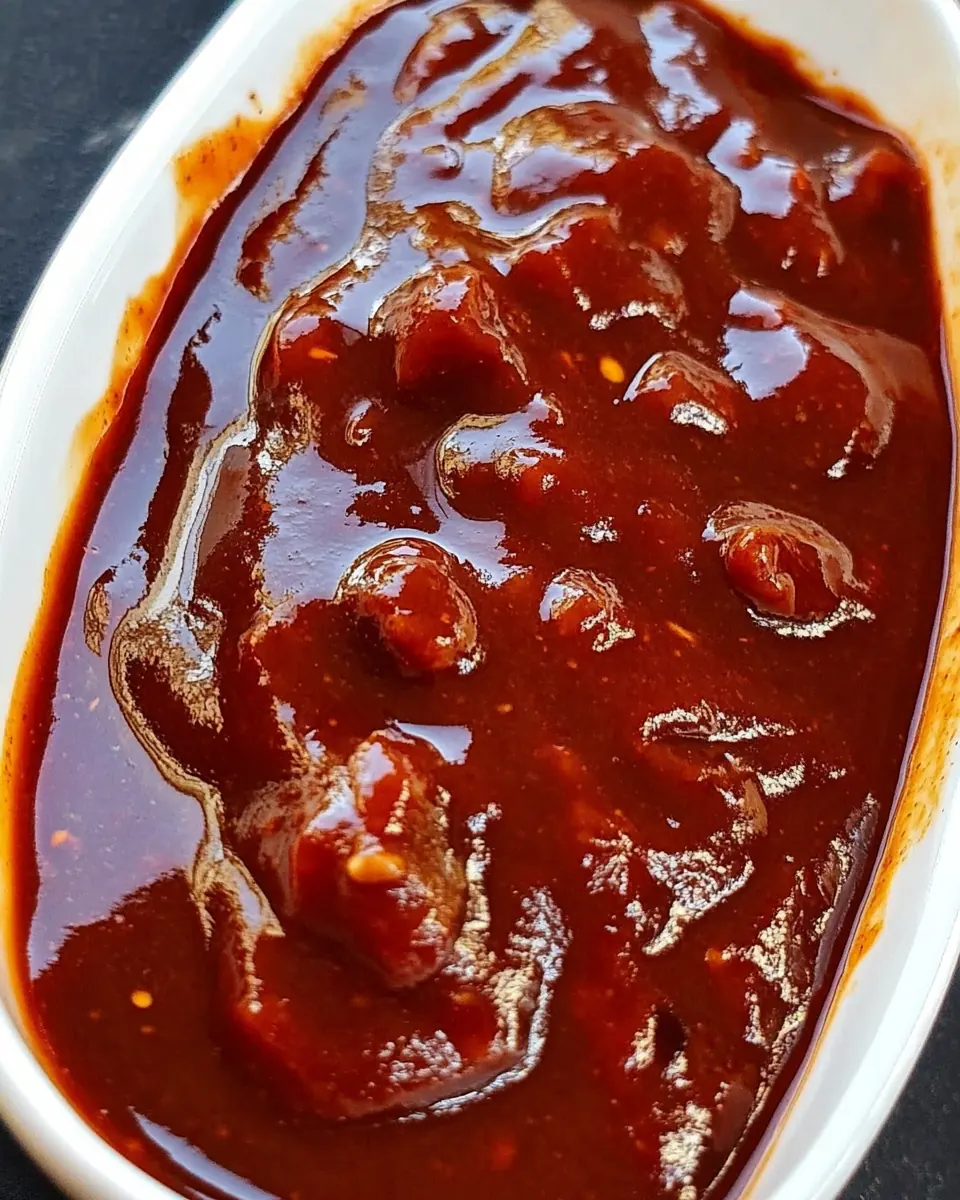
Raspberry Chipotle Sauce has been one of those condiments I keep coming back to when I want something smoky, fruity, and a little bit unexpected on the table.
I first made this sauce on a stubbornly hot summer evening when I had more raspberries than sense and wanted to turn them into something beyond jam. I remember standing at the stove, the sweet tang of berries rising to meet the warm, smoky perfume of chipotles in adobo, and feeling certain I had something special. It was messy, honest cooking, and the jar I put in the fridge became a quick fix for grilled chicken and a bright counterpoint for roasted vegetables.
Since then, I bring out this recipe when I need a versatile sauce that travels from weeknight dinners to weekend gatherings without fuss. It clings beautifully to a spoon, whistles with acidity from the white vinegar, and carries a subtle heat that sneaks up gradually rather than knocking you down. When guests reach for another spoonful, I know I have captured the right balance.
Recipe Snapshot
15 mins
5 mins
10 mins
Easy
80 kcal
Mexican
Vegan, Gluten-Free
Appetizers
Large skillet, Fine mesh strainer, Spatula, Air tight container
What Sets This Raspberry Chipotle Sauce Apart
Bold Flavor With Minimal Effort
I love that Raspberry Chipotle Sauce delivers a punch without demanding lots of time or exotic pantry items. The sweetness of the seedless raspberry jam and the fresh brightness of the fresh raspberries do the heavy lifting, while a small amount of chipotles in adobo adds complexity. You get gourmet results with everyday technique.
Versatility on the Plate
We use this sauce in so many ways, from a glaze for roasted chicken to a dipping sauce for roasted vegetables. Its texture is silky when strained, which makes it elegant enough for entertaining, yet rustic enough for dinners where people are encouraged to scoop and taste as they like.
Simple Ingredients, Big Impact
I appreciate recipes that respect ingredients, and this sauce is a tribute to that idea. The trio of onions, garlic, and olive oil forms a savory base that supports the fruit and spice, rather than competing with them. Each element has a clear role and the result tastes intentional.
Controlled Heat
One of the reasons this sauce is a favorite is the way the heat from chipotles in adobo is calibrated. It is smoky and deep, not just hot. You can adjust how many chipotles you use, and I often tell people to start conservatively, because the smoke is part of the joy here, not just the burn.
Make Ahead Friendly
We make a batch and keep it on hand because it actually improves after a day in the fridge, the flavors knit together and become more harmonious. That convenience makes it a pantry hero for last minute meals and for adding a splash of personality to leftovers.
Shopping List for Raspberry Chipotle Sauce
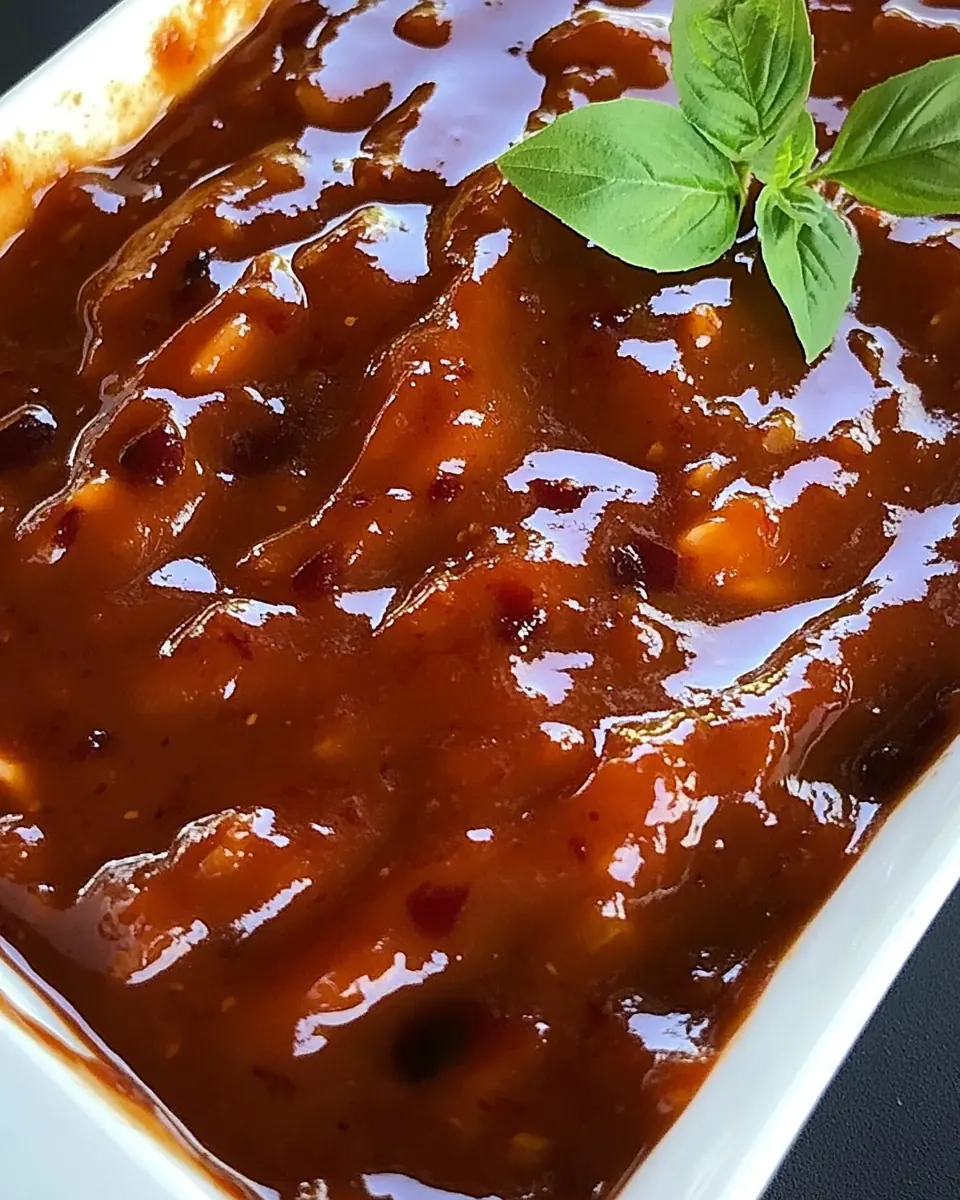
These ingredients are built around a simple philosophy: pair fruit with gentle aromatics and a smoky chile to create balance. The seedless raspberry jam and fresh raspberries supply both body and bright acidity, while the soffritto of onions and garlic grounds the sauce. A touch of white vinegar and granulated sugar fine tune the sweet and tart, and salt ties everything together.
- 2 tablespoons olive oil: Sauté to provide a fruity, aromatic fat that helps soften and caramelize the onions while carrying flavors throughout the sauce. Use at medium heat to avoid burning and release olive oil's mild, peppery notes that balance the sweetness of raspberries.
- 1 cup onions chopped: Chop and sweat to create a savory, aromatic base that contributes body and natural sweetness when cooked down. Slowly soften the onions until translucent to build depth and texture in the sauce without overpowering the berries.
- 1 clove garlic minced: Mince finely to distribute a sharp, pungent garlic flavor that brightens and enhances the overall sauce profile. Add near the end of sautéing the onions to avoid bitterness and to release garlicky aromas that complement the chipotle heat.
- 1 tablespoon chipotles in adobo chopped: Chop coarsely to introduce smoky, spicy heat and a tangy adobo complexity that contrasts the jammy raspberries. Use sparingly and taste as you go, since chipotles in adobo provide concentrated flavor and heat that define the sauce's character.
- 1/2 cups seedless raspberry jam: Add as a thick, sweet base to provide concentrated raspberry flavor and viscosity that helps the sauce cling to foods. Warm gently to incorporate with savory and acidic elements while balancing the heat from chipotles and the salt.
- 1/2 cup fresh raspberries: Stir in whole to contribute fresh berry brightness, slight tartness, and textural interest that livens the sauce. Mash or fold lightly during cooking if a smoother consistency is desired while preserving some fresh raspberry aroma.
- 1 tablespoon white vinegar: Whisk in as an acidic brightener to cut through sweetness and enhance overall balance, bringing a subtle tang that lifts flavors. Add gradually and taste to achieve the right contrast against jam and sugar.
- 1 tablespoon granulated sugar: Sprinkle to boost sweetness and help adjust the sauce's overall balance between tart raspberries and smoky heat. Dissolve fully while cooking to avoid grittiness and to achieve a harmonious flavor profile.
- 1 teaspoon salt: Season to enhance and unify the sauce's flavors while controlling taste intensity; salt also helps bring out the natural sweetness of the raspberries. Add incrementally and taste frequently to prevent oversalting given the concentrated jam and adobo.
Raspberry Chipotle Sauce Instructions
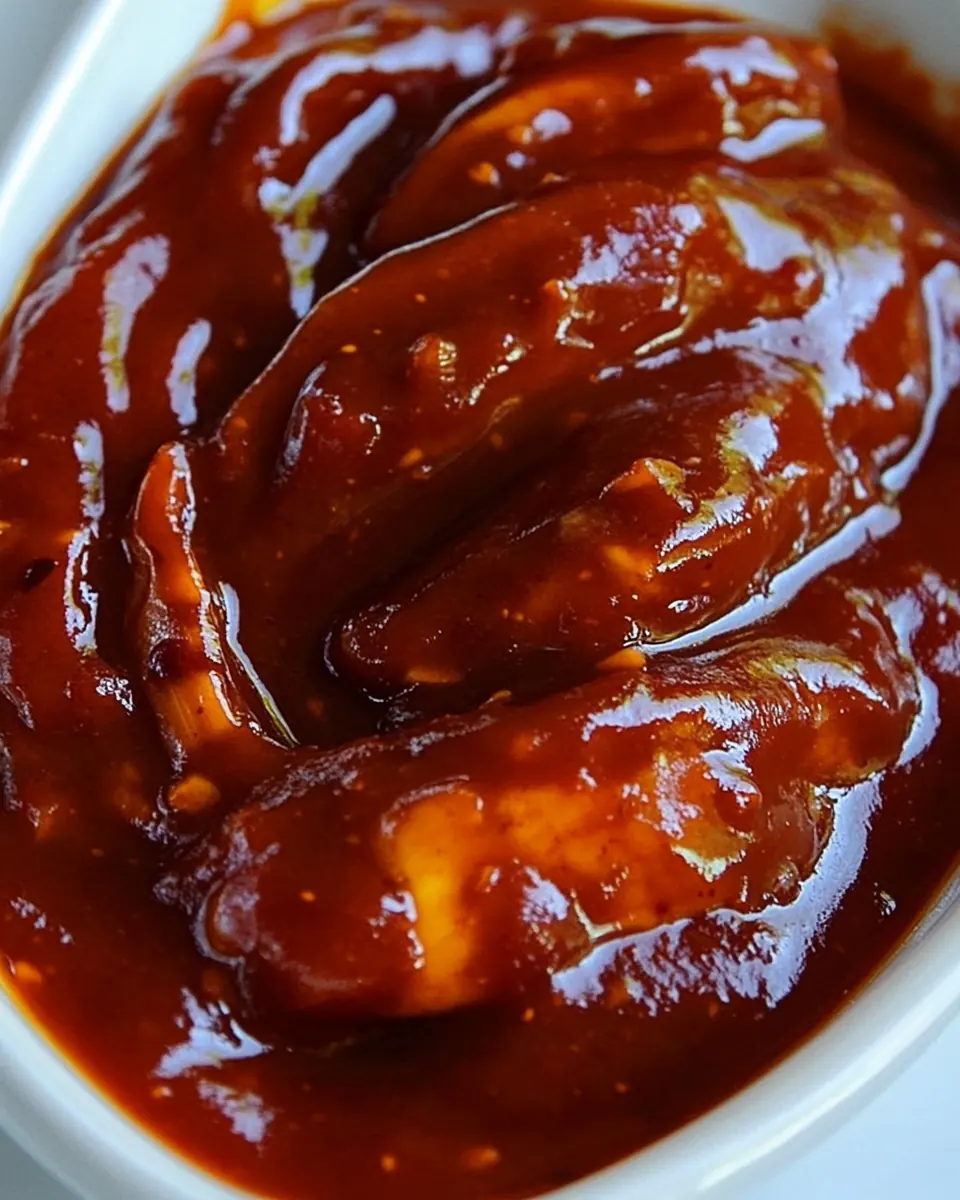
I like to think of cooking this sauce as a short, focused performance at the stove. The goal is to soften and marry flavors without overcooking the fruit, so keep your attention close and your heat moderate. Below I expand each instruction into helpful, sensory-rich guidance so you can nail the texture and flavor.
- In large skillet over medium heat sauté onions in oil until they start turning translucent, about 5 minutes. Stir in garlic and cook another minute. Stir in remaining ingredients and lightly simmer for another 5 minutes stirring occasionally. Remove from heat and strain sauce to remove seeds and chopped onions. Store in an air tight container in the refrigerator until ready to use.: The aroma of olive oil warming will be the first cue, followed by the gentle scent of softened onions as they become translucent and slightly sweet; you should hear a low, steady sizzle that is not frantic, and visually the pieces will go from opaque to glassy. This gentle sweating releases sugars that balance the berries, and it prevents raw onion bite. A common mistake is using too high heat, which makes the onions brown, adding an unwanted caramelized note. Keep the pan at medium and stir occasionally so the onions cook evenly.
- Stir in garlic and cook another minute: Once the onions are translucent, adding the minced garlic releases an immediate, savory aroma; you will notice a vivid garlicky scent that brightens the base. Cook only about a minute until the garlic is fragrant and no longer raw, or it will turn bitter. The sound shifts to a slightly quicker sizzle as moisture from the garlic hits the warm oil. A common error is leaving the garlic in too long which causes a burnt, acrid flavor, so watch closely and stir to distribute heat.
- Stir in remaining ingredients and lightly simmer for another 5 minutes stirring occasionally: When you add the chipotles in adobo , seedless raspberry jam , fresh raspberries , white vinegar , granulated sugar , and salt , the pan will erupt into a glossy, bubbling mixture. The jam will melt into the pan, and the fresh raspberries will burst, releasing bright juices. Keep the heat low enough that the mixture simmers gently, with soft bubbling rather than a rolling boil, allowing flavors to meld and the chipotle smokiness to infuse. Smell for a balance of sweet berry and smoky depth. A typical pitfall here is simmering too aggressively which can evaporate too much liquid and leave the sauce overly thick or scorched, so stir occasionally to prevent sticking.
- Remove from heat and strain sauce to remove seeds and chopped onions: After simmering, the sauce will be aromatic, with a glossy sheen and a slightly reduced body. Removing it from heat prevents the residual warmth from overcooking the raspberries. Straining will give you a smooth, seed free texture and remove larger pieces of onions and chopped chipotle bits, leaving a silky finish that clings beautifully to food. Use a fine mesh strainer and press gently with a spatula; you will feel the thickened sauce yielding under pressure. One common mistake is skipping the strain and ending with a grainy texture, so if you prefer a refined sauce, take the time to strain properly.
- Store in an air tight container in the refrigerator until ready to use: Once strained, transferring the sauce to an air tight container and chilling allows the flavors to rest and meld. The sauce will develop greater cohesion as it cools and the heat mellows slightly, the smoky notes integrating more fully with the fruit. Refrigerated, the sauce keeps well and is convenient for future use. A common oversight is using a container that is not sealed, which can lead to flavor loss or absorption of fridge odors, so choose a tight fitting jar and label it with the date.
Tips for Success
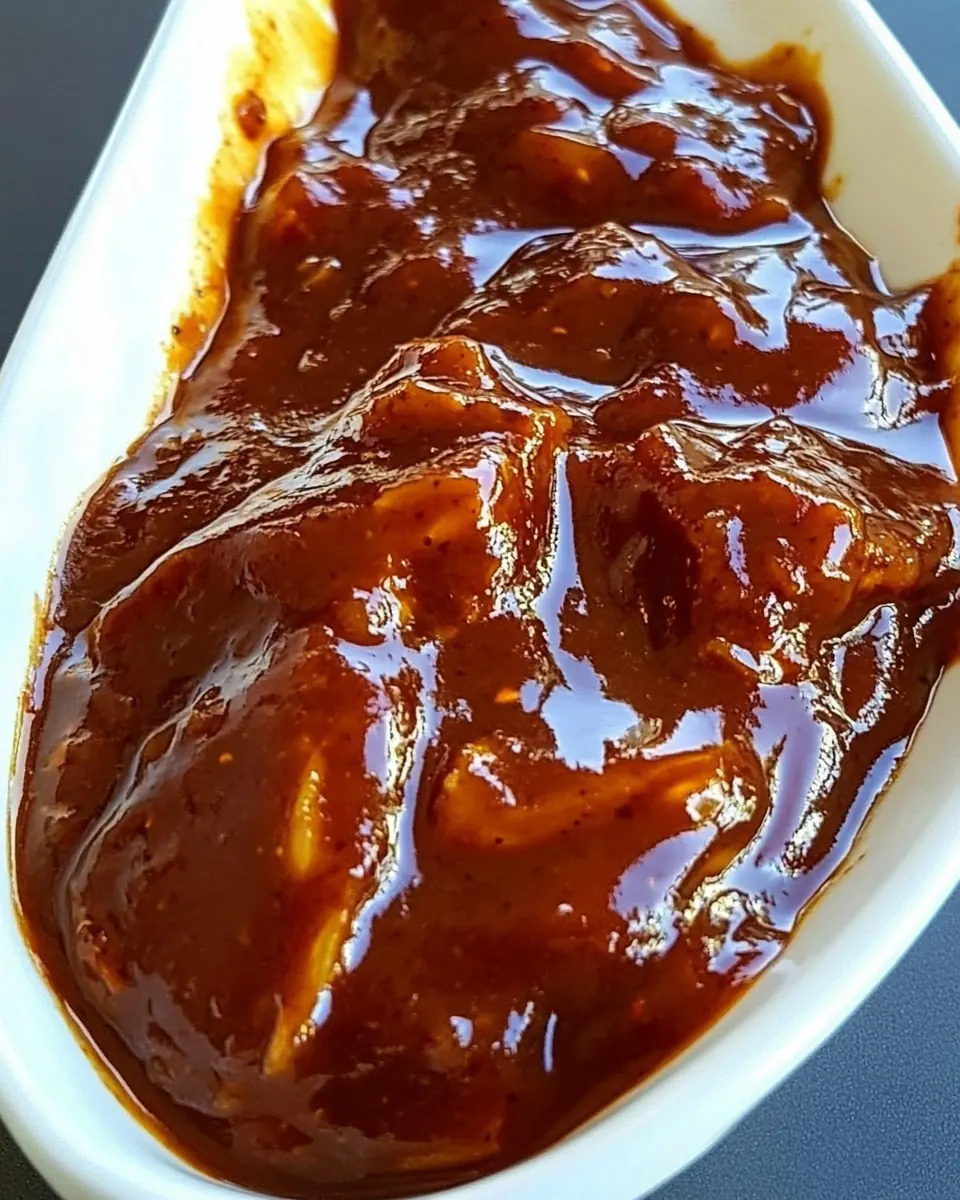
These tips help you refine the balance and make the most of your batch. A little attention at key moments transforms a good sauce into a great one. Here are practical, experience based pointers to guide you.
- Start with medium heat so your onions and garlic slowly release sweetness without browning, preserving a clean base for the raspberries and chipotle.
- Chop chipotles finely to distribute their smoky flavor evenly throughout the sauce, avoiding concentrated spicy pockets.
- Use seedless jam to add body and gloss without unwanted seeds, which makes straining easier and yields a smoother finish.
- Adjust vinegar last after simmering, because the perceived acidity can change slightly as the sauce reduces, so add more if you want a brighter punch.
- Cool before sealing jars to prevent steam from creating condensation inside the lid, which can shorten refrigerated shelf life.
What to Serve With Raspberry Chipotle Sauce
This sauce is versatile and can be served in many contexts, from casual weeknights to festive summer gatherings. Think about contrasting textures and mild carriers that allow the sauce to shine. Below are serving ideas, storage notes, and occasion suggestions to help you plan meals around this condiment.
- Grilled or roasted chicken The smoky cherry notes of the sauce complement the caramelized edges of roasted chicken, making it a natural glaze or finishing sauce.
- Roasted vegetables Use it as a finishing sauce for hearty roasted vegetables, the fruitiness cutting through caramelized flavors and adding a lively counterpoint.
- Sandwich spread Slather a thin layer on sandwiches to introduce sweet smoke, pairing especially well with simple, roasted proteins.
- Dipping sauce Serve as a dip for warm, toasted pita or vegetable sticks, letting guests scoop as they like during casual gatherings.
- Occasions This is excellent for summer barbecues or a weeknight dinner when you want something quick but memorable; it also works well during Ramadan Iftar meals where bold flavors help break a fast gently and satisfyingly.
- Storage tips Keep in a sealed container in the refrigerator for up to a week; for longer storage you can freeze portions in ice cube trays and thaw as needed.
FAQ
Conclusion
Raspberry Chipotle Sauce stands out because it combines bright berry sweetness with smoky, nuanced heat to create a balanced, versatile condiment. I encourage you to give it a try whether you are finishing roasted proteins, enlivening vegetables, or adding a bold spread to sandwiches. It is straightforward to make, stores well, and rewards small adjustments to suit your heat preference, so make a batch and see how it transforms ordinary dishes into something memorable.
Raspberry Chipotle Sauce
Ingredients
Equipment
Method
- In large skillet over medium heat sauté onions in oil until they start turning translucent, about 5 minutes. Stir in garlic and cook another minute. Stir in remaining ingredients and lightly simmer for another 5 minutes stirring occasionally. Remove from heat and strain sauce to remove seeds and chopped onions. Store in an air tight container in the refrigerator until ready to use.: The aroma of olive oil warming will be the first cue, followed by the gentle scent of softened onions as they become translucent and slightly sweet; you should hear a low, steady sizzle that is not frantic, and visually the pieces will go from opaque to glassy. This gentle sweating releases sugars that balance the berries, and it prevents raw onion bite. A common mistake is using too high heat, which makes the onions brown, adding an unwanted caramelized note. Keep the pan at medium and stir occasionally so the onions cook evenly.
- Stir in garlic and cook another minute: Once the onions are translucent, adding the minced garlic releases an immediate, savory aroma; you will notice a vivid garlicky scent that brightens the base. Cook only about a minute until the garlic is fragrant and no longer raw, or it will turn bitter. The sound shifts to a slightly quicker sizzle as moisture from the garlic hits the warm oil. A common error is leaving the garlic in too long which causes a burnt, acrid flavor, so watch closely and stir to distribute heat.
- Stir in remaining ingredients and lightly simmer for another 5 minutes stirring occasionally: When you add the chipotles in adobo , seedless raspberry jam , fresh raspberries , white vinegar , granulated sugar , and salt , the pan will erupt into a glossy, bubbling mixture. The jam will melt into the pan, and the fresh raspberries will burst, releasing bright juices. Keep the heat low enough that the mixture simmers gently, with soft bubbling rather than a rolling boil, allowing flavors to meld and the chipotle smokiness to infuse. Smell for a balance of sweet berry and smoky depth. A typical pitfall here is simmering too aggressively which can evaporate too much liquid and leave the sauce overly thick or scorched, so stir occasionally to prevent sticking.
- Remove from heat and strain sauce to remove seeds and chopped onions: After simmering, the sauce will be aromatic, with a glossy sheen and a slightly reduced body. Removing it from heat prevents the residual warmth from overcooking the raspberries. Straining will give you a smooth, seed free texture and remove larger pieces of onions and chopped chipotle bits, leaving a silky finish that clings beautifully to food. Use a fine mesh strainer and press gently with a spatula; you will feel the thickened sauce yielding under pressure. One common mistake is skipping the strain and ending with a grainy texture, so if you prefer a refined sauce, take the time to strain properly.
- Store in an air tight container in the refrigerator until ready to use: Once strained, transferring the sauce to an air tight container and chilling allows the flavors to rest and meld. The sauce will develop greater cohesion as it cools and the heat mellows slightly, the smoky notes integrating more fully with the fruit. Refrigerated, the sauce keeps well and is convenient for future use. A common oversight is using a container that is not sealed, which can lead to flavor loss or absorption of fridge odors, so choose a tight fitting jar and label it with the date.
Notes
- Start with medium heat so your onions and garlic slowly release sweetness without browning, preserving a clean base for the raspberries and chipotle.
- Chop chipotles finely to distribute their smoky flavor evenly throughout the sauce, avoiding concentrated spicy pockets.
- Use seedless jam to add body and gloss without unwanted seeds, which makes straining easier and yields a smoother finish.
- Adjust vinegar last after simmering, because the perceived acidity can change slightly as the sauce reduces, so add more if you want a brighter punch.
- Cool before sealing jars to prevent steam from creating condensation inside the lid, which can shorten refrigerated shelf life.