Lemon Cupcake Recipe
Lemon Cupcake Recipe has been one of my go to comfort bakes for brightening a gray afternoon or celebrating small wins at home.
I remember the first time I made these, the whole kitchen filled with a clean citrus scent that felt like sunshine through the window. I was experimenting with textures that day, chasing a tender crumb inside a light, zesty shell, and I kept checking the oven as if the aroma itself would tell me when they were done. That nervous excitement turned into slow contentment as the first cupcake released from its liner in one perfect, intact lift. Over time I developed small rituals for these cupcakes, like zesting the lemons last so the oils stay vibrant, and chilling the lemon curd overnight so the centers are silky and not runny when you scoop them out.
What I love about this Lemon Cupcake Recipe is how approachable it feels. I often make a batch when friends drop by unexpectedly, because the batter comes together quickly and the finished cupcakes look like you spent hours crafting them. The meringue topping is my playful flourish, and if I have a kitchen torch I give it a quick toasting to introduce a caramelized edge and smoky whisper that contrasts the bright lemon. If you prefer something simpler, leaving them unfrosted still showcases the lovely lemon notes and the tender crumb. These cupcakes have become my small celebration cake, perfect for birthdays, tea, or anytime you need a pick me up.
Recipe Snapshot
60 mins
30 mins
30 mins
Medium
200 kcal
American
Gluten-Free, Low FODMAP
Desserts
Cupcake pan, Cupcake liners, Mixing bowls, Hand mixer or stand mixer, Piping bag, Kitchen torch
Why This Lemon Cupcake Recipe Is a Winner
Bright citrus flavor that wakes the palate
I find the combination of fresh lemon juice and lemon zest gives these cupcakes a layered citrus profile. The juice brings tang and freshness, while the zest supplies aromatic oils, so every bite feels lively. I often taste the batter at the mixing stage to judge if the lemon punch is balanced, and usually a little extra zest transforms a good cupcake into a memorable one.
Balanced texture, soft but sturdy
The use of both butter and a touch of oil creates a crumb that is tender yet moist enough to hold a spoonful of lemon curd. In my experience, butter adds flavor and structure, while oil contributes lasting moisture, which is why this formula rarely dries out, even after a day or two in the fridge.
Make ahead friendly
I appreciate recipes that let me prep ahead, and these cupcakes deliver. Preparing the lemon curd a day ahead makes filling quick and stress free. The meringue topping can also be whipped up right before serving for best volume. When hosting, I assemble the cupcakes earlier in the day and finish with a quick frosting, which keeps the timeline manageable.
Show stopping presentation with minimal fuss
Filling each cupcake with lemon curd instantly upgrades the presentation and eating experience. The glossy curd contrasts the matte cake and the piped meringue adds height and drama. Toasting the meringue is optional, but when I torch them briefly they look bakery chic in seconds.
Flexible and forgiving
This Lemon Cupcake Recipe is forgiving for home bakers. Small variations in mixing speed or ingredient temperature rarely ruin the batch, and there are simple troubleshooting paths if you hit a snag, like gently folding the dry ingredients to avoid overdevelopment of gluten. I find that patience during mixing and careful measurement yield consistently lovely results.
Recipe Ingredients for Lemon Cupcake Recipe

These ingredients were chosen to balance bright citrus flavor with a tender, moist crumb. The key players are the all purpose flour for structure, butter and oil for richness and softness, and the duo of fresh lemon juice and lemon zest to carry the citrus notes. The meringue ingredients create a glossy, cloud like top that contrasts the dense lemon curd center.
- 1 1/4 cups all-purpose flour: Provide structure and bulk to the cupcakes by forming the flour-based matrix that holds air and moisture during baking, creating tender crumb when properly measured and sifted. Use room–temperature flour without compacting to ensure light, even rise and avoid dense texture.
- 1 1/4 teaspoon baking powder: Act as a chemical leavening agent that releases carbon dioxide when activated, contributing to the cupcake’s lift and lightness. Combine evenly with dry ingredients to ensure uniform rise and prevent uneven pockets of gas.
- 1/4 teaspoon baking soda: Contribute additional leavening and acidity balance to react with other ingredients for optimal lift and slightly finer crumb. Measure carefully because too much can create an off taste or overly rapid rise leading to collapse.
- 1/2 cup butter: Provide fat for richness, tenderness, and moist mouthfeel while helping to trap and stabilize air when creamed with sugar. Soften to room temperature for easier creaming and even distribution throughout the batter.
- 1 cup granulated sugar: Sweeten the batter while assisting with structure, moisture retention, and browning through caramelization. Cream thoroughly with butter to incorporate air for a lighter crumb and to dissolve sugar granules for even sweetness.
- 2 large eggs room temperature: Bind ingredients together, add moisture, and help with leavening and structure by setting as the batter cooks. Bring to room temperature to promote emulsification and ensure even incorporation into the batter.
- 1/4 cup oil: Add additional fat for moisture, tenderness, and richness while slightly increasing the cupcakes’ softness and keeping them from drying out. Use a neutral oil to avoid altering the lemon flavor and combine with wet ingredients for even distribution.
- 1/4 cup fresh lemon juice: Provide bright citrus acidity and flavor that balances sweetness and activates baking soda if present, contributing fresh lemon aroma. Strain seeds and measure precisely to maintain consistent tartness across batches.
- 1/4 cup milk: Contribute liquid to hydrate dry ingredients and dissolve sugar while affecting tenderness and mouthfeel; milk adds protein and fat that enrich the batter. Use the specified amount and temperature for consistent texture and mixing performance.
- 2 tablespoons lemon zest Approximately 2 lemons: Deliver concentrated citrus oils and intense lemon aroma that elevate the overall lemon profile and provide flavor complexity. Finely zest only the colored peel to avoid bitter pith and measure loosely as directed.
- Lemon Curd: Offer a sweet, tangy filling or topping option that deepens lemon flavor and adds silky texture; can be spooned into cupcake centers or spread on top. Prepare or warm gently for easy incorporation and balance with shell and frosting sweetness.
- 4 egg whites room temperature: Whip to create a stable, glossy meringue or to incorporate air into frostings and fillings while remaining neutral in flavor. Ensure egg whites are at room temperature for maximum volume and more stable peaks when beaten.
- 1/2 teaspoon cream of tartar: Stabilize whipped egg whites and help achieve fine, stable foam by strengthening the protein structure, improving volume and preventing weeping. Add cream of tartar during initial whipping stages for best results.
- 5 tablespoons granulated sugar: Contribute sweetness and help stabilize whipped egg whites when making meringue or frostings, dissolving to create smooth, glossy peaks and preventing graininess. Add gradually while whipping to ensure proper incorporation and structure.
- 1/2 teaspoon vanilla extract: Enhance and round out flavors while providing a warm, familiar aroma that complements lemon elements without overpowering them. Add at the end of whipping or mixing to preserve its delicate fragrance.
Cooking Method for Lemon Cupcake Recipe
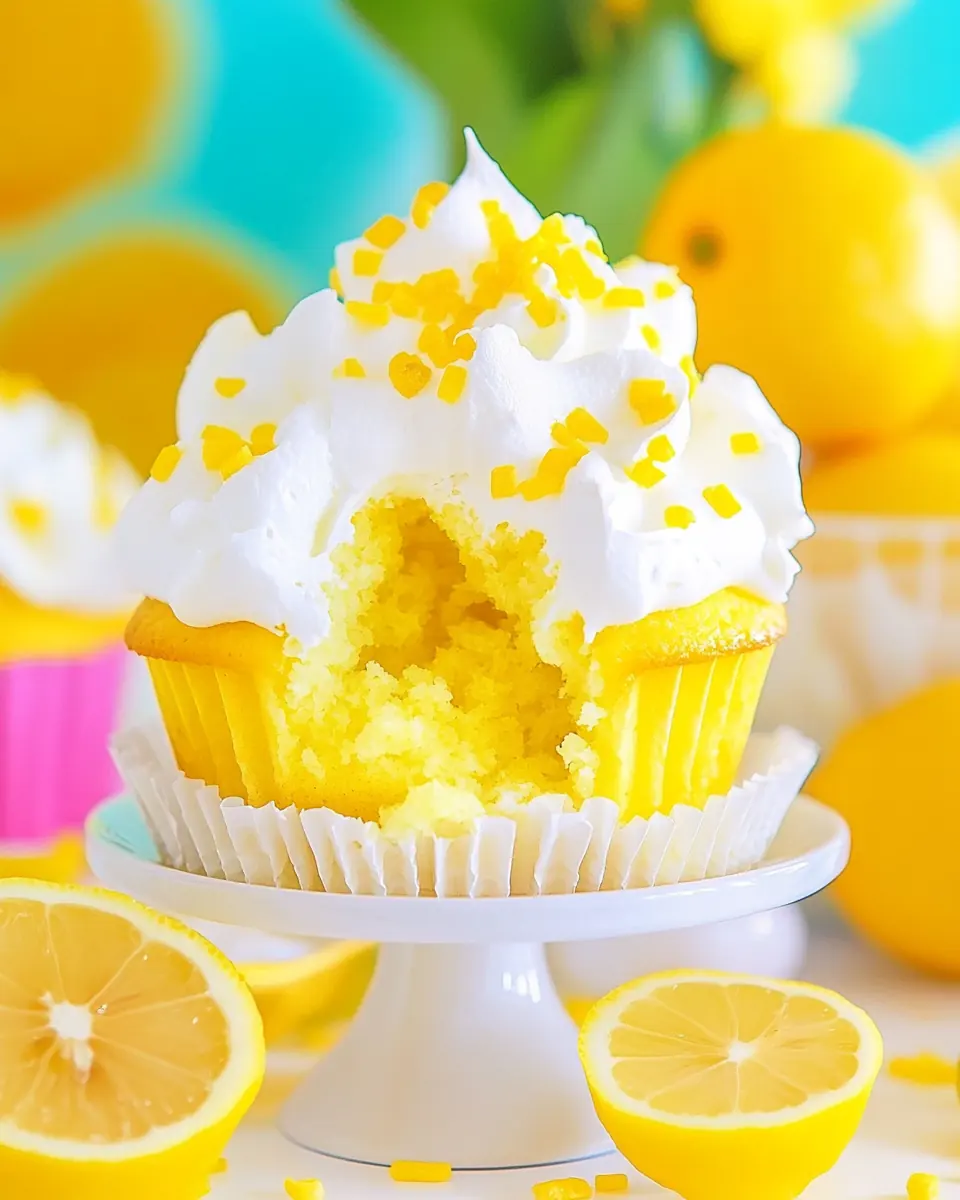
These instructions will guide you step by step from mixing to the final meringue crown. I like to move deliberately, keeping tools and ingredients organized, because baking rewards calm, measured actions.
- Preheat oven to 350° F and line a cupcake pan with cupcake liners.: The oven warming fills the kitchen with a faint dry warmth and readies the metal for even heat transfer, which is crucial for uniform rise. Preheating prevents the batter from sitting too long at room temperature, which can alter the chemical reactions of leaveners. Check that the oven rack sits in the center so the cupcakes brown evenly. A common mistake is skipping full preheat, which often yields uneven or underbaked centers.
- In a medium mixing bowl, whisk in the flour, baking powder, and baking soda until fully combined.: You should hear a soft rustle as the whisk moves through the dry mix, and visually the flour will look uniformly pale with tiny specs of leavening dispersed. This step ensures pockets of baking powder or soda do not create sudden domes or odd textures in individual cupcakes. If you notice clumps, sift or press them through a fine sieve; lumps lead to uneven rise.
- In a separate bowl, using either a hand or a stand mixer, cream the butter and sugar together until it is light and creamy. Crack the room temperature eggs into the butter mixture one at a time, and beat together until smooth. Stir in the vegetable oil, fresh lemon juice, milk and lemon zest to the butter mixture.: As you beat, the mixture will change from dense to pale and airy, and you will feel a lighter texture on the beaters. This trapped air gives the cupcakes lift. If the butter is too cold you will have a grainy mix, and if it is too warm it will become oily and not hold air. Aim for a ribbon like consistency to signal readiness.
- Slowly begin to pour in the dry ingredients to the wet ingredients and mix it together. Mix this until it is only just combined, do not over mix.: Each egg should be incorporated fully before adding the next, and you will notice the batter become silkier and glossy. Adding eggs slowly prevents the batter from separating, which can cause curdling and textural issues. If the batter looks curdled, a spoonful of flour can sometimes stabilize it, but gentle mixing usually repairs the emulsion.
- Spoon the batter into the cupcake liners and fill the liners until they are a little over halfway full. Pop them in the oven and bake for about 15 to 20 minutes, or until the top of the cupcake bounces back when you press on it.: Once combined, the batter will emit a bright lemon aroma and appear slightly looser, signaling the balance of fat and liquid needed for tenderness. The oil helps keep the cupcake moist over time, while the milk softens the crumb. Overmixing here can develop gluten, so fold gently for tenderness.
- Allow the cupcakes to cool completely. Once cooled, use a cupcake scoop or spoon to remove the middle of the cupcake. Using either a spoon or a piping bag, fill the centers of the cupcake with the premade lemon curd.: When the dry components meet the wet, you should see the mixture adopt a uniform color and texture, with no streaks of flour. Mixing slowly prevents overdevelopment of gluten and keeps the crumb delicate. Stir only until the last fleck of flour disappears, because excess mixing leads to toughness and tunnels inside the cupcake.
- In a clean and dry medium sized bowl using a hand or stand mixer, beat together the egg whites and cream of tartar until you see soft peaks starting to form.: At this stage you want the batter to be slightly thick but pourable, with a few air bubbles visible. The sound of the spoon will be thicker and smoother. Overworking will tighten the structure and yield denser cupcakes, so stop as soon as homogenous. A common sign of over mixing is a glossy, elastic batter texture that pulls back when stirred.
- Add the vanilla extract to the soft peaks and continue to beat this together until the peaks are stiff. This will take about 5 minutes.: Portioning creates a satisfying plop sound as the batter settles, and the surface should look smooth and slightly domed at the top of the liner. Filling them a little over halfway gives room for rise without overflow. If you overfill, cupcakes can spill and bake unevenly, so use a scoop or measuring cup for consistency.
- After that, gradually add the sugar until it’s all combined. Put the meringue in a piping bag and frost the tops of the cupcakes. This part is optional, but you can toast the meringue with a kitchen torch if you’d like.: During baking you will notice the aroma intensify as the batter caramelizes slightly at the edges and lemon notes bloom. The surface should spring gently under a fingertip and show a pale golden color. Avoid opening the oven repeatedly, as sudden temperature shifts can cause sinking. If a toothpick comes out with wet batter, they need more time; if it comes out clean earlier, check oven calibration.
- Allow the cupcakes to cool completely.: Cooling lets the steam escape and the crumb settle, ensuring the center does not collapse when filled. The tops will firm and become easier to handle, and the aroma mellows slightly into a balanced lemon profile. Rushing this step and filling warm cupcakes can cause the curd to loosen and run, so patience preserves the texture.
- Once cooled, use a cupcake scoop or spoon to remove the middle of the cupcake.: Removing the core produces a small hollow that will hold the lemon curd , and the exposed interior should look tender and moist. Use a circular motion to make a neat pocket that helps the curd sit securely. If you cut too deep, you may weaken the structure; keep the cavity shallow for best support.
- Using either a spoon or a piping bag, fill the centers of the cupcake with the premade lemon curd.: The curd should be thick and glossy, and as you pipe it the curd will nestle into the cavity with a satisfying sheen. The tartness of the curd contrasts the sweet crumb, and a small dollop is enough to provide a burst without overpowering the bite. If the curd is too warm it can seep into the cake, so ensure it is cooled and slightly set.
- In a clean and dry medium sized bowl using a hand or stand mixer, beat together the egg whites and cream of tartar until you see soft peaks starting to form.: The whites will foam and increase in volume, making gentle swooshing sounds as air is incorporated. Cream of tartar stabilizes the proteins so they hold structure. Any grease in the bowl or traces of yolk will prevent whipping, so ensure equipment is pristine.
- Add the vanilla extract to the soft peaks and continue to beat this together until the peaks are stiff.: As you whip further, the meringue becomes glossy and holds shape, and the beaters will leave firm trails. Stiff peaks should stand straight without drooping, indicating readiness for piping. Over whipping can make the meringue dry and grainy, so stop once you achieve a glossy stiffness.
- After that, gradually add the sugar until it’s all combined.: Adding sugar slowly creates a stable, shiny meringue that is sweet and resilient under light heat if you choose to toast it. The sound will shift to a smoother, lower pitch as the mixture thickens. If sugar is added too quickly, it can deflate the foam, so patience gives the best volume.
- Put the meringue in a piping bag and frost the tops of the cupcakes.: Piping creates a sculptural swirl that adds height and drama, and the meringue will glisten under light. The contrast between airy meringue and dense curd center is delightful. If the meringue droops after piping, it may need a bit more whipping to firm up.
- This part is optional, but you can toast the meringue with a kitchen torch if you’d like.: A quick pass with the torch creates caramelized beads of sugar, adding smoky notes and a golden cap that crackles slightly when cut. The visual payoff is big for minimal effort, but be cautious not to overheat a single spot, which can scorch the meringue. If you do not have a torch, a few minutes under a broiler works, but watch closely to avoid burning.
Customization Ideas
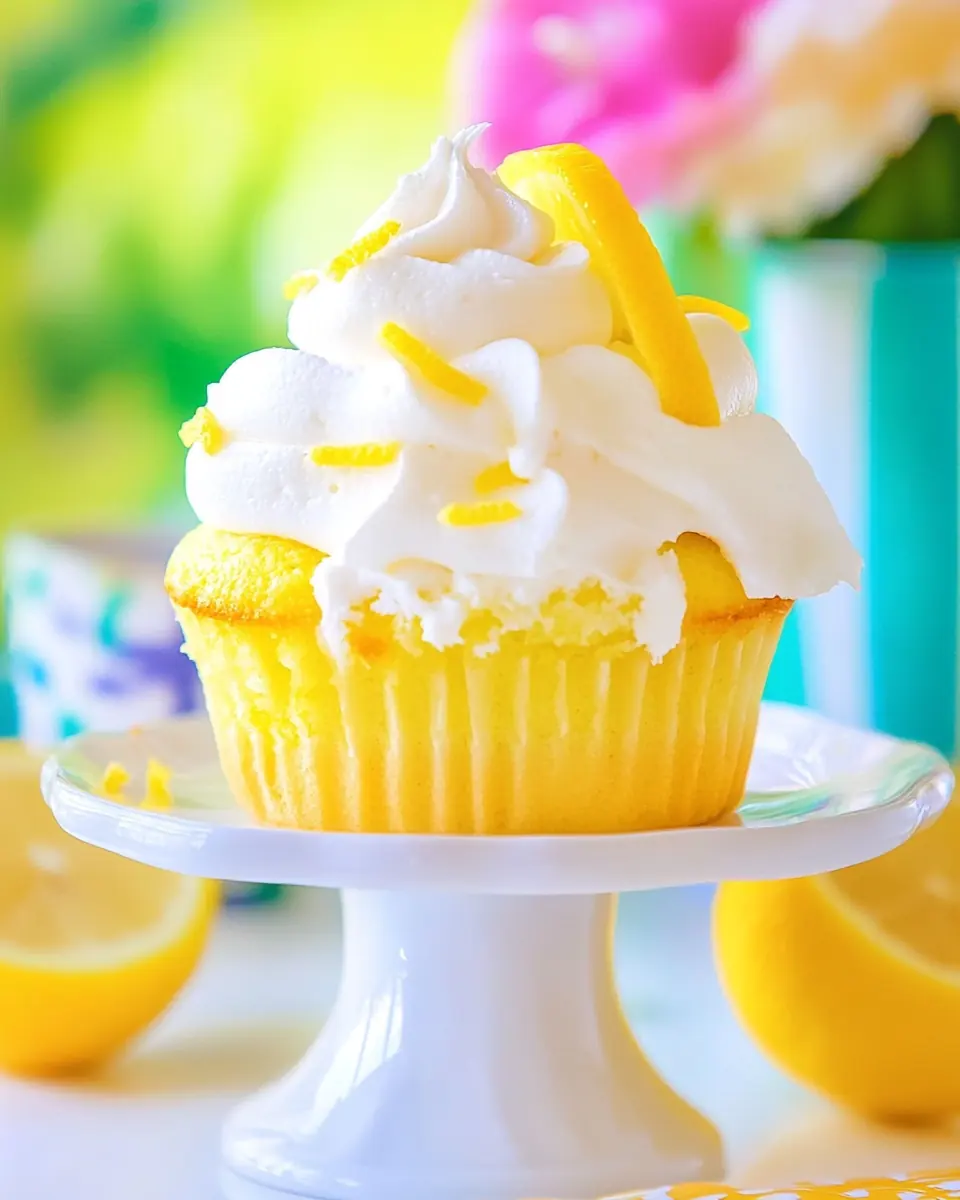
These suggestions help you adapt the Lemon Cupcake Recipe to different tastes and occasions. Each tip is practical and easy to implement so you can personalize texture, sweetness, and presentation.
- Swap the topping: If you prefer less sweetness, use a light dusting of powdered sugar instead of meringue for a simple finish that lets the lemon curd shine.
- Zest intensity: Increase the amount of lemon zest by a half teaspoon for a more aromatic bite without altering the acidity significantly.
- Mini cupcakes: Use a mini muffin pan and reduce bake time to about 10 to 12 minutes for bite sized treats perfect for parties.
- Make it ahead: Bake the cupcakes and store unfrosted in the fridge, then fill and pipe the meringue the day you serve for freshest texture.
- Alternative dairy: Substitute a plant based milk if needed, keeping the same volume to maintain batter consistency, though flavor will be slightly different.
- Storage tweak: Keep filled cupcakes refrigerated for up to 3 days, or freeze unfrosted cupcakes for up to two months and thaw before filling.
Serving Options for Lemon Cupcake Recipe
These serving ideas cover occasions, pairings, and storage to make the most of your batch of cupcakes. Choose a style that fits the event and your time, and highlight the citrus character for seasonal appeal.
- Afternoon tea pairing: Serve with a pot of light black tea or green tea so the tannins balance the sweet tartness of the cupcakes.
- Birthday or celebration: Arrange on a tiered stand and top with toasted meringue for a festive look that reads elegant but is quick to assemble.
- Picnic friendly: Leave the meringue off and pack filled cupcakes in a sturdy container; they travel well chilled and are easy to portion.
- Ramadan or special gatherings: Serve with small portions of fruit and nuts to complement the citrus and provide a varied spread for guests breaking fast.
- Seasonal pairing: In spring, pair with fresh berries or edible flowers to echo the bright lemon notes and create a fresh presentation.
- Storage tips: Store frosted cupcakes in the refrigerator up to 3 days, unfrosted ones at room temperature for a day, and freeze unfrosted for up to two months to preserve freshness.
- Plating suggestion: Serve one cupcake on a small dessert plate with a light smear of extra lemon curd and a tiny sprinkle of zest for an elegant single serving.
FAQ
Conclusion
These cupcakes stand out because they combine a tender, moist crumb with a bright lemon curd center and an airy meringue top that together create a lively contrast of textures and flavors. I encourage you to give this recipe a try, even if you feel nervous about meringue or curd, because the steps are forgiving and the results are very rewarding. Bake with patience, enjoy the citrus scent while they cool, and share them with someone who appreciates small, thoughtful treats.
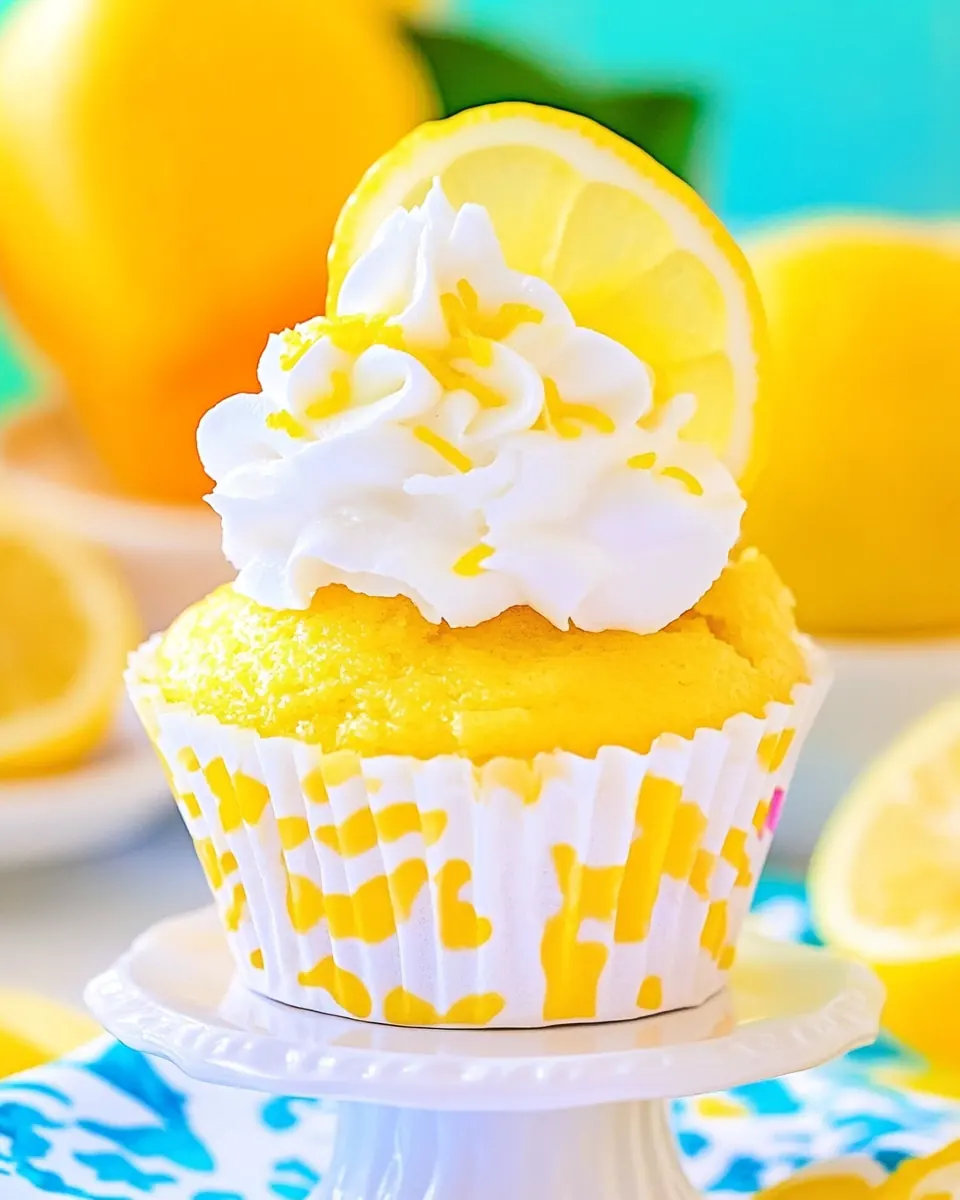
Lemon Cupcake Recipe
Ingredients
Equipment
Method
- Preheat oven to 350° F and line a cupcake pan with cupcake liners.: The oven warming fills the kitchen with a faint dry warmth and readies the metal for even heat transfer, which is crucial for uniform rise. Preheating prevents the batter from sitting too long at room temperature, which can alter the chemical reactions of leaveners. Check that the oven rack sits in the center so the cupcakes brown evenly. A common mistake is skipping full preheat, which often yields uneven or underbaked centers.
- In a medium mixing bowl, whisk in the flour, baking powder, and baking soda until fully combined.: You should hear a soft rustle as the whisk moves through the dry mix, and visually the flour will look uniformly pale with tiny specs of leavening dispersed. This step ensures pockets of baking powder or soda do not create sudden domes or odd textures in individual cupcakes. If you notice clumps, sift or press them through a fine sieve; lumps lead to uneven rise.
- In a separate bowl, using either a hand or a stand mixer, cream the butter and sugar together until it is light and creamy. Crack the room temperature eggs into the butter mixture one at a time, and beat together until smooth. Stir in the vegetable oil, fresh lemon juice, milk and lemon zest to the butter mixture.: As you beat, the mixture will change from dense to pale and airy, and you will feel a lighter texture on the beaters. This trapped air gives the cupcakes lift. If the butter is too cold you will have a grainy mix, and if it is too warm it will become oily and not hold air. Aim for a ribbon like consistency to signal readiness.
- Slowly begin to pour in the dry ingredients to the wet ingredients and mix it together. Mix this until it is only just combined, do not over mix.: Each egg should be incorporated fully before adding the next, and you will notice the batter become silkier and glossy. Adding eggs slowly prevents the batter from separating, which can cause curdling and textural issues. If the batter looks curdled, a spoonful of flour can sometimes stabilize it, but gentle mixing usually repairs the emulsion.
- Spoon the batter into the cupcake liners and fill the liners until they are a little over halfway full. Pop them in the oven and bake for about 15 to 20 minutes, or until the top of the cupcake bounces back when you press on it.: Once combined, the batter will emit a bright lemon aroma and appear slightly looser, signaling the balance of fat and liquid needed for tenderness. The oil helps keep the cupcake moist over time, while the milk softens the crumb. Overmixing here can develop gluten, so fold gently for tenderness.
- Allow the cupcakes to cool completely. Once cooled, use a cupcake scoop or spoon to remove the middle of the cupcake. Using either a spoon or a piping bag, fill the centers of the cupcake with the premade lemon curd.: When the dry components meet the wet, you should see the mixture adopt a uniform color and texture, with no streaks of flour. Mixing slowly prevents overdevelopment of gluten and keeps the crumb delicate. Stir only until the last fleck of flour disappears, because excess mixing leads to toughness and tunnels inside the cupcake.
- In a clean and dry medium sized bowl using a hand or stand mixer, beat together the egg whites and cream of tartar until you see soft peaks starting to form.: At this stage you want the batter to be slightly thick but pourable, with a few air bubbles visible. The sound of the spoon will be thicker and smoother. Overworking will tighten the structure and yield denser cupcakes, so stop as soon as homogenous. A common sign of over mixing is a glossy, elastic batter texture that pulls back when stirred.
- Add the vanilla extract to the soft peaks and continue to beat this together until the peaks are stiff. This will take about 5 minutes.: Portioning creates a satisfying plop sound as the batter settles, and the surface should look smooth and slightly domed at the top of the liner. Filling them a little over halfway gives room for rise without overflow. If you overfill, cupcakes can spill and bake unevenly, so use a scoop or measuring cup for consistency.
- After that, gradually add the sugar until it’s all combined. Put the meringue in a piping bag and frost the tops of the cupcakes. This part is optional, but you can toast the meringue with a kitchen torch if you’d like.: During baking you will notice the aroma intensify as the batter caramelizes slightly at the edges and lemon notes bloom. The surface should spring gently under a fingertip and show a pale golden color. Avoid opening the oven repeatedly, as sudden temperature shifts can cause sinking. If a toothpick comes out with wet batter, they need more time; if it comes out clean earlier, check oven calibration.
- Allow the cupcakes to cool completely.: Cooling lets the steam escape and the crumb settle, ensuring the center does not collapse when filled. The tops will firm and become easier to handle, and the aroma mellows slightly into a balanced lemon profile. Rushing this step and filling warm cupcakes can cause the curd to loosen and run, so patience preserves the texture.
- Once cooled, use a cupcake scoop or spoon to remove the middle of the cupcake.: Removing the core produces a small hollow that will hold the lemon curd , and the exposed interior should look tender and moist. Use a circular motion to make a neat pocket that helps the curd sit securely. If you cut too deep, you may weaken the structure; keep the cavity shallow for best support.
- Using either a spoon or a piping bag, fill the centers of the cupcake with the premade lemon curd.: The curd should be thick and glossy, and as you pipe it the curd will nestle into the cavity with a satisfying sheen. The tartness of the curd contrasts the sweet crumb, and a small dollop is enough to provide a burst without overpowering the bite. If the curd is too warm it can seep into the cake, so ensure it is cooled and slightly set.
- In a clean and dry medium sized bowl using a hand or stand mixer, beat together the egg whites and cream of tartar until you see soft peaks starting to form.: The whites will foam and increase in volume, making gentle swooshing sounds as air is incorporated. Cream of tartar stabilizes the proteins so they hold structure. Any grease in the bowl or traces of yolk will prevent whipping, so ensure equipment is pristine.
- Add the vanilla extract to the soft peaks and continue to beat this together until the peaks are stiff.: As you whip further, the meringue becomes glossy and holds shape, and the beaters will leave firm trails. Stiff peaks should stand straight without drooping, indicating readiness for piping. Over whipping can make the meringue dry and grainy, so stop once you achieve a glossy stiffness.
- After that, gradually add the sugar until it’s all combined.: Adding sugar slowly creates a stable, shiny meringue that is sweet and resilient under light heat if you choose to toast it. The sound will shift to a smoother, lower pitch as the mixture thickens. If sugar is added too quickly, it can deflate the foam, so patience gives the best volume.
- Put the meringue in a piping bag and frost the tops of the cupcakes.: Piping creates a sculptural swirl that adds height and drama, and the meringue will glisten under light. The contrast between airy meringue and dense curd center is delightful. If the meringue droops after piping, it may need a bit more whipping to firm up.
- This part is optional, but you can toast the meringue with a kitchen torch if you’d like.: A quick pass with the torch creates caramelized beads of sugar, adding smoky notes and a golden cap that crackles slightly when cut. The visual payoff is big for minimal effort, but be cautious not to overheat a single spot, which can scorch the meringue. If you do not have a torch, a few minutes under a broiler works, but watch closely to avoid burning.
Notes
- Swap the topping: If you prefer less sweetness, use a light dusting of powdered sugar instead of meringue for a simple finish that lets the lemon curd shine.
- Zest intensity: Increase the amount of lemon zest by a half teaspoon for a more aromatic bite without altering the acidity significantly.
- Mini cupcakes: Use a mini muffin pan and reduce bake time to about 10 to 12 minutes for bite sized treats perfect for parties.
- Make it ahead: Bake the cupcakes and store unfrosted in the fridge, then fill and pipe the meringue the day you serve for freshest texture.
- Alternative dairy: Substitute a plant based milk if needed, keeping the same volume to maintain batter consistency, though flavor will be slightly different.
- Storage tweak: Keep filled cupcakes refrigerated for up to 3 days, or freeze unfrosted cupcakes for up to two months and thaw before filling.