Paleo Gingerbread Muffins
Paleo Gingerbread Muffins have been a cozy anchor in my kitchen ever since I first tested a grain free batter on a rainy November afternoon. I remember the warm, spicy steam that filled the room as the muffins baked, and how the scent seemed to wrap around my sweater like a soft blanket. That first batch was an experiment born from a craving for gingerbread flavors without gluten or refined sugar, and it quickly became the thing I reach for when I want comfort with fewer compromises.
Over time I refined the mix until the texture felt right to my hands and teeth. Using a blend of almond flour, coconut flour, and a touch of tapioca flour gives the crumb a tender, slightly springy feel, while molasses and maple syrup bring the classic deep, sticky sweetness I associate with gingerbread. I like sprinkling chopped pecans on top because they add a toasty crunch that contrasts the soft muffin interior. Every time I pull a tray from the oven I still get that little thrill, especially when a muffin cracks just so on top and a hint of steam escapes.
These Paleo Gingerbread Muffins have become my fallback for holiday brunches, last minute guest visits, and afternoons when a cup of tea needs a companion. I often make a double batch and freeze a few for school lunches and impromptu dessert emergencies. If you prefer, finish them with a smear of vegan cream cheese frosting for a richer treat, though I often enjoy them plain to appreciate the warm spice balance. Baking these feels like passing along a small, fragrant ritual, one that’s perfect for chilly mornings or anytime you want something cozy without complicated fuss.
Recipe Snapshot
40 mins
15 mins
25 mins
Easy
180 kcal
American
Paleo, Gluten-Free
Breakfast
Blender, Muffin pan, Muffin papers, Measuring cups
The Best Thing About This Paleo Gingerbread Muffins
Classic gingerbread warmth without the grains
I love how these Paleo Gingerbread Muffins capture that nostalgic gingerbread flavor, yet remain grain free. The combination of molasses and maple syrup recreates the deep, slightly smoky sweetness you expect from holiday baking, while keeping the ingredient list aligned with a paleo approach. For me, that means enjoying the familiar flavors without the heaviness of wheat.
Balanced texture from thoughtful flours
The texture is where this recipe really shines. Almond flour provides richness and a tender crumb, while coconut flour absorbs moisture and keeps the muffins from collapsing. A little tapioca flour adds bounce, creating a light, pleasant chew. I find this trio avoids the graininess or gummy mouthfeel that plagues many paleo baked goods.
Quick and forgiving process
One of the reasons I reach for this recipe often is how forgiving it is. You blend everything together, pour into tins, and bake. The batter tolerates slight variations in wetness, and the muffins still come out nicely. That reliability is a big part of why these are a staple for busy mornings or last minute guest plans.
Customizable finishing options
Whether you want to keep things simple or dress them up, these muffins are versatile. I like them plain with a hot beverage for an understated treat, or topped with chopped pecans for texture. If you want more indulgence, a smear of vegan cream cheese frosting adds a tangy contrast that elevates the muffins for special occasions.
Perfect for seasonal menus
With the warm spices of cinnamon and nutmeg, these muffins fit seamlessly into fall and holiday spreads. I often place a tray on the counter during family gatherings and watch them disappear, which is the highest compliment a recipe can receive. They are also portable and freeze well, making them a practical choice for gifting or meal prep.
Ingredients Required for Paleo Gingerbread Muffins
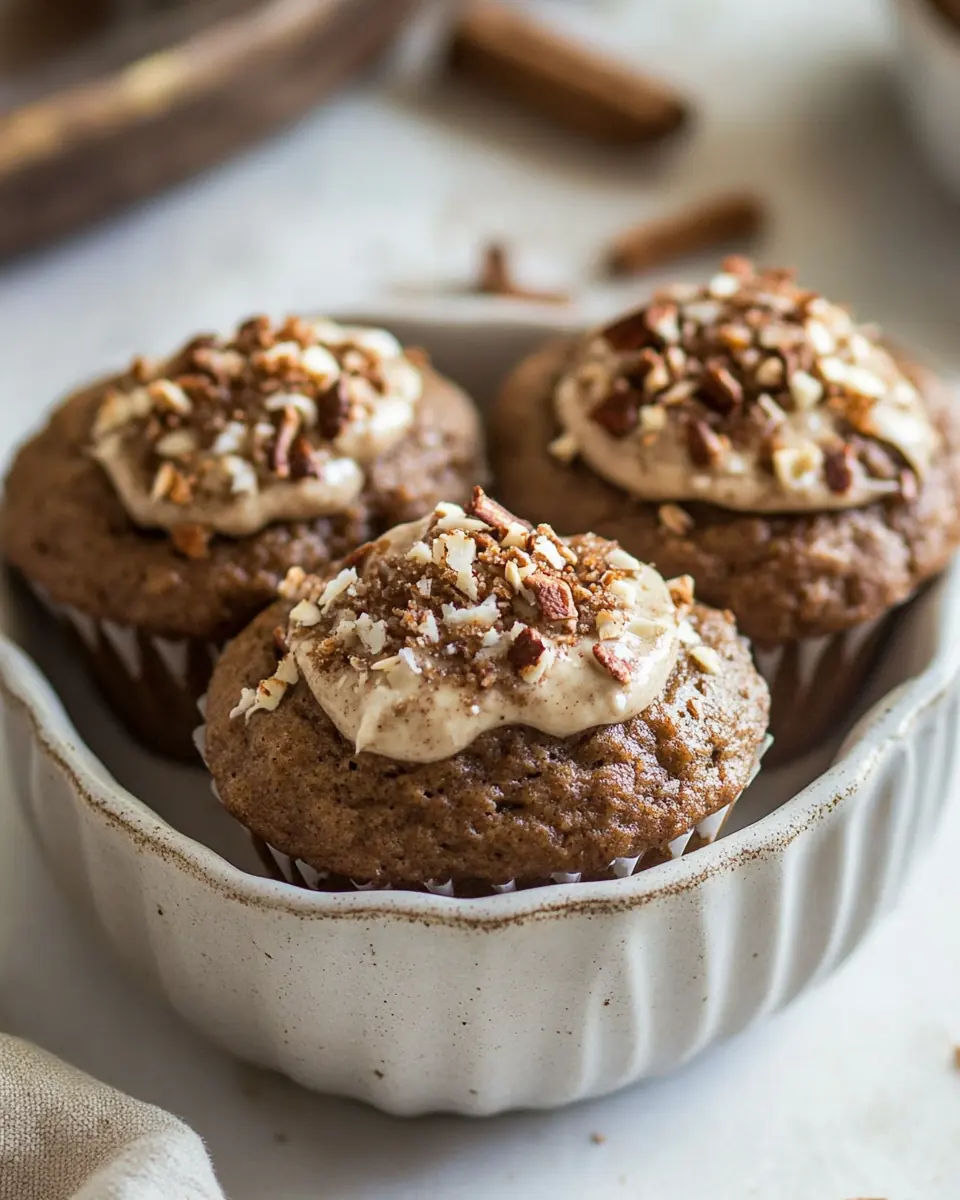
These ingredients are selected to create a moist, warmly spiced muffin that stays true to a paleo approach. The key players are the nut flours that provide structure, the sticky sweeteners that deliver classic gingerbread depth, and the oils and eggs that bind everything together. Together they form a batter that bakes into tender mouths of spicy comfort, with little need for any additional stabilizers.
- 4 large eggs: Whisk vigorously to provide structure and lift through coagulation when baked; eggs also add moisture and richness while helping bind the almond– and coconut-based flours together for a cohesive muffin crumb.
- 1/3 cup molasses: Sweeten and deepen flavor with a robust, slightly bitter molasses note that contributes classic gingerbread color and sticky tenderness while interacting with baking soda for subtle leavening and browning.
- 1/4 cup pure maple syrup: Add delicate sweetness and enhance moistness with a light maple flavor that balances the robust molasses and complements the warm spices, while also contributing to the batter’s liquid content.
- 2 tsp pure vanilla extract: Impart floral, sweet aromatic notes to brighten the batter; vanilla rounds out the spice profile and enhances perceived sweetness without adding extra sugar.
- 1/3 cup + 1 Tbsp avocado oil see note: Provide healthy fat and tenderize the muffins, promoting a moist crumb and preventing dryness; avocado oil’s neutral flavor lets spices and sweeteners shine while aiding batter cohesion.
- 1 1/2 tbsp fresh ginger grated: Offer fresh, pungent heat and aromatic brightness that defines the gingerbread character; grated fresh ginger disperses evenly for vibrant, spicy flavor and a slightly moist texture.
- 1 2/3 cups fine almond flour: Supply the primary structure and bulk with a fine, moist texture ideal for grain-free baking; almond flour contributes nuttiness, protein, and a tender crumb that mimics traditional flour.
- 1/3 cup coconut flour: Absorb moisture and add lightness while contributing to a tender, cake-like structure; coconut flour is highly absorbent so it helps thicken the batter and maintain shape without gluten.
- 3 tbsp tapioca flour: Lightly lighten texture and improve chewiness by adding a small amount of starch; tapioca flour also helps bind ingredients and gives muffins a slight bounce and glossy crumb.
- 1 1/2 tsp ground cinnamon: Warm with sweet-spicy depth that anchors the gingerbread profile; ground cinnamon enhances aroma, complements ginger and molasses, and balances overall flavor.
- 1/2 tsp ground nutmeg: Add warm, slightly sweet and nutty background spice that layers with cinnamon and ginger to create a complex, cozy gingerbread spice mix without overpowering other flavors.
- 1/4 tsp baking soda: React with molasses and acidic components to provide gentle lift and promote lightness; baking soda also aids browning and helps neutralize acidity for balanced flavor.
- 1/2 tsp sea salt: Enhance all flavors and balance sweetness while controlling taste perception; sea salt strengthens the spices and sweeteners and prevents a flat or overly sweet final product.
- 1/2 cup raw pecans chopped: Introduce crunchy texture and toasty, buttery flavor contrast that complements the soft muffin interior; chopped pecans also contribute visual appeal and a nutty aroma.
- 1/2 batch Vegan Cream Cheese Frosting (optional): Provide an optional creamy, tangy topping to add richness and balance the sweet-spicy muffins; vegan cream cheese frosting offers smoothness and additional moisture if used.
Directions for Paleo Gingerbread Muffins
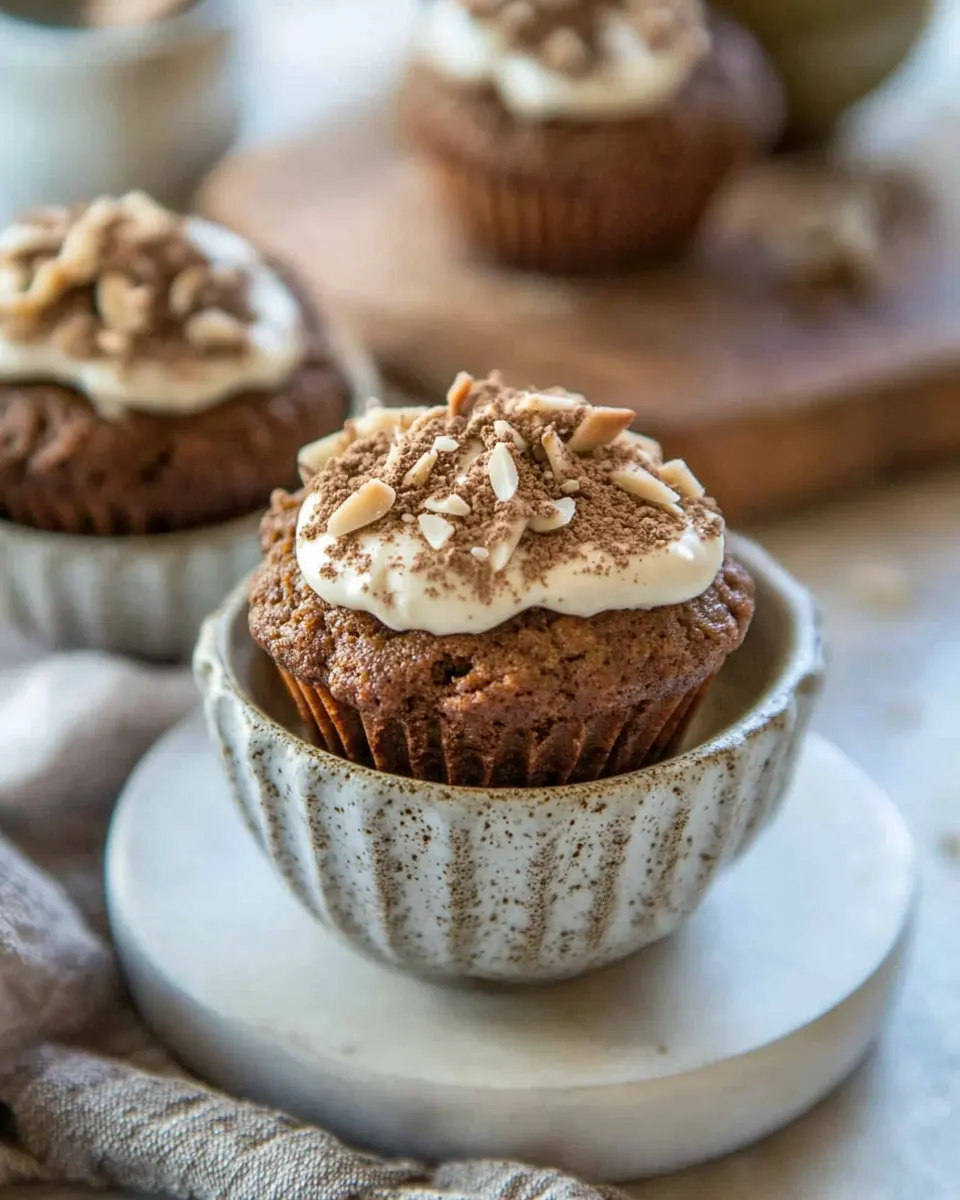
These directions are straightforward and designed for a reliable result. I like to keep the workflow simple: prepare the pan, blend the batter until silky, portion into tins, bake until set, then rest and optionally frost. The method is fast and consistent once you get the rhythm of blending and pouring.
- Preheat the oven to 350 degrees F and line a muffin pan with muffin papers (or spray with cooking oil).: The moment you start preheating, you should notice the faint click and hum of the oven warming up, and that steady rise in ambient heat helps create an even bake. An oven at the correct temperature jumpstarts the chemical reactions that produce lift and a golden top. I always line my muffin pan with papers because they make removing the muffins easy and keep bottoms from overbrowning, but if you do not have papers a light spray of oil will do. A common mistake is placing the pan in before the oven is at temperature, which can cause uneven rise, so wait until the oven fully reaches 350 degrees F.
- Add all the ingredients for the muffins to a blender. Blend until completely smooth. Pour the batter into the prepared muffin pan, filling the holes 3/4 of the way up. Sprinkle with chopped pecans.: As you add the wet and dry ingredients into the blender, you will hear the components settle and then begin to whirl. The sound changes from discrete thuds to a smooth, consistent whirr when the mixture becomes homogeneous. Blending is critical because it emulsifies the eggs , oils , and syrups with the flours, producing a silky batter; this directly impacts crumb texture. One troubleshooting tip is to pulse first to break down any lumps in the flours before running the blender at full speed. If you overblend for too long the batter can warm up excessively, which may affect final rise.
- Bake 20 to 25 minutes on the center rack of the preheated oven, until muffins are set up. Turn off the oven and allow muffins to sit in the warm oven another 3 to 5 minutes. Remove muffins from the oven and allow them to cool at least 30 minutes before serving (if you try eating the muffins too early, they will stick to the muffin papers).: When the blender reaches a steady, quieter sound and the batter looks uniform with no streaks of dry flour or oil pools, you are done. Visually, the batter should be glossy and slightly thick, with tiny bubbles dispersed from aeration. The smell will be a burst of warm spices and sweet syrup. The why is simple, a smooth batter ensures even distribution of leavening and spices so each muffin bakes the same. A frequent error is stopping too early leaving pockets of coconut flour that soak up moisture later, resulting in dry spots.
- If desired, spread Vegan Cream Cheese Frosting on top of the muffins, or serve the muffins with the frosting.: You will notice the batter flows smoothly from the blender and settles into the cups, creating rounded, slightly domed tops if portioned evenly. Filling to three quarters allows room for the muffins to expand without spilling over, which encourages tall, attractive domes. I often use an ice cream scoop for consistent portions. If you fill too high the batter will overflow and create unevenly baked muffins, so resist the urge to overfill.
- Sprinkle with chopped pecans: As you scatter the chopped pecans across the tops, you will get a little contrast of textures and a toasty aroma as they toast in the oven. The pecans add a crunchy counterpoint to the soft interior and create a rustic, inviting look. Press them lightly into the batter so they stay put during baking. One thing to watch for is adding wet toppings that can sink; keep the nuts dry so they stay on the surface and brown nicely.
- Bake 20 to 25 minutes on the center rack of the preheated oven, until muffins are set up: During baking you will see the tops color to a warm brown and small cracks may form, releasing a heady mix of spice and molasses scent. The oven’s center rack gives even air circulation and predictable browning. The internal structure firms as proteins coagulate and starches set, which is why the muffins need the full bake time to avoid a gummy center. A common pitfall is opening the oven repeatedly to check, which drops the oven temperature and can lead to uneven rising, so rely on visual cues and the time window instead.
- Turn off the oven and allow muffins to sit in the warm oven another 3 to 5 minutes: Letting the muffins rest in the residual heat helps complete baking gently, preventing a sudden temperature drop that can make them sink. You may notice a subtle settling and the tops finishing their color during these minutes. This carryover heat ensures interior moisture redistributes and firms up the crumb. Remove them too quickly and the sudden change can cause surface collapse, especially in paleo batters which rely on proper coagulation rather than gluten.
- Remove muffins from the oven and allow them to cool at least 30 minutes before serving (if you try eating the muffins too early, they will stick to the muffin papers): As the muffins cool you can sense the steam tapering off and the texture stabilizing; the bottoms and sides release from the papers more easily. Cooling is important because slicing or unwrapping warm paleo baked goods often causes them to stick or crumble. Patience pays off here, a rushed attempt to eat them too soon often leads to torn liners and a messy presentation.
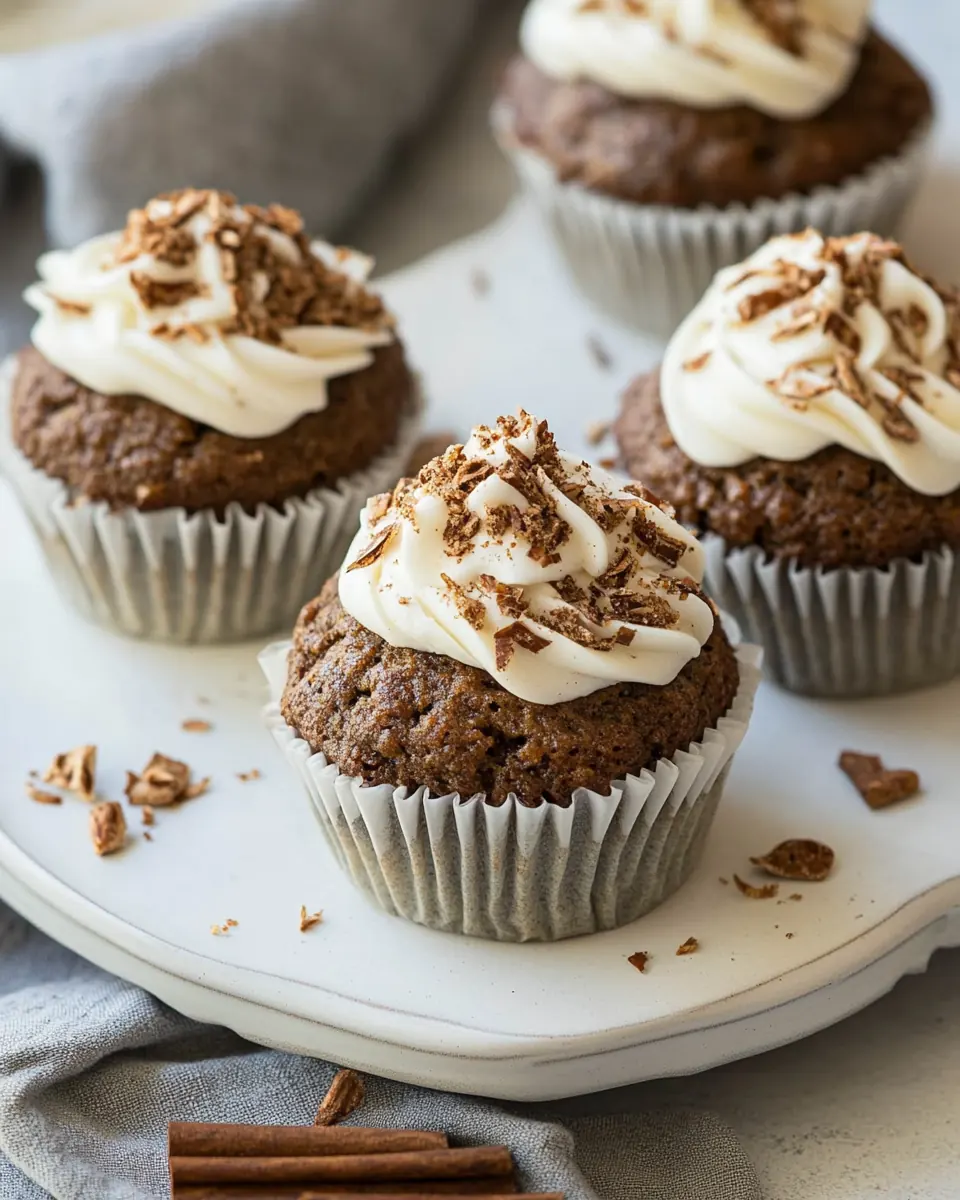
- If desired, spread Vegan Cream Cheese Frosting on top of the muffins, or serve the muffins with the frosting: When you add the optional Vegan Cream Cheese Frosting , it offers a cool, tangy contrast to the warm, spicy muffin. The frosting will look glossy and smooth when spread gently, and a small dollop adds visual appeal and richness. Wait until the muffins are fully cool, or the frosting will melt and run. A typical mistake is slathering on frosting while the muffins remain warm, which ruins both texture and appearance.
Variations to Try
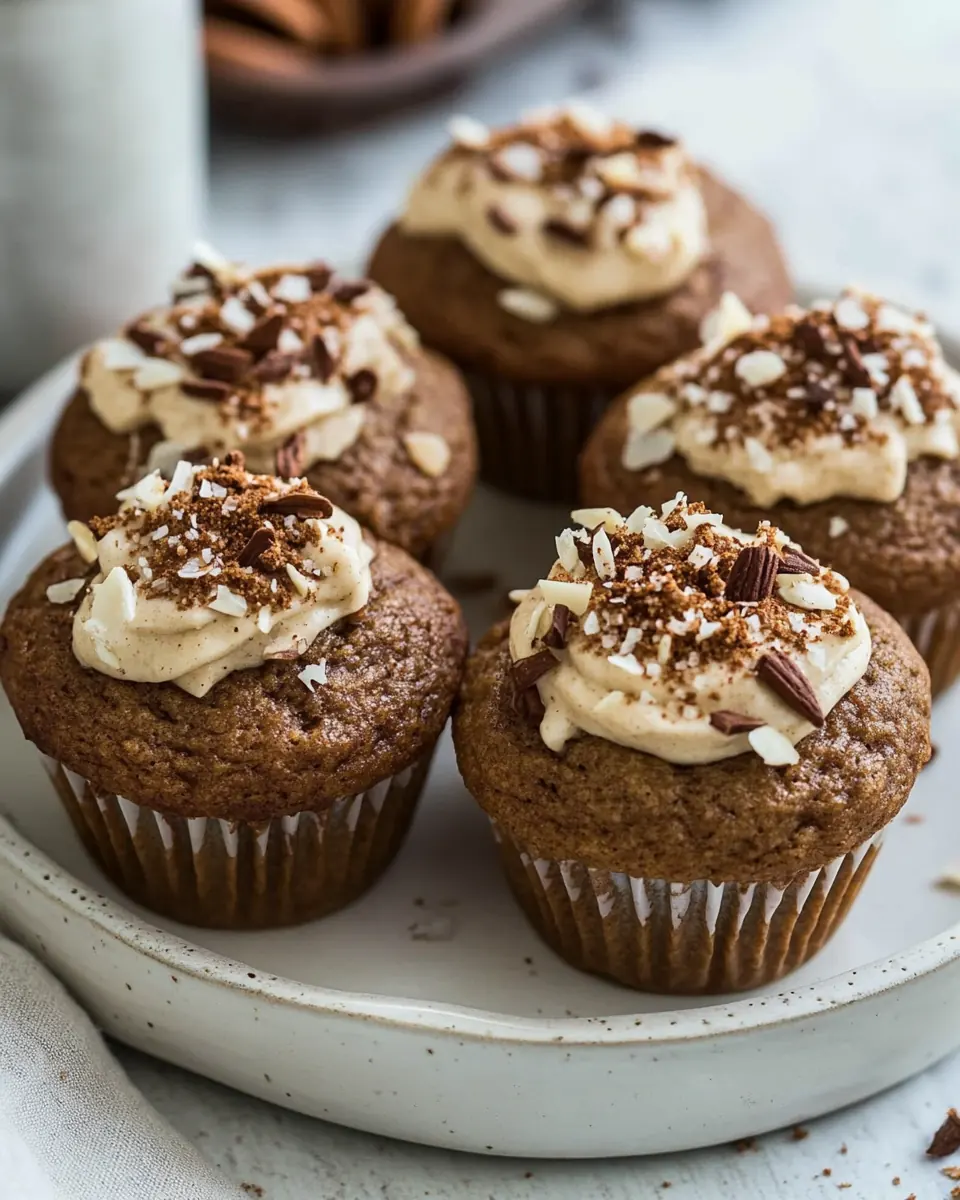
These variations let you tweak texture, sweetness, and presentation without changing the core approach. I often test one change at a time so I can identify the exact impact on crumb and flavor.
- Swap oil Replace the avocado oil with a neutral oil like the suggested coconut oil or algae oil for a subtly different mouthfeel, noting that coconut oil may firm up when chilled.
- Adjust sweetness If you prefer less sweetness, reduce the maple syrup by one tablespoon and compensate with a touch more molasses only if you want the deeper flavor without added sweetness.
- Add mix ins sparingly Fold in a small handful of additional chopped pecans into the batter for texture variety, keeping total add ins light so baking time and structure remain predictable.
- Frosting option Use the optional Vegan Cream Cheese Frosting for a holiday finish, spreading it only after muffins are completely cool to maintain a neat presentation.
- Toasting nuts Toast the pecans briefly in a dry skillet until fragrant to amplify their nuttiness before adding them to the tops.
Accompaniments for Paleo Gingerbread Muffins
These serving ideas will help you present the muffins depending on the occasion, from casual morning snacks to holiday dessert spreads. I like to pair textures and temperatures to create contrast, and consider simple drinks to highlight the spice profile.
- Breakfast pairing Serve warm with a mug of hot tea or coffee for a cozy breakfast, letting guests spread a little non dairy butter or the optional Vegan Cream Cheese Frosting for extra richness.
- Brunch tray Arrange the muffins on a platter with seasonal fruit and a small bowl of frosting or nut butter so people can customize their bites.
- Holiday dessert Place a few muffins on a dessert plate alongside spiced cider or chai during holiday gatherings, using the frosting to make them feel more decadent.
- Pack and go These muffins freeze well. Wrap individually and freeze for quick snacks; thaw at room temperature and briefly warm for freshness.
- Storage tip Keep leftover muffins in an airtight container at room temperature for two to three days, or refrigerate for up to a week if frosted, to maintain the frosting quality.
FAQ
Conclusion
These Paleo Gingerbread Muffins are special because they deliver authentic gingerbread flavor and a tender, paleo friendly texture without complicated steps. They are comforting, versatile, and simple enough for a weekday bake but charming enough for holiday gatherings. Try making a batch this week to enjoy warm spice and satisfying texture with minimal fuss. Share them with friends or freeze extras for quick treats later, and savor the cozy aroma that only fresh baked gingerbread can bring.
Paleo Gingerbread Muffins
Ingredients
Equipment
Method
- Preheat the oven to 350 degrees F and line a muffin pan with muffin papers (or spray with cooking oil).: The moment you start preheating, you should notice the faint click and hum of the oven warming up, and that steady rise in ambient heat helps create an even bake. An oven at the correct temperature jumpstarts the chemical reactions that produce lift and a golden top. I always line my muffin pan with papers because they make removing the muffins easy and keep bottoms from overbrowning, but if you do not have papers a light spray of oil will do. A common mistake is placing the pan in before the oven is at temperature, which can cause uneven rise, so wait until the oven fully reaches 350 degrees F.
- Add all the ingredients for the muffins to a blender. Blend until completely smooth. Pour the batter into the prepared muffin pan, filling the holes 3/4 of the way up. Sprinkle with chopped pecans.: As you add the wet and dry ingredients into the blender, you will hear the components settle and then begin to whirl. The sound changes from discrete thuds to a smooth, consistent whirr when the mixture becomes homogeneous. Blending is critical because it emulsifies the eggs , oils , and syrups with the flours, producing a silky batter; this directly impacts crumb texture. One troubleshooting tip is to pulse first to break down any lumps in the flours before running the blender at full speed. If you overblend for too long the batter can warm up excessively, which may affect final rise.
- Bake 20 to 25 minutes on the center rack of the preheated oven, until muffins are set up. Turn off the oven and allow muffins to sit in the warm oven another 3 to 5 minutes. Remove muffins from the oven and allow them to cool at least 30 minutes before serving (if you try eating the muffins too early, they will stick to the muffin papers).: When the blender reaches a steady, quieter sound and the batter looks uniform with no streaks of dry flour or oil pools, you are done. Visually, the batter should be glossy and slightly thick, with tiny bubbles dispersed from aeration. The smell will be a burst of warm spices and sweet syrup. The why is simple, a smooth batter ensures even distribution of leavening and spices so each muffin bakes the same. A frequent error is stopping too early leaving pockets of coconut flour that soak up moisture later, resulting in dry spots.
- If desired, spread Vegan Cream Cheese Frosting on top of the muffins, or serve the muffins with the frosting.: You will notice the batter flows smoothly from the blender and settles into the cups, creating rounded, slightly domed tops if portioned evenly. Filling to three quarters allows room for the muffins to expand without spilling over, which encourages tall, attractive domes. I often use an ice cream scoop for consistent portions. If you fill too high the batter will overflow and create unevenly baked muffins, so resist the urge to overfill.
- Sprinkle with chopped pecans: As you scatter the chopped pecans across the tops, you will get a little contrast of textures and a toasty aroma as they toast in the oven. The pecans add a crunchy counterpoint to the soft interior and create a rustic, inviting look. Press them lightly into the batter so they stay put during baking. One thing to watch for is adding wet toppings that can sink; keep the nuts dry so they stay on the surface and brown nicely.
- Bake 20 to 25 minutes on the center rack of the preheated oven, until muffins are set up: During baking you will see the tops color to a warm brown and small cracks may form, releasing a heady mix of spice and molasses scent. The oven’s center rack gives even air circulation and predictable browning. The internal structure firms as proteins coagulate and starches set, which is why the muffins need the full bake time to avoid a gummy center. A common pitfall is opening the oven repeatedly to check, which drops the oven temperature and can lead to uneven rising, so rely on visual cues and the time window instead.
- Turn off the oven and allow muffins to sit in the warm oven another 3 to 5 minutes: Letting the muffins rest in the residual heat helps complete baking gently, preventing a sudden temperature drop that can make them sink. You may notice a subtle settling and the tops finishing their color during these minutes. This carryover heat ensures interior moisture redistributes and firms up the crumb. Remove them too quickly and the sudden change can cause surface collapse, especially in paleo batters which rely on proper coagulation rather than gluten.
- Remove muffins from the oven and allow them to cool at least 30 minutes before serving (if you try eating the muffins too early, they will stick to the muffin papers): As the muffins cool you can sense the steam tapering off and the texture stabilizing; the bottoms and sides release from the papers more easily. Cooling is important because slicing or unwrapping warm paleo baked goods often causes them to stick or crumble. Patience pays off here, a rushed attempt to eat them too soon often leads to torn liners and a messy presentation.
- If desired, spread Vegan Cream Cheese Frosting on top of the muffins, or serve the muffins with the frosting: When you add the optional Vegan Cream Cheese Frosting , it offers a cool, tangy contrast to the warm, spicy muffin. The frosting will look glossy and smooth when spread gently, and a small dollop adds visual appeal and richness. Wait until the muffins are fully cool, or the frosting will melt and run. A typical mistake is slathering on frosting while the muffins remain warm, which ruins both texture and appearance.
Notes
- Swap oil Replace the avocado oil with a neutral oil like the suggested coconut oil or algae oil for a subtly different mouthfeel, noting that coconut oil may firm up when chilled.
- Adjust sweetness If you prefer less sweetness, reduce the maple syrup by one tablespoon and compensate with a touch more molasses only if you want the deeper flavor without added sweetness.
- Add mix ins sparingly Fold in a small handful of additional chopped pecans into the batter for texture variety, keeping total add ins light so baking time and structure remain predictable.
- Frosting option Use the optional Vegan Cream Cheese Frosting for a holiday finish, spreading it only after muffins are completely cool to maintain a neat presentation.
- Toasting nuts Toast the pecans briefly in a dry skillet until fragrant to amplify their nuttiness before adding them to the tops.