Carrot Cake
Carrot Cake has been my comfort dessert for as long as I can remember, a recipe that carries the smell of someone’s kitchen and the warmth of a small celebration. The first time I made this version, I was juggling a busy week and a last minute request from friends who were stopping by, and the way the kitchen filled with cinnamon and nutmeg made everything feel like the weekend even though it was a Tuesday. I never expected a simple tray of grated carrots folded into batter to feel so reassuring, but here we are.
Over the years I tweaked the recipe in tiny ways, like how I zest the lemon before juicing it, and how I grate the carrots on the medium side so the texture stays tender but not gummy. Sometimes I make it in a single 9 x 13 pan when time is tight, and other times I split it into layers when guests are coming. It always brings people to the table, and it has this uncanny way of making conversation linger just a little longer.
Recipe Snapshot
60 mins
30 mins
30 mins
Medium
300 kcal
American
Gluten-Free, Low FODMAP
Desserts
9 x 13 inch pan, Mixing bowls, Whisk, Spatula, Grater, Electric mixer
What Makes This Carrot Cake Special
Familiar, not boring
I love that Carrot Cake feels like a classic, but it never comes across as stodgy. The balance between the warm spices and the bright lemon notes keeps each bite lively. I often tell friends this is the cake that behaves like a hug, but with personality, and that is not an exaggeration.
Texture that sings
The combination of shredded carrots and a moderate amount of oil yields a crumb that is moist without being greasy. I appreciate how the batter holds little pockets of shredded carrots, which creates contrast against the creamy cream cheese frosting. When you slice it, you should see an even crumb dotted with little orange flecks and occasional bits of chopped walnuts or pecans.
Customizable and forgiving
This recipe is wonderfully adaptable. I often swap the nuts or leave them out for a nut free crowd, and the batter tolerates gentle substitutions well. Because it is forgiving, it is a recipe I recommend to confident beginners and seasoned bakers alike, since the methods emphasize technique over precision.
Great for gatherings
From casual coffee mornings to holiday tables, Carrot Cake suits many occasions. You can scale it up or down, make it in layers for a show stopping presentation, or keep it rustic in a single pan. It slices cleanly when fully cooled, which makes serving a pleasure rather than a chore.
Frosting that finishes the story
The cream cheese frosting adds a tangy, silky counterpoint to the spiced cake. It is neither too sweet nor too heavy, and a light drizzle of lemon juice in the frosting brightens the whole bite. I like how the frosting holds shape while still feeling soft, so you can pipe or spread it depending on your mood.
Shopping List for Carrot Cake
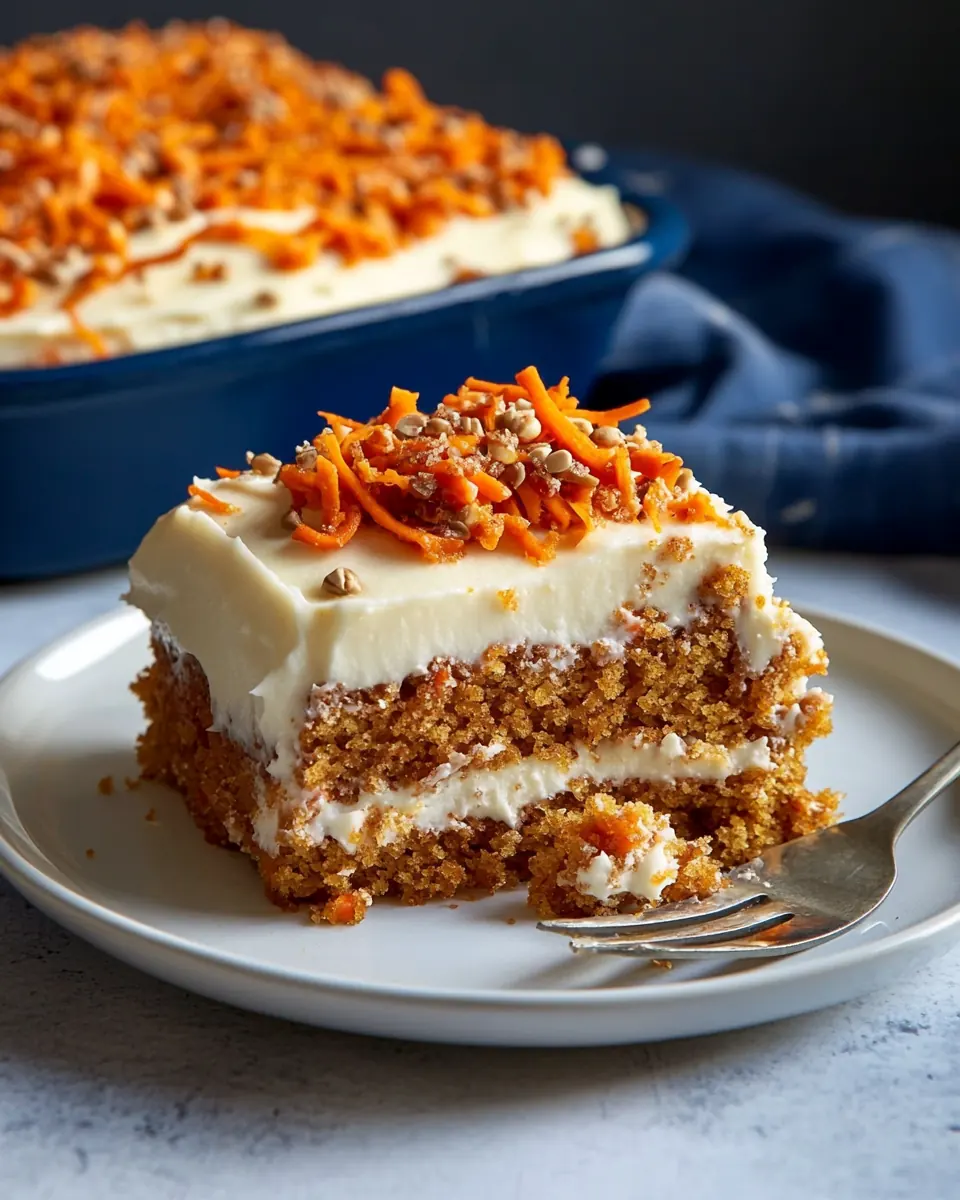
These ingredients combine to create a cake that is spiced, tender, and balanced. The star players are the shredded carrots, which provide moisture and texture, and the blend of warm spices that give the cake its signature aroma. The frosting team, led by cream cheese and butter, brings tang and creaminess to complement the sweet, spiced crumb.
- 2 2/3 cups all-purpose flour (335 g): Provide structure and bulk to the cake; sifts to a tender crumb and balances moisture when combined with liquids. Measure accurately by spooning into the cup and leveling for consistent texture across batches. Works with leaveners to create the cake's rise and final density.
- 1 1/2 teaspoons baking powder: Leavens the batter by releasing carbon dioxide when heated; supports rise along with baking soda for proper lift. Use measured amount to avoid metallic or soapy aftertastes in the finished cake. Helps create a light, airy crumb when evenly distributed.
- 1 1/2 teaspoons baking soda: Reacts with acidic components to produce lift and neutralize acidity; complements baking powder to control texture. Ensure even distribution by sifting with dry ingredients to prevent uneven pockets of flavor. Critical for achieving a tender, well-risen crumb.
- 1 teaspoon salt: Enhances and balances flavor while strengthening gluten network slightly; controls overall seasoning and sweetness perception. Dissolve into dry ingredients for uniformity and to temper chemical reactions in the batter. Moderates the taste profile when combined with spices and sugar.
- 1 1/2 teaspoons cinnamon: Provides warm, aromatic spice character and depth; complements the carrots and other spices for classic carrot cake flavor. Use measured amounts to avoid overpowering the batter and to maintain balance with nutmeg and all-spice. Pairs well with citrus and nuts in the recipe.
- 1 teaspoon nutmeg: Adds warm, slightly sweet and nutmeg-like aromatic notes; works in concert with cinnamon to build the cake's spice profile. Use sparingly as it is potent, and incorporate with dry ingredients for even flavor distribution. Enhances the cake's traditional spice complexity.
- 1/2 teaspoon all-spice: Contributes a rich, slightly clove-like and peppery warmth to the spice blend; balances sweetness and rounds out the flavor. Add with other spices to create a harmonious aroma without overwhelming the cake. Useful in small amounts for nuanced complexity.
- 4 cups carrots, shredded – roughly 6-8 (500 g): Provides natural sweetness, moisture, and texture with body from shredded fibers; defines the cake's primary character and moisture content. Grate or shred uniformly to ensure even distribution and consistent moisture release during baking. Fresh carrots also contribute color and subtle vegetal flavor.
- 1/4 cup lemon juice (50 mL): Adds bright acidity and a subtle citrus lift that balances sweetness and enriches flavor layers; helps brighten the cake's overall profile. Measure and mix into wet ingredients to integrate evenly and avoid curdling eggs. Complements the cream cheese frosting when combined with lemon juice.
- 2 cups granulated sugar (400 g): Sweetens and helps tenderize the crumb by interacting with fats and liquids; also promotes browning and moisture retention in the cake. Dissolve into wet ingredients to ensure even sweetness and avoid graininess. Adjustments will affect texture and shelf life.
- 1 1/4 cups flavorless oil (such as canola or vegetable), 300 mL: Provides moistening fat without dairy, contributing to tenderness and extended freshness; neutral-flavored oils allow other flavors to shine. Measure carefully and incorporate with sugar to emulsify, ensuring a cohesive batter. Helps create a moist, dense cake crumb typical of carrot cake.
- 4 eggs: Adds richness, structure, and aeration when beaten into the batter; contributes to leavening and binding of ingredients. Bring to room temperature for better incorporation and avoid overbeating to maintain tenderness. Eggs also add protein that stabilizes the cake.
- 1 1/2 teaspoons vanilla extract: Imparts aromatic sweetness and rounds out the flavor profile; small amount boosts the perceived richness of the batter. Add to wet ingredients for even distribution and to complement vanilla in the frosting. Use pure extract for best flavor clarity.
- 1 cup walnuts or pecans, chopped, (130 g): Contributes crunch, toasty flavor, and textural contrast; enriches the cake with nutty oils and complexity. Chop uniformly and fold in near the end of mixing to maintain texture and avoid releasing too much oil. Toast lightly if a deeper nutty flavor is desired.
- other add-ins, 1 cup of chocolate chips, raisins, 1/2 cup flaked coconut (optional): Provides optional textural and flavor variety such as chocolatey sweetness, chewiness, or tropical coconut notes; allows customization of the cake. Add in measured amounts and fold in last to preserve individual textures and prevent sinking. Choose one or a combination according to preference.
- 1/2 cup butter, softened: Provides creamy fat and richness for the frosting base; softened temperature ensures smooth, lump-free mixing. Beat until light and fluffy to create a stable emulsion with cream cheese and sugar. Impacts mouthfeel and spreadability of the frosting.
- 8 ounces cream cheese at room temp: Delivers tangy richness and a silky base for cream cheese frosting; room temperature ensures smooth blending without lumps. Whip with butter and powdered sugar to achieve a balanced, creamy frosting that complements the sweet cake. Offers slight acidity to balance sweetness.
- 3 3/4 cups powdered sugar: Sweetens and stabilizes the frosting while contributing smooth texture and structure when sifted; determines final sweetness level. Add gradually to achieve desired consistency and to avoid a gritty texture. Works with citrus and vanilla to create a balanced frosting.
- 1 lemon juiced, (about 2 tbsp): Adds bright acidity and fresh citrus aroma to the frosting; balances the sweetness of powdered sugar for a fresher finish. Juice and strain to remove seeds and pulp for a smooth frosting if desired. Small amounts can dramatically lift the flavor profile.
- 1 teaspoon vanilla extract: Provides additional aromatic sweetness and a warm, familiar background note in the frosting; complements lemon and cream cheese flavors. Add to the frosting toward the end of mixing for best aroma retention. Helps round and unify the flavor of the frosting.
- 1/2 cup walnuts or pecans, chopped: Offers crunchy garnish and textural contrast when sprinkled on top or folded into the frosting; complements the cake's flavors with nutty depth. Chop and toast lightly to intensify flavor and prevent sogginess when stored. Use as decorative accent or mixed-in element depending on preference.
Making Carrot Cake
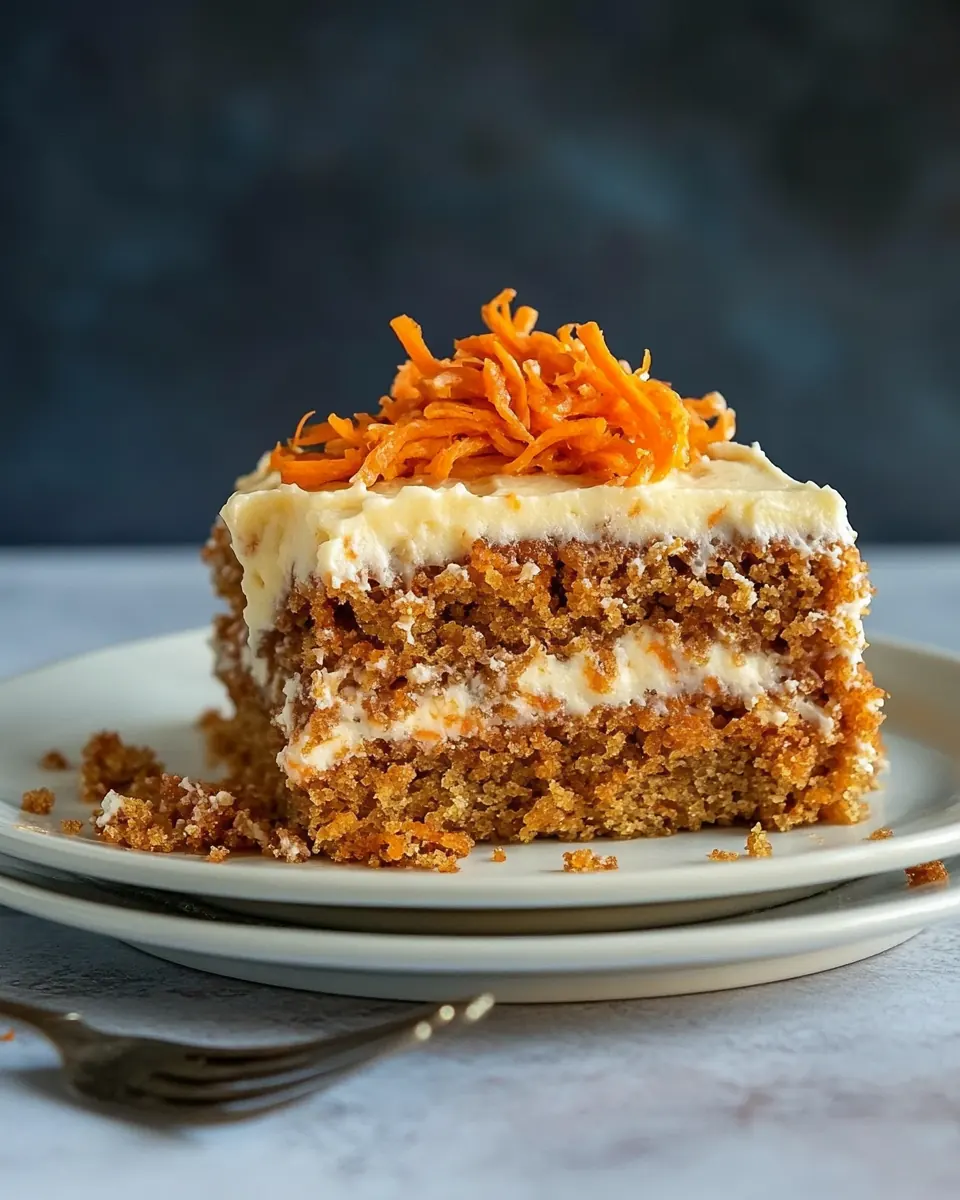
This cake bakes with reassuring signals if you know where to look. The methods below walk you through combining dry and wet components, folding in the shredded carrots, and finishing with a tangy cream cheese frosting that holds its shape. Watch for aroma, color, and texture cues as you go.
- FOR THE CAKE:: : The oven will announce itself with warmth and a faint sweet baking scent as it comes to temperature, creating an even environment for rise and color development. Pay attention to the set of the oven rack so heat circulates around the pan, ensuring the top browns without burning. A common mistake is placing the pan too close to the top element which causes uneven doming. If your oven runs hot, rotate the pan halfway through the bake to promote even coloring; you should smell cinnamon and a toasty sweetness emergin during the last third of baking.
- Preheat the oven to 350 F, grease a 9 x 13 inch pan with butter and dust with flour. Do not skip this step! You can alternatively use three 9 inch pans.: As the oven warms, prepare the pan carefully so the cake releases cleanly when cool. Greasing and flouring creates a thin barrier between batter and pan, promoting even edges and a smooth base. If you skip flouring, the edges may stick and tear when inverted. I press a thin layer of butter across the base and sides, then tap in a spoonful of flour and shake to coat; this also reduces uneven browning at the margins.
- In a small bowl, stir together the dry ingredients (flour, baking powder, baking soda, salt, cinnamon, nutmeg and allspice) and set aside.: As you whisk, inhale the warm spice aroma that will form the cake's character. Combining these dry elements beforehand ensures even distribution of leaveners and spices, preventing pockets of baking soda or salt. Sift or whisk until uniform, and break up any clumps of powdered spices. A common error is adding wet ingredients too soon, which can lead to uneven rise; reserve this bowl until you are ready to fold.
- In another bowl, toss the carrots with the lemon juice and set aside.: The acid brightens the carrots and prevents discoloration while adding subtle lift to the flavor. Tossing also distributes moisture so the shreds integrate smoothly into the batter. If the carrots are overly wet, gently press a handful in a towel to remove excess liquid, since too much moisture can lengthen baking time. You should see glossy orange shreds that smell fresh and citrus edged.
- In a large bowl, blend the sugar, oil, vanilla and eggs until smooth.: When these are combined, the mixture should look glossy and slightly thickened, with a sweet, neutral aroma from the oil and a warm vanilla scent. This emulsification step traps air, which contributes to rise, and dissolves sugar for tenderness. A frequent misstep is using cold eggs, which can prevent proper emulsion; bring them to room temperature for a silkier batter.
- Add the flour mixture, stirring just to combine.: As you fold, stop when streaks of flour disappear to avoid gluten overdevelopment, which would make the cake tough. You will notice the batter shift from loose to slightly thicker, with a pale, speckled appearance from the spices. If it feels gummy, you likely overmixed, which flattens the texture; be gentle and patient when incorporating.
- Fold in the carrot mixture and nuts. The nuts are optional, but I highly recommend adding them!: Gentle folding preserves air and ensures the shredded carrots remain suspended rather than sinking. The batter should look flecked with orange and nutty pieces, and you should smell the citrus and warm spices together. A common problem is pressing the carrots too firmly into the batter creating clumps; use a rubber spatula and use enveloping motions until distributed.
- Pour the mixture into the prepared pan and bake for 45-60 minutes (if baking multiple layers, the baking time will need to be adjusted accordingly), or until a toothpick inserted comes out clean. Cool completely before frosting.: The oven will transform the batter into a golden, spiced loaf, with a domed, lightly crackled top. Insert a toothpick to check for moist crumbs which indicates doneness. Underbaking yields a dense, wet center, while overbaking leads to dryness. Let the cake cool fully so the crumb sets; frosting too soon will cause sliding and a runny finish.
- TO MAKE THE FROSTING:: : The frosting comes together quickly, and sensory signs like glossy texture and a tangy aroma guide you. Mix at medium speed and watch for the mixture to thicken without becoming soupy. Overbeating can make it too loose, while underbeating leaves it grainy.
- To make the frosting, blend together the butter, cream cheese, vanilla and lemon juice.: At this stage the room should smell bright and buttery, with the faint tartness from lemon. Blend until smooth and homogenous, taking care not to let the bowl warm excessively which can cause the frosting to be too soft. A common slip is using cold cream cheese which yields lumps; ensure both butter and cream cheese are room temperature.
- Gradually add in the powdered sugar and beat until smooth and fluffy. The frosting should hold a soft peak when you lift up the whisk/beater.: Adding powdered sugar slowly prevents a cloud of dust and lets you control consistency. The frosting should feel silky and just thick enough to spread, with a clean lemon perfume. If it becomes too thin, chill briefly; if too stiff, beat in a teaspoon of lemon juice or a touch of milk. Do not add all the sugar at once which can make mixing difficult and create lumps.
- I like to garnish the cake with some cinnamon and chopped nuts, but this is totally optional.: Garnishing adds visual texture and a final flavor note, with toasted nuts giving a crunchy contrast to the soft frosting. Sprinkle thoughtfully so each slice gets a bit of crunch. Toasting nuts too long is the main danger, which makes them bitter; aim for a light golden color and fragrant aroma.
Making Adjustments
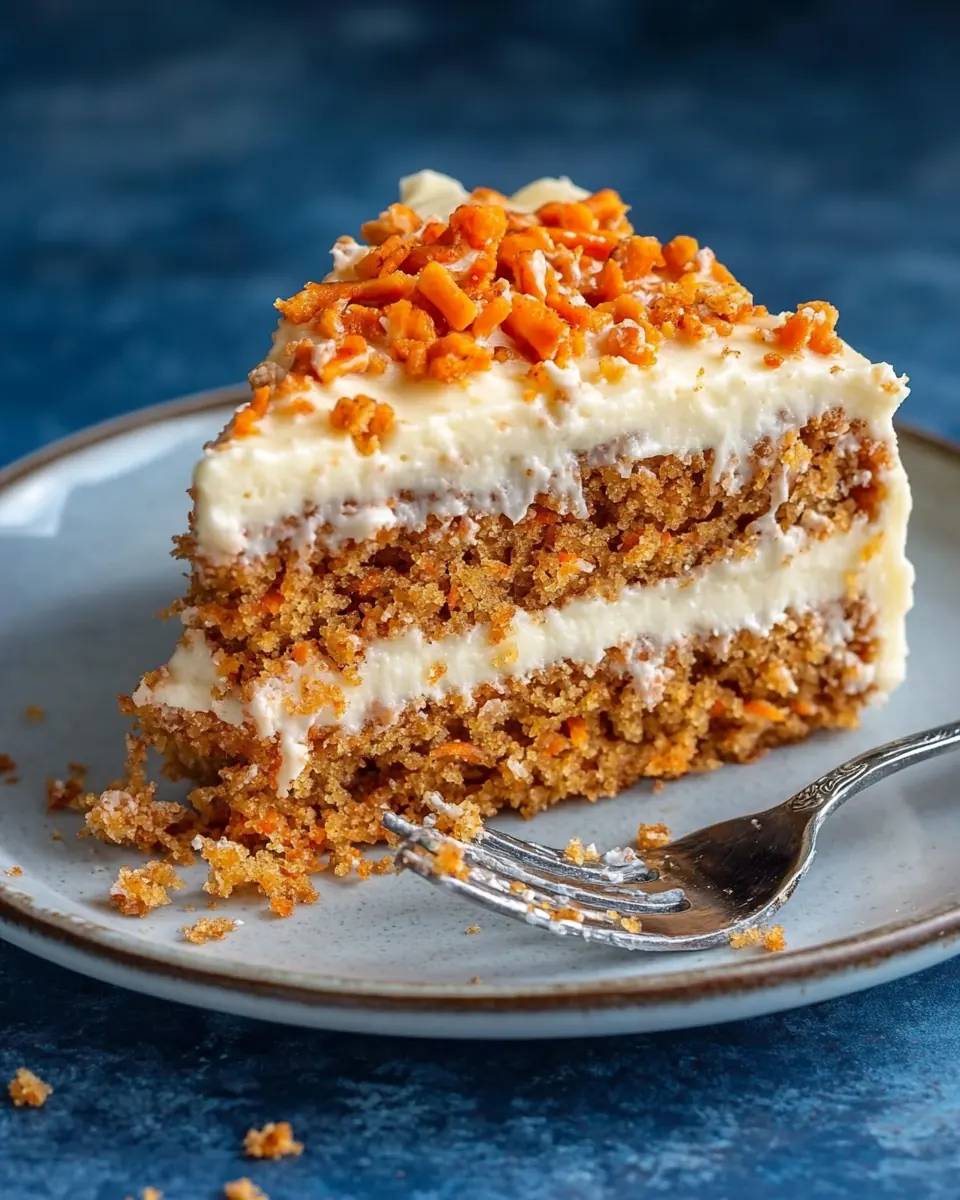
Small changes can make a big difference with Carrot Cake. Below are practical adjustments I use often, whether I am adapting to dietary needs or simply changing the presentation. Each item highlights an easy tweak and why it works.
- Reduce sugar slightly: Trim the granulated sugar by up to 10 percent if you prefer a less sweet crumb; the spices and lemon still shine, though browning may be a touch lighter.
- Nut free option: Omit the walnuts or pecans for nut free needs and add an equal volume of extra shredded carrots or toasted oats for texture.
- Make it layered: Divide the batter into three 9 inch pans for a dramatic, tall cake; baking time will be shorter per layer, so watch for a clean toothpick.
- Frosting consistency: If the frosting feels loose, chill it briefly to firm up; if too stiff, beat in a teaspoon of lemon juice to soften without watering down flavor.
- Toast the nuts: Lightly toast walnuts or pecans in a dry skillet to intensify their flavor before chopping and folding into the batter or sprinkling on top.
- Storage: Store slices airtight in the fridge for up to five days, or freeze individual slices wrapped tightly for longer keeping.
What Goes Well With This Carrot Cake
Carrot Cake pairs beautifully with beverages and light sides that echo its warm spice and citrus notes. Consider the occasion and serving style when choosing accompaniments, and offer contrasts in texture to balance the soft cake. Below are ideas for pairings, occasions, and storage to help you present it with confidence.
- Afternoon coffee or tea service: Pair slices with strong coffee or a spiced black tea to play off the cinnamon and nutmeg, making a cozy pairing for casual gatherings.
- Holiday table: Serve as a centerpiece dessert on Easter or family gatherings, where the cake’s spiced profile complements spring produce and celebratory mains.
- Brunch offering: Present small slices alongside fruit salad or yogurt, offering a sweet, spiced option among savory brunch plates.
- Presentation style: For an elegant look, stack layers with a thin crumb coat of frosting and finish by piping a decorative border and scattering chopped nuts on top.
- Storage tips: Keep in an airtight container in the refrigerator for up to five days; to freeze, wrap individual slices tightly in plastic and foil, and thaw in the fridge overnight before serving.
- Seasonal pairing: This cake shines in cooler months thanks to its warming spices, but the lemon in the frosting makes it fresh enough for springtime celebrations.
FAQ
Conclusion
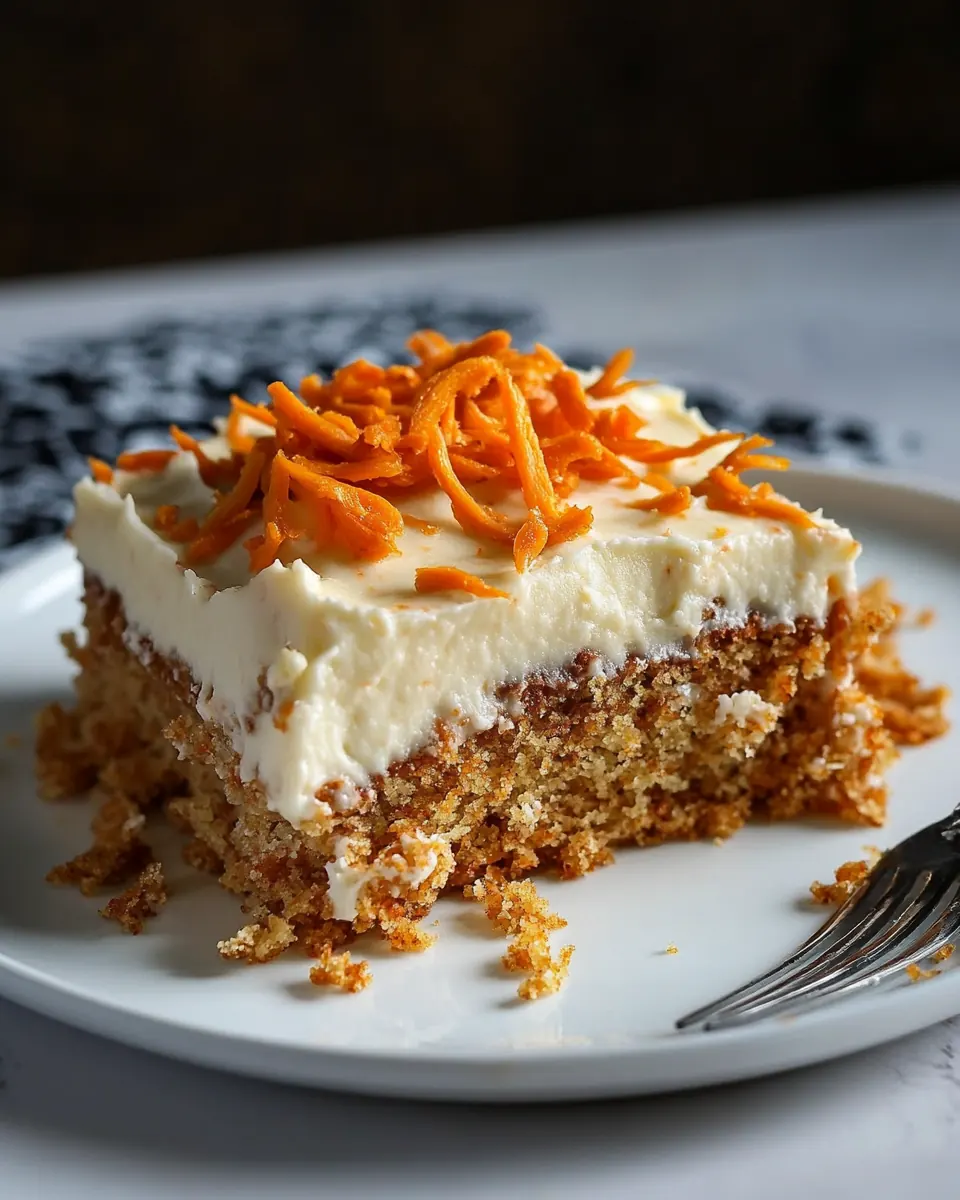
Carrot Cake stands out for its comforting spice profile, moist crumb, and the bright contrast of a tangy cream cheese frosting. It is approachable enough for weekday baking yet impressive on a holiday table, carrying both nostalgia and crowd pleasing appeal. Try this recipe when you want a reliable dessert that rewards small efforts with big flavor. Share a slice with friends and notice how it invites conversation and seconds, making it a recipe worth keeping in your regular rotation.
Carrot Cake
Ingredients
Equipment
Method
- FOR THE CAKE:: : The oven will announce itself with warmth and a faint sweet baking scent as it comes to temperature, creating an even environment for rise and color development. Pay attention to the set of the oven rack so heat circulates around the pan, ensuring the top browns without burning. A common mistake is placing the pan too close to the top element which causes uneven doming. If your oven runs hot, rotate the pan halfway through the bake to promote even coloring; you should smell cinnamon and a toasty sweetness emergin during the last third of baking.
- Preheat the oven to 350 F, grease a 9 x 13 inch pan with butter and dust with flour. Do not skip this step! You can alternatively use three 9 inch pans.: As the oven warms, prepare the pan carefully so the cake releases cleanly when cool. Greasing and flouring creates a thin barrier between batter and pan, promoting even edges and a smooth base. If you skip flouring, the edges may stick and tear when inverted. I press a thin layer of butter across the base and sides, then tap in a spoonful of flour and shake to coat; this also reduces uneven browning at the margins.
- In a small bowl, stir together the dry ingredients (flour, baking powder, baking soda, salt, cinnamon, nutmeg and allspice) and set aside.: As you whisk, inhale the warm spice aroma that will form the cake's character. Combining these dry elements beforehand ensures even distribution of leaveners and spices, preventing pockets of baking soda or salt. Sift or whisk until uniform, and break up any clumps of powdered spices. A common error is adding wet ingredients too soon, which can lead to uneven rise; reserve this bowl until you are ready to fold.
- In another bowl, toss the carrots with the lemon juice and set aside.: The acid brightens the carrots and prevents discoloration while adding subtle lift to the flavor. Tossing also distributes moisture so the shreds integrate smoothly into the batter. If the carrots are overly wet, gently press a handful in a towel to remove excess liquid, since too much moisture can lengthen baking time. You should see glossy orange shreds that smell fresh and citrus edged.
- In a large bowl, blend the sugar, oil, vanilla and eggs until smooth.: When these are combined, the mixture should look glossy and slightly thickened, with a sweet, neutral aroma from the oil and a warm vanilla scent. This emulsification step traps air, which contributes to rise, and dissolves sugar for tenderness. A frequent misstep is using cold eggs, which can prevent proper emulsion; bring them to room temperature for a silkier batter.
- Add the flour mixture, stirring just to combine.: As you fold, stop when streaks of flour disappear to avoid gluten overdevelopment, which would make the cake tough. You will notice the batter shift from loose to slightly thicker, with a pale, speckled appearance from the spices. If it feels gummy, you likely overmixed, which flattens the texture; be gentle and patient when incorporating.
- Fold in the carrot mixture and nuts. The nuts are optional, but I highly recommend adding them!: Gentle folding preserves air and ensures the shredded carrots remain suspended rather than sinking. The batter should look flecked with orange and nutty pieces, and you should smell the citrus and warm spices together. A common problem is pressing the carrots too firmly into the batter creating clumps; use a rubber spatula and use enveloping motions until distributed.
- Pour the mixture into the prepared pan and bake for 45-60 minutes (if baking multiple layers, the baking time will need to be adjusted accordingly), or until a toothpick inserted comes out clean. Cool completely before frosting.: The oven will transform the batter into a golden, spiced loaf, with a domed, lightly crackled top. Insert a toothpick to check for moist crumbs which indicates doneness. Underbaking yields a dense, wet center, while overbaking leads to dryness. Let the cake cool fully so the crumb sets; frosting too soon will cause sliding and a runny finish.
- TO MAKE THE FROSTING:: : The frosting comes together quickly, and sensory signs like glossy texture and a tangy aroma guide you. Mix at medium speed and watch for the mixture to thicken without becoming soupy. Overbeating can make it too loose, while underbeating leaves it grainy.
- To make the frosting, blend together the butter, cream cheese, vanilla and lemon juice.: At this stage the room should smell bright and buttery, with the faint tartness from lemon. Blend until smooth and homogenous, taking care not to let the bowl warm excessively which can cause the frosting to be too soft. A common slip is using cold cream cheese which yields lumps; ensure both butter and cream cheese are room temperature.
- Gradually add in the powdered sugar and beat until smooth and fluffy. The frosting should hold a soft peak when you lift up the whisk/beater.: Adding powdered sugar slowly prevents a cloud of dust and lets you control consistency. The frosting should feel silky and just thick enough to spread, with a clean lemon perfume. If it becomes too thin, chill briefly; if too stiff, beat in a teaspoon of lemon juice or a touch of milk. Do not add all the sugar at once which can make mixing difficult and create lumps.
- I like to garnish the cake with some cinnamon and chopped nuts, but this is totally optional.: Garnishing adds visual texture and a final flavor note, with toasted nuts giving a crunchy contrast to the soft frosting. Sprinkle thoughtfully so each slice gets a bit of crunch. Toasting nuts too long is the main danger, which makes them bitter; aim for a light golden color and fragrant aroma.
Notes
- Reduce sugar slightly: Trim the granulated sugar by up to 10 percent if you prefer a less sweet crumb; the spices and lemon still shine, though browning may be a touch lighter.
- Nut free option: Omit the walnuts or pecans for nut free needs and add an equal volume of extra shredded carrots or toasted oats for texture.
- Make it layered: Divide the batter into three 9 inch pans for a dramatic, tall cake; baking time will be shorter per layer, so watch for a clean toothpick.
- Frosting consistency: If the frosting feels loose, chill it briefly to firm up; if too stiff, beat in a teaspoon of lemon juice to soften without watering down flavor.
- Toast the nuts: Lightly toast walnuts or pecans in a dry skillet to intensify their flavor before chopping and folding into the batter or sprinkling on top.
- Storage: Store slices airtight in the fridge for up to five days, or freeze individual slices wrapped tightly for longer keeping.