Roasted Brussels Sprouts
Roasted Brussels Sprouts felt like a simple victory the first time I tucked a pan of them into a hot oven and walked away while they transformed. I remember a chilly evening in fall when I was craving something warm, crisp, and honest, and these little green cabbages answered the call. I love how a few pantry staples and heat turn humble brussels sprouts into something caramelized, bright, and slightly nutty, the edges crisping while the interiors stay tender. That contrast hooked me instantly.
That night I wasn’t aiming for perfection, I was aiming for comfort, and the pan delivered. The scent that filled the kitchen as they roasted was the sort that makes you pause, fork in hand, and forgive any other cooking missteps of the day. Over time I refined the method to highlight the sprouts’ natural sweetness and to coax out toasty browned bits, which are everything when you want texture. When friends come over I often serve Roasted Brussels Sprouts straight from the oven, and it has become one of those dishes people ask about again and again.
Recipe Snapshot
45 mins
15 mins
30 mins
Medium
150 kcal
American
Keto, Paleo
Side Dishes
Oven, Baking sheet, Mixing bowl, Knife
What We Adore About This Roasted Brussels Sprouts
Perfect caramelization with minimal effort
I love that Roasted Brussels Sprouts reward you for patience rather than fuss. Once you get the oven hot and the sprouts spaced on the sheet, the heat does the heavy lifting. Caramelized edges and tender centers are the payoff, and those browned bits taste like pure comfort.
Simple ingredients, bold results
I appreciate recipes that let a single vegetable shine. With just brussels sprouts, olive oil, salt, and pepper, this dish offers layered flavor. The oil helps conduct heat and promotes browning, while the seasoning sharpens the natural vegetal sweetness.
Flexible for weeknights or entertaining
We use this dish when we need a reliable side that travels well from kitchen to table. It pairs easily with roasted mains and can be scaled up without losing quality, which makes it a go to for both intimate dinners and larger gatherings.
Textural contrast that wins over skeptics
Many people think they don’t like brussels sprouts until they taste them roasted. The crisp outer edges and tender cores convert even wary eaters, and that satisfying crunch is one of the recipe’s main charms.
Low fuss, high satisfaction
I return to this recipe when time is short but standards are high. You don’t need special equipment, just attention to spacing and doneness, to get consistently excellent results. That reliability is why I keep this in my regular rotation.
Ingredient List for Roasted Brussels Sprouts
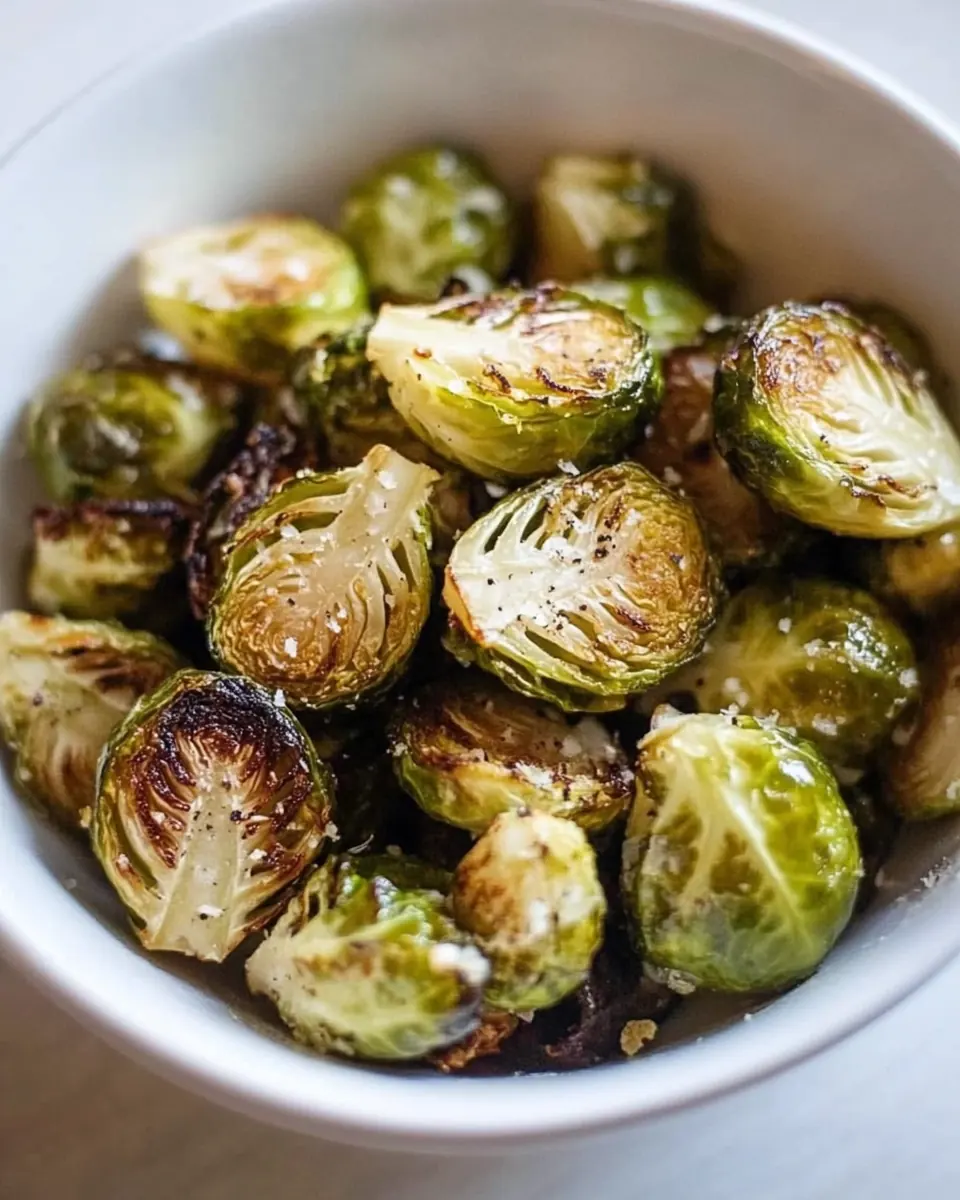
These ingredients reflect a philosophy of minimalism and purpose. Each item plays a distinct role: the brussels sprouts are the star, the olive oil carries heat and encourages browning, while salt and pepper sharpen and balance the natural sweetness. Together they create a dish where technique matters more than complexity, highlighting the vegetable’s best attributes.
- 1 pound brussels sprouts: Trimmed and halved to reduce cooking time and promote even caramelization; yields tender interior and crisp outer leaves when roasted at high heat. Provides a slightly nutty, earthy base flavor that pairs well with savory seasonings and finishing acids. Visual contrast and texture come from browning edges created by direct contact with a hot pan or baking sheet.
- 3 tablespoons olive oil or avocado oil: Used to coat sprouts evenly and facilitate Maillard browning; helps transfer heat for crisp, golden surfaces while preventing sticking. Offers subtle fruity richness that enhances the sprouts' natural flavors without overpowering them. Select oil with a high smoke point for best roasting performance and stable flavor.
- salt and pepper to taste: Seasoned to taste to enhance and balance natural flavors; brings out sweetness from caramelization and brightens bitterness. Salt helps draw out moisture for better browning while pepper adds mild heat and aromatic complexity. Applied before and/or after roasting to achieve preferred seasoning level and final flavor balance.
Recipe Steps for Roasted Brussels Sprouts
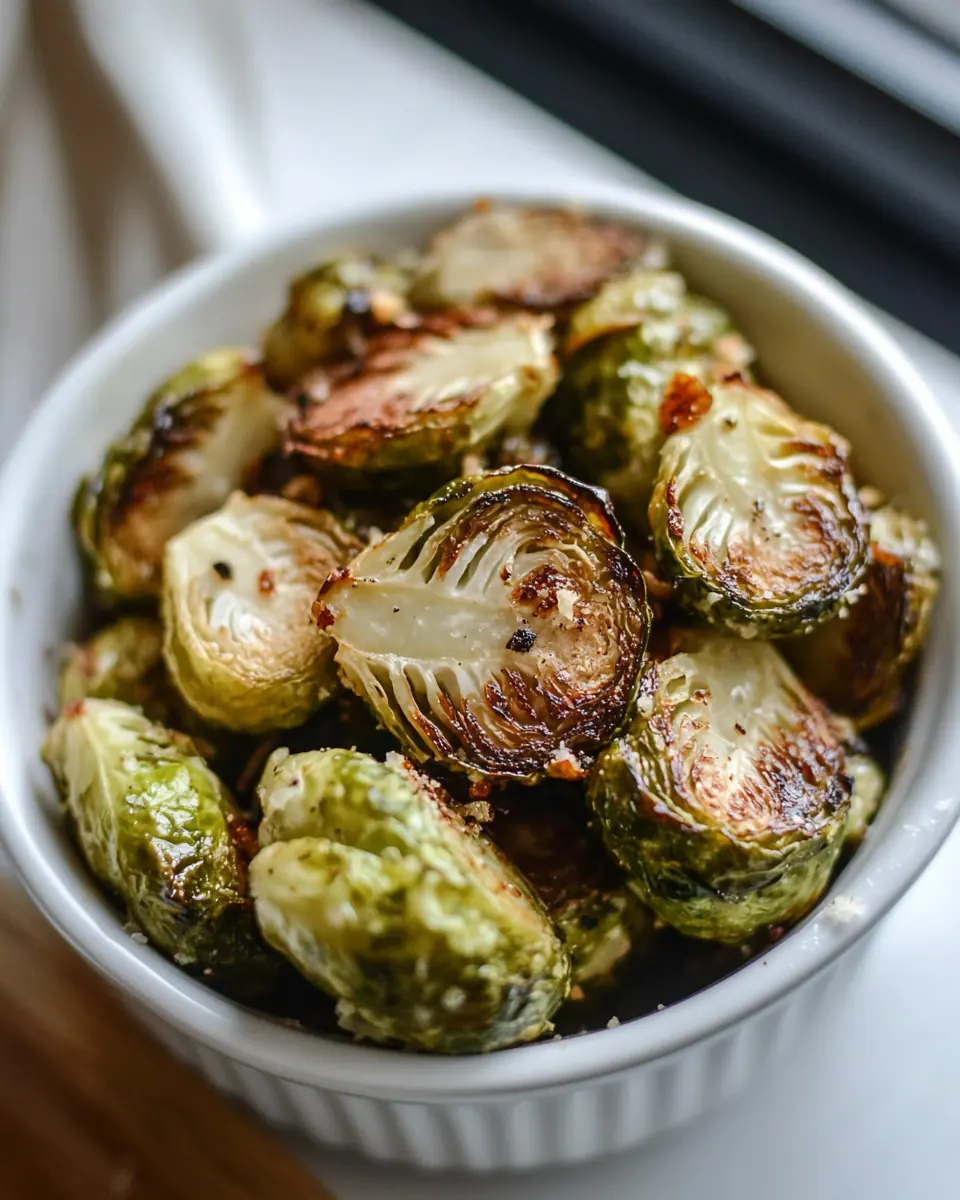
These steps guide you from prep to a perfectly roasted pan. Take your time with the initial trim and spacing, because those small details make a big difference in texture and flavor. I’ll walk you through sensory cues so you know when each step is done correctly.
- Preheat oven to 425 degrees.: Right away you will notice warmth filling the kitchen as the oven approaches temperature, which matters because a hot environment jumpstarts browning. You want the oven fully up to heat so the sprouts sizzle when they hit the sheet, that initial sear is critical to create crisp edges. A common mistake is underestimating preheat time, which leads to steaming rather than roasting. If your oven runs cool, allow an extra 5 to 10 minutes and consider using an oven thermometer to confirm the set point.
- Wash brussels sprouts, peel outer (dirty) leaves and trim bottoms. Discard these extra leaves and pieces. Halve clean brussels sprouts and place onto a baking sheet.: As you rinse, you should see soil or discoloration rinse away, and removing loose outer leaves makes for cleaner caramelization. Trimming the woody stem end helps the halves sit flat, which improves contact with the pan. A misstep here is leaving too much stem or overcrowding with torn leaves, which can create uneven cooking. Keep a small bowl for discarded bits to keep your workspace tidy.
- Drizzle with olive oil and sprinkle with salt and pepper. Toss to coat thoroughly and turn all pieces to be cut side down.: The tossed leaves will brown quickly and become delightful little crisps if left on the tray, but thicker torn segments may burn or char undesirably. Sorting as you prep ensures uniform pieces go on the baking sheet. One trap is throwing everything on at once; take a moment to separate very small fragments that might overcook, otherwise you may end up with some burnt specks.
- Bake 20-25 minutes, or until brown and tender to your liking. (I turn mine after 20 minutes and bake another 5-10.): When you halve the sprouts, notice the exposed cut surface, it should be flat so each piece sits cut side down, maximizing the surface that contacts the hot pan. This positioning enhances caramelization and creates contrast between crisp edges and tender centers. If pieces are different sizes, try to space similarly sized pieces together to ensure even doneness, as varying sizes can leave some undercooked while others are overdone.
- Drizzle with olive oil and sprinkle with salt and pepper.: As you drizzle, you want an even sheen that glistens across the sprouts, not puddles of oil. Tossing helps distribute seasoning and oil so every leaf can brown. The oil’s role is to encourage Maillard browning, which produces that irresistible roasted flavor. Overoiling causes sogginess and under oiling leads to dry, uneven browning, so aim for a light, uniform coating.
- Toss to coat thoroughly and turn all pieces to be cut side down.: Tossing should be vigorous enough to distribute oil and seasoning, and arranging cut sides down ensures direct contact with the hot sheet, leading to deep color development. When pieces sizzle on the pan, you will hear a subtle popping and smell a rich toasty aroma emerging. A frequent error is bunching pieces together; leave space so hot oven air can circulate, otherwise parts will steam instead of roast.
- Bake 20 to 25 minutes, or until brown and tender to your liking.: During baking you will detect increasing aroma as sugars caramelize and edges deepen to golden brown or darker depending on preference. The interior should be fork tender but not mushy, giving a pleasant bite. It is easy to underbake and end up with a firm center, so check at 20 minutes and continue in short intervals until you reach the texture you prefer. Use a spatula to inspect the underside for deep color, that is the best visual cue.
- I turn mine after 20 minutes and bake another 5 to 10.: Turning helps expose different surfaces to heat, creating even browning and those coveted crispy bits on multiple sides. After turning you should see sizzling resume and more aroma release, and the final minutes concentrate flavor. Avoid turning too frequently, which interrupts the caramelization process, or else you may prevent the development of a consistent crust. Trust the color and texture cues to guide your timing rather than a strict clock.
Recipe Variations about Roasted Brussels Sprouts
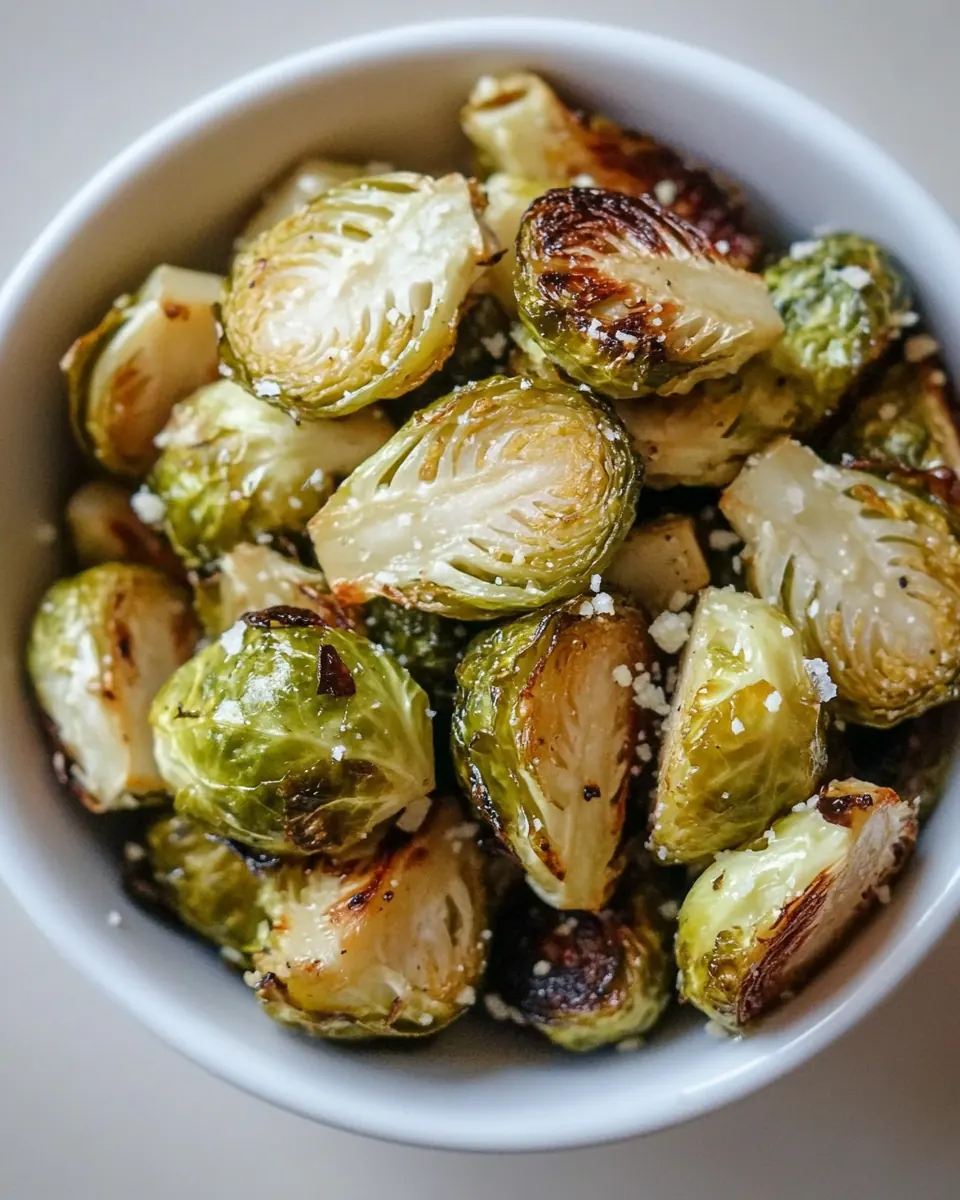
There are small, effective ways to shift the flavor profile while keeping the core technique the same. Below are ideas you can use to add brightness, depth, and textural contrast without complicating the recipe.
- Add a finishing acid: After roasting, a quick squeeze of fresh lemon juice or a light drizzle of vinegar can lift the flavor and balance the caramelized richness.
- Toss with a crunchy element: Sprinkle toasted nuts or seeds after baking to introduce a nutty crunch that contrasts the tender centers.
- Boost with umami: A light dusting of grated hard, savory cheese or a tiny splash of soy based seasoning after roasting can deepen the flavor profile.
- Make them spicy: Add a pinch of crushed red pepper flakes or a shake of ground black pepper before roasting to introduce gentle heat that pairs well with the sprouts sweetness.
- Serve warm or at room temperature: These sprouts keep their appeal after resting, so you can make them ahead and let them come to room temperature for events.
Great Combinations for Roasted Brussels Sprouts
These serving ideas and pairings help you incorporate Roasted Brussels Sprouts into meals for many occasions, from simple weeknight dinners to holiday spreads. They also include storage and reheating notes so leftovers remain enjoyable.
- Weeknight dinner companion: Pair the sprouts with roasted chicken or a grain bowl for a balanced plate that is both hearty and bright.
- Holiday side dish: Bring them to a Thanksgiving or fall table where their caramelized notes complement richer mains and starchy sides.
- Lunch addition: Toss cooled sprouts into salads or grain bowls to add warm, toasty flavor and satisfying texture to midday meals.
- Storage tip: Store leftovers in an airtight container in the refrigerator for up to three to four days, then reheat in a hot oven to revive crisp edges.
- Seasonal pairing: Embrace autumn produce like roasted squash or apples alongside the sprouts to echo earthy, sweet notes of the season.
FAQ
Conclusion
Roasted Brussels Sprouts stand out because they transform a humble ingredient into a textured, flavorful side with minimal effort. Give them a try this week, and you may find they become a regular part of your cooking rotation. Whether you are feeding a family or hosting friends, this dish offers dependable results and the kind of comforting, toasty flavors that make people ask for seconds.
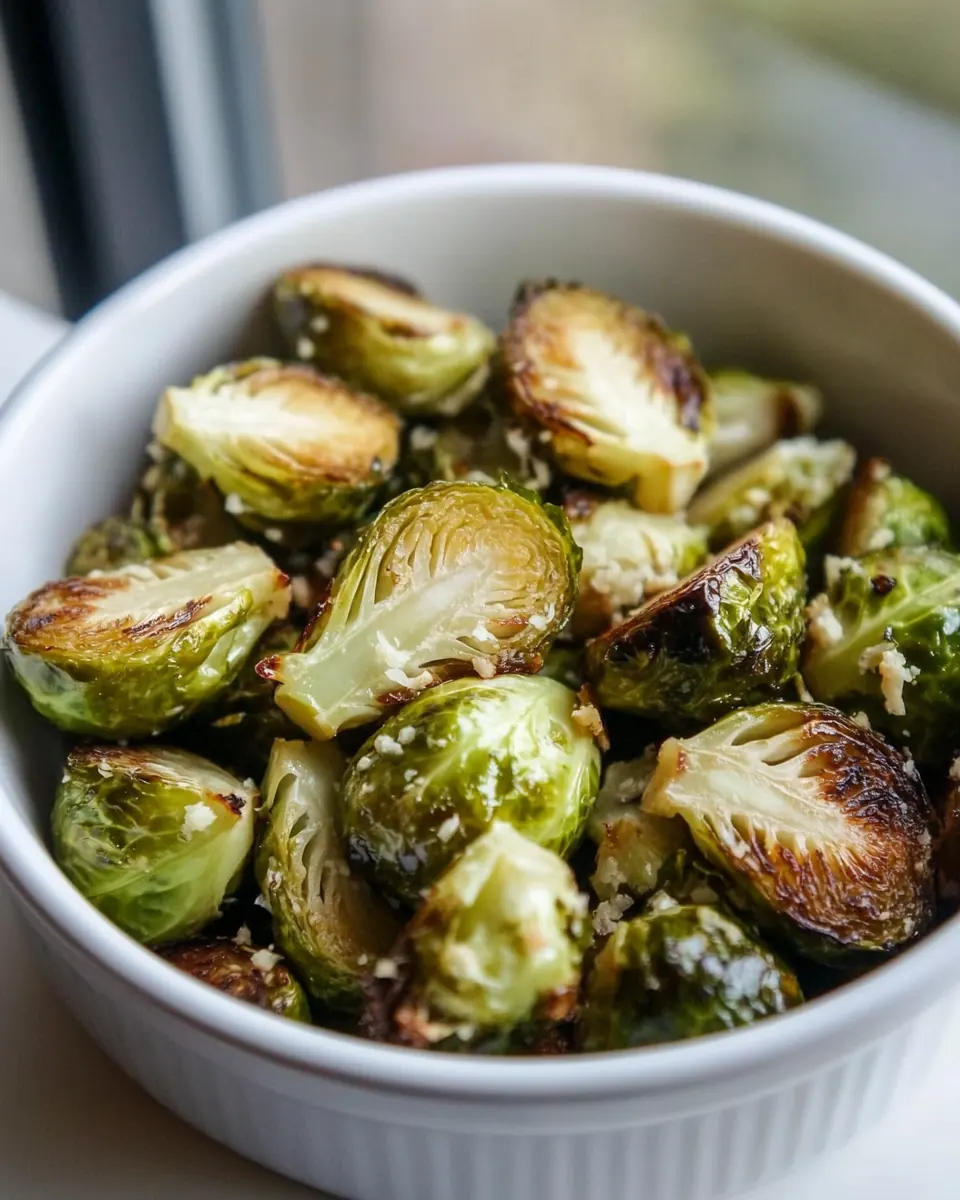
Roasted Brussels Sprouts
Ingredients
Equipment
Method
- Preheat oven to 425 degrees.: Right away you will notice warmth filling the kitchen as the oven approaches temperature, which matters because a hot environment jumpstarts browning. You want the oven fully up to heat so the sprouts sizzle when they hit the sheet, that initial sear is critical to create crisp edges. A common mistake is underestimating preheat time, which leads to steaming rather than roasting. If your oven runs cool, allow an extra 5 to 10 minutes and consider using an oven thermometer to confirm the set point.
- Wash brussels sprouts, peel outer (dirty) leaves and trim bottoms. Discard these extra leaves and pieces. Halve clean brussels sprouts and place onto a baking sheet.: As you rinse, you should see soil or discoloration rinse away, and removing loose outer leaves makes for cleaner caramelization. Trimming the woody stem end helps the halves sit flat, which improves contact with the pan. A misstep here is leaving too much stem or overcrowding with torn leaves, which can create uneven cooking. Keep a small bowl for discarded bits to keep your workspace tidy.
- Drizzle with olive oil and sprinkle with salt and pepper. Toss to coat thoroughly and turn all pieces to be cut side down.: The tossed leaves will brown quickly and become delightful little crisps if left on the tray, but thicker torn segments may burn or char undesirably. Sorting as you prep ensures uniform pieces go on the baking sheet. One trap is throwing everything on at once; take a moment to separate very small fragments that might overcook, otherwise you may end up with some burnt specks.
- Bake 20-25 minutes, or until brown and tender to your liking. (I turn mine after 20 minutes and bake another 5-10.): When you halve the sprouts, notice the exposed cut surface, it should be flat so each piece sits cut side down, maximizing the surface that contacts the hot pan. This positioning enhances caramelization and creates contrast between crisp edges and tender centers. If pieces are different sizes, try to space similarly sized pieces together to ensure even doneness, as varying sizes can leave some undercooked while others are overdone.
- Drizzle with olive oil and sprinkle with salt and pepper.: As you drizzle, you want an even sheen that glistens across the sprouts, not puddles of oil. Tossing helps distribute seasoning and oil so every leaf can brown. The oil’s role is to encourage Maillard browning, which produces that irresistible roasted flavor. Overoiling causes sogginess and under oiling leads to dry, uneven browning, so aim for a light, uniform coating.
- Toss to coat thoroughly and turn all pieces to be cut side down.: Tossing should be vigorous enough to distribute oil and seasoning, and arranging cut sides down ensures direct contact with the hot sheet, leading to deep color development. When pieces sizzle on the pan, you will hear a subtle popping and smell a rich toasty aroma emerging. A frequent error is bunching pieces together; leave space so hot oven air can circulate, otherwise parts will steam instead of roast.
- Bake 20 to 25 minutes, or until brown and tender to your liking.: During baking you will detect increasing aroma as sugars caramelize and edges deepen to golden brown or darker depending on preference. The interior should be fork tender but not mushy, giving a pleasant bite. It is easy to underbake and end up with a firm center, so check at 20 minutes and continue in short intervals until you reach the texture you prefer. Use a spatula to inspect the underside for deep color, that is the best visual cue.
- I turn mine after 20 minutes and bake another 5 to 10.: Turning helps expose different surfaces to heat, creating even browning and those coveted crispy bits on multiple sides. After turning you should see sizzling resume and more aroma release, and the final minutes concentrate flavor. Avoid turning too frequently, which interrupts the caramelization process, or else you may prevent the development of a consistent crust. Trust the color and texture cues to guide your timing rather than a strict clock.
Notes
- Add a finishing acid: After roasting, a quick squeeze of fresh lemon juice or a light drizzle of vinegar can lift the flavor and balance the caramelized richness.
- Toss with a crunchy element: Sprinkle toasted nuts or seeds after baking to introduce a nutty crunch that contrasts the tender centers.
- Boost with umami: A light dusting of grated hard, savory cheese or a tiny splash of soy based seasoning after roasting can deepen the flavor profile.
- Make them spicy: Add a pinch of crushed red pepper flakes or a shake of ground black pepper before roasting to introduce gentle heat that pairs well with the sprouts sweetness.
- Serve warm or at room temperature: These sprouts keep their appeal after resting, so you can make them ahead and let them come to room temperature for events.