Preheat oven to 425 degrees.: Right away you will notice warmth filling the kitchen as the oven approaches temperature, which matters because a hot environment jumpstarts browning. You want the oven fully up to heat so the sprouts sizzle when they hit the sheet, that initial sear is critical to create crisp edges. A common mistake is underestimating preheat time, which leads to steaming rather than roasting. If your oven runs cool, allow an extra 5 to 10 minutes and consider using an oven thermometer to confirm the set point.
Wash brussels sprouts, peel outer (dirty) leaves and trim bottoms. Discard these extra leaves and pieces. Halve clean brussels sprouts and place onto a baking sheet.: As you rinse, you should see soil or discoloration rinse away, and removing loose outer leaves makes for cleaner caramelization. Trimming the woody stem end helps the halves sit flat, which improves contact with the pan. A misstep here is leaving too much stem or overcrowding with torn leaves, which can create uneven cooking. Keep a small bowl for discarded bits to keep your workspace tidy.
Drizzle with olive oil and sprinkle with salt and pepper. Toss to coat thoroughly and turn all pieces to be cut side down.: The tossed leaves will brown quickly and become delightful little crisps if left on the tray, but thicker torn segments may burn or char undesirably. Sorting as you prep ensures uniform pieces go on the baking sheet. One trap is throwing everything on at once; take a moment to separate very small fragments that might overcook, otherwise you may end up with some burnt specks.
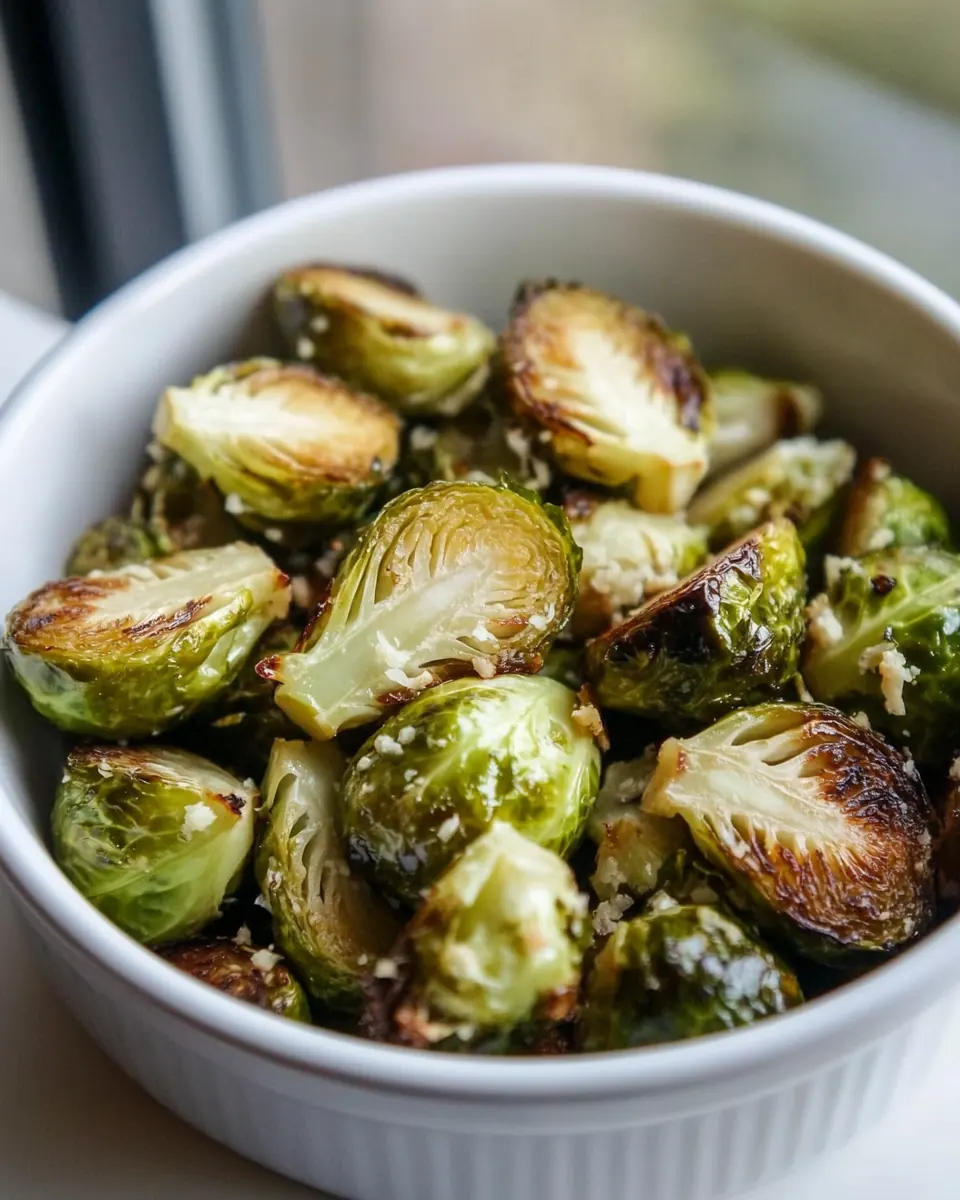
Bake 20-25 minutes, or until brown and tender to your liking. (I turn mine after 20 minutes and bake another 5-10.): When you halve the sprouts, notice the exposed cut surface, it should be flat so each piece sits cut side down, maximizing the surface that contacts the hot pan. This positioning enhances caramelization and creates contrast between crisp edges and tender centers. If pieces are different sizes, try to space similarly sized pieces together to ensure even doneness, as varying sizes can leave some undercooked while others are overdone.
Drizzle with olive oil and sprinkle with salt and pepper.: As you drizzle, you want an even sheen that glistens across the sprouts, not puddles of oil. Tossing helps distribute seasoning and oil so every leaf can brown. The oil’s role is to encourage Maillard browning, which produces that irresistible roasted flavor. Overoiling causes sogginess and under oiling leads to dry, uneven browning, so aim for a light, uniform coating.
Toss to coat thoroughly and turn all pieces to be cut side down.: Tossing should be vigorous enough to distribute oil and seasoning, and arranging cut sides down ensures direct contact with the hot sheet, leading to deep color development. When pieces sizzle on the pan, you will hear a subtle popping and smell a rich toasty aroma emerging. A frequent error is bunching pieces together; leave space so hot oven air can circulate, otherwise parts will steam instead of roast.
Bake 20 to 25 minutes, or until brown and tender to your liking.: During baking you will detect increasing aroma as sugars caramelize and edges deepen to golden brown or darker depending on preference. The interior should be fork tender but not mushy, giving a pleasant bite. It is easy to underbake and end up with a firm center, so check at 20 minutes and continue in short intervals until you reach the texture you prefer. Use a spatula to inspect the underside for deep color, that is the best visual cue.
I turn mine after 20 minutes and bake another 5 to 10.: Turning helps expose different surfaces to heat, creating even browning and those coveted crispy bits on multiple sides. After turning you should see sizzling resume and more aroma release, and the final minutes concentrate flavor. Avoid turning too frequently, which interrupts the caramelization process, or else you may prevent the development of a consistent crust. Trust the color and texture cues to guide your timing rather than a strict clock.