Lemon Poppy Seed Dressing
Lemon Poppy Seed Dressing has been my unexpected weeknight hero for years, a simple jar of brightness that turns a bowl of greens into something memorable.
I first reached for this dressing on a frantic spring evening when the fridge offered little beyond a tired salad mix, a few tomatoes, and leftover cooked chicken. I whisked together what I had, and the result was an immediate lift, that lively lemon tang paired with the soft crunch of poppy seeds and the creamy presence of mayonnaise. From then on I kept the components on hand for quick lunches and last minute dinners, the kind of condiment that feels homemade but comes together fast when life gets busy.
Over time I started tweaking the balance, nudging the lemon juice to brighten, adjusting the sugar to round that tart edge, and learning how a little refrigeration helps the flavors mellow and marry. I love serving this over a composed bowl with chopped salad mix, sweet craisins, and crunchy sunflower seeds, then adding sliced chicken right before guests arrive so everything stays crisp. It has become a staple for spring gatherings in my kitchen, easy to scale, and forgiving when you need to improvise.
Recipe Snapshot
10 mins
10 mins
0 mins
Easy
250 kcal
American
Paleo, Gluten-Free
Salads
Large Bowl, Whisk, Measuring Spoons, Measuring Cups
What Sets This Lemon Poppy Seed Dressing Apart
Bright and Balanced Flavor
I love how Lemon Poppy Seed Dressing manages bright citrus and gentle sweetness at once. The lemon juice cuts through richness, while the sugar quietly softens the acidity. When I toss it with a bowl of greens, the dressing wakes up every ingredient without overwhelming them.
Textural Contrast
This dressing brings more than flavor, it adds texture. The tiny crunchy pop of the poppy seeds contrasts beautifully with creamy mayonnaise and soft craisins. I always appreciate a dressing that gives each bite a little interest, and this one does just that in the most unpretentious way.
Quick and Pantry Friendly
One reason I reach for Lemon Poppy Seed Dressing is how reliably it comes together from pantry staples. You can whisk it in less than ten minutes, and it keeps well chilled. For busy evenings, having these components on hand means a crisp, composed salad is never far away.
Versatile and Crowd Friendly
I often double the batch for gatherings because it suits a variety of plates. Use it with a green salad, drizzled over grain bowls, or as a dipping sauce for roasted vegetables. I find it pleasing to a wide range of palates, so it’s a dependable choice when feeding friends.
Easy to Customize
What I appreciate most is how forgiving this dressing is. If I want it brighter, I add a touch more lemon juice. If I need a smoother mouthfeel, I increase the mayonnaise slightly. These small changes let me tune the dressing to the meal I am serving without fuss.
Lemon Poppy Seed Dressing Shopping List
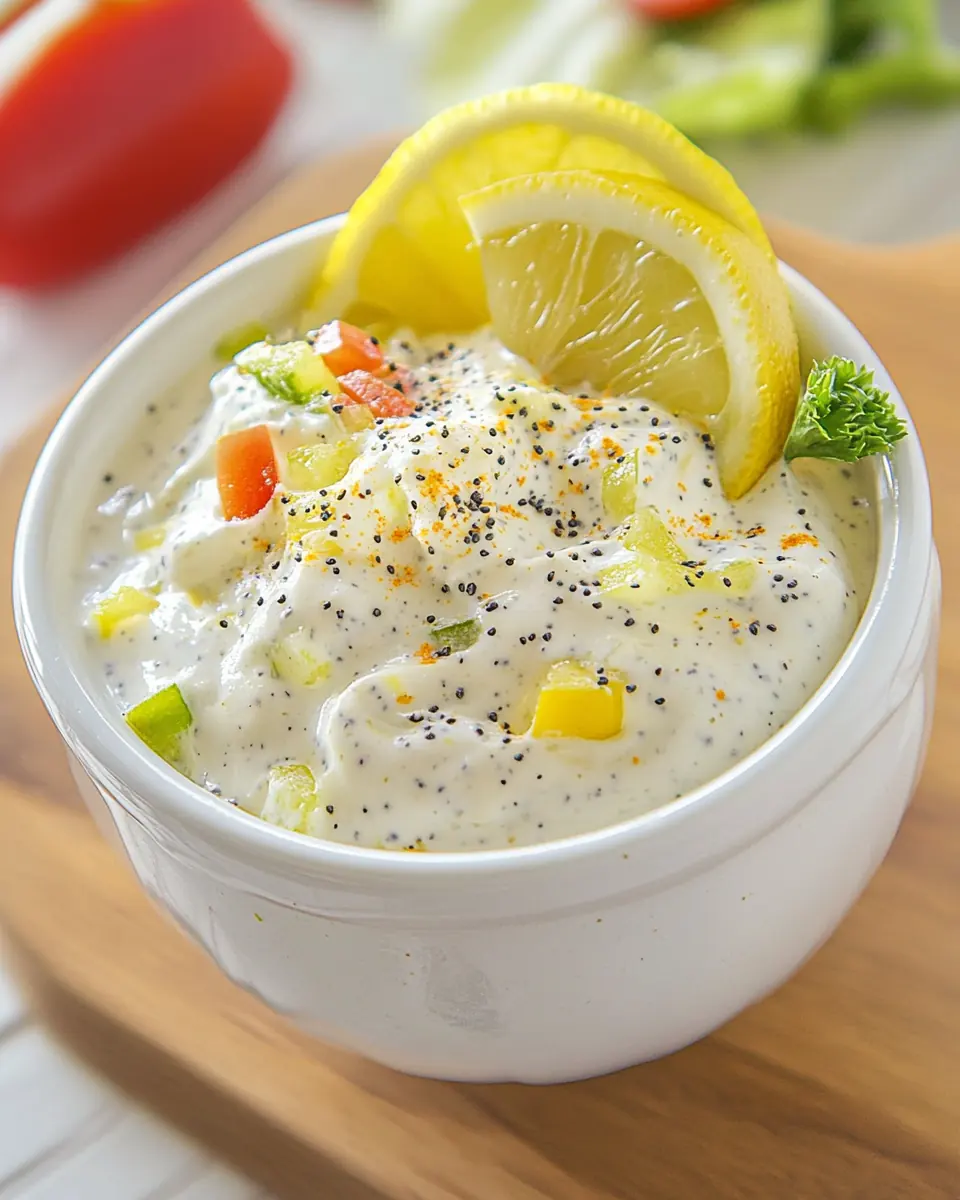
These pantry friendly items work together to create a dressing that is simultaneously creamy, zesty, and lightly sweet. The key players are the mayonnaise for body, the lemon juice for brightness, and the poppy seeds for tiny bursts of texture. Supporting ingredients like sugar and salt round the flavor, while mix ins such as sunflower seeds and craisins contribute contrasting textures when tossed with the salad.
- 3 cups salad mix chopped: Provide a crisp, leafy base that adds volume and a variety of textures and flavors to the salad; chop to bite-sized pieces so other ingredients mix evenly and each forkful has greens.
- 2 3 chicken breasts cooked and sliced: Add savory, protein-rich slices that make the salad more filling and balanced; cook thoroughly then slice to distribute tender, satisfying bites throughout the dish.
- 1/2 cup tomatoes chopped: Contribute bright, juicy sweetness and acidity that contrast with richer components; chop into small pieces so tomatoes blend into each spoonful without overpowering other flavors.
- 1/2 cup craisins: Introduce chewy bursts of sweet-tart flavor and a pleasant contrast in texture; scatter evenly to add color and a fruity counterpoint to savory elements.
- 1/2 cup sunflower seeds: Provide a crunchy, nutty element that enhances mouthfeel and adds healthy fats; sprinkle sunflower seeds for toasted flavor and satisfying contrast in every bite.
- 3/4 cup mayonnaise: Create a rich, creamy binder that coats ingredients and carries flavor evenly; use measured amount to balance dressing thickness without overwhelming the salad.
- 1/3 cup sugar: Supply a quick, simple sweetness to balance acidity and bitter notes; dissolve into the dressing so it integrates smoothly and brightens overall taste.
- 2 tbsp lemon juice: Offer a zesty acidic lift that brightens and balances the dressing; measure carefully to achieve refreshing lemon flavor without making the dressing too tart.
- 2 tsp poppy seeds: Add tiny bursts of mild, nutty flavor and a subtle crunch that define the dressing character; stir into the mixture to distribute specks of texture and visual interest.
Recipe Directions for Lemon Poppy Seed Dressing
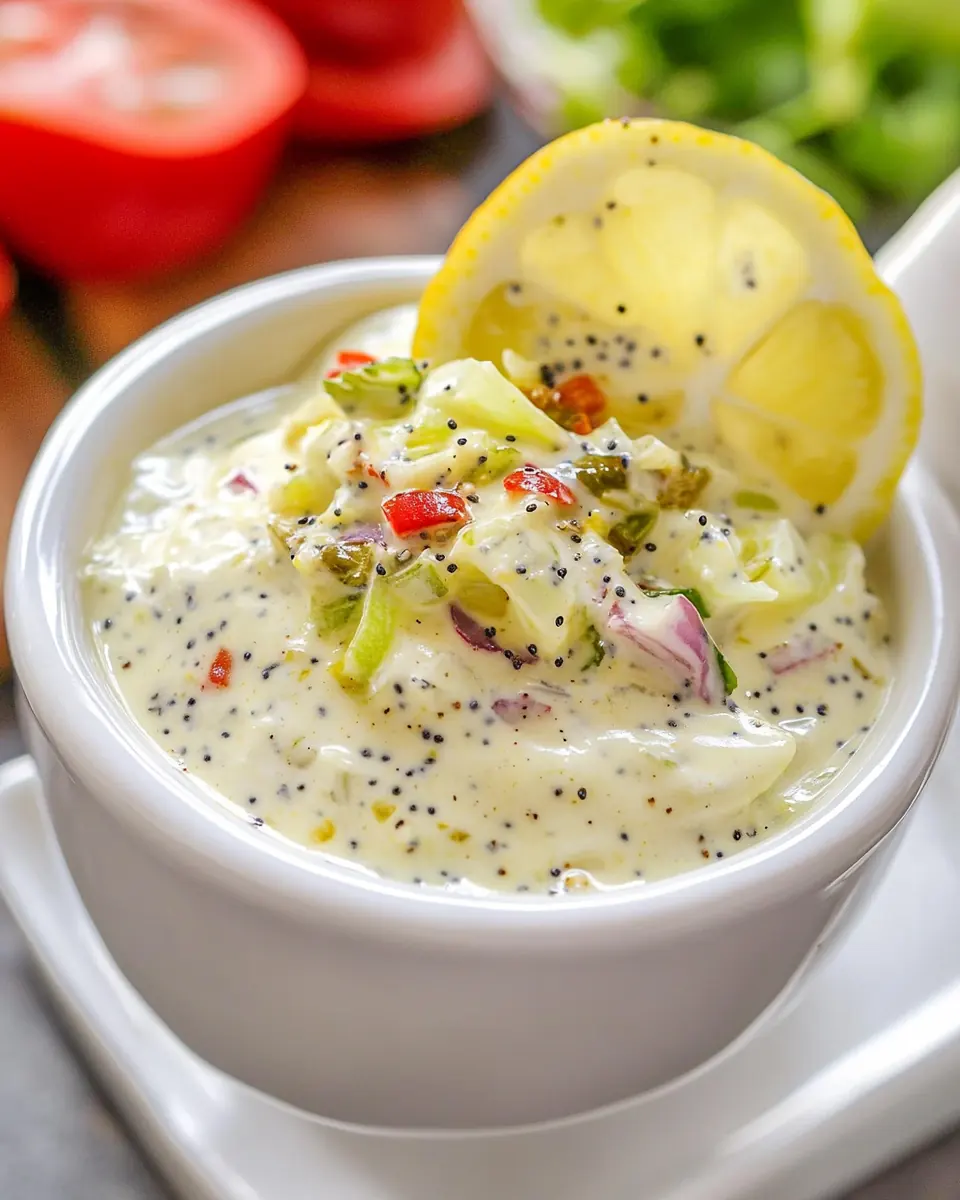
I like to prepare the salad and the dressing separately, then assemble moments before serving so everything stays crisp. Below are the cleaned steps from the recipe, followed by expanded, sensory rich directions that explain what to watch for and why each move matters.
- Add chopped salad, craisins and sunflower seeds to a large bowl and mix.: The first sensory cue you should notice is the contrast of textures, the soft leafy salad mix rustling against the chewy craisins and the audible scatter of sunflower seeds . Mixing these ingredients distributes the sweeter elements so no single bite is cloying, and it creates pockets where the dressing can cling. When combining, use gentle folding motions rather than violent tossing to avoid bruising tender leaves; bruised greens turn limp and release water, which dilutes the final flavor. A common error here is overcrowding the bowl, which prevents even distribution, so choose a bowl large enough that everything can move freely.
- Make dressing by whisking together mayo, sugar, lemon juice and poppy seeds (refrigerate until ready to serve).: As you whisk the mayonnaise , sugar , and fresh lemon juice together, you will notice the mixture take on a glossy, slightly thick texture that coats the back of a spoon. The aroma of citrus will rise and mingle with the rich, creamy scent of the mayonnaise . Whisking helps dissolve the sugar and emulsify the dressing for a smooth mouthfeel, which is why it is worth spending a minute on this step. After stirring in the poppy seeds , the dressing should show tiny black specks throughout, signaling even distribution. Refrigerating the dressing lets the flavors marry, tempering the lemon punch and allowing the sugar to mellow, but do not chill it so long that it firms up and loses pourability. A typical mistake is under-whisking, which leaves grainy texture from undissolved sugar, so whisk until the mixture is uniformly smooth.
- Right before serving add chicken pieces and dressing and toss to coat. ENJOY!: The moment you add the sliced chicken and the chilled dressing, expect a rush of aromas, the lemon brightening the scent of the chicken while the dressing glosses the greens. Tipping the bowl gently and folding the ingredients ensures an even coat without crushing the leaves; aim for a light sheen rather than a drowning layer. The ideal visual cue is every leaf lightly glossy, with flecks of poppy seeds and scattered sunflower seeds visible. If you dress the salad too early, the greens will wilt and become soggy, so add the chicken and dressing at the last minute. Another frequent pitfall is using too much dressing, which can mask the crisp textures and overwhelm subtle flavors, so start with a modest amount and add more if needed. After tossing, give the salad a final taste to adjust balance, adding a whisper more lemon juice if it needs lift or a pinch more sugar if it tastes too tart. The final sound should be the soft crunch of seeds and the tender bite of chicken , signaling a well composed salad ready to enjoy.
Make It Your Own
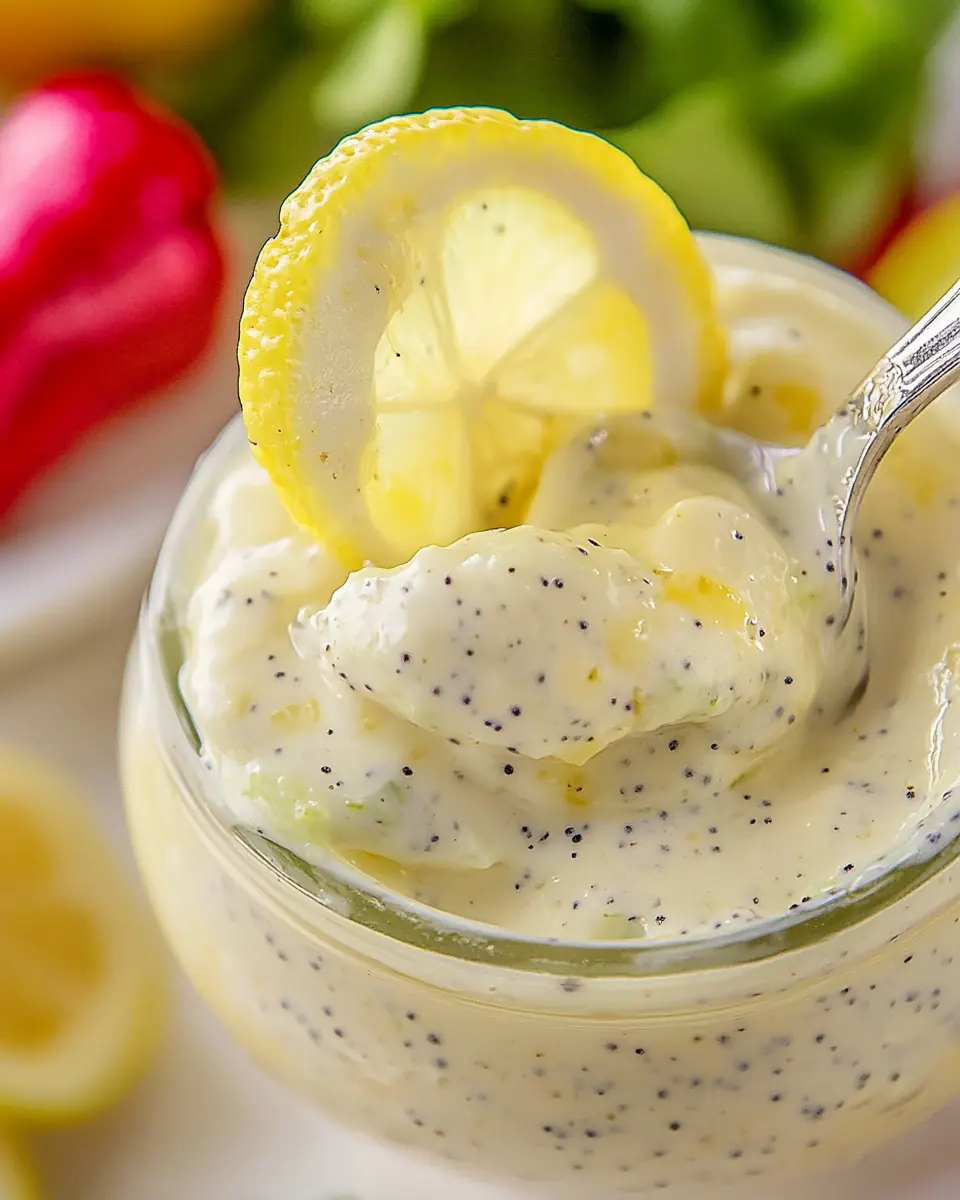
This dressing is a forgiving canvas for small, personal tweaks that let you match it to the meal or mood. Below are practical ideas and variations to help you customize the flavor, texture, and presentation.
- Adjust the lemon balance Add more lemon juice gradually if you prefer a sharper brightness, tasting as you go so the acidity does not overpower the other elements.
- Control the sweetness If the dressing tastes too tart, stir in a little more sugar in small increments, dissolving it completely for a smooth finish.
- Play with texture Increase the amount of sunflower seeds for extra crunch, or fold in softened dried fruit like the craisins sparingly to keep balance.
- Chill before serving Refrigerating the dressing for a short time deepens the flavors, but bring it back to a pourable consistency by whisking briefly before use.
- Portion control Start by adding a small amount to the bowl and toss gently, then add more if needed to avoid overdressing and soggy greens.
What to Serve Alongside Lemon Poppy Seed Dressing
This dressing shines within composed salads and bowls, pairing well with a range of side dishes and occasions. Below are thoughtful serving ideas, seasonal notes, and storage tips to help you plan meals around it.
- Compose a spring lunch Toss the dressed salad with sliced chicken and serve with a light soup for a refreshing midday meal, emphasizing bright flavors and gentle textures.
- Serve at a casual dinner Offer the salad as a side for roasted vegetables, letting the citrus dressing cut through richer mains that guests might be enjoying.
- Bring to a potluck Keep the dressing in a sealed container and combine with chopped ingredients just before serving so the dish travels well without wilting.
- Seasonal pairing In spring, add extra fresh herbs to the salad and present the dressing chilled to complement tender, young greens.
- Storage tip Store the dressing in an airtight jar in the refrigerator for up to five days, stirring before use to reincorporate any separated liquids.
- Occasion friendly This dressing works for casual weeknight dinners, spring gatherings, or light lunches where guests appreciate a fresh, balanced salad.
FAQ
Conclusion
Lemon Poppy Seed Dressing stands out because it transforms simple greens into a bright, textured meal with minimal effort. I encourage you to try it whether you are assembling a quick lunch or hosting friends, because its balance of creamy, sweet, and citrus notes makes salads feel intentional and satisfying. Keep the dressing chilled, add the chicken at the last minute, and enjoy how a handful of pantry staples can elevate an everyday bowl into something you will want to make again.
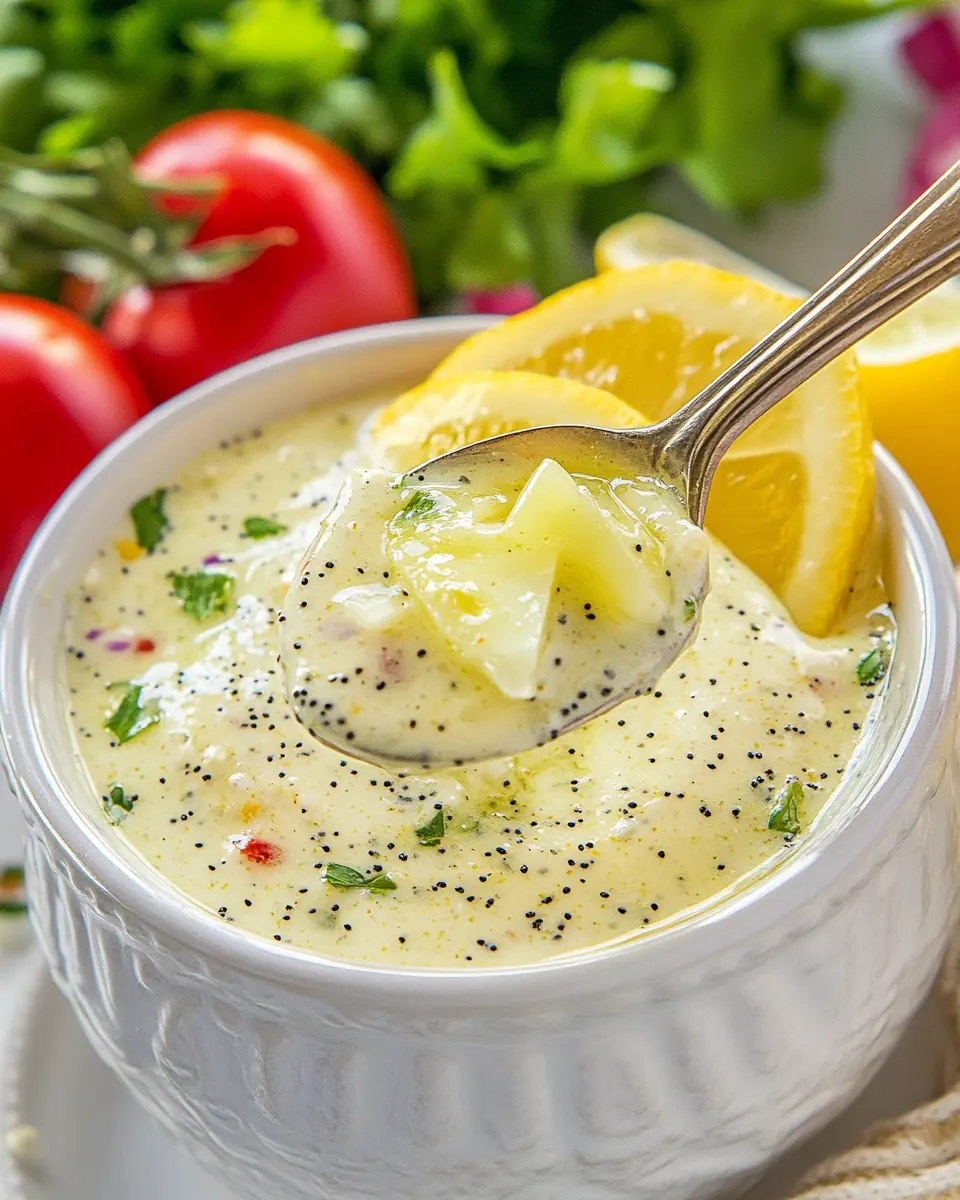
Lemon Poppy Seed Dressing
Ingredients
Equipment
Method
- Add chopped salad, craisins and sunflower seeds to a large bowl and mix.: The first sensory cue you should notice is the contrast of textures, the soft leafy salad mix rustling against the chewy craisins and the audible scatter of sunflower seeds . Mixing these ingredients distributes the sweeter elements so no single bite is cloying, and it creates pockets where the dressing can cling. When combining, use gentle folding motions rather than violent tossing to avoid bruising tender leaves; bruised greens turn limp and release water, which dilutes the final flavor. A common error here is overcrowding the bowl, which prevents even distribution, so choose a bowl large enough that everything can move freely.
- Make dressing by whisking together mayo, sugar, lemon juice and poppy seeds (refrigerate until ready to serve).: As you whisk the mayonnaise , sugar , and fresh lemon juice together, you will notice the mixture take on a glossy, slightly thick texture that coats the back of a spoon. The aroma of citrus will rise and mingle with the rich, creamy scent of the mayonnaise . Whisking helps dissolve the sugar and emulsify the dressing for a smooth mouthfeel, which is why it is worth spending a minute on this step. After stirring in the poppy seeds , the dressing should show tiny black specks throughout, signaling even distribution. Refrigerating the dressing lets the flavors marry, tempering the lemon punch and allowing the sugar to mellow, but do not chill it so long that it firms up and loses pourability. A typical mistake is under-whisking, which leaves grainy texture from undissolved sugar, so whisk until the mixture is uniformly smooth.
- Right before serving add chicken pieces and dressing and toss to coat. ENJOY!: The moment you add the sliced chicken and the chilled dressing, expect a rush of aromas, the lemon brightening the scent of the chicken while the dressing glosses the greens. Tipping the bowl gently and folding the ingredients ensures an even coat without crushing the leaves; aim for a light sheen rather than a drowning layer. The ideal visual cue is every leaf lightly glossy, with flecks of poppy seeds and scattered sunflower seeds visible. If you dress the salad too early, the greens will wilt and become soggy, so add the chicken and dressing at the last minute. Another frequent pitfall is using too much dressing, which can mask the crisp textures and overwhelm subtle flavors, so start with a modest amount and add more if needed. After tossing, give the salad a final taste to adjust balance, adding a whisper more lemon juice if it needs lift or a pinch more sugar if it tastes too tart. The final sound should be the soft crunch of seeds and the tender bite of chicken , signaling a well composed salad ready to enjoy.
Notes
- Adjust the lemon balance Add more lemon juice gradually if you prefer a sharper brightness, tasting as you go so the acidity does not overpower the other elements.
- Control the sweetness If the dressing tastes too tart, stir in a little more sugar in small increments, dissolving it completely for a smooth finish.
- Play with texture Increase the amount of sunflower seeds for extra crunch, or fold in softened dried fruit like the craisins sparingly to keep balance.
- Chill before serving Refrigerating the dressing for a short time deepens the flavors, but bring it back to a pourable consistency by whisking briefly before use.
- Portion control Start by adding a small amount to the bowl and toss gently, then add more if needed to avoid overdressing and soggy greens.