Lemon Burst Cupcakes
Lemon Burst Cupcakes have been my go to for celebrations ever since a neighbor dropped off a batch on a rainy spring afternoon. From that first bite I was hooked on the way bright citrus cuts through sweet, fluffy cake, and how a little jar of lemon curd can turn an ordinary cupcake into something memorable. I still remember the faint thump of the mixer, the tiny flecks of zest scattered across the counter, and the hush of the kitchen while the cupcakes cooled, like everyone was waiting for the reveal.
Over the years I have tweaked this recipe until it felt effortless enough for weekday baking, yet showy enough for weekend guests. I like to keep a box of yellow cake mix on hand, not to take shortcuts, but to guarantee that soft, tender crumb that carries the lemony notes without collapsing under too much moisture. The addition of Greek yogurt lends a subtle tang and keeps the cupcakes tender, while a splash of lemonade in the batter deepens the citrus flavor in a way simple lemon juice does not.
I often find myself swapping tiny touches depending on the mood. Sometimes I add extra lemon zest to the frosting for a punch, other times I thin the frosting just a touch with lemonade when I want a softer swirl. The secret that convinced me these are worth the fuss is a small spoonful of lemon curd tucked in the center of each cupcake, a molten surprise that makes people smile every time. When I bring a tray to a gathering, conversations slow and forks pause as folks savor that tart center and pillowy frosting.
Recipe Snapshot
35 mins
15 mins
20 mins
Easy
200 kcal
American
Gluten-Free, Low FODMAP
Desserts
Mixing bowl, Electric mixer, Muffin tin, Cupcake liners, Wire rack, Piping bag
Why You Need This Lemon Burst Cupcakes
Bright citrus contrast
I love how Lemon Burst Cupcakes balance sweet and tart. The cake is sweet and tender, while the little dollop of lemon curd adds a lively tartness that wakes up the palate. I find that contrast keeps each bite interesting, and guests often ask what gives the cupcakes their lively flavor.
Simple yet impressive
Using a boxed yellow cake mix might sound simple, but it delivers a consistently soft crumb that lets the lemon elements shine. I appreciate recipes that save time without skimping on experience, and this one feels elegant even when I make it on a weeknight. It’s the kind of dessert I’m happy to bring to a potluck, because it looks and tastes like I spent more time than I did.
Texture from thoughtful swaps
Swapping some liquid for Greek yogurt gives the batter extra tenderness and a subtle tang, which supports the lemon flavor instead of competing with it. The frosting, made with butter and marshmallow fluff, is pillowy and bright, and it pipes beautifully. I love that the frosting holds shape but still feels light on the tongue.
Fun finishing touches
That tiny spoonful of lemon curd on top is a small flourish with a big payoff. It creates a jewel like center that begs to be tasted, and piping the frosting around it turns each cupcake into a miniature showpiece. I enjoy how a few yellow sprinkles or additional lemon zest can make the batch feel festive for showers, birthdays, or a casual spring gathering.
Reliable crowd pleaser
I keep making these because they reliably please a crowd. They are not overly complicated, but they deliver layers of flavor and texture that feel thoughtful. When I want something that reads like a bakery treat but comes together quickly, Lemon Burst Cupcakes are my first choice.
Lemon Burst Cupcakes Shopping List
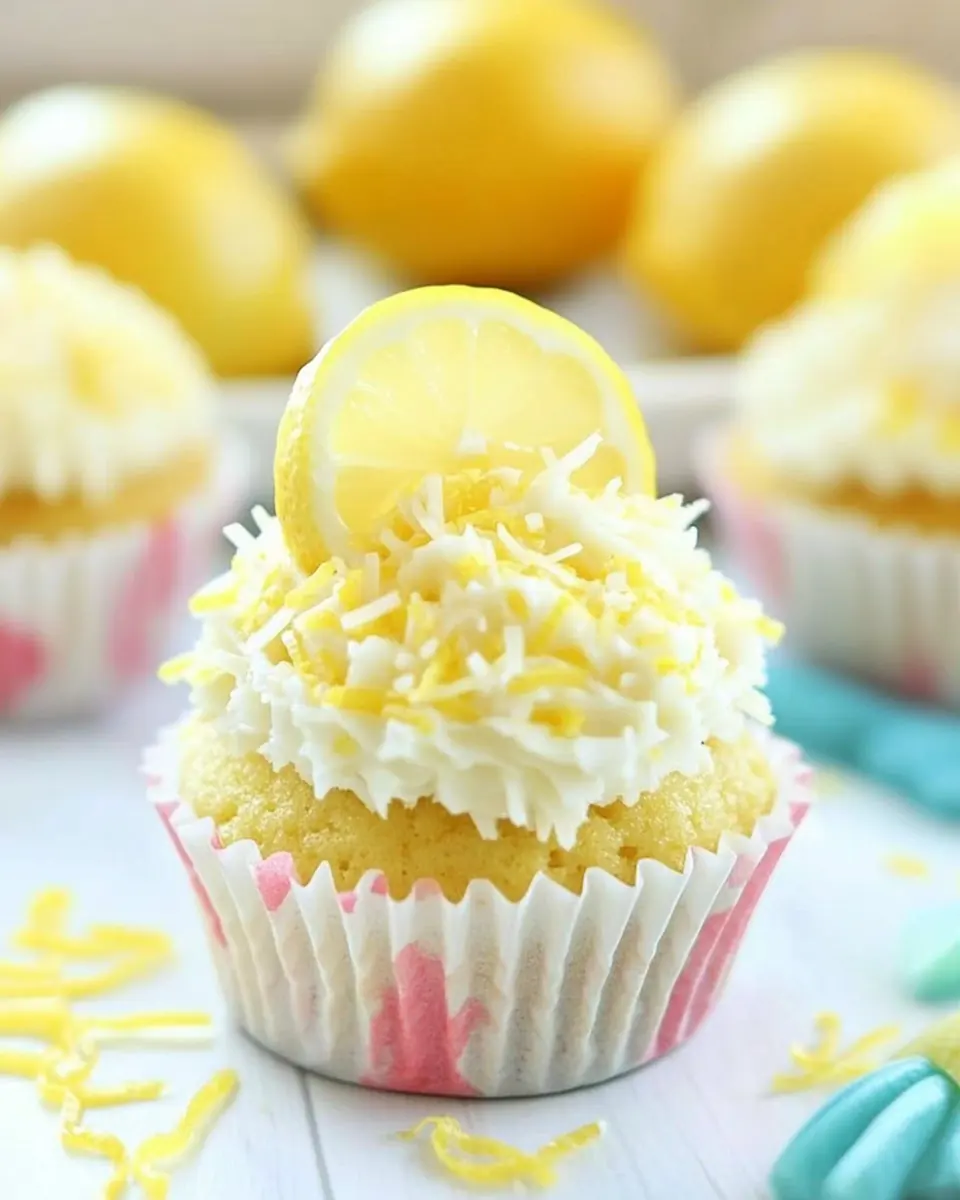
I treat these ingredients as a team, each playing a clear role. The boxed yellow cake mix provides a dependable base and soft crumb. Liquid elements like lemonade and Greek yogurt add moisture and tang, while eggs give structure. The frosting relies on whipped butter and sticky marshmallow fluff for lift, and the lemon curd is the finishing flourish that brightens every bite.
- 1 box yellow cake mix: Provides a pre-mixed base of flour, sugar, and leavening to simplify batter preparation; yields moist, tender cupcakes while ensuring consistent rise. Enhances structure and sweetness so additional dry ingredients are unnecessary, speeding up the recipe.
- 1 cup lemonade: Adds bright citrus flavor and liquid for the batter, contributing both acidity and moisture to activate leavening agents. Helps keep crumb tender and imparts a refreshing lemon note that complements other dairy ingredients.
- 3/4 cup plain Greek yogurt: Contributes creaminess and tang that enriches the cupcake batter while adding moisture and body; helps create a tender crumb. Offers a thicker texture than milk, improving batter stability and lending subtle acidity to balance sweetness.
- 3 eggs: Adds lift and structure by incorporating air when beaten and sets the crumb during baking; contributes richness and helps emulsify ingredients. Provides binding power so cupcakes hold together while staying soft.
- 1 cup butter, softened: Supplies fat to tenderize the crumb, add richness, and enhance mouthfeel; creamed butter helps aerate the batter for lighter cupcakes. Brings depth of flavor and helps distribute fat-soluble aromas throughout the baked good.
- 17 oz jar marshmallow fluff: Supplies a gooey, fluffy filling or swirl that adds sweet marshmallow flavor and chewy texture to cupcakes; melts slightly when warmed for an indulgent interior. Acts as a decorative and textural contrast when used as filling or topping.
- 1/2 tsp vanilla extract: Adds a warm vanilla aroma and rounds out flavors in both batter and frosting; enhances perceived sweetness without adding sugar. Small quantity provides aromatic depth and balances the citrus notes.
- 2 to 3 tbsp lemonade: Adjusts frosting or filling consistency and boosts lemon intensity when mixed in small amounts; helps thin overly stiff frostings for piping. Offers a concentrated splash of lemonade flavor to fine-tune taste and texture.
- 1 tsp lemon zest: Provides concentrated citrus oils and bright, zesty aroma to intensify lemon flavor; a small amount lifts freshness without adding extra liquid. Adds bursts of lemon character that enhance both batter and topping.
- 2 1/2 cups powdered sugar: Adds sweetness and structure to frostings or fillings when sifted in; dissolves into a smooth, creamy texture for piping or spreading. Balances tart components and creates a stable, sweet finish for decorated cupcakes.
- 1/2 cup jarred lemon curd: Contributes intense lemon flavor and glossy tart-sweet pockets when spooned into centers or swirled into frosting; offers a professional, preserved citrus component. Adds concentrated brightness and a pleasing contrast to sweet elements.
Preparation Steps for Lemon Burst Cupcakes
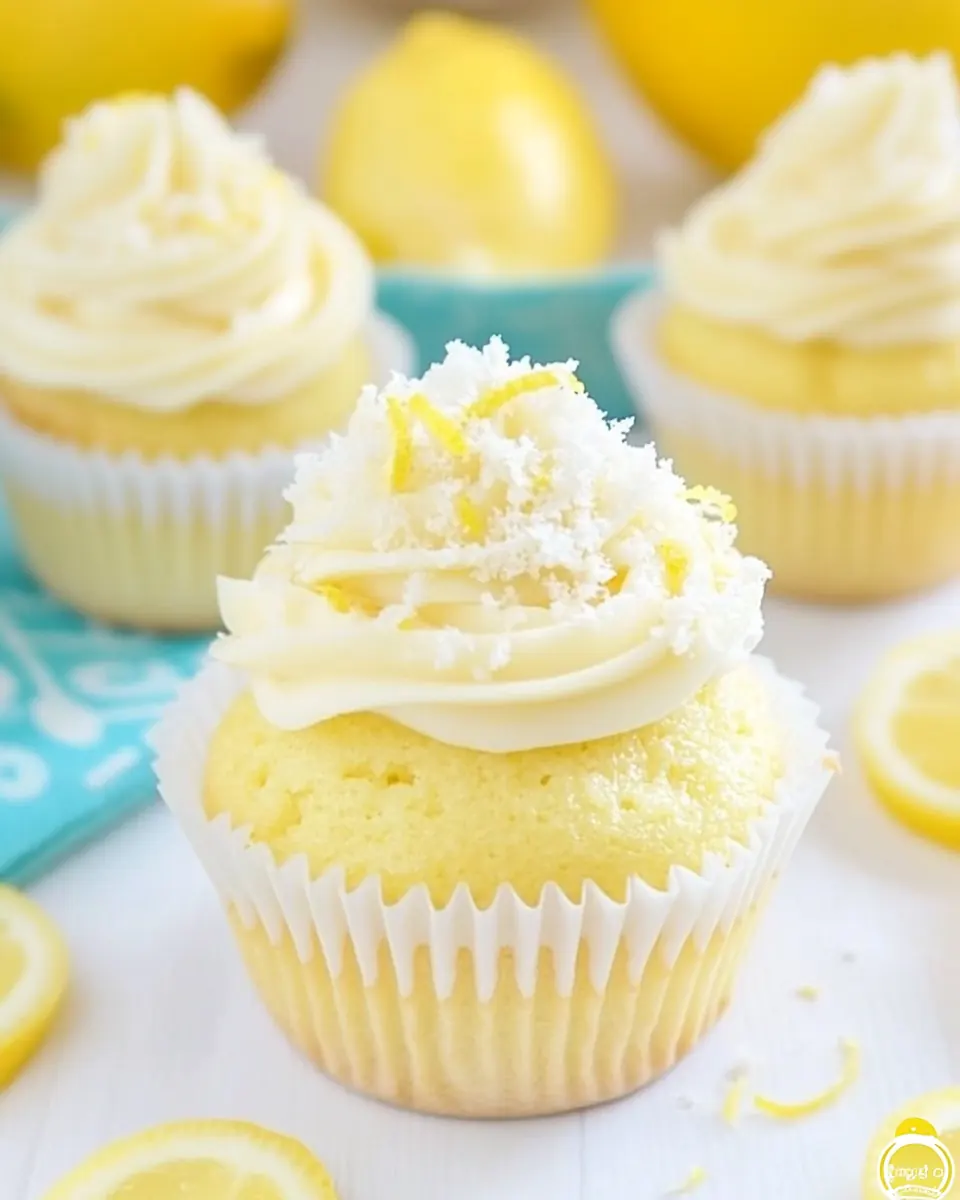
These steps are straightforward but I like to walk through sensory cues so you can bake with confidence. Follow the order and watch for visual and tactile signals that tell you the batter, cake, and frosting are on track.
- Preheat oven to 350 degrees F.: When you preheat the oven, you should feel warmth radiating from the oven as it reaches temperature and the interior light often peppers the racks with a soft glow. This step ensures even rise and set, because placing batter into a fully heated oven creates immediate steam that helps the cupcakes bloom. A common mistake is not waiting for the oven to reach temperature, which can cause uneven rise and a dense center. If your oven runs cool, use an oven thermometer to verify it's hitting 350 degrees F .
- Mix the cake mix, lemonade, greek yogurt, and eggs on low speed for 30 seconds, then medium speed for 2 minutes. Fill cupcake liners 2/3 full and bake for 20 minutes. Remove from muffin tins to let cool on wire racks.: You will notice the dry mix begin to hydrate and the batter pull together into a thick yet pourable consistency, and the paddle or whisk will make a low humming sound as it folds ingredients. This mixing sequence allows the liquids to evenly incorporate without overdeveloping gluten, which keeps the crumb tender. A common pitfall is overmixing, which can create a gummy texture, so stop when the batter is smooth and homogenous. Visual cues include no streaks of dry mix and a slightly glossy batter surface.
- Beat the butter until light and fluffy, add the marshmallow fluff, vanilla, 2 tbsp of lemonade and lemon zest. Beat until fully incorporated, scraping sides of bowl when needed. Gradually add the powdered sugar, again scraping sides of bowl when needed. Add more lemonade if you desire the frosting to be thinner consistency.: As you fill liners, the batter should hold a soft peak then settle, and placing them in the oven will start the cozy scent of baking cake almost immediately. During baking, watch the tops change from glossy to matte and the edges pull slightly away from liners; this signals doneness. If you tap gently on a cupcake, it should spring back, and a toothpick inserted in the center should come out clean or with a few moist crumbs. A frequent error is overfilling cups, which causes batter to spill and form domes that crack, so stick to two thirds full for even baking.
- Drop 1/2 tsp of lemon curd on top of each cooled cupcake, pipe the frosting around the lemon curd and swirl on top to cover. Decorate with yellow sprinkles or extra lemon zest if desired. Enjoy!: Cooling on a wire rack lets air circulate underneath, preventing sogginess and helping the cupcakes set properly; you should hear the faint clink of racks as you move the pan. The tops will relax and the aroma of citrus will become more pronounced as steam escapes. Leaving cupcakes in the tin too long traps steam and softens the base, so transfer them after a few minutes when they can be handled without tearing. If you skip this, you might end up with bottoms that stick or become overly moist.
- Beat the butter until light and fluffy, add the marshmallow fluff, vanilla, 2 tbsp of lemonade and lemon zest.: Whipping softened butter starts a process where air is incorporated, giving the frosting body and silkiness; you will see the color lighten and texture become whipped. Adding marshmallow fluff and lemonade next creates a glossy, billowy base with bright citrus aroma from the lemon zest . This combination produces a frosting that pipes cleanly while remaining tender to the bite. A common issue is working with butter that is too cold or too warm, which prevents proper aeration; aim for room temperature butter that yields when pressed lightly.
- Beat until fully incorporated, scraping sides of bowl when needed.: As you mix, listen for a steady even sound, and pause to scrape the bowl so no pockets of unmixed marshmallow fluff or butter remain; this keeps the texture uniform. Proper scraping prevents streaks and ensures consistent flavor across the batch. A mistake here is skipping scraping, which leads to uneven frosting with lumps or overly sweet pockets, so use a rubber spatula to gather everything into the paddle and continue mixing until smooth.
- Gradually add the powdered sugar, again scraping sides of bowl when needed.: Slowly sifting or adding powdered sugar prevents the frosting from becoming gritty or too dry at once, and it allows you to gauge texture. As you incorporate, the frosting will thicken and gain structure, and you can hear the motor lighten as the mixture becomes denser. If the frosting gets too stiff, add a bit more lemonade to loosen it. One common error is dumping the sugar too quickly, which can cause clouds of dust and uneven texture, so add a little at a time and blend thoroughly.
- Add more lemonade if you desire the frosting to be thinner consistency.: Adjusting consistency with small amounts of lemonade allows you to control how the frosting sets on the cupcake; a thinner frosting will spread and create softer swirls, while a thicker one holds sharp peaks. You can tell it's the right texture when the frosting forms soft ridges but still holds shape when piped. Over thinning will make it slide off, so add liquid sparingly. If your frosting splits or becomes too loose, chill briefly and then re-whip to restore structure.
- Drop 1/2 tsp of lemon curd on top of each cooled cupcake, pipe the frosting around the lemon curd and swirl on top to cover.: The moment you add a dollop of lemon curd , you will see a glossy, jewel like center that attracts the eye, and piping the frosting around it frames that tart burst. As you pipe, you should feel gentle resistance in the bag and see smooth ribbons of frosting form, creating a pleasing spiral. A common mistake is piping before the curd is set, which can cause it to ooze; ensure the cupcakes are fully cool so the curd stays put. The swirl should fully encase the curd so each bite has both creamy frosting and that tart heart.
- Decorate with yellow sprinkles or extra lemon zest if desired.: Finishing touches like a shower of yellow sprinkles or a dusting of fresh lemon zest add both visual charm and a boost of aroma. The zest releases citrus oils as you grate it, producing an immediate bright scent, while sprinkles add playful color and a hint of crunch. Avoid overdoing toppings which can distract from the lemon curd center; a light sprinkle is usually enough. If you use zest, grate it finely to avoid bitter pith and to ensure a pleasant texture.
- Enjoy!: The final sensory payoff is the combination of soft cake, tart curd, and airy frosting; with each bite you will notice the interplay of textures and flavors. Serve at room temperature so the frosting is soft and the curd is slightly yielding. A typical oversight is refrigerating too early which can harden the frosting and mute the lemon aroma, so let them rest briefly at room temperature before serving.
Recipe Tips about Lemon Burst Cupcakes
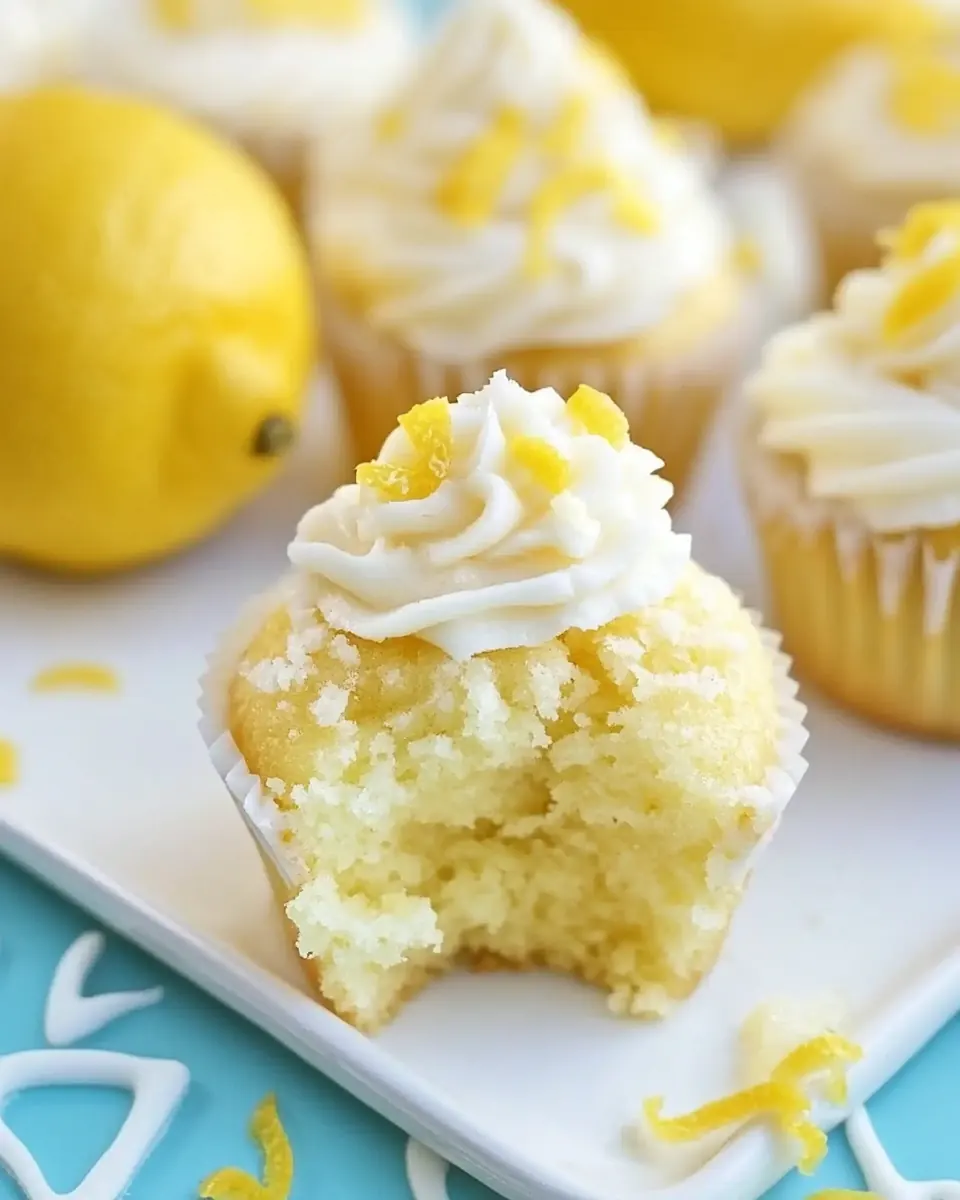
I like to think of these tips as ways to guarantee bakery style results at home. Small adjustments to temperature, timing, and technique keep the cupcakes consistently tender and the frosting airy. Below are practical pointers I use every time I bake these.
- Check your oven temperature: Use an oven thermometer to confirm your oven is at 350 degrees F, because many ovens run slightly cool or hot and that affects rise and crumb. An accurate oven prevents underbaked centers or overly browned tops.
- Measure carefully: Scoop the powdered sugar lightly and level with a knife to avoid overly sweet or stiff frosting, which can mar piping consistency and mouthfeel.
- Adjust frosting consistency slowly: Add lemonade a teaspoon at a time to thin the frosting, watching for a pipeable but stable texture, since too much liquid will cause the frosting to slide off the cupcake.
- Room temperature ingredients: Bring eggs and butter to room temperature for even incorporation, which improves texture and prevents broken emulsions in the frosting.
- Sift if needed: If your powdered sugar seems lumpy, sift it into the frosting to avoid gritty texture and achieve a glossy finish.
- Use fresh zest: Grate the lemon zest just before mixing to capture volatile oils that maximize fragrance and lift the overall lemon profile.
- Pipe with confidence: Use a medium round or star tip for a pleasing swirl that encloses the lemon curd, ensuring each bite includes a bit of filling.
What to Serve With Lemon Burst Cupcakes
These cupcakes shine at gatherings where bright flavors are appreciated. They pair well with light beverages and seasonal accompaniments, and they travel nicely to brunches, showers, or springtime celebrations. Below are serving ideas, storage notes, and occasions that complement their citrus character.
- Afternoon tea: Serve alongside herbal or green tea to let the citrus notes sing without overpowering the palate, creating a relaxed and elegant pairing for small gatherings.
- Brunch spread: Place on a dessert tier with fruit platters and pastries so guests can mix sweet and tart options, making the cupcakes an approachable sweet choice at late morning events.
- Shower or party centerpiece: Arrange on a decorative platter with extra lemon zest sprinkled around for visual pop, turning the cupcakes into a festive focal point that looks as good as it tastes.
- Storage tips: Keep unfrosted cupcakes at room temperature in an airtight container for up to two days, or refrigerate frosted cupcakes for up to three days, bringing them back to room temperature before serving to soften the frosting.
- Seasonal pairing: These are ideal for spring and early summer events when citrus feels fresh; serve with simple fruit salads or light salads to maintain a bright table theme.
- Portion planning: With the recipe yielding 24 servings, consider placing them on multiple platters to avoid crowding and to make it easy for guests to choose their favorite decoration.
FAQ
Conclusion
These Lemon Burst Cupcakes stand out because they combine a tender, reliable cake base with a bright, tart center and a fluffy, airy frosting that feels celebratory. They are effortlessly impressive, offering layered textures and that lively lemon pop that guests notice first. I encourage you to bake a batch for your next gathering, and to experiment with small adjustments like extra lemon zest or slightly thinner frosting to match your style. Baking these is a little ritual that rewards you with smiles and a tray of sunshine to share.
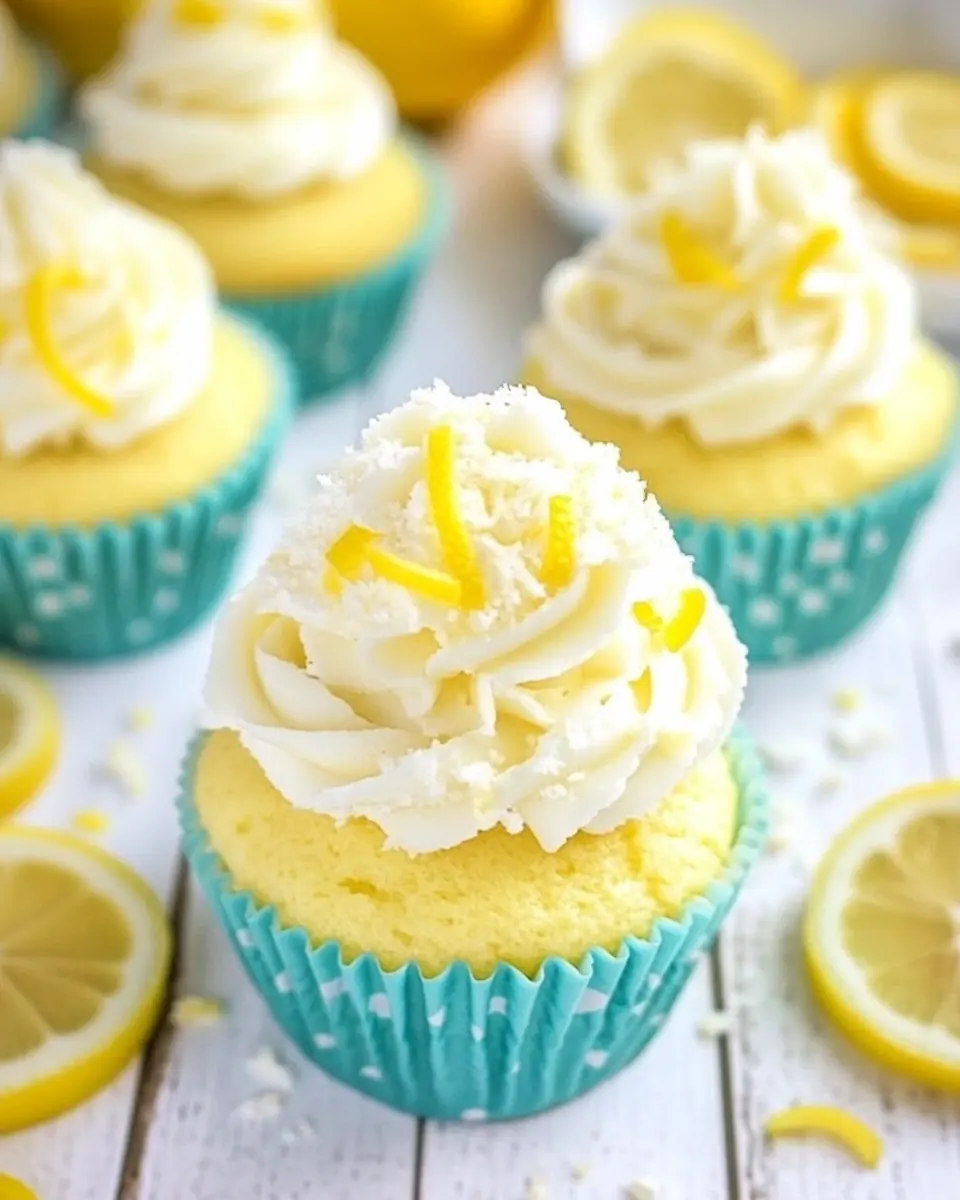
Lemon Burst Cupcakes
Ingredients
Equipment
Method
- Preheat oven to 350 degrees F.: When you preheat the oven, you should feel warmth radiating from the oven as it reaches temperature and the interior light often peppers the racks with a soft glow. This step ensures even rise and set, because placing batter into a fully heated oven creates immediate steam that helps the cupcakes bloom. A common mistake is not waiting for the oven to reach temperature, which can cause uneven rise and a dense center. If your oven runs cool, use an oven thermometer to verify it's hitting 350 degrees F .
- Mix the cake mix, lemonade, greek yogurt, and eggs on low speed for 30 seconds, then medium speed for 2 minutes. Fill cupcake liners 2/3 full and bake for 20 minutes. Remove from muffin tins to let cool on wire racks.: You will notice the dry mix begin to hydrate and the batter pull together into a thick yet pourable consistency, and the paddle or whisk will make a low humming sound as it folds ingredients. This mixing sequence allows the liquids to evenly incorporate without overdeveloping gluten, which keeps the crumb tender. A common pitfall is overmixing, which can create a gummy texture, so stop when the batter is smooth and homogenous. Visual cues include no streaks of dry mix and a slightly glossy batter surface.
- Beat the butter until light and fluffy, add the marshmallow fluff, vanilla, 2 tbsp of lemonade and lemon zest. Beat until fully incorporated, scraping sides of bowl when needed. Gradually add the powdered sugar, again scraping sides of bowl when needed. Add more lemonade if you desire the frosting to be thinner consistency.: As you fill liners, the batter should hold a soft peak then settle, and placing them in the oven will start the cozy scent of baking cake almost immediately. During baking, watch the tops change from glossy to matte and the edges pull slightly away from liners; this signals doneness. If you tap gently on a cupcake, it should spring back, and a toothpick inserted in the center should come out clean or with a few moist crumbs. A frequent error is overfilling cups, which causes batter to spill and form domes that crack, so stick to two thirds full for even baking.
- Drop 1/2 tsp of lemon curd on top of each cooled cupcake, pipe the frosting around the lemon curd and swirl on top to cover. Decorate with yellow sprinkles or extra lemon zest if desired. Enjoy!: Cooling on a wire rack lets air circulate underneath, preventing sogginess and helping the cupcakes set properly; you should hear the faint clink of racks as you move the pan. The tops will relax and the aroma of citrus will become more pronounced as steam escapes. Leaving cupcakes in the tin too long traps steam and softens the base, so transfer them after a few minutes when they can be handled without tearing. If you skip this, you might end up with bottoms that stick or become overly moist.
- Beat the butter until light and fluffy, add the marshmallow fluff, vanilla, 2 tbsp of lemonade and lemon zest.: Whipping softened butter starts a process where air is incorporated, giving the frosting body and silkiness; you will see the color lighten and texture become whipped. Adding marshmallow fluff and lemonade next creates a glossy, billowy base with bright citrus aroma from the lemon zest . This combination produces a frosting that pipes cleanly while remaining tender to the bite. A common issue is working with butter that is too cold or too warm, which prevents proper aeration; aim for room temperature butter that yields when pressed lightly.
- Beat until fully incorporated, scraping sides of bowl when needed.: As you mix, listen for a steady even sound, and pause to scrape the bowl so no pockets of unmixed marshmallow fluff or butter remain; this keeps the texture uniform. Proper scraping prevents streaks and ensures consistent flavor across the batch. A mistake here is skipping scraping, which leads to uneven frosting with lumps or overly sweet pockets, so use a rubber spatula to gather everything into the paddle and continue mixing until smooth.
- Gradually add the powdered sugar, again scraping sides of bowl when needed.: Slowly sifting or adding powdered sugar prevents the frosting from becoming gritty or too dry at once, and it allows you to gauge texture. As you incorporate, the frosting will thicken and gain structure, and you can hear the motor lighten as the mixture becomes denser. If the frosting gets too stiff, add a bit more lemonade to loosen it. One common error is dumping the sugar too quickly, which can cause clouds of dust and uneven texture, so add a little at a time and blend thoroughly.
- Add more lemonade if you desire the frosting to be thinner consistency.: Adjusting consistency with small amounts of lemonade allows you to control how the frosting sets on the cupcake; a thinner frosting will spread and create softer swirls, while a thicker one holds sharp peaks. You can tell it's the right texture when the frosting forms soft ridges but still holds shape when piped. Over thinning will make it slide off, so add liquid sparingly. If your frosting splits or becomes too loose, chill briefly and then re-whip to restore structure.
- Drop 1/2 tsp of lemon curd on top of each cooled cupcake, pipe the frosting around the lemon curd and swirl on top to cover.: The moment you add a dollop of lemon curd , you will see a glossy, jewel like center that attracts the eye, and piping the frosting around it frames that tart burst. As you pipe, you should feel gentle resistance in the bag and see smooth ribbons of frosting form, creating a pleasing spiral. A common mistake is piping before the curd is set, which can cause it to ooze; ensure the cupcakes are fully cool so the curd stays put. The swirl should fully encase the curd so each bite has both creamy frosting and that tart heart.
- Decorate with yellow sprinkles or extra lemon zest if desired.: Finishing touches like a shower of yellow sprinkles or a dusting of fresh lemon zest add both visual charm and a boost of aroma. The zest releases citrus oils as you grate it, producing an immediate bright scent, while sprinkles add playful color and a hint of crunch. Avoid overdoing toppings which can distract from the lemon curd center; a light sprinkle is usually enough. If you use zest, grate it finely to avoid bitter pith and to ensure a pleasant texture.
- Enjoy!: The final sensory payoff is the combination of soft cake, tart curd, and airy frosting; with each bite you will notice the interplay of textures and flavors. Serve at room temperature so the frosting is soft and the curd is slightly yielding. A typical oversight is refrigerating too early which can harden the frosting and mute the lemon aroma, so let them rest briefly at room temperature before serving.
Notes
- Check your oven temperature: Use an oven thermometer to confirm your oven is at 350 degrees F, because many ovens run slightly cool or hot and that affects rise and crumb. An accurate oven prevents underbaked centers or overly browned tops.
- Measure carefully: Scoop the powdered sugar lightly and level with a knife to avoid overly sweet or stiff frosting, which can mar piping consistency and mouthfeel.
- Adjust frosting consistency slowly: Add lemonade a teaspoon at a time to thin the frosting, watching for a pipeable but stable texture, since too much liquid will cause the frosting to slide off the cupcake.
- Room temperature ingredients: Bring eggs and butter to room temperature for even incorporation, which improves texture and prevents broken emulsions in the frosting.
- Sift if needed: If your powdered sugar seems lumpy, sift it into the frosting to avoid gritty texture and achieve a glossy finish.
- Use fresh zest: Grate the lemon zest just before mixing to capture volatile oils that maximize fragrance and lift the overall lemon profile.
- Pipe with confidence: Use a medium round or star tip for a pleasing swirl that encloses the lemon curd, ensuring each bite includes a bit of filling.