Slow Cooker Mulligatawny Soup
Slow Cooker Mulligatawny Soup has been my go to when I want a bowl that feels like a warm hug after a long day. The first time I made it, a chilly evening and a frantic schedule collided, and I needed something that would simmer away and return a fragrant, layered dinner. From the moment I lifted the lid, the scent of garam masala and turmeric folding into creamy coconut milk drew everyone to the kitchen, and that shared, quiet anticipation is the memory I keep returning to.
There is something comfortingly humble about a slow cooker meal that becomes better with time. I love how the textures change, how the chicken becomes tender and the red lentils soften into silk, and how a diced green apple adds brightness without stealing the spotlight. I also enjoy the ritual of stirring in the cooked brown jasmine rice at the last minute, watching steam bloom and the soup thicken just so. Every spoonful feels carefully composed even though it is effortless to make.
When friends ask for a recipe that is cozy but not stodgy, I hand them this bowl. It covers so many bases, savory and spiced, a little sweet, and endlessly adaptable to what you have on hand. Over the years I have learned small pulls and tugs on the technique that sharpen the final result, little chef moves you can trust. If you want to feed a crowd without spending hours over a stove, this is the dish I reach for again and again.
Recipe Snapshot
2 hr 45 mins
15 mins
150 mins
Hard
350 kcal
Indian
Gluten-Free, Vegan
Soups
Slow Cooker
The Beauty of This Slow Cooker Mulligatawny Soup
Complex Flavor with Minimal Effort
I adore how Slow Cooker Mulligatawny Soup manages deep, complex flavors while asking very little of you. I set it and forget it, and hours later the kitchen smells like a spice market. The combination of garam masala, turmeric, and ground coriander builds layers that taste much more sophisticated than the time invested.
Comforting Texture and Silky Body
The interplay of red lentils and cooked brown jasmine rice gives a velvety body without heavy cream. I like that the lentils break down to thicken the broth naturally, while the rice adds chew and stability so each spoonful feels satisfying and wholesome.
Balanced Sweetness and Savory Notes
Adding a diced green apple was a game changer for me, it lifts the soup and plays nicely against the warmth of the spices. I appreciate that the sweetness is subtle, it never turns the soup fruity, it just brightens and balances the savory chicken and aromatic broth.
Hands Off Convenience
One of the reasons I keep coming back to this recipe is sheer convenience. Once everything is tucked into the slow cooker except the rice, you can go about your day. I love serving it on busy weeknights, and it is forgiving if you get delayed. When you return, the flavors have had time to marry, and the texture improves with the patient, low heat.
Family Friendly and Flexible
This soup sits well with a crowd because it appeals to many palates. I can scale the recipe to feed more people without losing quality. It also pairs well with simple sides, so whether you are hosting a casual dinner or packing lunches for the week, it works brilliantly.
Shopping List for Slow Cooker Mulligatawny Soup
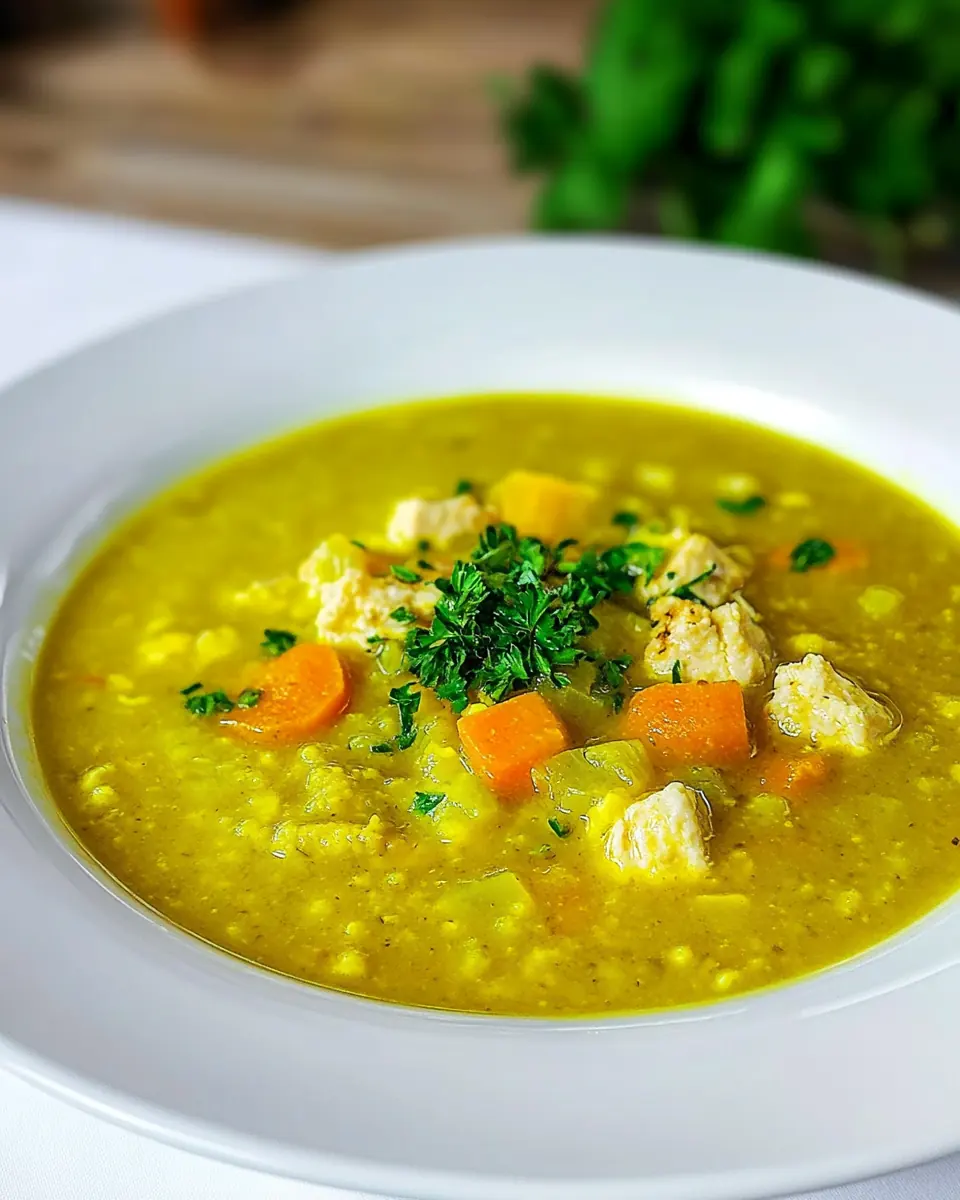
These ingredients create a balanced, soulful bowl. I choose items that layer flavor and texture, from the aromatic spices to the creamy coconut milk and starchy brown jasmine rice. The key players are the spices for warmth, the lentils for body, the chicken for protein, and the green apple for brightness. Together they form a cohesive soup that is aromatic, nourishing, and easy to personalize.
- 2 boneless and skinless chicken breasts cut into bite-sized pieces: Cooked and diced to provide lean protein and texture; absorbs curry flavors and adds substance to the soup, making it more filling. Brown gently if desired before slow cooking to develop savory depth and keep pieces intact during simmering.
- 1/2 sweet onion diced: Diced finely to contribute mild sweetness and aromatic base; softens in the slow cooker and melds with spices to build savory complexity. Sautéing briefly before adding can enhance caramelization and overall flavor balance.
- 3 garlic cloves minced: Minced to release pungent, savory aroma and depth; infuses the broth with a warm, garlicky backbone that complements the spices. Adding early in cooking mellows its sharpness and distributes flavor throughout the soup.
- 2 celery stalks sliced: Sliced to add subtle vegetal crunch and savory notes; contributes moisture and aromatic layers that support the soup’s base. Gently sweated with onion and garlic helps integrate its mild bitterness into the overall profile.
- 2 carrots sliced: Sliced to provide natural sweetness and body; softens during slow cooking and helps thicken the broth while balancing the spices. Carrots also add color and complementary earthy flavor to the dish.
- 1 cup red lentils: Added dry to supply hearty texture and protein-rich body; breaks down partially while cooking to thicken and enrich the soup. Rinse before use if needed and monitor cooking time to achieve tender but not mushy lentils.
- 1 green apple peeled, cored and diced: Peeled, cored, and diced to introduce a bright, tart-sweet contrast; adds refreshing fruitiness that balances heat and savory spices. Apples also contribute subtle acidity and help create a layered, complex flavor.
- 1 1/2 tablespoons garam masala: Measured precisely to provide warm, aromatic curry character; blends cinnamon, cloves, and other spices to define the mulligatawny profile. Toasting briefly before use can intensify the spice oils and enhance aroma.
- 1 teaspoon ground coriander: Ground to contribute citrusy, slightly sweet, and floral undertones; supports the curry spices and adds depth to the soup’s flavor. Use sparingly to avoid overpowering more delicate elements like coconut milk and apple.
- 1 teaspoon turmeric: Added to impart earthy, slightly bitter warmth and golden color; complements other spices and supports the soup’s curry character. Turmeric also lends visual appeal and subtle anti-inflammatory notes.
- 1/2 teaspoon cayenne pepper: Measured to introduce heat and a sharp spicy kick; balances the sweeter and creamier components of the soup for lively flavor. Adjust quantity to taste, as cayenne can quickly increase overall spiciness.
- 1 bay leaf: Included whole to add subtle herbal, bay-like aromatics; releases a gentle savory note during long simmering without dominating the dish. Remove before serving to avoid bitter over-extraction of tannins.
- 5 cups chicken broth: Poured as the primary savory liquid to form the soup base; provides depth, salt, and umami that carry the spices and ingredients. Use a good-quality, low-sodium broth to better control seasoning.
- 1 cup lite coconut milk: Added to contribute creamy, tropical richness and a silky mouthfeel; balances heat and acidity while lending subtle coconut flavor. Stir in gently near the end of cooking to preserve its delicate texture.
- 1 cup brown jasmine rice cooked: Cooked and stirred in to introduce tender, fragrant grains and additional body; absorbs flavors and makes the soup more satisfying. Use pre-cooked rice to avoid overcooking and maintain pleasant texture.
The Process for Making Slow Cooker Mulligatawny Soup
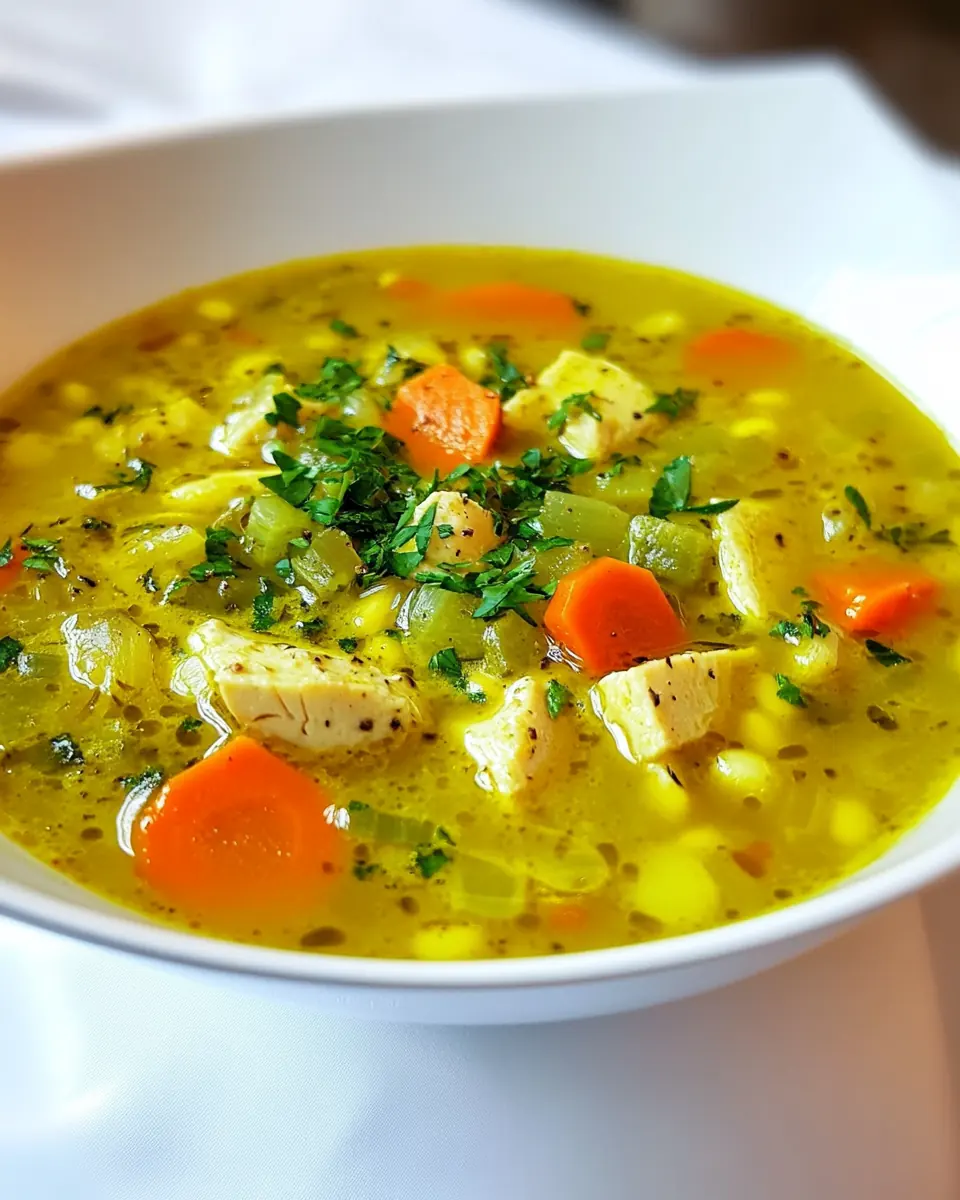
This soup is forgiving, which I love. I assemble everything into the slow cooker and let low steady heat weave the flavors together. Near the end I remove the bay leaf and stir in the cooked rice to achieve the perfect consistency. Below, each direction from the original recipe is expanded with sensory cues, troubleshooting, and the reasons behind each choice so you can feel confident at every step.
- Place everything in the slow cooker except the rice. Cook on low for 5 to 6 hours, or low for 2 to 3 hours.: The aroma evolves gradually as the pot warms, releasing the sweet perfume of garam masala and the faint, earthy scent of turmeric . You will notice a fragrant steam rise when you lift the lid after an hour, with the softened onions and garlic blending into the broth. The reason we add all items except the rice is because the rice would overcook and become mushy during long simmering, so it is saved for the end. One common mistake is crowding the cooker with oversized chicken pieces, which can cause uneven cooking, so make sure pieces are similar in size. As the soup simmers, the lentils will begin to swell, siphoning starch into the liquid and thickening it; this natural thickening is a big part of the soup's texture. If the pot seems too full, transfer to a larger slow cooker or omit a cup of broth to prevent spillage. Keep an eye on seasoning now, but wait until the end for final salt adjustments, because flavors concentrate as the liquid reduces.
- Remove bay leaf, add jasmine rice and serve!: The long, gentle simmer mellows the spices and allows the chicken to tenderize while the red lentils break down, creating a silky mouthfeel. You will hear the occasional soft burble as the cooker maintains temperature, and when you lift the lid after a few hours the steam will smell richly spiced and slightly sweet from the green apple . This slow timeline helps collagen in the chicken relax, making meat tender without drying out. A common error is switching to high heat prematurely; sudden high heat can make lentils fall apart too fast or leave chicken fibers tough in places. If your slow cooker runs hot, check at the earlier end of the window; every machine behaves a little differently. Also avoid opening the lid repeatedly, as that drops heat and extends cooking time. The visual cue you're aiming for is soft vegetables, fully broken down lentils, and chicken that flakes easily with a fork.
- Remove bay leaf, add jasmine rice and serve: When you take out the bay leaf, you will notice the bouquet of the soup clarified slightly, the herbal note no longer bulky but integrated. As you stir in the cooked brown jasmine rice , steam will rise and the broth will look a touch thicker as the grains absorb liquid, providing body and chew. Adding the rice last preserves its texture so it does not disintegrate into the soup, and it helps portion control as each bowl gets a pleasant rice-to-broth ratio. A typical slip is adding uncooked rice, which will expand unpredictably and can turn the soup gluey; always use fully cooked rice as called for. Taste for seasoning now, because the rice will slightly mute the spices and you may need to lift the salt or a squeeze of lemon if you want more brightness. Serve immediately so the rice remains distinct, and watch for a final aroma of warming spices with a whisper of coconut in the finish.
Expert Tips about Slow Cooker Mulligatawny Soup
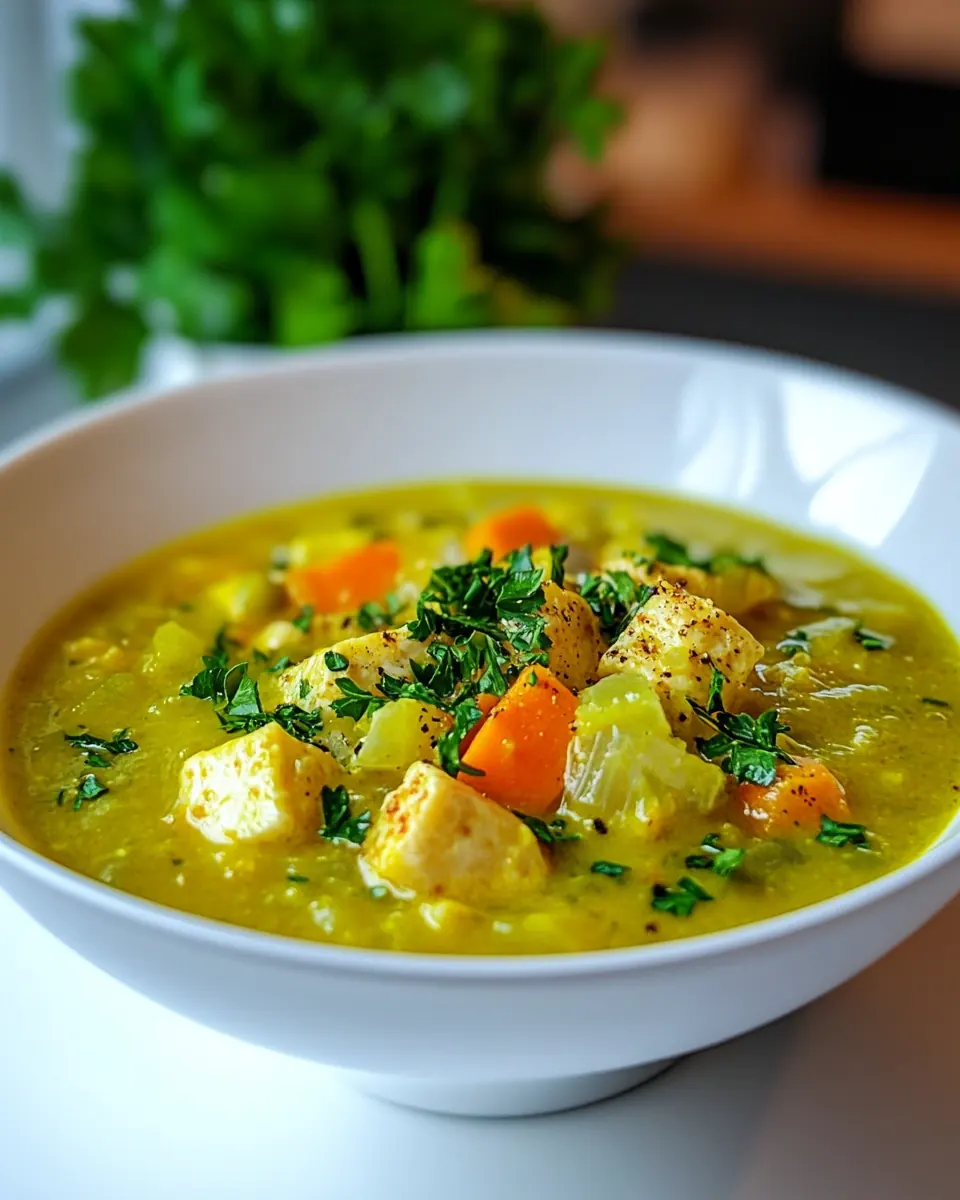
I like to think of tips as small nudges that elevate simple dishes into memorable ones. These suggestions focus on timing, seasoning, and texture so your soup comes out balanced every time. Try one or two at a time and you will quickly notice the difference in aroma and mouthfeel.
- Measure spices fresh: Freshly measured spices give brighter aromatics, and stale spices can make the final soup taste flat rather than vibrant.
- Use low sodium broth: This gives you control over final salt levels, preventing an overly salty result after slow reduction concentrates flavors.
- Peel the apple for texture harmony: Removing the peel ensures the pieces soften and meld into the broth instead of remaining slightly firm and texturally discordant.
- Cook rice separately: Cooking rice ahead guarantees consistent texture and prevents the rice from absorbing too much liquid during the long simmer.
- Check cooker heat variance: If your slow cooker runs hot, shorten the cooking window to avoid overcooking the lentils and reduce evaporation that concentrates saltiness.
- Garnish at service: Add a small spoonful of extra coconut milk or a sprinkle of fresh herbs at the table to refresh the top notes and brighten each bowl.
What to Serve Alongside Slow Cooker Mulligatawny Soup
This soup stands well as a main or a comforting starter, and pairing thoughtfully will make the meal feel complete. Choose sides that echo the soup’s warmth and texture, and consider the occasion to guide portion sizes and accompaniments. Here are ideas for different settings and practical serving advice to keep the experience cohesive.
- Crusty bread for dipping: A warm loaf is perfect for soaking up the spiced broth and makes the meal heartier for dinner occasions.
- Light salad for contrast: A simple green salad adds crispness and freshness to balance the soup’s creamy body, ideal for a lunch menu.
- Steamed greens for nutrition: Serve with quick steamed vegetables to round out the plate, this works well for family dinners when you want something green on the side.
- Yogurt or raita for cooling: A small side of plain yogurt can offer a cooling contrast to the warm spices, suitable for those who prefer milder heat.
- Batch for meal prep: This soup stores well in the fridge for a few days, portion into airtight containers and reheat gently, stirring in a little water if it thickens too much.
- Occasion pairing: For casual weeknights serve as a main course, for Ramadan iftar consider scheduling it hot and ready as a comforting first course to break fast gently.
- Seasonal note: In colder months this soup feels particularly appropriate because of its warming spices and nourishing profile.
FAQ
Conclusion
This recipe stands out because it combines warmth, creaminess, and bright accents into a bowl that is both nourishing and effortless. If you enjoy layered spices and a soup that fills you up without feeling heavy, this is worth a try. Give it a go on a chilly evening or when you need a make ahead meal that impresses with minimal fuss. Once you taste the way the lentils and coconut milk round the spices and the rice adds satisfying texture, it becomes an easy favorite for weeknights and gatherings alike. I hope it becomes one of your reliable, cozy dinners too.
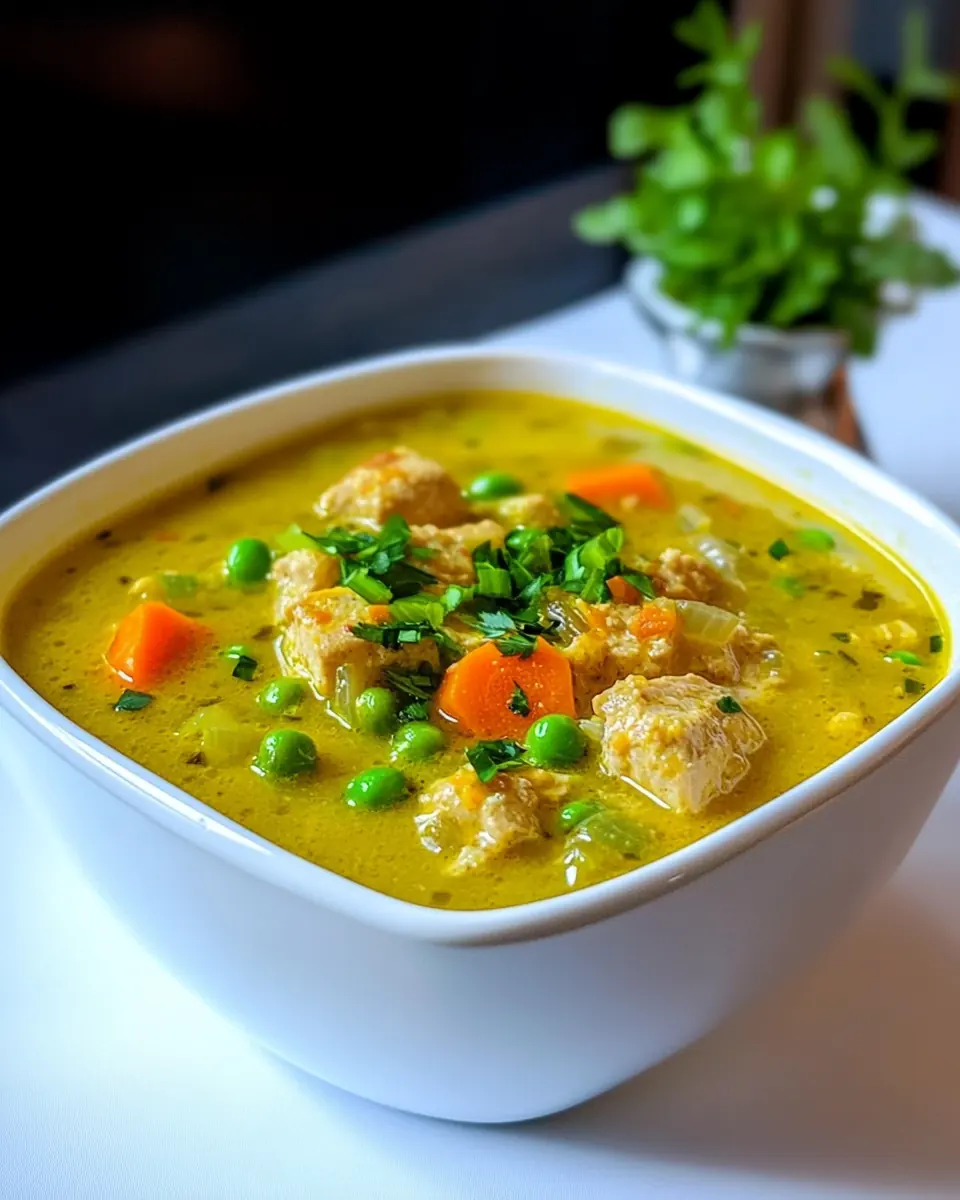
Slow Cooker Mulligatawny Soup
Ingredients
Equipment
Method
- Place everything in the slow cooker except the rice. Cook on low for 5 to 6 hours, or low for 2 to 3 hours.: The aroma evolves gradually as the pot warms, releasing the sweet perfume of garam masala and the faint, earthy scent of turmeric . You will notice a fragrant steam rise when you lift the lid after an hour, with the softened onions and garlic blending into the broth. The reason we add all items except the rice is because the rice would overcook and become mushy during long simmering, so it is saved for the end. One common mistake is crowding the cooker with oversized chicken pieces, which can cause uneven cooking, so make sure pieces are similar in size. As the soup simmers, the lentils will begin to swell, siphoning starch into the liquid and thickening it; this natural thickening is a big part of the soup's texture. If the pot seems too full, transfer to a larger slow cooker or omit a cup of broth to prevent spillage. Keep an eye on seasoning now, but wait until the end for final salt adjustments, because flavors concentrate as the liquid reduces.
- Remove bay leaf, add jasmine rice and serve!: The long, gentle simmer mellows the spices and allows the chicken to tenderize while the red lentils break down, creating a silky mouthfeel. You will hear the occasional soft burble as the cooker maintains temperature, and when you lift the lid after a few hours the steam will smell richly spiced and slightly sweet from the green apple . This slow timeline helps collagen in the chicken relax, making meat tender without drying out. A common error is switching to high heat prematurely; sudden high heat can make lentils fall apart too fast or leave chicken fibers tough in places. If your slow cooker runs hot, check at the earlier end of the window; every machine behaves a little differently. Also avoid opening the lid repeatedly, as that drops heat and extends cooking time. The visual cue you're aiming for is soft vegetables, fully broken down lentils, and chicken that flakes easily with a fork.
- Remove bay leaf, add jasmine rice and serve: When you take out the bay leaf, you will notice the bouquet of the soup clarified slightly, the herbal note no longer bulky but integrated. As you stir in the cooked brown jasmine rice , steam will rise and the broth will look a touch thicker as the grains absorb liquid, providing body and chew. Adding the rice last preserves its texture so it does not disintegrate into the soup, and it helps portion control as each bowl gets a pleasant rice-to-broth ratio. A typical slip is adding uncooked rice, which will expand unpredictably and can turn the soup gluey; always use fully cooked rice as called for. Taste for seasoning now, because the rice will slightly mute the spices and you may need to lift the salt or a squeeze of lemon if you want more brightness. Serve immediately so the rice remains distinct, and watch for a final aroma of warming spices with a whisper of coconut in the finish.
Notes
- Measure spices fresh: Freshly measured spices give brighter aromatics, and stale spices can make the final soup taste flat rather than vibrant.
- Use low sodium broth: This gives you control over final salt levels, preventing an overly salty result after slow reduction concentrates flavors.
- Peel the apple for texture harmony: Removing the peel ensures the pieces soften and meld into the broth instead of remaining slightly firm and texturally discordant.
- Cook rice separately: Cooking rice ahead guarantees consistent texture and prevents the rice from absorbing too much liquid during the long simmer.
- Check cooker heat variance: If your slow cooker runs hot, shorten the cooking window to avoid overcooking the lentils and reduce evaporation that concentrates saltiness.
- Garnish at service: Add a small spoonful of extra coconut milk or a sprinkle of fresh herbs at the table to refresh the top notes and brighten each bowl.