Spring Green Beans Recipe
Spring Green Beans Recipe is one of those simple, fresh dishes I reach for when I want something bright and unfussy on the table. I remember the first time I tossed canned green beans in a hot skillet with a splash of olive oil and a squeeze of lemon, and how the kitchen filled with a tangy, citrusy steam that made the whole apartment feel springlike. That first bite surprised me, because what seemed like humble pantry items turned into a lively, textural side that paired with almost anything I was cooking that week.
Over the years I’ve learned little tricks that lift this dish, like adding thin rings of red onion at just the right moment so they soften but keep a bit of crunch, or slipping a few thin lemon slices into the skillet so every forkful has a gentle burst of acid. I often make a double batch for company, because guests always ask for seconds. The balance of silky green beans, the gentle heat from a pinch of red pepper flakes, and the bright citrus keeps it interesting without fuss. This is the sort of recipe I keep in my back pocket for casual weeknight dinners and for easy holiday spreads.
Recipe Snapshot
10 mins
5 mins
5 mins
Easy
80 kcal
American
Vegan, Gluten-Free
Side Dishes
Skillet, Spatula, Can opener
Why This Spring Green Beans Recipe Shines
1. Effortless pantry magic
I love how Spring Green Beans Recipe turns a couple of cans and a lemon into something that feels made from scratch. The technique is forgiving, so I can pull this together between errands and still feel like I cooked.
2. Bright, layered flavors
This version balances the savory softness of canned green beans with the crisp bite of thinly sliced red onion and the clean brightness of lemon. The red pepper flakes add a subtle lift that keeps the palate interested.
3. Speed without sacrifice
From skillet to table in minutes, this dish is ideal when time is short. I appreciate recipes that respect a busy weeknight yet still deliver texture and flavor, and this one does exactly that.
4. Versatile company pleaser
Serve it alongside roasted mains or add it to a buffet and it disappears fast. I often bring a batch to potlucks because it travels well and tastes even better at room temperature.
5. Friendly for many diets
With just a few whole ingredients, this recipe suits a wide range of eating preferences. I find it lovely for spring menus, and it complements heavier plates beautifully.
Key Ingredients for Spring Green Beans Recipe
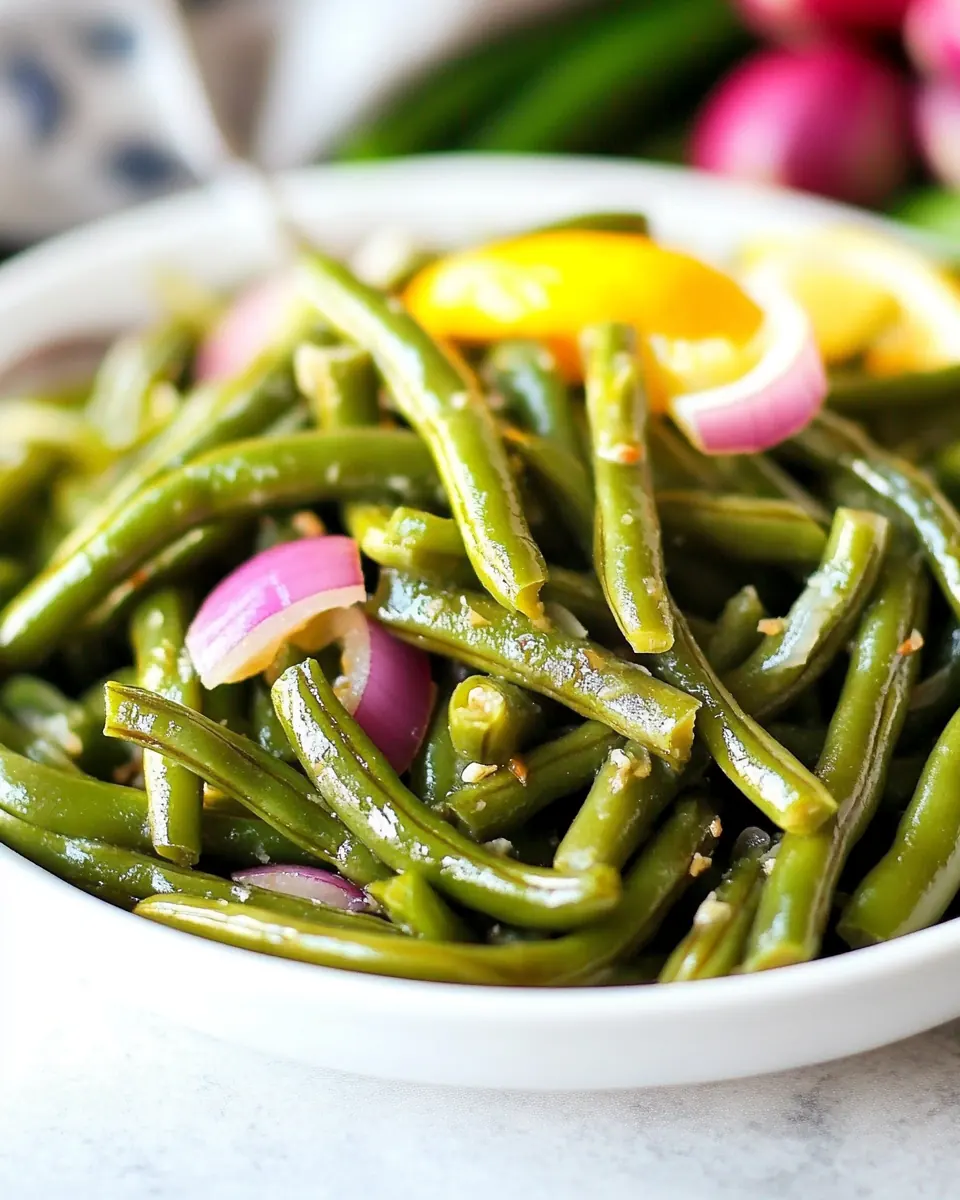
These ingredients are unapologetically simple, and that is the point. Each item plays a clear role: the green beans provide the base and body, the olive oil adds silk and browning, the red onion brings crunch and sweetness, the lemon cuts through with acidity, and the red pepper flakes offer a tiny hit of warmth. Together they form a bright, balanced side that complements heavier mains without competing.
- 2 (14.5-ounce) cans Green Beans, drained: Drained and rinsed to remove excess packing liquid, adds tender texture and a mild, vegetal base to the dish; provides bulk and familiar green bean flavor while keeping preparation quick and convenient.
- 1 teaspoon olive oil: Used sparingly to gently coat and heat the aromatics, imparts a mellow fruitiness and helps transfer heat for light sautéing; contributes a subtle richness without overpowering the other flavors.
- 1/4 medium red onion, thinly sliced: Thinly sliced for delicate crunch and bright bite, introduces crisp texture and a sharp, slightly sweet onion note; balances the dish by providing contrast to the soft beans and a colorful visual accent.
- 1 whole lemon, halved: Halved and squeezed to deliver fresh, bright acidity that lifts and brightens the entire plate; its juice cuts through oil and softens richness while the zest can add aromatic citrus oils if desired.
- pinch red pepper flakes: Pinched in small amounts to introduce a warm, lingering heat and subtle complexity; enhances overall flavor by adding a gentle kick that complements the citrus and onion.
Cooking Method for Spring Green Beans Recipe
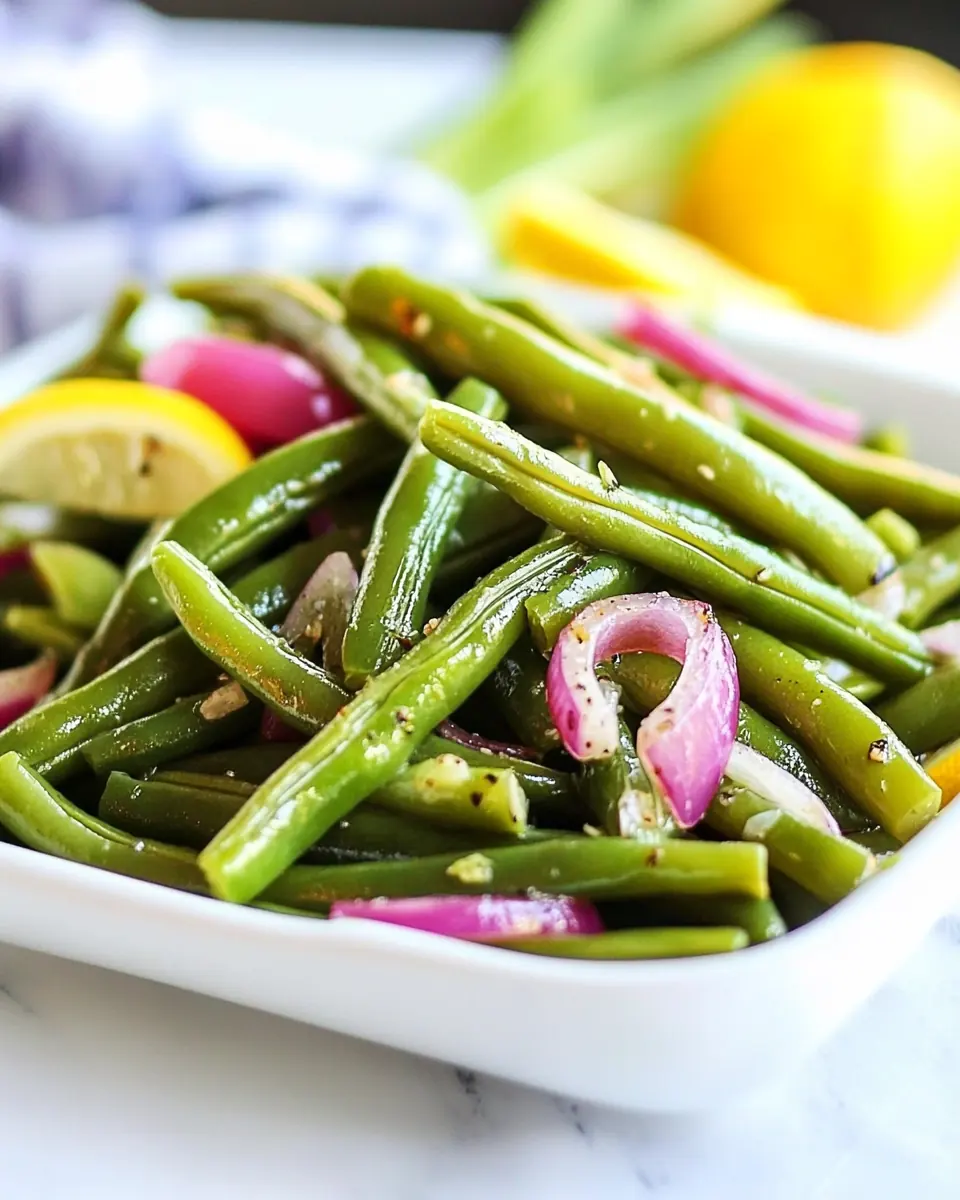
I like to walk into this skillet stage with a clear rhythm so things move fast but confidently. The following steps expand each instruction so you can sense what to watch for and why it matters. Keep your tools handy and taste as you go.
- Heat skillet over medium-low heat. Add green beans and drizzle with olive oil. Quickly saute green beans, about 3 minutes. Add in rings from slices of red onion. Remove from heat and squeeze juice from one half of lemon. Cut remaining half of lemon into thin slices and add to the green beans. Sprinkle with red pepper flakes and serve.: When the skillet is warming, notice a gentle shimmer across the surface of the olive oil when you add it, not a hard ripple that indicates smoking. This moderate temperature ensures the green beans warm through and pick up subtle browning without charring. You should hear a faint sizzle, a soft whisper rather than an angry crackle. The aroma will shift from neutral to slightly nutty as the pan warms, signaling readiness. Why this matters, I find, is because medium low heat gives control; the beans will not go from fresh to overcooked in seconds. A common mistake is cranking the heat to hurry things, which causes uneven browning and can scorch the oil. If you detect a burnt smell, lower the heat and wipe the pan clean before continuing.
- Add green beans and drizzle with olive oil: As you introduce the drained green beans , spread them so they make contact with the pan surface. The brief contact creates tiny toasted edges that add depth. Drizzling the olive oil over them helps each bean develop a glossy sheen and carry flavor evenly. You should see faint golden flecks appear along some edges after a minute or two, and the beans will soften audibly when nudged with a spatula. This technique matters because surface contact concentrates flavor; steam alone does not replicate that. Avoid overcrowding the skillet, which leads to steaming and a limp texture instead of the desired gentle toasting.
- Quickly saute green beans about 3 minutes: During this short saute the beans will go from cold and slightly rigid to tender and warmed through. Listen for a soft sizzling and watch for tiny bubbles of oil around the beans. Their color will deepen slightly, and the occasional bean tip might show a light golden brown. The goal is not to fully cook them into softness, but to warm them and let the flavor concentrate. This matters because a quick saute preserves a pleasant bite while still marrying flavors. A frequent slip is leaving them longer so they become too soft; keep an eye on texture and remove them as soon as they yield to gentle pressure.
- Add in rings from slices of red onion: When you fold in the thin red onion rings, you will notice a sharp, sweet aroma that softens as the onion warms. The contrast of the slightly crunchy onion against the tender beans is intentional, creating layers of texture. Stir gently to distribute the rings without breaking them apart, and allow thirty seconds to a minute for them to lose their raw edge. This technique matters because it maintains visual appeal and textural interest. The primary mistake is cooking the onion too long so it becomes fully caramelized, which changes the intended bright profile.
- Remove from heat and squeeze juice from one half of lemon: Pull the skillet off the burner so residual warmth helps the lemon juice spread without cooking down the fresh acidity. As you squeeze the lemon, inhale the sharp citrus scent that lifts the whole pan. The juice brightens the beans immediately, balancing the oil and taming any metallic canned notes. This step matters because fresh acid wakes up flavors in a way that dried seasonings cannot. One common error is cooking the lemon juice into the pan over heat, which mutes its brightness; adding it off heat preserves the fresh zip.
- Cut remaining half of lemon into thin slices and add to the green beans: Slipping thin lemon slices into the dish provides intermittent bursts of citrus and makes the presentation pop. The translucent wedges soften slightly from the pan warmth while still holding their shape, offering a pleasant chew and visual contrast. These slices also infuse a softer citrus aroma as they mingle with the oil. This finishing touch matters because it layers flavor rather than relying solely on juice. A mistake to avoid is using thick wedges that overpower each bite; thin slices integrate more gracefully.
- Sprinkle with red pepper flakes and serve: A final pinch of red pepper flakes releases a faint toasted aroma and provides a whisper of heat on the palate. Scatter them evenly so every serving gets a bit of spice, then transfer the beans to a warm platter. The dish should look glossy with a few bright lemon slices and flecks of red. Serving immediately preserves textural contrasts, while resting too long can make the onions limp and the beans lose their vibrancy. Avoid adding salt-heavy seasonings at the end without tasting, since the canned green beans may already contain sodium. If you need to adjust seasoning, do so sparingly and taste first.
Substitutions and Tips
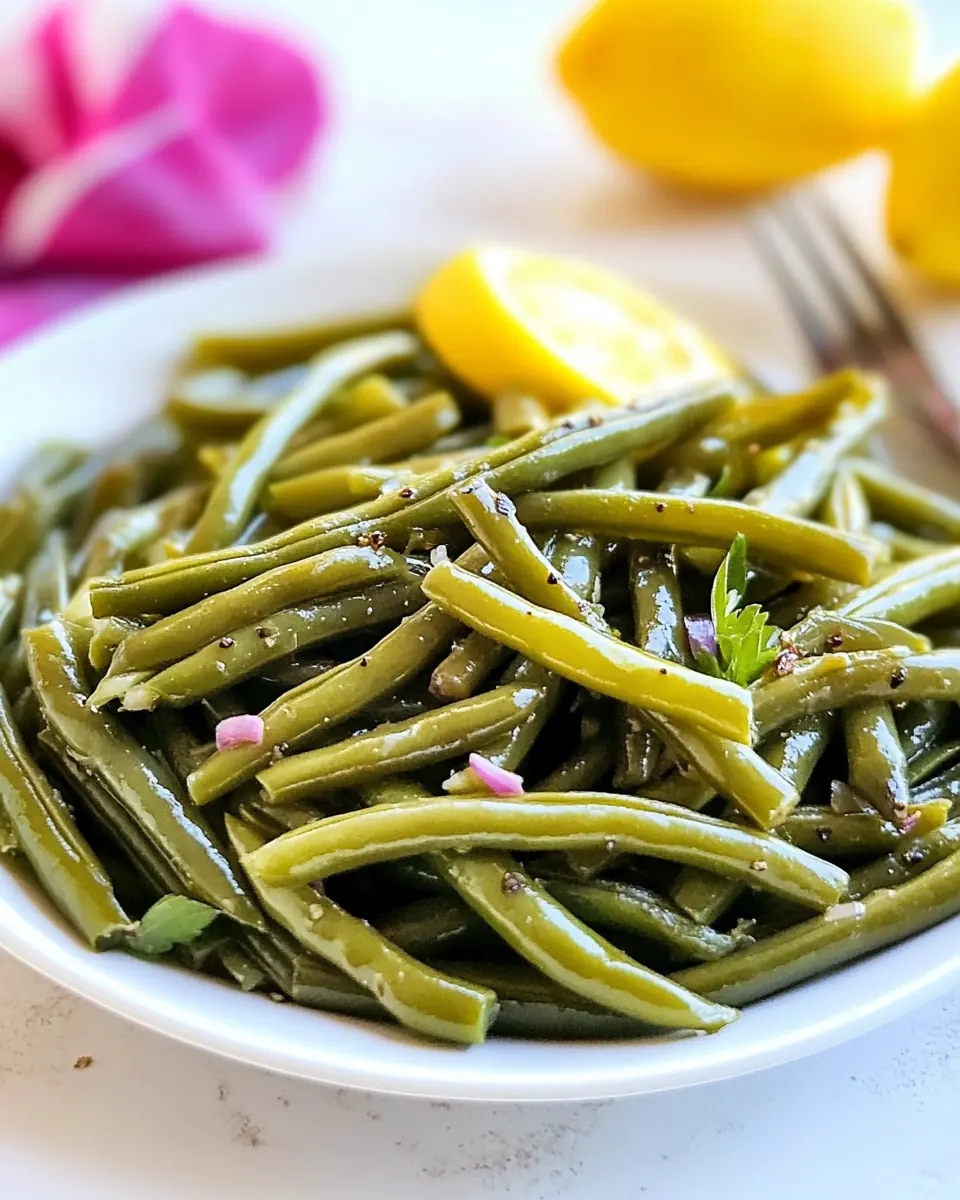
This short intro prepares you for practical ways to adapt and refine the dish. The tips below expand on small swaps, textural choices, and serving ideas, all written as actionable items you can use right away.
- Swap for fresh when available If you have fresh green beans on hand, trim and blanch them briefly before the skillet stage to preserve brightness and a snappy bite, adjusting saute time so they do not overcook.
- Oil choice matters Extra virgin olive oil adds fruitiness, while a neutral oil will let the lemon and onion shine; choose based on how prominent you want the oil flavor to be.
- Adjust heat gently Increase or decrease red pepper flakes to taste, sprinkling a little at a time so you do not overpower the citrus notes.
- Slice lemon thin Thin lemon slices meld into the dish better and provide gentle bursts of acidity, rather than large wedges that dominate a bite.
- Serve room temperature This recipe is excellent at room temperature, which makes it convenient for buffets and potlucks; just keep it covered until serving.
What to Serve With Spring Green Beans Recipe
This intro gives a few ideas about pairing and occasions for the dish. Think seasonal menus and complementary textures when planning a plate. The list below explores pairings, storage, and serving contexts so you can adapt the beans to many meals.
- Weeknight mains Pair with roasted chicken or a simple pan seared fish, letting the bright lemon and onion cut through richer flavors.
- Holiday spreads Add to a buffet where heavier dishes are present, the acidity helps cleanse the palate between bites of roast or grain dishes.
- Potluck friendly Transport at room temperature and present in a shallow dish so the beans remain appealing and easy to serve.
- Seasonal pairing This is ideal for spring menus when fresh citrus and light sides are in demand; it complements early spring vegetables and fresh herbs.
- Storage tips Refrigerate in an airtight container up to three days, then bring to room temperature before serving to recapture the texture.
- Occasion flexibility Use as a side for casual dinners, brunch spreads, or as part of a light dinner during Ramadan evenings when you want something gentle and restorative.
FAQ
Conclusion
What makes this recipe special is its ability to turn a few pantry staples into a lively, textured side that feels fresh and intentional. It is quick to prepare, forgiving in technique, and bright in flavor, so you can rely on it for weeknights or for larger meals when you need reliable sides. Give it a try the next time you want something simple yet flavorful on the table, and adjust the heat and lemon to suit your taste. You may find, as I did, that this little skillet dish becomes a regular because it is both convenient and surprisingly satisfying.
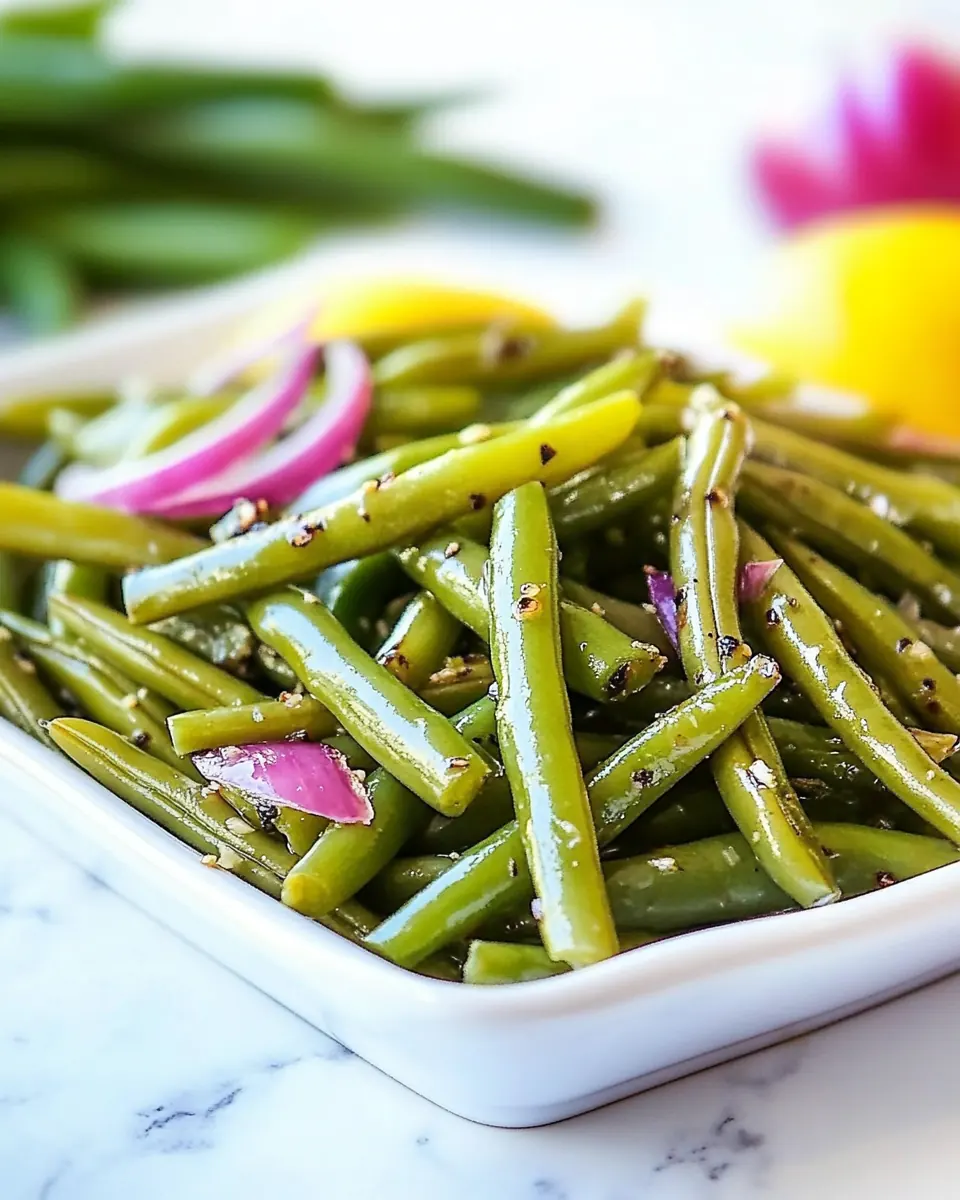
Spring Green Beans Recipe
Ingredients
Equipment
Method
- Heat skillet over medium-low heat. Add green beans and drizzle with olive oil. Quickly saute green beans, about 3 minutes. Add in rings from slices of red onion. Remove from heat and squeeze juice from one half of lemon. Cut remaining half of lemon into thin slices and add to the green beans. Sprinkle with red pepper flakes and serve.: When the skillet is warming, notice a gentle shimmer across the surface of the olive oil when you add it, not a hard ripple that indicates smoking. This moderate temperature ensures the green beans warm through and pick up subtle browning without charring. You should hear a faint sizzle, a soft whisper rather than an angry crackle. The aroma will shift from neutral to slightly nutty as the pan warms, signaling readiness. Why this matters, I find, is because medium low heat gives control; the beans will not go from fresh to overcooked in seconds. A common mistake is cranking the heat to hurry things, which causes uneven browning and can scorch the oil. If you detect a burnt smell, lower the heat and wipe the pan clean before continuing.
- Add green beans and drizzle with olive oil: As you introduce the drained green beans , spread them so they make contact with the pan surface. The brief contact creates tiny toasted edges that add depth. Drizzling the olive oil over them helps each bean develop a glossy sheen and carry flavor evenly. You should see faint golden flecks appear along some edges after a minute or two, and the beans will soften audibly when nudged with a spatula. This technique matters because surface contact concentrates flavor; steam alone does not replicate that. Avoid overcrowding the skillet, which leads to steaming and a limp texture instead of the desired gentle toasting.
- Quickly saute green beans about 3 minutes: During this short saute the beans will go from cold and slightly rigid to tender and warmed through. Listen for a soft sizzling and watch for tiny bubbles of oil around the beans. Their color will deepen slightly, and the occasional bean tip might show a light golden brown. The goal is not to fully cook them into softness, but to warm them and let the flavor concentrate. This matters because a quick saute preserves a pleasant bite while still marrying flavors. A frequent slip is leaving them longer so they become too soft; keep an eye on texture and remove them as soon as they yield to gentle pressure.
- Add in rings from slices of red onion: When you fold in the thin red onion rings, you will notice a sharp, sweet aroma that softens as the onion warms. The contrast of the slightly crunchy onion against the tender beans is intentional, creating layers of texture. Stir gently to distribute the rings without breaking them apart, and allow thirty seconds to a minute for them to lose their raw edge. This technique matters because it maintains visual appeal and textural interest. The primary mistake is cooking the onion too long so it becomes fully caramelized, which changes the intended bright profile.
- Remove from heat and squeeze juice from one half of lemon: Pull the skillet off the burner so residual warmth helps the lemon juice spread without cooking down the fresh acidity. As you squeeze the lemon, inhale the sharp citrus scent that lifts the whole pan. The juice brightens the beans immediately, balancing the oil and taming any metallic canned notes. This step matters because fresh acid wakes up flavors in a way that dried seasonings cannot. One common error is cooking the lemon juice into the pan over heat, which mutes its brightness; adding it off heat preserves the fresh zip.
- Cut remaining half of lemon into thin slices and add to the green beans: Slipping thin lemon slices into the dish provides intermittent bursts of citrus and makes the presentation pop. The translucent wedges soften slightly from the pan warmth while still holding their shape, offering a pleasant chew and visual contrast. These slices also infuse a softer citrus aroma as they mingle with the oil. This finishing touch matters because it layers flavor rather than relying solely on juice. A mistake to avoid is using thick wedges that overpower each bite; thin slices integrate more gracefully.
- Sprinkle with red pepper flakes and serve: A final pinch of red pepper flakes releases a faint toasted aroma and provides a whisper of heat on the palate. Scatter them evenly so every serving gets a bit of spice, then transfer the beans to a warm platter. The dish should look glossy with a few bright lemon slices and flecks of red. Serving immediately preserves textural contrasts, while resting too long can make the onions limp and the beans lose their vibrancy. Avoid adding salt-heavy seasonings at the end without tasting, since the canned green beans may already contain sodium. If you need to adjust seasoning, do so sparingly and taste first.
Notes
- Swap for fresh when available If you have fresh green beans on hand, trim and blanch them briefly before the skillet stage to preserve brightness and a snappy bite, adjusting saute time so they do not overcook.
- Oil choice matters Extra virgin olive oil adds fruitiness, while a neutral oil will let the lemon and onion shine; choose based on how prominent you want the oil flavor to be.
- Adjust heat gently Increase or decrease red pepper flakes to taste, sprinkling a little at a time so you do not overpower the citrus notes.
- Slice lemon thin Thin lemon slices meld into the dish better and provide gentle bursts of acidity, rather than large wedges that dominate a bite.
- Serve room temperature This recipe is excellent at room temperature, which makes it convenient for buffets and potlucks; just keep it covered until serving.