Oven Brisket
Oven Brisket is the kind of recipe that has followed me through long winter evenings, when the house smells like slow cooked comfort and everyone drifts toward the kitchen to see what’s bubbling. I first learned its quiet rewards on a blustery afternoon, when I wanted something honest, substantial, and easy to feed a crowd. The brisket arrived home after a day of errands, and by the time neighbors began to wander in, the meat had surrendered into tender ribbons that tasted of smoke and pantry staples.
On another night, I used Oven Brisket for a family gathering where stories grew taller as the meat got thinner. I remember the hiss when I unwrapped the foil, and the little gasp from my sister when she found how soft the slices were. It’s not flashy, it’s soulful. The spices are modest, yet they strike a balance that makes this brisket a consistent favorite for evenings when I want food that comforts without a fuss.
Recipe Snapshot
6 hr 10 mins
10 mins
360 mins
Hard
300 kcal
American
Keto, Paleo
Dinner
Shallow roasting pan, Large dutch oven
What Sets This Oven Brisket Apart
Deep, reliable flavor
I love how Oven Brisket builds flavor slowly, so every bite tastes layered. The combination of meat tenderizer, garlic salt, onion salt, and celery salt seasons the beef in a way that penetrates deeply, not just sitting on top. When you unwrap the foil, you can smell the concentrated savory notes, and that smell alone feels like a reward for the long wait.
Hands off, stress free cooking
One big reason I return to this recipe is that it’s largely passive once you’re set up. After seasoning and wrapping, the oven does the heavy lifting. That freedom lets me host or relax without checking a timer every few minutes. The technique favors patience, and patience pays off with a tender, fork ready brisket.
Flexible for serving styles
There are so many ways I’ve served Oven Brisket, from thick slices on a dinner plate to thin ribbons reheated in broth for sandwiches. That versatility makes it useful for casual weeknight meals or for feeding a group. The simple gravy or warmed broth keeps the meat juicy and offers a cozy presentation that always feels thoughtful.
Great for winter and gatherings
This recipe really shines in cold months, and I often make it when friends are coming over. The long marinate and slow roast create deep comfort, and the leftovers keep performing well for a couple of days. It’s the kind of dish that stretches your time and ingredients into more than a meal, it becomes the backdrop for conversation.
Trustworthy technique
I appreciate that the method is straightforward and forgiving. Using a thermometer to aim for tenderness, wrapping tightly to trap moisture, and letting the meat rest before slicing are small steps that yield consistent results. Once you learn these cues, you’ll feel confident every time you make Oven Brisket.
Ingredients for Oven Brisket
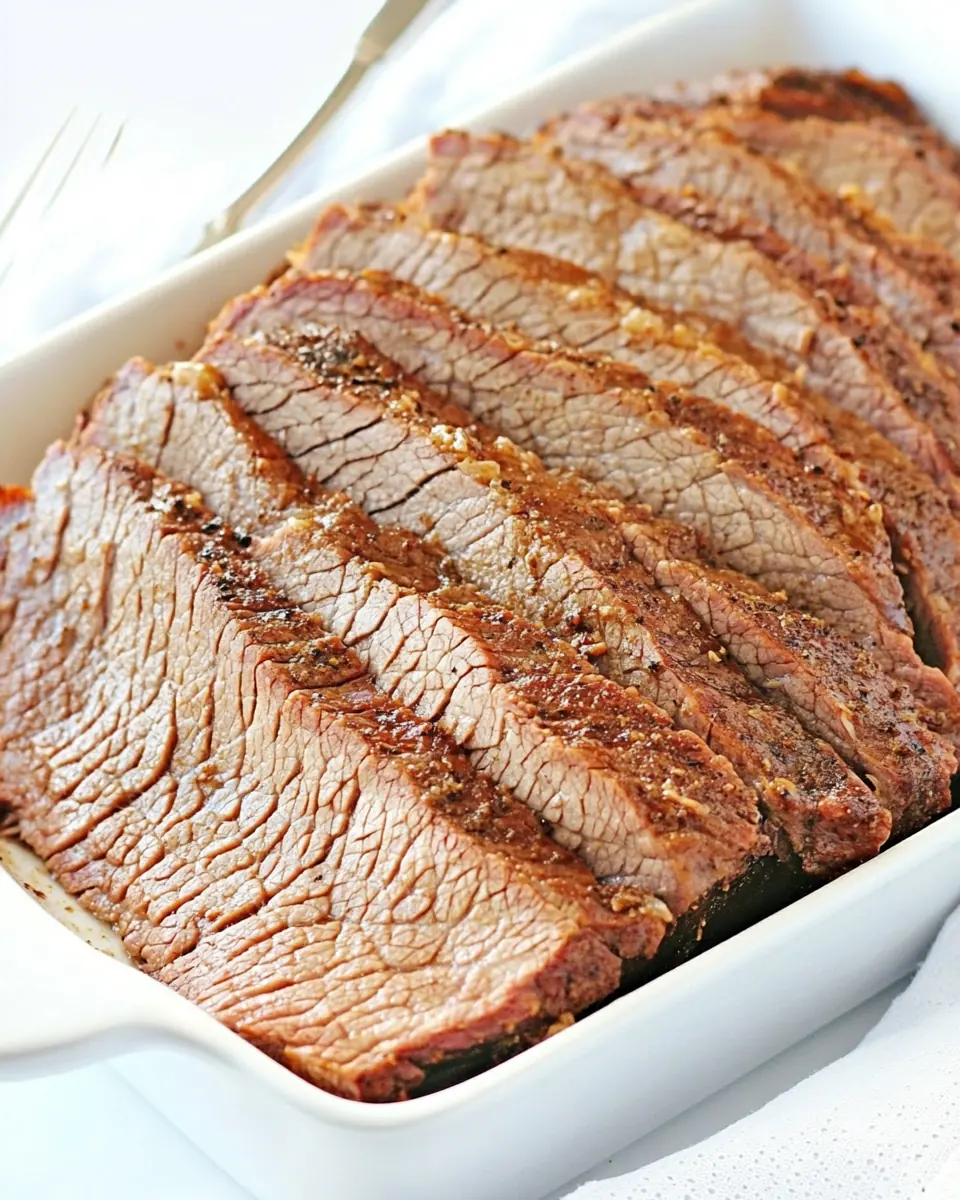
These ingredients are all about building deep, savory character while keeping the approach simple. The brisket is the hero, and the supporting seasonings amplify its natural beefy flavor. Liquid smoke and Worcestershire sauce add umami and complexity, while the trio of seasoned salts glues the profile together. Together, the elements focus on tenderness, concentrated savory notes, and easy assembly.
- 7 pound beef brisket trimmed: Trimmed and roasted slowly to develop deep, savory flavor and tender texture; provides the primary protein and hearty mouthfeel for the dish. Requires long, low-temperature cooking to break down connective tissue and yield sliceable, juicy brisket. Serves as the centerpiece and absorbs seasonings and smokey aromatics during the oven braise.
- 2 teaspoons meat tenderizer: Sprinkled onto the meat to help break down surface proteins and slightly tenderize tougher fibers before cooking. Works quickly on the exterior to improve chewiness without altering flavor significantly when used in modest amounts. Enhances overall tenderness especially for thicker, well-marbled cuts.
- 2/3 teaspoon garlic salt: Added sparingly to contribute a mild garlic punch and subtle savory depth that complements beef. Blends into rubs and marinades without overwhelming other seasonings, helping to round out the flavor profile. Dissolves into meat juices during cooking to distribute aroma evenly.
- 2/3 teaspoon celery salt: Used to impart a gentle salty, slightly bitter celery note that brightens the overall seasoning blend. Balances richer flavors and pairs well with beef and other savory spices, providing subtle aromatic complexity. Helps lift the profile without adding overt sweetness.
- 2/3 teaspoon onion salt: Included to supply a soft oniony savor that enhances umami and rounds out the rub. Provides background aromatic support that melds with garlic and salts during the long cook. Contributes to a fuller, more complete savory seasoning when the brisket is carved.
- 1 teaspoon liquid smoke: Stirred into the seasoning to add concentrated smoky aroma and a hint of charred depth without using a smoker. Penetrates the meat surface and complements oven-roasting, giving a barbeque-like note to the finished brisket. Uses only a small amount to avoid overpowering natural beef flavors.
- 2 teaspoons Worcestershire sauce: Mixed into the marinade to deliver tangy, savory complexity and enhance meatiness with umami-rich notes. Helps balance salt and smoke while promoting browning during roasting. Acts as a flavor bridge between the salts, liquid smoke, and beef.
Oven Brisket Instructions
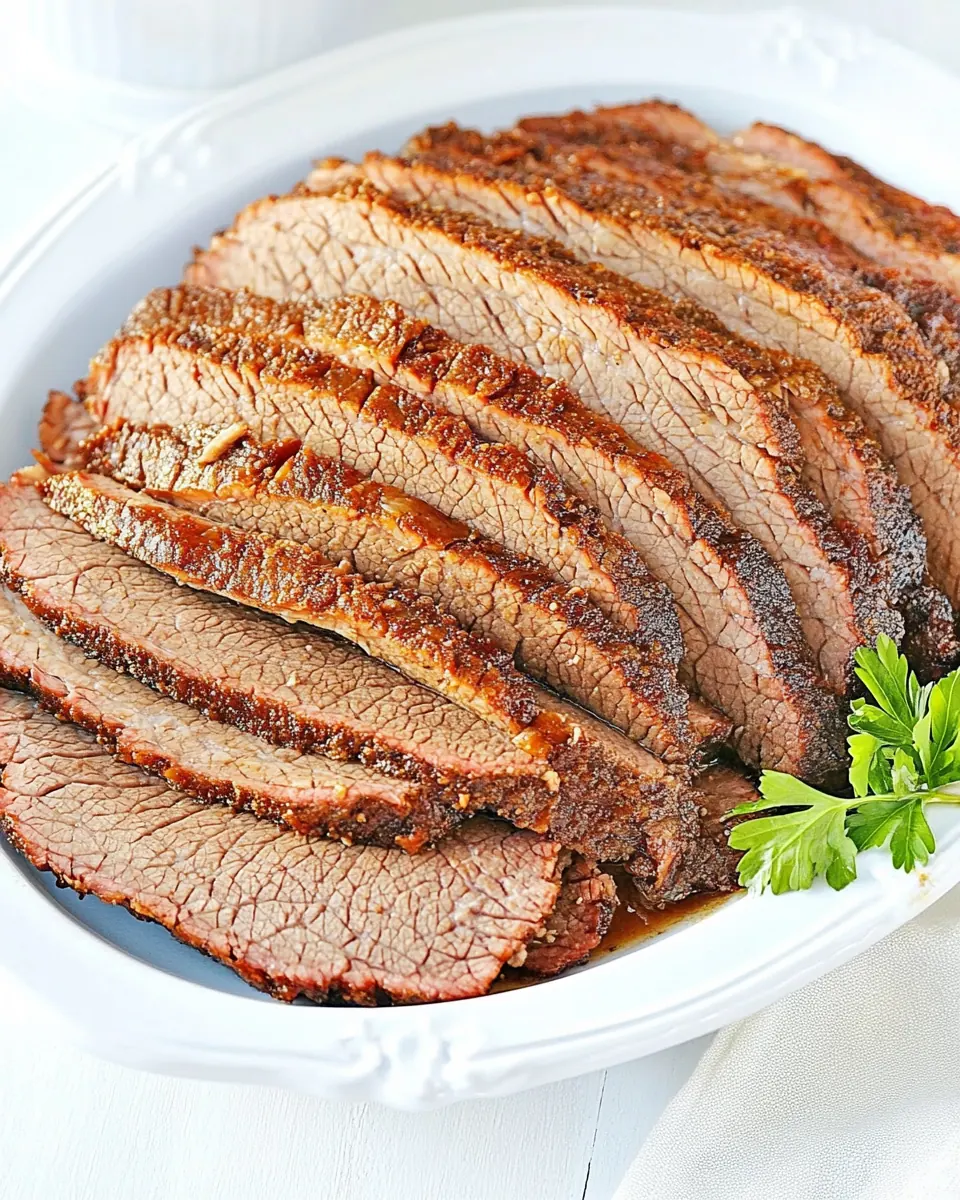
These directions guide you through preparing, seasoning, marinating, and roasting the brisket so it reaches tender, sliceable perfection. Read each step fully, and pay attention to sensory cues like aroma, texture, and how the meat responds to touch. With patience and attention, you’ll be rewarded with deeply flavored, fork tender brisket.
- Trim excess fat off the brisket.: Warmth from your hands and a sharp knife will reveal the meat beneath the outer layer, and the sound is a soft, clean slicing as you remove thick slabs of fat. You want a thin fat cap left, about a quarter inch, so it can baste the meat during the slow roast without leaving greasy puddles. The reason is that a properly trimmed brisket renders evenly, creating a balanced texture rather than one overly fatty end and one dry end. A common mistake is cutting away all the fat at first, which removes flavor and moisture; instead, trim thoughtfully and leave a protective layer.
- Punch holes in both sides of the brisket with a fork.: As you press the fork, you’ll feel little punctures that allow marinades and seasonings to penetrate deeper, and the meat gives slightly under pressure. This helps the meat tenderizer and seasonings do more than coat the surface. The why here is straightforward, it increases surface area for flavor absorption and speeds tenderization. Avoid going too deep repeatedly in the same spot, since overdoing it can cause the meat to lose juices during the roast.
- Sprinkle meat tenderizer on both sides.: The tenderizer should be dusted evenly, and as it meets the meat it settles into the puncture holes you made, almost like a gentle dusting that promises softness. This ingredient chemically helps break down tough fibers over the long marinade and cook, giving you that coveted fork tender texture. The risk is using too much, which can make the surface mealy; measure carefully and spread it evenly to prevent textural issues.
- Sprinkle garlic salt, onion salt, and celery salt on both sides.: When these seasonings hit the warm surface, they smell savory and fragrant, building a savory crust once roasted. They work together to layer aromatics and saltiness so the beef tastes rich across each slice. The purpose is to form a well rounded flavor profile rather than a single note. One mistake I see is uneven application, leaving one side bland; take your time to distribute the salts uniformly.
- Place the seasoned brisket in a shallow roasting pan lined with heavy-duty aluminum foil.: The foil makes a tight, protective cocoon and the pan is where the juices will collect and concentrate, creating a fragrant base. As you nestle the brisket in, you might hear a soft clink from the pan, and the meat will settle into place. Lining with foil simplifies cleanup and ensures the wrap seals well. Avoid skipping the foil lining because it helps trap moisture and prevents sticking that can tear the meat during unwrapping.
- Pour liquid smoke over the meat.: A small amount of liquid smoke brings a smoky aroma that hits you right away, like a whisper of char that complements the long roast. The scent is subtle but transformative, giving the brisket an outdoor smoked character without a smoker. This step matters because it enriches the finished profile and pairs with the roasting basting. Do not pour too much, as overapplying overwhelms the natural beef notes and can taste artificial.
- Wrap tightly and marinate for 8 to 10 hours in the refrigerator, the longer the better.: The wrapped brisket will rest and absorb flavors, and when you open the foil after marinating, you may notice a concentrated, savory scent and a slightly tacky surface where seasonings have melded. This slow soak lets the tenderizer and salts work through the meat, improving texture and depth. A typical error is under marinating, which yields a less penetrated flavor, so allow adequate time for the ingredients to do their job.
- When ready to bake, unwrap the brisket, sprinkle Worcestershire sauce over the meat, and re-wrap tightly.: The sauce creates a shiny, savory glaze that will mingle with the pan juices as it roasts, and rewrapping locks those flavors in. You should see the sauce bead slightly on the surface, signaling it is ready to be sealed in. The why is that adding the sauce just before roasting concentrates its effect, and wrapping ensures moisture retention. Avoid leaving it unwrapped during the long roast, since exposed surfaces can dry out.
- Bake at 225 degrees for 5 to 6 hours or to your liking. I like to use a meat thermometer and cook the brisket to 195 degrees, because that's when it is fork tender.: As the oven breathes heat, you will hear occasional soft pops from rendered fat and smell a deepening meaty aroma that turns almost sweet. At around the midpoint, the surface will look drier but do not panic, the internal breakdown continues. Using a thermometer is critical because the number gives you confidence that the connective tissue has melted into gelatin. The biggest mistake is rushing the temperature up too much, which can toughen the meat instead of inviting tenderness.
- Remove brisket from the oven, and allow to cook for about 25 minutes before slicing.: The meat will settle and redistribute juices during this rest, and the surface will slightly cool while internal steam relaxes. Cutting too soon squeezes juices out, resulting in a drier slice, so this rest is crucial for juicy results. You should feel the meat firm slightly when you press it, indicating the proteins have set. Avoid slicing immediately, which leads to moisture loss and a less succulent plate.
- Pour the broth into a saucepan and simmer on low heat.: As the broth warms, steam will carry meaty aromas and the surface will ripple gently, indicating it is ready to receive slices. Simmering concentrates flavors and creates a warm medium to reheat the brisket without drying it out. This step is important for keeping slices juicy and for creating a light jus for serving. A common mistake is boiling vigorously, which reduces the liquid too fast and can concentrate saltiness.
- Thinly slice the meat.: Use a sharp knife and slice across the grain into thin, even pieces; you will notice the surface sheen from resting and the tender fibers parting cleanly. Thin slices let the meat feel tender on the tongue, and they absorb the reheating broth or sauce beautifully. The reason you slice thin is to maximize tenderness and portioning. Avoid slicing with a dull knife or along the grain, which tears the meat and makes chewing tougher.
- Place the slices in the broth to reheat.: The warm liquid will gently coax heat back into the meat, and after a few minutes the slices will appear glossy and ready to serve. This keeps each portion moist and infuses a light savory jus. The why is that reheating in liquid prevents drying and enhances mouthfeel. Don’t leave them too long, or they may over soften and lose structure.
- You may reheat this in your favorite barbecue sauce.: If you choose a sauce, it will cling to the warm slices and caramelize slightly if briefly reheated, adding a tangy or sweet dimension depending on the sauce profile. This is a serving option that personalizes the dish and introduces contrast. The caution is to warm gently, as high heat can break down the meat texture or burn sugars in the sauce.
Ways to Adapt This Recipe
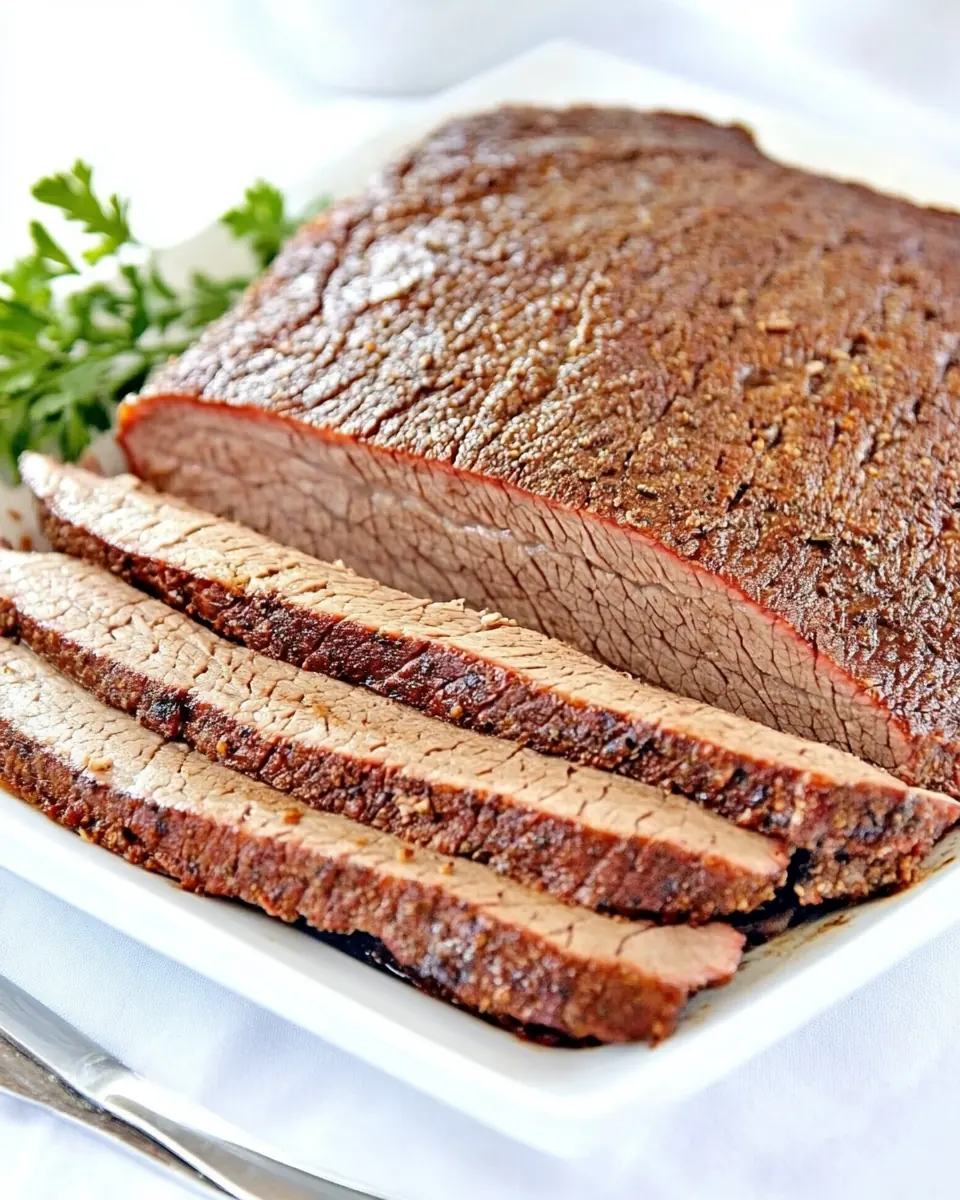
This section offers practical adaptations for different preferences and situations. Use these ideas to tailor Oven Brisket to your pantry, timeline, or serving needs while keeping the core technique intact.
- Reduce salt for lower sodium: If you want to lower sodium, lightly halve the combined seasoned salts and taste the pan juices before final seasoning; the long cooking concentrates salt, so start modestly and adjust at the end.
- Shorter marinate option: If time is tight, allow at least four hours of marinating in the refrigerator; while longer is better, a shorter window still lets some flavor penetrate the surface and improves tenderness more than skipping the step entirely.
- Make ahead and freeze: After cooking and slicing, cool completely and portion into airtight containers for freezing; thaw in the refrigerator overnight and reheat gently in broth for best texture retention.
- Swap the liquid smoke intensity: If you prefer a subtler smoke note, reduce the liquid smoke by half; it still adds depth without overtly smoky flavor, preserving the natural beef character.
- Use the pan juices as a base: Strain and simmer the collected juices to concentrate them into a light jus for serving, enriching the meat without masking its roasted flavor.
Serving Options for Oven Brisket
Oven Brisket is versatile on the table and pairs well with many side dishes. Whether serving for a family dinner or a gathering during winter, these options help you present it with style and practicality. Choose sides and serving styles that match the occasion, and use the warm broth or sauce to keep slices juicy.
- Classic plated dinner: Serve thin slices with roasted root vegetables and mashed potatoes, spooning warm broth over the meat to add moisture and extra flavor.
- Sandwiches or sliders: Reheat slices briefly in warm broth or barbecue sauce, pile on rolls, and let guests add toppings for a casual, shareable meal.
- Family style: Arrange thick slices on a platter, keep a warm gravy or jus in a bowl, and let people help themselves while enjoying conversation.
- Occasions: This recipe fits cold season gatherings, weekend dinners, and holiday meals where hearty portions and simple preparation are welcome.
- Storage tips: Cool completely before refrigerating in airtight containers for up to four days, or freeze portions for up to three months. Reheat slowly in broth to retain tenderness.
- Seasonal pairings: In winter, pair with root vegetables and braised greens; in milder months, serve alongside a bright salad to contrast the rich meat.
FAQ
Conclusion
This Oven Brisket stands out for its straightforward technique and deeply satisfying results, turning a humble cut into tender, flavorful slices. Try it when you want a comforting meal that feeds a crowd and rewards patience with rich savory complexity. Make it once and you’ll find the simple steps and slow roast rhythm will earn a regular place in your winter cooking rotation, bringing warmth and hearty flavor to the table.
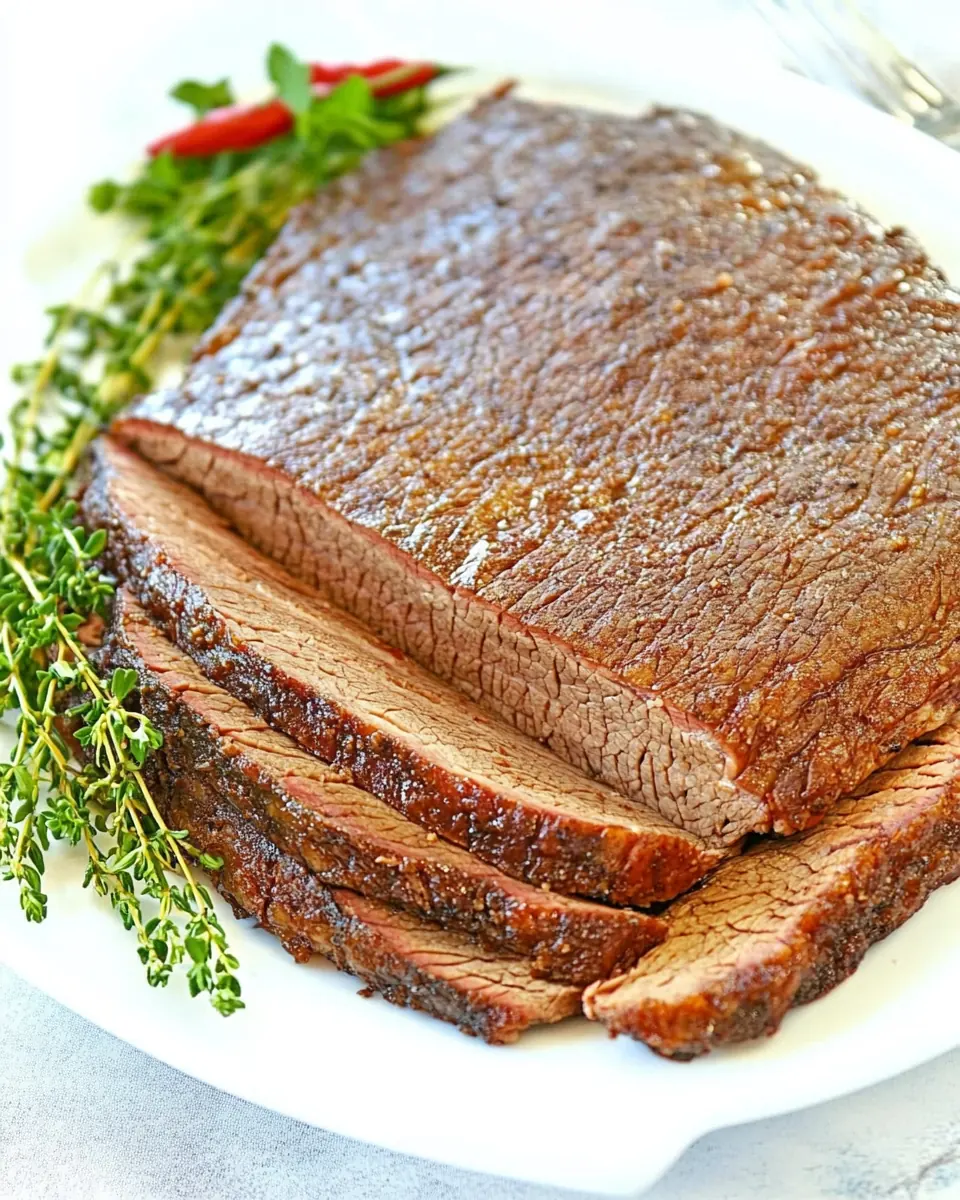
Oven Brisket
Ingredients
Equipment
Method
- Trim excess fat off the brisket.: Warmth from your hands and a sharp knife will reveal the meat beneath the outer layer, and the sound is a soft, clean slicing as you remove thick slabs of fat. You want a thin fat cap left, about a quarter inch, so it can baste the meat during the slow roast without leaving greasy puddles. The reason is that a properly trimmed brisket renders evenly, creating a balanced texture rather than one overly fatty end and one dry end. A common mistake is cutting away all the fat at first, which removes flavor and moisture; instead, trim thoughtfully and leave a protective layer.
- Punch holes in both sides of the brisket with a fork.: As you press the fork, you’ll feel little punctures that allow marinades and seasonings to penetrate deeper, and the meat gives slightly under pressure. This helps the meat tenderizer and seasonings do more than coat the surface. The why here is straightforward, it increases surface area for flavor absorption and speeds tenderization. Avoid going too deep repeatedly in the same spot, since overdoing it can cause the meat to lose juices during the roast.
- Sprinkle meat tenderizer on both sides.: The tenderizer should be dusted evenly, and as it meets the meat it settles into the puncture holes you made, almost like a gentle dusting that promises softness. This ingredient chemically helps break down tough fibers over the long marinade and cook, giving you that coveted fork tender texture. The risk is using too much, which can make the surface mealy; measure carefully and spread it evenly to prevent textural issues.
- Sprinkle garlic salt, onion salt, and celery salt on both sides.: When these seasonings hit the warm surface, they smell savory and fragrant, building a savory crust once roasted. They work together to layer aromatics and saltiness so the beef tastes rich across each slice. The purpose is to form a well rounded flavor profile rather than a single note. One mistake I see is uneven application, leaving one side bland; take your time to distribute the salts uniformly.
- Place the seasoned brisket in a shallow roasting pan lined with heavy-duty aluminum foil.: The foil makes a tight, protective cocoon and the pan is where the juices will collect and concentrate, creating a fragrant base. As you nestle the brisket in, you might hear a soft clink from the pan, and the meat will settle into place. Lining with foil simplifies cleanup and ensures the wrap seals well. Avoid skipping the foil lining because it helps trap moisture and prevents sticking that can tear the meat during unwrapping.
- Pour liquid smoke over the meat.: A small amount of liquid smoke brings a smoky aroma that hits you right away, like a whisper of char that complements the long roast. The scent is subtle but transformative, giving the brisket an outdoor smoked character without a smoker. This step matters because it enriches the finished profile and pairs with the roasting basting. Do not pour too much, as overapplying overwhelms the natural beef notes and can taste artificial.
- Wrap tightly and marinate for 8 to 10 hours in the refrigerator, the longer the better.: The wrapped brisket will rest and absorb flavors, and when you open the foil after marinating, you may notice a concentrated, savory scent and a slightly tacky surface where seasonings have melded. This slow soak lets the tenderizer and salts work through the meat, improving texture and depth. A typical error is under marinating, which yields a less penetrated flavor, so allow adequate time for the ingredients to do their job.
- When ready to bake, unwrap the brisket, sprinkle Worcestershire sauce over the meat, and re-wrap tightly.: The sauce creates a shiny, savory glaze that will mingle with the pan juices as it roasts, and rewrapping locks those flavors in. You should see the sauce bead slightly on the surface, signaling it is ready to be sealed in. The why is that adding the sauce just before roasting concentrates its effect, and wrapping ensures moisture retention. Avoid leaving it unwrapped during the long roast, since exposed surfaces can dry out.
- Bake at 225 degrees for 5 to 6 hours or to your liking. I like to use a meat thermometer and cook the brisket to 195 degrees, because that's when it is fork tender.: As the oven breathes heat, you will hear occasional soft pops from rendered fat and smell a deepening meaty aroma that turns almost sweet. At around the midpoint, the surface will look drier but do not panic, the internal breakdown continues. Using a thermometer is critical because the number gives you confidence that the connective tissue has melted into gelatin. The biggest mistake is rushing the temperature up too much, which can toughen the meat instead of inviting tenderness.
- Remove brisket from the oven, and allow to cook for about 25 minutes before slicing.: The meat will settle and redistribute juices during this rest, and the surface will slightly cool while internal steam relaxes. Cutting too soon squeezes juices out, resulting in a drier slice, so this rest is crucial for juicy results. You should feel the meat firm slightly when you press it, indicating the proteins have set. Avoid slicing immediately, which leads to moisture loss and a less succulent plate.
- Pour the broth into a saucepan and simmer on low heat.: As the broth warms, steam will carry meaty aromas and the surface will ripple gently, indicating it is ready to receive slices. Simmering concentrates flavors and creates a warm medium to reheat the brisket without drying it out. This step is important for keeping slices juicy and for creating a light jus for serving. A common mistake is boiling vigorously, which reduces the liquid too fast and can concentrate saltiness.
- Thinly slice the meat.: Use a sharp knife and slice across the grain into thin, even pieces; you will notice the surface sheen from resting and the tender fibers parting cleanly. Thin slices let the meat feel tender on the tongue, and they absorb the reheating broth or sauce beautifully. The reason you slice thin is to maximize tenderness and portioning. Avoid slicing with a dull knife or along the grain, which tears the meat and makes chewing tougher.
- Place the slices in the broth to reheat.: The warm liquid will gently coax heat back into the meat, and after a few minutes the slices will appear glossy and ready to serve. This keeps each portion moist and infuses a light savory jus. The why is that reheating in liquid prevents drying and enhances mouthfeel. Don’t leave them too long, or they may over soften and lose structure.
- You may reheat this in your favorite barbecue sauce.: If you choose a sauce, it will cling to the warm slices and caramelize slightly if briefly reheated, adding a tangy or sweet dimension depending on the sauce profile. This is a serving option that personalizes the dish and introduces contrast. The caution is to warm gently, as high heat can break down the meat texture or burn sugars in the sauce.
Notes
- Reduce salt for lower sodium: If you want to lower sodium, lightly halve the combined seasoned salts and taste the pan juices before final seasoning; the long cooking concentrates salt, so start modestly and adjust at the end.
- Shorter marinate option: If time is tight, allow at least four hours of marinating in the refrigerator; while longer is better, a shorter window still lets some flavor penetrate the surface and improves tenderness more than skipping the step entirely.
- Make ahead and freeze: After cooking and slicing, cool completely and portion into airtight containers for freezing; thaw in the refrigerator overnight and reheat gently in broth for best texture retention.
- Swap the liquid smoke intensity: If you prefer a subtler smoke note, reduce the liquid smoke by half; it still adds depth without overtly smoky flavor, preserving the natural beef character.
- Use the pan juices as a base: Strain and simmer the collected juices to concentrate them into a light jus for serving, enriching the meat without masking its roasted flavor.