Strawberry Crostata
Strawberry Crostata is the kind of recipe I keep returning to when strawberries are at their peak, because it captures bright fruit and tender pastry in the simplest, most honest way.
One summer afternoon I brought a rustic tart to a neighbor’s tea and watched everyone quiet down as the first forkful circulated. The combination of the slightly oily, tender crust and the juicy strawberries warmed my heart, and from then on I started making it whenever I had a bowl of ripe berries. I love how forgiving the dough is, how it cracks and browns at the edges, and how the fruit inside sings when baked just enough.
Over time I learned little gestures that change everything, such as resting the dough, draining excess fruit juice, and weaving the lattice with a casual hand so the tart feels homemade rather than fussy. This version keeps things honest, leaning on pantry staples like all purpose flour, sugar, and a splash of extra virgin olive oil for a tender crumb and delicate flavor. I hope my stories about the kitchen mishaps and small wins help you feel confident the first time you bake one.
Recipe Snapshot
45 mins
10 mins
35 mins
Medium
250 kcal
Italian
Gluten-Free, Low FODMAP
Desserts
Food processor, Mixing bowl, Rolling pin, 8 inch tart pan, Oven
The Best Thing About This Strawberry Crostata
Simple, honest ingredients
I love that Strawberry Crostata relies on a few good ingredients, not a long list of techniques. With ripe strawberries, a little sugar, and a straightforward dough made from all purpose flour and olive oil, you get maximum flavor with minimal fuss. I usually choose fruit that smells sweet at the stem, because that aroma translates into bright, juicy filling after baking.
Rustic charm, elegant results
There is a warmth to a rustic tart that feels both relaxed and special. I find that when guests see the woven lattice, they assume you spent hours, even though the technique is forgiving. That relaxed look makes it ideal for casual dinners or a summer brunch where presentation matters, but the vibe remains comfortable.
Flexible and forgiving dough
The dough in this recipe is not finicky, it tolerates a little extra handling and some leftover flour. I often press it into a disk, chill it, and roll it gently. This approach means you can adapt on the fly, and it still bakes into a tender, flaky shell that contrasts beautifully with the soft fruit filling.
Bright, balanced fruit filling
I appreciate how a hint of lemon juice and a touch of cornstarch can stabilize the filling and brighten the flavor, without turning it into jam. That small adjustment keeps the filling juicy but not soupy, and the result feels fresh rather than cloying. I often drain excess juice before filling, which helps the crust stay crisp at the bottom.
Great for gatherings
This tart scales mentally, and because it stores well in the fridge for a few days, it’s perfect to prepare ahead for company. I like that you can swap fruit seasonally and still follow the same technique. For me, that ease combined with reliably impressive results makes this one a frequent request at summer get togethers.
What’s In This Strawberry Crostata
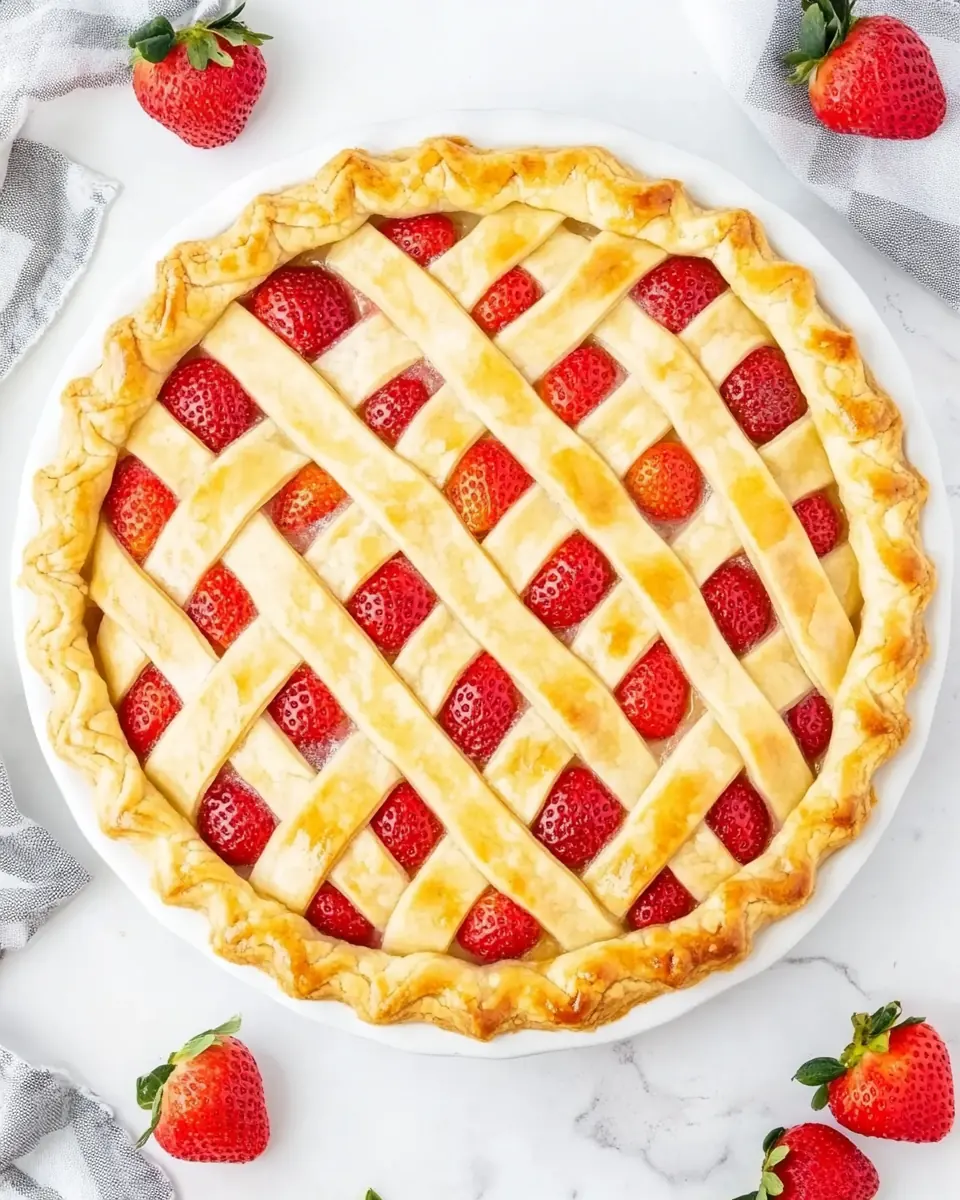
The philosophy behind these ingredients is all about balance. I focus on a tender, slightly rich dough that frames a bright, juicy fruit center. The key players are the fruit for brightness, the sugar for sweetness and structure, and the flour and oil for a tender crumb. Each item plays a clear role so the finished crostata feels light yet satisfying.
- 300 g fresh strawberries, sliced, approx 10.5 oz: Provide sweet, juicy fruit and bright color to the crostata filling; slice into even pieces to ensure consistent cooking and release natural juices that combine with sugar and thickener for a saucy texture.
- 3 tablespoons sugar: Add sweetness and help macerate the strawberries; sprinkle evenly over the fruit to draw out juices and balance tartness while aiding caramelization during baking.
- 1 tablespoon cornstarch (optional): Stabilize the strawberry juices and produce a glossy, slightly thickened filling; mix with sugar and fruit to prevent a runny crostata while remaining optional for a lighter sauce.
- 1 teaspoon lemon juice (optional): Enhance brightness and balance sweetness with acidic lift; stir into the fruit mixture to accentuate strawberry flavor and freshen the overall profile, optional based on berry ripeness.
- 140 g confectioner sugar, approx 1 1/8 US cups: Sweeten and tenderize the dough while contributing to a smooth texture; sift with dry ingredients or beat with eggs to ensure even distribution and a softer crumb.
- 1 medium egg: Bind dough ingredients and provide structure through coagulation during baking; whisk with the egg yolk to incorporate moisture and help create a tender, cohesive pastry.
- 1 medium egg yolk: Enrich the dough with fat for a richer mouthfeel and more tender crumb; combine with the whole egg to improve elasticity and enhance browning on the crust.
- 90 ml extra-virgin olive oil, approx 1/4 US cup + 2 tablespoons: Provide moisture and a fruity, savory richness to the dough while keeping it tender; pour in gradually while mixing to achieve the proper dough consistency without greasiness.
- zest of 1 lemon: Impart aromatic citrus oils that brighten both dough and filling; zest into the batter or sprinkle over fruit to add lively fragrance and subtle tartness.
- a pinch of salt: Enhance overall flavor by balancing sweetness and bringing out other ingredients; add just a small pinch to the dough to round flavors without detectable saltiness.
- 1 teaspoon baking powder: Leaven the pastry slightly and contribute to a lighter texture; sift with the flour to ensure even distribution and gentle lift in the finished crust.
- 280 g all-purpose flour or flour 00, approx 2 1/4 cups: Form the bulk of the pastry providing structure and body; measure and sift to combine with leavening and fats for a tender, pliable dough that bakes to a golden crust.
How to Make Strawberry Crostata
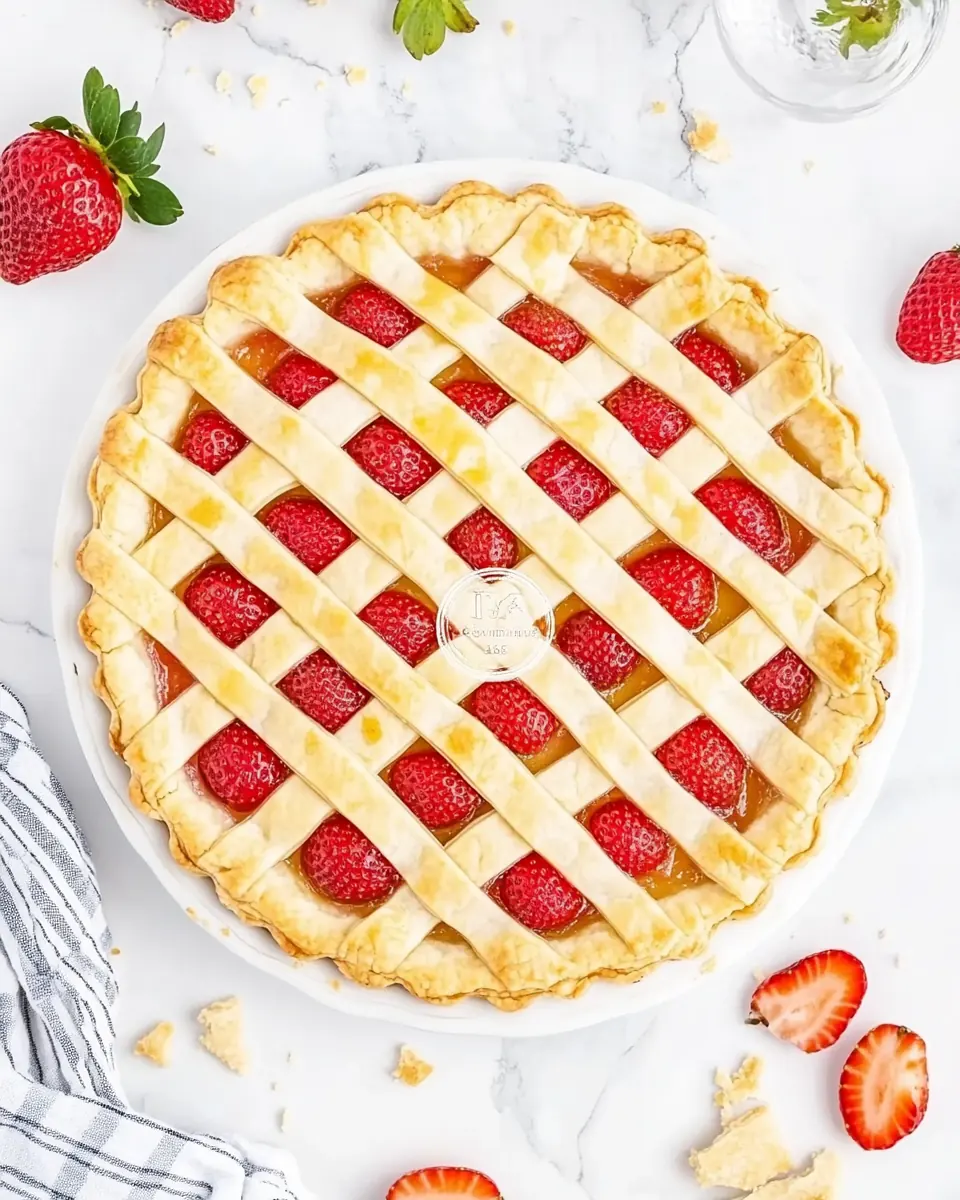
These directions guide you through combining the filling and dough, shaping the tart, and baking to a golden finish. I find that pacing yourself and paying attention to sensory cues like aroma and color makes the process enjoyable and predictable.
- In a large bowl, mix sliced strawberries with sugar, cornstarch, and lemon juice. Cover and chill until ready to use, then drain any excess juice before filling the crostata.: The moment you fold the strawberries with sugar , you will notice juices begin to collect, smelling sweet and bright, which is a sign the fruit is macerating properly. Chilling helps the flavors meld and keeps the fruit firm for filling, while draining prevents a soggy bottom. A common mistake is skipping the drain, which leads to a wet crust; if you see more liquid than expected, gently blot the berries with a paper towel before filling.
- In a food processor, blend on low speed the sugar, eggs, olive oil, lemon zest and a pinch of salt.: As the mixture emulsifies, you will hear a consistent whir and see a glossy batter forming, fragrant with lemon oils and olive oil richness. This early emulsification ensures an even distribution of fat and moisture, which yields an even crumb. Avoid overblending, which can warm the mixture and affect dough texture; pulse until just combined.
- Gradually incorporate 2/3 of the flour and baking powder until the dough begins to form.: Adding most of the flour in stages lets you monitor texture; you want a shaggy, slightly cohesive mass that indicates gluten is developing just enough. The sound shifts from loose grains to a quieter, thicker mix, and the surface looks matte rather than glossy. A common error is dumping all the flour at once, which can make the dough dry and hard to bring together.
- Transfer the dough to a work surface and add the remaining flour, whilst working the dough with your hands until you have a smooth even dough (you'll probably have some leftover flour, it's ok). Flatten into a disk, wrap with cling film and store in the fridge for 30 minutes.: When you press and fold the dough, you feel it go from sticky to pliable, and the aroma of olive oil becomes more subtle. Resting in the fridge relaxes the gluten and firms the fat, which makes rolling easier and creates a tender final crust. Avoid overworking, which heats the dough and tightens gluten, causing toughness.
- Preheat oven to 170°C / 340°F (or 150°C / 300°F with fan option on), and arrange the oven tray onto the middle shelf.: As the oven comes to temperature, you might smell a faint warm scent from the element, signaling readiness. Positioning the tray in the middle encourages even browning of the crust and gentle cook of the fruit. A typical misstep is using the wrong shelf, which can cause uneven color, so set the rack to the middle before preheating.
- Cut off a small piece of dough and set it aside for the topping. Roll out the rest on a lightly floured surface until it's about 1/4 inch (1/2 cm) thick. Gently transfer the dough to an 8-inch (20 cm) tart pan, trim any excess around the edges, and prick the base with a fork.: Rolling reveals a silky surface and the flour dust will whisper under your rolling pin, signaling the right thinness. After transferring, the tactile sensation of smoothing the dough into the pan helps remove air pockets and creates a uniform base. Pricking the base prevents bubbles during baking. Avoid stretching the dough into the pan, which can cause it to shrink during baking.
- Spread the sliced strawberries over the base to cover it fully and evenly.: Laying the fruit in a single layer ensures even cooking and an attractive slice, and as you arrange the strawberries you should see the berry juices glisten. The even distribution helps the crust bake consistently beneath the fruit. One common slip is piling fruit too high, which can release excess liquid and weigh down the crust, so keep it relatively flat.
- Use the reserved dough and any trimmed scraps to make long strips or ropes about 2 cm (2/3 inch) wide. Lay half of the strips over the strawberries, then place the remaining ones on top in the opposite direction to create a simple crisscross pattern.: As you weave the lattice, the dough strips should feel supple yet firm; their edges will slightly blur as they warm from your hands, which helps them join. The lattice shields the fruit while allowing steam to escape and creates that classic rustic look. Avoid making strips too thin, because they can bake brittle and break, or too thick, which can overwhelm the fruit.
- Bake the jam tart in the oven for 35-40 minutes, or until it's golden on top. Remove from the oven and let it cool completely before cutting into slices.: During baking you will smell caramelizing sugars and notice the crust turn an inviting golden brown, with edges crisping beautifully. The fruit will bubble gently, releasing glossy juices that thicken as they cool, creating a luscious bite. Cooling fully is essential so the filling sets and slices hold shape; cutting too soon often yields a runny slice.
Tips and Variations
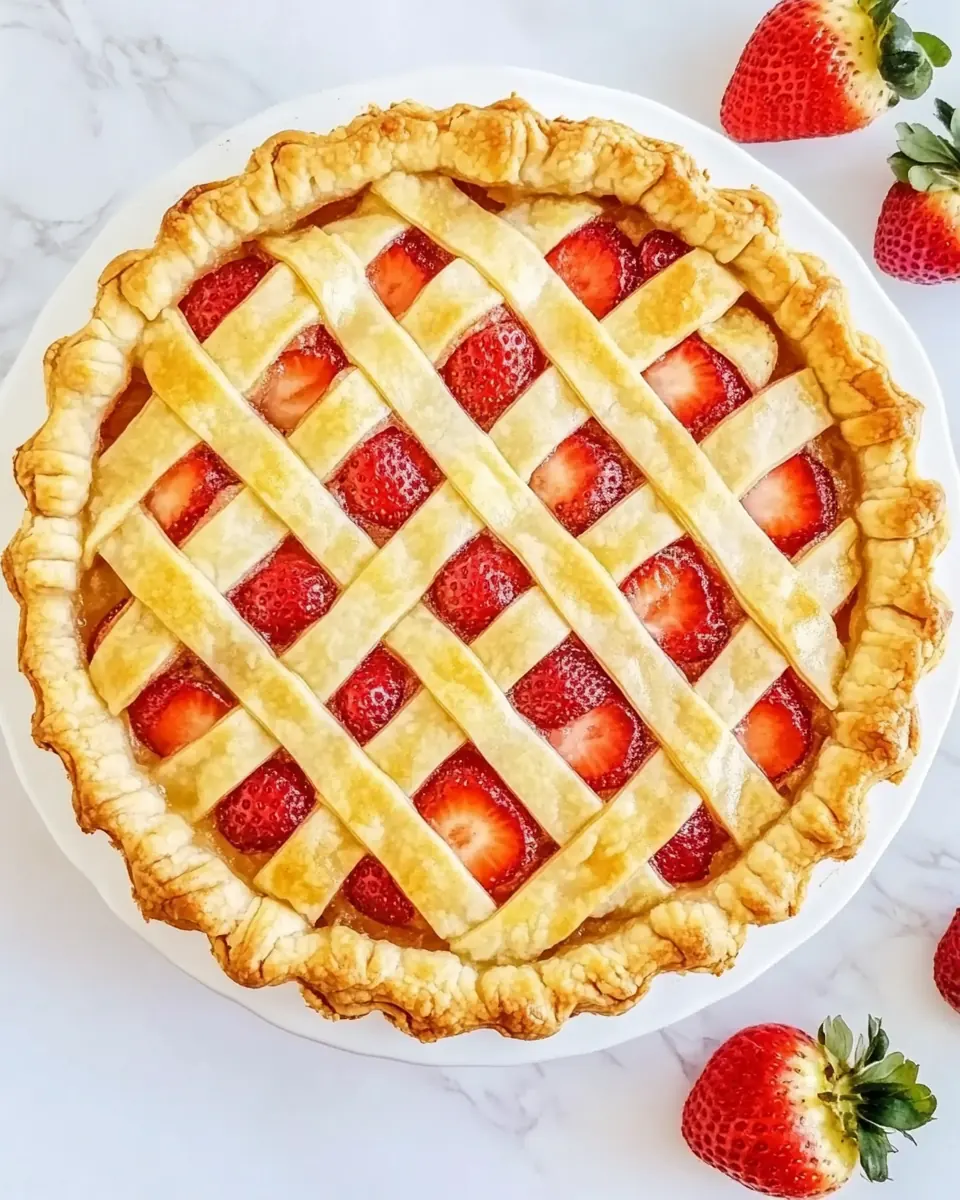
I like to think of tips as small experiments that make the recipe feel like your own. The suggestions below help with texture, flavor balance, and storage so your Strawberry Crostata turns out reliably.
- Use ripe but firm strawberries: Choose berries that smell sweet and yield slightly to pressure, so they retain shape when sliced; overly soft berries can become mushy in the filling.
- Adjust sugar to taste: If your berries are exceptionally sweet, reduce the sugar in the filling by a tablespoon or two to keep the flavor balanced and avoid an overly syrupy result.
- Stabilize with cornstarch: Add the optional cornstarch if your fruit looks watery, it will thicken juices during baking and help the tart slice neatly.
- Swap fruits seasonally: You can follow the same method with peaches, apricots, or apples, but adjust sugar slightly to match the fruit’s natural sweetness.
- Brush strips with egg wash: Lightly brushing the lattice with a beaten egg or yolk before baking enhances color and gives a gentle sheen to the crust.
- Storage and freezing: Store leftover slices in an airtight container in the fridge for up to four days, or freeze whole in a freezer safe container; thaw in the fridge overnight before serving.
Great Combinations for Strawberry Crostata
This crostata is versatile and serves well in casual or slightly more formal settings. Think small gatherings, afternoon tea, or a relaxed dinner where dessert feels homemade and unpretentious. Below are pairing ideas, storage notes, and serving suggestions to make the most of each slice.
- Simple morning treat: Serve a slice with a small bowl of fresh berries and a dollop of chilled cream for a light brunch that highlights the fruit.
- Afternoon tea pairing: Pair with herbal or black tea and keep portions modest to let the strawberries be the star, ideal for a garden tea or casual visit.
- Dinner party dessert: Offer slices with a scoop of vanilla ice cream for a warm cold contrast that guests always appreciate, perfect after a relaxed summer meal.
- Seasonal occasions: Great for summer gatherings and picnics, the tart also works for festive family meals where a rustic dessert adds a homemade touch.
- Storage tips: Keep the crostata in an airtight container in the refrigerator for up to four days, or freeze wrapped tightly and thaw in the fridge overnight before serving.
- Presentation ideas: Garnish with lightly dusted confectioner sugar or a few halved fresh strawberries to echo the filling and add visual freshness to each slice.
FAQ
Conclusion
What makes this Strawberry Crostata special is its blend of simple technique and expressive flavor, where a tender olive oil crust meets juicy, slightly sweetened strawberries in a casual, beautiful tart. I encourage you to try it on a weekend morning or bring it to a summer gathering, because it reliably impresses with minimal fuss. Baking this crostata is as much about the comfort of hands in dough as it is about the reward of a warm, fragrant slice passed around the table; enjoy the process and the smiles that follow.
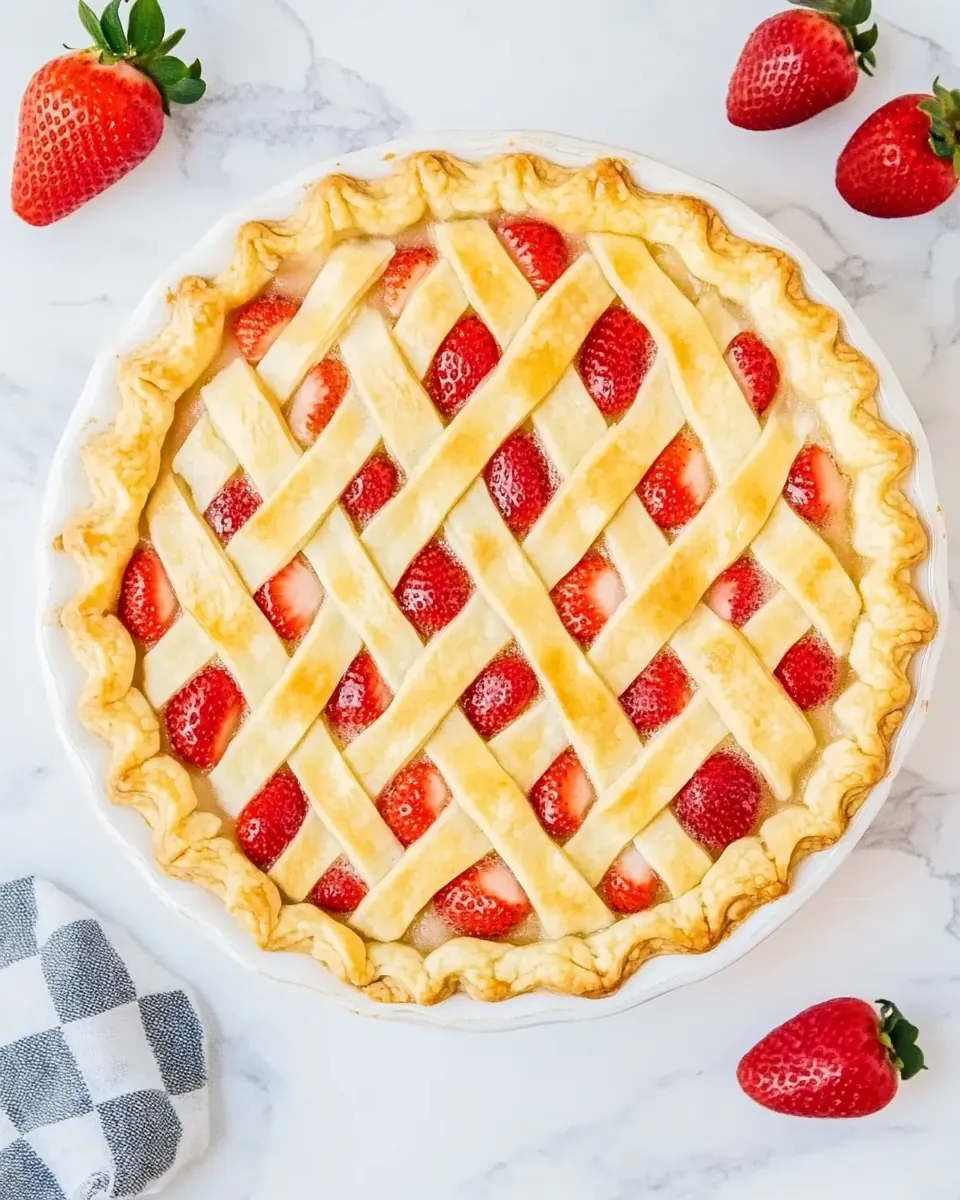
Strawberry Crostata
Ingredients
Equipment
Method
- In a large bowl, mix sliced strawberries with sugar, cornstarch, and lemon juice. Cover and chill until ready to use, then drain any excess juice before filling the crostata.: The moment you fold the strawberries with sugar , you will notice juices begin to collect, smelling sweet and bright, which is a sign the fruit is macerating properly. Chilling helps the flavors meld and keeps the fruit firm for filling, while draining prevents a soggy bottom. A common mistake is skipping the drain, which leads to a wet crust; if you see more liquid than expected, gently blot the berries with a paper towel before filling.
- In a food processor, blend on low speed the sugar, eggs, olive oil, lemon zest and a pinch of salt.: As the mixture emulsifies, you will hear a consistent whir and see a glossy batter forming, fragrant with lemon oils and olive oil richness. This early emulsification ensures an even distribution of fat and moisture, which yields an even crumb. Avoid overblending, which can warm the mixture and affect dough texture; pulse until just combined.
- Gradually incorporate 2/3 of the flour and baking powder until the dough begins to form.: Adding most of the flour in stages lets you monitor texture; you want a shaggy, slightly cohesive mass that indicates gluten is developing just enough. The sound shifts from loose grains to a quieter, thicker mix, and the surface looks matte rather than glossy. A common error is dumping all the flour at once, which can make the dough dry and hard to bring together.
- Transfer the dough to a work surface and add the remaining flour, whilst working the dough with your hands until you have a smooth even dough (you'll probably have some leftover flour, it's ok). Flatten into a disk, wrap with cling film and store in the fridge for 30 minutes.: When you press and fold the dough, you feel it go from sticky to pliable, and the aroma of olive oil becomes more subtle. Resting in the fridge relaxes the gluten and firms the fat, which makes rolling easier and creates a tender final crust. Avoid overworking, which heats the dough and tightens gluten, causing toughness.
- Preheat oven to 170°C / 340°F (or 150°C / 300°F with fan option on), and arrange the oven tray onto the middle shelf.: As the oven comes to temperature, you might smell a faint warm scent from the element, signaling readiness. Positioning the tray in the middle encourages even browning of the crust and gentle cook of the fruit. A typical misstep is using the wrong shelf, which can cause uneven color, so set the rack to the middle before preheating.
- Cut off a small piece of dough and set it aside for the topping. Roll out the rest on a lightly floured surface until it's about 1/4 inch (1/2 cm) thick. Gently transfer the dough to an 8-inch (20 cm) tart pan, trim any excess around the edges, and prick the base with a fork.: Rolling reveals a silky surface and the flour dust will whisper under your rolling pin, signaling the right thinness. After transferring, the tactile sensation of smoothing the dough into the pan helps remove air pockets and creates a uniform base. Pricking the base prevents bubbles during baking. Avoid stretching the dough into the pan, which can cause it to shrink during baking.
- Spread the sliced strawberries over the base to cover it fully and evenly.: Laying the fruit in a single layer ensures even cooking and an attractive slice, and as you arrange the strawberries you should see the berry juices glisten. The even distribution helps the crust bake consistently beneath the fruit. One common slip is piling fruit too high, which can release excess liquid and weigh down the crust, so keep it relatively flat.
- Use the reserved dough and any trimmed scraps to make long strips or ropes about 2 cm (2/3 inch) wide. Lay half of the strips over the strawberries, then place the remaining ones on top in the opposite direction to create a simple crisscross pattern.: As you weave the lattice, the dough strips should feel supple yet firm; their edges will slightly blur as they warm from your hands, which helps them join. The lattice shields the fruit while allowing steam to escape and creates that classic rustic look. Avoid making strips too thin, because they can bake brittle and break, or too thick, which can overwhelm the fruit.
- Bake the jam tart in the oven for 35-40 minutes, or until it's golden on top. Remove from the oven and let it cool completely before cutting into slices.: During baking you will smell caramelizing sugars and notice the crust turn an inviting golden brown, with edges crisping beautifully. The fruit will bubble gently, releasing glossy juices that thicken as they cool, creating a luscious bite. Cooling fully is essential so the filling sets and slices hold shape; cutting too soon often yields a runny slice.
Notes
- Use ripe but firm strawberries: Choose berries that smell sweet and yield slightly to pressure, so they retain shape when sliced; overly soft berries can become mushy in the filling.
- Adjust sugar to taste: If your berries are exceptionally sweet, reduce the sugar in the filling by a tablespoon or two to keep the flavor balanced and avoid an overly syrupy result.
- Stabilize with cornstarch: Add the optional cornstarch if your fruit looks watery, it will thicken juices during baking and help the tart slice neatly.
- Swap fruits seasonally: You can follow the same method with peaches, apricots, or apples, but adjust sugar slightly to match the fruit's natural sweetness.
- Brush strips with egg wash: Lightly brushing the lattice with a beaten egg or yolk before baking enhances color and gives a gentle sheen to the crust.
- Storage and freezing: Store leftover slices in an airtight container in the fridge for up to four days, or freeze whole in a freezer safe container; thaw in the fridge overnight before serving.