Apple Pie
Apple Pie was the first dessert I learned to make where the whole house smelled like autumn and childhood. I still remember kneeling on a kitchen stool to reach the counter, watching my parent unroll a refrigerated pie crust, and feeling both nervous and excited as I spooned glossy, cinnamon scented apple filling into the waiting shell. That memory makes every later baking mishap feel like part of the story, and that is exactly why I return to this comforting, honest recipe again and again.
Years later I keep a simple ritual around this Apple Pie. I always open the can carefully, scrape every bit of the filling, and let the lemon juice and ginger perk up the sweetness. There is a small satisfaction in dampening my fingers to flute the edge of the crust or in using a fork if I am rushed. The crust crackles as it browns and when you finally cut a slice, the bubbling fruit and tender crust are a tiny celebration.
Recipe Snapshot
55 mins
10 mins
45 mins
Medium
250 kcal
American
Gluten-Free, Paleo
Desserts
9 inch pie plate, Oven, Baking sheet, Pastry brush, Rubber spatula, Sharp knife
The Charm of This Apple Pie
It is so easy to pull together
I love that Apple Pie delivers big flavor for very little fuss. Using refrigerated pie crusts and a can of filling means you can have a homemade tasting pie without an all day commitment, which is perfect when you want something cozy and fast.
The nostalgia factor is real
For me and many readers, Apple Pie is tied to family gatherings and holidays. The aroma of baked apples and browned pastry immediately transports you, and that emotional connection makes this recipe more than food, it becomes a moment.
Flavor balance with bright notes
The teaspoon of lemon juice and the half teaspoon of fresh ground ginger are small but mighty. They cut through the syrupy sweetness of the canned filling and bring the apple flavor forward, which keeps each bite lively rather than cloying.
Visual payoff for little work
A quick egg white brush turns the top crust into a glossy, golden crown. It makes the pie look bakery ready, which is gratifying when guests arrive and you want something that looks special with minimum fuss.
Flexible and forgiving
Apple Pie forgives small mistakes. If your crimp is uneven or you forget the egg wash, it will still taste delicious. That reliability is why I recommend this to bakers at any skill level, because success is likely and the rewards are comforting.
Everything You Need for Apple Pie
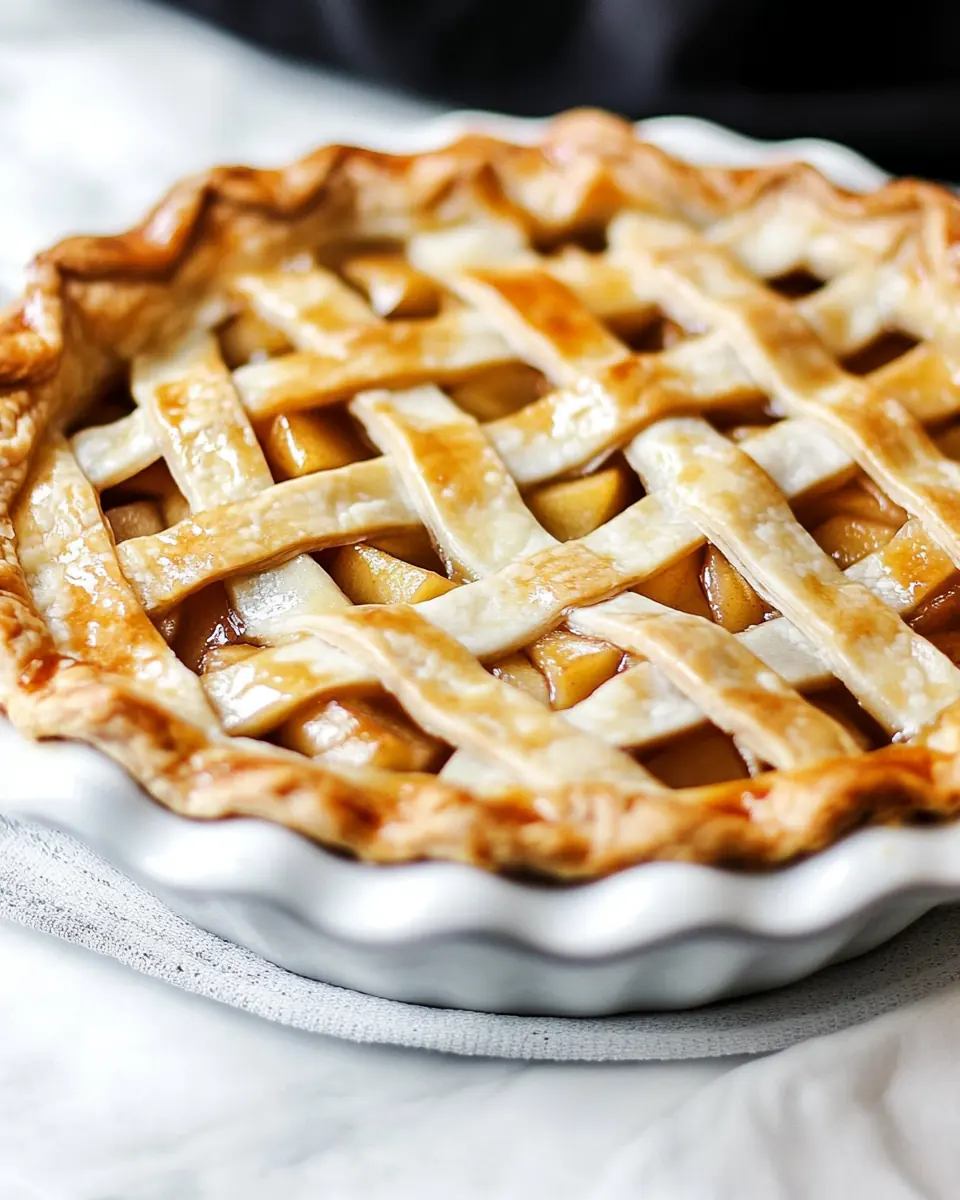
These pantry friendly ingredients come together to create a classic, crowd pleasing pie. The focus here is simplicity: a reliable crust, sweet spiced filling, and a touch of acidity and warmth from lemon and ginger. Each component plays a role in texture and balance so the finished pie is both appealing and satisfying.
- 2 refrigerated pie crusts the kind that comes rolled up. I use Pillsbury. Don’t use the store brand.: Provide two ready-to-roll pie crusts that form the flaky top and bottom of the pie; unroll and fit into the pie dish to create a stable pastry shell. Ensure edges are crimped or trimmed for an even bake and attractive presentation. Keep chilled until filling is added to maintain flakiness during baking.
- 21 oz can of apple pie filling: Contribute sweet, spiced apple pieces and syrup that serve as the pie's primary filling and flavor base; drain or use as directed to control moisture. Pour evenly into the prepared crust and mound slightly to achieve a generous interior. Use a full 21 oz can to ensure consistent filling volume for the recipe.
- 1 teaspoon real lemon juice: Add bright acidity to balance the sweetness and enhance the fruit flavors with a subtle tang; stir into the filling to distribute evenly. Measure carefully to avoid overpowering the taste while improving overall brightness and flavor complexity.
- 1/2 teaspoon fresh ground ginger: Provide warm aromatic notes and a mild spicy kick to complement the apples; sprinkle into the filling and mix thoroughly for uniform seasoning. Use ground fresh ginger for best flavor intensity and to add depth to the pie's spice profile.
- 1 egg white: Offer a glossy egg wash component when whisked and brushed on pastry surfaces to promote browning and a shiny finish; beat the white lightly before applying. Apply sparingly to the crust before baking to achieve an attractive, golden appearance without excess moisture.
Directions for Apple Pie
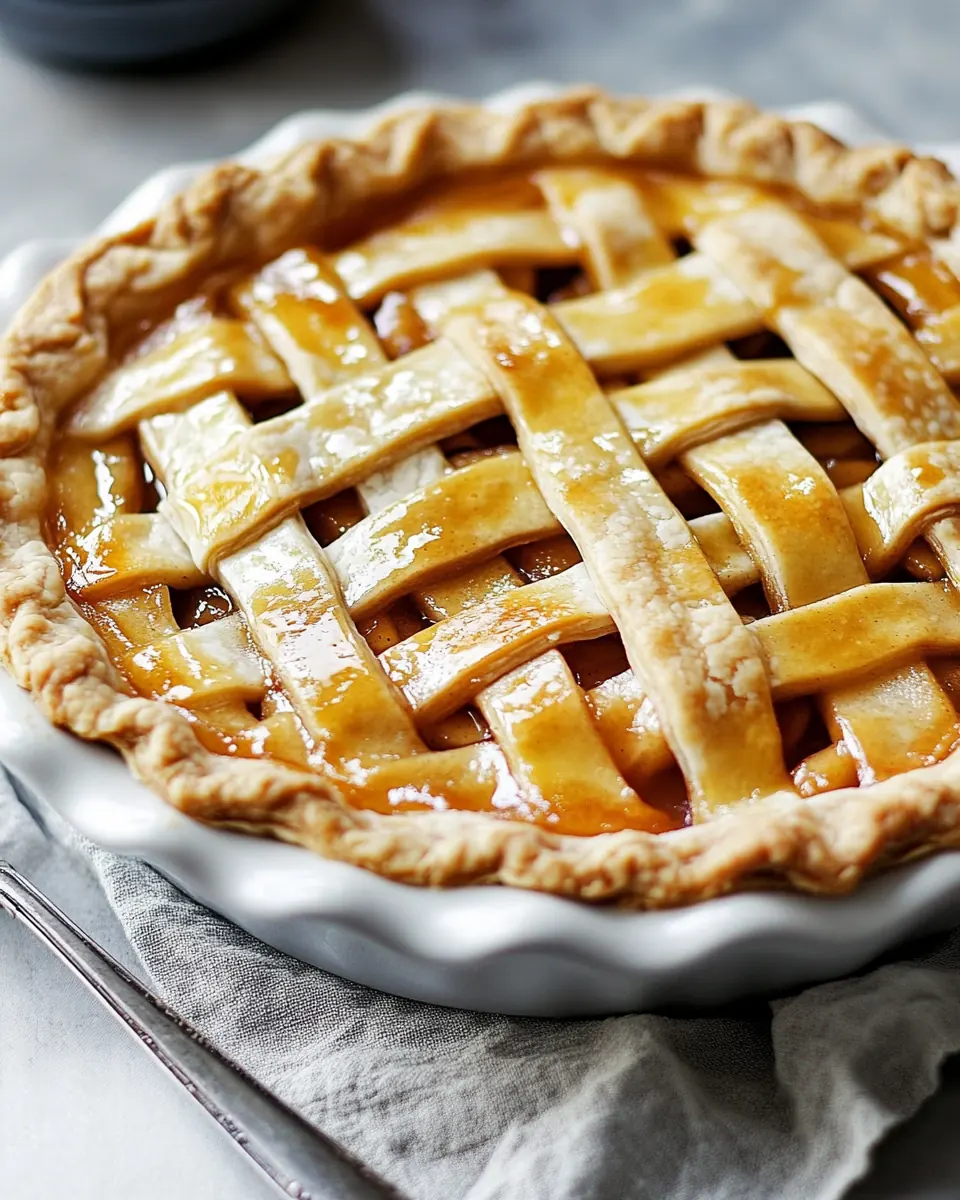
This recipe is straightforward and comforting. I walk you through each stage with sensory cues and little tricks I use to get a reliable, golden pie every time. Focus on the textures and sounds described to know you are on track.
- Preheat the oven to 425.: You will feel the warm wave as the oven reaches temperature, and that initial high heat is essential to jump start crust browning and encourage the filling to bubble properly. I always set the rack to the center position so heat circulates evenly. Avoid placing the pie too close to the broiler which could darken the top too quickly. Common error is not preheating long enough, which leads to a pale crust and undercooked filling.
- Line a 9” pie plate with one of your pie crusts, set the other to the side. (Do not crimp the edges of the pie yet): The tactile moment of pressing the bottom crust into the plate should feel smooth and even, with the dough gently conforming to the curves. Use your fingertips to ease it into corners without stretching. Leaving the top crust aside keeps it cool and easy to handle when you are ready to place it. If you stretch the crust while lining the pan it will shrink during baking, so work gently and avoid overworking the dough.
- Pour the apple pie filling into a medium sized bowl. Be sure to scrape the side of the can with a rubber spatula to get all of the filling out.: As you scrape the can you will notice thick glossy syrup and whole apple slices. The sound of the filling sliding into the bowl is reassuring, and scraping ensures no sweet, spiced syrup is wasted. Using a bowl gives you space to fold in the brighteners. A mistake here is skipping the scrape which leaves flavor in the can and makes the pie less saucy.
- Using your rubber spatula, gently mix the lemon juice and ginger into the apple pie filling.: When you stir, inhale the lifted citrus and warm ginger aromas, a sign the flavors are balancing. Mixing gently keeps the apple slices intact so the pie retains pleasant texture rather than becoming mushy. The spatula allows you to reach corners and fold thoroughly. Avoid vigorous stirring which can break down the fruit and make it overly saucy.
- Once well incorporated, pour the pie filling into the pie crust that is in the pie plate.: Pour slowly so the apples settle evenly, and use the spatula to gently level the top. Visual cues include a uniform layer of apples with glossy syrup pooling slightly, which is normal. This even distribution prevents one side from being overloaded. A common slip is piling filling too high, which increases drips and uneven baking, so keep it modest and centered.
- Use the other pie crust and lay it over the surface of the apple pie filling, centering it so that the edges come together.: As you lay the top crust, notice how it gently settles and slightly cools the surface. Centering ensures balanced edges for crimping and prevents large overhangs. If the top crust resists, let it sit a minute to relax. Forcing a stiff crust can cause tears, so be patient and if needed, re chill briefly to ease handling.
- Make your fingers damp with a little water and crimp the edges of the pie together by pinching them to make a fluted design. If you aren’t sure how to do this, you can instead use the tines of a fork to mash the two pie crusts together.: The tactile feedback here is important; damp fingers help seal the dough and create a pleasing texture at the rim. The pinching motion should be gentle and rhythmic, producing a decorative edge that also secures the filling. If you mash with a fork, press firmly but evenly. A common mistake is over wetting the edge, which can make the crust soggy, so just a light touch of water is enough.
- Use a sharp knife to cut slits in the pie crust.: The slits will hiss quietly as steam escapes while baking and that is desired so the filling does not burst the crust. Make two to four slits depending on your top crust size, and keep them symmetrical for even venting. This step prevents the filling from forcing an escape through the edges. Avoid making the slits too large, which could dry out the top or cause syrup to spill excessively.
- Using a pastry brush, the back of a spoon or even a barbecue brush paint the top crust with the egg white completely.: Brushing the surface adds a sheen that bakes into an attractive, golden finish, and you will hear a faint sizzle as the surface hits the heat. A thin, even coat is best, and the brush stroke should be smooth to prevent pooling. If you brush too heavily the egg white can gather in pockets and brown unevenly, so apply lightly and evenly for the most polished look.
- Place on the center rack of the oven and bake for 40-45 minutes until the crust is golden brown and the pie filling appears to be bubbling. You will want to place a baking sheet below your pie to catch any drips while it is baking.: As the pie bakes the kitchen fills with toasty pastry and warm apple perfume, and you will notice glossy bubbles at vents which signal the filling is hot and thickening. The crust moves from pale to a deep golden hue; that color is your visual cue for doneness. A baking sheet below catches drips and prevents oven mess. A common error is removing the pie too early which leaves a runny filling, so wait for consistent bubbling and color changes.
- Remove from the oven and allow to cool well before serving.: Cooling lets the filling set so slices hold together, and the aroma will settle into a warm, inviting note. Wait at least one hour if you prefer cleaner slices, or slightly less if you serve in rustic wedges. Cutting too soon yields a loose filling that leaks, so be patient and admire the golden top while it cools.
Change It Up
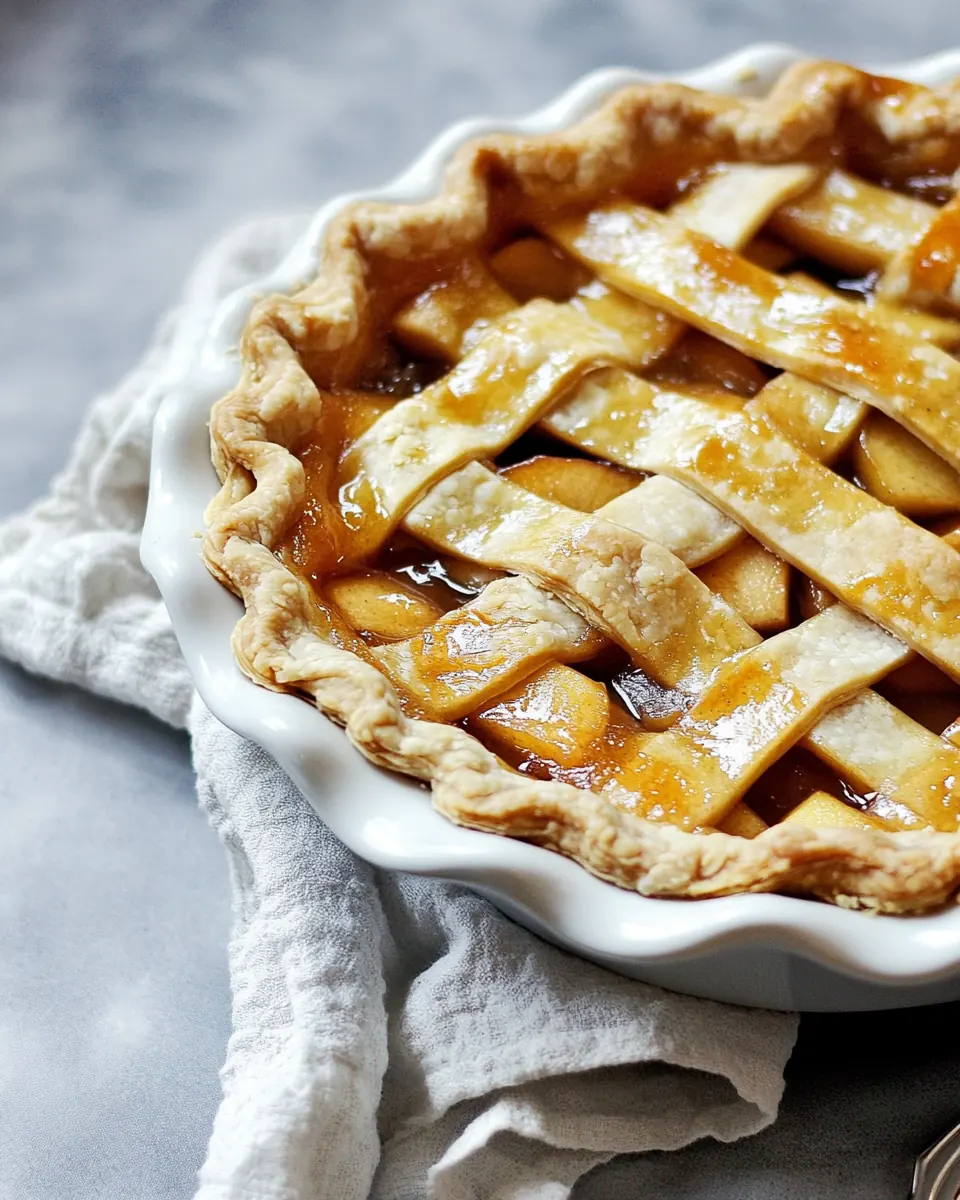
I like to offer flexible ideas so you can adapt the basic Apple Pie to your pantry and preferences. These suggestions expand on texture, presentation, and small flavor boosts while keeping the original method intact.
- Use chilled tools Keep your top crust cold to prevent tearing and shrinking when you handle it, especially on warm days.
- Add a spice twist Stir a pinch of extra ginger into the filling for warmth, but add sparingly to avoid overpowering the apples.
- Brush lightly Apply the egg white with gentle, even strokes so it does not pool in the slits or edges causing uneven browning.
- Protect the crust If the edges brown too fast, tent them with foil halfway through baking to keep the rim from burning.
- Make a lattice or slits Choose simple slits for a neat look if you are new to pies, or weave strips for a decorative finish once you feel confident.
Serve This Apple Pie With
This pie fits many occasions from casual weeknight dessert to holiday centerpiece. Think about temperature contrasts and textures when serving, and present the pie with small touches that elevate the experience.
- Warm slices Serve slightly warm to showcase bubbling fruit and melt a scoop of ice cream on top, creating a contrast of temperature and texture.
- Holiday table Bring this pie to Thanksgiving as a classic option that complements savory mains and adds a seasonal finish.
- Casual dessert For a relaxed dinner, set the pie on the counter with plates and a pie server so guests can serve themselves.
- Storage Store leftovers covered at room temperature for one day or refrigerate up to three days to maintain texture and safety.
- Seasonal pairings In fall serve with spiced drinks and warm aromas, while in other seasons keep it simple with lemony tea to highlight the brightness from the lemon juice.
FAQ
Conclusion
Apple Pie shines because it is comforting, reliable, and quick to pull together while still delivering a classic, homey flavor. The combination of flaky crust, sweet spiced filling, and bright lemon and ginger makes each slice satisfying and memorable. I hope you give this version a try; it is forgiving for beginners and convenient for busy hosts, and it will likely become one of those recipes you return to whenever you want a warm, seasonal dessert. Share a slice with family or friends and enjoy the simple pleasure of a well made pie.
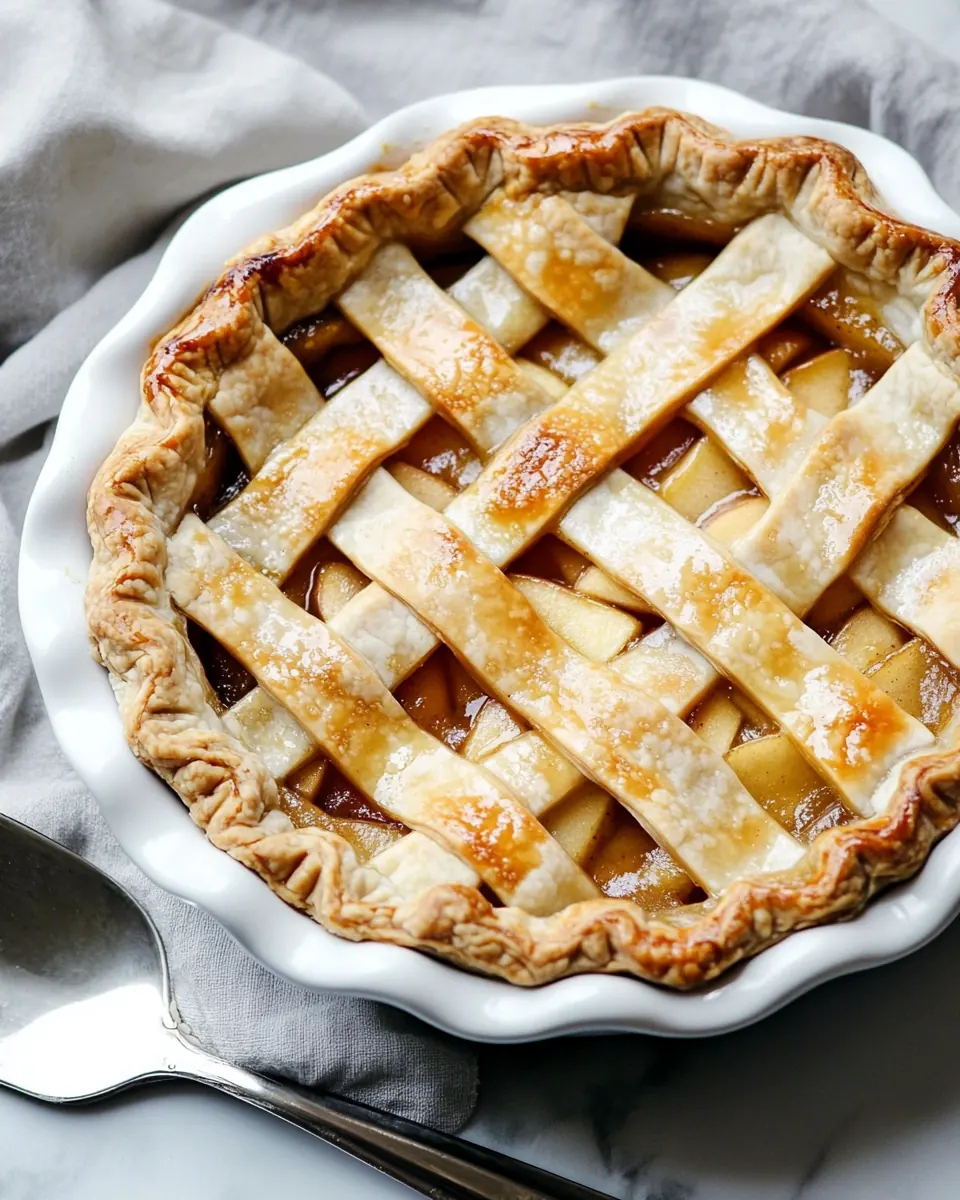
Apple Pie
Ingredients
Equipment
Method
- Preheat the oven to 425.: You will feel the warm wave as the oven reaches temperature, and that initial high heat is essential to jump start crust browning and encourage the filling to bubble properly. I always set the rack to the center position so heat circulates evenly. Avoid placing the pie too close to the broiler which could darken the top too quickly. Common error is not preheating long enough, which leads to a pale crust and undercooked filling.
- Line a 9” pie plate with one of your pie crusts, set the other to the side. (Do not crimp the edges of the pie yet): The tactile moment of pressing the bottom crust into the plate should feel smooth and even, with the dough gently conforming to the curves. Use your fingertips to ease it into corners without stretching. Leaving the top crust aside keeps it cool and easy to handle when you are ready to place it. If you stretch the crust while lining the pan it will shrink during baking, so work gently and avoid overworking the dough.
- Pour the apple pie filling into a medium sized bowl. Be sure to scrape the side of the can with a rubber spatula to get all of the filling out.: As you scrape the can you will notice thick glossy syrup and whole apple slices. The sound of the filling sliding into the bowl is reassuring, and scraping ensures no sweet, spiced syrup is wasted. Using a bowl gives you space to fold in the brighteners. A mistake here is skipping the scrape which leaves flavor in the can and makes the pie less saucy.
- Using your rubber spatula, gently mix the lemon juice and ginger into the apple pie filling.: When you stir, inhale the lifted citrus and warm ginger aromas, a sign the flavors are balancing. Mixing gently keeps the apple slices intact so the pie retains pleasant texture rather than becoming mushy. The spatula allows you to reach corners and fold thoroughly. Avoid vigorous stirring which can break down the fruit and make it overly saucy.
- Once well incorporated, pour the pie filling into the pie crust that is in the pie plate.: Pour slowly so the apples settle evenly, and use the spatula to gently level the top. Visual cues include a uniform layer of apples with glossy syrup pooling slightly, which is normal. This even distribution prevents one side from being overloaded. A common slip is piling filling too high, which increases drips and uneven baking, so keep it modest and centered.
- Use the other pie crust and lay it over the surface of the apple pie filling, centering it so that the edges come together.: As you lay the top crust, notice how it gently settles and slightly cools the surface. Centering ensures balanced edges for crimping and prevents large overhangs. If the top crust resists, let it sit a minute to relax. Forcing a stiff crust can cause tears, so be patient and if needed, re chill briefly to ease handling.
- Make your fingers damp with a little water and crimp the edges of the pie together by pinching them to make a fluted design. If you aren’t sure how to do this, you can instead use the tines of a fork to mash the two pie crusts together.: The tactile feedback here is important; damp fingers help seal the dough and create a pleasing texture at the rim. The pinching motion should be gentle and rhythmic, producing a decorative edge that also secures the filling. If you mash with a fork, press firmly but evenly. A common mistake is over wetting the edge, which can make the crust soggy, so just a light touch of water is enough.
- Use a sharp knife to cut slits in the pie crust.: The slits will hiss quietly as steam escapes while baking and that is desired so the filling does not burst the crust. Make two to four slits depending on your top crust size, and keep them symmetrical for even venting. This step prevents the filling from forcing an escape through the edges. Avoid making the slits too large, which could dry out the top or cause syrup to spill excessively.
- Using a pastry brush, the back of a spoon or even a barbecue brush paint the top crust with the egg white completely.: Brushing the surface adds a sheen that bakes into an attractive, golden finish, and you will hear a faint sizzle as the surface hits the heat. A thin, even coat is best, and the brush stroke should be smooth to prevent pooling. If you brush too heavily the egg white can gather in pockets and brown unevenly, so apply lightly and evenly for the most polished look.
- Place on the center rack of the oven and bake for 40-45 minutes until the crust is golden brown and the pie filling appears to be bubbling. You will want to place a baking sheet below your pie to catch any drips while it is baking.: As the pie bakes the kitchen fills with toasty pastry and warm apple perfume, and you will notice glossy bubbles at vents which signal the filling is hot and thickening. The crust moves from pale to a deep golden hue; that color is your visual cue for doneness. A baking sheet below catches drips and prevents oven mess. A common error is removing the pie too early which leaves a runny filling, so wait for consistent bubbling and color changes.
- Remove from the oven and allow to cool well before serving.: Cooling lets the filling set so slices hold together, and the aroma will settle into a warm, inviting note. Wait at least one hour if you prefer cleaner slices, or slightly less if you serve in rustic wedges. Cutting too soon yields a loose filling that leaks, so be patient and admire the golden top while it cools.
Notes
- Use chilled tools Keep your top crust cold to prevent tearing and shrinking when you handle it, especially on warm days.
- Add a spice twist Stir a pinch of extra ginger into the filling for warmth, but add sparingly to avoid overpowering the apples.
- Brush lightly Apply the egg white with gentle, even strokes so it does not pool in the slits or edges causing uneven browning.
- Protect the crust If the edges brown too fast, tent them with foil halfway through baking to keep the rim from burning.
- Make a lattice or slits Choose simple slits for a neat look if you are new to pies, or weave strips for a decorative finish once you feel confident.