Cherry Pie Galette
Cherry Pie Galette has been my go to showstopper for warm evenings when I want dessert that feels rustic but still deliberate. I first made this version the summer I moved into a tiny apartment with uneven oven temperatures, and the loose, forgiving nature of a galette let me keep baking even when the oven and I disagreed. That first night I served it to friends, the flaky edges and bubbling cherry center softened whatever had been a chaotic week, and we lingered over second helpings and long conversation.
Since then, Cherry Pie Galette has turned up at potlucks, lazy Sunday breakfasts, and last minute celebrations. I like that it does not demand precision, and yet it rewards small, thoughtful touches like a light milk wash and a dusting of sugar on the crust. The summers when cherries are at their peak, I always double the filling and hide a little for mornings with coffee. Every time the crust browns and the filling bubbles, I get a little grin because it smells like warm fruit and butter, and that smell says comfort in a way most desserts do not.
Recipe Snapshot
35 mins
10 mins
25 mins
Easy
320 kcal
American
Gluten-Free, Paleo
Desserts
Oven, Parchment paper, Rolling pin, Baking sheet, Pastry brush
What We Adore About This Cherry Pie Galette
It is quick and forgiving
I love how Cherry Pie Galette comes together in minutes, not hours. The relaxed shape means you do not need a perfect crust, and I often roll the dough a touch thicker when I know my oven runs hot. That ease makes it a recipe I reach for on busy evenings, or when I am improvising dessert after a spontaneous dinner.
Rustic charm with refined flavors
The open center showcases the glossy cherry pie filling, creating an inviting visual that makes people pause. I enjoy how the sugared crust edges crisp up while the fruit stays juicy, giving you a satisfying contrast. It feels fancy without being fussy, and I’ve brought it to gatherings where it always becomes the centerpiece.
Small ingredient list, big payoff
With just a few components, this galette packs a lot of personality. The combination of a buttery pie crust dough and the sweet tartness of cherries produces a layered flavor profile that tastes more elaborate than it is. I appreciate recipes like this that respect good ingredients and let them shine.
Flexible for serving and pairing
I often serve the galette warm with a spoonful of cool whip and a scattering of fresh blueberries for color and textural contrast. It works for breakfast with tea, as a post dinner dessert, or as a treat to bring to a summer picnic. That flexibility keeps it in regular rotation at my house.
Great for learning pastry instincts
Because the technique favors intuition, it is a fantastic way to practice working with pastry. I encourage experimentation with folding, thickness, and baking time, and each attempt teaches you something useful about how crust behaves in your specific oven. I still tweak and learn each time I bake one.
Recipe Ingredients for Cherry Pie Galette
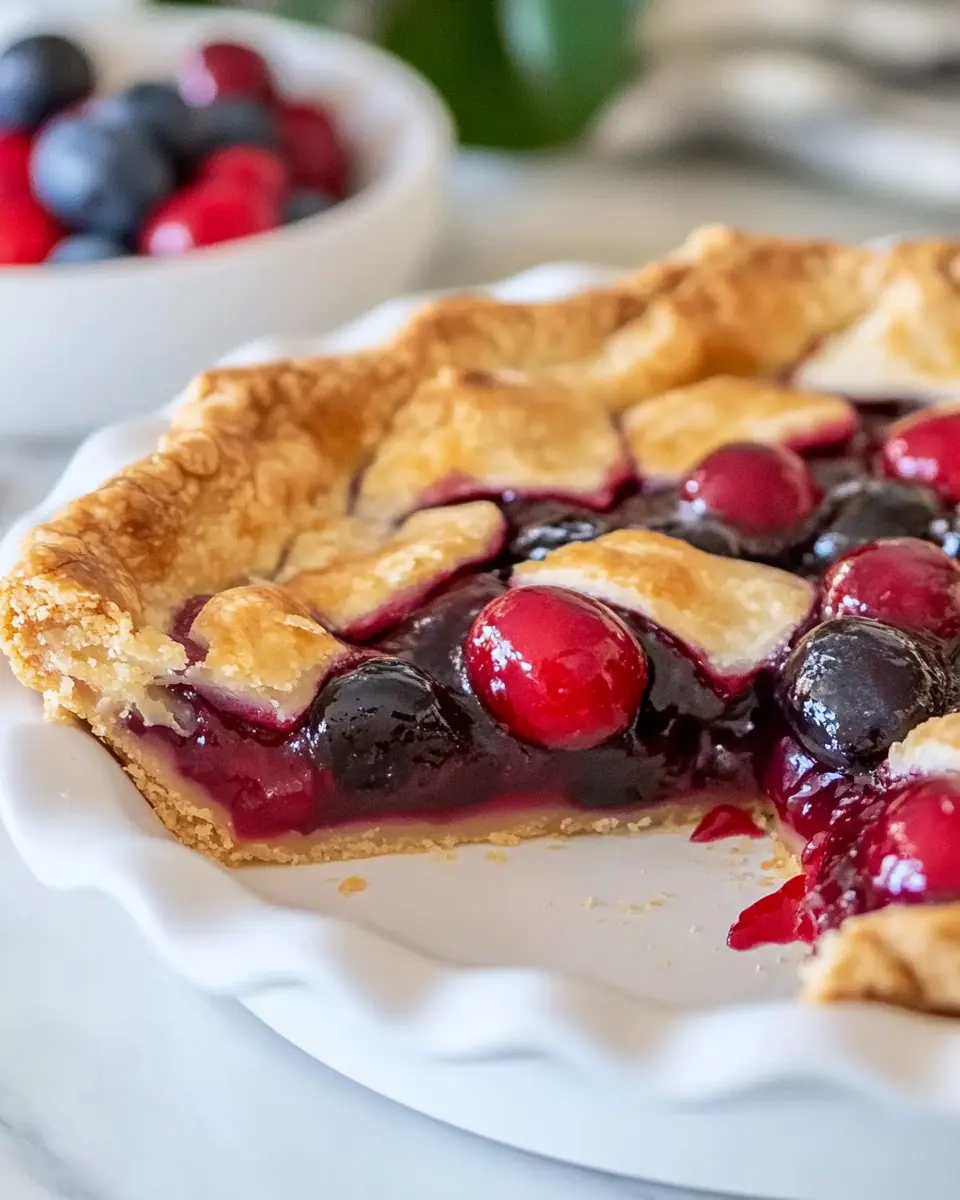
These ingredients are intentionally simple, focusing on a buttery crust and bright, jammy fruit. The key players are the pie crust dough which gives structure and flake, and the cherry pie filling which provides the vibrant, jam like center. Small additions like milk and sugar create that glossy, sugared top, while the cool whip and blueberries finish the dish with creamy and fresh notes.
- 19 pie crust dough, refrigerated: Chill and roll to create the base for the galette, providing structure and a flaky texture when baked. Keep refrigerated until ready to prevent shrinkage and to maintain easy handling. Patch any cracks with a little water and press gently to seal the edge for even browning.
- 1 1/2 cups cherry pie filling: Sweeten and fill the center, offering juicy fruit flavor and a glossy, slightly thickened consistency when warmed. Spoon onto the dough leaving a border for folding to contain juices and concentrate the cherry taste. If using a very runny filling, drain briefly to avoid soggy crust.
- 1 tbsp milk: Brush over the folded dough edge to promote browning and act as an adhesive for sugar or toppings. Use a light, even coating to achieve a golden finish without weighing down the crust. Reapply sparingly if needed for consistent color around the galette.
- 1 tsp sugar: Sprinkle over the milk wash for a delicate, crunchy sparkle that enhances visual appeal and texture. Use granulated sugar or coarse sugar for extra crunch and a subtle caramelized finish. Apply immediately after brushing with milk so the grains adhere well during baking.
- 1 cup cool whip, frozen (thawed): Fold or dollop inside after baking to add creamy, airy richness and cool contrast to the warm fruit and pastry. Thaw completely and chill until slightly firm to maintain structure when placed atop the galette. Serve promptly to preserve its light texture alongside slices of pie.
- blueberries, fresh: Garnish around or atop the finished galette to provide bright, tart bursts of fresh flavor and color contrast. Rinse and pat dry before using to avoid excess moisture near the crust. Scatter whole or halved berries for an attractive, refreshing finish.
The Method for Cherry Pie Galette
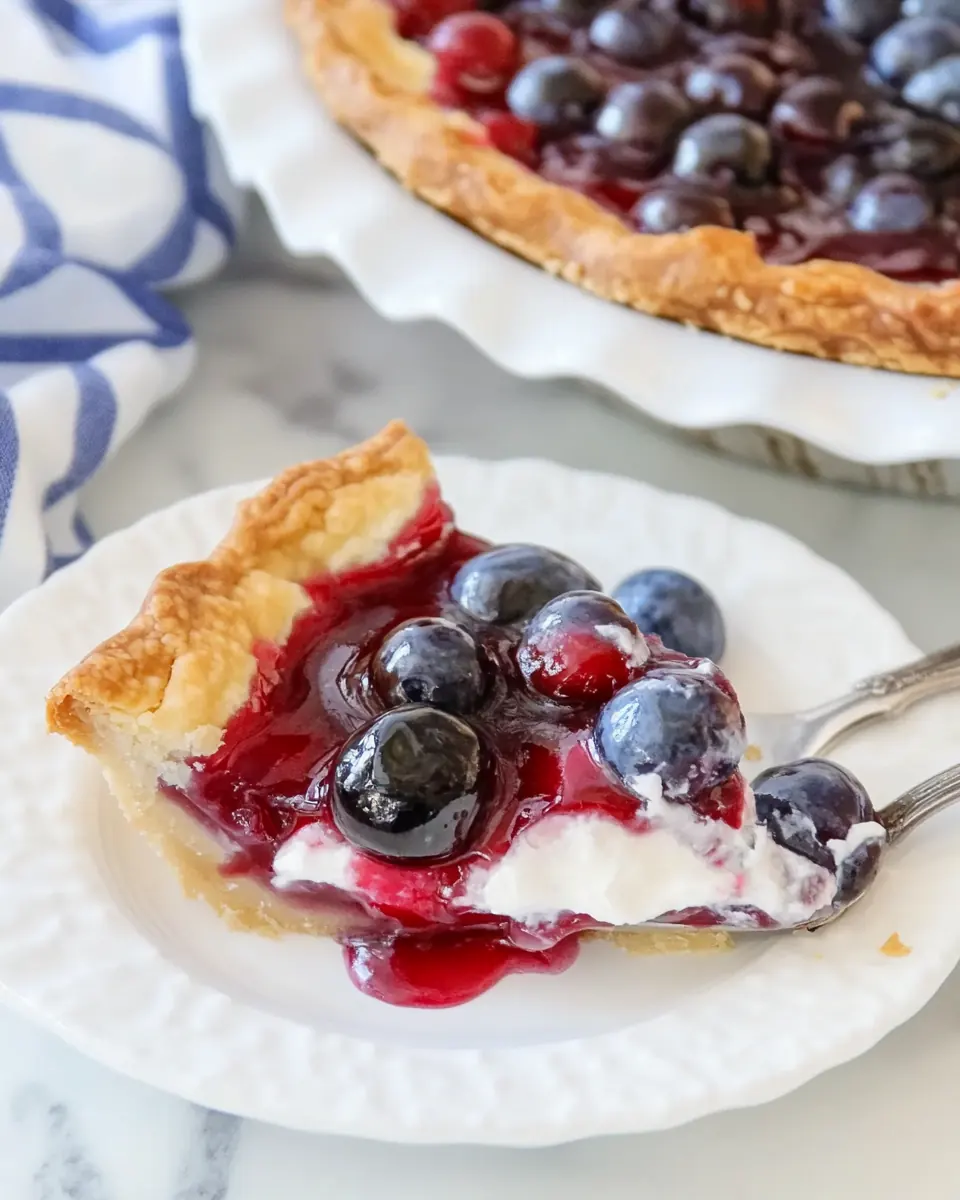
Baking this galette is straightforward and satisfying. I like to move confidently through each step, paying attention to sensory signals like the smell of browning crust and the sound of gentle bubbling fruit. The method below follows the order from the original recipe while expanding with details that help you achieve consistent, delicious results.
- Preheat oven to 425 degrees F.: As the oven warms, you will notice a dry heat building, which helps the crust develop crispness quickly. This high initial temperature encourages the outer layers of the pie crust dough to set and brown while giving the filling time to heat through without overcooking the edges. Listen for a quiet click as the oven cycles, and expect a faint warm, toasty aroma once it reaches temperature. A common mistake is skipping preheating, which results in a soggy, underbaked crust because the dough will not have that sharp blast of heat it needs to puff and crisp.
- Unroll pie dough on a sheet of parchment paper and use a rolling pin to roll the crust to 13 inches.: You will feel the dough relax as you roll, and it should spread easily on the parchment without sticking if it is cold. Keep your strokes even and rotate the dough occasionally to maintain a circular shape, and a light dusting of flour on the surface will prevent tearing. When the rolled dough measures about 13 inches, the edges will look smooth and slightly translucent in spots where it is thin. Avoid rolling so thin that the dough becomes fragile, which can tear when folded; if that happens, patch gently with a small dough scrap.
- Place the cherry pie filling in the center of the pie crust, leaving a 3 inch boarder. Fold the pie crust over the pie filling, leaving the center exposed.: The filling will sit cool and glossy against the pale dough, and you should be mindful to mound it slightly toward the center so juices remain contained. The 3 inch border gives you enough pastry to fold over without smothering the center, creating the classic galette frame. One reason this works is the exposed center allows steam to escape while the rim crisps, preserving both texture and a beautiful presentation. Resist the urge to push the filling too close to the edge, as juices can escape and cause burn spots on the baking surface.
- Brush the top of the pie crust with milk and sprinkle with sugar. Bake for 25 minutes, or until the pie crust is golden brown.: As you fold, the dough will gently pleat where it overlaps, creating a rustic, attractive edge. Use your fingers to press and tuck small sections, creating overlapping folds that hold without needing to seal. The contrast between the folded, golden rim and the bubbling fruit center is pleasing to the eye, and the slightly thicker edge also provides a satisfying chew. A typical error here is overworking the dough, which warms it and can make the crust tough; work quickly with cool hands.
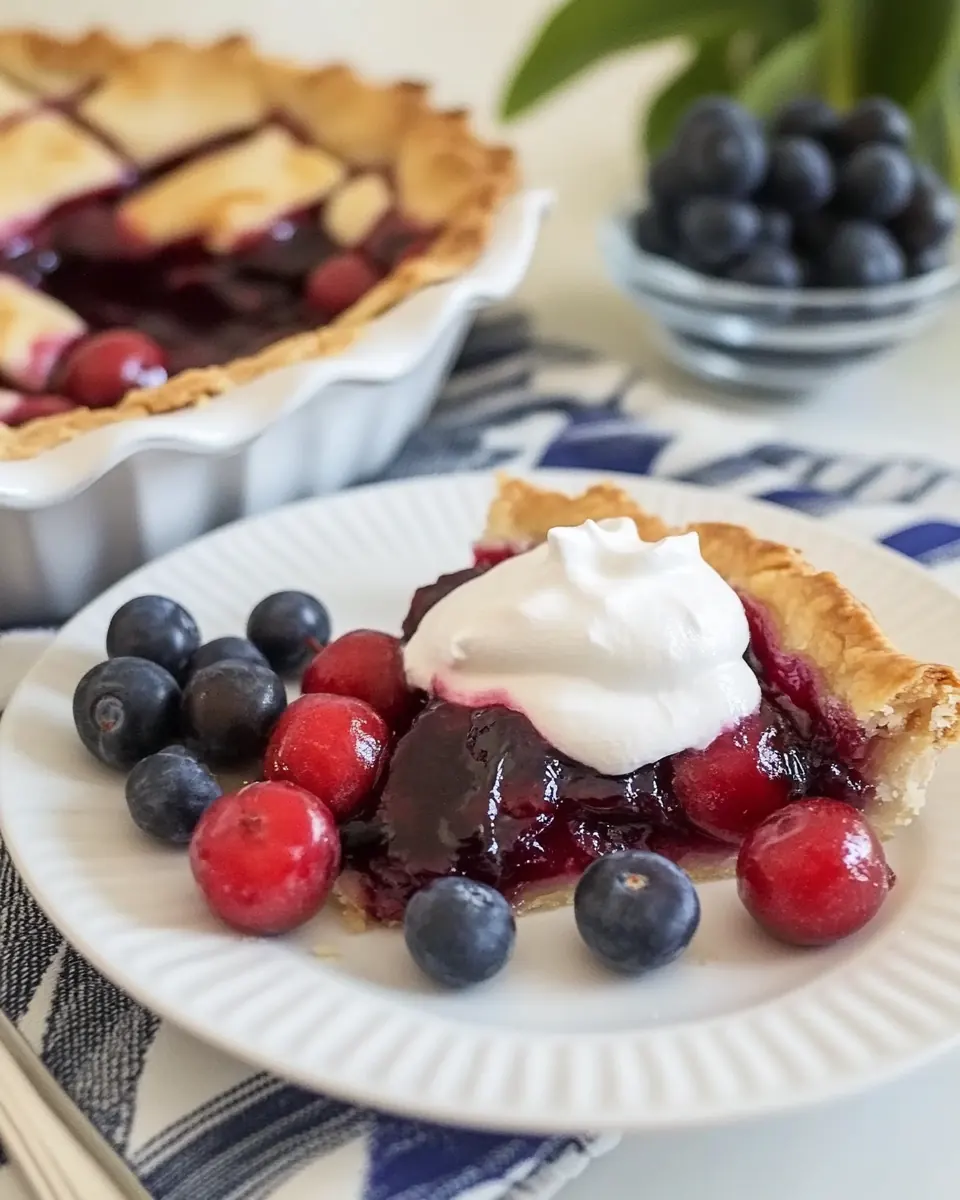
- Serve warm with cool whip and fresh blueberries. Enjoy!: The milk will soak into the outer layers and promote a deep, even golden color while the sugar melts into tiny crystallized pockets. Apply a thin, uniform coat using a pastry brush or the back of a spoon to avoid saturating the dough. Visually you will see the crust take on a slight sheen before it enters the oven, and that sparkle transforms into a delicate crunch after baking. Too heavy an application of milk can lead to soggy patches, so be conservative.
- Bake for 25 minutes, or until the pie crust is golden brown.: During baking, the kitchen will fill with an intoxicating aroma of toasted butter and bubbling cherries, and you may hear soft crackles as the crust expands. Watch for the edges to turn a deep golden hue and the filling to show gentle bubbling, especially near the center and vents. These cues indicate the sugar has caramelized and the filling has thickened. If you bake longer than necessary, the crust can darken too much, so check visually near the 20 minute mark and plan to rotate the tray if your oven has hot spots.
- Serve warm with cool whip and fresh blueberries. Enjoy!: The warm galette against the cold creaminess of the cool whip creates a perfect temperature contrast that enhances perceived sweetness. Spoon a moderate portion onto plates, adding a dollop of the whipped topping and a scattering of fresh blueberries for brightness. The first bite should offer a crisp edge giving way to a juicy, fruit saturated center and a cool finish from the topping. A common misstep is serving it too long after baking, which causes the crust to lose its crispness and the topping to melt into the fruit; serve soon after slicing for the best texture.
Pro Tips and Tweaks
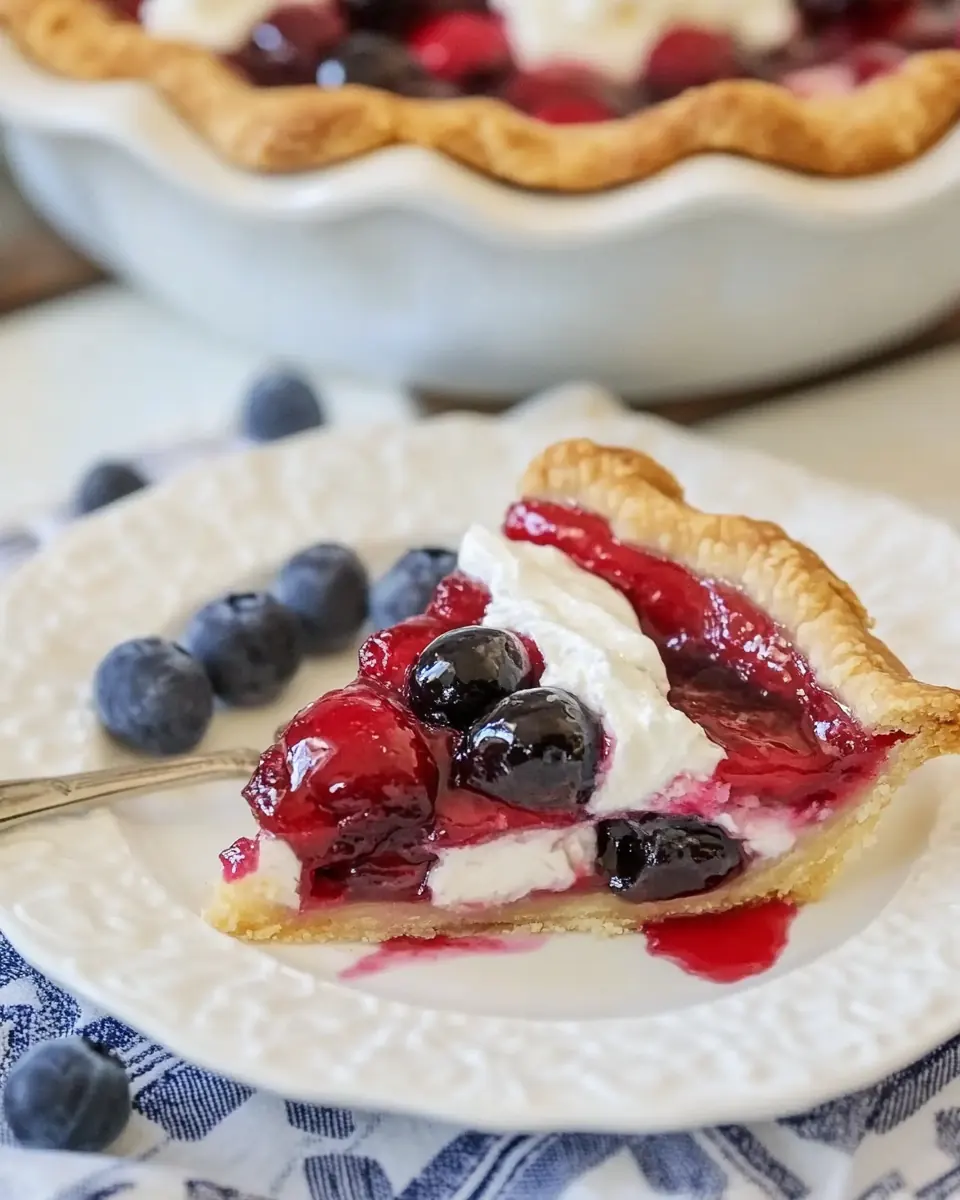
I like to share practical adjustments that improve both flavor and workflow. A few small habits deliver big rewards, and these tips cover dough handling, baking signals, and serving notes to make your galette reliably delicious.
- Keep the dough cold: Cold pie crust dough yields flakier layers, so return it to the fridge if it warms while you work.
- Use parchment paper: Rolling on parchment makes transferring the galette effortless and prevents sticking, plus it helps catch any drips during baking.
- Trim as needed: If your dough is uneven after rolling, trim and reuse scraps to patch thin spots rather than overworking a single piece.
- Monitor browning: Check the crust near the end of the bake and tent with foil if edges brown too quickly while the filling still needs time to bubble.
- Serve warm: The galette tastes best warm, within 10 to 15 minutes of coming out of the oven, paired with chilled cool whip.
Accompaniments for Cherry Pie Galette
This galette is versatile and pairs well with both simple and celebratory accompaniments. Below I outline serving ideas, seasonal pairings, and storage guidance to help you present it beautifully and preserve leftovers.
- Simple plate: Slice and top each portion with a spoonful of chilled cool whip and a few fresh blueberries for a quick, pleasing presentation.
- Brunch spread: Place the galette on a board alongside coffee and tea, offering slices for guests to help themselves, which works well for relaxed weekend mornings.
- Picnic style: Wrap cooled slices in parchment and keep chilled in a cooler for an outdoor treat that travels well without losing structure.
- Seasonal pairing: Serve during summer when cherries and blueberries are at peak ripeness, highlighting fresh fruit flavors and vibrant color.
- Storage tip: Store any leftovers covered in the fridge for up to two days; reheat briefly to restore crispness, or enjoy cold for a different texture.
- Occasion ideas: This galette fits casual gatherings, holiday brunches, and impromptu celebrations where a homey but elegant dessert is appreciated.
FAQ
Conclusion
What makes this Cherry Pie Galette special is its balance of rustic simplicity and dependable flavor from a buttery crust and glossy cherry filling. It is approachable for bakers of all levels, rewarding small efforts with great sensory payoff. Try it when cherries are at their peak and serve warm with a cool dollop of whipped topping to enjoy the best contrast of temperatures and textures. Invite friends or savor it quietly, either way it sings of summer in every slice.
Cherry Pie Galette
Ingredients
Equipment
Method
- Preheat oven to 425 degrees F.: As the oven warms, you will notice a dry heat building, which helps the crust develop crispness quickly. This high initial temperature encourages the outer layers of the pie crust dough to set and brown while giving the filling time to heat through without overcooking the edges. Listen for a quiet click as the oven cycles, and expect a faint warm, toasty aroma once it reaches temperature. A common mistake is skipping preheating, which results in a soggy, underbaked crust because the dough will not have that sharp blast of heat it needs to puff and crisp.
- Unroll pie dough on a sheet of parchment paper and use a rolling pin to roll the crust to 13 inches.: You will feel the dough relax as you roll, and it should spread easily on the parchment without sticking if it is cold. Keep your strokes even and rotate the dough occasionally to maintain a circular shape, and a light dusting of flour on the surface will prevent tearing. When the rolled dough measures about 13 inches, the edges will look smooth and slightly translucent in spots where it is thin. Avoid rolling so thin that the dough becomes fragile, which can tear when folded; if that happens, patch gently with a small dough scrap.
- Place the cherry pie filling in the center of the pie crust, leaving a 3 inch boarder. Fold the pie crust over the pie filling, leaving the center exposed.: The filling will sit cool and glossy against the pale dough, and you should be mindful to mound it slightly toward the center so juices remain contained. The 3 inch border gives you enough pastry to fold over without smothering the center, creating the classic galette frame. One reason this works is the exposed center allows steam to escape while the rim crisps, preserving both texture and a beautiful presentation. Resist the urge to push the filling too close to the edge, as juices can escape and cause burn spots on the baking surface.
- Brush the top of the pie crust with milk and sprinkle with sugar. Bake for 25 minutes, or until the pie crust is golden brown.: As you fold, the dough will gently pleat where it overlaps, creating a rustic, attractive edge. Use your fingers to press and tuck small sections, creating overlapping folds that hold without needing to seal. The contrast between the folded, golden rim and the bubbling fruit center is pleasing to the eye, and the slightly thicker edge also provides a satisfying chew. A typical error here is overworking the dough, which warms it and can make the crust tough; work quickly with cool hands.
- Serve warm with cool whip and fresh blueberries. Enjoy!: The milk will soak into the outer layers and promote a deep, even golden color while the sugar melts into tiny crystallized pockets. Apply a thin, uniform coat using a pastry brush or the back of a spoon to avoid saturating the dough. Visually you will see the crust take on a slight sheen before it enters the oven, and that sparkle transforms into a delicate crunch after baking. Too heavy an application of milk can lead to soggy patches, so be conservative.
- Bake for 25 minutes, or until the pie crust is golden brown.: During baking, the kitchen will fill with an intoxicating aroma of toasted butter and bubbling cherries, and you may hear soft crackles as the crust expands. Watch for the edges to turn a deep golden hue and the filling to show gentle bubbling, especially near the center and vents. These cues indicate the sugar has caramelized and the filling has thickened. If you bake longer than necessary, the crust can darken too much, so check visually near the 20 minute mark and plan to rotate the tray if your oven has hot spots.
- Serve warm with cool whip and fresh blueberries. Enjoy!: The warm galette against the cold creaminess of the cool whip creates a perfect temperature contrast that enhances perceived sweetness. Spoon a moderate portion onto plates, adding a dollop of the whipped topping and a scattering of fresh blueberries for brightness. The first bite should offer a crisp edge giving way to a juicy, fruit saturated center and a cool finish from the topping. A common misstep is serving it too long after baking, which causes the crust to lose its crispness and the topping to melt into the fruit; serve soon after slicing for the best texture.
Notes
- Keep the dough cold: Cold pie crust dough yields flakier layers, so return it to the fridge if it warms while you work.
- Use parchment paper: Rolling on parchment makes transferring the galette effortless and prevents sticking, plus it helps catch any drips during baking.
- Trim as needed: If your dough is uneven after rolling, trim and reuse scraps to patch thin spots rather than overworking a single piece.
- Monitor browning: Check the crust near the end of the bake and tent with foil if edges brown too quickly while the filling still needs time to bubble.
- Serve warm: The galette tastes best warm, within 10 to 15 minutes of coming out of the oven, paired with chilled cool whip.