Spaghetti Squash Crust Pizza
Spaghetti Squash Crust Pizza showed up at my kitchen counter on a weeknight when I was craving something playful but lighter than traditional pizza. I had a leftover spaghetti squash from a roast earlier that week and I was curious if it could do the job of a crust. The first bite surprised me, because the crust is tender at the center and has a crisp, toasty edge when you get the thickness right. It felt like a small victory, turning humble spaghetti squash into something fun enough for dinner and special enough to serve friends.
I remember the first time I tried pressing the cooked squash in a dish towel until it was mostly dry, and the instant change in texture was obvious. The squash went from soggy strands to a doughy binder that browned beautifully under heat. I like to talk through those little discoveries with guests while the pizzas bake, because it makes the process feel like a shared experiment. The result is a tasty, approachable dish you can customize without losing that crisp crust satisfaction.
Recipe Snapshot
60 mins
30 mins
30 mins
Medium
250 kcal
Italian
Keto, Gluten-Free
Dinner
Microwave, Knife, Fork, Cheesecloth or dish cloth, Sheet pan, Parchment paper, Spatula, Mixing bowl
Why This Spaghetti Squash Crust Pizza Shines
1. A lighter pizza that still feels indulgent
I love how Spaghetti Squash Crust Pizza satisfies the pizza urge without feeling heavy. The squash gives you a naturally sweet, slightly nutty base that browns and crisps, so you still get that toasted aroma and the melty cheese payoff. For me, this is the perfect compromise when I want a treat but also want something vegetable forward.
2. Great for weeknight creativity
I reach for this recipe on busy evenings because it is forgiving and quick once the squash is cooked. You can prep the squash earlier in the day, then assemble and finish the pizzas in under an hour. I find that this flexibility keeps weeknight dinners fresh and fun.
3. Texture that surprises
The trick is squeezing out the moisture, and when I do that well I get a satisfying contrast between a tender interior and a crisp edge. That crunch under the cheese and sauce makes it feel like a real pizza experience. I always tell people that the texture is what converts skeptics into fans.
4. Easy to personalize
This recipe is a canvas. I often change the sauce or experiment with herbs and cheeses based on what I have. It still holds together and bakes quickly, so you can get adventurous without a lot of risk. For families or small gatherings, that versatility is a huge plus.
5. Practical and seasonal
When spaghetti squash is in season in fall, it is inexpensive and pairs beautifully with simple tomato sauce and cheese. I like recommending it as a seasonal swap that doesn’t demand exotic pantry items. Overall, it’s a recipe I keep coming back to because it’s dependable, tasty, and a little surprising.
Ingredients You’ll Need for Spaghetti Squash Crust Pizza
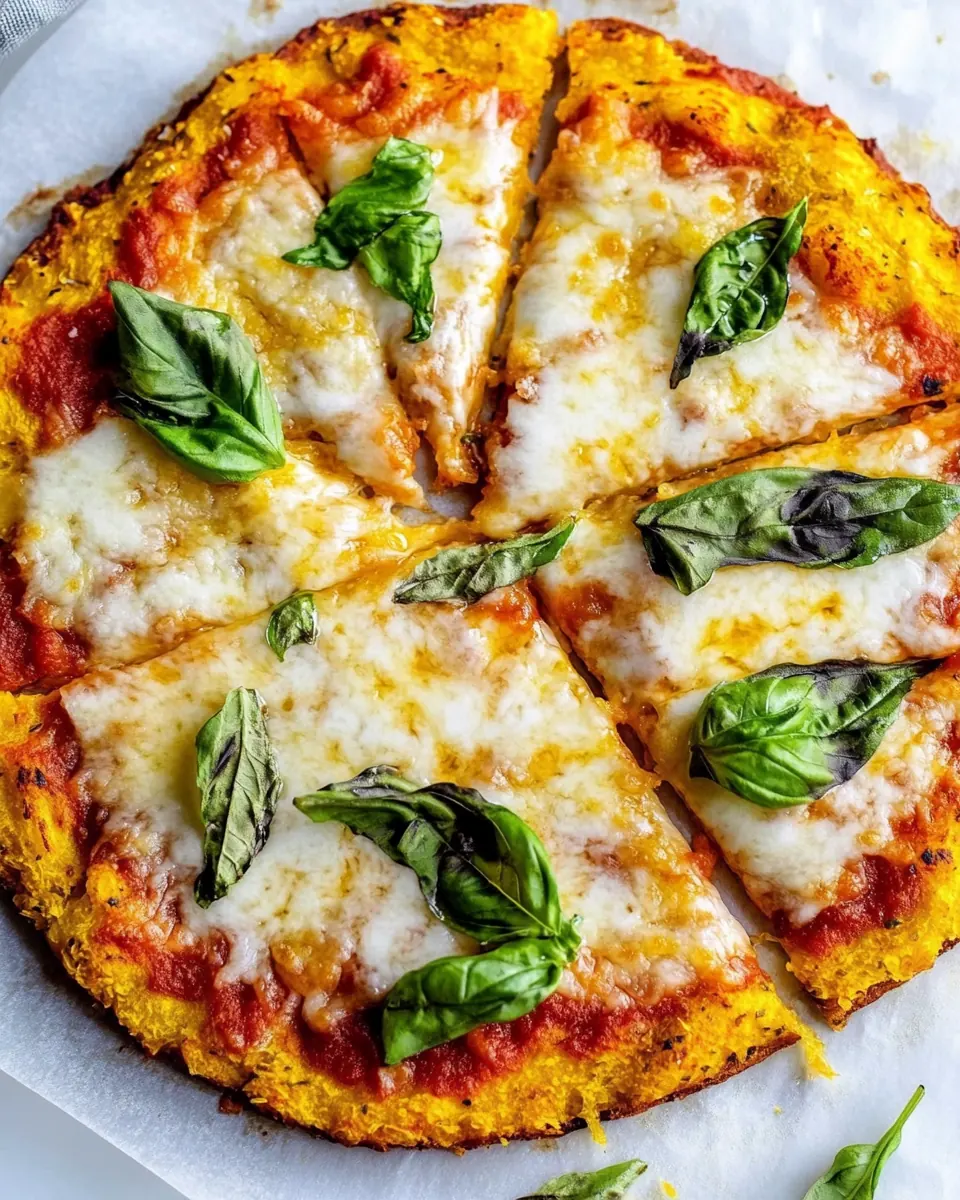
These ingredients are straightforward and intentional. The star is the spaghetti squash, which provides the structure when cooked and squeezed dry. The egg acts as the binder, while the two types of cheese bring salt, fat, and meltability to create a pizza like finish. The aromatics and sauce add the familiar savory notes we crave. Together, they form a balance of moisture management, binding, and flavor that makes the crust crisp and satisfying.
- 2 packed cups cooked spaghetti squash, from a 2.2 lb spaghetti squash: Mashed and squeezed to remove excess moisture, provides the bulk and mild squash flavor for the crust while offering a low-carb noodle-like base that binds when mixed with eggs and cheese.
- 1 large egg: Beaten and incorporated to act as a binder for the squash mixture, adding structure and helping the crust hold together during baking while contributing a bit of richness.
- 3/4 cup finely shredded part-skim mozzarella cheese: Finely shredded to melt smoothly into the mixture, lending gooeyness and mild dairy flavor that helps the crust achieve a cohesive, sliceable texture once baked.
- 1/4 cup shredded Parmesan cheese, not grated: Sprinkled into the base mix to contribute a nutty, salty depth and slight chew, enhancing savory flavor and aiding in overall crust firmness.
- 1 teaspoon minced garlic: Minced and folded into the crust mixture to infuse subtle aromatic garlic notes, boosting savory complexity without overpowering the delicate squash.
- 1 teaspoon dried oregano: Dried and mixed through to introduce an earthy, Mediterranean herb character, complementing the tomato topping and rounding out the crust’s flavor profile.
- 1/3 cup tomato-basil marinara sauce, or pizza sauce: Spoonfuls spread over the baked crust to provide concentrated tomato and basil flavor, moisture, and a familiar pizza taste that complements the cheesy topping.
- 1/2 cup shredded part-skim mozzarella cheese: Shredded and sprinkled as the finishing cheese to melt into a bubbly, golden topping, contributing meltiness, stretch, and familiar pizza cheese appeal.
Step by Step Guide for Spaghetti Squash Crust Pizza
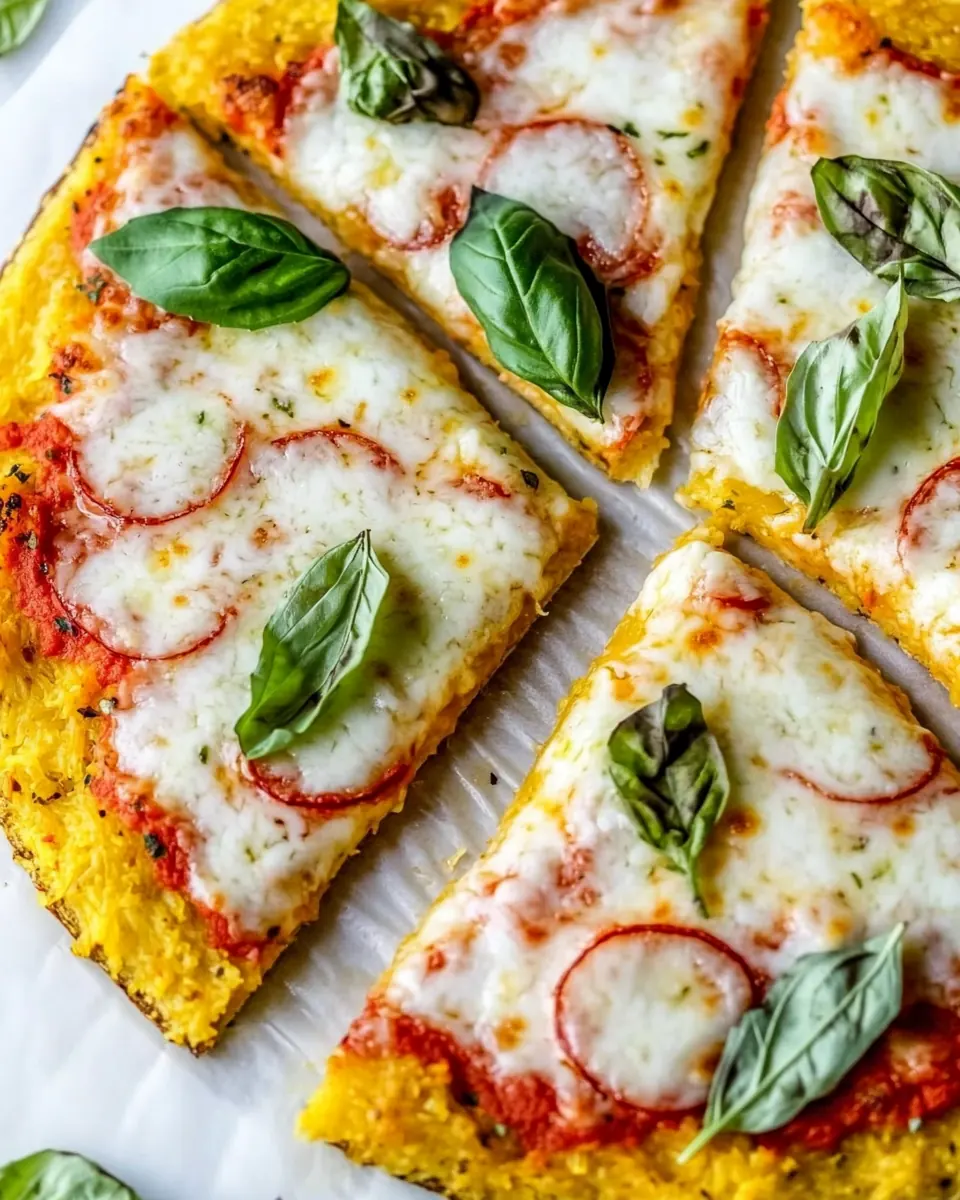
These directions are where the magic happens, and a few small attentions make a big difference. I walk through sensory cues and little troubleshooting notes so you can feel confident when you bake. Follow the sequence and aim for the visual cues I describe to know you are on track.
- To quickly cook the spaghetti squash pierce it all over with a knife and microwave 5 minutes. Then continue to cook in 2 minute increments until the skin gives when pressed.: When you pierce and partially microwave the spaghetti squash , you should hear a faint hiss as the steam builds, and the skin will begin to yield slightly when pressed, which tells you it is softening. The microwave approach shortens the overall time, but you must watch carefully because microwaves vary. A common mistake is undercooking, which makes the inner strands hard to separate; if that happens, return it to the microwave in short increments until it gives under pressure. The reason this step matters is that the squash must be fully cooked so the strands can be scraped out easily and will compress when squeezed, forming a cohesive crust component.
- Cut it open, remove the seeds and scrape the squash out with a fork.: As you open the warm spaghetti squash , the aroma will be slightly nutty and vegetal, and scraping with a fork should produce tender strands that separate easily. Remove the seeds and membrane like you would with a pumpkin, then run the fork along the flesh to collect the strands; they should slide out in bundles. Avoid leaving large chunks of flesh, because uneven bits can create pockets of moisture that prevent crisping. This step is essential because well separated strands allow you to measure and pack the squash consistently for the crust formation.
- Place the cooked spaghetti squash in a clean cheesecloth or dish cloth and squeeze all the water out REALLY well.: When you squeeze the cooked spaghetti squash in a cloth, you will feel warm, damp strands and a surprising amount of liquid will collect; this is the key moisture to remove. Squeeze until the strands feel only slightly damp, then unwrap and check for puddles. If you skip this vigorous drying, the crust will be soggy and may not hold together. I always recommend pressing firmly and rotating the bundle so you expel as much liquid as possible, because dryness at this stage sets up the texture for a crisp, sturdy crust.
- Preheat the oven to 375 F. Line 2 sheet pans with parchment paper and spray with oil.: As the oven comes up to 375 F , you will notice a warm, dry heat filling the kitchen, and preheating is critical so the crust starts browning immediately. Line 2 sheet pans with parchment paper and spray with oil so the crusts release easily when you flip them later. A common error is to put the crusts in before the oven reaches temperature, which leads to longer cook times and less crisping. The correct oven temperature ensures even browning and the right Maillard reactions that produce toasty notes.
- In a medium bowl, mix the spaghetti squash with the egg, mozzarella, Parmesan, oregano and garlic powder.: As you fold the egg , cheeses, oregano , and garlic into the squeezed spaghetti squash , you will see the mixture become cohesive and slightly glossy from the egg and melted cheese binding. Stir until the ingredients are evenly distributed, so pockets of egg or cheese do not form. A mistake here is under-mixing, which causes uneven browning or weak spots; over-mixing is less common but can make the strands too compact. Achieving an even mixture helps the crust set uniformly and develop a consistent texture during baking.
- Make 4 7-inch rounds on the prepared pan patting down so they are very thin, the thinner the crisper they will be.: When forming the rounds, press the mixture thin so the edges can brown and crisp; you should see a flat disk about 7-inch across and feel the surface compact but not rock hard. As they bake, the outer rim should turn golden and the center should set. A typical mistake is making them too thick, which produces a soft, undercooked middle; too thin and they can over-crisp or break. Aim for an even thickness so heat distributes uniformly and you get that pleasing contrast between tender center and crisp edge.
- Spray the crust lightly with olive oil spray and bake for 15 minutes, until golden then carefully flip with a spatula. Bake 5 to 7 minutes more, until crisp.: As the crusts bake, you will smell a toasty, cheesy aroma and see the edges take on a warm golden color, which signals it is ready to be flipped; the surface should look set and slightly firm. Use a thin spatula to slide underneath and flip gently to avoid breaking. A common pitfall is trying to flip before the bottom holds together enough, which causes tearing; if you notice it is still loose, give it a few more minutes. This step promotes even browning on both sides so the crust becomes crisp all over rather than just on one face.
- Spread about 1 1/2 tablespoons sauce on top of each baked crust, leaving a 1/2-inch border around the edge.: After flipping, the sizzling should quiet a bit, and you will see the second side take on a deeper golden hue and feel firm when nudged with a spatula. Listen for a faint crackle as moisture leaves and the exterior crisps. Avoid letting them bake too long, which can make the crust brittle; if that happens, it will crumble when picked up. Timing here ensures a durable crust that supports toppings while retaining a pleasant bite.
- Sprinkle remaining cheese on top.: When you spoon on the marinara sauce , its bright tomato scent should contrast with the warm, toasty crust, and the 1/2-inch border helps prevent sauce from seeping over the edge and making the crust soggy. Spread gently so you do not saturate the center. A common error is piling on too much sauce, which overwhelms the crust; moderate sauce keeps each slice balanced and lets the squash flavor peek through.
- Bake the pizza 3 to 4 minutes, or until the toppings are hot and the cheese is melted.: As you add the final 1/2 cup of mozzarella , watch it settle and begin to glisten; it will melt quickly and form a bubbly, golden layer. Distribute evenly so each pizza heats uniformly. Too much cheese can create a heavy topping that cools poorly, while too little leaves the pizza less satisfying. This layer is what gives you the classic pizza pull and a familiar melty finish.
- Bake the pizza 3 to 4 minutes, or until the toppings are hot and the cheese is melted: In these final minutes, the kitchen fills with the comforting smell of melted cheese and warmed marinara sauce , and you will see the cheese become glossy and slightly golden at the edges. Watch closely because this step happens fast; overbaking can dry the crust and make the cheese lose its creaminess. Proper timing results in hot toppings and a delightful contrast between the bubbling cheese and the crisp crust beneath.
Helpful Notes about Spaghetti Squash Crust Pizza
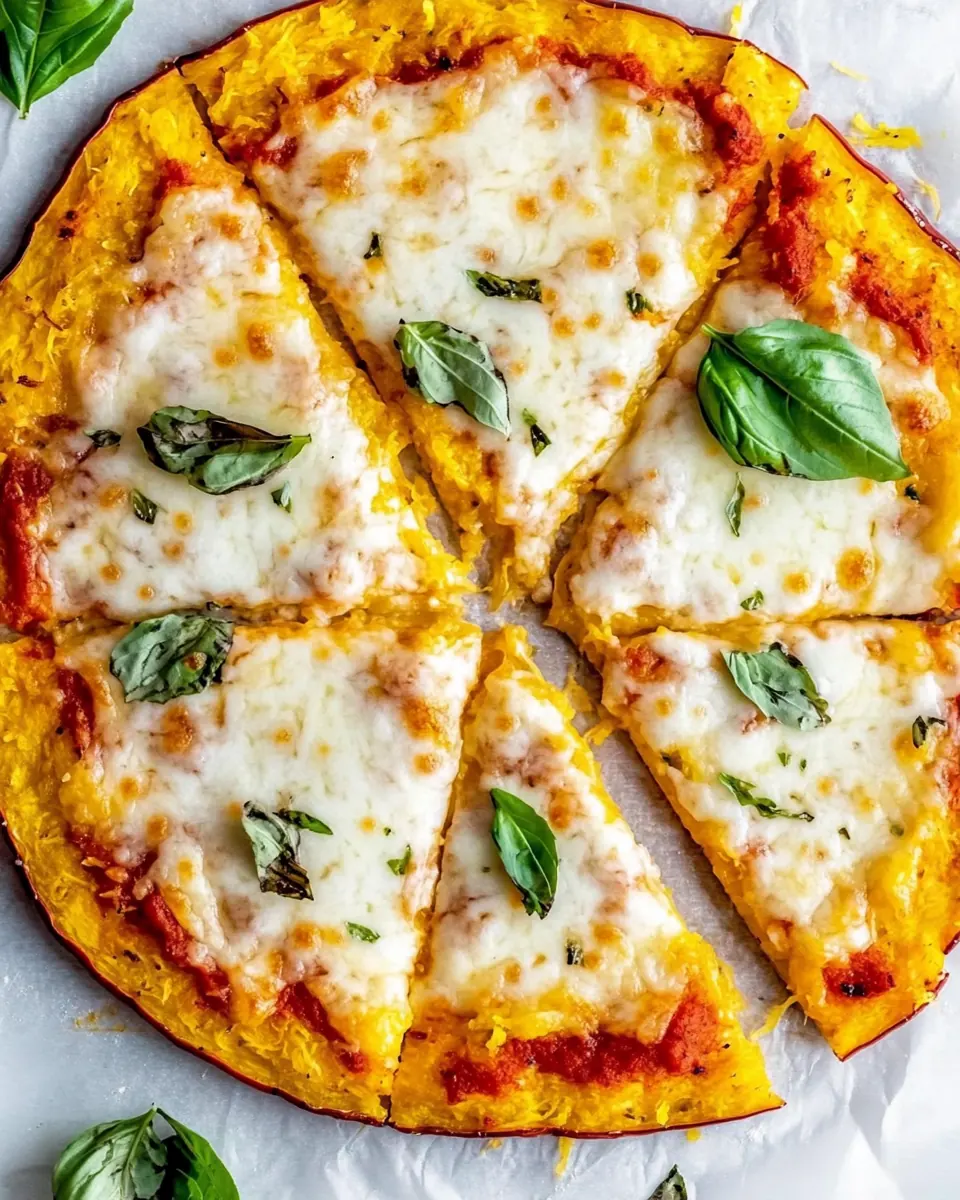
I keep these notes close because small adjustments lead to a dramatically better crust. Below are expanded tips based on hands-on trials, aimed at helping you get consistent, delicious results every time.
- Dry the squash thoroughly – After cooking and scraping, wrap the spaghetti squash in a clean cloth and squeeze firmly until little to no water drips out. Excess moisture is the most common cause of a floppy crust, so this single action improves texture more than any other.
- Use part-skim cheese wisely – The recipe calls for part–skim mozzarella to reduce oiliness while still giving good melt. If you use full-fat cheese, expect more oil to leach and potentially soften the crust. Adjust thickness accordingly if you change cheese fat level.
- Thin crust equals crisp success – Make your rounds thin and even, because the thinner they are the more likely they are to crisp through. Aim for an even 7-inch disk and press into the parchment for consistent results.
- Parchment over silicone – I find parchment yields a crisper underside than a Silpat. The slight airflow and direct contact with parchment help moisture escape and encourage browning.
- Watch the final bake closely – The last 3 to 4 minutes melt the cheese and warm the toppings, and it can go from perfect to overdone quickly. Keep the oven light on and check visually, because color and gloss are the best cues for readiness.
What to Serve With Spaghetti Squash Crust Pizza
This pizza works well for casual meals or small gatherings, and the sides you choose can push it toward lunch, dinner, or a lighter seasonal menu. Below are thoughtful pairings and serving suggestions that complement the squash crust without adding heaviness.
- Simple green salad – A crisp salad with a lemony vinaigrette cuts through the cheese and highlights the squash’s sweetness, making for a balanced plate.
- Roasted vegetables – Seasonally roasted vegetables, like autumn root vegetables, echo the cozy fall notes of the spaghetti squash and add texture contrast when served alongside.
- Light soup – A small bowl of a brothy tomato or vegetable soup can make this meal feel more substantial for dinner without overwhelming the flavors of the pizza.
- Casual entertaining – For a small gathering, serve a variety of sauces and toppings at the table so guests can personalize their pizzas after the crusts are baked, keeping the meal interactive and fun.
- Storage tips – Store leftover crusts and topped pizzas separately in airtight containers in the refrigerator for up to three days. Reheat in a hot oven to help restore crispness rather than using a microwave.
- Occasions – This recipe is great for weeknight dinners, light lunches, and seasonal fall menus when spaghetti squash is at peak quality, offering a comforting yet vegetable-forward option.
FAQ
Conclusion
What makes this recipe special is how it transforms humble spaghetti squash into a crisp, satisfying pizza base that still feels light and vegetable forward. The combination of thorough drying, a binding egg, and carefully balanced cheeses produces a crust with a tender center and a toasted edge that holds toppings. I encourage you to try it on a weeknight when you want pizza comfort without heaviness. Share it with friends or family and enjoy the small win of turning seasonal squash into something playful and delicious.
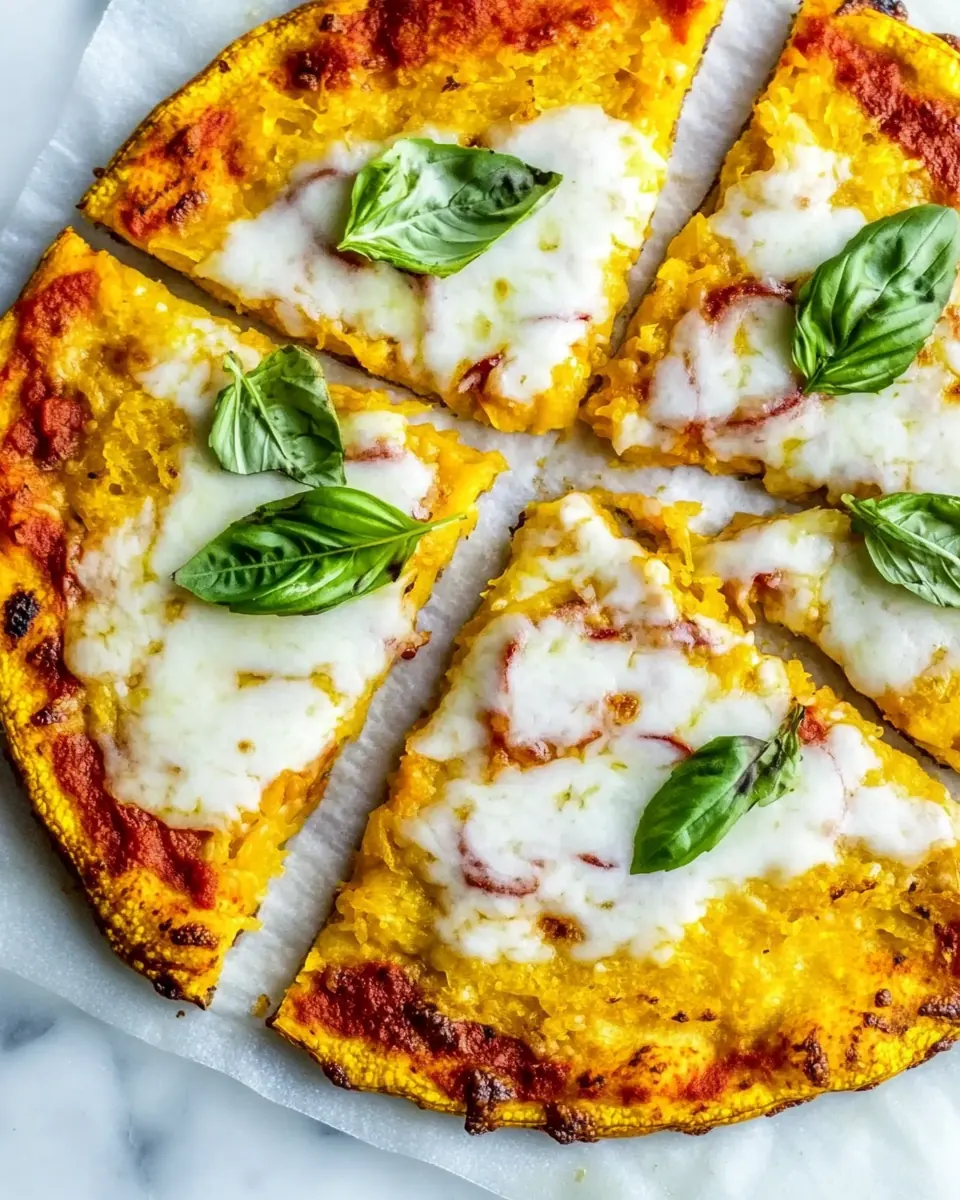
Spaghetti Squash Crust Pizza
Ingredients
Equipment
Method
- To quickly cook the spaghetti squash pierce it all over with a knife and microwave 5 minutes. Then continue to cook in 2 minute increments until the skin gives when pressed.: When you pierce and partially microwave the spaghetti squash , you should hear a faint hiss as the steam builds, and the skin will begin to yield slightly when pressed, which tells you it is softening. The microwave approach shortens the overall time, but you must watch carefully because microwaves vary. A common mistake is undercooking, which makes the inner strands hard to separate; if that happens, return it to the microwave in short increments until it gives under pressure. The reason this step matters is that the squash must be fully cooked so the strands can be scraped out easily and will compress when squeezed, forming a cohesive crust component.
- Cut it open, remove the seeds and scrape the squash out with a fork.: As you open the warm spaghetti squash , the aroma will be slightly nutty and vegetal, and scraping with a fork should produce tender strands that separate easily. Remove the seeds and membrane like you would with a pumpkin, then run the fork along the flesh to collect the strands; they should slide out in bundles. Avoid leaving large chunks of flesh, because uneven bits can create pockets of moisture that prevent crisping. This step is essential because well separated strands allow you to measure and pack the squash consistently for the crust formation.
- Place the cooked spaghetti squash in a clean cheesecloth or dish cloth and squeeze all the water out REALLY well.: When you squeeze the cooked spaghetti squash in a cloth, you will feel warm, damp strands and a surprising amount of liquid will collect; this is the key moisture to remove. Squeeze until the strands feel only slightly damp, then unwrap and check for puddles. If you skip this vigorous drying, the crust will be soggy and may not hold together. I always recommend pressing firmly and rotating the bundle so you expel as much liquid as possible, because dryness at this stage sets up the texture for a crisp, sturdy crust.
- Preheat the oven to 375 F. Line 2 sheet pans with parchment paper and spray with oil.: As the oven comes up to 375 F , you will notice a warm, dry heat filling the kitchen, and preheating is critical so the crust starts browning immediately. Line 2 sheet pans with parchment paper and spray with oil so the crusts release easily when you flip them later. A common error is to put the crusts in before the oven reaches temperature, which leads to longer cook times and less crisping. The correct oven temperature ensures even browning and the right Maillard reactions that produce toasty notes.
- In a medium bowl, mix the spaghetti squash with the egg, mozzarella, Parmesan, oregano and garlic powder.: As you fold the egg , cheeses, oregano , and garlic into the squeezed spaghetti squash , you will see the mixture become cohesive and slightly glossy from the egg and melted cheese binding. Stir until the ingredients are evenly distributed, so pockets of egg or cheese do not form. A mistake here is under-mixing, which causes uneven browning or weak spots; over-mixing is less common but can make the strands too compact. Achieving an even mixture helps the crust set uniformly and develop a consistent texture during baking.
- Make 4 7-inch rounds on the prepared pan patting down so they are very thin, the thinner the crisper they will be.: When forming the rounds, press the mixture thin so the edges can brown and crisp; you should see a flat disk about 7-inch across and feel the surface compact but not rock hard. As they bake, the outer rim should turn golden and the center should set. A typical mistake is making them too thick, which produces a soft, undercooked middle; too thin and they can over-crisp or break. Aim for an even thickness so heat distributes uniformly and you get that pleasing contrast between tender center and crisp edge.
- Spray the crust lightly with olive oil spray and bake for 15 minutes, until golden then carefully flip with a spatula. Bake 5 to 7 minutes more, until crisp.: As the crusts bake, you will smell a toasty, cheesy aroma and see the edges take on a warm golden color, which signals it is ready to be flipped; the surface should look set and slightly firm. Use a thin spatula to slide underneath and flip gently to avoid breaking. A common pitfall is trying to flip before the bottom holds together enough, which causes tearing; if you notice it is still loose, give it a few more minutes. This step promotes even browning on both sides so the crust becomes crisp all over rather than just on one face.
- Spread about 1 1/2 tablespoons sauce on top of each baked crust, leaving a 1/2-inch border around the edge.: After flipping, the sizzling should quiet a bit, and you will see the second side take on a deeper golden hue and feel firm when nudged with a spatula. Listen for a faint crackle as moisture leaves and the exterior crisps. Avoid letting them bake too long, which can make the crust brittle; if that happens, it will crumble when picked up. Timing here ensures a durable crust that supports toppings while retaining a pleasant bite.
- Sprinkle remaining cheese on top.: When you spoon on the marinara sauce , its bright tomato scent should contrast with the warm, toasty crust, and the 1/2-inch border helps prevent sauce from seeping over the edge and making the crust soggy. Spread gently so you do not saturate the center. A common error is piling on too much sauce, which overwhelms the crust; moderate sauce keeps each slice balanced and lets the squash flavor peek through.
- Bake the pizza 3 to 4 minutes, or until the toppings are hot and the cheese is melted.: As you add the final 1/2 cup of mozzarella , watch it settle and begin to glisten; it will melt quickly and form a bubbly, golden layer. Distribute evenly so each pizza heats uniformly. Too much cheese can create a heavy topping that cools poorly, while too little leaves the pizza less satisfying. This layer is what gives you the classic pizza pull and a familiar melty finish.
- Bake the pizza 3 to 4 minutes, or until the toppings are hot and the cheese is melted: In these final minutes, the kitchen fills with the comforting smell of melted cheese and warmed marinara sauce , and you will see the cheese become glossy and slightly golden at the edges. Watch closely because this step happens fast; overbaking can dry the crust and make the cheese lose its creaminess. Proper timing results in hot toppings and a delightful contrast between the bubbling cheese and the crisp crust beneath.
Notes
- Dry the squash thoroughly - After cooking and scraping, wrap the spaghetti squash in a clean cloth and squeeze firmly until little to no water drips out. Excess moisture is the most common cause of a floppy crust, so this single action improves texture more than any other.
- Use part-skim cheese wisely - The recipe calls for part-skim mozzarella to reduce oiliness while still giving good melt. If you use full-fat cheese, expect more oil to leach and potentially soften the crust. Adjust thickness accordingly if you change cheese fat level.
- Thin crust equals crisp success - Make your rounds thin and even, because the thinner they are the more likely they are to crisp through. Aim for an even 7-inch disk and press into the parchment for consistent results.
- Parchment over silicone - I find parchment yields a crisper underside than a Silpat. The slight airflow and direct contact with parchment help moisture escape and encourage browning.
- Watch the final bake closely - The last 3 to 4 minutes melt the cheese and warm the toppings, and it can go from perfect to overdone quickly. Keep the oven light on and check visually, because color and gloss are the best cues for readiness.