Anti Inflammatory Broccoli Turmeric Slow Cooker Soup
Anti Inflammatory Broccoli Turmeric Slow Cooker Soup is the kind of bowl I reach for when the calendar is full and my energy is low, yet I want something nourishing and easy to trust.
Years ago I started leaning into soups that felt medicinal but tasted like home, and this recipe became my comfort ritual on colder afternoons. I remember stirring a pot of cooling broth while a storm rattled the window, the bright scent of turmeric and ginger cutting through the damp air, and thinking that simple ingredients could feel like self care. That memory keeps me making this recipe when life gets noisy, because it stabilizes the day without fuss.
What I love most is how forgiving the method is. You can toss in the vegetables, walk away, and come back to a bowl that smells layered and complex, yet is effortless. I often adapt textures depending on mood, sometimes leaving it chunky, other times whirring it into silk. Either way, the warmth and spice always hits the spot and invites conversation at the table.
Recipe Snapshot
4 hr 15 mins
15 mins
240 mins
Hard
150 kcal
American
Vegan, Gluten-Free
Soups
Slow Cooker, Blender
The Beauty of This Anti Inflammatory Broccoli Turmeric Slow Cooker Soup
Healing flavors that actually comfort
I say this from experience, the marriage of broccoli, turmeric, and ginger creates a bowl that feels like it repairs the body and soothes the mind. The flavors are bright without being sharp, offering gentle spice and vegetal sweetness that linger on the palate.
Hands off cooking that fits busy lives
I love how this recipe leverages a slow cooker, letting you drop everything in and step away. For hectic weeks, it gives you real time back, while delivering a deeply developed flavor that often beats fussier stove top methods.
Flexible for pantry and season
I’ve adapted the recipe many times based on what I had, and it rarely disappoints. Substitutions are forgiving, and the base is sturdy enough to accept tweaks while keeping its identity, which makes it ideal for winter when root vegetables and hearty greens are plentiful.
Texture options for every mood
Sometimes I like it creamy and velvety, other times I want a bit of bite from chunkier florets. Blending in batches gives you control over mouthfeel, so each pot can be tailored to who you are cooking for that day.
Simple ingredients, big impact
There is real joy in creating something nourishing from a short ingredient list. The straightforward pantry spices and vegetables deliver a soup that feels both sophisticated and uncomplicated, which is why I return to this recipe again and again.
Shopping List for Anti Inflammatory Broccoli Turmeric Slow Cooker Soup
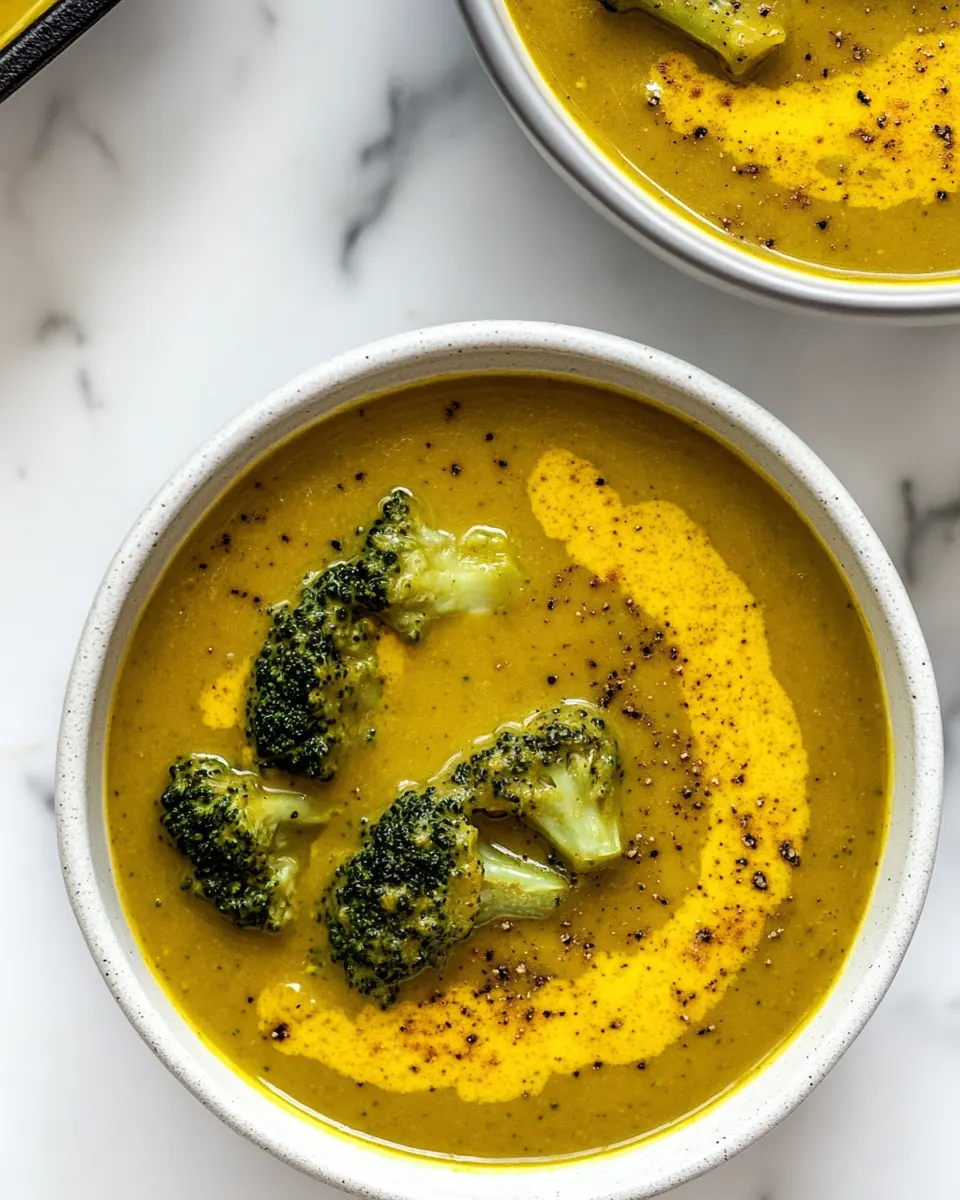
These ingredients were chosen to work in harmony, building depth from minimal components. The philosophy here is to balance aromatic spices with sturdy vegetables, letting the slow cooker coax sweetness from the carrots and floral notes from the leeks, while the broccoli and garlic add body and savory clarity. The broth carries everything, and the spices bind flavor and warmth.
- 2 cups leeks chopped (yellow onion can be substituted): Chopped to add a mild, sweet onion flavor and tender texture; leeks provide a gentle aromatic base when sautéed or slow-cooked and blend smoothly into soups. Their soft, mellow taste complements stronger flavors while contributing fiber and subtle sweetness. Use yellow onion as a substitute if unavailable, keeping similar volume.
- 1 cup carrots diced small: Diced small to contribute natural sweetness, color, and slight crunch that softens during long cooking; carrots supply beta-carotene and body to the broth. Their natural sugars help balance savory and spicy notes, and they become tender and comforting in a slow cooker. Cutting uniformly ensures even cooking throughout the soup.
- 2 tablespoons ginger fresh, chopped: Chopped fresh to provide bright, zesty heat and aromatic lift; ginger adds anti-inflammatory compounds and a warm, spicy complexity to the soup. Fresh ginger helps cut through richness and pairs well with turmeric and garlic for a flavorful, healing profile. Adding it early allows its oils to infuse the broth.
- 4 cups broccoli cut into small florets: Cut into small florets to supply bulk, texture, and concentrated nutrients like sulforaphane that support anti-inflammatory benefits; broccoli becomes tender and blends well into creamy soups. Small pieces cook evenly in a slow cooker and release vegetable flavor into the stock. Including florets rather than stems emphasizes a smoother mouthfeel.
- 1 teaspoon ground turmeric: Ground to impart earthy, slightly bitter warmth and a deep yellow color while contributing curcumin, an anti-inflammatory compound; turmeric blends with fats and spices to enhance absorption. Ground form distributes evenly through the soup, ensuring consistent flavor in every spoonful. Combining with black pepper or fat improves bioavailability.
- 1/2 teaspoon ground cumin: Ground to bring warm, aromatic notes and a subtle earthy sweetness that complements turmeric and garlic; cumin deepens the savory profile and adds complexity. Small amounts in soup create a layered spice character without overwhelming other ingredients. Toasting briefly before slow cooking can intensify its flavor.
- 1/2 teaspoon kosher salt: Added to season and enhance overall flavors while lightly drawing out sweetness from vegetables; kosher salt balances and brightens the soup components. Proper seasoning is essential for bringing forward the aromatic notes of ginger, garlic, and turmeric. Adjust to taste near the end of cooking to avoid over-salting as broth reduces.
- 1/4 teaspoon crushed red pepper: Crushed to introduce controlled heat and a fruity, peppery kick that lifts the soup; red pepper flakes add spiciness without altering texture. Small quantities provide warmth that complements ginger and turmeric for an invigorating finish. Use less or omit to reduce heat for sensitive palates.
- 2 garlic cloves minced: Minced to distribute aromatic garlic flavor and savory depth throughout the soup; garlic contributes umami and healthful compounds that enhance anti-inflammatory effects. Sautéing briefly before slow cooking mellows sharpness and releases its oils into the broth for richer taste. Adding it with other aromatics ensures integration into the final dish.
- 3 cups vegetable broth: Used as the liquid base to meld flavors and provide a savory, vegetable-forward broth that carries nutrients and seasoning; vegetable broth adds body and depth without overpowering aromatics. Choosing low-sodium versions allows better control of overall salt level. Volume determines final consistency, so adjust for thicker or thinner soup.
Directions for Anti Inflammatory Broccoli Turmeric Slow Cooker Soup
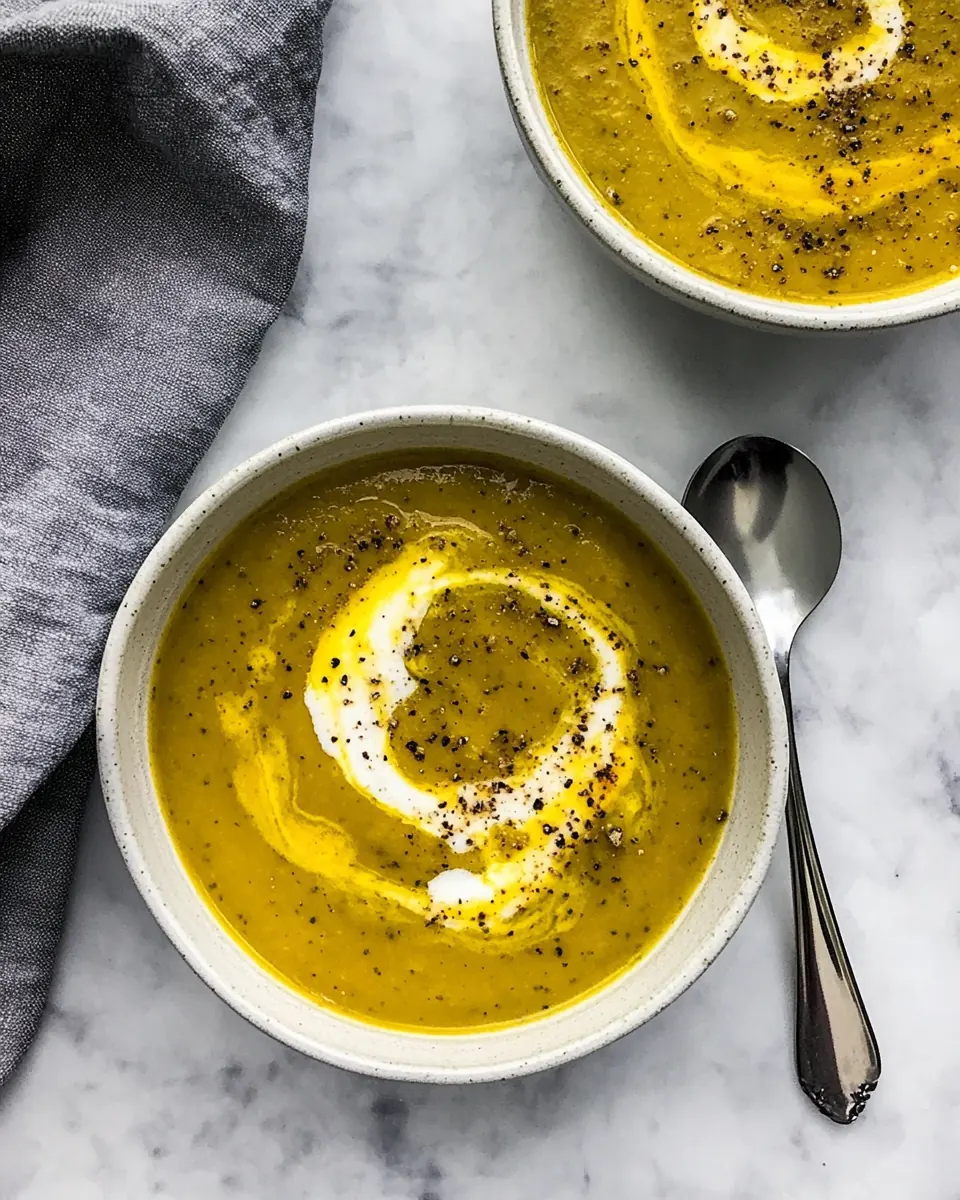
This method is wonderfully hands off, and it rewards patience with deep flavor. Below you will find the original steps translated into rich, sensory instructions that explain not only what to do, but why it matters and how to avoid common slip ups.
- Combine all ingredients in a slow cooker. Cook on high for 4 hours or on low for 8 hours. In batches, place the soup in a blender and blend until smooth. Serve hot.: The moment you stir everything together you will notice the mingling scents of turmeric , ginger , and garlic rising from the pot, a warm aromatic promise of the soup to come. Because the vegetables are cut small, they will yield flavor quickly into the vegetable broth and the spices will bloom gently. The reason this step matters is that even distribution early ensures every spoonful is balanced; clumps of spice or isolated large florets will give uneven bites. One frequent mistake I see is adding ingredients in layers without a gentle stir, which can cause pockets of underflavored or over spiced broth. If you notice any floating over concentrated spice, stir and skim a touch of broth to rebalance.
- Cook on high for 4 hours or on low for 8 hours: As the cooker warms, you will hear a soft, steady simmer and see the broth take on a deeper color, with the edges forming a slow ripple. High gives you faster breakdown and a more immediate meal, while low allows slow caramelization of the natural sugars in the carrots and leeks , producing a rounder flavor. The why here is simple: time deepens complexity and mouthfeel, making the final puree silkier if you choose that texture. Avoid the common pitfall of opening the lid repeatedly, because each lift releases heat and lengthens cooking time, which can interfere with even softening.
- In batches, place the soup in a blender and blend until smooth: You will see the soup transform from textured pieces to an even, glossy consistency, and the aroma will sharpen briefly as the pureed mixture releases steam. Blending in batches prevents overfilling the blender, which is important to avoid hot splatter and pressure build up. The reason this technique matters is that small batches create a more uniformly smooth finish and help you control creaminess. A typical mistake is attempting to blitz a full blender jug, which can cause scalding and uneven puree; instead, fill the blender to no more than half and cover with a kitchen towel while venting slightly.
- Serve hot: When you ladle the soup into bowls the steam will carry those fragrant notes right to your face, and the first spoonful should feel warm, rounded, and cohesive. Serving hot enhances the perception of spice and mouth coating from the turmeric and ginger , making each bite comforting. It matters because temperature influences both aroma and texture perception, so lukewarm soup can seem flat and less satisfying. A common misstep is letting the pot cool too long before serving; reheat gently while stirring so the texture remains smooth and uniform.
How to Switch It Up
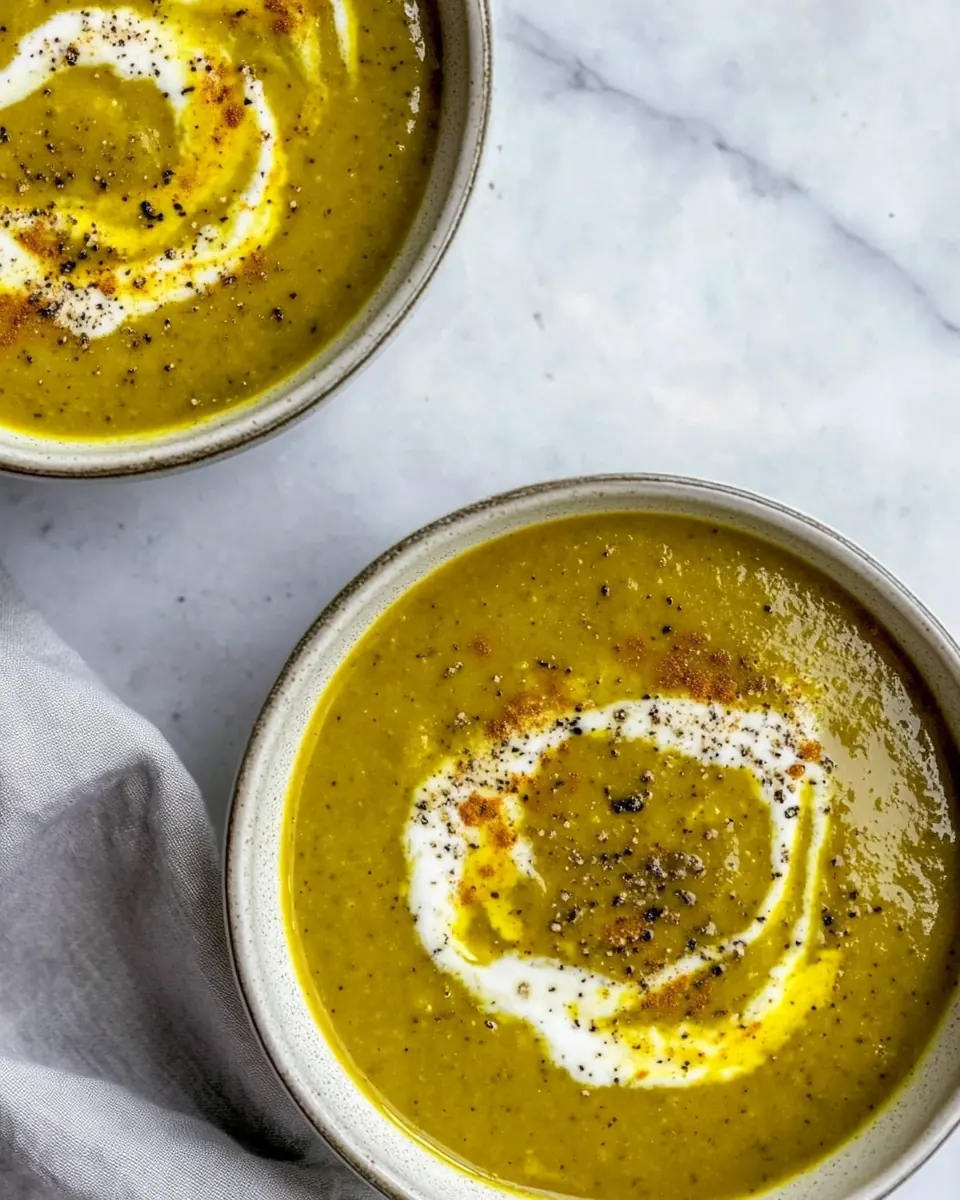
There are a handful of easy changes that can shift this soup from everyday to special occasion. Below I offer practical variations and thoughtful tweaks to help you adapt flavors, textures, and serving styles without compromising the dish’s spirit.
- Make it creamier by blending until ultra smooth and adding a ladle of reserved hot broth to reach your desired silkiness without watering down flavor.
- Boost the spice by increasing the chopped ginger slightly or finishing with a pinch more crushed red pepper just before serving to brighten the bowl.
- Add texture by reserving some small broccoli florets and stirring them in after blending so every spoonful has a tender bite.
- Use different aromatics by swapping part of the leeks for a mild onion if you want a more familiar onion backbone.
- Concentrate flavor by removing the lid in the last 30 minutes and letting some liquid reduce, which deepens the overall taste and thickens the body.
Serving Ideas for Anti Inflammatory Broccoli Turmeric Slow Cooker Soup
This soup is versatile, and how you serve it can change the whole experience. Below are ideas for pairings, occasions, and storage that make the most of its warming, restorative character.
- Casual family dinner, serve in deep bowls with crusty bread for dipping, and a simple green salad on the side for contrast.
- Light lunch, offer a smaller bowl with a wedge of lemon at the table so guests can add brightness to taste.
- Meal prep option, cool completely and store in airtight containers in the refrigerator for up to four days, reheating gently on the stove to preserve texture.
- Entertaining, present in a warmed tureen with small soup cups and garnish with a drizzle of olive oil and a pinch of crushed red pepper for visual appeal.
- Seasonal pairing, this is perfect in winter when root vegetables shine; pair with roasted whole grain sides or a hearty lentil salad.
- Storage tip, freeze in single serving portions and thaw in the refrigerator overnight, then reheat slowly on low while stirring to recombine the texture.
FAQ
Conclusion
This soup stands out for its effortless, nourishing profile and the warm interplay of turmeric and fresh ginger. I encourage you to give it a try because its simplicity makes it perfect for busy days while still delivering layered, comforting flavors. Whether you blend it silky smooth or leave it a bit chunky, this bowl is forgiving and satisfying, a small ritual that can lift an ordinary day.
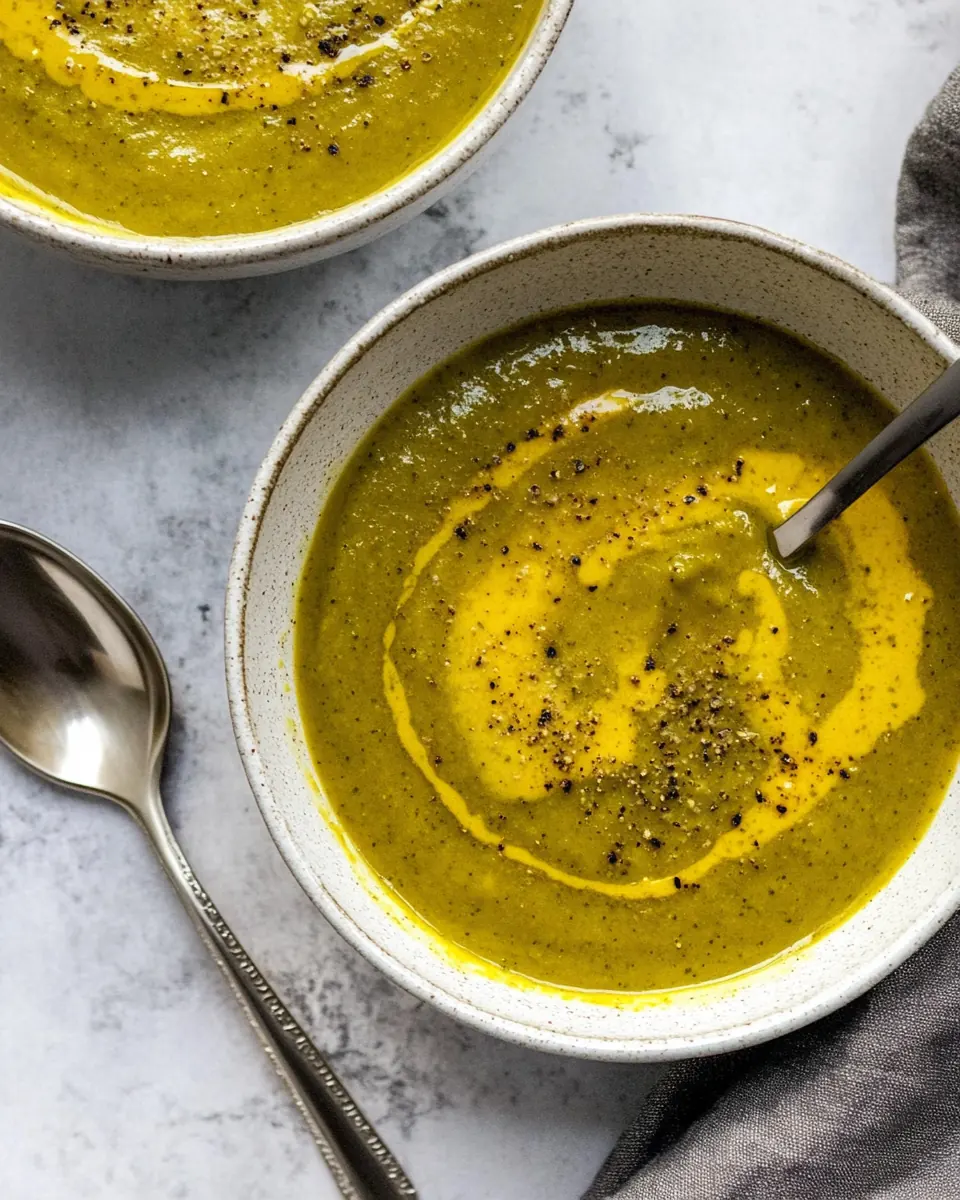
Anti Inflammatory Broccoli Turmeric Slow Cooker Soup
Ingredients
Equipment
Method
- Combine all ingredients in a slow cooker. Cook on high for 4 hours or on low for 8 hours. In batches, place the soup in a blender and blend until smooth. Serve hot.: The moment you stir everything together you will notice the mingling scents of turmeric , ginger , and garlic rising from the pot, a warm aromatic promise of the soup to come. Because the vegetables are cut small, they will yield flavor quickly into the vegetable broth and the spices will bloom gently. The reason this step matters is that even distribution early ensures every spoonful is balanced; clumps of spice or isolated large florets will give uneven bites. One frequent mistake I see is adding ingredients in layers without a gentle stir, which can cause pockets of underflavored or over spiced broth. If you notice any floating over concentrated spice, stir and skim a touch of broth to rebalance.
- Cook on high for 4 hours or on low for 8 hours: As the cooker warms, you will hear a soft, steady simmer and see the broth take on a deeper color, with the edges forming a slow ripple. High gives you faster breakdown and a more immediate meal, while low allows slow caramelization of the natural sugars in the carrots and leeks , producing a rounder flavor. The why here is simple: time deepens complexity and mouthfeel, making the final puree silkier if you choose that texture. Avoid the common pitfall of opening the lid repeatedly, because each lift releases heat and lengthens cooking time, which can interfere with even softening.
- In batches, place the soup in a blender and blend until smooth: You will see the soup transform from textured pieces to an even, glossy consistency, and the aroma will sharpen briefly as the pureed mixture releases steam. Blending in batches prevents overfilling the blender, which is important to avoid hot splatter and pressure build up. The reason this technique matters is that small batches create a more uniformly smooth finish and help you control creaminess. A typical mistake is attempting to blitz a full blender jug, which can cause scalding and uneven puree; instead, fill the blender to no more than half and cover with a kitchen towel while venting slightly.
- Serve hot: When you ladle the soup into bowls the steam will carry those fragrant notes right to your face, and the first spoonful should feel warm, rounded, and cohesive. Serving hot enhances the perception of spice and mouth coating from the turmeric and ginger , making each bite comforting. It matters because temperature influences both aroma and texture perception, so lukewarm soup can seem flat and less satisfying. A common misstep is letting the pot cool too long before serving; reheat gently while stirring so the texture remains smooth and uniform.
Notes
- Make it creamier by blending until ultra smooth and adding a ladle of reserved hot broth to reach your desired silkiness without watering down flavor.
- Boost the spice by increasing the chopped ginger slightly or finishing with a pinch more crushed red pepper just before serving to brighten the bowl.
- Add texture by reserving some small broccoli florets and stirring them in after blending so every spoonful has a tender bite.
- Use different aromatics by swapping part of the leeks for a mild onion if you want a more familiar onion backbone.
- Concentrate flavor by removing the lid in the last 30 minutes and letting some liquid reduce, which deepens the overall taste and thickens the body.