Christmas Frittata
Christmas Frittata has been my go to when friends drop by unexpectedly around the holidays, and it still feels like a celebration every single time. I first made this dish one chilly December morning, juggling a kettle, wrapped gifts, and a very curious dog, and the simple mix of eggs, vegetables, and melty cheese rescued the day in the most comforting way.
That morning taught me how forgiving a well made frittata can be. I loved how the aroma of gently sautéed onion and bell pepper filled the kitchen, and how the texture of the finished slice offered a soft, custardy interior with just enough structure from the breadcrumbs. You can serve it straight from the pan or let it rest, and either way people gravitate toward it. I often think of this as the recipe that turns hectic holiday mornings into slow, warm gatherings.
Recipe Snapshot
40 mins
15 mins
25 mins
Easy
250 kcal
American
Gluten-Free, Keto
Breakfast
Skillet, 9 inch pie plate, Oven, Mixing bowl
The Magic of This Christmas Frittata
Versatile and forgiving
I love that Christmas Frittata adapts to what I have in the fridge, yet stays reliably satisfying. When I am short on time, it still behaves nicely, offering a cohesive texture even if the mix is a little different. That flexibility makes it a favorite for unexpected company and planned breakfasts alike.
Layered, comforting flavors
The combination of gently cooked onion, soft bell pepper, and bright tomatoes gives this dish dimension. I enjoy the savory underpinning from the Worcestershire sauce which quietly deepens the profile without stealing the show. The melted mozzarella cheese brings a creamy, stringy finish that people always praise.
Great texture balance
What stands out to me is the contrast between the custardy beaten eggs and the slight chew from the breadcrumbs. That tiny bit of structure prevents the slices from falling apart while still keeping the mouthfeel tender, which is exactly what I aim for when serving a holiday brunch.
Easy to scale and share
I often multiply this recipe for larger gatherings because it scales cleanly. Baking in a pie plate or a shallow pan produces consistent results, and you can slice it into wedges for a buffet, or plate it individually. The ease of serving makes it a practical choice when hosting family and friends.
Comfort with a fresh finish
The finishing touch of minced fresh Italian parsley lifts the overall richness, so the dish feels festive rather than heavy. I always remind myself that a little fresh herb goes a long way in brightening the flavor after baking.
Ingredients You’ll Need for Christmas Frittata
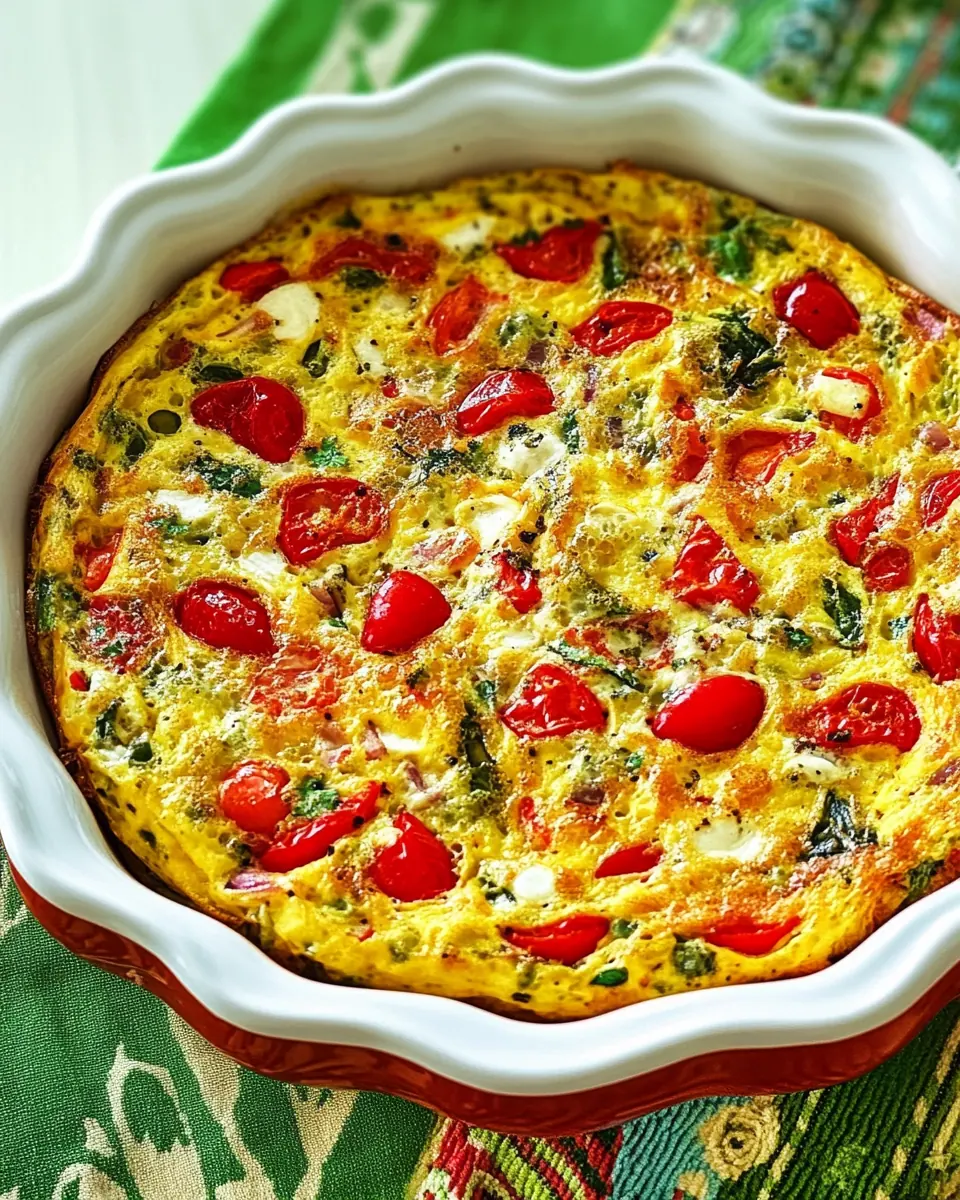
These ingredients come together to create a comforting holiday friendly frittata. The lineup balances aromatics, bright fresh notes, creamy melted mozzarella cheese, and binding agents so every bite is cohesive. Think of the key players as the custardy base, the savory vegetables, and the finishing components that give texture and lift.
- 2 tablespoons salted butter: Melted and slightly nutty, provides a rich cooking fat to sauté aromatics and prevent sticking while adding savory depth to the dish.
- 1 medium onion, chopped: Chopped and sweet-tasting, softens when cooked to build the flavor base and contributes moisture and texture to the frittata.
- 1 medium bell pepper, chopped: Chopped and crisp, brings fresh vegetal sweetness and a subtle crunchy bite that enhances color and seasonal flavor contrast.
- 1 medium garlic clove, minced: Minced and pungent, releases aromatic oils when sautéed to boost overall savory complexity and complement the other aromatics.
- 1/2 cup chopped tomatoes: Chopped and juicy, adds bright acidity and fresh tomato flavor that balances the richness of eggs and cheese in the frittata.
- 1/4 cup minced fresh Italian parsley: Minced and herbaceous, provides a fresh, slightly peppery finish that lifts the overall flavor and adds green color flecks.
- 5 large eggs, lightly beaten: Lightly beaten and creamy, sets the structure of the frittata by binding ingredients and creating a tender, custardy interior.
- 2 cups (8 ounces) shredded mozzarella cheese: Shredded and melty, delivers gooey, stretchy texture and mild milky flavor that enriches each bite and aids browning on top.
- 1/2 cup of breadcrumbs: Dry and coarse, offers a toasty crunch when sprinkled on top or mixed in, helping absorb excess moisture and add texture contrast.
- 1 teaspoon Worcestershire sauce: Savory and umami-rich, enhances depth of flavor and gives a subtle tangy-salty note that complements the eggs and vegetables.
- 1/2 teaspoon salt: Granular and mineral-rich, seasons the mixture evenly to enhance natural flavors and ensure the frittata tastes balanced.
- 1/4 teaspoon freshly ground black pepper: Freshly ground and sharp, provides a subtle heat and aromatic bite that brightens flavors without overpowering delicate ingredients.
Making Christmas Frittata
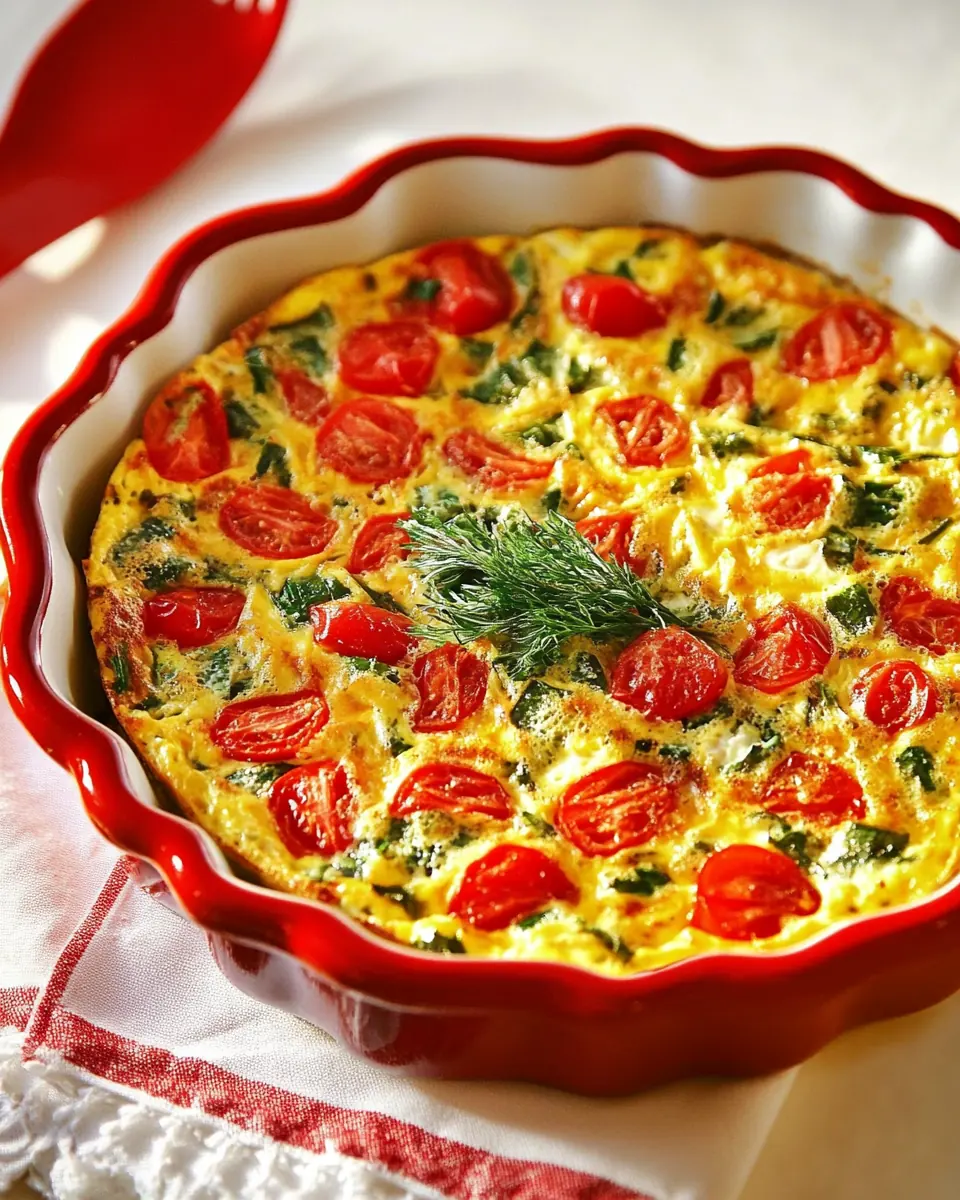
I like to walk through these steps as if I am cooking alongside you, with clear sensory cues so you know things are on track. Keep tools close, preheat your oven so it is ready, and focus on gentle heat for the vegetables. The final bake should produce a set but tender interior.
- Preheat oven to 350°F.: Warmth in the oven feels like the calm center of the process, and you should notice steady, even heat when you open the door. This temperature helps the frittata cook through without rushing, preserving a soft texture. If the oven is cooler than expected, the middle may remain undercooked, so use an oven thermometer if needed to verify accuracy. Listen for the quiet whoosh as the door opens and close it gently to keep the temperature steady.
- In a skillet over medium-low heat, melt the butter and cook the onion, bell pepper and garlic for 5 minutes or until tender. Remove from the heat. Stir in the tomatoes and parsley, and set aside. In a large bowl, combine the remaining ingredients. Stir in the cooked vegetables.: You will smell the sweetening onion and the gentle perfume of softened bell pepper , while the garlic releases a warm, savory aroma near the end. The sizzle should be soft, not aggressive; that signals you are extracting sugars without browning. Stir occasionally to ensure even cooking, and reduce heat if the edges begin to color too quickly, because browned vegetables will change the intended gentle sweetness.
- Pour into an ungreased 9-inch pie plate. Bake, uncovered, for 25 to 30 minutes or until a knife inserted near the center comes out clean. Let stand for 5 minutes before cutting.: When you lift the skillet away from the burner, the residual warmth continues to finish the vegetables without overcooking them. The surface will still steam slightly, and that lingering heat helps the tomatoes and parsley integrate smoothly without wilting. A common mistake is leaving the pan on the hot burner which can keep cooking the aromatics and risk a bitter edge.
- Stir in the tomatoes and parsley, and set aside.: The bright scent of fresh parsley will pop against the cooked vegetables, and the tomatoes add a mild tang that balances the fat. Mixing them off heat preserves freshness and prevents the herbs from turning dull. If you add them too early on the hot pan, the parsley will lose its vibrant color and flavor.
- In a large bowl, combine the remaining ingredients.: Here the room fills with the mingled aromas of beaten eggs , shredded mozzarella cheese , breadcrumbs , Worcestershire sauce , salt, and black pepper . Whisk or stir until uniform, but avoid vigorous whipping that introduces excess air. Over aeration can produce an overly sponge like texture rather than the desired custardy interior.
- Stir in the cooked vegetables.: As you fold the sautéed mixture into the egg blend, the contrast of warm vegetables meeting cool custard creates a pleasant steam and a fragrant lift. The goal is even distribution so each slice gets vegetables, cheese, and crumbs. Avoid violent mixing which can break down pieces and create an uneven texture; gentle folding keeps distinct pockets intact.
- Pour into an ungreased 9-inch pie plate.: Pouring the mixture should feel smooth and slightly viscous as it levels out across the plate. You may hear a light settling sound as air escapes, and the surface will gleam from the melted cheese. Using an ungreased plate helps the bottom form a subtle crust, but if you worry about sticking, lightly swipe a bit of butter first. Sticking usually happens when the pan surface is too worn or if the frittata is overbaked.
- Bake, uncovered, for 25 to 30 minutes or until a knife inserted near the center comes out clean.: During baking, the kitchen fills with a warm, savory scent as the edges turn lightly golden and the center firms. You should see a slight puff and set top, with cheese bubbling gently around the edges. Check with a clean narrow knife near the center to confirm doneness, and avoid opening the oven repeatedly which can lower the temperature and extend bake time. Underbaking leaves a runny interior, while overbaking creates a dry, crumbly finish.
- Let stand for 5 minutes before cutting.: Resting allows the steam to redistribute so the slices hold together more neatly, and the heat mellows slightly for safer serving. You will notice the surface settle and the aroma calm into a cohesive scent. Cutting too soon can cause the frittata to break apart, while waiting longer will make it firmer and easier to slice into clean wedges.
Tips for Success
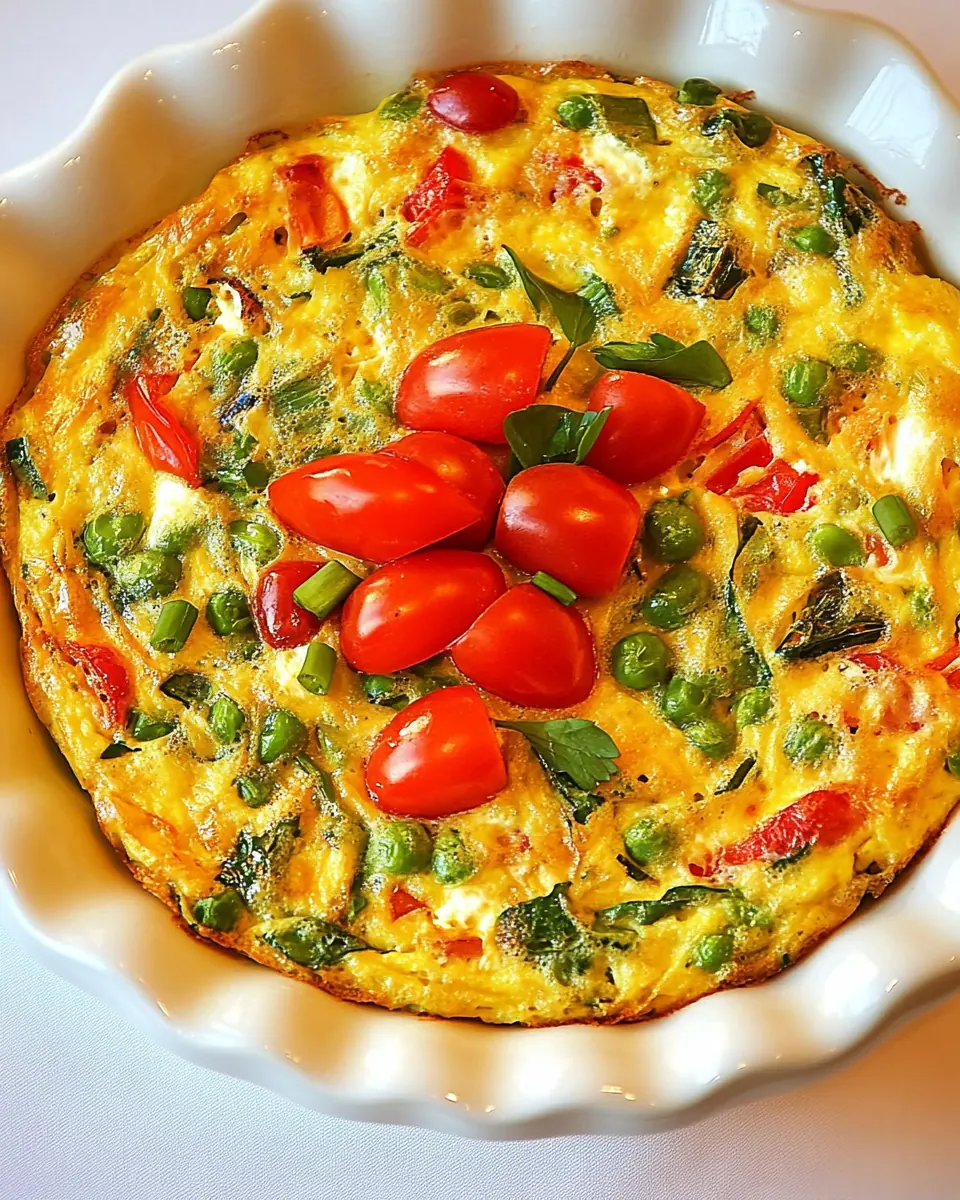
I like to think of tips as small course corrections that make a big difference. These suggestions come from repeated tests and the little mistakes Ive learned from. Follow a few and youll get consistently pleasing results.
- Bring eggs to room temperature: This helps the custard set evenly during baking, reducing the chance of a rubbery texture and promoting a tender interior.
- Sauté vegetables gently: Cook the onion, bell pepper, and garlic over medium low heat to release sweetness without browning, which preserves a mellow flavor.
- Use fresh herbs at the end: Add minced Italian parsley off heat to keep its color and bright aroma, preventing it from turning dull from overcooking.
- Choose good melting cheese: Freshly shredded mozzarella cheese melts more uniformly and creates a creamier texture than pre shredded options.
- Watch bake time closely: Test near the center with a knife to avoid underbaking or overbaking, for the ideal custardy middle and lightly set edges.
- Let it rest: Allow the frittata to stand for about five minutes after baking so the steam redistributes and the slices hold together better.
Serving Options for Christmas Frittata
This frittata is a welcoming centerpiece for holiday mornings and casual gatherings alike. Below are practical serving ideas, storage suggestions, and occasions where this works beautifully.
- Brunch buffet wedge: Slice into wedges and arrange on a platter for a relaxed holiday buffet where guests can help themselves.
- Weeknight family dinner: Serve warm with simple sides for an easy weeknight meal that still feels special and festive.
- Picnic friendly: Room temperature slices hold up well, making this a good option for outdoor holiday gatherings or potlucks.
- Leftovers storage: Refrigerate in an airtight container for up to three days, and reheat gently in a low oven to preserve texture.
- Make ahead: Bake the day before and gently rewarm; flavors often meld and become even more appealing after resting overnight.
- Holiday mornings: Its ideal for Christmas morning traditions when you want something warm and filling without a lot of fuss.
FAQ
Conclusion
Christmas Frittata shines because it delivers comforting, layered flavors with minimal fuss, marrying eggs, sautéed vegetables, and melty cheese into a cohesive, festive dish. I encourage you to give it a try on a holiday morning or an easy weeknight when you want something both hearty and approachable. Its forgiving nature means you can make it with confidence, and the warm aroma alone will make the kitchen feel welcoming and celebratory.
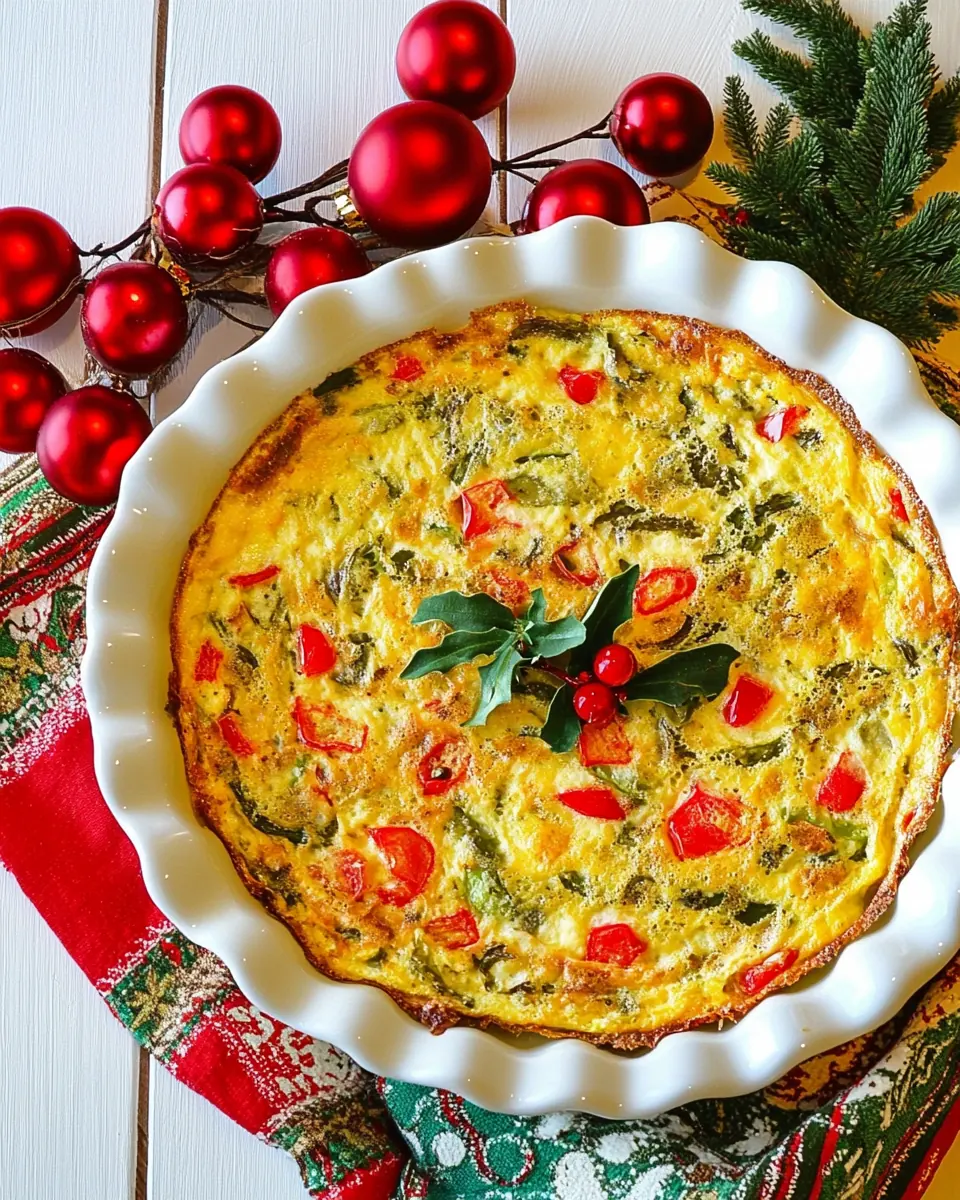
Christmas Frittata
Ingredients
Equipment
Method
- Preheat oven to 350°F.: Warmth in the oven feels like the calm center of the process, and you should notice steady, even heat when you open the door. This temperature helps the frittata cook through without rushing, preserving a soft texture. If the oven is cooler than expected, the middle may remain undercooked, so use an oven thermometer if needed to verify accuracy. Listen for the quiet whoosh as the door opens and close it gently to keep the temperature steady.
- In a skillet over medium-low heat, melt the butter and cook the onion, bell pepper and garlic for 5 minutes or until tender. Remove from the heat. Stir in the tomatoes and parsley, and set aside. In a large bowl, combine the remaining ingredients. Stir in the cooked vegetables.: You will smell the sweetening onion and the gentle perfume of softened bell pepper , while the garlic releases a warm, savory aroma near the end. The sizzle should be soft, not aggressive; that signals you are extracting sugars without browning. Stir occasionally to ensure even cooking, and reduce heat if the edges begin to color too quickly, because browned vegetables will change the intended gentle sweetness.
- Pour into an ungreased 9-inch pie plate. Bake, uncovered, for 25 to 30 minutes or until a knife inserted near the center comes out clean. Let stand for 5 minutes before cutting.: When you lift the skillet away from the burner, the residual warmth continues to finish the vegetables without overcooking them. The surface will still steam slightly, and that lingering heat helps the tomatoes and parsley integrate smoothly without wilting. A common mistake is leaving the pan on the hot burner which can keep cooking the aromatics and risk a bitter edge.
- Stir in the tomatoes and parsley, and set aside.: The bright scent of fresh parsley will pop against the cooked vegetables, and the tomatoes add a mild tang that balances the fat. Mixing them off heat preserves freshness and prevents the herbs from turning dull. If you add them too early on the hot pan, the parsley will lose its vibrant color and flavor.
- In a large bowl, combine the remaining ingredients.: Here the room fills with the mingled aromas of beaten eggs , shredded mozzarella cheese , breadcrumbs , Worcestershire sauce , salt, and black pepper . Whisk or stir until uniform, but avoid vigorous whipping that introduces excess air. Over aeration can produce an overly sponge like texture rather than the desired custardy interior.
- Stir in the cooked vegetables.: As you fold the sautéed mixture into the egg blend, the contrast of warm vegetables meeting cool custard creates a pleasant steam and a fragrant lift. The goal is even distribution so each slice gets vegetables, cheese, and crumbs. Avoid violent mixing which can break down pieces and create an uneven texture; gentle folding keeps distinct pockets intact.
- Pour into an ungreased 9-inch pie plate.: Pouring the mixture should feel smooth and slightly viscous as it levels out across the plate. You may hear a light settling sound as air escapes, and the surface will gleam from the melted cheese. Using an ungreased plate helps the bottom form a subtle crust, but if you worry about sticking, lightly swipe a bit of butter first. Sticking usually happens when the pan surface is too worn or if the frittata is overbaked.
- Bake, uncovered, for 25 to 30 minutes or until a knife inserted near the center comes out clean.: During baking, the kitchen fills with a warm, savory scent as the edges turn lightly golden and the center firms. You should see a slight puff and set top, with cheese bubbling gently around the edges. Check with a clean narrow knife near the center to confirm doneness, and avoid opening the oven repeatedly which can lower the temperature and extend bake time. Underbaking leaves a runny interior, while overbaking creates a dry, crumbly finish.
- Let stand for 5 minutes before cutting.: Resting allows the steam to redistribute so the slices hold together more neatly, and the heat mellows slightly for safer serving. You will notice the surface settle and the aroma calm into a cohesive scent. Cutting too soon can cause the frittata to break apart, while waiting longer will make it firmer and easier to slice into clean wedges.
Notes
- Bring eggs to room temperature: This helps the custard set evenly during baking, reducing the chance of a rubbery texture and promoting a tender interior.
- Sauté vegetables gently: Cook the onion, bell pepper, and garlic over medium low heat to release sweetness without browning, which preserves a mellow flavor.
- Use fresh herbs at the end: Add minced Italian parsley off heat to keep its color and bright aroma, preventing it from turning dull from overcooking.
- Choose good melting cheese: Freshly shredded mozzarella cheese melts more uniformly and creates a creamier texture than pre shredded options.
- Watch bake time closely: Test near the center with a knife to avoid underbaking or overbaking, for the ideal custardy middle and lightly set edges.
- Let it rest: Allow the frittata to stand for about five minutes after baking so the steam redistributes and the slices hold together better.