Avocado Salad Dressing
Avocado Salad Dressing has been my quick fix for when a plain salad needs personality, and I still remember the first time I mashed a ripe avocado into a glossy, tangy pourable sauce that made even a bowl of simple greens feel special.
That afternoon I had little time, a tired grocery bag, and a craving for something bright. I reached for the blender, tossed in a few humble items, and within minutes I had a dressing that tasted like sunshine and comfort at once. Friends asked for the jar before I could refrigerate it, and from then on I kept the ingredients on hand for emergency flavor boosts.
Over weekends I tweak the balance, sometimes smoothing the texture with a touch more oil, other times pushing the lemon forward for a citrusy zip. I love that this Avocado Salad Dressing is flexible, forgiving, and fast, so it shows up for lunches, casual dinners, and last minute gatherings when you want something homemade without fuss.
Recipe Snapshot
10 mins
10 mins
0 mins
Easy
120 kcal
American
Keto, Paleo
Salads
Small blender or food processor, Measuring cups, Juicer or reamer
Why This Avocado Salad Dressing Stands Out
Velvety texture that elevates everything
I adore how Avocado Salad Dressing turns ordinary leaves into something luxurious. The creamy nature of avocado gives a silky mouthfeel that coats each bite, so even simple romaine or baby kale feels indulgent. I’ve found that this lush texture helps cling to chopped veggies, making every forkful balanced and satisfying.
Bright, fresh flavor without heaviness
The combination of lemon juice and a hint of garlic cuts through the richness, so the dressing never tastes dull or flat. I often appreciate how the acidity wakes up other ingredients on the plate, and it makes the whole salad feel lighter, not heavier. We love this for warm-weather meals or to brighten denser winter salads.
Fast and forgiving to make
One reason I reach for this recipe is speed. With a small blender or food processor you can have creamy dressing in minutes. It’s forgiving of slight ripeness variations in avocado, and you can adjust the olive oil to reach the consistency you like. When entertaining, I’ll make a double batch because it saves time and still tastes freshly made.
Versatile pairing potential
This dressing plays well with many salads and bowls. I use it over grilled vegetables, shredded chicken salads, or as a dip for crudites. Its neutral creaminess supports bold toppings like roasted peppers or spicy seeds without competing, so it becomes a backstage hero for many dishes I prepare.
Accessible ingredients, pantry friendly
I appreciate ingredients you usually have on hand. A ripe avocado, a bit of mayonnaise for extra silkiness, a squeeze of lemon, and a splash of olive oil are all it takes. Salt and black pepper bring the final balance. Because these items are common staples, I never hesitate to whip this up, even on short notice.
What’s In This Avocado Salad Dressing
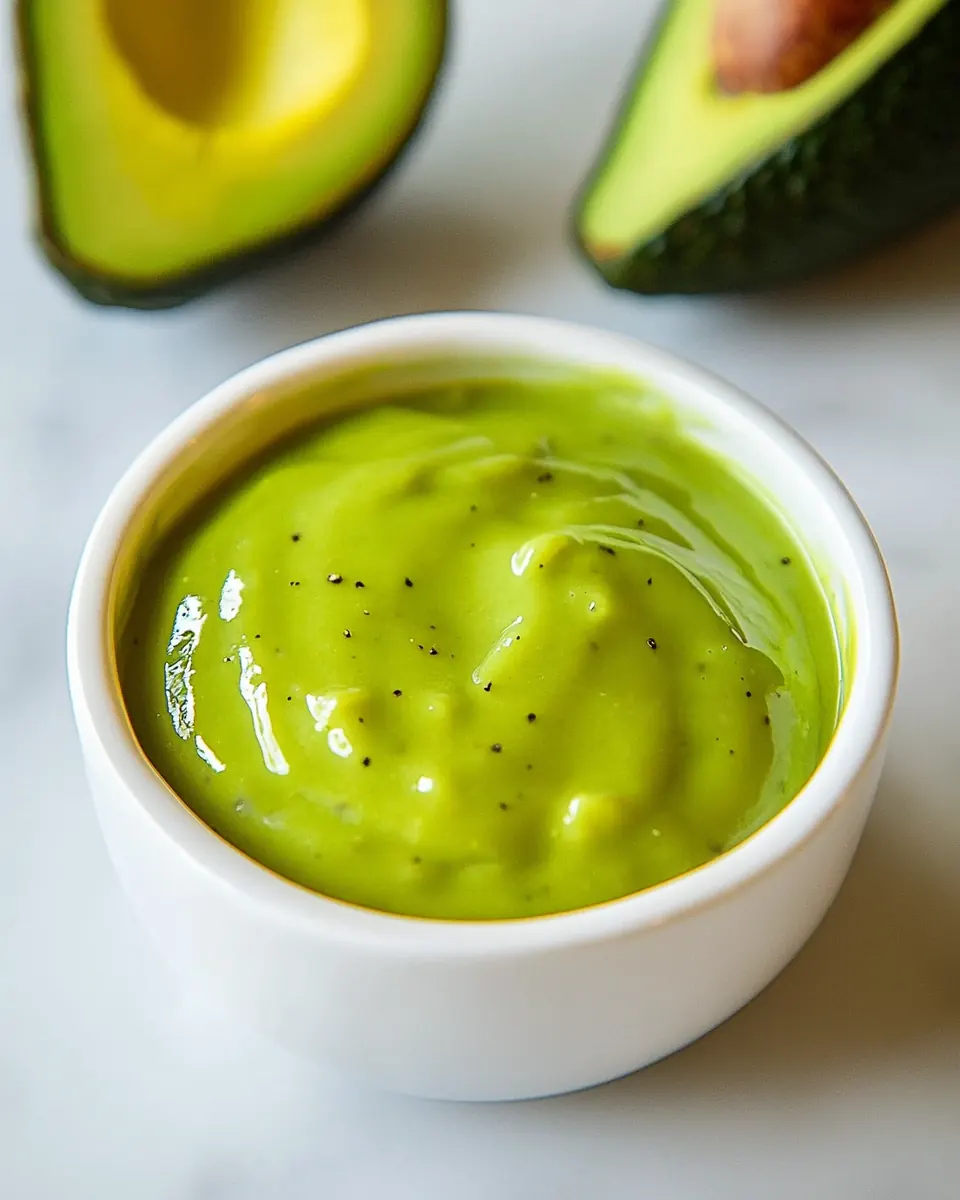
These ingredients are chosen for balance and harmony. The creamy heart of avocado provides body, while lemon juice brightens and cuts through the richness. Mayonnaise deepens the texture and gives stability, and a drizzle of olive oil smooths the mouthfeel. The small touches of garlic, salt, and black pepper round everything out, creating a dressing that is both flexible and dependable.
- 1/4 cup mayonnaise: Adds creaminess and a tangy base that helps emulsify the dressing; provides body and a smooth mouthfeel. Balances the richness of avocado and oil while carrying flavors like lemon and garlic. Use a neutral or light-flavored mayonnaise to avoid overpowering delicate ingredients.
- 1 avocado ripe: Contributes a buttery texture and fresh, mellow flavor while thickening the dressing naturally. Supplies healthy fats that enhance mouthfeel and help bind emulsified components together. Mash thoroughly to create a silky consistency that blends evenly with mayonnaise and oil.
- 1 lemon juiced: Provides bright acidity and citrusy aroma that cuts through richness and lifts overall flavor. Juicing releases fresh juices that help thin the dressing to desired consistency and aid emulsification. Add gradually to adjust tang and balance with salt and oil.
- 1 clove garlic minced: Imparts a pungent, savory depth and aromatic warmth when minced finely; enhances overall savory profile. Small amounts distribute flavor throughout the dressing without creating harsh raw bites. Mince or press garlic for best integration and flavor release.
- salt to taste: Enhances and balances flavors by elevating savory and acidic notes to taste; controls overall seasoning. Use sparingly and adjust incrementally to avoid over-salting, especially if mayonnaise is salted. Tasting after mixing helps achieve the desired seasoning level.
- black pepper to taste: Adds mild heat and aromatic complexity; helps contrast creamy and acidic components for balanced flavor. Freshly ground black pepper provides a brighter, more piquant finish than pre-ground pepper. Grind directly over the dressing and taste to fine-tune the pepper intensity.
- 1/4 cup olive oil give or take: Provides additional smoothness and rich mouthfeel while helping to emulsify and thin the dressing to pourable consistency. Contributes fruity or peppery notes depending on oil quality, so choose extra-virgin for pronounced flavor or lighter oil for neutrality. Drizzle in slowly while whisking to form a stable emulsion.
Making This Avocado Salad Dressing
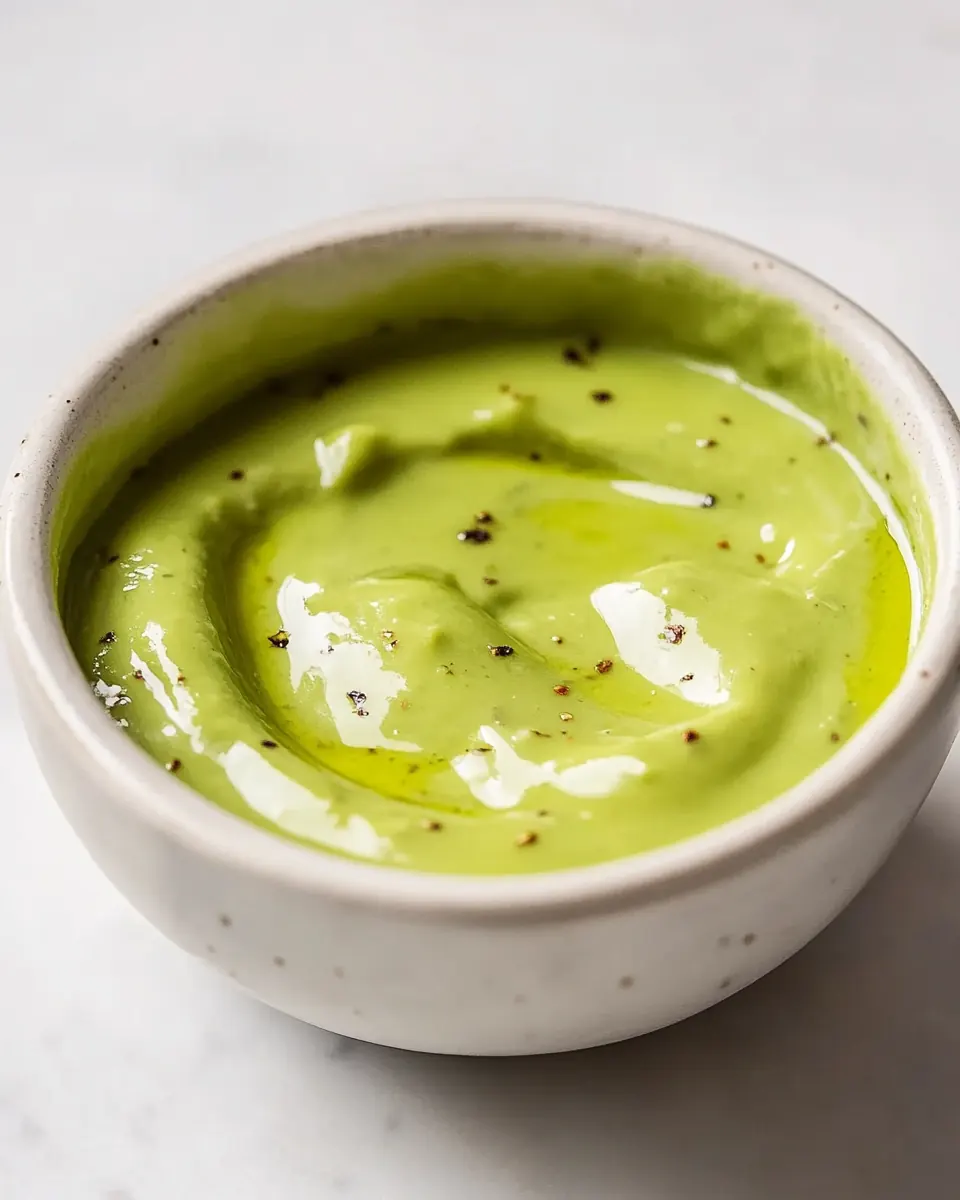
I like to keep the process friendly and hands on, so a small blender or food processor is my usual tool. The directions are short, but what matters is the way you build texture and balance the flavors as you go.
- In the bowl of a small food processor or small blender, place mayonnaise, avocado, lemon juice, garlic, salt and black pepper. Blend until smooth.: The moment you start blending you will notice a fruity aroma from the avocado and a bright citrus tang from the lemon , creating an inviting scent that promises creaminess. This initial mixture forms the emulsified core, which is why I always add the denser items first so they break down thoroughly and integrate smoothly. While blending, watch for a homogenous pale green color that signals the solids have pureed properly. A typical pitfall is underprocessing which leaves chunks of avocado , so pause and scrape the sides if needed to ensure everything passes through the blades evenly.
- Stream in oil to achieve the desired consistency. Serve immediately or chilled.: As the blades whirl, listen for a steady, even hum which tells you the mixture is moving consistently; uneven thumping indicates larger pieces remain. The texture should transform from lumpy to silky, and the aroma will become unified, with garlic softened and mayonnaise folded in. Smoothness is key because it affects how the dressing coats greens, so blend until there are no visible bits. One troubleshooting tip is to stop and stir, then continue if the machine strains, that prevents overheating and keeps the dressing cool and fresh.
- Stream in oil to achieve the desired consistency: When you begin adding olive oil , you will see the dressing gloss over as the oil emulsifies with the other ingredients, creating a glossy sheen. Add the oil slowly to control thickness, and observe the lotion like texture that forms; thicker for dipping, thinner for drizzling. The reason for the slow stream is to encourage a stable emulsion, which prevents separation later. If you add the oil too quickly, the dressing can split, so pour gradually and pulse to maintain cohesion. A common mistake is adding all the oil at once, which makes it hard to reincorporate without re-blending from scratch.
- Serve immediately or chilled: Freshly blended, the dressing carries a bright, citrusy top note and a smooth, creamy finish; chilling slightly tempers the raw garlic edge and firms the texture. Serving right away gives the most vibrant aroma and color, while chilling melds flavors and makes it easier to spoon or pour over salads. If you refrigerate, allow a short stir before using since the dressing may thicken slightly; a splash of water or more olive oil can bring it back to desired pourability. Avoid freezing, as the texture will break down and become watery when thawed.
Expert Tips about Avocado Salad Dressing
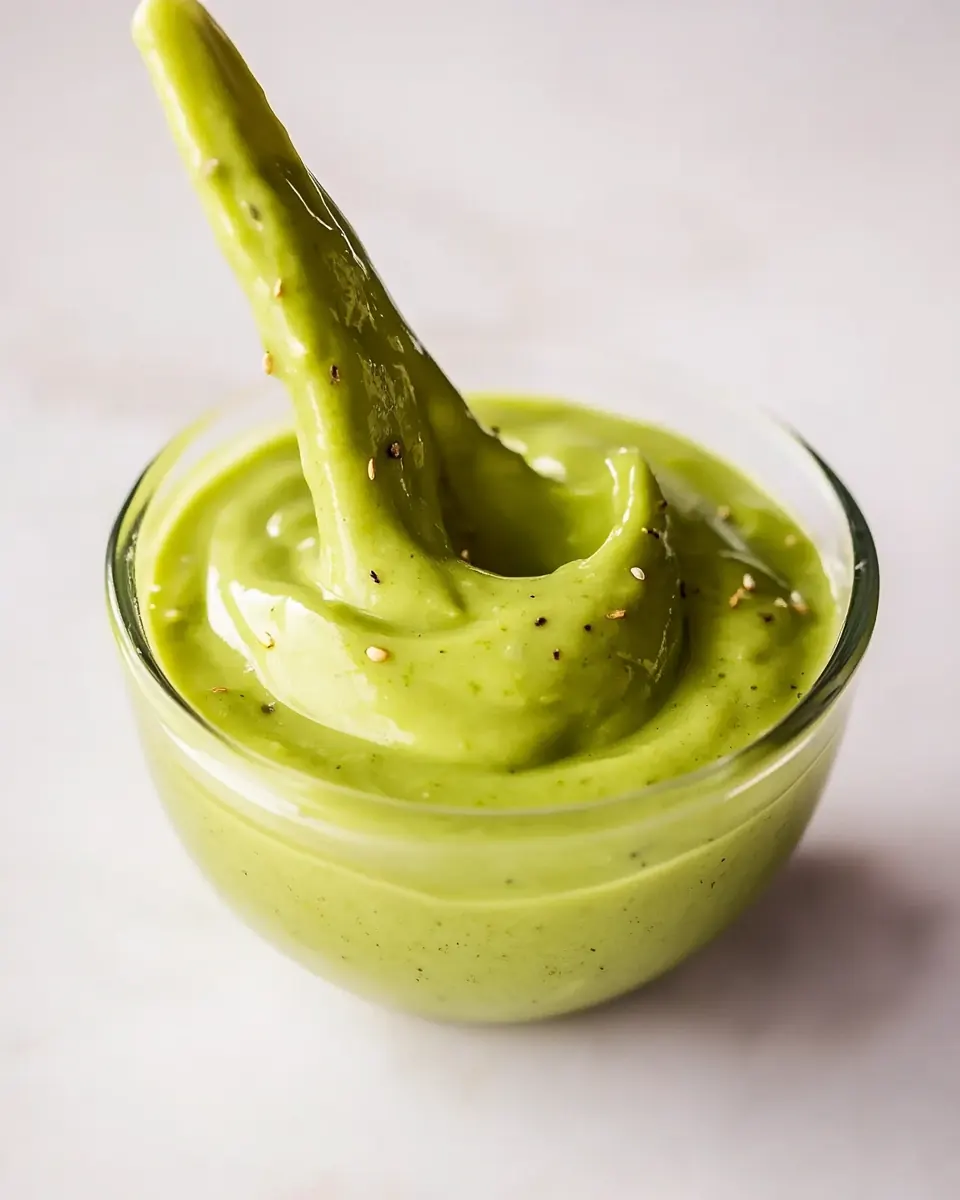
I like to keep tips practical and testable, so these focus on texture, flavor balance, and storage to help you make the best version every time. Follow these suggestions to avoid common pitfalls and elevate the final dressing.
- Pick the right avocado: Choose fruit that gives slightly when pressed to ensure a creamy texture and avoid graininess in the dressing.
- Emulsify with patience: Add olive oil in a thin stream while blending to create a silky, stable dressing that does not separate quickly.
- Taste and adjust: Balance the lemon and salt after blending, since acidity and seasoning can change as flavors meld.
- Control garlic intensity: Mince the garlic finely or grate it to distribute flavor evenly without large raw bites.
- Keep it fresh: Store in an airtight container and consume within two days to maintain color and peak flavor.
How to Enjoy Avocado Salad Dressing
This dressing is flexible enough for weeknight salads and casual gatherings, and it pairs well with many textures and flavors. Below are ideas for serving, storage, and occasions to showcase the dressing.
- Simple green salads: Drizzle over mixed greens or romaine for a creamy finish without heaviness, perfect for a quick lunch.
- Grain bowls: Use as a finishing sauce for quinoa or farro bowls topped with roasted vegetables for a satisfying meal.
- Vegetable dip: Serve in a shallow bowl as a dip for raw carrots, cucumber, and bell pepper sticks at a brunch or snack spread.
- Sandwich spread: Slather on sandwiches or wraps in place of mayonnaise for added creaminess and flavor lift.
- Occasion pairing: Great for casual dinners, potlucks, and light lunches during Ramadan if looking for a refreshing, nonheavy sauce option.
- Storage tip: Keep in an airtight jar in the refrigerator for up to two days; stir gently before using if it firms up.
FAQ
Conclusion
This Avocado Salad Dressing stands out because it combines creamy texture with bright citrus and simple pantry ingredients for an effortless upgrade to salads. Give it a try when you want a quick, homemade dressing that feels luxurious without complicated steps. It’s forgiving, fast, and versatile, so keep these ingredients on hand and let this dressing rescue and elevate your next bowl of greens.
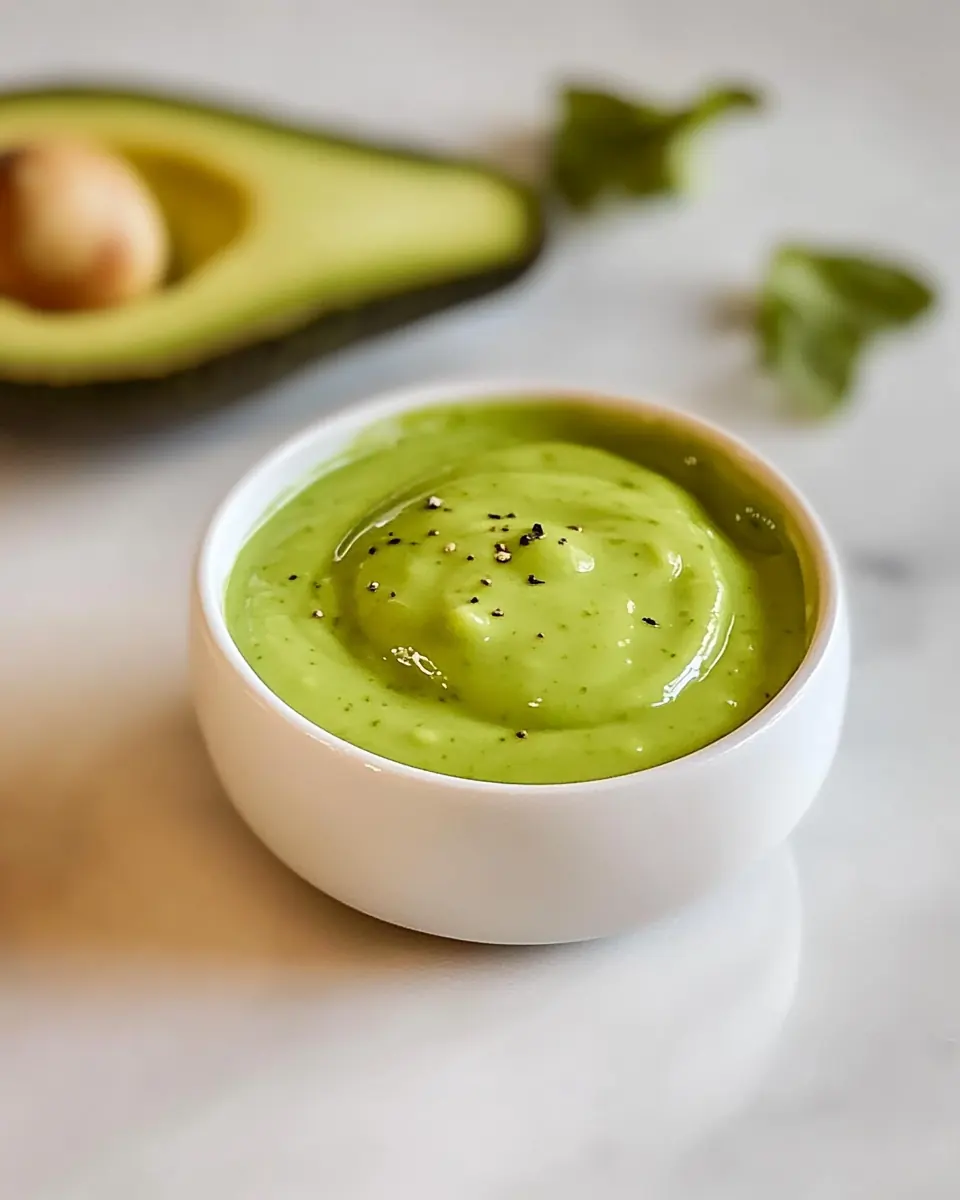
Avocado Salad Dressing
Ingredients
Equipment
Method
- In the bowl of a small food processor or small blender, place mayonnaise, avocado, lemon juice, garlic, salt and black pepper. Blend until smooth.: The moment you start blending you will notice a fruity aroma from the avocado and a bright citrus tang from the lemon , creating an inviting scent that promises creaminess. This initial mixture forms the emulsified core, which is why I always add the denser items first so they break down thoroughly and integrate smoothly. While blending, watch for a homogenous pale green color that signals the solids have pureed properly. A typical pitfall is underprocessing which leaves chunks of avocado , so pause and scrape the sides if needed to ensure everything passes through the blades evenly.
- Stream in oil to achieve the desired consistency. Serve immediately or chilled.: As the blades whirl, listen for a steady, even hum which tells you the mixture is moving consistently; uneven thumping indicates larger pieces remain. The texture should transform from lumpy to silky, and the aroma will become unified, with garlic softened and mayonnaise folded in. Smoothness is key because it affects how the dressing coats greens, so blend until there are no visible bits. One troubleshooting tip is to stop and stir, then continue if the machine strains, that prevents overheating and keeps the dressing cool and fresh.
- Stream in oil to achieve the desired consistency: When you begin adding olive oil , you will see the dressing gloss over as the oil emulsifies with the other ingredients, creating a glossy sheen. Add the oil slowly to control thickness, and observe the lotion like texture that forms; thicker for dipping, thinner for drizzling. The reason for the slow stream is to encourage a stable emulsion, which prevents separation later. If you add the oil too quickly, the dressing can split, so pour gradually and pulse to maintain cohesion. A common mistake is adding all the oil at once, which makes it hard to reincorporate without re-blending from scratch.
- Serve immediately or chilled: Freshly blended, the dressing carries a bright, citrusy top note and a smooth, creamy finish; chilling slightly tempers the raw garlic edge and firms the texture. Serving right away gives the most vibrant aroma and color, while chilling melds flavors and makes it easier to spoon or pour over salads. If you refrigerate, allow a short stir before using since the dressing may thicken slightly; a splash of water or more olive oil can bring it back to desired pourability. Avoid freezing, as the texture will break down and become watery when thawed.
Notes
- Pick the right avocado: Choose fruit that gives slightly when pressed to ensure a creamy texture and avoid graininess in the dressing.
- Emulsify with patience: Add olive oil in a thin stream while blending to create a silky, stable dressing that does not separate quickly.
- Taste and adjust: Balance the lemon and salt after blending, since acidity and seasoning can change as flavors meld.
- Control garlic intensity: Mince the garlic finely or grate it to distribute flavor evenly without large raw bites.
- Keep it fresh: Store in an airtight container and consume within two days to maintain color and peak flavor.