Simple Roasted Pecan Halves Recipe
Simple Roasted Pecan Halves Recipe is one of those small kitchen rituals I come back to every autumn, when the air turns crisp and the pantry feels like a warm hug. I first made these pecans on a rainy Saturday years ago, wanting a quick snack to accompany a pot of tea. The result was a bowl of glossy, salted nuts that vanished faster than I expected, and ever since they mean cozy evenings and good conversations for me.
When I roast a tray of pecan halves, I think about texture first, then aroma. There is something deeply satisfying about watching plain pecan halves transform in the oven, the butter melting into nooks and crannies, and the salt sharpening the sweetness. I love how simple ingredients come together to create something that feels luxurious without fuss, a treat that is equally welcome on a holiday platter or as an everyday nibble.
Recipe Snapshot
25 mins
5 mins
20 mins
Medium
200 kcal
American
Keto, Gluten-Free
Appetizers
Sheet pan, Oven
The Charm of This Simple Roasted Pecan Halves Recipe
Crunch and Texture
I adore how the Simple Roasted Pecan Halves Recipe yields a perfect crisp exterior while keeping the inside tender. The light toasting deepens the natural oils in the pecan, giving each bite a satisfying crunch that sings against the palate. I always watch for the visual cue of a slightly darker edge, because that balance is what makes these irresistible.
Effortless Luxury
What I love most is how little effort delivers a big payoff. With only butter and salt added to the pecan halves, the result feels indulgent. I often serve these when guests arrive, and they immediately elevate a simple spread without requiring me to hide in the kitchen for long.
Versatile Snack
We use these roasted pecan halves in so many ways. Tossed onto salads for contrast, sprinkled over cereal, or tucked into gift jars, they adapt beautifully. I find their sweet and salty profile pairs with cheeses, fruit, and warmed dishes alike, which is why I keep a jar on hand during fall gatherings.
Reliable Technique
This recipe is forgiving, which is perfect for home cooks like me who appreciate a dependable method. A moderate oven temperature and a short baking window mean it is easy to avoid overcooking, and stirring once during roasting ensures even color. That small pause makes the difference between a good batch and a great one.
Comforting Aroma
There is nothing like the smell of toasted pecan oil and melted butter wafting through the house. That immediate sense of warmth and comfort is a reason I return to this recipe season after season. It signals that simple moments can feel intentional and special.
Recipe Ingredients for Simple Roasted Pecan Halves Recipe
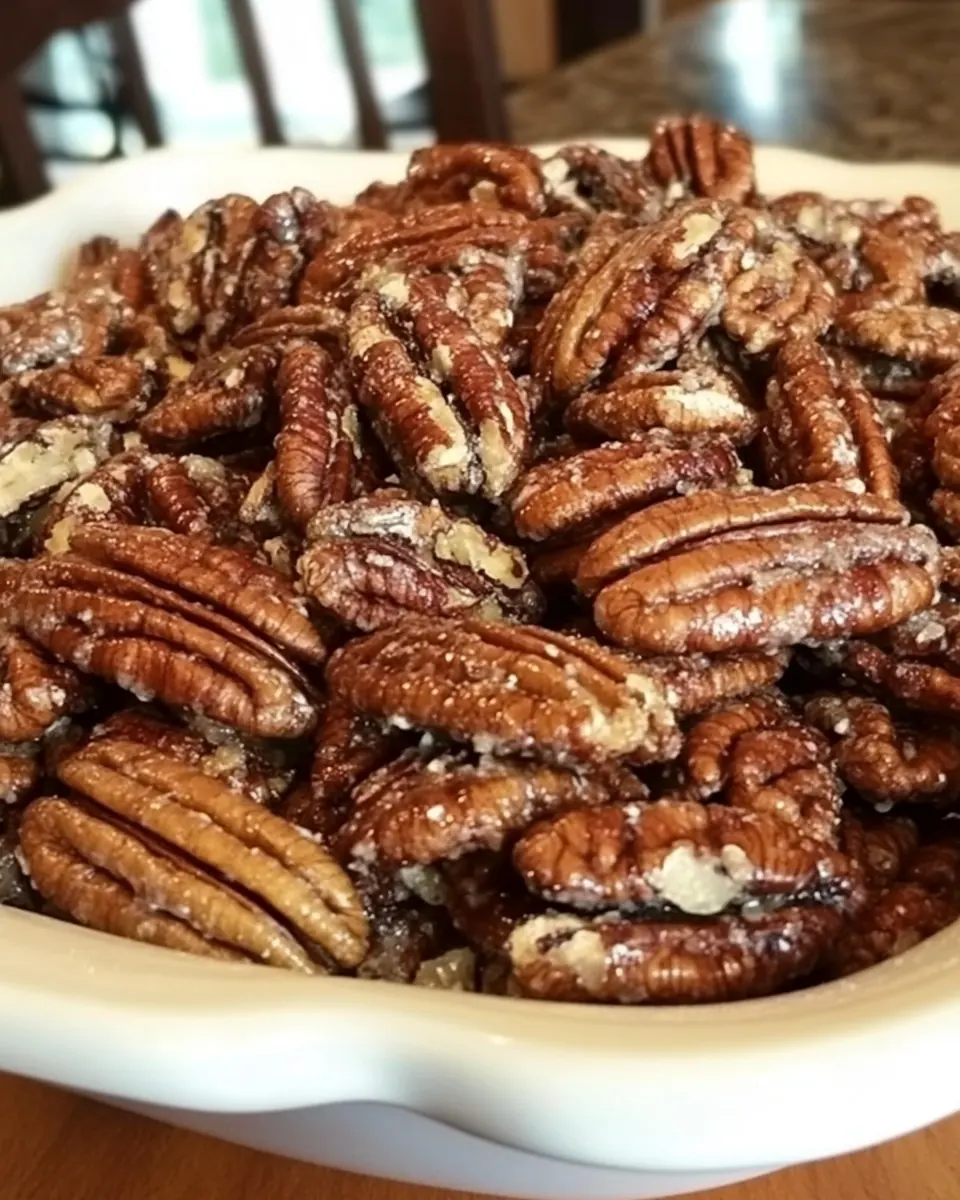
These ingredients are intentionally few and well matched. The pecan halves provide rich, buttery flavor and meaty texture, the butter helps toast and glaze the nuts while carrying aroma, and a touch of salt lifts the natural sweetness. Together they create crunchy, glossy nuts that work everywhere from snack bowls to salad toppings.
- 1 pound pecan halves: Roasted to deepen flavor and provide a crunchy base, pecan halves add rich buttery notes and a pleasant texture contrast; they brown quickly so monitoring during roasting ensures even caramelization and prevents burning. Use whole halves to maintain visual appeal and a satisfying bite in snacks or desserts. Pecans also contribute healthy fats and a nutty aroma that elevates simple preparations.
- 4 tablespoons salted butter: Melted and stirred to coat the nuts evenly, salted butter enhances flavor and helps any seasonings adhere while promoting even browning during roasting; its milk solids contribute to a toasted, savory-sweet finish. Adding butter at the right temperature ensures a glossy coating and prevents clumping, boosting mouthfeel and richness. Butter also delivers familiar comfort and amplifies the pecans' natural sweetness.
- 1 teaspoon kosher salt: Sprinkled sparingly to balance sweetness and amplify savory notes, kosher salt draws out the pecans' inherent flavors and enhances overall taste perception; its larger flakes distribute more evenly over the nuts when tossed. Use measured amounts to avoid oversalting, especially with salted butter already present. Kosher salt's clean, bright saltiness sharpens aroma and mouthfeel without overwhelming.
Step by Step Instructions for Simple Roasted Pecan Halves Recipe
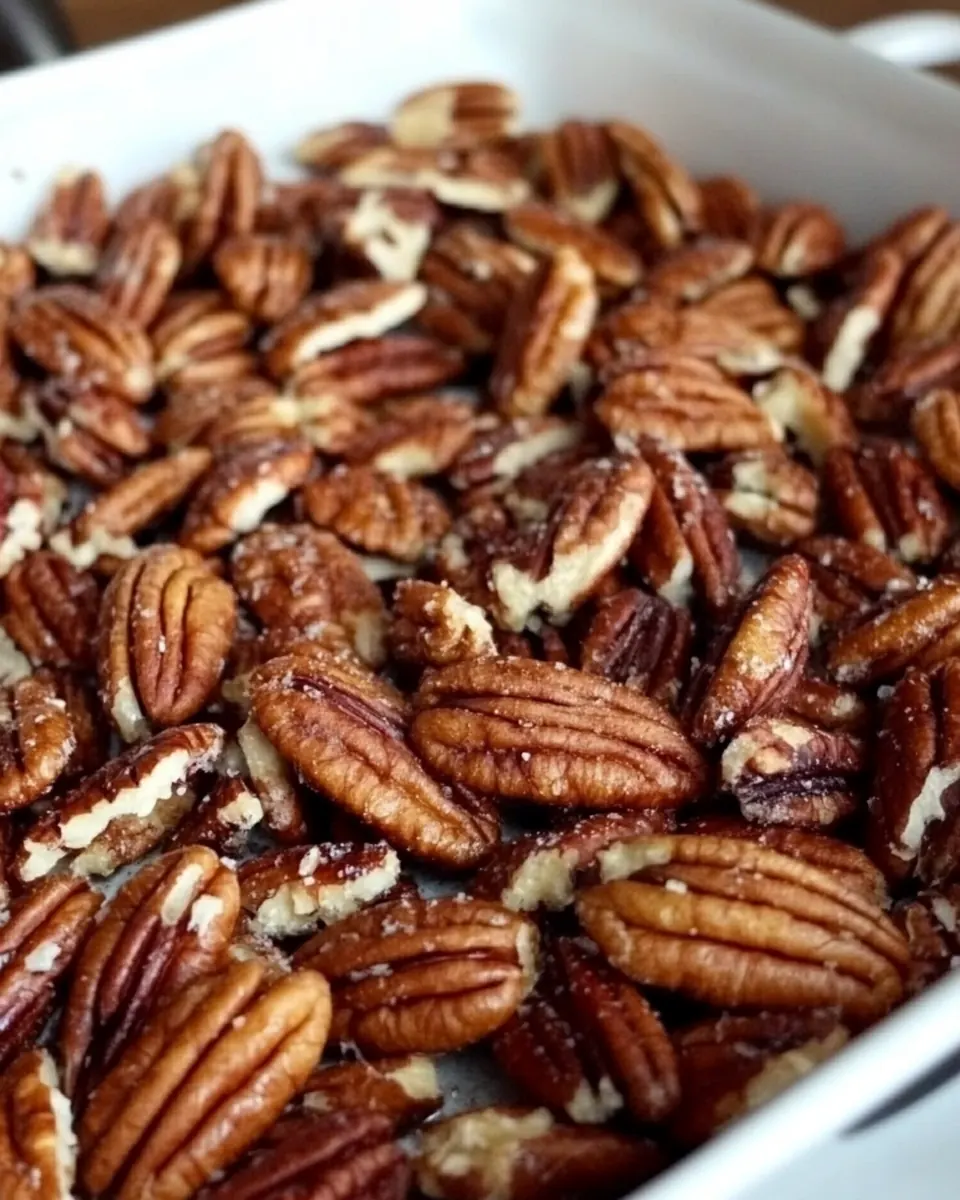
These directions are straightforward, and the technique focuses on even heat and attentive stirring. Read through the steps so you know what visual and olfactory cues to expect, and prepare a baking sheet to work quickly once the oven is hot.
- Preheat oven to 300 degrees Fahrenheit.: Warmth changes the way the pecan oils bloom, creating a toasty aroma that fills the kitchen and signals readiness. You should notice the oven stabilizing at the set temperature before the nuts go in, which ensures even roasting. If the oven is not fully preheated, you risk uneven coloring, so wait until the indicator shows the temperature is reached and the interior is consistently warm.
- Place pecan halves on a half sheet pan or cookie sheet, being sure to spread evenly on the pan.: When you spread the pecan halves in a single layer, air circulates around each piece and promotes uniform browning. The visual cue to look for is each nut lying flat, not piled on top of another. If you crowd the pan, the nuts steam instead of toast, which leaves them limp and pale, so always use a wide sheet and spread them out.
- Break pats of butter into small pieces and place on pecan halves.: As the butter melts, it coats the surfaces and encourages a glossy finish, while helping the salt adhere. You will hear a faint sizzle and smell butter begin to caramelize, which is a good sign. A common mistake is adding large chunks that take too long to melt, causing uneven coating; cut the butter small so it distributes quickly.
- Sprinkle salt all over the pecans.: The granules of salt should be visible on the nuts before roasting, because they dissolve slightly as the butter melts and create pockets of concentrated flavor. I pay attention to coverage, aiming for an even dusting rather than clumps. Over salting will overpower the natural pecan taste, so measure carefully to keep balance.
- Place pan into oven and bake for 10 minutes, then stir gently, turning the pecans as you stir.: During the first ten minutes the surface will just begin to color and the aroma will rise. When you stir, you should hear a subtle shift as the pecan halves move and see more even bronze appear. Stirring redistributes heat and melted butter , preventing hot spots. One mistake is skipping this stir, which can result in uneven browning with some pieces overdone while others remain pale.
- Cook another 10 minutes, watching carefully to make sure they do not over brown.: In the second interval the color deepens and the scent becomes nutty and toasted. Keep a close eye because nuts can go from perfect to bitter very quickly once sugars and oils overcook. I stand nearby and check every few minutes through the oven window, and if you see dark edges form, remove them immediately to avoid a bitter finish.
- Remove from the oven and allow to cool slightly.: Cooling lets the butter set and the pecan halves crisp further as they release steam, which results in a better texture. You will notice the glossy coating dull slightly and the sound change to a firmer snap when bitten. A common error is tasting immediately while they are too hot, which can feel greasy and mask the final crunch, so give them a short rest.
Recipe Tips about Simple Roasted Pecan Halves Recipe
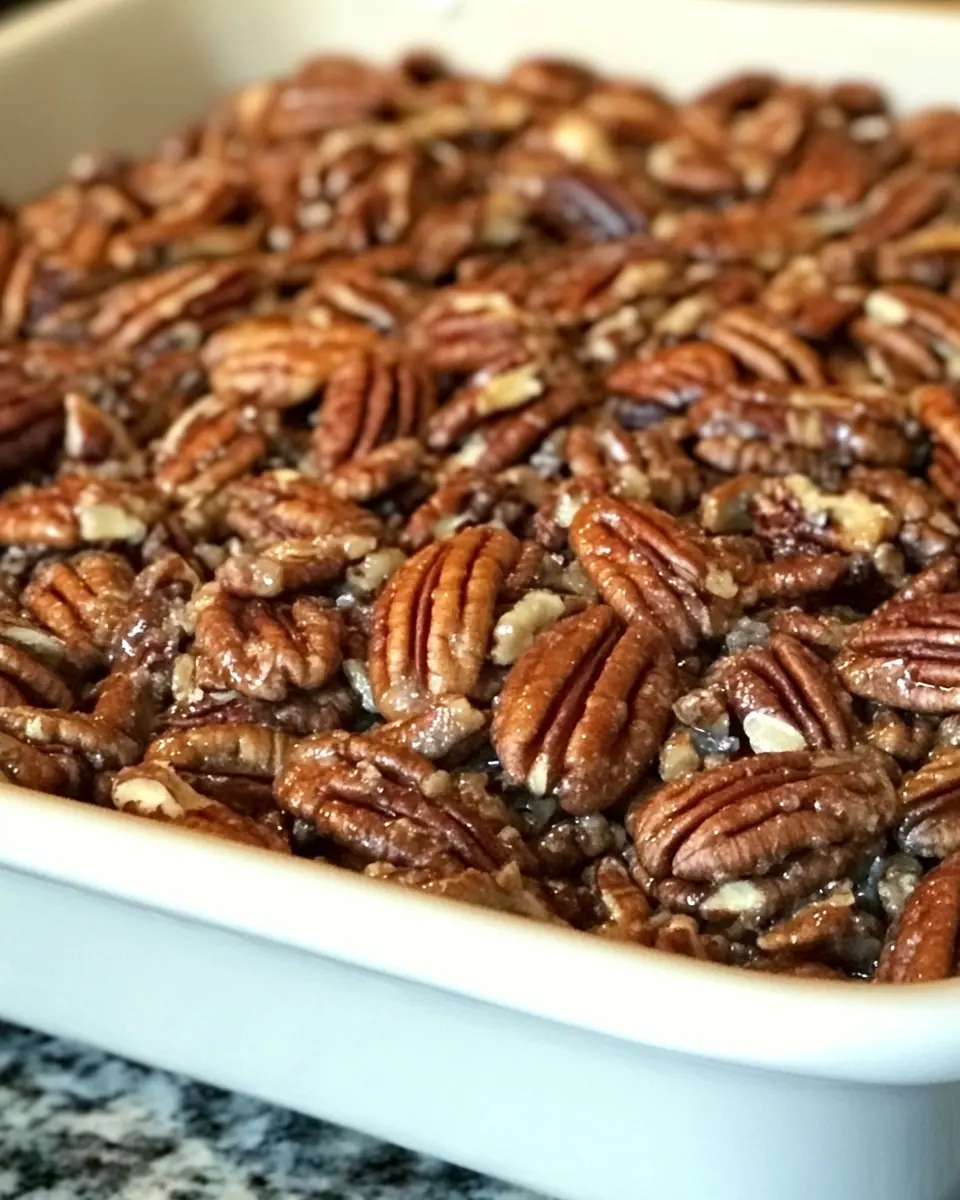
I share these practical tips from repeated batches, because small adjustments make big differences. These items will help you achieve consistent results and avoid common pitfalls when roasting pecan halves.
- Choose even sized halves: Picking uniform pecan halves promotes consistent browning and reduces the chance that some pieces overcook while others remain under toasted.
- Room temperature butter melts faster: Softened butter will spread more evenly across the nuts, creating a uniform glaze rather than leaving big chunks that do not integrate.
- Use a light coat of salt: Kosher salt distributes well and enhances the flavor without overwhelming the natural nuttiness when used sparingly.
- Single layer on the pan: Air circulation matters for texture, and using a broad sheet pan prevents steaming and encourages a toasted crunch.
- Watch the last five minutes: The final stages determine the difference between caramelized and burnt, so stay attentive and check by sight and smell.
Serving Options for Simple Roasted Pecan Halves Recipe
These roasted pecan halves are incredibly versatile, and how you serve them can change the mood of a meal or snack. Below are ideas for presentation, pairings, and storage to make the most of a batch.
- Snack bowl: Place a generous mound of the roasted pecan halves in a decorative bowl for casual nibbling during gatherings or movie nights.
- Cheese board addition: Arrange alongside cheeses and fruit for contrast, the toasted nuts adding texture and a savory note to the spread.
- Salad topper: Use the pecan halves to add crunch and richness to green salads or composed grain bowls for lunch or light dinner.
- Gift jars: Pack cooled nuts into jars and tie with ribbon for homemade gifts during fall holidays or special occasions.
- Storage tips: Store in an airtight container at room temperature for short term use, or freeze for longer keeping to preserve freshness and prevent rancidity.
- Seasonal pairing: These fit perfectly into fall spreads, complementing warm spices and roasted vegetables at holiday dinners or casual weekday meals.
FAQ
Conclusion
What makes this recipe special is how three simple ingredients become something greater than the sum of their parts, delivering warm, crunchy, buttery pecans every time. Give this a try the next time you crave a cozy snack or need a quick, elegant addition to a gathering. I promise the aroma and texture will win over friends and family, and you will find yourself reaching for this straightforward method season after season.
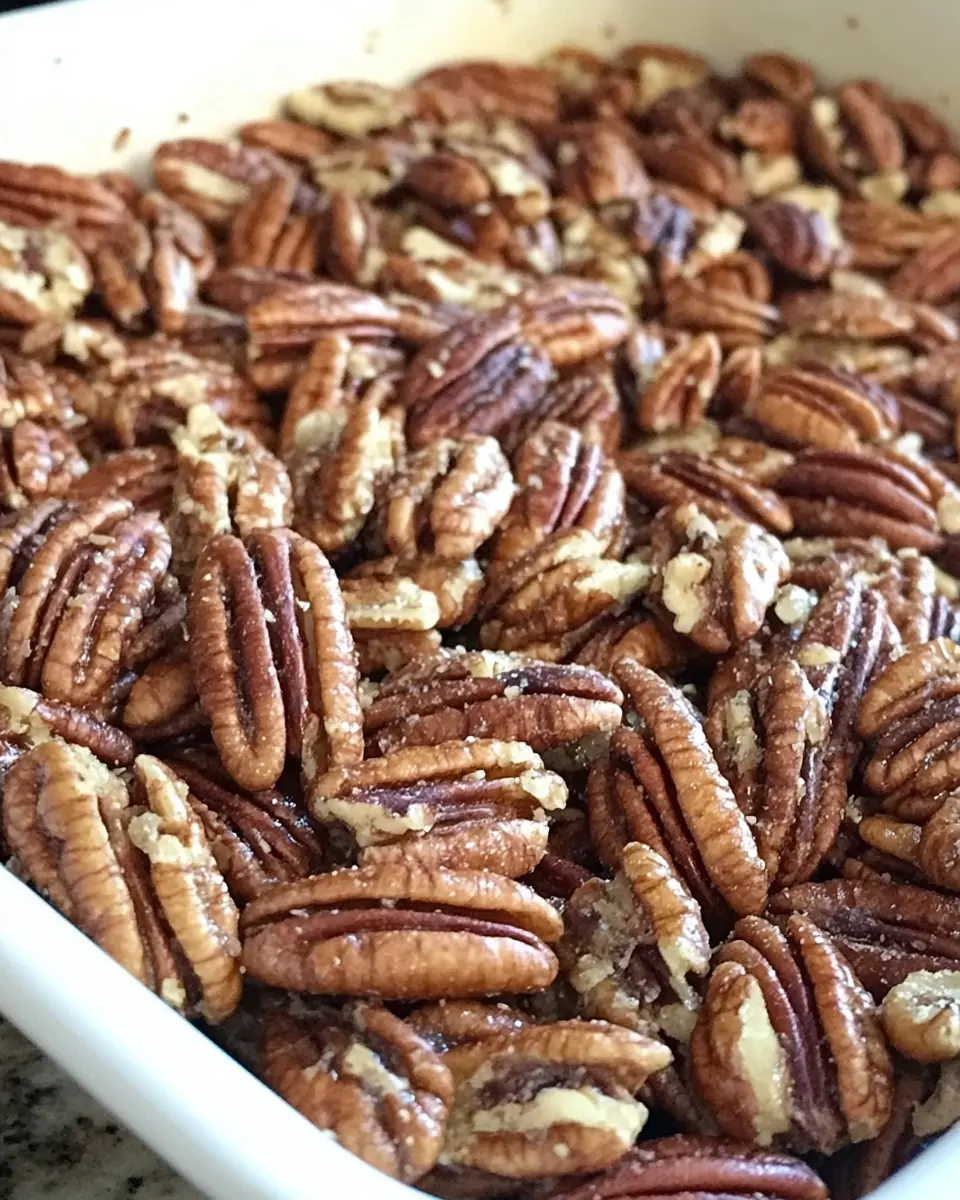
Simple Roasted Pecan Halves Recipe
Ingredients
Equipment
Method
- Preheat oven to 300 degrees Fahrenheit.: Warmth changes the way the pecan oils bloom, creating a toasty aroma that fills the kitchen and signals readiness. You should notice the oven stabilizing at the set temperature before the nuts go in, which ensures even roasting. If the oven is not fully preheated, you risk uneven coloring, so wait until the indicator shows the temperature is reached and the interior is consistently warm.
- Place pecan halves on a half sheet pan or cookie sheet, being sure to spread evenly on the pan.: When you spread the pecan halves in a single layer, air circulates around each piece and promotes uniform browning. The visual cue to look for is each nut lying flat, not piled on top of another. If you crowd the pan, the nuts steam instead of toast, which leaves them limp and pale, so always use a wide sheet and spread them out.
- Break pats of butter into small pieces and place on pecan halves.: As the butter melts, it coats the surfaces and encourages a glossy finish, while helping the salt adhere. You will hear a faint sizzle and smell butter begin to caramelize, which is a good sign. A common mistake is adding large chunks that take too long to melt, causing uneven coating; cut the butter small so it distributes quickly.
- Sprinkle salt all over the pecans.: The granules of salt should be visible on the nuts before roasting, because they dissolve slightly as the butter melts and create pockets of concentrated flavor. I pay attention to coverage, aiming for an even dusting rather than clumps. Over salting will overpower the natural pecan taste, so measure carefully to keep balance.
- Place pan into oven and bake for 10 minutes, then stir gently, turning the pecans as you stir.: During the first ten minutes the surface will just begin to color and the aroma will rise. When you stir, you should hear a subtle shift as the pecan halves move and see more even bronze appear. Stirring redistributes heat and melted butter , preventing hot spots. One mistake is skipping this stir, which can result in uneven browning with some pieces overdone while others remain pale.
- Cook another 10 minutes, watching carefully to make sure they do not over brown.: In the second interval the color deepens and the scent becomes nutty and toasted. Keep a close eye because nuts can go from perfect to bitter very quickly once sugars and oils overcook. I stand nearby and check every few minutes through the oven window, and if you see dark edges form, remove them immediately to avoid a bitter finish.
- Remove from the oven and allow to cool slightly.: Cooling lets the butter set and the pecan halves crisp further as they release steam, which results in a better texture. You will notice the glossy coating dull slightly and the sound change to a firmer snap when bitten. A common error is tasting immediately while they are too hot, which can feel greasy and mask the final crunch, so give them a short rest.
Notes
- Choose even sized halves: Picking uniform pecan halves promotes consistent browning and reduces the chance that some pieces overcook while others remain under toasted.
- Room temperature butter melts faster: Softened butter will spread more evenly across the nuts, creating a uniform glaze rather than leaving big chunks that do not integrate.
- Use a light coat of salt: Kosher salt distributes well and enhances the flavor without overwhelming the natural nuttiness when used sparingly.
- Single layer on the pan: Air circulation matters for texture, and using a broad sheet pan prevents steaming and encourages a toasted crunch.
- Watch the last five minutes: The final stages determine the difference between caramelized and burnt, so stay attentive and check by sight and smell.