Baked Scalloped Potatoes
Baked Scalloped Potatoes have been a comfort staple in my kitchen for years, the dish I reach for when I want something reliably cozy and crowd pleasing. The first time I made this version I was short on time but long on appetite, and the way the sauce clung to each tender slice of potatoes felt like a warm, savory hug. I remember stirring the roux while the house filled with a toasty, dairy rich aroma, and thinking how such humble ingredients could feel so luxurious.
Every family gathering seems to demand a pan of Baked Scalloped Potatoes, and I love how adaptable it is to the season and table. Early on I learned small tricks that change everything, like blotting the potatoes dry so the sauce stays silky instead of watery, or letting the casserole rest so the layers settle and slice neatly. Over time this dish became my go to for holiday sides and quiet weeknight dinners alike, always earning the same satisfied murmur when someone tastes that first cheesy, tender bite.
Recipe Snapshot
1 hr 15 mins
10 mins
65 mins
Medium
250 kcal
American
Gluten-Free, Low FODMAP
Side Dishes
Mandoline slicer
What’s Great About This Baked Scalloped Potatoes
Classic comfort with humble ingredients
I love how Baked Scalloped Potatoes turns a handful of pantry staples into something unfailingly comforting. The interplay of a creamy milk based sauce and thinly sliced potatoes makes every forkful creamy, yet substantial. I enjoy the contrast between the soft layers and the crisped top where the cheese browns.
Make ahead friendly
One of the reasons I rely on this recipe is its forgiving nature for planning. You can slice the potatoes and keep them submerged in water the day before, and assemble the casserole shortly before baking. That flexibility has saved me more than once when entertaining, and it reduces day of stress.
Customizable heat and seasoning
I appreciate that you can nudge this dish toward comforting or slightly spicy simply by adjusting the cayenne. I often test a pinch, then taste the sauce, because a little heat lifts the creamy profile without stealing the show. It makes the casserole feel grown up while still staying familiar for kids.
Textural payoff
Layering matters, and the best part of making Baked Scalloped Potatoes is the contrast you create when you take it out of the oven. The top bubble of melted cheddar cheese browns and crisps, while the interior stays tender and cohesive. That texture balance is why people go back for seconds.
Reliable crowd pleaser
When I serve this, I know it’s going to please a table. It pairs with a variety of mains and fits holiday spreads and weeknight meals alike. I always find the pan vanishes, and that sense of quiet triumph is why I keep this recipe in heavy rotation.
Ingredients Overview for Baked Scalloped Potatoes
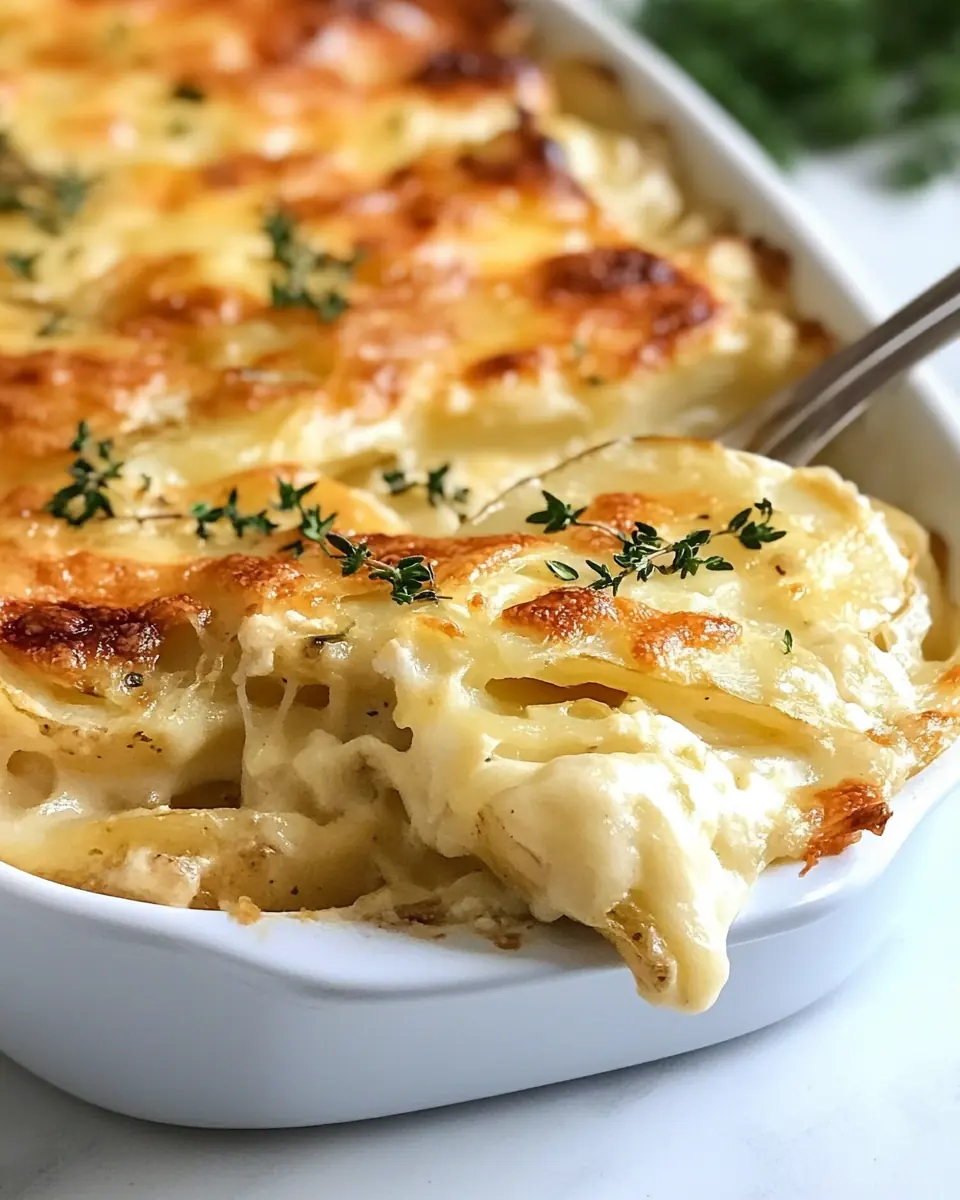
These ingredients form a simple, classic harmony. The foundation is potatoes, thinly sliced for even texture, while a béchamel style sauce built from butter, all purpose flour, and warm milk creates a silky coating. Cheddar cheese adds richness and browning, and a pinch of seasoning lifts the whole casserole. Each component plays a clear role in the balance of creaminess, flavor, and texture.
- 4 tablespoons butter (1/4 cup or 1/2 stick): Melted to provide a rich base and help create a smooth roux when combined with flour; contributes buttery flavor and aids in browning the casserole edges during baking.
- 4 tablespoons all-purpose flour (1/4 cup): Whisked into melted butter to form a roux that thickens the milk into a creamy sauce; helps bind cheese and potatoes and prevents separation for a velvety texture.
- 2 1/2 cups milk: Gently heated and stirred into the roux to build the béchamel-like sauce; imparts moisture and creaminess that cooks into the potatoes for tender layers.
- 2 cups shredded cheddar cheese divided: Shredded and divided so some melts into the sauce while some tops the casserole; adds sharp, savory flavor and creates gooey, golden melted cheese pockets throughout.
- Salt and freshly ground black pepper: Seasoned to taste to balance and enhance the flavors of the creamy sauce and potatoes; used sparingly to lift sweetness from the milk and cheese without overpowering.
- cayenne pepper to taste, (see note 1) (optional): Added sparingly to introduce a subtle heat and depth when desired; complements the richness of the cheese and béchamel without masking other flavors.
- 3 pounds potatoes peeled, thinly sliced, and submerged in water (see note 2): Thinly sliced and soaked to remove excess starch and ensure even cooking; forms the main body of the dish, layering with sauce and cheese to become tender and cohesive when baked.
- fresh chives or paprika, for garnish: Sprinkled as a finishing touch to add color and a mild oniony or smoky note; used just before serving to make the presentation attractive and enhance final flavor.
Making Baked Scalloped Potatoes
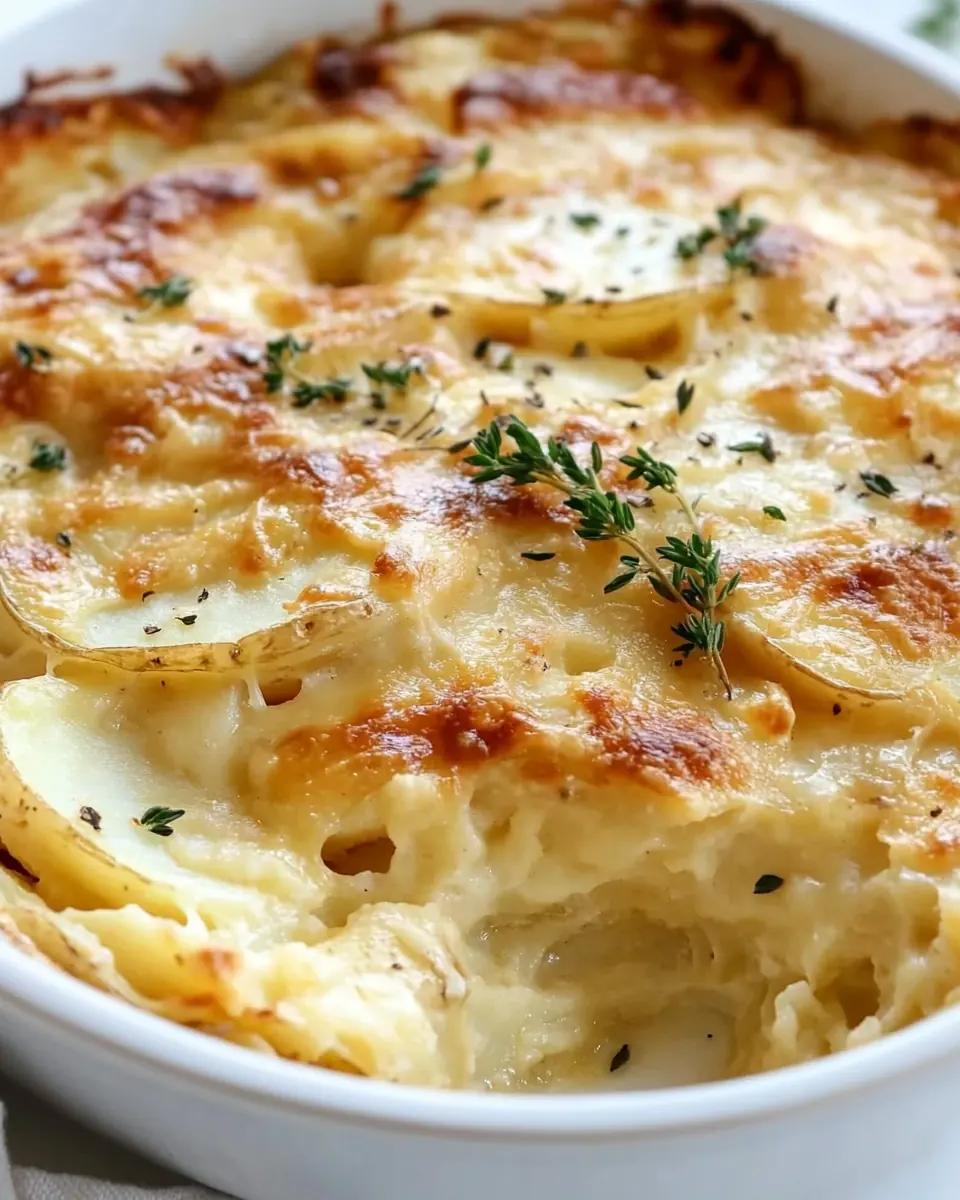
I like to approach the bake like a small ritual, from melting the butter to layering thin rounds of potatoes. Follow the directions for rhythm, and you will be rewarded with a bubbling, golden casserole that slices cleanly after it rests.
- Preheat oven to 350 degrees. Coat a 9-inch by 13-inch baking dish with nonstick spray.: The moment you preheat, the kitchen begins to warm and the oven hum sets the tempo, which ensures even baking from the first minute your casserole goes in. You should feel the oven getting steadily warmer, and the predictable quiet click when it reaches temperature tells you to move forward. Doing this step first prevents the common mistake of starting assembly too early and then needing to wait for the oven to catch up, which can affect texture by prolonging the time the dish sits at room temperature. Make sure your baking dish is sturdy and evenly sized, because a warped or too small dish can change the depth of layers, altering cook time and the final density of the casserole.
- In a small saucepan over medium-high heat, melt butter until foaming. Whisk in flour until cooked through, about 1 minute. Whisk in milk until smooth. Bring sauce to a boil, reduce heat, and cook until thickened, about 2 to 3 minutes longer.: At the stove you will notice the butter soften, then foam, and finally settle into a glossy pool; that foaming stage is key because it both warms the fat and prepares it to absorb the flour . The moment you add the flour the whisk should turn the mixture into a paste that smells faintly toasted, which indicates the raw flour flavor is gone. When you slowly whisk in the milk , watch for the sauce to go from grainy to silk smooth, and resist turning the heat too high because scorching can cause a burnt milk smell. As it reaches a boil you will see steam and a gentle bubble across the surface, and within a few minutes the sauce thickens to coat the back of a spoon. A common mistake here is rushing and adding cold milk too quickly, creating lumps; tempering the milk or adding it gradually prevents that problem.
- Stir in 1 cup cheese and season to taste with salt, pepper, and cayenne if using (I like 1 teaspoon salt, 1/2 teaspoon pepper, and 1/2 teaspoon of cayenne, see note 2). It's okay if the sauce tastes just a little salty because it will be flavoring 3 pounds of potatoes. You should have about 3 cups of cheese sauce.: Once the cheddar cheese hits the warm sauce it will melt into glossy ribbons and the aroma becomes distinctly savory and inviting. Taste as you go, because the sauce needs to pack enough punch to flavor the whole pan, and a slightly assertive seasoning at this stage ensures the finished casserole is balanced. The warmth of the sauce helps the spices bloom, so the cayenne will become more pronounced as it bakes. A frequent error is under seasoning here, which yields a bland casserole; err on the side of slightly more seasoning in the sauce, remembering the potatoes will dilute it.
- Drain the potatoes well in a colander and blot dry with a clean kitchen towel. Layer half the sliced potatoes in bottom of prepared baking dish. Top with half the cheese sauce (about 1 1/2 cups). Layer the second half of potatoes and top with remaining cheese sauce.: When you drain and blot the potatoes , they should feel cool and mostly dry, which prevents a watery casserole and helps the sauce adhere. As you lay the slices they should overlap like shingles, and you will notice a soft, starchy scent as each layer nestles. Pouring the sauce in stages guarantees even coating and prevents dry pockets; visually you will see the sauce thread between slices until the layers look glossy. One mistake is crowding slices too tightly, which can prevent even cooking; allow slight overlap and uniform thickness for consistent doneness.
- Sprinkle the remaining 1 cup cheese over the top. Bake uncovered until heated through and the cheese is melted and browned, about 1 hour. Garnish with fresh chives or paprika and let stand 10 minutes before serving.: As the casserole bakes the top will bubble and the cheddar cheese will transform from pale to golden, and you may hear a faint crackle as the surface browns. The aroma will shift to a toasty, savory note, and steam will rise when you open the oven. Letting the dish rest after baking is crucial because it allows the sauce to set, so when you slice the casserole it holds together instead of oozing; that ten minute pause improves texture and presentation dramatically. A common oversight is slicing straight from the oven, which leads to sloppy portions that do not hold their shape.
How to Switch It Up
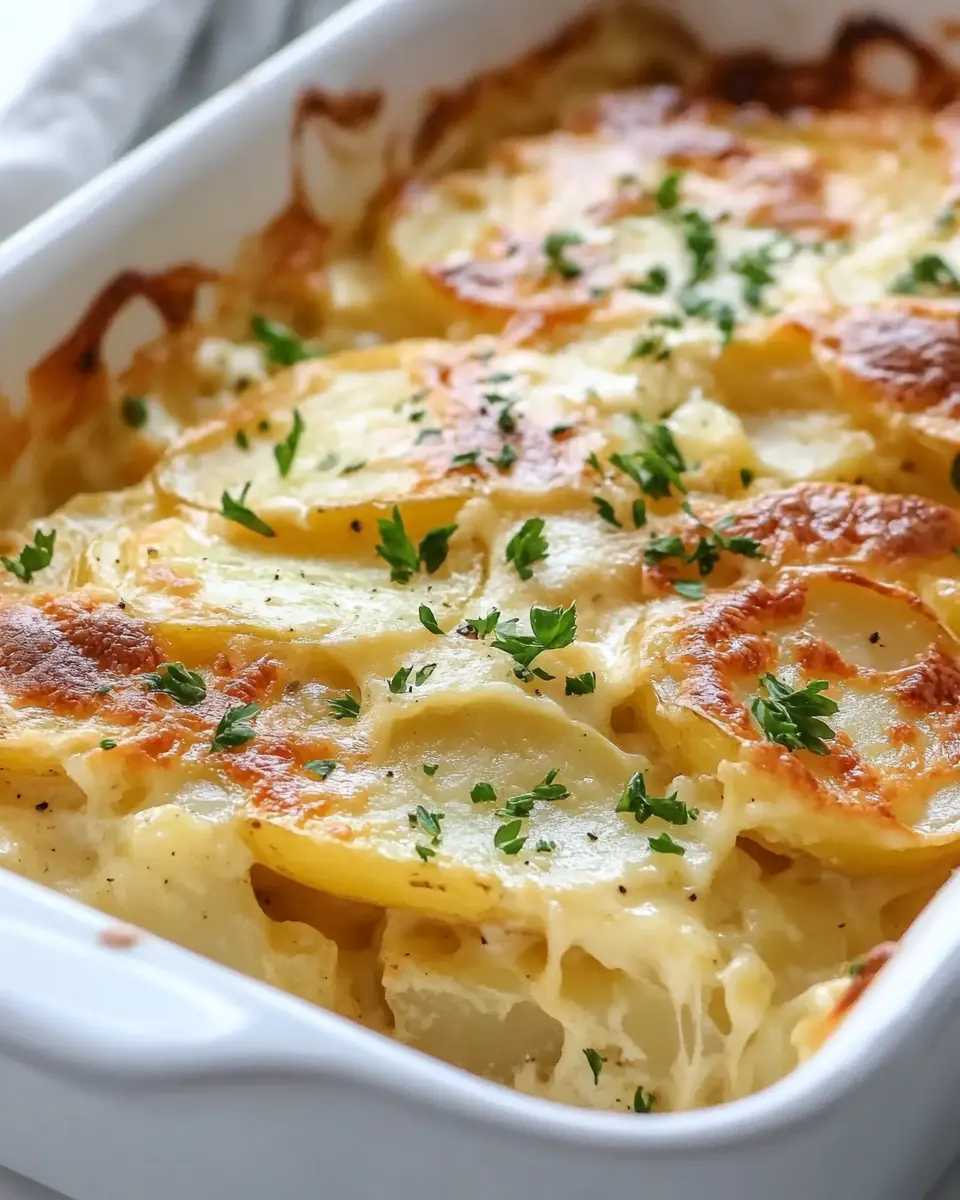
I like offering variations so the same dish works for different tables. Below are ideas that preserve the spirit of Baked Scalloped Potatoes while adding texture, flavor, or presentation changes.
- Adjust the heat Use between 1/8 to 1/2 teaspoon of cayenne to suit your family, starting small and tasting the sauce so the spice complements rather than dominates.
- Cheese swap Substitute part of the cheddar cheese with a milder melting cheese if you prefer a creamier, less sharp top, but keep at least half cheddar cheese for flavor impact.
- Slicing technique Use a mandoline slicer for uniform slices, which shortens cooking time and ensures even texture across the entire pan.
- Make ahead Assemble and cover the casserole, refrigerate up to 24 hours, then bake from chilled; you may need to add 10 to 15 minutes to the bake time.
- Presentation Bake in individual ramekins for plated servings, which shortens bake time and creates a charming, personal side dish.
Side Dish Ideas for Baked Scalloped Potatoes
Baked Scalloped Potatoes pairs beautifully across many menus, from casual dinners to holiday spreads. The creamy texture and rich cheddar cheese top complement roasted proteins and simple salads, and the dish holds up well for make ahead meals and buffets.
- Classic roast pairing Serve next to a roasted beef or chicken main, the creamy casserole balancing the savory roast and juices.
- Vegetarian platter Pair with roasted vegetables and a crisp green salad for a satisfying meatless meal, the casserole providing the hearty component.
- Holiday buffet Include as part of a holiday table with glazed vegetables and a bright cranberry or citrus salad to cut through the richness.
- Storage tips Store leftovers covered in the refrigerator for up to four days, and reheat gently in the oven to restore the creamy texture without drying out.
- Seasonal pairings In winter, serve with braised greens and roasted root vegetables; in spring, lighten the meal with steamed asparagus and a lemon dressed salad.
FAQ
Conclusion
Baked Scalloped Potatoes stands out because it turns pantry staples into a rich, comforting side that pleases almost any crowd. The marriage of a creamy, seasoned sauce and tender, thinly sliced potatoes yields both silky interior layers and a golden, cheesy top that invites seconds. Give this recipe a try at your next gathering or weeknight meal, and you will likely find it earning a permanent spot in your rotation. I hope you enjoy the simple satisfaction of serving a dish that feels both familiar and elevated.
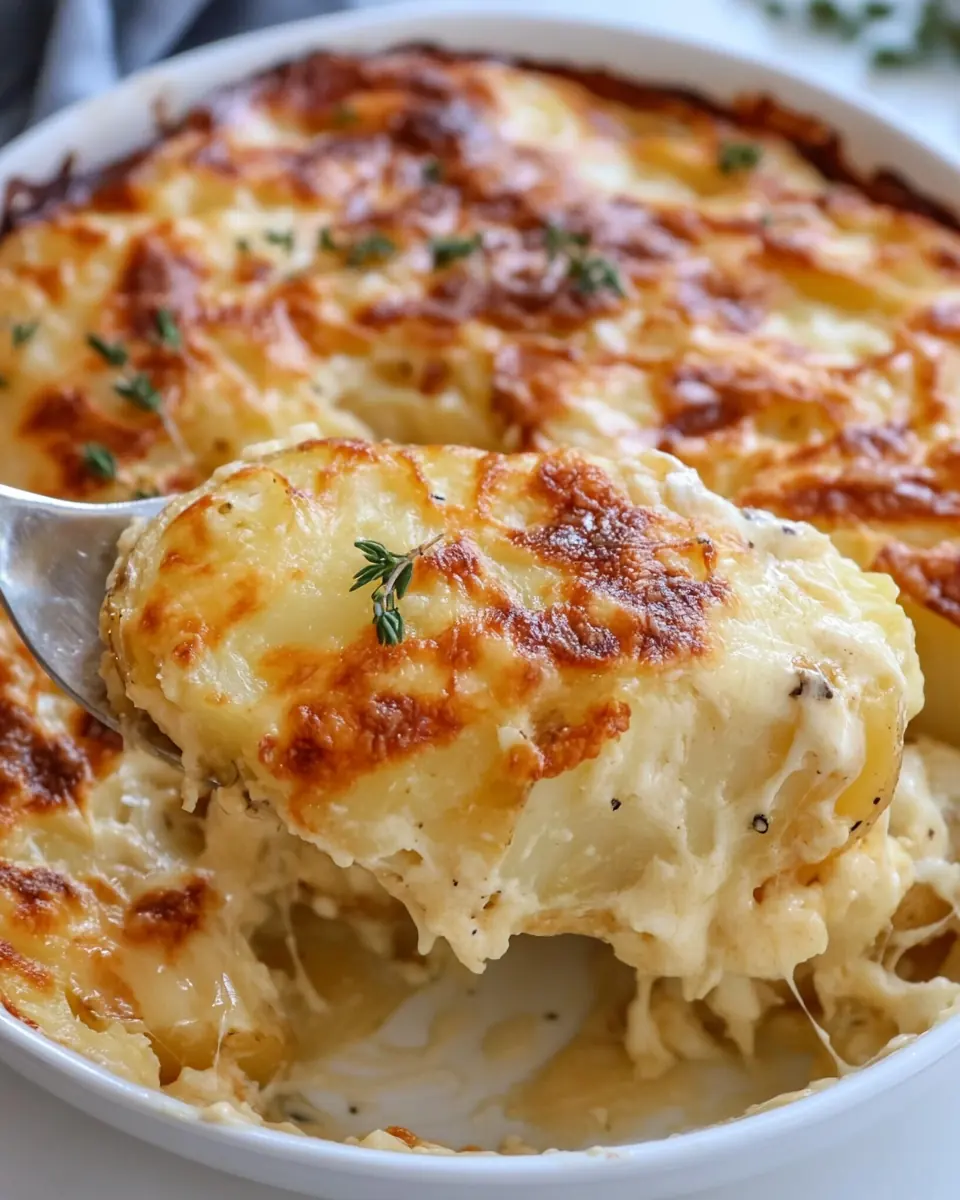
Baked Scalloped Potatoes
Ingredients
Equipment
Method
- Preheat oven to 350 degrees. Coat a 9-inch by 13-inch baking dish with nonstick spray.: The moment you preheat, the kitchen begins to warm and the oven hum sets the tempo, which ensures even baking from the first minute your casserole goes in. You should feel the oven getting steadily warmer, and the predictable quiet click when it reaches temperature tells you to move forward. Doing this step first prevents the common mistake of starting assembly too early and then needing to wait for the oven to catch up, which can affect texture by prolonging the time the dish sits at room temperature. Make sure your baking dish is sturdy and evenly sized, because a warped or too small dish can change the depth of layers, altering cook time and the final density of the casserole.
- In a small saucepan over medium-high heat, melt butter until foaming. Whisk in flour until cooked through, about 1 minute. Whisk in milk until smooth. Bring sauce to a boil, reduce heat, and cook until thickened, about 2 to 3 minutes longer.: At the stove you will notice the butter soften, then foam, and finally settle into a glossy pool; that foaming stage is key because it both warms the fat and prepares it to absorb the flour . The moment you add the flour the whisk should turn the mixture into a paste that smells faintly toasted, which indicates the raw flour flavor is gone. When you slowly whisk in the milk , watch for the sauce to go from grainy to silk smooth, and resist turning the heat too high because scorching can cause a burnt milk smell. As it reaches a boil you will see steam and a gentle bubble across the surface, and within a few minutes the sauce thickens to coat the back of a spoon. A common mistake here is rushing and adding cold milk too quickly, creating lumps; tempering the milk or adding it gradually prevents that problem.
- Stir in 1 cup cheese and season to taste with salt, pepper, and cayenne if using (I like 1 teaspoon salt, 1/2 teaspoon pepper, and 1/2 teaspoon of cayenne, see note 2). It's okay if the sauce tastes just a little salty because it will be flavoring 3 pounds of potatoes. You should have about 3 cups of cheese sauce.: Once the cheddar cheese hits the warm sauce it will melt into glossy ribbons and the aroma becomes distinctly savory and inviting. Taste as you go, because the sauce needs to pack enough punch to flavor the whole pan, and a slightly assertive seasoning at this stage ensures the finished casserole is balanced. The warmth of the sauce helps the spices bloom, so the cayenne will become more pronounced as it bakes. A frequent error is under seasoning here, which yields a bland casserole; err on the side of slightly more seasoning in the sauce, remembering the potatoes will dilute it.
- Drain the potatoes well in a colander and blot dry with a clean kitchen towel. Layer half the sliced potatoes in bottom of prepared baking dish. Top with half the cheese sauce (about 1 1/2 cups). Layer the second half of potatoes and top with remaining cheese sauce.: When you drain and blot the potatoes , they should feel cool and mostly dry, which prevents a watery casserole and helps the sauce adhere. As you lay the slices they should overlap like shingles, and you will notice a soft, starchy scent as each layer nestles. Pouring the sauce in stages guarantees even coating and prevents dry pockets; visually you will see the sauce thread between slices until the layers look glossy. One mistake is crowding slices too tightly, which can prevent even cooking; allow slight overlap and uniform thickness for consistent doneness.
- Sprinkle the remaining 1 cup cheese over the top. Bake uncovered until heated through and the cheese is melted and browned, about 1 hour. Garnish with fresh chives or paprika and let stand 10 minutes before serving.: As the casserole bakes the top will bubble and the cheddar cheese will transform from pale to golden, and you may hear a faint crackle as the surface browns. The aroma will shift to a toasty, savory note, and steam will rise when you open the oven. Letting the dish rest after baking is crucial because it allows the sauce to set, so when you slice the casserole it holds together instead of oozing; that ten minute pause improves texture and presentation dramatically. A common oversight is slicing straight from the oven, which leads to sloppy portions that do not hold their shape.
Notes
- Adjust the heat Use between 1/8 to 1/2 teaspoon of cayenne to suit your family, starting small and tasting the sauce so the spice complements rather than dominates.
- Cheese swap Substitute part of the cheddar cheese with a milder melting cheese if you prefer a creamier, less sharp top, but keep at least half cheddar cheese for flavor impact.
- Slicing technique Use a mandoline slicer for uniform slices, which shortens cooking time and ensures even texture across the entire pan.
- Make ahead Assemble and cover the casserole, refrigerate up to 24 hours, then bake from chilled; you may need to add 10 to 15 minutes to the bake time.
- Presentation Bake in individual ramekins for plated servings, which shortens bake time and creates a charming, personal side dish.