Preheat oven to 350 degrees. Coat a 9-inch by 13-inch baking dish with nonstick spray.: The moment you preheat, the kitchen begins to warm and the oven hum sets the tempo, which ensures even baking from the first minute your casserole goes in. You should feel the oven getting steadily warmer, and the predictable quiet click when it reaches temperature tells you to move forward. Doing this step first prevents the common mistake of starting assembly too early and then needing to wait for the oven to catch up, which can affect texture by prolonging the time the dish sits at room temperature. Make sure your baking dish is sturdy and evenly sized, because a warped or too small dish can change the depth of layers, altering cook time and the final density of the casserole.
In a small saucepan over medium-high heat, melt butter until foaming. Whisk in flour until cooked through, about 1 minute. Whisk in milk until smooth. Bring sauce to a boil, reduce heat, and cook until thickened, about 2 to 3 minutes longer.: At the stove you will notice the butter soften, then foam, and finally settle into a glossy pool; that foaming stage is key because it both warms the fat and prepares it to absorb the flour . The moment you add the flour the whisk should turn the mixture into a paste that smells faintly toasted, which indicates the raw flour flavor is gone. When you slowly whisk in the milk , watch for the sauce to go from grainy to silk smooth, and resist turning the heat too high because scorching can cause a burnt milk smell. As it reaches a boil you will see steam and a gentle bubble across the surface, and within a few minutes the sauce thickens to coat the back of a spoon. A common mistake here is rushing and adding cold milk too quickly, creating lumps; tempering the milk or adding it gradually prevents that problem.
Stir in 1 cup cheese and season to taste with salt, pepper, and cayenne if using (I like 1 teaspoon salt, 1/2 teaspoon pepper, and 1/2 teaspoon of cayenne, see note 2). It's okay if the sauce tastes just a little salty because it will be flavoring 3 pounds of potatoes. You should have about 3 cups of cheese sauce.: Once the cheddar cheese hits the warm sauce it will melt into glossy ribbons and the aroma becomes distinctly savory and inviting. Taste as you go, because the sauce needs to pack enough punch to flavor the whole pan, and a slightly assertive seasoning at this stage ensures the finished casserole is balanced. The warmth of the sauce helps the spices bloom, so the cayenne will become more pronounced as it bakes. A frequent error is under seasoning here, which yields a bland casserole; err on the side of slightly more seasoning in the sauce, remembering the potatoes will dilute it.
Drain the potatoes well in a colander and blot dry with a clean kitchen towel. Layer half the sliced potatoes in bottom of prepared baking dish. Top with half the cheese sauce (about 1 1/2 cups). Layer the second half of potatoes and top with remaining cheese sauce.: When you drain and blot the potatoes , they should feel cool and mostly dry, which prevents a watery casserole and helps the sauce adhere. As you lay the slices they should overlap like shingles, and you will notice a soft, starchy scent as each layer nestles. Pouring the sauce in stages guarantees even coating and prevents dry pockets; visually you will see the sauce thread between slices until the layers look glossy. One mistake is crowding slices too tightly, which can prevent even cooking; allow slight overlap and uniform thickness for consistent doneness.
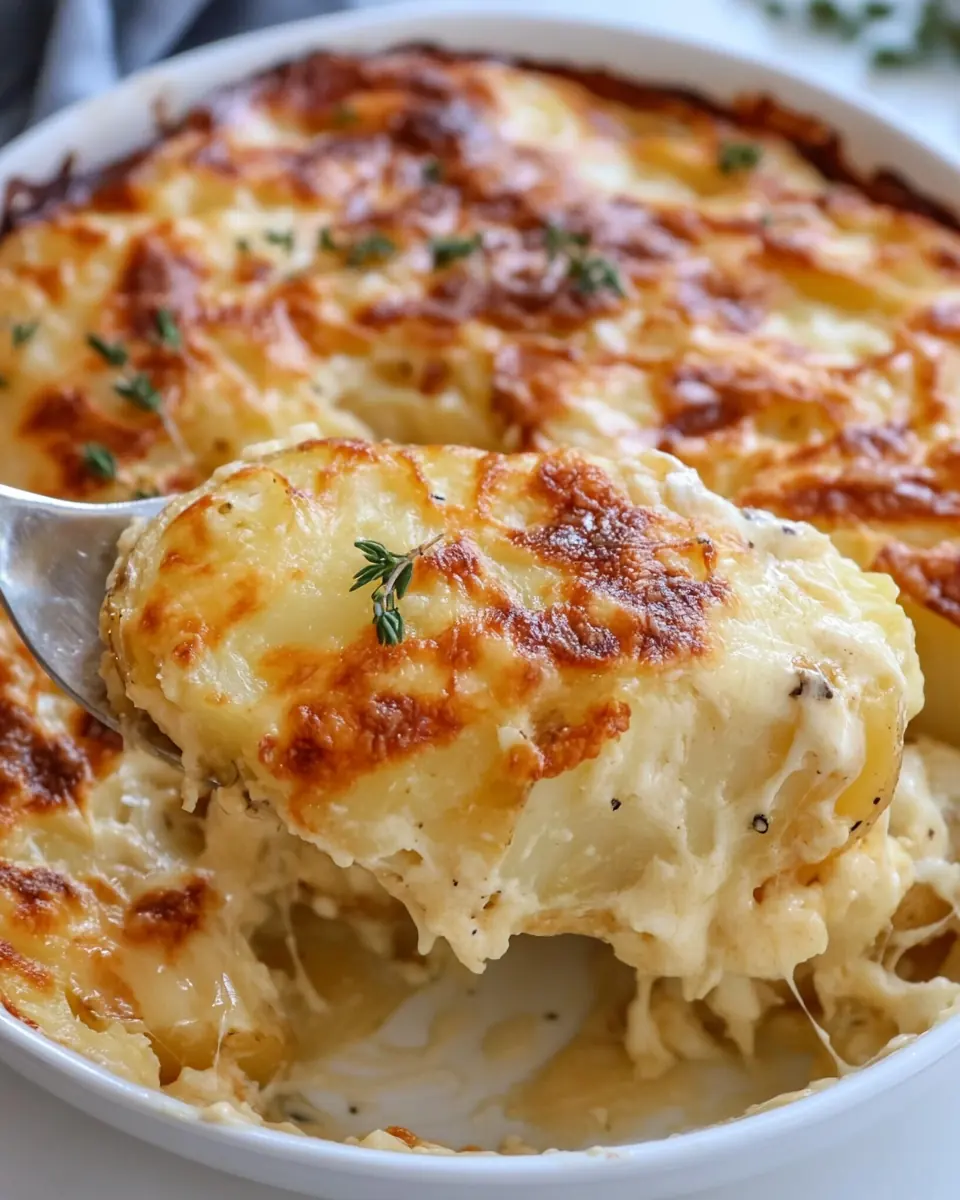
Sprinkle the remaining 1 cup cheese over the top. Bake uncovered until heated through and the cheese is melted and browned, about 1 hour. Garnish with fresh chives or paprika and let stand 10 minutes before serving.: As the casserole bakes the top will bubble and the cheddar cheese will transform from pale to golden, and you may hear a faint crackle as the surface browns. The aroma will shift to a toasty, savory note, and steam will rise when you open the oven. Letting the dish rest after baking is crucial because it allows the sauce to set, so when you slice the casserole it holds together instead of oozing; that ten minute pause improves texture and presentation dramatically. A common oversight is slicing straight from the oven, which leads to sloppy portions that do not hold their shape.