Basil Pesto with Roasted Pecans
Basil Pesto with Roasted Pecans is one of those recipes I reach for when basil is abundant and I want something bright, nutty, and a little unexpected.
I first made Basil Pesto with Roasted Pecans on a humid summer afternoon after a frantic trip to the farmer market. I carried home a huge bunch of basil that smelled like sunlight, and my pantry held a lonely bag of pecans. Roasting the pecans lifted their fragrance, and when I pulsed everything together the kitchen filled with a green, warm aroma that instantly felt like company was welcome. That day I tossed the pesto with hot pasta and served it with simple cherry tomatoes. Guests loved the toasted pecan note, and I loved the way the sauce clung to every noodle.
Over the years I have tweaked the balance of garlic and cheese, and learned to lean on texture rather than perfection. The charm of Basil Pesto with Roasted Pecans is that it is forgiving, which makes it ideal for both quick weeknight dinners and leisurely weekend cooking sessions. I often make a double batch, stash half in the fridge, and use it to brighten sandwiches, roast vegetables, or spoon over grilled fish. There is a ritual to stirring a jar of pesto before serving, watching the oil shimmer and the herbs settle into a glossy emulsion. That small gesture always signals something homey and thoughtful on the table.
Recipe Snapshot
22 mins
10 mins
12 mins
Easy
150 kcal
Italian
Keto, Gluten-Free
Appetizers
Oven, Baking sheet, Food processor or blender, Glass jar
Why You’ll Love This Basil Pesto with Roasted Pecans
Vibrant Fresh Flavor
I love how Basil Pesto with Roasted Pecans captures summer in a jar. The herbaceous scent of fresh basil hits first, then the savory presence of parmesan cheese and the warmth of roasted pecan halves follow, creating layers of taste that keep unfolding as you eat. This layered profile means the pesto brightens everything it touches, from pasta to grilled vegetables.
Textural Interest
What sets this pesto apart for me is the texture delivered by the roasted pecan halves. They add a subtle crunch and a toasty, almost buttery quality that changes the mouthfeel compared to classic pine nut pesto. That contrast makes every bite more engaging, and it stands up well when mixed into hot pasta or spread on toast.
Speed and Simplicity
We can make a jar of this in well under half an hour, and most of that time is hands off. The method is straightforward, making Basil Pesto with Roasted Pecans a reliable choice for an easy weeknight dinner or a last minute sauce when guests arrive. Because it stores nicely in the refrigerator, it also functions as a make ahead flavor booster.
Versatile Usage
I use this pesto in so many ways beyond pasta. It becomes a quick marinade, a bright finishing sauce for roasted vegetables, or a flavorful spread for sandwiches. The savory-salty notes from the parmesan cheese and the richness of the extra virgin olive oil make it a multipurpose condiment that adapts across meals and seasons.
Friendly for Ingredient Swaps
While this recipe highlights roasted pecan halves, the technique translates well to other nuts if needed, and the proportions are forgiving. That flexibility makes it great for home cooks who like to experiment, and it ensures you can achieve terrific results without needing exact measurements or rare specialty items.
Essential Ingredients for Basil Pesto with Roasted Pecans
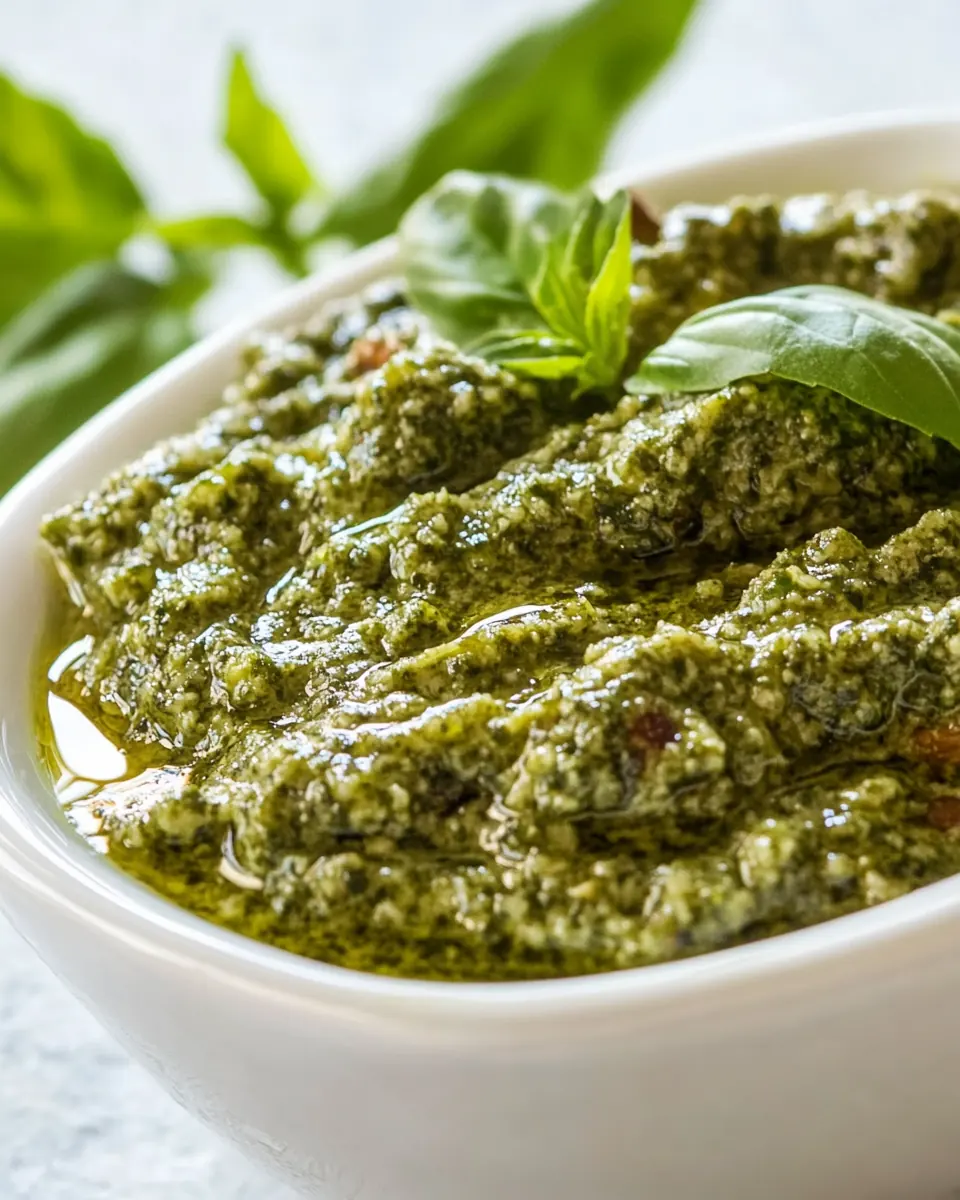
These ingredients are purposeful and complementary. The fresh basil provides a fragrant green backbone, while the roasted pecan halves contribute toasted depth and body. Garlic and parmesan cheese add savory bite, extra virgin olive oil brings silkiness, and a pinch of salt lifts the flavors. Together they form an emulsion that is bright, rich, and versatile.
- 2 cups basil packed: Packed and aromatic, provides the fresh herbal backbone and bright green color that defines classic pesto; pulsed to release fragrant oils and balance the richness of the cheese and oil.
- 2 garlic cloves: Peeled and crushed, delivers sharp pungency and depth that lifts the sauce; minced finely or smashed to evenly distribute its savory bite throughout the pesto.
- 1/2 cup parmesan cheese freshly grated: Freshly grated to ensure fluffy, melt-in texture that blends smoothly; adds salty, nutty umami and helps thicken the emulsion for a cohesive sauce.
- 1/4 teaspoon kosher or sea salt: Kosher or sea option offers clean seasoning control and subtle mineral notes; measured sparingly and adjusted to taste to enhance and bind the flavors without overpowering them.
- 1/4 cup pecan halves: Halves toasted or roasted to intensify buttery, toasty flavors and provide a slightly crunchy texture; ground into the pesto to replace or complement traditional pine nuts and add richness.
- 2/3 cup extra virgin olive oil: Extra virgin olive oil supplies a fruity, peppery liquid fat that creates a silky emulsion; drizzled in while blending to achieve smooth consistency and to carry the basil and garlic flavors.
Recipe Steps for Basil Pesto with Roasted Pecans
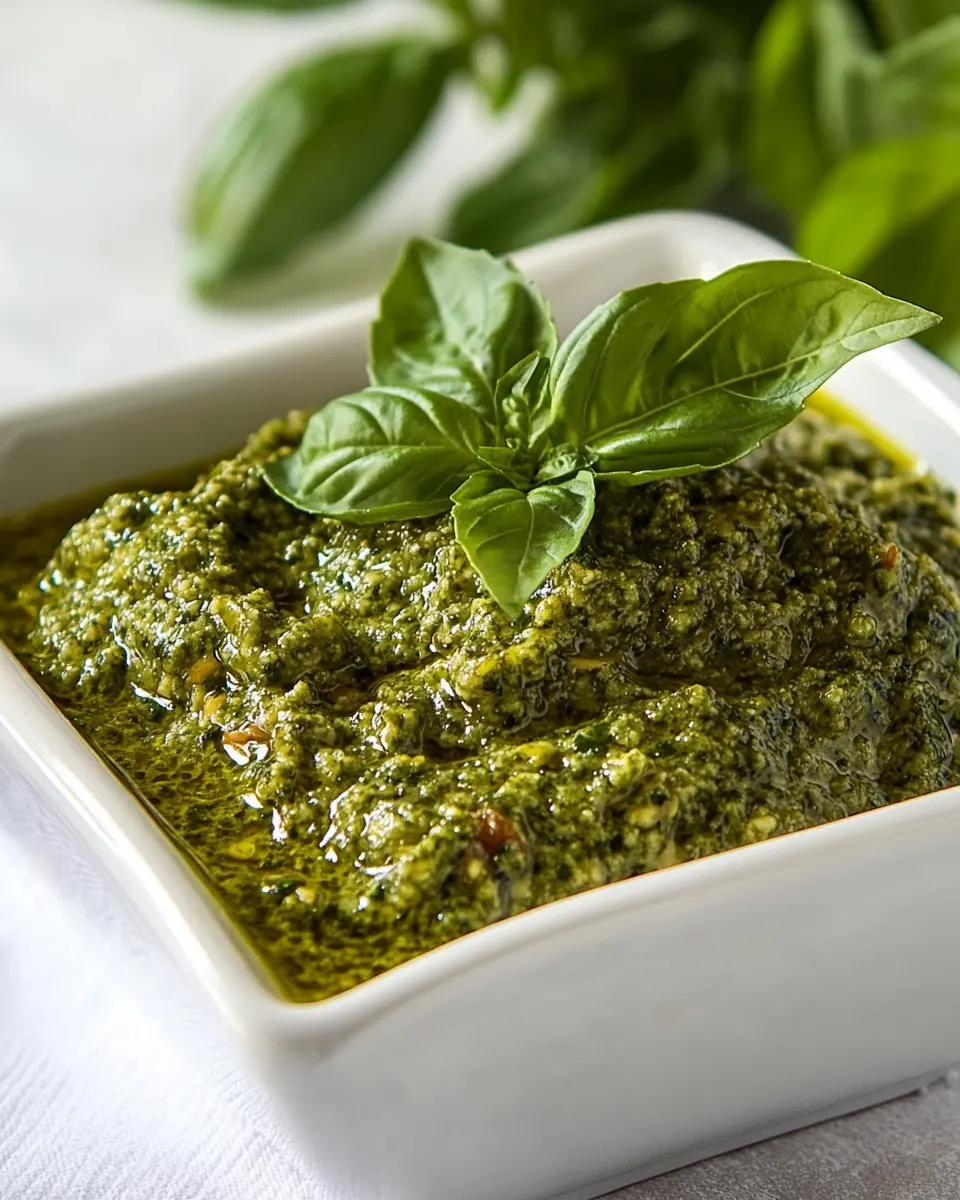
This method is simple but precise, and it rewards attention to small details. The steps move from warming the nuts to pulsing the herbs and finally to creating a stable emulsion with oil. Read each one fully so you can sense the right visual and aromatic cues as you work.
- Preheat oven to 325 degrees F.: As the oven warms, you will notice a low hum and a gentle building of heat that prepares the nuts for toasting. Getting the oven to the right temperature ensures even, controlled roasting so the pecan halves develop a deep, nutty aroma without charring. A common mistake is rushing this step by using too high a temperature, which can scorch the nuts and create a bitter note. If you do not have an oven thermometer, wait a minute after the preheat signal so the interior stabilizes.
- Roast pecans for 12 minutes, remove from oven and allow to cool.: During roasting you will hear a soft pop and smell the nuts shift from raw to toasty, releasing oils that smell warm and slightly sweet. Cooling is critical because warm nuts can release too much oil when blended, making the pesto greasy. A typical error is blending immediately, which can change the texture and heat the sauce. Spread the pecan halves in a single layer on a sheet to ensure even browning, and check at the 8 to 10 minute mark to prevent overcooking.
- Add basil to food processor or blender and pulse until finely diced. Add garlic, parmesan, salt, pepper, and pecans. Pulse until well combined. Pour in oil, pulse until incorporated. Store in a glass jar. Refrigerate until ready to serve. Stir pesto before serving.: As you pulse, the vivid green quickly becomes fragrant and slightly glossy. This pulsing preserves some texture while breaking down the leaves to a fine chop. Overprocessing here can turn the basil into a puree with a muted fresh flavor, so work in short bursts and scrape down the bowl if needed. Keep the blade from overheating by giving the motor brief rests between pulses.
- Add garlic, parmesan, salt, pepper, and pecans.: Once combined, these ingredients start to knit together, creating savory complexity. The garlic gives a sharp edge, the parmesan cheese adds savory depth, the pecan halves bring toasted body, and the salt enhances all layers. A mistake is adding too much salt before tasting, given the saltiness in the cheese. Pulse gently so the mixture remains slightly coarse rather than completely smooth, which helps the final sauce cling to food.
- Pulse until well combined.: At this stage you should see a cohesive mixture that is textured, not soupy, with tiny flecks of nut and herb. The sound changes from loud chopping to a softer, more uniform whir as the pieces integrate. Over-pulsing can overheat the mixture and dull the bright green color, so stop when the components hold together. If the mixture seems dry, it will accept extra virgin olive oil in the next step, so resist adding liquid here.
- Pour in oil, pulse until incorporated.: Adding the extra virgin olive oil slowly allows the sauce to emulsify into a glossy, spreadable consistency. You will see the mixture smooth and the color deepen to a vibrant green. Pour in a steady stream while pulsing to avoid separation. A frequent misstep is adding the oil too quickly, which can make the texture thin; if that happens, add more chopped pecan halves to thicken the sauce slightly.
- Store in a glass jar.: Transfering the pesto into a clean glass jar helps preserve flavor and makes the sauce easy to access. Press the surface flat and pour a thin layer of extra virgin olive oil on top to minimize air contact. Storing in plastic can trap odors, so glass is preferred. Leaving the jar uncovered in the fridge can lead to oxidation, so always seal it well.
- Refrigerate until ready to serve.: Chilling settles the flavors and firms the texture, bringing the pesto to a pleasantly spreadable consistency. The aroma will mellow slightly, and the sauce will thicken, which helps it cling to pasta or bread. A common issue is refrigerating before the oil has fully integrated, which can lead to separation; stir gently before chilling to make sure it is evenly mixed.
- Stir pesto before serving.: A final stir re-emulsifies any oil that has floated and wakes up the flavors, releasing the perfume of fresh basil . Doing this also helps you assess salt and texture, so you can adjust before plating. If the sauce seems too firm from chilling, let it sit at room temperature for a few minutes and stir again to soften it for easier tossing with hot pasta.
Tips and Tricks about Basil Pesto with Roasted Pecans
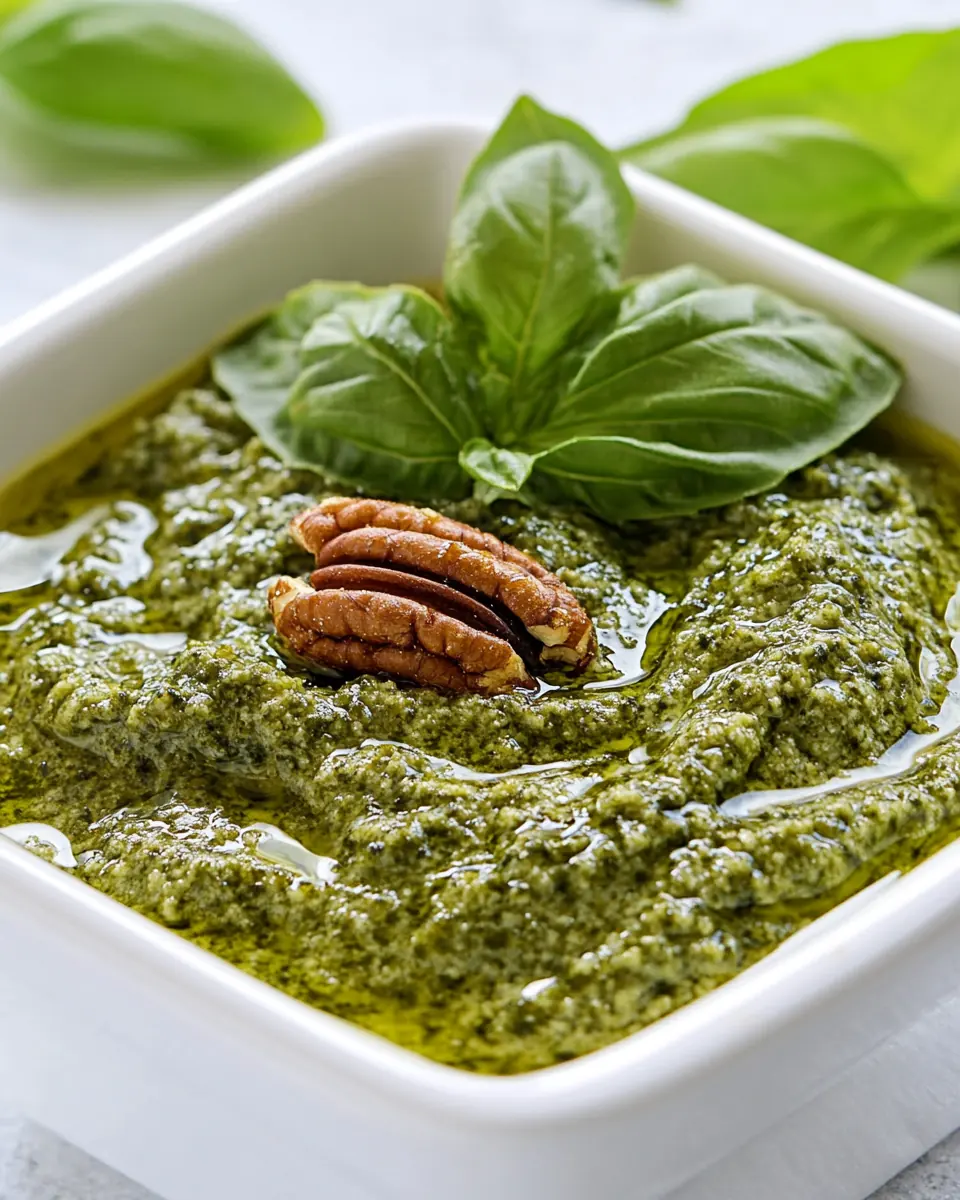
This pesto rewards small techniques more than long recipes. Below are practical tips to help you get great texture, vibrant color, and lasting flavor. Each tip begins with a short highlighted phrase followed by a fuller explanation.
- Choose fresh basil: Fresh, vibrant leaves yield the best aroma and color. Avoid wilted or browned leaves because they will dull the flavor and color of your pesto. If you harvest from your garden, pick in the morning when the essential oils are most concentrated.
- Grate cheese fresh: Freshly grated parmesan cheese integrates more smoothly and adds savory complexity. Pre-grated options often contain anti caking agents that change mouthfeel and melt differently into the sauce.
- Slowly incorporate oil: Adding extra virgin olive oil in a steady stream while pulsing helps create a glossy emulsion rather than a split sauce. If separation occurs, pulse a slice of cold water chestnut or a small ice cube briefly to help tighten the emulsion, then dry thoroughly.
- Control garlic intensity: If your garlic is strong, use one clove and taste before adding more. Roasted garlic can be substituted for a milder, sweeter profile if you want less bite.
- Cool nuts completely: Blending warm pecan halves makes the oil too loose and can change texture. Let the nuts reach room temperature before pulsing to retain the right body in the pesto.
- Press out air: When storing, press the pesto down and add a thin layer of extra virgin olive oil on top to keep air from oxidizing the herbs. This keeps the pesto greener and fresher tasting for longer in the refrigerator.
Serving Ideas for Basil Pesto with Roasted Pecans
This pesto is a flexible condiment that enhances many dishes and occasions. Below are detailed serving suggestions, storage notes, and seasonal pairings to help you make the most of each jar. Use the list to plan lunches, dinners, and special gatherings.
- Classic pasta toss: Toss warmed fresh pasta with a generous spoonful of pesto, a splash of reserved pasta water to loosen the sauce, and finish with extra grated parmesan cheese. This makes a quick, comforting weeknight main.
- Sandwich spread: Use a thin layer of pesto on sandwiches to add herbaceous richness. It pairs especially well with roasted vegetables and melts into warm cheese for a flavorful grilled sandwich.
- Vegetable accompaniment: Drizzle over roasted or steamed vegetables for an instant flavor upgrade. The toasted notes from the pecan halves complement root vegetables and green beans alike.
- Appetizer dip: Serve as a dip with crisp crudites or crostini. Spoon into a shallow bowl and top with a little extra extra virgin olive oil and a sprinkle of parmesan cheese for an attractive starter at gatherings.
- Make ahead and store: Refrigerate in a sealed glass jar for up to one week, topping with a thin layer of oil to reduce oxidation. For longer storage, freeze in ice cube trays and transfer cubes to a freezer bag for single serve portions.
- Seasonal pairings: In summer serve with ripe tomatoes and grilled vegetables; in cooler months use it to brighten roasted winter squash or to lift a grain bowl.
FAQ
Conclusion
This Basil Pesto with Roasted Pecans shines because it balances vibrant herb flavor with warm, toasty nuts and savory cheese. Give it a try to experience how a small jar of sauce can change weeknight meals, elevate sandwiches, and brighten roasted vegetables. I hope you enjoy making it as much as I do, and that it becomes a simple, reliable way to add fresh, bold flavor to your table.
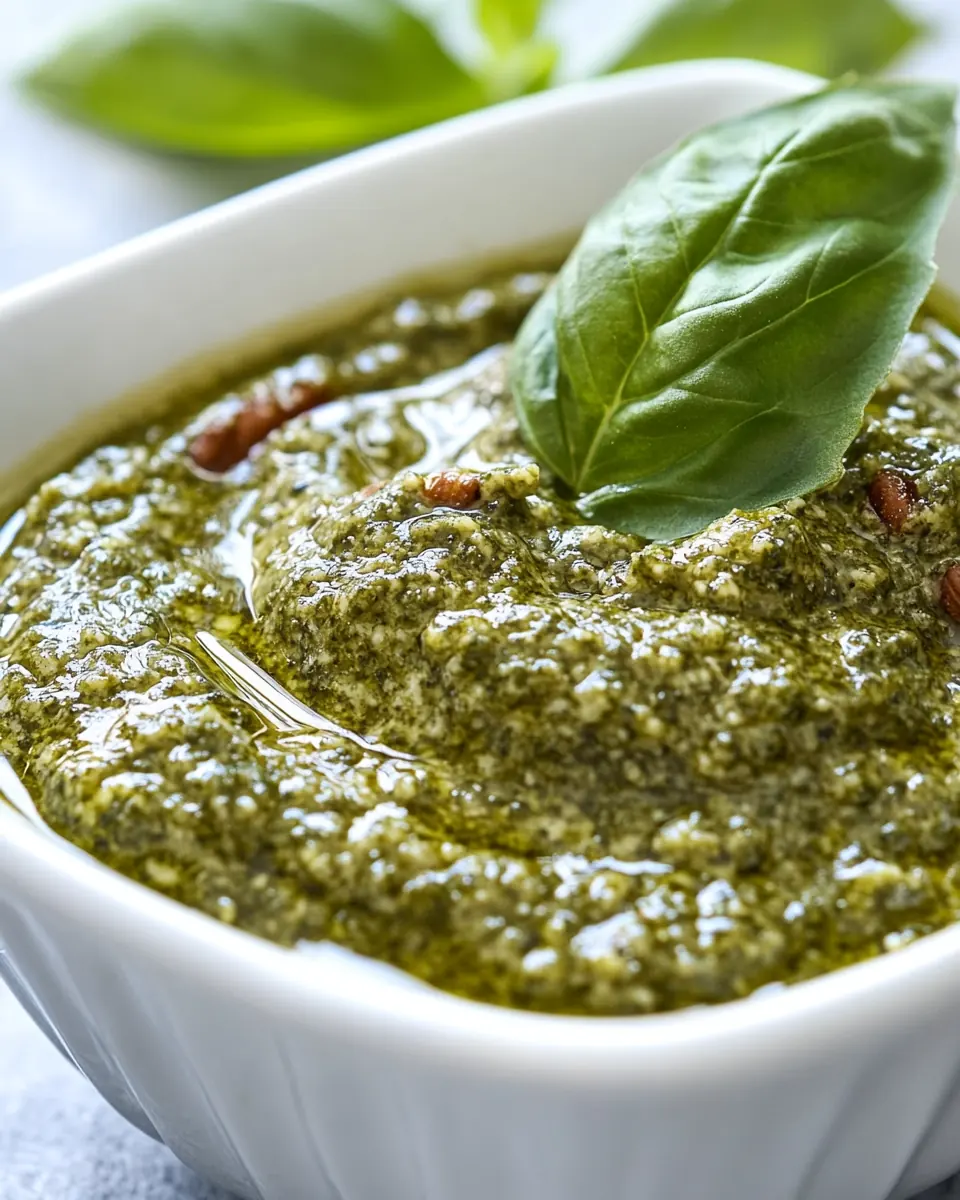
Basil Pesto with Roasted Pecans
Ingredients
Equipment
Method
- Preheat oven to 325 degrees F.: As the oven warms, you will notice a low hum and a gentle building of heat that prepares the nuts for toasting. Getting the oven to the right temperature ensures even, controlled roasting so the pecan halves develop a deep, nutty aroma without charring. A common mistake is rushing this step by using too high a temperature, which can scorch the nuts and create a bitter note. If you do not have an oven thermometer, wait a minute after the preheat signal so the interior stabilizes.
- Roast pecans for 12 minutes, remove from oven and allow to cool.: During roasting you will hear a soft pop and smell the nuts shift from raw to toasty, releasing oils that smell warm and slightly sweet. Cooling is critical because warm nuts can release too much oil when blended, making the pesto greasy. A typical error is blending immediately, which can change the texture and heat the sauce. Spread the pecan halves in a single layer on a sheet to ensure even browning, and check at the 8 to 10 minute mark to prevent overcooking.
- Add basil to food processor or blender and pulse until finely diced. Add garlic, parmesan, salt, pepper, and pecans. Pulse until well combined. Pour in oil, pulse until incorporated. Store in a glass jar. Refrigerate until ready to serve. Stir pesto before serving.: As you pulse, the vivid green quickly becomes fragrant and slightly glossy. This pulsing preserves some texture while breaking down the leaves to a fine chop. Overprocessing here can turn the basil into a puree with a muted fresh flavor, so work in short bursts and scrape down the bowl if needed. Keep the blade from overheating by giving the motor brief rests between pulses.
- Add garlic, parmesan, salt, pepper, and pecans.: Once combined, these ingredients start to knit together, creating savory complexity. The garlic gives a sharp edge, the parmesan cheese adds savory depth, the pecan halves bring toasted body, and the salt enhances all layers. A mistake is adding too much salt before tasting, given the saltiness in the cheese. Pulse gently so the mixture remains slightly coarse rather than completely smooth, which helps the final sauce cling to food.
- Pulse until well combined.: At this stage you should see a cohesive mixture that is textured, not soupy, with tiny flecks of nut and herb. The sound changes from loud chopping to a softer, more uniform whir as the pieces integrate. Over-pulsing can overheat the mixture and dull the bright green color, so stop when the components hold together. If the mixture seems dry, it will accept extra virgin olive oil in the next step, so resist adding liquid here.
- Pour in oil, pulse until incorporated.: Adding the extra virgin olive oil slowly allows the sauce to emulsify into a glossy, spreadable consistency. You will see the mixture smooth and the color deepen to a vibrant green. Pour in a steady stream while pulsing to avoid separation. A frequent misstep is adding the oil too quickly, which can make the texture thin; if that happens, add more chopped pecan halves to thicken the sauce slightly.
- Store in a glass jar.: Transfering the pesto into a clean glass jar helps preserve flavor and makes the sauce easy to access. Press the surface flat and pour a thin layer of extra virgin olive oil on top to minimize air contact. Storing in plastic can trap odors, so glass is preferred. Leaving the jar uncovered in the fridge can lead to oxidation, so always seal it well.
- Refrigerate until ready to serve.: Chilling settles the flavors and firms the texture, bringing the pesto to a pleasantly spreadable consistency. The aroma will mellow slightly, and the sauce will thicken, which helps it cling to pasta or bread. A common issue is refrigerating before the oil has fully integrated, which can lead to separation; stir gently before chilling to make sure it is evenly mixed.
- Stir pesto before serving.: A final stir re-emulsifies any oil that has floated and wakes up the flavors, releasing the perfume of fresh basil . Doing this also helps you assess salt and texture, so you can adjust before plating. If the sauce seems too firm from chilling, let it sit at room temperature for a few minutes and stir again to soften it for easier tossing with hot pasta.
Notes
- Choose fresh basil: Fresh, vibrant leaves yield the best aroma and color. Avoid wilted or browned leaves because they will dull the flavor and color of your pesto. If you harvest from your garden, pick in the morning when the essential oils are most concentrated.
- Grate cheese fresh: Freshly grated parmesan cheese integrates more smoothly and adds savory complexity. Pre-grated options often contain anti caking agents that change mouthfeel and melt differently into the sauce.
- Slowly incorporate oil: Adding extra virgin olive oil in a steady stream while pulsing helps create a glossy emulsion rather than a split sauce. If separation occurs, pulse a slice of cold water chestnut or a small ice cube briefly to help tighten the emulsion, then dry thoroughly.
- Control garlic intensity: If your garlic is strong, use one clove and taste before adding more. Roasted garlic can be substituted for a milder, sweeter profile if you want less bite.
- Cool nuts completely: Blending warm pecan halves makes the oil too loose and can change texture. Let the nuts reach room temperature before pulsing to retain the right body in the pesto.
- Press out air: When storing, press the pesto down and add a thin layer of extra virgin olive oil on top to keep air from oxidizing the herbs. This keeps the pesto greener and fresher tasting for longer in the refrigerator.