Preheat oven to 475º F. Prepare baking sheet pan with shortening, butter, or a nonstick cooking mat.: When the oven warms, you should feel steady heat around the rack area if you carefully place your hand near the closed oven door for a moment, the air will feel dry and intense which ensures quick rise and oven spring when the biscuits go in. The high temperature helps create a golden, slightly crisp exterior while keeping the center tender, and a common mistake is not waiting for the oven to fully preheat which can leave biscuits pale and dense. Ensure the rack sits in the middle of the oven so heat circulates evenly, and avoid opening the door during the first half of baking to maintain consistent heat.
Add flour, salt and sugar to a large mixing bowl. Cut shortening and very cold butter into dry ingredients of flour, salt and sugar.: The surface you use should feel slick enough to prevent sticking yet stable for the dough to spread, a light smear of shortening or a thin layer of room temperature butter will create that reassuring barrier. You'll smell a faint fat aroma as the pan warms in the oven for a minute, and this fat helps the bottoms brown evenly. A common oversight is using too much fat which can cause the bottoms to fry rather than bake, so use a light coating and transfer the sheet pan carefully to avoid sloshing.
Slowly pour milks into your dry ingredients. Mix lightly.: As you combine the dry self rising flour , kosher salt , and the small amount of sugar , take note of the texture it forms it's light and powdery with tiny granules of sugar catching the light. This dry mix creates an even base so the fats distribute uniformly, which is critical for consistent texture. Avoid compressing the flour in the bowl and do not overwork at this stage to keep the final biscuits tender, as overmixing can develop gluten and make the crumb tough.
Using a large scoop or spoon, scoop dough and place onto prepared baking sheet pan about 2-inches apart.: The cold fats should be worked in until you see pea sized bits and some smaller flakes, and visually this looks like coarse crumbs with tiny cold pockets of butter scattered through. These pockets are what create steam pockets as the fat melts, giving flakiness and lift. A frequent misstep is letting the butter soften too much which will blend in instead of creating layers, so work quickly and use a pastry cutter or two knives if needed to keep the pieces distinct.
Place into hot oven and bake for 10-12 minutes. Remove from oven and brush lightly with the melted butter.: When you add the buttermilk and whole milk , pour in gradually while stirring just until the dough comes together; the mixture should look slightly shaggy and moist rather than wet and gluey. You will notice a subtle tang and increased moisture as the liquids incorporate, and that acidity helps with tenderness. A common error is adding all the liquid at once and overmixing; aim for barely combined dough to preserve the flaky pockets formed by the fats.
Mix lightly: The dough should feel soft and slightly sticky to the touch, with visible pieces of fat throughout, and you should avoid kneading aggressively which can tighten the structure. Light mixing ensures an airy result and avoids gummy texture. If it seems too dry, you can sprinkle a teaspoon of extra buttermilk at a time, but be cautious because too wet a dough will spread excessively when baked.
Using a large scoop or spoon, scoop dough and place onto prepared baking sheet pan about 2 inches apart: Each mound should sit proud and look round rather than flattened, and when they hit the hot pan you might hear a faint thump as dough meets metal. Leaving roughly 2 inches between them allows air to circulate and prevents edges from fusing into one large mass. A typical mistake is crowding the pan which yields uneven baking, so use a second sheet if needed for spacing and even browning.
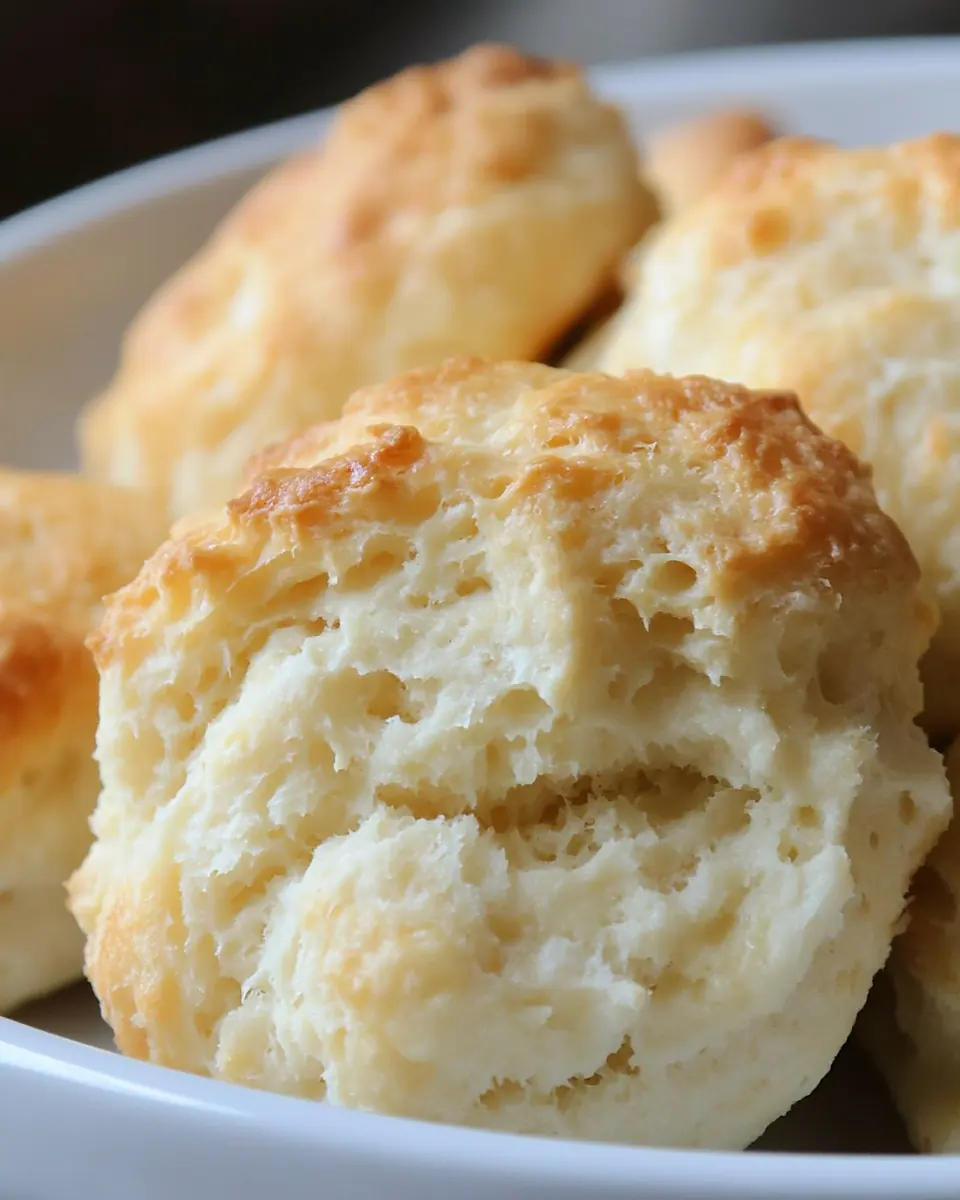
Place into hot oven and bake for 10 to 12 minutes: As they bake you will see the tops go from pale to warm golden and the aroma will shift to rich, toasty butter notes, indicating the Maillard reaction at work. The biscuits should sound hollow if you tap the bottom lightly with a spatula, and the edges will be lightly browned. Avoid overbaking as that dries the crumb, remove them at the first sign of golden color and check one by splitting to confirm a soft, steamy interior.
Remove from oven and brush lightly with the melted butter: The final brush of warm butter adds sheen and a fragrant finish, and it also helps keep the tops tender by sealing in moisture. You will notice a glossy, warm surface that encourages a richer first bite and a lingering buttery scent. A misstep here would be using cold butter which will not spread evenly, so ensure it is melted and warm but not smoking before brushing quickly and serving while still hot.