Callaloo Recipe
Callaloo Recipe has been one of those dishes that changed how I think about greens, flavor, and the comfort that a single pot can deliver. The first time I made it, I was chasing a memory from a Caribbean market, where steam rose off a pot of stewed leaves and spices as if the scent itself could hug you. I remember standing at my stove, feeling the heat and the urgency to get every onion slice and garlic clove into the pan at just the right moment so the layers of flavor built up instead of clashing.
Since then, Callaloo Recipe has become my go to when I want something nourishing, bold, and unexpectedly luxurious. I learned to respect the balance between bright aromatics like onion and garlic, and the deep, earthy quality that comes from simmering a pile of fresh greens until they melt together. Every time I stir the pot, the colors change, the aroma deepens, and I find myself smiling at how simple ingredients can feel so sophisticated.
Recipe Snapshot
1 hr 5 mins
15 mins
50 mins
Medium
150 kcal
Caribbean
Vegan, Gluten-Free
Dinner
Large pot, Wooden spoon
Why This Callaloo Recipe Is So Good
Deep, layered flavor from humble ingredients
I love how Callaloo Recipe turns modest pantry items into something richly flavored. The combination of butter or olive oil with sautéed onion and bell pepper creates a fragrant base that carries through every bite. I often pause while cooking to breathe in the aroma, because it tells me the dish is coming together.
Versatility makes it a weeknight hero
This dish is forgiving, so I reach for it when my schedule is tight. I can use different combinations of leafy greens and still end up with a satisfying result. I appreciate that it reheats beautifully, so leftovers become an easy lunch or side for several days.
Comforting texture and warming spice
What excites me about Callaloo Recipe is the creamy texture that develops after simmering the greens, balanced by the bright pop of chopped tomato and the subtle heat from a whole habanero pepper. The heat is present but controlled, so the dish warms you rather than overwhelms you.
Culturally rooted and soulful
When I make this recipe, I feel connected to Caribbean cooking traditions. It is a recipe that honors ingredients and technique, and I love telling friends that a simple pot of stewed greens can be a centerpiece of a meal as much as any roasted protein might be.
Healthy without compromising taste
I enjoy that Callaloo Recipe is both nourishing and indulgent in a sensible way. The dish leans on fresh vegetables and broth rather than heavy creams, yet it still feels rich thanks to long cooking and layers of aromatics.
Everything You Need for Callaloo Recipe
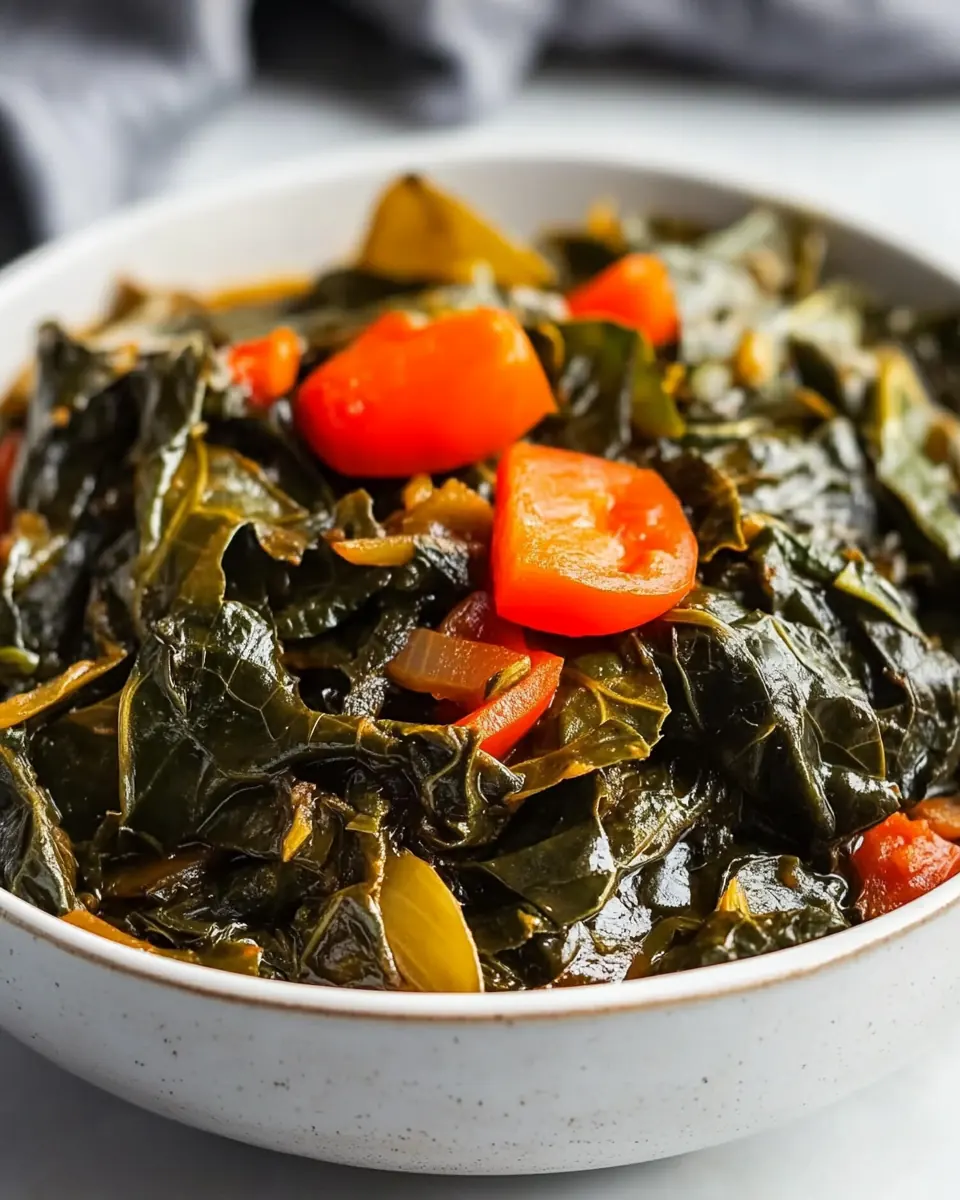
These ingredients form a simple, harmonious cast that creates the soul of the dish. The greens bring body and earthiness, aromatics like onion and garlic build savory depth, and tomato and broth add brightness and liquid to coax flavors together. The key players are the greens and the aromatic base, because they determine both texture and the overall flavor profile.
- 16 cups fresh greens roughly chopped (amaranth, collards, spinach): Chopped roughly to provide bulk and a variety of green flavors; these leafy greens form the base of the dish and wilt down during cooking to create the characteristic texture of callaloo. Use a mix like amaranth, collards, and spinach for complexity and balanced nutrition.
- 3 tablespoons butter or olive oil: Melted or heated to sauté aromatics and vegetables; butter adds richness and silkiness while olive oil gives a lighter, fruitier mouthfeel. Choose based on dietary preference to help carry flavors and prevent sticking.
- 1 sweet onion peeled and chopped: Peeled and chopped to add a sweet, savory backbone; onions become tender and caramelize slightly when cooked, enhancing overall depth. Cook until translucent to release their sugars and meld with other vegetables.
- 1 red bell pepper seeded and chopped: Deseeded and chopped to contribute bright, sweet notes and a pleasant crispness; red bell pepper also adds color contrast. Sauté with onions to soften and integrate its flavor into the base.
- 1 large tomato cut into 4 wedges: Cut into wedges to release juices and provide acidity and umami as it breaks down during cooking; tomato helps balance richness and brightens the final dish. Add early enough to allow the flesh to collapse and thicken the sauce.
- 1 cup chopped scallions chopped: Chopped to supply a sharp, onion-like freshness and mild green bite; scallions are stirred in to lift flavors and add texture contrast. Use both white and green parts for layered aroma.
- 3 4 cloves garlic minced: Minced to impart pungent warmth and savory depth; garlic releases aromatic oils when heated that enhance the savory profile of the callaloo. Add carefully to avoid burning and to maximize aroma.
- 1 habanero pepper scotch bonnet: Used whole or chopped to deliver heat and a fruity, floral spiciness unique to habanero/scotch bonnet; peppers should be handled with care to control intensity. Add according to desired spice level and remove seeds if milder heat is preferred.
- 1 teaspoon dried thyme: Dried and added for herbal, slightly woody notes; thyme contributes an earthy, aromatic underpinning that complements the greens. Sprinkle in early so its flavor infuses the cooking liquid.
- 2 cups vegetable broth: Added as the cooking liquid to simmer and meld ingredients together; vegetable broth supplies savory depth and helps soften the greens into a cohesive mixture. Use a good-quality broth to enhance overall flavor.
- Salt and pepper: Used to season and adjust taste; salt brightens flavors while pepper adds subtle heat and complexity. Add gradually and taste as you cook to achieve a balanced final seasoning.
The Method for Callaloo Recipe
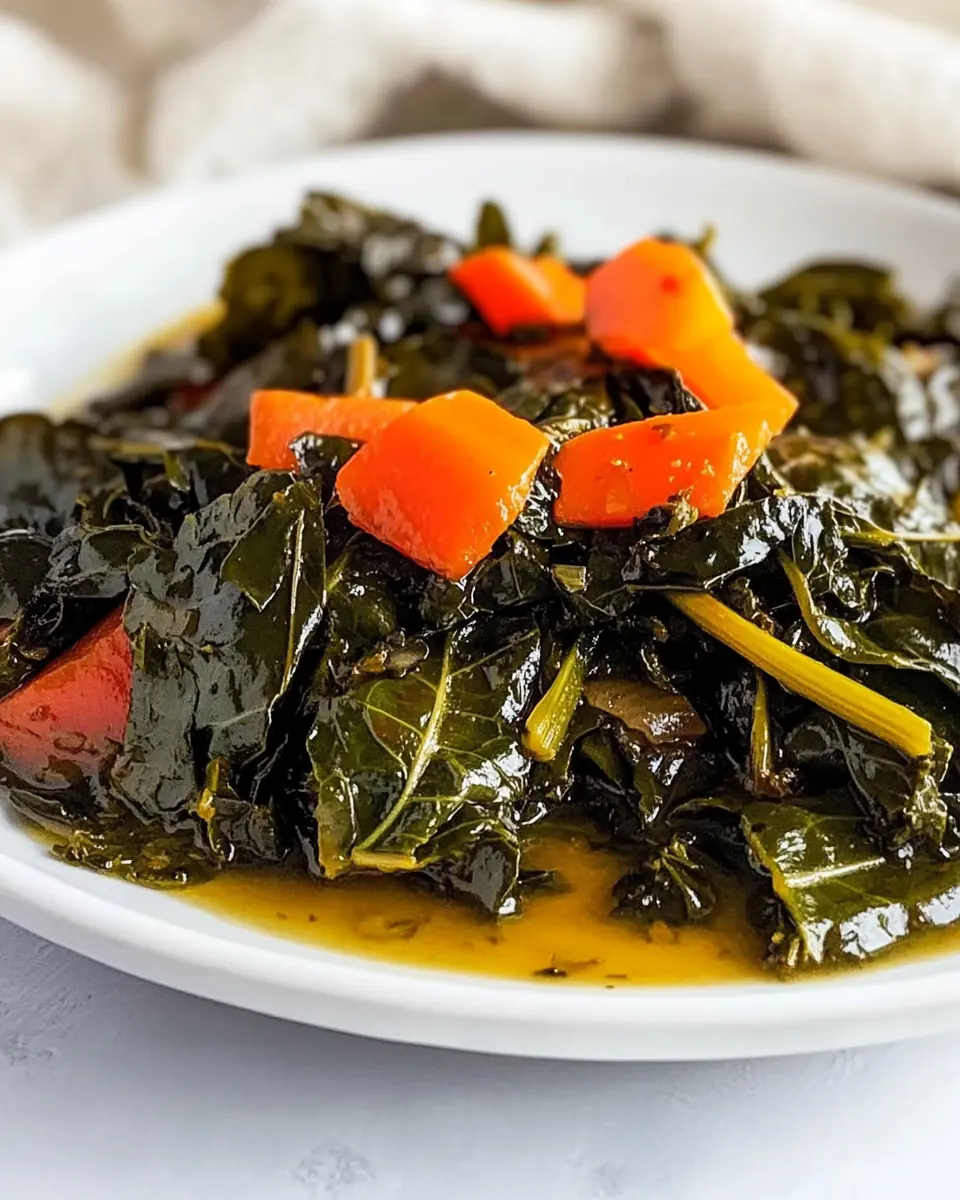
I like to approach the cooking of these stewed greens with patience and attention. The technique is straightforward, but the magic is in the order and the small sensory cues that tell you each stage is complete. Below I expand each direction into detailed steps so you can feel confident at the stove.
- Set a large 6 to 8-quart pot over medium heat. Add the butter, chopped onions, and chopped bell pepper to the pot. Sauté the onions and peppers for 2 to 3 minutes. Then mix in the tomato wedges, chopped scallions, garlic, and add one whole uncut habanero to the pot. Sauté another 3 to 4 minutes to soften.: The moment the pot warms you should notice a faint shimmer on the surface when you add the butter or olive oil , that telltale visual cue that fat is hot enough to start aromatics. The sound is subtle, a soft sizzle as you add the onion and bell pepper . This gentle sizzle helps those vegetables release sweetness without browning too quickly. It's important to use a pot with enough room so the greens can be added in batches later, or they will steam unevenly. A common mistake here is overheating the oil, which can burn the aromatics and create bitterness. If the oil smokes, lower the heat and start over with fresh fat.
- Once the aromatic vegetables are soft and tender, add the dried thyme, broth, 1 teaspoon of salt, and half a teaspoon of pepper. Stir well, then start adding fresh chopped greens to the pot by the handful. Stir several handfuls of greens into the pot, letting them wilt down for a minute, before adding more.: As the onion and bell pepper hit the hot fat you'll hear a more pronounced sizzle and smell a bright, vegetal fragrance. Stir them so they soften evenly and avoid sticking. Softened rather than browned vegetables provide a sweet base that melds into the broth. If the vegetables start to turn dark at the edges, reduce the heat and stir more frequently, because uneven browning will shift the flavor profile toward bitterness.
- Once all 16 cups of greens are in the pot, cover and simmer on medium-low for 30 to 45 minutes, stirring occasionally.: After a few minutes you'll see the onion edges turn translucent and the pepper soften, releasing a fruity aroma. This stage is about coaxing out sweetness while keeping the brightness intact. Use a wooden spoon to scrape any fond that forms, because that browned residue carries concentrated flavor. A pitfall here is rushing the step with high heat, which will sear instead of gently softening, losing that subtle sweetness.
- Remove the habanero pepper from the pot. Taste, and salt and pepper as needed. Serve warm with southern or Caribbean dishes.: When the tomato and minced garlic join the pan, the scent deepens into a savory, slightly tangy aroma, and the garlic should be fragrant but not browned. The whole habanero pepper will release heat gradually as the pot simmers, giving warmth without overwhelming the dish. Keep the pepper whole so you can remove it if the heat becomes too intense. A common error is chopping the hot pepper, which releases concentrated capsaicin and can make the entire pot excessively spicy.
- Sauté another 3 to 4 minutes to soften: During these minutes the tomato starts to break down and the mixture looks glossy and slightly thicker, hinting at the body it will add to the final dish. The sound turns to a lower, steadier simmer and the aroma becomes rounder. This step integrates flavors so nothing tastes isolated. If the mixture seems dry, a splash of broth helps deglaze the pan and lift the flavors without diluting them.
- Once the aromatic vegetables are soft and tender add the dried thyme broth 1 teaspoon of salt and half a teaspoon of pepper: Adding the dried thyme now allows it to bloom into the liquid, and the hot broth wakes up the base so it becomes a cohesive cooking medium for the greens. Salt and pepper should be measured judiciously, because the pot will concentrate as it simmers. I prefer to under season at this point and finish later after reduction. An error to avoid is over-salting early, which cannot be undone once the flavors concentrate.
- Stir well then start adding fresh chopped greens to the pot by the handful: As you add handfuls of greens , they wilt rapidly and release moisture, shrinking and folding into the broth. The first handfuls collapse almost immediately, which is rewarding and gives visual feedback that you can add more. Stirring encourages even wilting and prevents clumps. If you dump all the greens in at once they may steam unevenly and form dense pockets that do not soften properly.
- Stir several handfuls of greens into the pot letting them wilt down for a minute before adding more: The gradual method ensures each addition has time to collapse and incorporate, producing a uniform texture. You will notice the color deepen as the pot fills and the aroma becomes greener and sweeter. If you rush this and pack the pot too tightly, you will trap steam and slow the wilting, leading to uneven textures.
- Once all 16 cups of greens are in the pot cover and simmer on medium low for 30 to 45 minutes: During this gentle simmer the greens break down further, becoming silky and melded to the broth and aromatics. You will hear a quiet bubbling and see steam rising, and the liquid will reduce slightly, concentrating flavor. Stir occasionally to prevent sticking and to check texture. A typical mistake is simmering at too high a heat, which can shred the greens and create a harsher, less cohesive finish.
- Remove the habanero pepper from the pot: Pulling out the whole habanero pepper prevents the dish from becoming overly spicy as it continues to sit and reduces. When you remove it, taste the pot and adjust seasoning. The flavor should be balanced, with a gentle warmth and pronounced green notes. If you leave the pepper in too long it can make the final dish hotter than intended, and if you remove it too early you might miss its subtle contribution.
- Taste and salt and pepper as needed: Final seasoning is where the dish comes to life. Taste for salt, acid, and heat, and make small adjustments. The mouthfeel should be saucy yet cohesive, with no single ingredient overpowering the rest. Over seasoning at this stage is fixable only by increasing volume, so proceed cautiously and taste between adjustments.
- Serve warm with southern or Caribbean dishes: The visual cue for serving is a glossy surface and a deep, even color. Warm bowls release aromas and encourage sharing. I often pair it with rice or other hearty sides, and the texture should feel comforting rather than watery. A common serving mistake is reheating too aggressively, which can make the greens mushy and dull the flavors.
How to Switch It Up
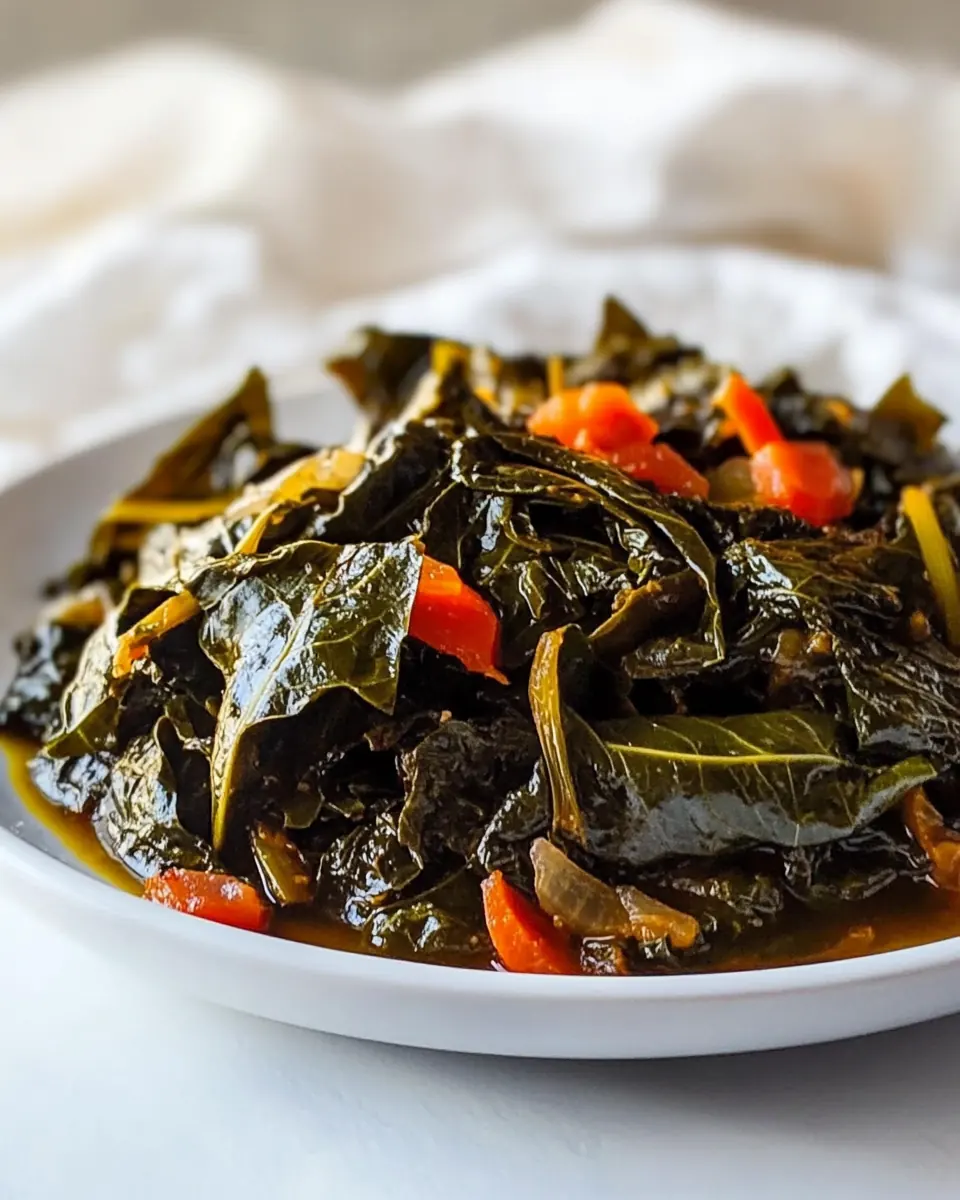
There are many small changes you can make to personalize Callaloo Recipe. Below are practical variations and pointers that keep the soul of the dish while letting you adapt to what you have on hand or the level of spice you prefer.
- Swap greens with confidence: If you cannot find amaranth or fresh collards use a mix of spinach and other tender greens, but add sturdier leaves first so they cook down evenly.
- Fat choice matters: Use butter for richness or olive oil for a lighter finish, both will extract aromatic flavors from the onion and garlic effectively.
- Control heat with the pepper: Leaving the habanero pepper whole allows you to impart gentle warmth; remove it early for milder heat or leave it a bit longer for more intensity.
- Adjust body with broth: If the finished dish seems too thin, simmer uncovered a little longer to reduce; add a splash of broth if it dries out when reheating.
- Finish with fresh scallions: Stirring in a few raw chopped scallions just before serving brightens the dish and adds a fresh counterpoint to the slow cooked greens.
Accompaniments for Callaloo Recipe
Callaloo Recipe pairs beautifully with simple starches and bold, regional flavors. The list below explores serving ideas, seasonal contexts, and storage suggestions so you can plan meals around this comforting pot of stewed greens.
- Serve with rice: A mound of plain steamed rice helps balance the intense flavors and soaks up the broth, making it ideal for a family dinner.
- Pair with fried plantains: Sweet fried plantains offer a lovely contrast in texture and sweetness, especially for weekend or celebratory meals.
- Include in a holiday spread: The dish works well on festive tables, where its earthy notes complement larger roasts or grilled items during gatherings.
- Lunch option: Pack leftovers with a scoop of rice for an easy weeknight lunch that reheats well and keeps you satisfied.
- Storage tips: Store in a sealed container for up to 4 to 5 days, reheat on the stovetop with a small splash of water to revive texture and aroma.
- Seasonal pairing: During cooler months, serve alongside heartier mains to add brightness and greens, and in milder weather it shines as a lighter, vegetable driven centerpiece.
FAQ
Conclusion
Callaloo Recipe stands out because it transforms simple leafy greens into a deeply flavored, comforting dish that feels both nourishing and celebratory. I encourage you to give it a try, paying attention to the aromatic base and the gradual wilting process, because those small steps make all the difference. Whether you serve it as a vibrant side or a satisfying main with rice, this pot of stewed greens showcases how technique and patience elevate humble ingredients into something memorable.
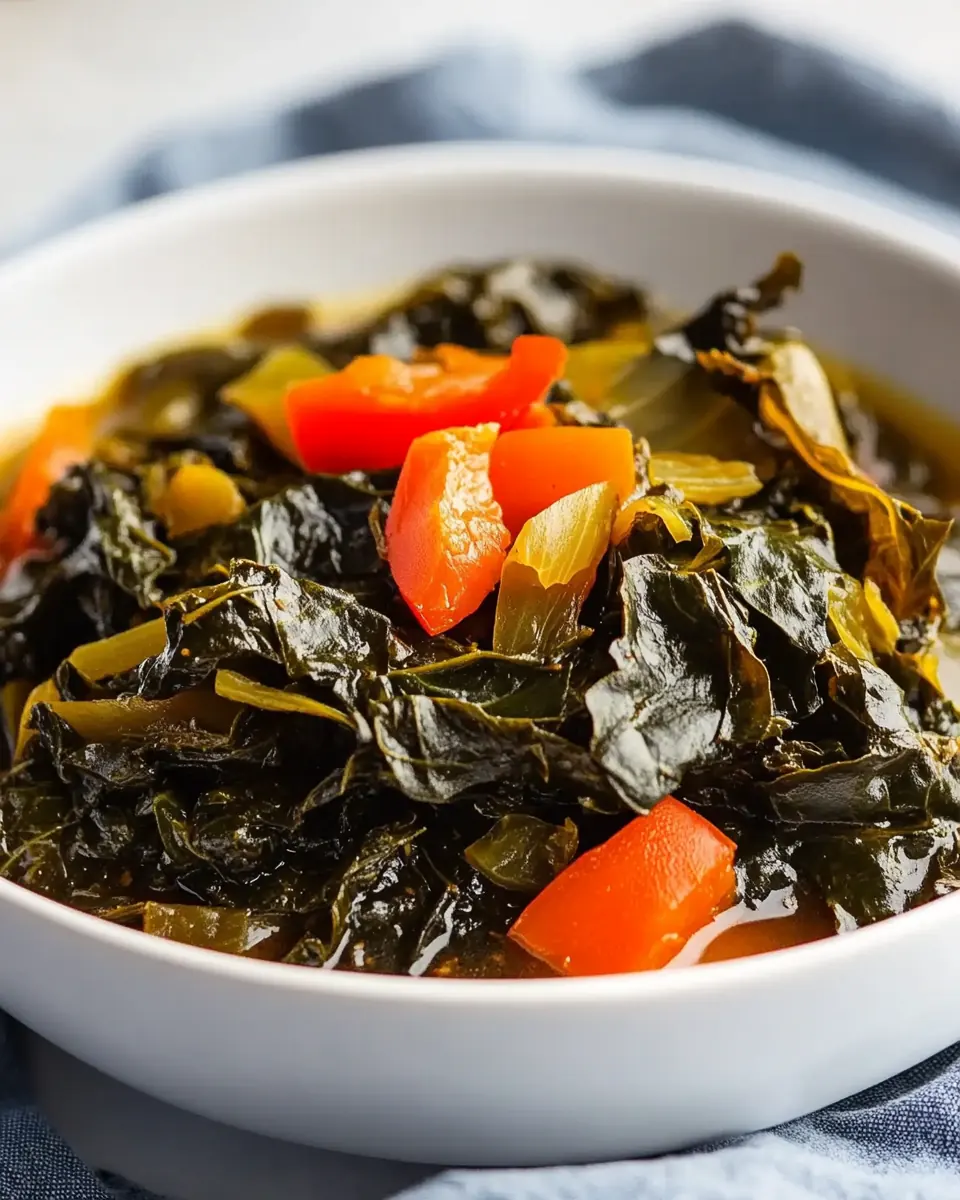
Callaloo Recipe
Ingredients
Equipment
Method
- Set a large 6 to 8-quart pot over medium heat. Add the butter, chopped onions, and chopped bell pepper to the pot. Sauté the onions and peppers for 2 to 3 minutes. Then mix in the tomato wedges, chopped scallions, garlic, and add one whole uncut habanero to the pot. Sauté another 3 to 4 minutes to soften.: The moment the pot warms you should notice a faint shimmer on the surface when you add the butter or olive oil , that telltale visual cue that fat is hot enough to start aromatics. The sound is subtle, a soft sizzle as you add the onion and bell pepper . This gentle sizzle helps those vegetables release sweetness without browning too quickly. It's important to use a pot with enough room so the greens can be added in batches later, or they will steam unevenly. A common mistake here is overheating the oil, which can burn the aromatics and create bitterness. If the oil smokes, lower the heat and start over with fresh fat.
- Once the aromatic vegetables are soft and tender, add the dried thyme, broth, 1 teaspoon of salt, and half a teaspoon of pepper. Stir well, then start adding fresh chopped greens to the pot by the handful. Stir several handfuls of greens into the pot, letting them wilt down for a minute, before adding more.: As the onion and bell pepper hit the hot fat you'll hear a more pronounced sizzle and smell a bright, vegetal fragrance. Stir them so they soften evenly and avoid sticking. Softened rather than browned vegetables provide a sweet base that melds into the broth. If the vegetables start to turn dark at the edges, reduce the heat and stir more frequently, because uneven browning will shift the flavor profile toward bitterness.
- Once all 16 cups of greens are in the pot, cover and simmer on medium-low for 30 to 45 minutes, stirring occasionally.: After a few minutes you'll see the onion edges turn translucent and the pepper soften, releasing a fruity aroma. This stage is about coaxing out sweetness while keeping the brightness intact. Use a wooden spoon to scrape any fond that forms, because that browned residue carries concentrated flavor. A pitfall here is rushing the step with high heat, which will sear instead of gently softening, losing that subtle sweetness.
- Remove the habanero pepper from the pot. Taste, and salt and pepper as needed. Serve warm with southern or Caribbean dishes.: When the tomato and minced garlic join the pan, the scent deepens into a savory, slightly tangy aroma, and the garlic should be fragrant but not browned. The whole habanero pepper will release heat gradually as the pot simmers, giving warmth without overwhelming the dish. Keep the pepper whole so you can remove it if the heat becomes too intense. A common error is chopping the hot pepper, which releases concentrated capsaicin and can make the entire pot excessively spicy.
- Sauté another 3 to 4 minutes to soften: During these minutes the tomato starts to break down and the mixture looks glossy and slightly thicker, hinting at the body it will add to the final dish. The sound turns to a lower, steadier simmer and the aroma becomes rounder. This step integrates flavors so nothing tastes isolated. If the mixture seems dry, a splash of broth helps deglaze the pan and lift the flavors without diluting them.
- Once the aromatic vegetables are soft and tender add the dried thyme broth 1 teaspoon of salt and half a teaspoon of pepper: Adding the dried thyme now allows it to bloom into the liquid, and the hot broth wakes up the base so it becomes a cohesive cooking medium for the greens. Salt and pepper should be measured judiciously, because the pot will concentrate as it simmers. I prefer to under season at this point and finish later after reduction. An error to avoid is over-salting early, which cannot be undone once the flavors concentrate.
- Stir well then start adding fresh chopped greens to the pot by the handful: As you add handfuls of greens , they wilt rapidly and release moisture, shrinking and folding into the broth. The first handfuls collapse almost immediately, which is rewarding and gives visual feedback that you can add more. Stirring encourages even wilting and prevents clumps. If you dump all the greens in at once they may steam unevenly and form dense pockets that do not soften properly.
- Stir several handfuls of greens into the pot letting them wilt down for a minute before adding more: The gradual method ensures each addition has time to collapse and incorporate, producing a uniform texture. You will notice the color deepen as the pot fills and the aroma becomes greener and sweeter. If you rush this and pack the pot too tightly, you will trap steam and slow the wilting, leading to uneven textures.
- Once all 16 cups of greens are in the pot cover and simmer on medium low for 30 to 45 minutes: During this gentle simmer the greens break down further, becoming silky and melded to the broth and aromatics. You will hear a quiet bubbling and see steam rising, and the liquid will reduce slightly, concentrating flavor. Stir occasionally to prevent sticking and to check texture. A typical mistake is simmering at too high a heat, which can shred the greens and create a harsher, less cohesive finish.
- Remove the habanero pepper from the pot: Pulling out the whole habanero pepper prevents the dish from becoming overly spicy as it continues to sit and reduces. When you remove it, taste the pot and adjust seasoning. The flavor should be balanced, with a gentle warmth and pronounced green notes. If you leave the pepper in too long it can make the final dish hotter than intended, and if you remove it too early you might miss its subtle contribution.
- Taste and salt and pepper as needed: Final seasoning is where the dish comes to life. Taste for salt, acid, and heat, and make small adjustments. The mouthfeel should be saucy yet cohesive, with no single ingredient overpowering the rest. Over seasoning at this stage is fixable only by increasing volume, so proceed cautiously and taste between adjustments.
- Serve warm with southern or Caribbean dishes: The visual cue for serving is a glossy surface and a deep, even color. Warm bowls release aromas and encourage sharing. I often pair it with rice or other hearty sides, and the texture should feel comforting rather than watery. A common serving mistake is reheating too aggressively, which can make the greens mushy and dull the flavors.
Notes
- Swap greens with confidence: If you cannot find amaranth or fresh collards use a mix of spinach and other tender greens, but add sturdier leaves first so they cook down evenly.
- Fat choice matters: Use butter for richness or olive oil for a lighter finish, both will extract aromatic flavors from the onion and garlic effectively.
- Control heat with the pepper: Leaving the habanero pepper whole allows you to impart gentle warmth; remove it early for milder heat or leave it a bit longer for more intensity.
- Adjust body with broth: If the finished dish seems too thin, simmer uncovered a little longer to reduce; add a splash of broth if it dries out when reheating.
- Finish with fresh scallions: Stirring in a few raw chopped scallions just before serving brightens the dish and adds a fresh counterpoint to the slow cooked greens.