Set a large 6 to 8-quart pot over medium heat. Add the butter, chopped onions, and chopped bell pepper to the pot. Sauté the onions and peppers for 2 to 3 minutes. Then mix in the tomato wedges, chopped scallions, garlic, and add one whole uncut habanero to the pot. Sauté another 3 to 4 minutes to soften.: The moment the pot warms you should notice a faint shimmer on the surface when you add the butter or olive oil , that telltale visual cue that fat is hot enough to start aromatics. The sound is subtle, a soft sizzle as you add the onion and bell pepper . This gentle sizzle helps those vegetables release sweetness without browning too quickly. It's important to use a pot with enough room so the greens can be added in batches later, or they will steam unevenly. A common mistake here is overheating the oil, which can burn the aromatics and create bitterness. If the oil smokes, lower the heat and start over with fresh fat.
Once the aromatic vegetables are soft and tender, add the dried thyme, broth, 1 teaspoon of salt, and half a teaspoon of pepper. Stir well, then start adding fresh chopped greens to the pot by the handful. Stir several handfuls of greens into the pot, letting them wilt down for a minute, before adding more.: As the onion and bell pepper hit the hot fat you'll hear a more pronounced sizzle and smell a bright, vegetal fragrance. Stir them so they soften evenly and avoid sticking. Softened rather than browned vegetables provide a sweet base that melds into the broth. If the vegetables start to turn dark at the edges, reduce the heat and stir more frequently, because uneven browning will shift the flavor profile toward bitterness.
Once all 16 cups of greens are in the pot, cover and simmer on medium-low for 30 to 45 minutes, stirring occasionally.: After a few minutes you'll see the onion edges turn translucent and the pepper soften, releasing a fruity aroma. This stage is about coaxing out sweetness while keeping the brightness intact. Use a wooden spoon to scrape any fond that forms, because that browned residue carries concentrated flavor. A pitfall here is rushing the step with high heat, which will sear instead of gently softening, losing that subtle sweetness.
Remove the habanero pepper from the pot. Taste, and salt and pepper as needed. Serve warm with southern or Caribbean dishes.: When the tomato and minced garlic join the pan, the scent deepens into a savory, slightly tangy aroma, and the garlic should be fragrant but not browned. The whole habanero pepper will release heat gradually as the pot simmers, giving warmth without overwhelming the dish. Keep the pepper whole so you can remove it if the heat becomes too intense. A common error is chopping the hot pepper, which releases concentrated capsaicin and can make the entire pot excessively spicy.
Sauté another 3 to 4 minutes to soften: During these minutes the tomato starts to break down and the mixture looks glossy and slightly thicker, hinting at the body it will add to the final dish. The sound turns to a lower, steadier simmer and the aroma becomes rounder. This step integrates flavors so nothing tastes isolated. If the mixture seems dry, a splash of broth helps deglaze the pan and lift the flavors without diluting them.
Once the aromatic vegetables are soft and tender add the dried thyme broth 1 teaspoon of salt and half a teaspoon of pepper: Adding the dried thyme now allows it to bloom into the liquid, and the hot broth wakes up the base so it becomes a cohesive cooking medium for the greens. Salt and pepper should be measured judiciously, because the pot will concentrate as it simmers. I prefer to under season at this point and finish later after reduction. An error to avoid is over-salting early, which cannot be undone once the flavors concentrate.
Stir well then start adding fresh chopped greens to the pot by the handful: As you add handfuls of greens , they wilt rapidly and release moisture, shrinking and folding into the broth. The first handfuls collapse almost immediately, which is rewarding and gives visual feedback that you can add more. Stirring encourages even wilting and prevents clumps. If you dump all the greens in at once they may steam unevenly and form dense pockets that do not soften properly.
Stir several handfuls of greens into the pot letting them wilt down for a minute before adding more: The gradual method ensures each addition has time to collapse and incorporate, producing a uniform texture. You will notice the color deepen as the pot fills and the aroma becomes greener and sweeter. If you rush this and pack the pot too tightly, you will trap steam and slow the wilting, leading to uneven textures.
Once all 16 cups of greens are in the pot cover and simmer on medium low for 30 to 45 minutes: During this gentle simmer the greens break down further, becoming silky and melded to the broth and aromatics. You will hear a quiet bubbling and see steam rising, and the liquid will reduce slightly, concentrating flavor. Stir occasionally to prevent sticking and to check texture. A typical mistake is simmering at too high a heat, which can shred the greens and create a harsher, less cohesive finish.
Remove the habanero pepper from the pot: Pulling out the whole habanero pepper prevents the dish from becoming overly spicy as it continues to sit and reduces. When you remove it, taste the pot and adjust seasoning. The flavor should be balanced, with a gentle warmth and pronounced green notes. If you leave the pepper in too long it can make the final dish hotter than intended, and if you remove it too early you might miss its subtle contribution.
Taste and salt and pepper as needed: Final seasoning is where the dish comes to life. Taste for salt, acid, and heat, and make small adjustments. The mouthfeel should be saucy yet cohesive, with no single ingredient overpowering the rest. Over seasoning at this stage is fixable only by increasing volume, so proceed cautiously and taste between adjustments.
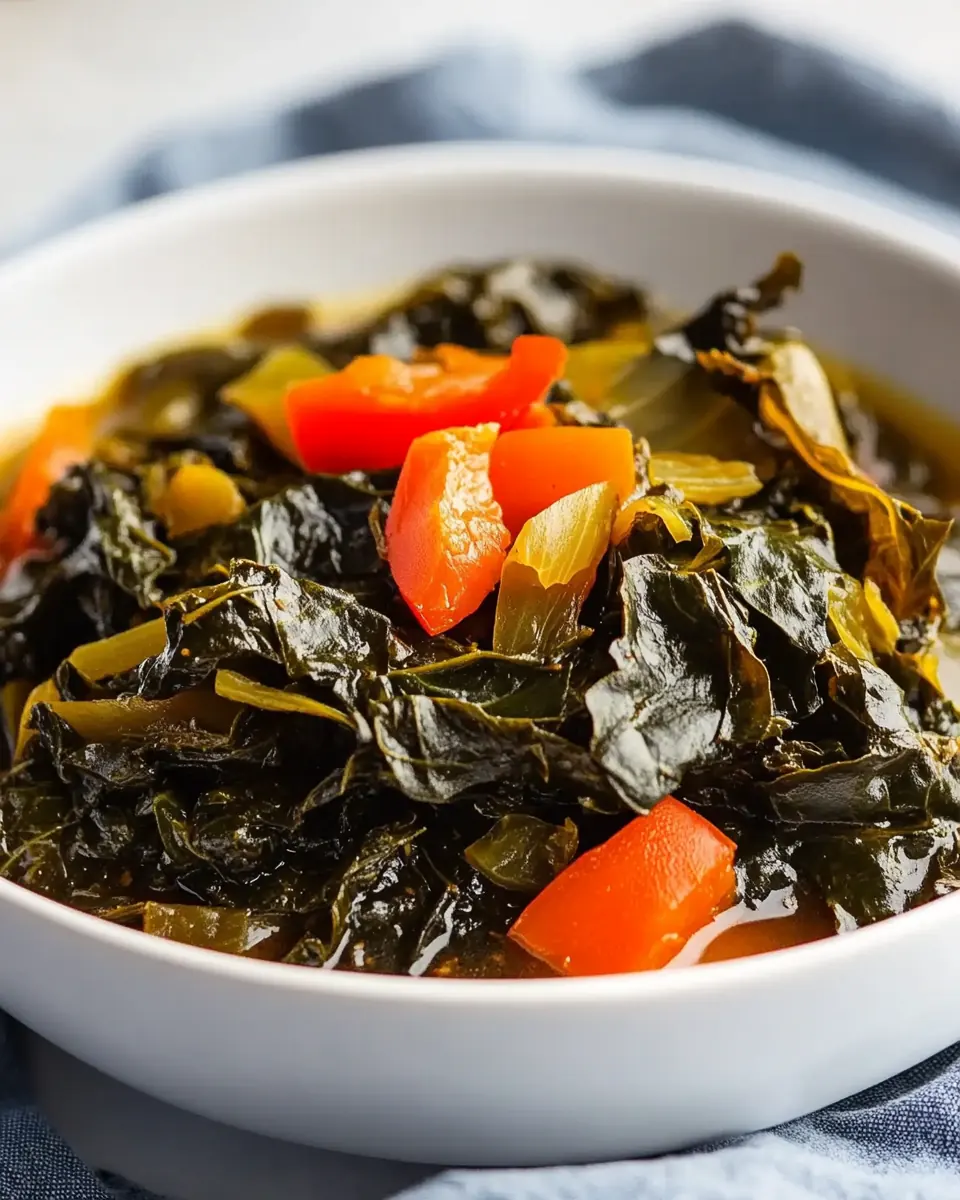
Serve warm with southern or Caribbean dishes: The visual cue for serving is a glossy surface and a deep, even color. Warm bowls release aromas and encourage sharing. I often pair it with rice or other hearty sides, and the texture should feel comforting rather than watery. A common serving mistake is reheating too aggressively, which can make the greens mushy and dull the flavors.