Carne Asada
Carne Asada first found its way into my kitchen on a sticky summer afternoon when I wanted something bold, smoky, and fast to feed a small crowd of friends. I remember the sizzling sound as the beef hit the grill, the citrusy steam from the limes lifting into the air, and the laughter around the patio table while I flipped the green onions. That meal changed how I approach weeknight gatherings, because it proved that straightforward ingredients and a little attention can make a memorable feast.
Over the years I have refined my approach, paying close attention to how the meat is treated before and after it meets heat. I like recipes that respect the ingredient, and with Carne Asada the star is undeniably the sirloin steak or whichever cut you choose. The marinade is simple yet layered, and when the grill does its work you are rewarded with char, fragrance, and a texture that invites you to bite again and again. I often tell friends that mastering this dish is more about timing and feel than complicated technique. With a few hacks, like gentle pounding and a brief rest, you get slices that are tender and approachable.
Recipe Snapshot
31 mins
25 mins
6 mins
Easy
350 kcal
Mexican
Gluten-Free, Paleo
Dinner
Grill, Meat tenderizer, Cutting board, Knife
The Charm of This Carne Asada
Bold, honest flavor
I love how Carne Asada delivers an immediate rush of savory and bright tastes. The lime juice lifts the meat, while the chipotle chile powder adds smoky warmth without overwhelming the beef. When grilled correctly, the charred edges and caramelized crust provide a contrast that keeps every bite exciting.
Quick enough for weeknights
This recipe moves at a friendly pace. I can trim, marinate briefly, and grill in under an hour, which makes it a reliable option for an easy weeknight dinner. The technique rewards attention, not sweat, so you get impressive results without a long commitment.
Versatile for serving
One reason I keep coming back to Carne Asada is its adaptability. It shines by itself, but it also becomes the backbone of tacos, bowls, or a casual family meal. That flexibility means I can tailor accompaniments to the season or the mood, and the grilled green onions add a fresh charred note that ties everything together.
Simple ingredients, big impact
I appreciate recipes that make the most of a few quality items. With basic pantry staples like olive oil, garlic, and salt, plus fresh lime and chiles, the flavors layer into something greater than the sum of its parts. I find that this approach helps home cooks build confidence, because success is repeatable.
Hands on, but forgiving
Finally, Carne Asada is tactile and satisfying to prepare. You get to feel the texture of the meat, smell the aromatics, and watch the grill work—yet it forgives small missteps. If you slightly overcook a slice, the marinade and slicing technique still salvage a juicy bite. That reliability makes it one of my go to recipes.
What’s In This Carne Asada
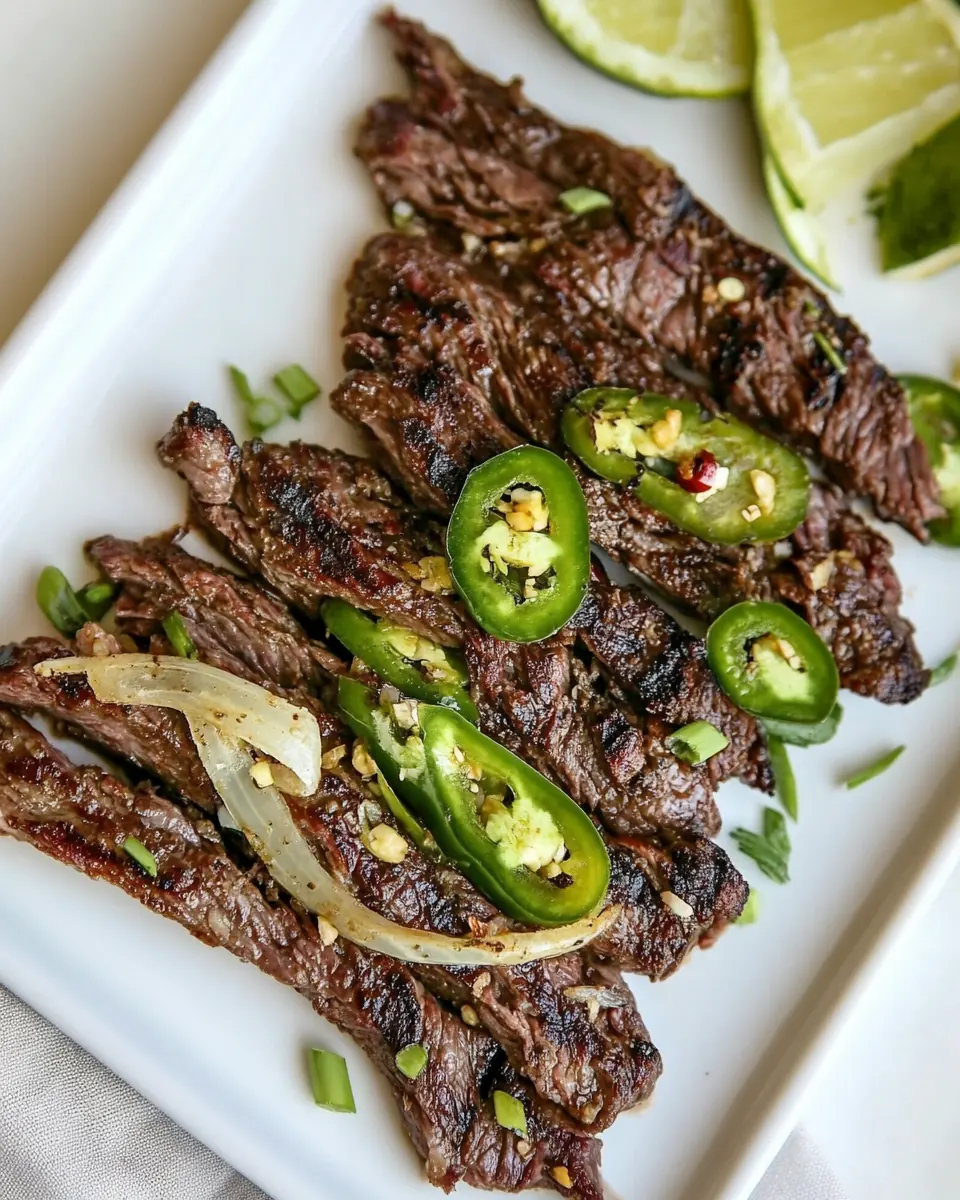
These ingredients are intentionally straightforward, designed to highlight the beef while adding brightness, heat, and a hint of smoke. The key players are the sirloin steak or substitute beef cut, the citrus from the limes, and aromatic elements like garlic and scallion. Together they create a balance of acid, spice, fat, and char that is essential to a memorable Carne Asada.
- 21/2 pounds sirloin steak, chuck steak or beef tenderloin (see NOTES): Trimmed and sliced for even cooking, provides the primary protein and rich beefy flavor that defines the dish; choose sirloin, chuck, or tenderloin based on desired tenderness and budget, and allow to marinate for best results.
- 3 medium limes, juiced: Squeezed to provide bright acidity and citrusy brightness that tenderizes the meat and balances the richness of the steak; adjust quantity slightly to taste and strain seeds if needed.
- 3 tablespoons olive or vegetable oil: Whisked into the marinade to coat the meat and help transfer fat-soluble flavors, contributing a silky mouthfeel and promoting even browning during grilling or searing.
- 1 tablespoon chipotle chile powder: Ground to impart smoky, spicy depth and a concentrated heat note; used sparingly to add a complex chile flavor that complements lime and garlic without overpowering the steak.
- 1 to 2 medium jalapeno or serrano chiles, thinly sliced: Thinly sliced to introduce fresh, sharp heat and a vegetal brightness; adjust the amount and remove seeds to control spiciness while preserving texture and aroma.
- 3 medium garlic cloves, minced: Minced to release strong savory and aromatic compounds that enhance umami and meld with citrus and chiles in the marinade, creating a fragrant backbone for the carne asada.
- 1 whole scallion, chopped: Chopped to contribute a mild oniony-scallion flavor and fresh green aroma that brightens the marinade and pairs well with grilled steak; both white and green parts add texture and sweetness.
- freshly ground black pepper, to taste: Cracked to taste to add warm pungency and a subtle kick that balances the acidity and richness in the marinade; freshly ground pepper yields stronger aroma and flavor than pre-ground.
- 2 teaspoons salt: Measured to season and enhance all other flavors while helping to tenderize the meat slightly; dissolve into the marinade for even distribution and proper seasoning of the steak.
- 8 whole green onions (washed, trimmed and coated with a little bit of olive oil): Brushed with oil and grilled whole to develop smoky char and sweet onion flavor; served alongside or with the steak to add a tender, caramelized vegetable accompaniment.
- flour or corn tortillas: Heated briefly to become pliable and used as the vessel for serving the sliced carne asada; choose flour or corn based on texture preference and regional tradition.
- salsa, fresh cilantro, lettuce, guacamole and Cotija cheese: Garnished and served with a variety of fresh condiments to provide contrasting textures and flavors—bright salsa, herbaceous cilantro, crisp lettuce, creamy guacamole, and salty Cotija cheese enhance each bite.
Recipe Steps for Carne Asada
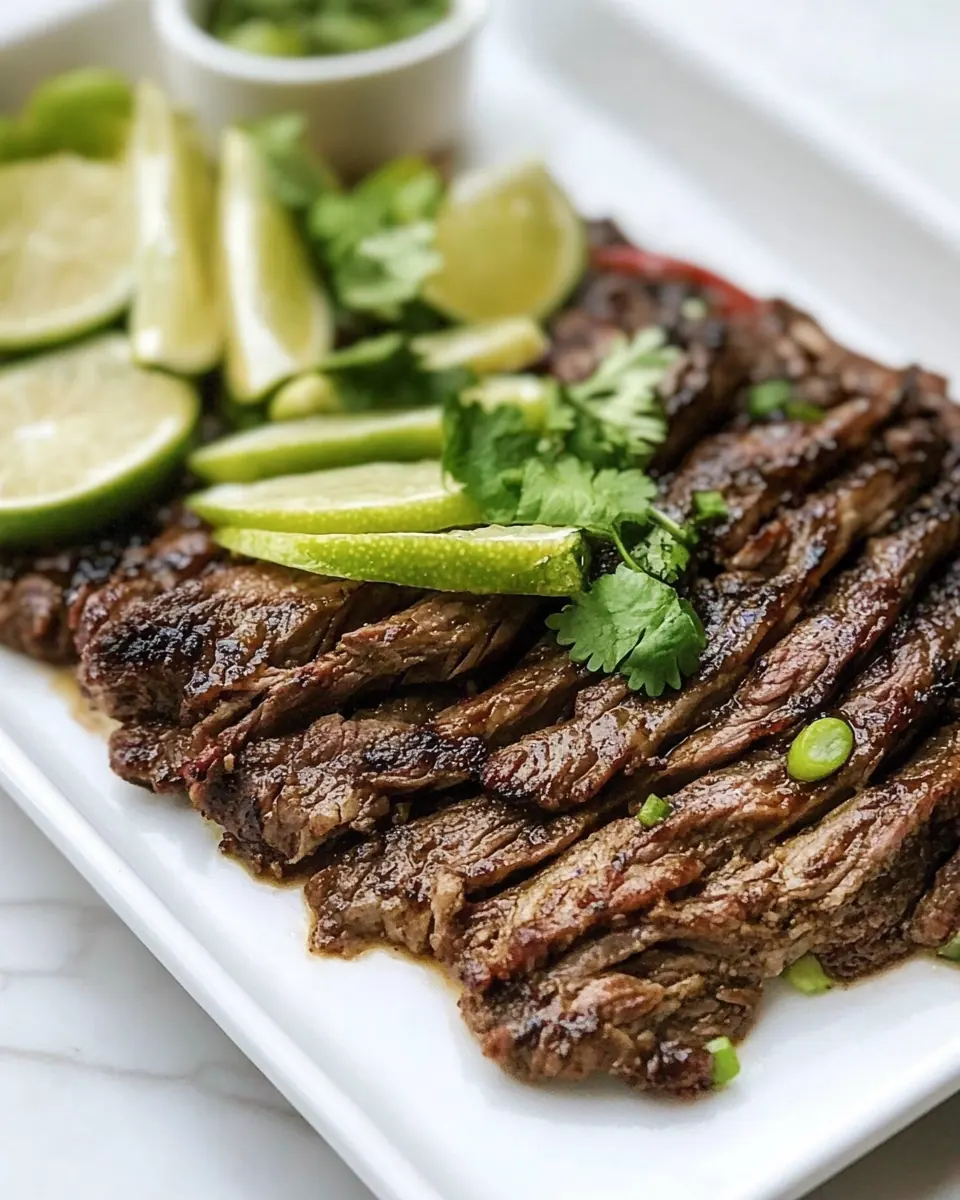
This recipe moves through purposeful, tactile steps that reward attention. I like to work with clean, dry surfaces and a hot grill so the meat gets a proper sear. Below you will find detailed, sensory rich guidance for each instruction so you know precisely what to look, smell, and listen for while you cook.
- Trim the meat of excess fat and slice or butterfly the meat into a sheet about 3/8-inch thick (see NOTES below).: The aroma at this stage is subtle, mostly metallic and raw beef scent, and your hands will feel the grain of the muscle as you work. Trimming excess fat prevents flare ups on the grill and ensures the meat cooks evenly, while butterflying creates an even thickness for uniform doneness. A common mistake is leaving thick pockets of fat which cause uneven cooking and flare ups. When slicing, look for a consistent thickness so one area does not char while another remains undercooked, and keep your cutting surface stable to maintain control.
- Place the meat between two sheets of plastic wrap and carefully pound it with a meat-tenderizer mallet or rolling pin to a 1/4-inch thickness.: You will hear a dull thud as the mallet meets the plastic, and the meat will surrender under pressure, becoming visibly flattened and slightly glossy from released juices. Pounding to 1/4-inch creates a tender texture and allows flavors to penetrate quickly, which matters for short marination times. Avoid over pounding which can turn the meat mealy and mushy; stop when the surface is even and you can see fibers relaxed. Use even strokes and rotate the meat so pressure is uniform, and wipe up any juices to maintain a sanitary workspace.
- Coat the meat with lime juice and brush it lightly with oil. Sprinkle chile powder, jalapeno, garlic, scallion and black pepper evenly on both sides of the meat. Allow to marinate at room temperature for 20 to 30 minutes.: At this point the kitchen will smell of citrus and spice, with a bright lime perfume tempered by chipotle smokiness and the sharp warmth of garlic . The acid from the limes begins to change the surface texture of the meat, tenderizing protein and helping spices adhere, while the oil promotes even browning. Marinating at room temperature for the recommended time speeds flavor absorption without risking food safety; do not exceed the time excessively or the surface can become mushy from acid. A typical problem is uneven spice distribution, so use your hands or a brush to ensure the seasoning is fully spread across both sides.
- Preheat your grill to medium. Sprinkle the salt on all sides of the meat, and grill alongside the green onions until the beef is just cooked through and the onions are beginning to brown. Remove the meat from the grill and let it rest for 5 minutes.: You'll hear a lively sizzle as the meat hits the grates and smell a toasty, caramel aroma as the sugars and proteins react. Properly preheating to medium ensures a sear without burning, and adding salt right before grilling intensifies the crust formation. Watch the green onions as they char, they should show browned blisters but not turn to ash. A frequent misstep is flipping too early which prevents a proper crust from forming; let the meat develop a seared surface before turning. Resting for 5 minutes allows juices to redistribute, so slices remain juicy rather than leaking onto the plate.
- Slice the beef in long, thin slices approximately 1/4-inch thick. Arrange on a plate, top with grilled green onions and garnish with lime wedges.: The sound here is quieter, a soft knife glide through tender cooked meat, and the cut surfaces should reveal a slight pinkness depending on doneness preference with a deeply browned exterior. Slicing against the grain shortens muscle fibers, making each bite more tender and pleasant to chew, and the long thin slices are perfect for building tacos. Avoid cutting too thick which makes the meat chewy, or too thin which can dry quickly. Plate the slices attractively and finish with the smoky green onions and fresh lime for brightness.
- You can certainly eat the carne asada on its own, but if you'd like to make tacos out of it… warm up the tortillas and add your desired fixings!: Warming the tortillas until they are pliable releases a toasty scent and helps them cradle the meat without cracking. The contrast between the warm tortilla, the juicy slices of beef , and cold toppings like guacamole or salsa creates a pleasing temperature and texture interplay. A common oversight is overloading the tortilla which makes it hard to eat; aim for balance so each taco highlights the meat. Use gentle folds and serve immediately so the tortilla remains warm and tender.
Ways to Adapt This Recipe
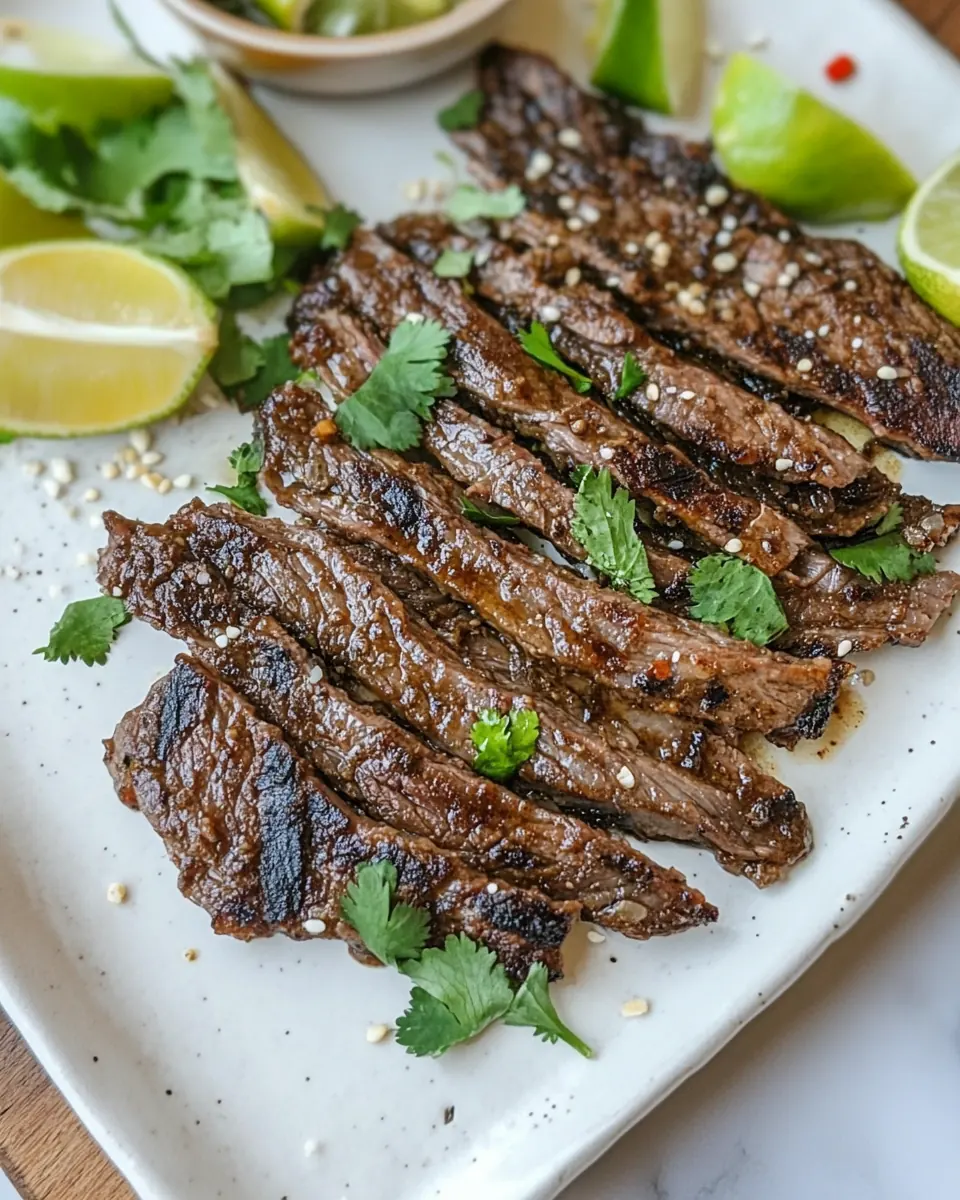
This short intro explains how small swaps or technique tweaks let you adapt Carne Asada to different needs and occasions. Below I expand practical, hands on tips that I use in my kitchen to vary heat, texture, and serving style while keeping the essence of the recipe intact.
- Use a different cut: If you prefer a fattier bite, choose a marbled cut like chuck steak; for leaner results, opt for beef tenderloin but watch cooking times closely.
- Tweak the heat level: Reduce the number of jalapeno or serrano chiles or remove seeds to lower the spice, or increase chipotle powder for a smokier profile.
- Oil choice matters: Use olive oil for flavor or vegetable oil for a neutral base, both help with searing and prevent sticking on the grill.
- Make ahead: Butterfly and lightly season the meat in the morning, then finish marinating shortly before grilling to preserve texture while saving prep time.
- Charred onions as garnish: Grill whole green onions until blistered then chop for a smoky, aromatic topping that complements the beef.
Best Served With
Carne Asada pairs beautifully with vibrant, textural side dishes and warm tortillas. Below I outline serving approaches for casual gatherings, weeknight dinners, and festive meals, plus storage suggestions and seasonal ideas that help you plan the full plate.
- Classic tacos: Warm flour or corn tortillas, sprinkle with Cotija cheese, chopped cilantro, a spoonful of salsa, and a squeeze of lime for a traditional presentation perfect for casual dinners or outdoor parties.
- Burrito bowl style: Serve sliced meat over rice with lettuce, guacamole, salsa, and a scattering of Cotija for a hearty bowl that works well for meal prep and family lunches.
- Grill party platter: Arrange slices on a large board with grilled green onions, tortillas kept warm in a towel, bowls of salsa and guacamole, and let guests build their own plates for a relaxed celebration.
- Seasonal pairings: During summer serve with fresh salsas and lime forward sides, while in cooler months choose heartier sides like roasted vegetables to balance the citrus brightness.
- Storage tips: Keep leftover sliced meat in an airtight container in the refrigerator for up to three days; reheat gently to avoid overcooking and drying, or chop and incorporate into tacos or salads for next day meals.
- Occasions: Ideal for casual dinners, backyard barbecues, summer gatherings, and anytime you want a crowd pleasing, hands on meal that feels celebratory without fuss.
FAQ
Conclusion
Carne Asada stands out for its direct, vibrant flavors and the gratifying ritual of grilling and slicing meat to share. The combination of lime, garlic, chipotle, and a hot grill gives each bite a balance of brightness, smokiness, and satisfying texture. I encourage you to try this recipe soon, invite friends or family, and let the simple technique produce a meal that feels celebratory without fuss. It is approachable for cooks of any skill level and always earns seconds.
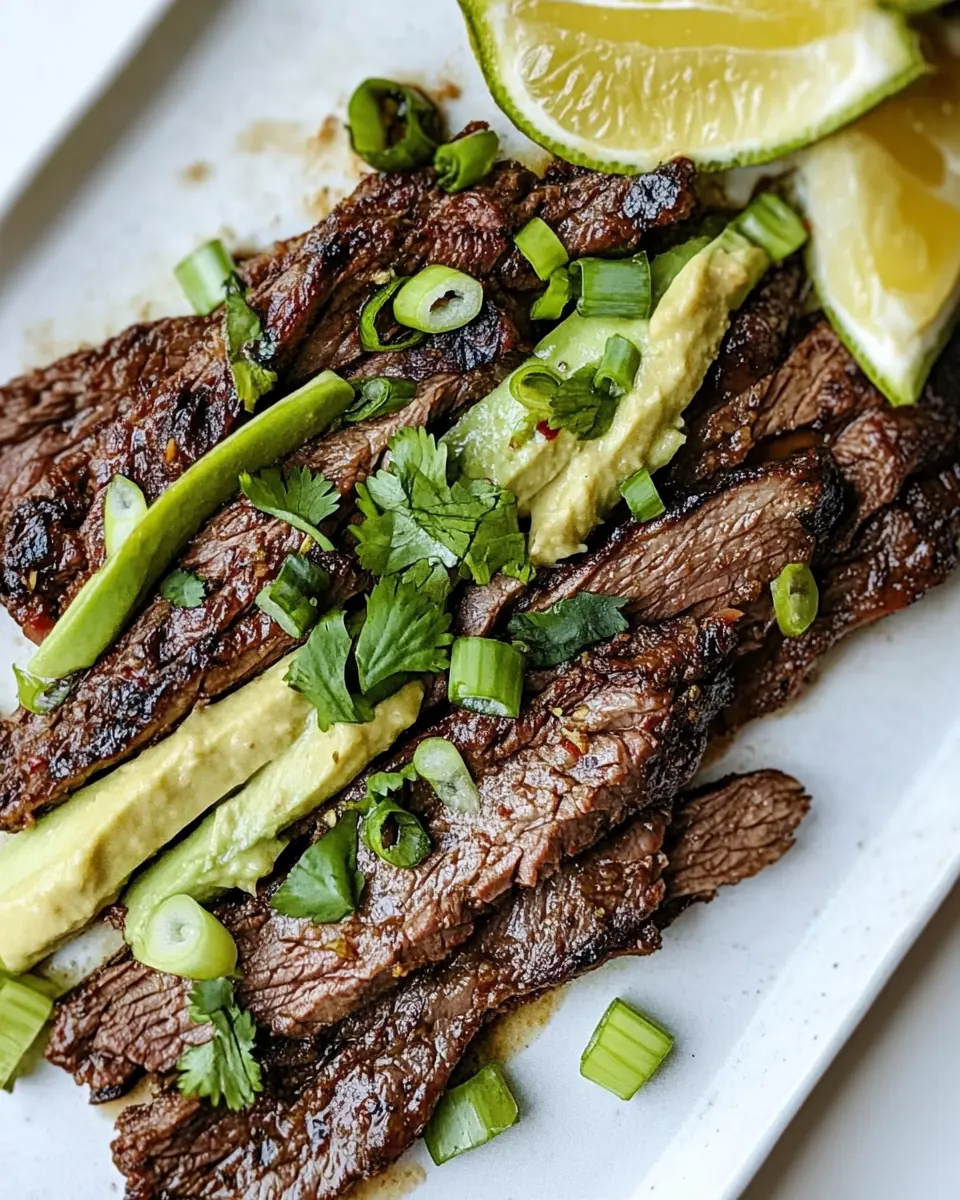
Carne Asada
Ingredients
Equipment
Method
- Trim the meat of excess fat and slice or butterfly the meat into a sheet about 3/8-inch thick (see NOTES below).: The aroma at this stage is subtle, mostly metallic and raw beef scent, and your hands will feel the grain of the muscle as you work. Trimming excess fat prevents flare ups on the grill and ensures the meat cooks evenly, while butterflying creates an even thickness for uniform doneness. A common mistake is leaving thick pockets of fat which cause uneven cooking and flare ups. When slicing, look for a consistent thickness so one area does not char while another remains undercooked, and keep your cutting surface stable to maintain control.
- Place the meat between two sheets of plastic wrap and carefully pound it with a meat-tenderizer mallet or rolling pin to a 1/4-inch thickness.: You will hear a dull thud as the mallet meets the plastic, and the meat will surrender under pressure, becoming visibly flattened and slightly glossy from released juices. Pounding to 1/4-inch creates a tender texture and allows flavors to penetrate quickly, which matters for short marination times. Avoid over pounding which can turn the meat mealy and mushy; stop when the surface is even and you can see fibers relaxed. Use even strokes and rotate the meat so pressure is uniform, and wipe up any juices to maintain a sanitary workspace.
- Coat the meat with lime juice and brush it lightly with oil. Sprinkle chile powder, jalapeno, garlic, scallion and black pepper evenly on both sides of the meat. Allow to marinate at room temperature for 20 to 30 minutes.: At this point the kitchen will smell of citrus and spice, with a bright lime perfume tempered by chipotle smokiness and the sharp warmth of garlic . The acid from the limes begins to change the surface texture of the meat, tenderizing protein and helping spices adhere, while the oil promotes even browning. Marinating at room temperature for the recommended time speeds flavor absorption without risking food safety; do not exceed the time excessively or the surface can become mushy from acid. A typical problem is uneven spice distribution, so use your hands or a brush to ensure the seasoning is fully spread across both sides.
- Preheat your grill to medium. Sprinkle the salt on all sides of the meat, and grill alongside the green onions until the beef is just cooked through and the onions are beginning to brown. Remove the meat from the grill and let it rest for 5 minutes.: You'll hear a lively sizzle as the meat hits the grates and smell a toasty, caramel aroma as the sugars and proteins react. Properly preheating to medium ensures a sear without burning, and adding salt right before grilling intensifies the crust formation. Watch the green onions as they char, they should show browned blisters but not turn to ash. A frequent misstep is flipping too early which prevents a proper crust from forming; let the meat develop a seared surface before turning. Resting for 5 minutes allows juices to redistribute, so slices remain juicy rather than leaking onto the plate.
- Slice the beef in long, thin slices approximately 1/4-inch thick. Arrange on a plate, top with grilled green onions and garnish with lime wedges.: The sound here is quieter, a soft knife glide through tender cooked meat, and the cut surfaces should reveal a slight pinkness depending on doneness preference with a deeply browned exterior. Slicing against the grain shortens muscle fibers, making each bite more tender and pleasant to chew, and the long thin slices are perfect for building tacos. Avoid cutting too thick which makes the meat chewy, or too thin which can dry quickly. Plate the slices attractively and finish with the smoky green onions and fresh lime for brightness.
- You can certainly eat the carne asada on its own, but if you'd like to make tacos out of it… warm up the tortillas and add your desired fixings!: Warming the tortillas until they are pliable releases a toasty scent and helps them cradle the meat without cracking. The contrast between the warm tortilla, the juicy slices of beef , and cold toppings like guacamole or salsa creates a pleasing temperature and texture interplay. A common oversight is overloading the tortilla which makes it hard to eat; aim for balance so each taco highlights the meat. Use gentle folds and serve immediately so the tortilla remains warm and tender.
Notes
- Use a different cut: If you prefer a fattier bite, choose a marbled cut like chuck steak; for leaner results, opt for beef tenderloin but watch cooking times closely.
- Tweak the heat level: Reduce the number of jalapeno or serrano chiles or remove seeds to lower the spice, or increase chipotle powder for a smokier profile.
- Oil choice matters: Use olive oil for flavor or vegetable oil for a neutral base, both help with searing and prevent sticking on the grill.
- Make ahead: Butterfly and lightly season the meat in the morning, then finish marinating shortly before grilling to preserve texture while saving prep time.
- Charred onions as garnish: Grill whole green onions until blistered then chop for a smoky, aromatic topping that complements the beef.