Cauliflower Potato Soup
Cauliflower Potato Soup has been my winter go to when I need something soothing yet simple after a long day in the kitchen or a blustery walk home. The first time I made this, I remember the warmth that spread through the house as soon as the pot came to a gentle simmer, and how the steam fogged the windows while we chatted over mugs of soup. It felt like a small, delicious ritual I could return to any cold evening.
Over the years I’ve tweaked the balance between creaminess and texture so this bowl feels both comforting and honest. There are nights when I prefer a silken purée, and other times when I leave a few tender chunks of cauliflower and potato for a more rustic mouthful. I also love how basic pantry items like butter, onion, and garlic act as a quiet backbone, letting the main vegetables shine.
When friends come over for a casual dinner, I make a big pot of Cauliflower Potato Soup and set out bowls of shredded cheddar cheese and chopped green onions so everyone can dress their bowl however they like. It’s the sort of recipe that invites personalization, yet never feels fussy. I find comfort in its simplicity, and it’s become a reliable favorite for weekday meals and slower weekend lunches alike.
Recipe Snapshot
40 mins
10 mins
30 mins
Easy
250 kcal
American
Gluten-Free, Low FODMAP
Soups
Large pot, Immersion blender, Knife, Cutting board
Why This Cauliflower Potato Soup Stands Out
Comforting Texture
I adore how Cauliflower Potato Soup gives you creamy richness without relying on heavy tricks. The tender cauliflower and starchy potato blend into a velvet mouthfeel that warms you from the inside out. When I ladle a bowl, I immediately notice the smoothness, the gentle weight on the spoon, and how easily it pairs with a chunk of crusty bread.
Simple Pantry Magic
One of the reasons I reach for this recipe often is its modest shopping list. Staples like butter, onion, and garlic transform the vegetables into something greater. I love that you can keep everything on hand for an impromptu dinner, and the technique rewards patience more than rare ingredients.
Flexible Finishings
I appreciate how forgiving the soup is when it comes to toppings. A sprinkle of shredded cheddar cheese and bright green from chopped green onions completely changes the experience. I usually set out a few garnishes so guests can make their own bowl, and watching how different combinations come together is always satisfying.
Make Ahead and Reheat Well
This recipe plays nicely with leftovers. When I reheat a portion, the flavors deepen and the texture holds up beautifully after gentle warming. It becomes an easy solo lunch the next day, and I often adjust seasoning as I go, which keeps the soup tasting fresh even after sitting in the fridge.
Perfect for Cooler Months
Because it feels substantial but not heavy, I often pull this out during colder weather. A bowl of Cauliflower Potato Soup is calming and restorative, whether I need something quick after work or a slow meal to savor on the weekend. It has become synonymous with cozy evenings in my home.
What to Gather for Cauliflower Potato Soup
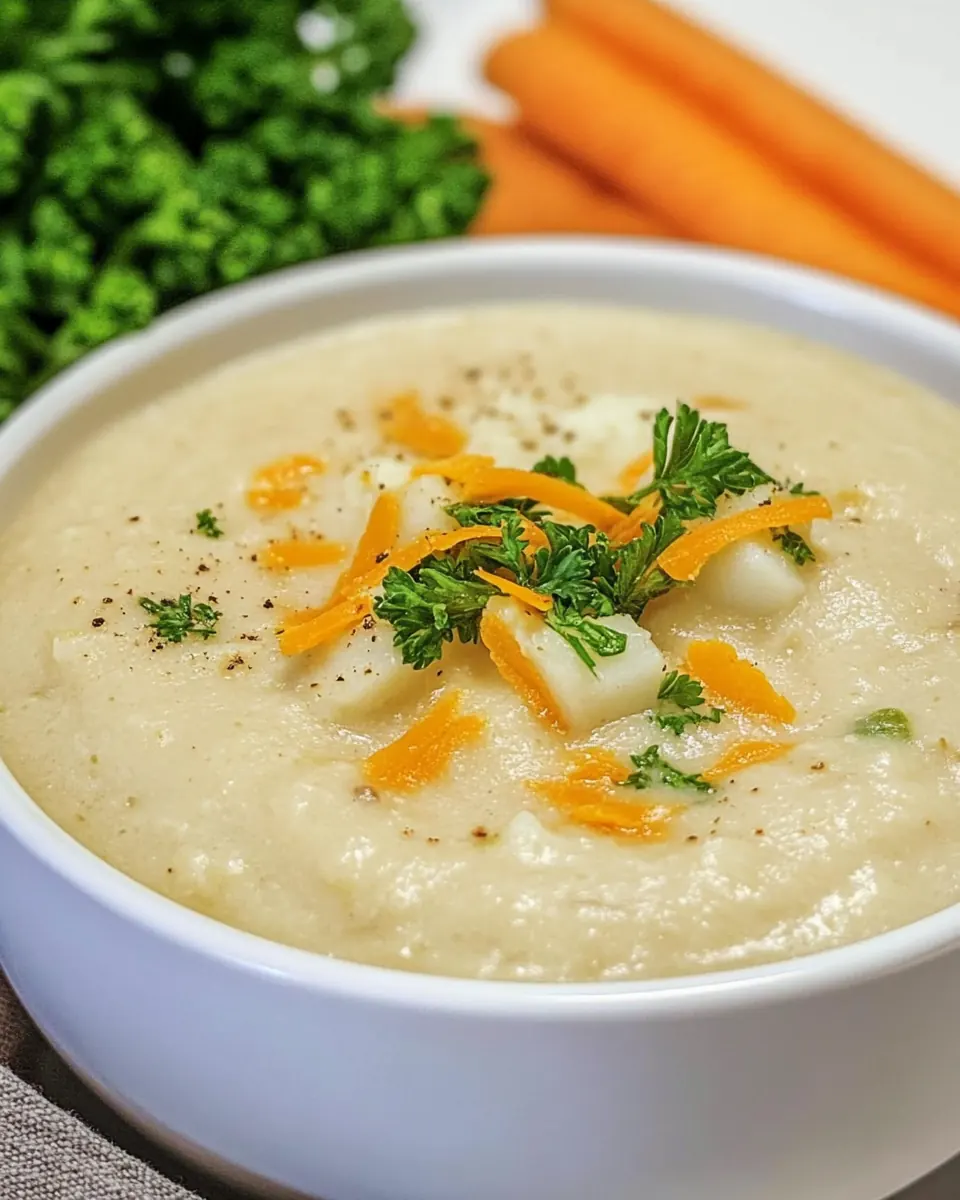
These ingredients are intentionally uncomplicated, designed to work in harmony. The starchy potato and tender cauliflower create the body, while aromatics like onion and garlic build savory depth. A touch of butter and a splash of heavy cream round the texture, and simple garnishes add contrast.
- 1 1/2 tablespoons butter: Melted in the pot at the start to sauté aromatics and develop a rich base flavor, butter also adds a silky mouthfeel to the soup. Use it to gently cook onions and garlic until soft and fragrant without browning.
- 1 large onion diced: Diced and sautéed until translucent to provide a sweet, savory backbone that complements the vegetables. Add early in the cooking process so the pieces soften and release their natural sugars into the broth.
- 3 cloves garlic minced: Minced and added to the pan with onions to build aromatic depth and a subtle pungent heat. Cook briefly to mellow sharpness and infuse the soup with garlicky complexity.
- 3/4 teaspoon Italian seasoning: Sprinkled in while sautéing to introduce a warm, herbal note that rounds out the savory profile. Incorporate early so its dried herbs rehydrate and evenly distribute flavor through the soup.
- Kosher salt to taste: Season sparingly during cooking and adjust at the end to enhance the natural flavors of the vegetables and broth. Use to balance sweetness and bring out savory elements without overpowering the other ingredients.
- Black pepper to taste: Ground and added to taste to provide a bright, slightly biting contrast that lifts the overall flavor. Add in small increments and taste as you go to avoid making the soup overly sharp.
- 1 large head cauliflower cut into florets: Cut into florets and simmered until tender to contribute a subtle, slightly nutty vegetable body and creamy texture when blended. Use as a low-carb bulk ingredient that absorbs seasoning and helps thicken the soup.
- 2 large russet potatoes peeled and cubed: Peeled and cubed to supply starchy creaminess and body that helps create a smooth, hearty texture once cooked and blended. Choose russets for their high starch content which aids in naturally thickening the soup.
- 4 cups vegetable broth: Poured over the vegetables as the primary cooking liquid to cook and marry flavors, providing a savory base with depth. Use a vegetable broth for a vegetarian-friendly option that complements the cauliflower and potatoes.
- 1/2 cup heavy cream: Stirred in near the end to add richness and a velvety finish, contributing a subtle dairy creaminess without overpowering the soup. Add gradually and heat gently to prevent curdling while ensuring a smooth texture.
- Shredded cheddar cheese for garnish: Sprinkled on top as a garnish to contribute sharp, salty, and tangy notes that contrast the creamy soup base. Use freshly shredded cheddar for better melting and a visually appealing finish.
- Fresh chopped green onions for garnish: Chopped and scattered over servings to add a fresh, oniony bite and bright green color that lifts heavy flavors. Use as a finishing touch to provide texture contrast and a mild sharpness.
Directions for Cauliflower Potato Soup
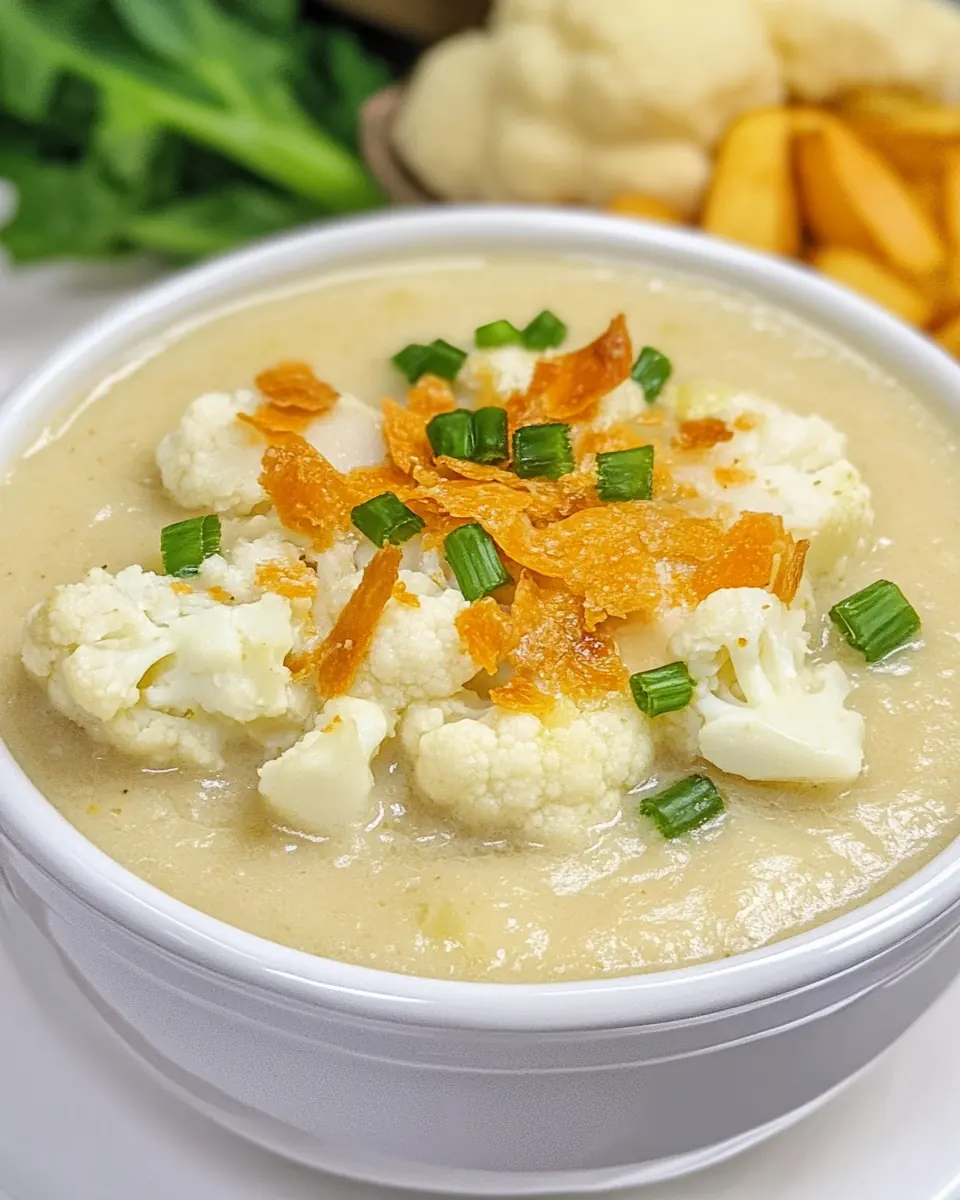
This recipe is approachable and forgiving, and I like to move through the steps with awareness rather than rush. Below, each step includes sensory cues, the reason behind the technique, and a common pitfall to avoid so your soup turns out reliably delicious.
- Heat butter in a large pot over medium heat. Add diced onion and minced garlic with Italian seasoning and some salt and pepper to taste.: The aroma should be gently rich as the butter melts, with faint nutty notes when it starts to foam. This warm fat helps the aromatics bloom, carrying flavor throughout the soup. You want the surface to shimmer but not brown, which signals too high a heat. If the butter sizzles aggressively, lower the flame to prevent burning, because scorched butter will leave an unpleasant bitter taste.
- Cook for about 5 minutes, or until onion is translucent, then stir in the cauliflower and potatoes. Pour in the vegetable broth. Bring to a boil, then reduce to a simmer.: When the onion hits the pan, you should hear a soft sizzle and start to notice a sweet, savory scent as it becomes translucent. The minced garlic releases a warm, fragrant perfume when it warms through. Adding the dried herbs now allows their oils to bloom in the fat, deepening complexity. Stir frequently to prevent sticking, and be careful not to let the garlic brown, because that will create a sharp, bitter edge.
- Cover the pot with a lid and simmer for 25 minutes, or until the vegetables are tender.: As the onion softens, the pan should smell sweeter and more rounded. Once translucent, add the cut cauliflower florets and cubed potato , which should make a satisfying soft clatter as they hit the pot. Toss them briefly so they get coated with flavored butter, which helps them absorb seasoning. If you notice unevenly sized pieces, pause and cut them more uniformly to ensure even cooking, since large chunks will remain firm longer.
- Use an immersion blender to purée the soup until your desired texture. You can make it entirely smooth or have some chunks.: When the broth shimmers into the pot, steam will lift with a clean, savory scent. The liquid should just cover most pieces, allowing them to poach and soften evenly. This stage is about gentle cooking rather than aggressive boiling, so watch that the surface moves softly rather than roils. If you pour and the pot looks dry, add a little more broth; insufficient liquid concentrates flavors too much and can scorch.
- Stir in the heavy cream and heat through, adding more salt and pepper and adjusting the taste as needed. Garnish with cheese and green onions.: At first, you will see lively bubbles and energetic steam as the liquid comes to a boil. Reduce the heat so the surface settles into a gentle ripple, a simmer that cooks steadily. Simmering lets the vegetables become tender without breaking apart violently, which preserves their integrity until blending. If you keep it at a hard boil, the foam can build and spill, and the vegetables may fall apart unevenly.
- Cover the pot with a lid and simmer for 25 minutes, or until the vegetables are tender: With the lid on, the aroma intensifies and the pot hums quietly. After about 25 minutes, test a piece with a knife; it should yield easily and feel soft. This tenderness ensures the vegetables will purée smoothly, creating a cohesive texture. If you uncover and find some pieces are still firm, continue simmering a few more minutes; undercooked vegetables will give a gritty or starchy mouthfeel when blended.
- Use an immersion blender to purée the soup until your desired texture: As you blend, you will notice the soup transform visually from distinct chunks to a unified, silky liquid. The sound becomes a steady whirr, and the aromas open up further. Choose how smooth you want the finish, stopping when the texture pleases you. Avoid overworking the soup at high speed, which can create heat pockets or a gluey texture; pulse gently and move the blender through the pot for even results.
- Stir in the heavy cream and heat through: After blending, the soup should look glossy and uniform; drizzle in the heavy cream to add silkiness and a soft, rich note. Warm it gently until the steam rises, stirring to incorporate without boiling. Cream added at too high a temperature can separate, so keep the heat low and steady. If the mixture seems to split, remove from heat and whisk in a small splash of broth to stabilize.
- Adding more salt and pepper and adjusting the taste as needed: With the main work done, taste for balance; the flavors will have mellowed and concentrated. Add kosher salt in small increments and grind in fresh black pepper to build seasoning gradually, tasting after each addition. Proper seasoning lifts the soup, while too much can be difficult to correct, so proceed cautiously. If you oversalt, a raw potato slice simmered briefly can help absorb excess salt in a pinch, although prevention is best.
- Garnish with cheese and green onions: The final layer of texture and color comes from shredded cheddar cheese and chopped green onions . Sprinkle the cheese so it melts softly on the warm surface, and scatter the green onions for a fresh contrast. These small touches elevate the bowl visually and in flavor. If you add them too early, they will lose their brightness, so reserve garnishes for immediate serving.
Make It Your Own
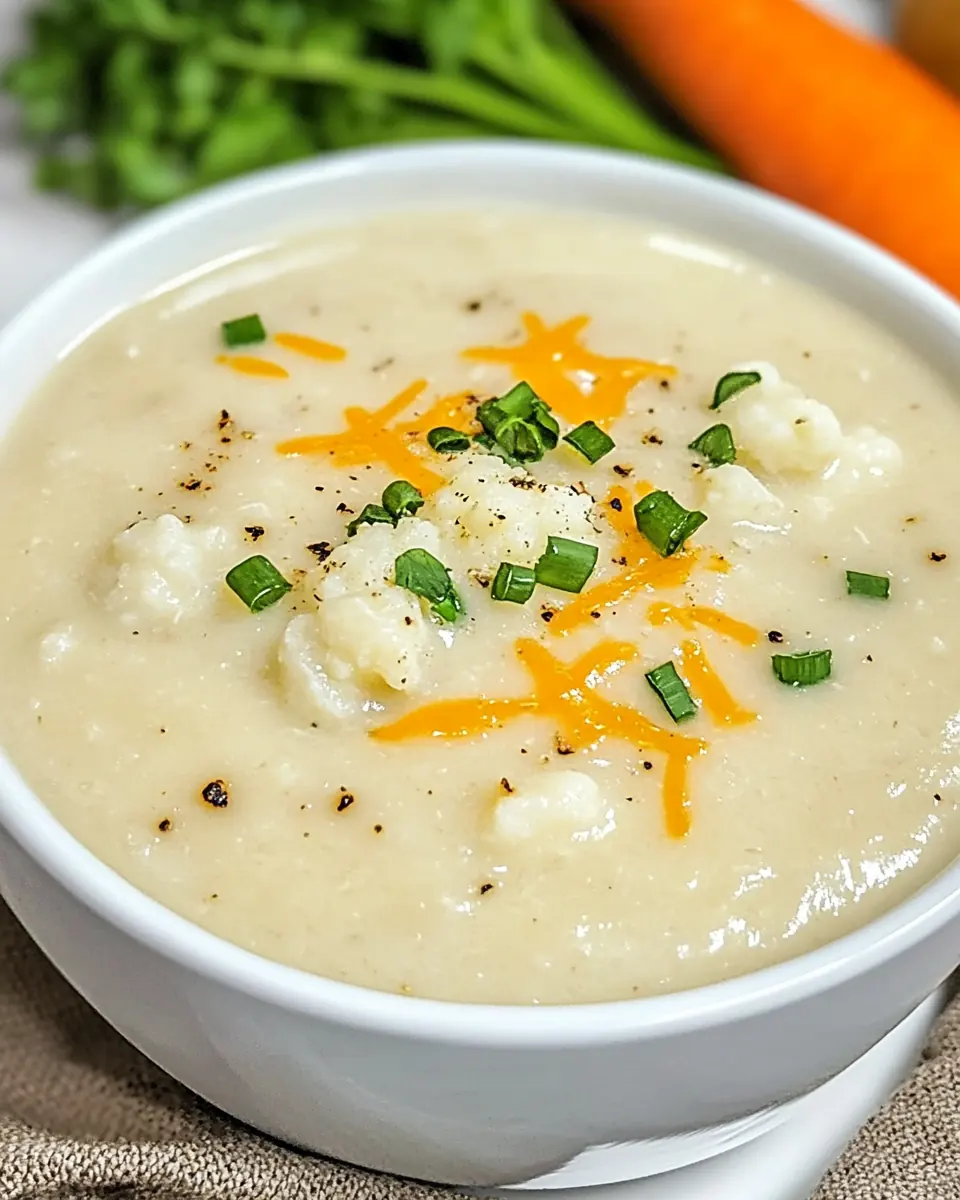
I like to think of this section as your permission to personalize the bowl. These tips help you adapt texture, seasoning, and presentation with confidence, so every serving feels tailored.
- Choose your texture: Blend until silky for a comforting, velvety finish, or leave a few chunks for a rustic bite, adjusting blending time to suit your preference.
- Garnish smartly: Add shredded cheddar cheese and chopped green onions just before serving to preserve contrast and fresh flavor.
- Adjust creaminess: If you want a lighter bowl, reduce the heavy cream slightly and stir in a splash of extra broth as needed to reach your desired consistency.
- Season in stages: Salt lightly during cooking and finish seasoning after blending, because heat concentrates flavors and final adjustments are more accurate.
- Make it ahead: Prepare the soup a day ahead and reheat gently, stirring occasionally, to let flavors meld and deepen overnight.
Pairing Suggestions for Cauliflower Potato Soup
This section helps you plan how to present the soup for different occasions, from quick lunches to cozy dinners. The suggestions focus on complementary textures and flavors so your bowl feels complete.
- Casual lunch pairing: Serve the soup with a slice of crusty bread or a simple green salad for a light, balanced midday meal.
- Comforting dinner: Offer warm rolls and a platter of mild cheeses to keep the meal easy and satisfying on a chilly night.
- Special occasion: Garnish each bowl with extra shredded cheddar cheese and a scattering of chopped green onions for a slightly elevated presentation that still feels homey.
- Storage tips: Cool the soup quickly, refrigerate in airtight containers for up to four days, or freeze portions for up to two months; thaw in the refrigerator before gentle reheating.
- Seasonal pairings: This soup shines in colder months, pairing well with roasted winter vegetables or a hearty grain salad for more substantial meals.
FAQ
Conclusion
This Cauliflower Potato Soup stands out because it turns humble vegetables into a luxuriously smooth, satisfying bowl without fuss. The balance of creamy texture and bright toppings makes it approachable for weeknights yet comforting enough for slower weekend meals. I hope you give it a try, whether you make a single pot for yourself or a larger batch for friends. It’s forgiving, adaptable, and a reliable way to enjoy a warm, nourishing bowl any time the weather calls for comfort.

Cauliflower Potato Soup
Ingredients
Equipment
Method
- Heat butter in a large pot over medium heat. Add diced onion and minced garlic with Italian seasoning and some salt and pepper to taste.: The aroma should be gently rich as the butter melts, with faint nutty notes when it starts to foam. This warm fat helps the aromatics bloom, carrying flavor throughout the soup. You want the surface to shimmer but not brown, which signals too high a heat. If the butter sizzles aggressively, lower the flame to prevent burning, because scorched butter will leave an unpleasant bitter taste.
- Cook for about 5 minutes, or until onion is translucent, then stir in the cauliflower and potatoes. Pour in the vegetable broth. Bring to a boil, then reduce to a simmer.: When the onion hits the pan, you should hear a soft sizzle and start to notice a sweet, savory scent as it becomes translucent. The minced garlic releases a warm, fragrant perfume when it warms through. Adding the dried herbs now allows their oils to bloom in the fat, deepening complexity. Stir frequently to prevent sticking, and be careful not to let the garlic brown, because that will create a sharp, bitter edge.
- Cover the pot with a lid and simmer for 25 minutes, or until the vegetables are tender.: As the onion softens, the pan should smell sweeter and more rounded. Once translucent, add the cut cauliflower florets and cubed potato , which should make a satisfying soft clatter as they hit the pot. Toss them briefly so they get coated with flavored butter, which helps them absorb seasoning. If you notice unevenly sized pieces, pause and cut them more uniformly to ensure even cooking, since large chunks will remain firm longer.
- Use an immersion blender to purée the soup until your desired texture. You can make it entirely smooth or have some chunks.: When the broth shimmers into the pot, steam will lift with a clean, savory scent. The liquid should just cover most pieces, allowing them to poach and soften evenly. This stage is about gentle cooking rather than aggressive boiling, so watch that the surface moves softly rather than roils. If you pour and the pot looks dry, add a little more broth; insufficient liquid concentrates flavors too much and can scorch.
- Stir in the heavy cream and heat through, adding more salt and pepper and adjusting the taste as needed. Garnish with cheese and green onions.: At first, you will see lively bubbles and energetic steam as the liquid comes to a boil. Reduce the heat so the surface settles into a gentle ripple, a simmer that cooks steadily. Simmering lets the vegetables become tender without breaking apart violently, which preserves their integrity until blending. If you keep it at a hard boil, the foam can build and spill, and the vegetables may fall apart unevenly.
- Cover the pot with a lid and simmer for 25 minutes, or until the vegetables are tender: With the lid on, the aroma intensifies and the pot hums quietly. After about 25 minutes, test a piece with a knife; it should yield easily and feel soft. This tenderness ensures the vegetables will purée smoothly, creating a cohesive texture. If you uncover and find some pieces are still firm, continue simmering a few more minutes; undercooked vegetables will give a gritty or starchy mouthfeel when blended.
- Use an immersion blender to purée the soup until your desired texture: As you blend, you will notice the soup transform visually from distinct chunks to a unified, silky liquid. The sound becomes a steady whirr, and the aromas open up further. Choose how smooth you want the finish, stopping when the texture pleases you. Avoid overworking the soup at high speed, which can create heat pockets or a gluey texture; pulse gently and move the blender through the pot for even results.
- Stir in the heavy cream and heat through: After blending, the soup should look glossy and uniform; drizzle in the heavy cream to add silkiness and a soft, rich note. Warm it gently until the steam rises, stirring to incorporate without boiling. Cream added at too high a temperature can separate, so keep the heat low and steady. If the mixture seems to split, remove from heat and whisk in a small splash of broth to stabilize.
- Adding more salt and pepper and adjusting the taste as needed: With the main work done, taste for balance; the flavors will have mellowed and concentrated. Add kosher salt in small increments and grind in fresh black pepper to build seasoning gradually, tasting after each addition. Proper seasoning lifts the soup, while too much can be difficult to correct, so proceed cautiously. If you oversalt, a raw potato slice simmered briefly can help absorb excess salt in a pinch, although prevention is best.
- Garnish with cheese and green onions: The final layer of texture and color comes from shredded cheddar cheese and chopped green onions . Sprinkle the cheese so it melts softly on the warm surface, and scatter the green onions for a fresh contrast. These small touches elevate the bowl visually and in flavor. If you add them too early, they will lose their brightness, so reserve garnishes for immediate serving.
Notes
- Choose your texture: Blend until silky for a comforting, velvety finish, or leave a few chunks for a rustic bite, adjusting blending time to suit your preference.
- Garnish smartly: Add shredded cheddar cheese and chopped green onions just before serving to preserve contrast and fresh flavor.
- Adjust creaminess: If you want a lighter bowl, reduce the heavy cream slightly and stir in a splash of extra broth as needed to reach your desired consistency.
- Season in stages: Salt lightly during cooking and finish seasoning after blending, because heat concentrates flavors and final adjustments are more accurate.
- Make it ahead: Prepare the soup a day ahead and reheat gently, stirring occasionally, to let flavors meld and deepen overnight.