Creamy Mashed Potatoes
Creamy Mashed Potatoes are the kind of comfort food that makes a cold evening feel like a warm hug, and I remember the first time I nailed the texture I wanted, it changed how I cook potatoes forever.
My earliest memory with Creamy Mashed Potatoes involves a small kitchen, a loud radio, and a pot so full I worried it would boil over. I learned to trust simple techniques and good ingredients, and that trust turned average spuds into something silkier than I expected. Over the years I refined timing and the order of steps until the mash came out reliably fluffy and rich. I love the ritual of peeling or leaving a few patches of skin for a rustic bite, and how the aroma of hot butter and cream fills the house while I work.
When guests arrive, I often sneak a spoonful while the potatoes rest, adjusting salt and pepper until the balance feels right. The texture is everything, and by keeping the dairy warm and folding gently, you keep the mash light instead of gluey. Every family seems to have a preference on mouthfeel, and this version covers both camps because you can leave some skin on for bite or make it ultra smooth. I find that simple, intentional steps beat complicated tricks every time.
Recipe Snapshot
35 mins
20 mins
15 mins
Medium
250 kcal
American
Gluten-Free, Low FODMAP
Side Dishes
Large pot, Colander, Electric hand beaters, Small pot, Spatula
The Best Thing About This Creamy Mashed Potatoes
Comfort and nostalgia in every scoop
I still find it almost impossible not to smile when I serve Creamy Mashed Potatoes. There’s something about that first fluffy forkful that instantly transports me back to cozy dinners, and I think it works because the texture and warmth feel reassuring. I love how a few quality elements make the whole dish sing, and this version leans into that idea.
Simple ingredients, big payoff
We rely on straightforward pantry players like russet potatoes, heavy whipping cream, and unsalted butter. Each one plays a clear role, so you do not need long ingredient lists to get deep flavor. The dairy gives silk, the potatoes supply body, and the oil adds a subtle sheen that keeps the mash from feeling sticky.
Technique over trickery
I focus on timing and temperature, because that’s where most good or bad mashed potato outcomes originate. Warming the dairy before folding it in means the potatoes absorb it better, and mashing with the right tool keeps the texture consistent. I prefer methods that let me sense progress, so I can smell the richness and feel the resistance in the bowl as I work.
Flexible for every table
This recipe suits weeknight dinners and holiday spreads equally well. You can make it rustic with some skin left on, or silky smooth for a formal gathering. There is also room to adapt if you want to keep it simpler or dress it up, which is why I keep this in my rotation year round.
Reliable results
Follow the small rules about cooking time and warming dairy, and you’ll rarely be disappointed. I built this recipe so it’s forgiving but precise where it counts, so even if your kitchen is chaotic, the outcome will be dependable.
Ingredients for Creamy Mashed Potatoes
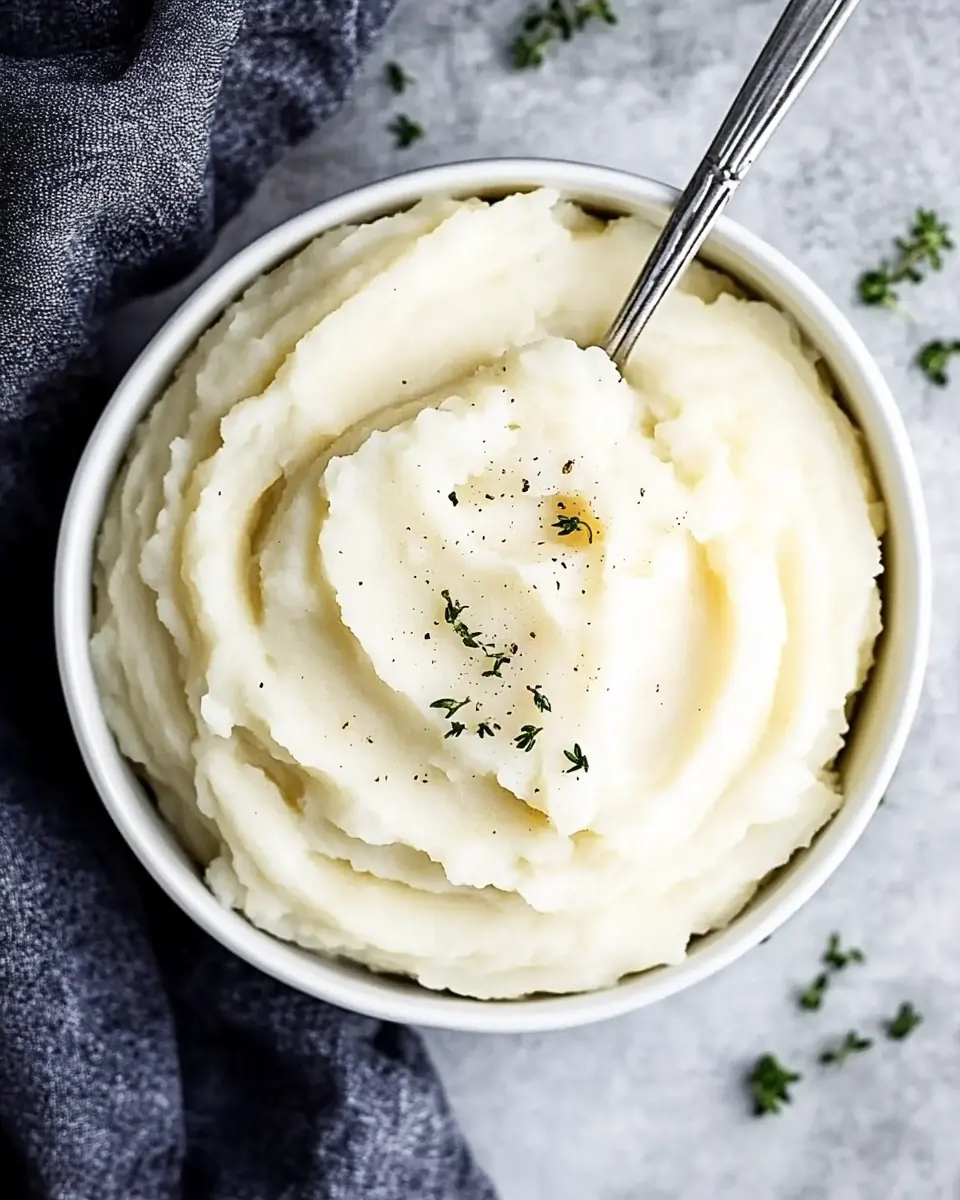
I think of these ingredients as a tight team. The starch and structure come from the russet potatoes, while the heavy whipping cream and unsalted butter supply richness and silk. The olive oil adds a glossy mouthfeel and helps the mashed texture stay lively, and the seasonings finish the dish with clarity. Together they produce a mash that is creamy but not gummy, and versatile enough for weeknights or holiday tables.
- 3 pounds russet potatoes: Boil until fork-tender to provide the starchy base that creates creamy, fluffy mashed potatoes; peel and cut into uniform pieces for even cooking. Retain some cooking water to adjust texture and enhance smoothness when mashing.
- 1 cup heavy whipping cream: Warm gently to incorporate richness and silkiness into the mash while helping to loosen potatoes for a velvety mouthfeel. Add gradually and mash to reach desired creaminess without making the potatoes heavy.
- 1 stick unsalted butter: Melt thoroughly to add a decadent, savory richness and smooth mouthfeel while binding the potatoes for a cohesive texture. Use unsalted to control seasoning precisely and stir in at the end for gloss and flavor.
- 1/4 cup olive oil: Drizzle or whisk in to introduce a lighter, fruity fat that balances the richness of cream and butter while helping achieve a smoother, silkier texture. Incorporate slowly to emulsify with dairy and prevent greasiness.
- coarse salt and ground white pepper: Season generously to enhance and balance flavors; coarse salt boosts the potato's natural taste while ground white pepper adds a mild, refined heat without visible specks. Taste and adjust gradually to avoid over-salting.
Directions for Creamy Mashed Potatoes
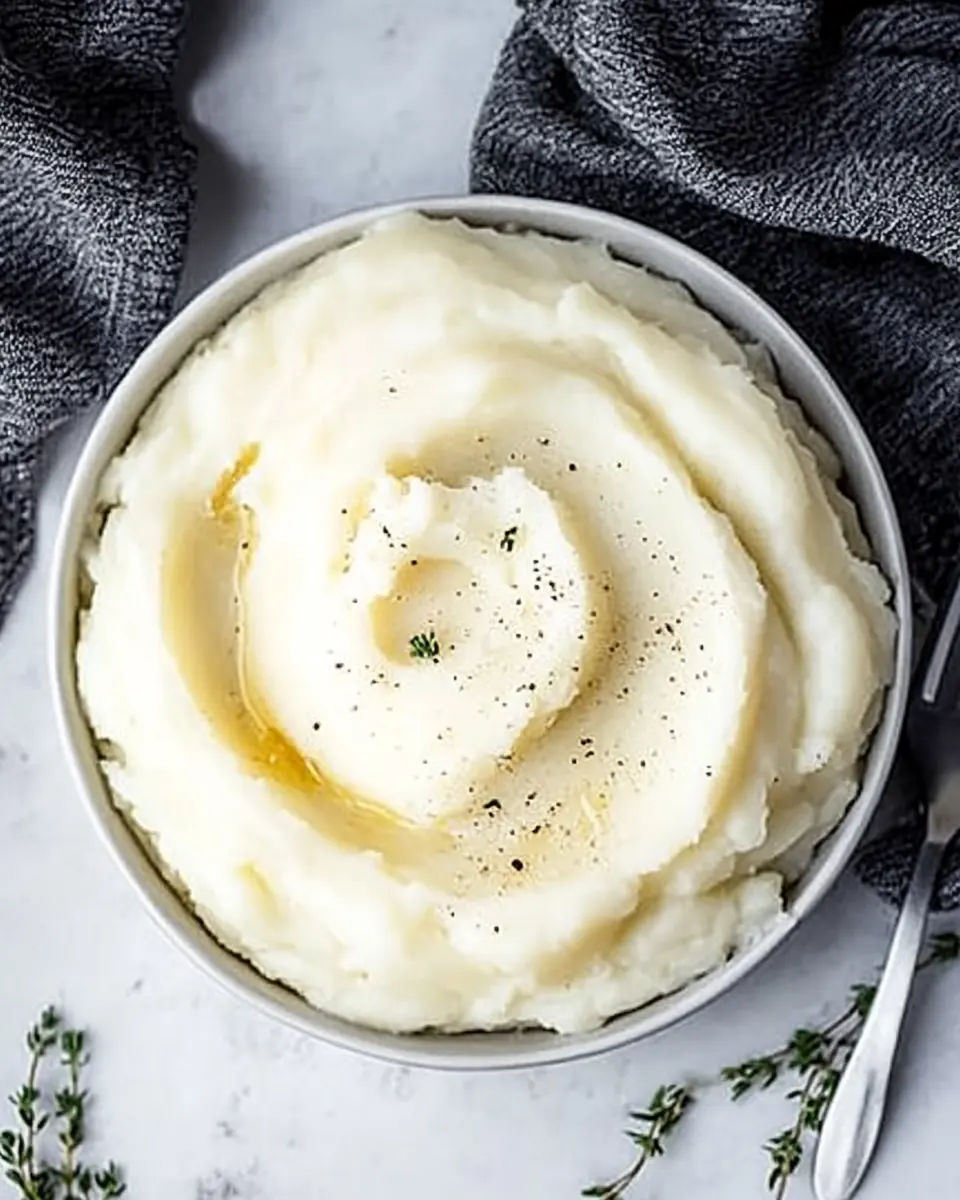
These directions will walk you through a few intentional choices that make a big difference to texture and flavor. Read them once, then follow step by step, keeping the sensory cues in mind so you know you are on track. The goal is a creamy, stable mash that holds its shape on a plate while remaining pillowy and warm.
- Bring a large pot of water to a boil.: There's a deep, reassuring sound when water approaches a rolling boil, and you should hear a steady, lively roar rather than a timid simmer. The reason we use abundant water is to keep the temperature stable when potatoes are added, preventing the pot from cooling and slowing the cooking, which can make centers gummy. A common mistake is starting potatoes in water that is barely simmering, which leads to uneven cooking, so wait for that full boil before adding anything.
- In the meantime, peel the potatoes and cut them into large chunks. Keep them in cold water if there's a large gap in time from cutting to cooking.: As you cut, the potatoes feel firm and a little dry; once submerged in cold water they stop darkening and release surface starch instead of clumping together. This step matters because exposed cut surfaces oxidize quickly, and the cold water preserves color and texture. Avoid letting them sit at room temperature for too long, or they will brown and pick up odd flavors.
- Season the boiling water with salt, add the potatoes, and cook for 12 to 15 minutes or just until tender. Do not under or overcook.: When salted water returns to a boil with the potatoes inside, you'll notice the aroma intensify slightly, and a knife should slide through the largest chunk with gentle resistance when they are done. Overcooking turns the structure to mush and invites waterlogged, grainy results, while undercooking leaves hard centers, so test early and often in the final minutes.
- In the meantime, add the cream and butter to a separate pot and cook over low heat until the butter is melted and the mixture is hot.: Warming the heavy whipping cream and unsalted butter together creates a smooth, cohesive liquid that will be absorbed readily by the potatoes. You should see small ripples on the surface and smell a sweet, dairy warmth as the butter melts. Hot dairy prevents shock cooling the potatoes, which can cause a stodgy texture, so keep the heat gentle and do not let it boil.
- Once the potatoes are cooked, drain them and return them to the pot they were cooked in.: Draining leaves you with a steaming pot that will continue to dry slightly, which is helpful for fluffy mash. Return to warm cookware because a cold bowl will sap heat and make folding in dairy more difficult. A common error is leaving drained potatoes in a colander where they cool too quickly, making the absorption of fats and cream uneven.
- Mash them using electric hand beaters or through a food mill.: The tactile feedback of mashing is key, you will hear a soft whir or rhythmic pounding and see the texture go from chunky to progressively smoother. A food mill gives the silkiest result, while hand beaters are fast and efficient; whichever you choose, avoid overbeating, which releases excess starch and produces gluey potatoes. Stop mashing when the mash holds soft peaks and is uniformly textured.
- Fold in the hot cream and butter, along with olive oil, salt, and white pepper.: Start by pouring a ribbon of the warmed dairy into the mashed potatoes and fold gently with a spatula, noticing how the mixture loosens and acquires a glossy sheen from the olive oil . The aroma should become richer and more layered as the fats emulsify with the potato. If you add the dairy cold, it can make the mash clump and feel heavy, so keep it warm and add gradually until you reach the desired consistency.
- Adjust the seasonings and serve with additional melted butter over top.: After tasting, you may hear a faint sizzle if you spoon a bit of extra melted butter onto the surface, and the visual cue of a glossy pool of butter invites immediate serving. Fine tune salt and ground white pepper to lift the flavors. A common misstep is over-salting at the end; season gently, taste, and remember warmth concentrates flavors, so err on the side of slightly underseasoned before adjusting.
Variations to Try
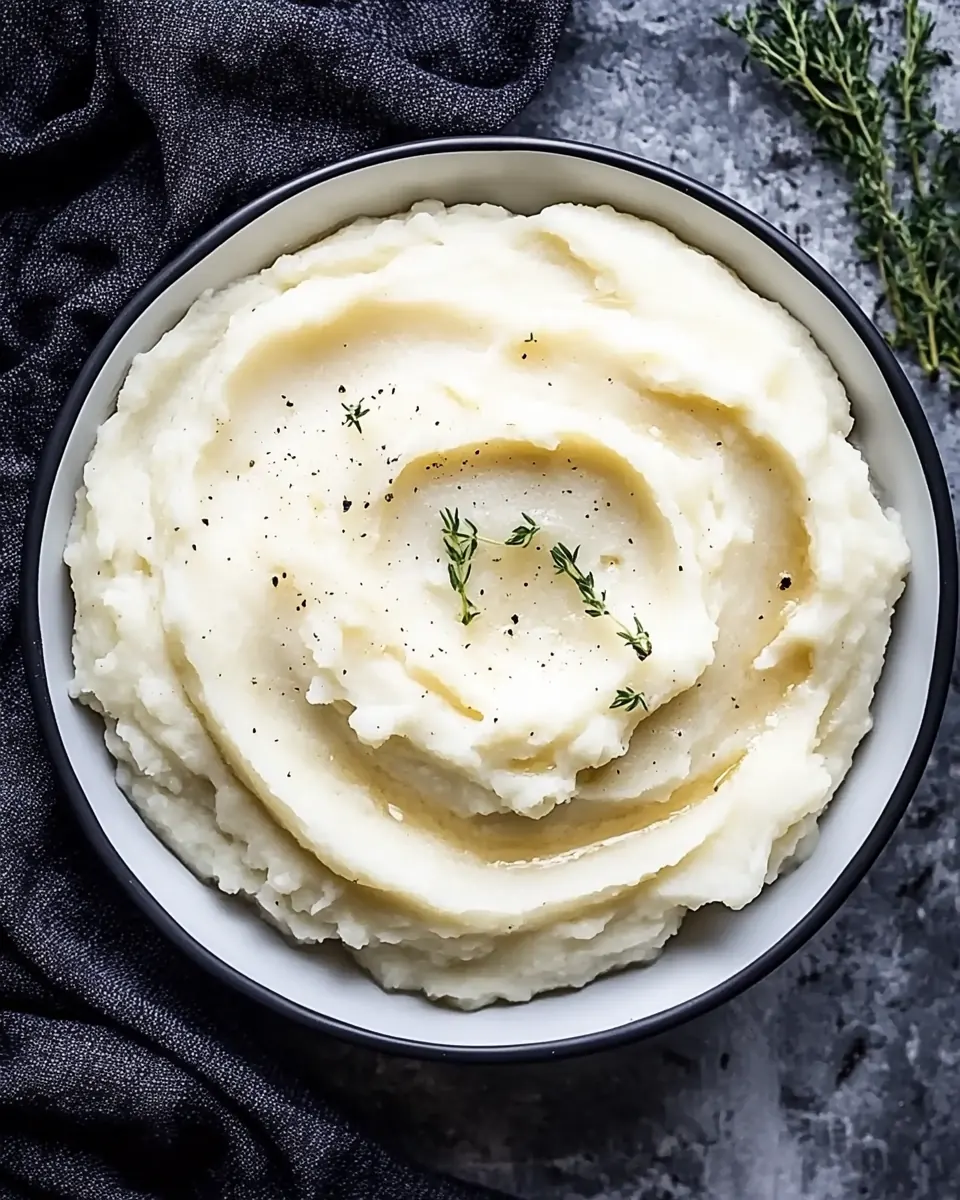
These variations let you tailor Creamy Mashed Potatoes to your mood and menu. Some are subtle texture shifts, others dial in extra flavor, and each one keeps the core technique the same so the results remain reliable.
- Silky Finish fold the warmed heavy whipping cream and unsalted butter through a food mill for the smoothest possible mash.
- Rustic Texture leave small patches of russet potatoes skin for visual interest and a pleasing bite while still keeping the creamy interior.
- Extra Shine stir in the olive oil at the end for a glossy finish and slightly lighter mouthfeel than butter alone provides.
- Temperature Holding make ahead and keep warm in a covered pot on low, or transfer to a slow cooker on the warm setting to preserve texture for service.
- Make Ahead cool completely, refrigerate in an airtight container, and reheat with a splash of warmed cream or a knob of butter to revive creaminess.
Serving This Creamy Mashed Potatoes
I serve Creamy Mashed Potatoes for many occasions, from weeknight dinners to holiday feasts. The dish pairs well with roasted mains and saucy vegetables, and it travels well for potlucks when kept warm in a covered dish. Below are detailed serving ideas, presentation options, and storage suggestions to help you plan.
- Classic Pairing present the mash alongside roasted meats or a saucy stew, spooning extra melted butter over the top for shine and flavor contrast.
- Weeknight Style serve with a simple vegetable and a protein for an easy weeknight dinner that still feels comforting and complete.
- Holiday Spread make a large batch to anchor a bigger table, and hold the potatoes on warm in a covered pot or slow cooker so they stay ready to serve.
- Portioning for gatherings, spoon into a warm serving bowl and garnish with a little melted butter and a sprinkle of white pepper so each guest can take the amount they prefer.
- Storage Tips cool fully then refrigerate in airtight containers for up to four days, or freeze for up to two months; to reheat, stir in warm cream or butter gently until creamy again.
FAQ
Conclusion
Creamy Mashed Potatoes stand out because they balance simplicity with technique to deliver a reliably silky, comforting side dish. The combination of warm dairy, butter, and a touch of oil creates a texture that is rich without being heavy, and the method protects against common mistakes like gluey or watery results. Give this version a try when you want dependable, crowd pleasing potatoes that pair well with many mains. Once you get the timing and temperature dialed in, this recipe will become a go to for weeknights and special meals alike.
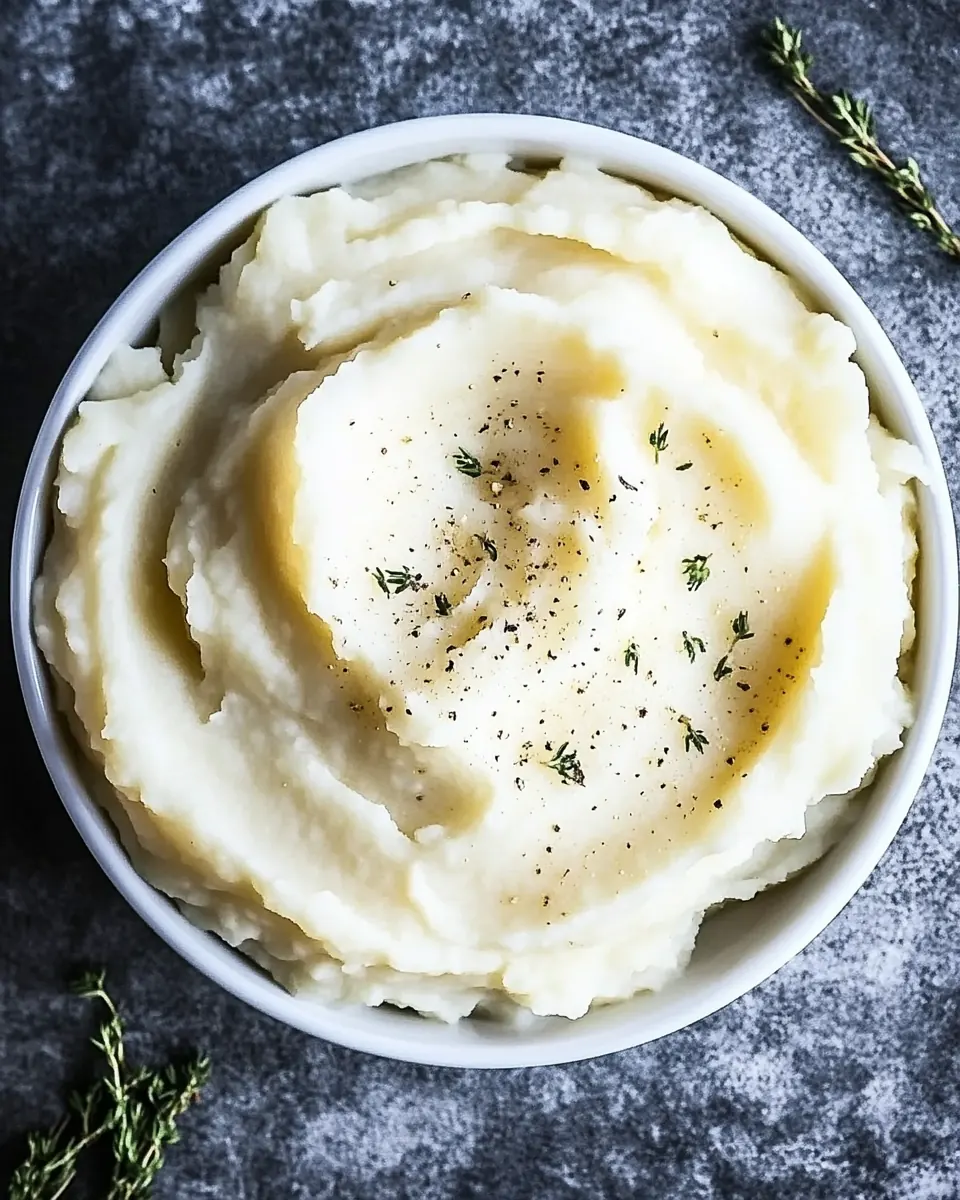
Creamy Mashed Potatoes
Ingredients
Equipment
Method
- Bring a large pot of water to a boil.: There's a deep, reassuring sound when water approaches a rolling boil, and you should hear a steady, lively roar rather than a timid simmer. The reason we use abundant water is to keep the temperature stable when potatoes are added, preventing the pot from cooling and slowing the cooking, which can make centers gummy. A common mistake is starting potatoes in water that is barely simmering, which leads to uneven cooking, so wait for that full boil before adding anything.
- In the meantime, peel the potatoes and cut them into large chunks. Keep them in cold water if there's a large gap in time from cutting to cooking.: As you cut, the potatoes feel firm and a little dry; once submerged in cold water they stop darkening and release surface starch instead of clumping together. This step matters because exposed cut surfaces oxidize quickly, and the cold water preserves color and texture. Avoid letting them sit at room temperature for too long, or they will brown and pick up odd flavors.
- Season the boiling water with salt, add the potatoes, and cook for 12 to 15 minutes or just until tender. Do not under or overcook.: When salted water returns to a boil with the potatoes inside, you'll notice the aroma intensify slightly, and a knife should slide through the largest chunk with gentle resistance when they are done. Overcooking turns the structure to mush and invites waterlogged, grainy results, while undercooking leaves hard centers, so test early and often in the final minutes.
- In the meantime, add the cream and butter to a separate pot and cook over low heat until the butter is melted and the mixture is hot.: Warming the heavy whipping cream and unsalted butter together creates a smooth, cohesive liquid that will be absorbed readily by the potatoes. You should see small ripples on the surface and smell a sweet, dairy warmth as the butter melts. Hot dairy prevents shock cooling the potatoes, which can cause a stodgy texture, so keep the heat gentle and do not let it boil.
- Once the potatoes are cooked, drain them and return them to the pot they were cooked in.: Draining leaves you with a steaming pot that will continue to dry slightly, which is helpful for fluffy mash. Return to warm cookware because a cold bowl will sap heat and make folding in dairy more difficult. A common error is leaving drained potatoes in a colander where they cool too quickly, making the absorption of fats and cream uneven.
- Mash them using electric hand beaters or through a food mill.: The tactile feedback of mashing is key, you will hear a soft whir or rhythmic pounding and see the texture go from chunky to progressively smoother. A food mill gives the silkiest result, while hand beaters are fast and efficient; whichever you choose, avoid overbeating, which releases excess starch and produces gluey potatoes. Stop mashing when the mash holds soft peaks and is uniformly textured.
- Fold in the hot cream and butter, along with olive oil, salt, and white pepper.: Start by pouring a ribbon of the warmed dairy into the mashed potatoes and fold gently with a spatula, noticing how the mixture loosens and acquires a glossy sheen from the olive oil . The aroma should become richer and more layered as the fats emulsify with the potato. If you add the dairy cold, it can make the mash clump and feel heavy, so keep it warm and add gradually until you reach the desired consistency.
- Adjust the seasonings and serve with additional melted butter over top.: After tasting, you may hear a faint sizzle if you spoon a bit of extra melted butter onto the surface, and the visual cue of a glossy pool of butter invites immediate serving. Fine tune salt and ground white pepper to lift the flavors. A common misstep is over-salting at the end; season gently, taste, and remember warmth concentrates flavors, so err on the side of slightly underseasoned before adjusting.
Notes
- Silky Finish fold the warmed heavy whipping cream and unsalted butter through a food mill for the smoothest possible mash.
- Rustic Texture leave small patches of russet potatoes skin for visual interest and a pleasing bite while still keeping the creamy interior.
- Extra Shine stir in the olive oil at the end for a glossy finish and slightly lighter mouthfeel than butter alone provides.
- Temperature Holding make ahead and keep warm in a covered pot on low, or transfer to a slow cooker on the warm setting to preserve texture for service.
- Make Ahead cool completely, refrigerate in an airtight container, and reheat with a splash of warmed cream or a knob of butter to revive creaminess.