Chickpea Carrot Salad Sandwich
Chickpea Carrot Salad Sandwich is one of those recipes I turn to when I want something bright, textured, and endlessly adaptable. The very first time I made it I was trying to use up a jar of cooked chickpeas and a lonely carrot in the crisper, and the result felt like a small triumph of pantry cooking, crunchy and creamy at once. I loved how the shredded carrot gave the filling a sweet, vegetal lift while the smashed chickpeas provided a satisfying, slightly nutty base that held everything together.
That afternoon I packed one into my lunchbox, and later that day the toasted bread still had that subtle crisp that made each bite sing. Since then I’ve made little tweaks depending on what I have on hand, and every version has kept the same steady charm. It makes a quick solo lunch, a reliable meal for two, or a simple offering when friends drop by. I often think of it as comfort with a sunny personality, something you can eat sitting at your kitchen table or folded into a picnic cloth.
I also appreciate how forgiving the recipe is. The combination of creamy binder and fresh vegetables means you can play with textures and flavors, while the core idea remains intact. I like to keep a jar of cooked chickpeas in the fridge for this very purpose. When life gets busy, building this sandwich is one of the fastest ways I can get a nourishing meal that still feels thoughtfully made.
Recipe Snapshot
10 mins
10 mins
0 mins
Easy
250 kcal
Mediterranean
Vegan, Gluten-Free
Salads
Fork, Small bowl, Toaster, Spoon
What Makes This Chickpea Carrot Salad Sandwich Special
Bright, simple flavors that sing
I love that the Chickpea Carrot Salad Sandwich balances creamy and crisp elements without fuss. The mashed chickpeas act like a neutral, hearty canvas, while the shredded carrot and diced vegetables add pops of freshness. That contrast makes every bite interesting, and you do not need complicated seasonings to make it feel complete.
Ready in minutes for busy days
One of the reasons I reach for this sandwich is how quickly it comes together. You can mash the chickpeas and toss the vegetables in the time it takes to toast the bread. For weeknight lunches or last minute guests, it is a reliable go to. I find the speed helps me eat better on hectic days, because it removes all the friction between craving and eating.
Useful for meal prep and leftovers
I often make a double batch of the salad and store it for up to two days. It keeps well in the fridge, and that makes weekday lunches effortless. When I pre portion it into containers, the routine of assembling sandwiches in the morning becomes delightfully quick, which is a habit that has saved me from many takeout temptations.
Textural satisfaction without meat
This sandwich proves you do not need meat to feel satisfied. The chickpeas provide substance, while the mayo and mustard render the mixture creamy and tangy. For anyone looking to eat less meat or try more plant forward meals, this is a recipe that delivers on fullness and flavor.
Flexible and forgiving
I am a big fan of recipes that let you improvise. This one welcomes small swaps and additions, while remaining true to its identity. You can tweak the crunch, add herbs, or change the bread and still end up with a sandwich that makes sense. That kind of flexibility keeps the recipe in heavy rotation for me.
What to Gather for Chickpea Carrot Salad Sandwich
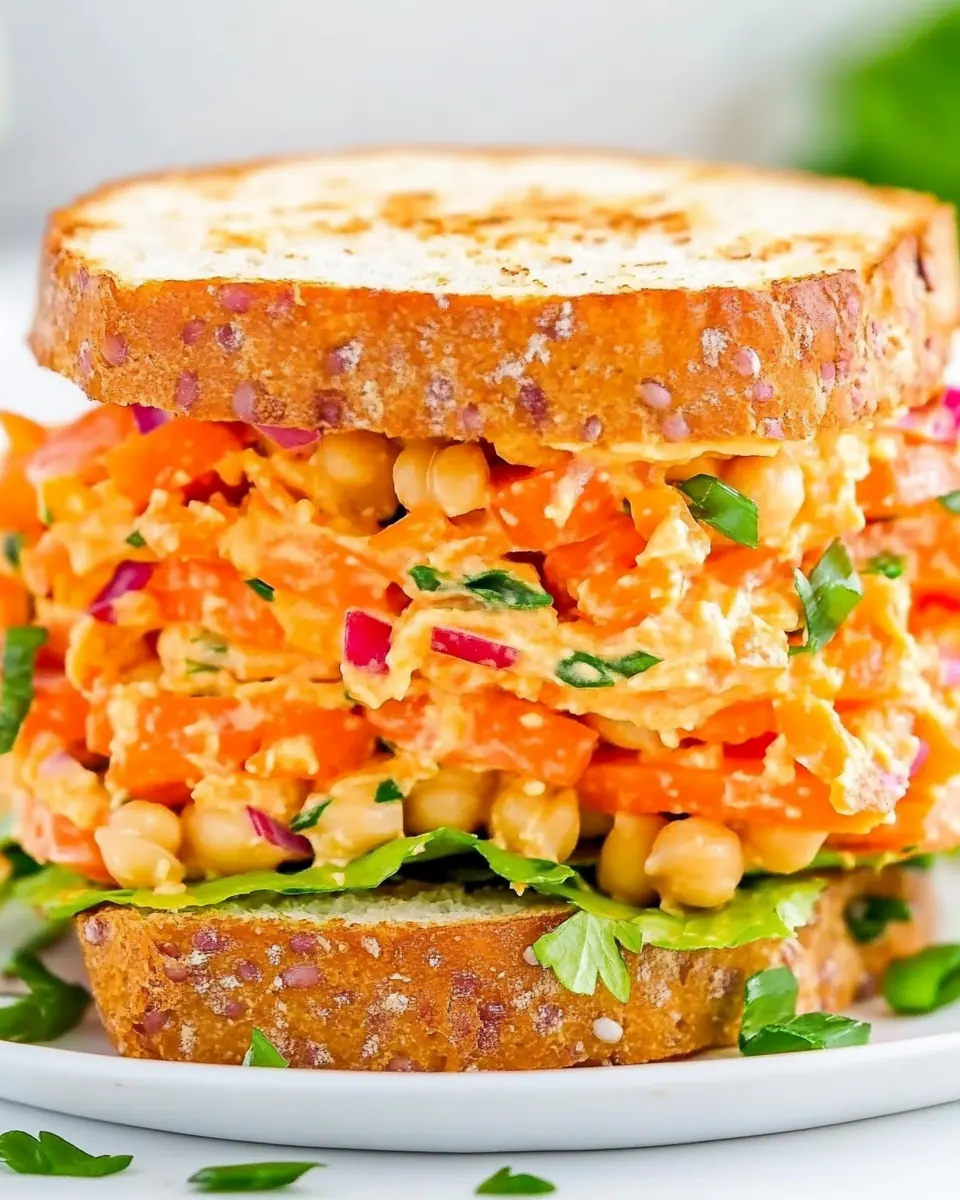
The ingredients for this sandwich are minimal but purposeful. Each item plays a role in texture or flavor, and together they create a balanced filling that is both creamy and crunchy. The chickpeas provide body, the vegetables bring brightness, and the mayo and mustard add cohesion and tang. The bread is the final piece that holds everything together and offers a satisfying contrast when toasted.
- 1/2 cup cooked chickpeas: Provides a creamy, protein-rich base and adds a hearty texture when roughly mashed or left whole; enhances satiety and absorbs dressing flavors to create the sandwich filling.
- 1/2 medium carrot, shredded: Adds crunchy sweetness and a fresh, slightly earthy bite when shredded; contributes moisture and color contrast while balancing creaminess from the spread.
- 1/2 small bell pepper, diced: Contributes crisp, juicy texture and a mild, slightly sweet flavor when diced; brightens the mix with vibrant color and a refreshing crunch.
- 3 4 cherry tomatoes, diced: Introduces juicy acidity and a subtle burst of sweetness when diced; helps lift the overall flavor profile and prevents the filling from tasting flat.
- 1/4 cup scallion, chopped: Imparts a mild oniony aroma and tender crunch when chopped finely; adds sharpness and freshness that cuts through creaminess in each bite.
- 1 tbsp . mayo regular or vegan: Provides creaminess and binds the chopped ingredients together; offers a smooth mouthfeel and a subtle tang depending on whether regular or vegan mayo is used.
- 1 tsp . Dijon mustard: Delivers a sharp, tangy note that brightens the filling and complements the mayo; helps balance richness and adds a gentle piquant undertone.
- salt and pepper to taste: Season to enhance and balance all flavors; use sparingly and adjust to taste to avoid overpowering the delicate vegetable notes.
- 2 slices whole grain bread: Serves as a wholesome vehicle to hold the filling and provide a satisfying, grainy base; contributes texture, structure, and additional fiber to the sandwich.
How to Assemble Chickpea Carrot Salad Sandwich
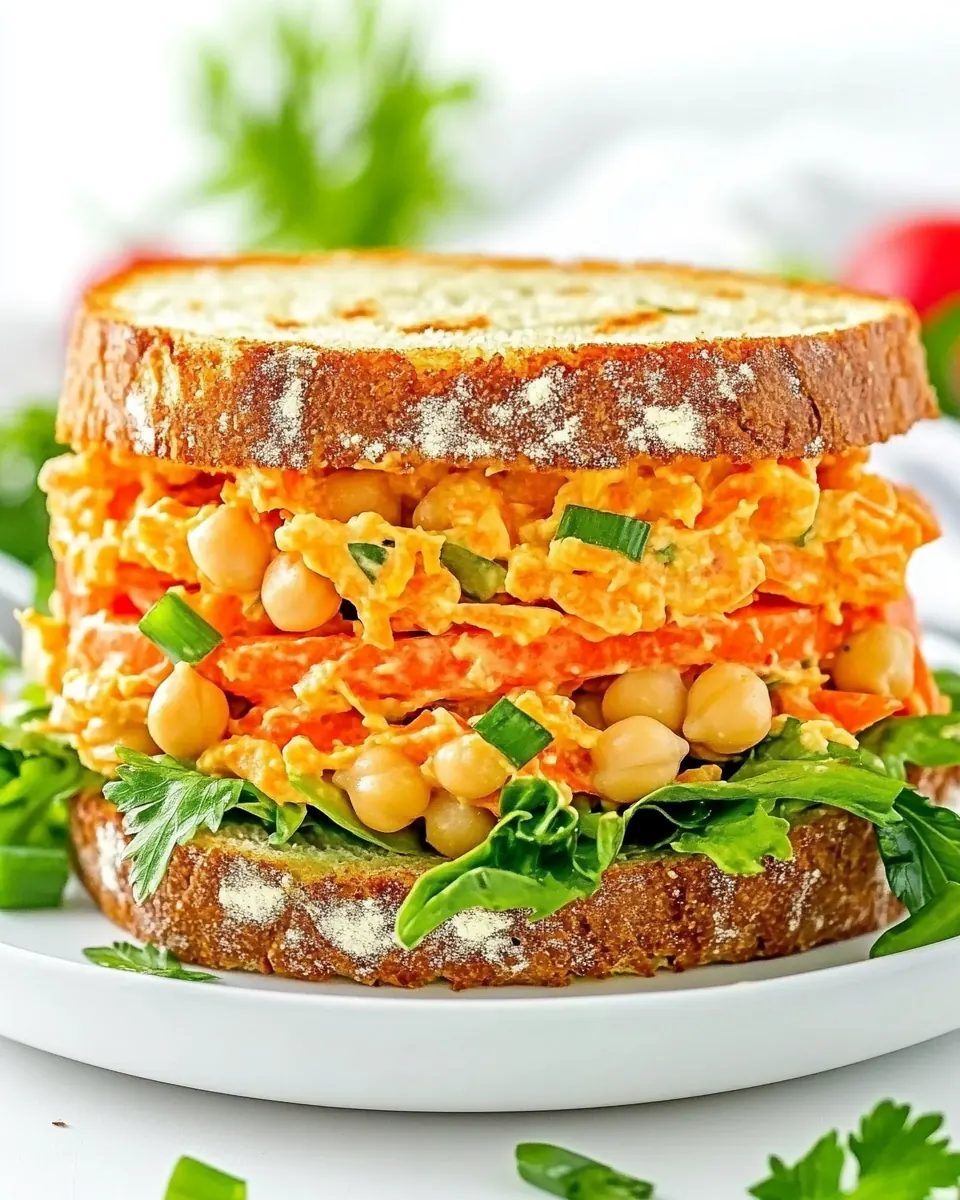
Putting this sandwich together is straightforward, but I like to approach assembly as a small ritual. Toasting the bread, mashing the chickpeas, and folding in the vegetables each contribute to a great final texture. Below I expand each direction into detailed guidance so you can nail every bite.
- Using a fork, mash the chickpeas in a small bowl. Then, add the vegetables in.: From the first press of the fork you will notice the chickpeas giving way to a creamy yet slightly chunky paste, releasing a warm, nutty aroma that feels comforting. As you mash, the sound is quiet and steady, and the surface will look broken down but not pureed, with some whole beans still visible. This texture is important because it gives the filling body, preventing it from becoming mushy. If you over mash, the salad can lose its desirable bite and become pasty. A common mistake is using a food processor which can make the mixture too smooth and reduce textural interest. Pause occasionally to scrape the bowl with a spoon so all the beans are evenly mashed, and stop when you see a mix of smashed bits and whole pieces that hold together when scooped.
- Add the mayo, mustard, salt, and pepper to the chickpeas and vegetables. Mix thoroughly.: As you add the shredded carrot , diced bell pepper, cherry tomatoes, and chopped scallion, you will notice a burst of color and a fresh vegetal scent that brightens the bowl. The carrot provides a crisp, slightly sweet contrast, while the bell pepper gives juicy pockets that pop. The scallion offers a subtle, onion like lift that ties flavors together. Fold the vegetables in gently so they remain distinct rather than breaking down into mush, which preserves the pleasing variety of textures. One misstep is adding overly wet tomatoes which can water down the mixture, so gently pat them dry if they look very juicy. Visually aim for a balanced spread of colors across the mash so each scoop has an appealing mix.
- Toast two slices of bread and spoon some of the chickpea salad onto one slice. Cover with the second slice and serve.: When you add the mayo and Dijon mustard , the bowl will transform as the dressing clings to the solids and creates a glossy coating. The mayo softens the edges while the mustard introduces a bright, tangy note that cuts through the richness. Sprinkle in the salt and pepper little by little, tasting between additions to avoid over seasoning. The aroma will become more rounded and inviting. Stirring should be thorough but gentle, so you do not bruise the vegetables. A common error is to overdress the salad which makes it runny; if that happens, add a bit more mashed chickpeas to absorb the excess moisture. The right balance results in a cohesive, scoopable mixture that holds its shape on a slice of bread.
- Mix thoroughly: As you mix, pay attention to the tactile feel of the salad in the bowl, it should be uniformly coated, not clumped in pockets. The sound is subtle, a soft shuffling as the fork or spoon moves through the ingredients, and visually you want the mixture to look evenly speckled with vegetables. Mixing well ensures each bite has a consistent flavor profile and prevents some pieces from being under seasoned. One pitfall is stirring too aggressively which can crush the vegetables and change the texture to something limp. If the salad seems dry after mixing, add a touch more mayo and blend until the texture is just moist enough to bind without being wet.
- Toast two slices of bread: Toasting the whole grain bread creates a warm, crisp surface that contrasts beautifully with the soft filling. The toasting releases a toasty scent and a slight caramelization on the crumb which enhances flavor. Aim for a golden brown level so the slices are sturdy enough to hold the salad without tearing. A common mistake is skipping the toast, which can result in a soggy sandwich because untoasted bread soaks up moisture quickly. If you prefer a little char, toast a touch longer, but watch closely since bread can go from golden to bitter in seconds.
- Spoon some of the chickpea salad onto one slice: When you spoon the salad, notice how it sits on the surface, slightly mounded and glossy from the dressing. Use a spoon or small spatula to place an even layer so each bite has a balanced filling to bread ratio. The visual cue is a neat mound that does not spill over the edges, and the sound is a soft plop as it lands. A common oversight is overfilling which leads to a messy sandwich that is hard to eat, so portion carefully. Press lightly with the back of the spoon to compact the filling a bit, ensuring it adheres to the bread.
- Cover with the second slice and serve: As you place the top slice of bread, the sandwich will compress slightly, the textures combining into a single, unified bite. The contrast between the crunchy toast and the creamy salad is most satisfying here. Cut the sandwich in half if you like, watching the cross section reveal the colorful mixture inside, and plate it so it keeps its structure. A mistake to avoid is wrapping it too tightly for storage which can steam the toast and soften it. Serve promptly for the best textural experience, and enjoy the layers of flavor rolling across your palate.
Making Adjustments
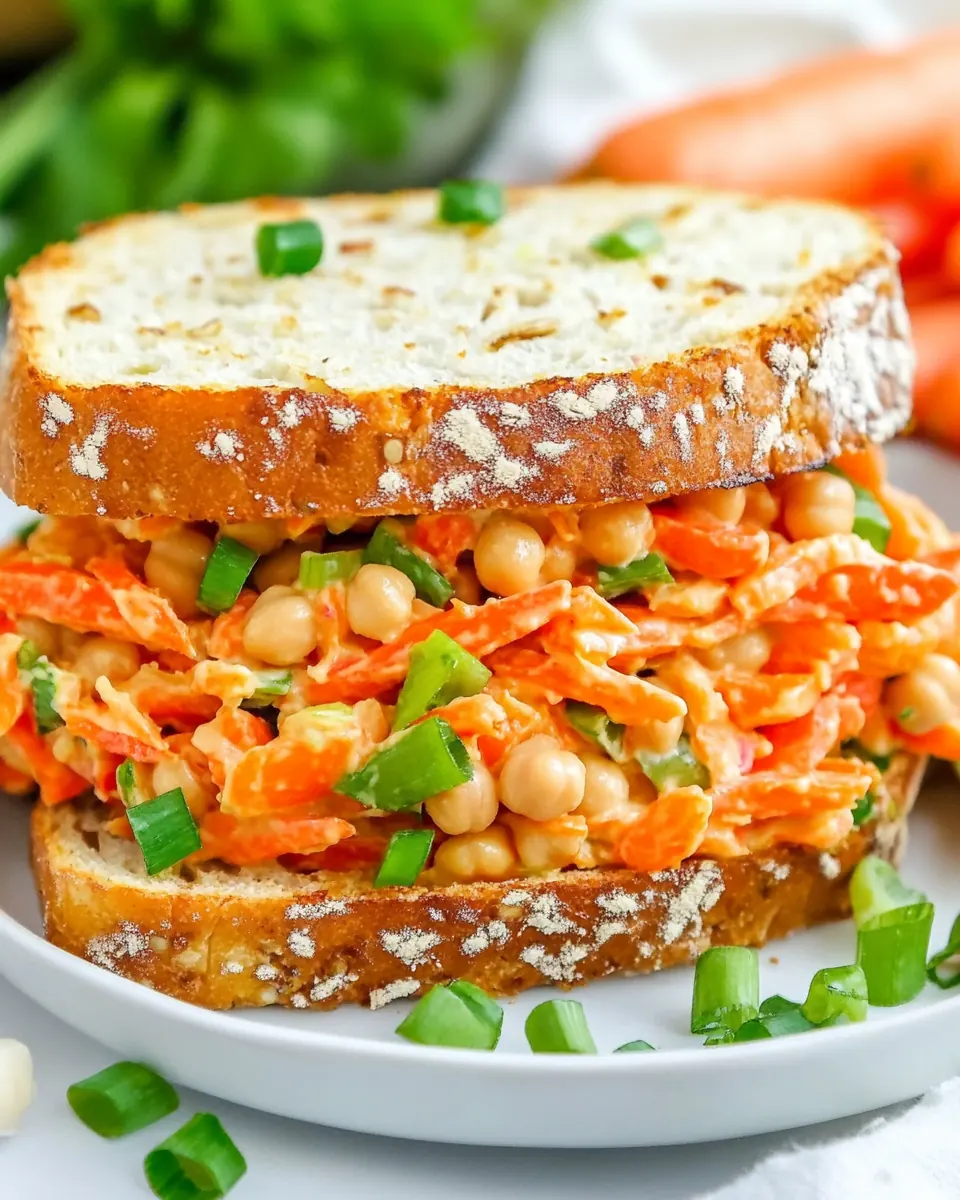
This sandwich is flexible, and these tips will help you adjust texture, flavor, and make ahead strategy. Below are the expanded notes from the original helpful tips section, adapted into actionable pointers so you can tailor the recipe to your needs.
- Toast the bread: Toasting adds crunch and prevents the bread from becoming soggy, so aim for a golden surface rather than a pale warming. If your toaster runs hot, watch closely to avoid charring which will impart a bitter taste.
- Use fresh greens if desired: Adding fresh spinach or kale can increase nutrients and add a leafy contrast, but chop or tear them into small pieces so they distribute evenly and do not overwhelm the texture.
- Chop vegetables evenly: Uniform pieces ensure every bite is well balanced, and it helps the salad maintain consistent moisture distribution so you do not get bursts of wet or overly dry pockets.
- Make in advance: The salad stores for up to two days in the fridge, so prepare ahead for quick lunches; keep the bread separate and assemble just before eating for the best texture.
- Adjust mayo amount to preference: If you prefer a lighter filling, reduce the mayo slightly and add a touch more mustard for tang, or use a vegan mayo if you want to avoid eggs.
- Manage tomato juiciness: If your cherry tomatoes are very ripe, remove seeds or pat them dry before adding so the salad does not become too wet.
Accompaniments for Chickpea Carrot Salad Sandwich
This sandwich pairs well with simple sides and fits many occasions from casual lunches to light dinners. Below I outline serving styles, side suggestions, and storage notes so you can build a complete plate around the sandwich.
- Fresh simple salad: Serve with a side of lightly dressed greens, such as baby spinach or mixed leaves tossed in a lemon vinaigrette to echo the sandwich brightness.
- Crunchy chips or crisps: A small portion of kettle cooked chips or whole grain crisps provides an enjoyable crunch that complements the creamy filling.
- Pickles or quick slaw: Tart pickles or a vinegar based slaw cut through the richness and add a tangy counterpoint that refreshes the palate between bites.
- Seasonal fruit: Slices of apple or a handful of grapes offer a sweet contrast that pairs nicely with the savory chickpea salad for a balanced meal.
- Occasion ideas: This sandwich works well for weekday lunches, picnic fare, or a light dinner. It is especially suitable for spring meals when crisp vegetables are in season.
- Storage tips: Keep the salad refrigerated in an airtight container for up to two days and store the toasted bread separately to preserve its texture; assemble just before serving for best results.
- Serving styles: For a casual presentation, cut the sandwich in half on the diagonal and stack on a plate, or serve open faced for a lighter portion size and pretty plating.
- Make ahead strategy: Prepare the chickpea salad in advance and portion into containers for quick assembly all week, adding bread and any delicate greens at serving time so they remain fresh.
- Pairing notes: Keep beverages light and refreshing, such as iced tea or sparkling water with a lemon wedge, to maintain the sandwich’s fresh profile.
- Portion guidance: For heartier eaters, serve with a larger side or add an extra slice of bread; for lighter appetites, offer half a sandwich alongside a cup of soup or salad.
FAQ
Conclusion
This recipe stands out because it combines simple pantry ingredients into a sandwich that is both satisfying and bright. The blend of mashed chickpeas, crisp vegetables, and a touch of mayo and mustard yields a texture and flavor that is comforting yet fresh. I encourage you to try making a batch and to experiment with small tweaks like different bread or extra greens, because it is hard to go wrong. It is a recipe that rewards small adjustments, and once you find your preferred balance, it will likely become a reliable, quick meal in your rotation. Enjoy the ease and the contrast of textures, and take pleasure in how a few humble ingredients can make a delicious lunch.
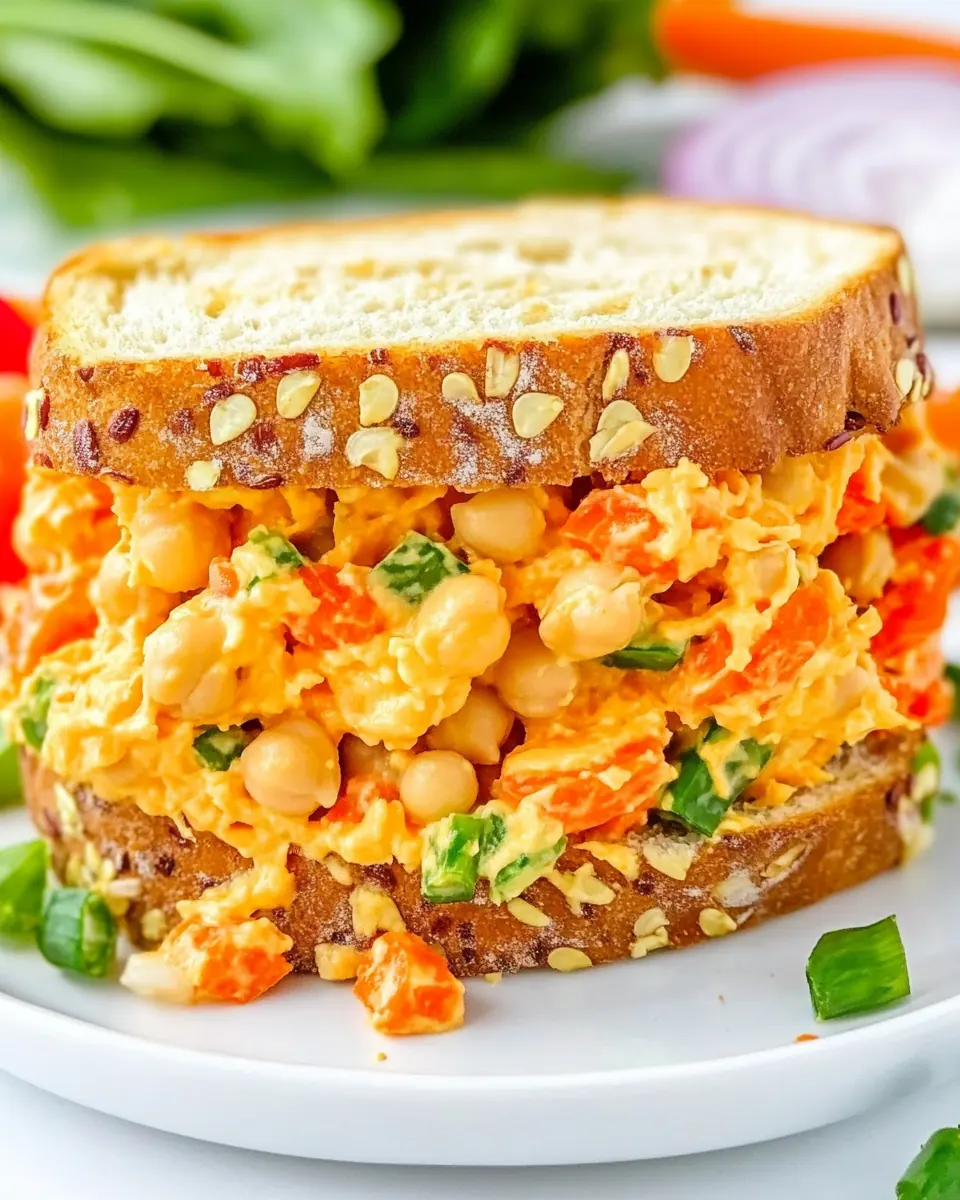
Chickpea Carrot Salad Sandwich
Ingredients
Equipment
Method
- Using a fork, mash the chickpeas in a small bowl. Then, add the vegetables in.: From the first press of the fork you will notice the chickpeas giving way to a creamy yet slightly chunky paste, releasing a warm, nutty aroma that feels comforting. As you mash, the sound is quiet and steady, and the surface will look broken down but not pureed, with some whole beans still visible. This texture is important because it gives the filling body, preventing it from becoming mushy. If you over mash, the salad can lose its desirable bite and become pasty. A common mistake is using a food processor which can make the mixture too smooth and reduce textural interest. Pause occasionally to scrape the bowl with a spoon so all the beans are evenly mashed, and stop when you see a mix of smashed bits and whole pieces that hold together when scooped.
- Add the mayo, mustard, salt, and pepper to the chickpeas and vegetables. Mix thoroughly.: As you add the shredded carrot , diced bell pepper, cherry tomatoes, and chopped scallion, you will notice a burst of color and a fresh vegetal scent that brightens the bowl. The carrot provides a crisp, slightly sweet contrast, while the bell pepper gives juicy pockets that pop. The scallion offers a subtle, onion like lift that ties flavors together. Fold the vegetables in gently so they remain distinct rather than breaking down into mush, which preserves the pleasing variety of textures. One misstep is adding overly wet tomatoes which can water down the mixture, so gently pat them dry if they look very juicy. Visually aim for a balanced spread of colors across the mash so each scoop has an appealing mix.
- Toast two slices of bread and spoon some of the chickpea salad onto one slice. Cover with the second slice and serve.: When you add the mayo and Dijon mustard , the bowl will transform as the dressing clings to the solids and creates a glossy coating. The mayo softens the edges while the mustard introduces a bright, tangy note that cuts through the richness. Sprinkle in the salt and pepper little by little, tasting between additions to avoid over seasoning. The aroma will become more rounded and inviting. Stirring should be thorough but gentle, so you do not bruise the vegetables. A common error is to overdress the salad which makes it runny; if that happens, add a bit more mashed chickpeas to absorb the excess moisture. The right balance results in a cohesive, scoopable mixture that holds its shape on a slice of bread.
- Mix thoroughly: As you mix, pay attention to the tactile feel of the salad in the bowl, it should be uniformly coated, not clumped in pockets. The sound is subtle, a soft shuffling as the fork or spoon moves through the ingredients, and visually you want the mixture to look evenly speckled with vegetables. Mixing well ensures each bite has a consistent flavor profile and prevents some pieces from being under seasoned. One pitfall is stirring too aggressively which can crush the vegetables and change the texture to something limp. If the salad seems dry after mixing, add a touch more mayo and blend until the texture is just moist enough to bind without being wet.
- Toast two slices of bread: Toasting the whole grain bread creates a warm, crisp surface that contrasts beautifully with the soft filling. The toasting releases a toasty scent and a slight caramelization on the crumb which enhances flavor. Aim for a golden brown level so the slices are sturdy enough to hold the salad without tearing. A common mistake is skipping the toast, which can result in a soggy sandwich because untoasted bread soaks up moisture quickly. If you prefer a little char, toast a touch longer, but watch closely since bread can go from golden to bitter in seconds.
- Spoon some of the chickpea salad onto one slice: When you spoon the salad, notice how it sits on the surface, slightly mounded and glossy from the dressing. Use a spoon or small spatula to place an even layer so each bite has a balanced filling to bread ratio. The visual cue is a neat mound that does not spill over the edges, and the sound is a soft plop as it lands. A common oversight is overfilling which leads to a messy sandwich that is hard to eat, so portion carefully. Press lightly with the back of the spoon to compact the filling a bit, ensuring it adheres to the bread.
- Cover with the second slice and serve: As you place the top slice of bread, the sandwich will compress slightly, the textures combining into a single, unified bite. The contrast between the crunchy toast and the creamy salad is most satisfying here. Cut the sandwich in half if you like, watching the cross section reveal the colorful mixture inside, and plate it so it keeps its structure. A mistake to avoid is wrapping it too tightly for storage which can steam the toast and soften it. Serve promptly for the best textural experience, and enjoy the layers of flavor rolling across your palate.
Notes
- Toast the bread: Toasting adds crunch and prevents the bread from becoming soggy, so aim for a golden surface rather than a pale warming. If your toaster runs hot, watch closely to avoid charring which will impart a bitter taste.
- Use fresh greens if desired: Adding fresh spinach or kale can increase nutrients and add a leafy contrast, but chop or tear them into small pieces so they distribute evenly and do not overwhelm the texture.
- Chop vegetables evenly: Uniform pieces ensure every bite is well balanced, and it helps the salad maintain consistent moisture distribution so you do not get bursts of wet or overly dry pockets.
- Make in advance: The salad stores for up to two days in the fridge, so prepare ahead for quick lunches; keep the bread separate and assemble just before eating for the best texture.
- Adjust mayo amount to preference: If you prefer a lighter filling, reduce the mayo slightly and add a touch more mustard for tang, or use a vegan mayo if you want to avoid eggs.
- Manage tomato juiciness: If your cherry tomatoes are very ripe, remove seeds or pat them dry before adding so the salad does not become too wet.