Chopped Kale Salad
Chopped Kale Salad has been one of those recipes I turn to when I want something bright, crunchy, and reliably satisfying. The first time I made it I remember bringing a bowl to a neighbor’s potluck, watching people come back for seconds, and realizing how a few humble ingredients can sing together. Over time I adjusted the balance of tang and sweet until it felt just right for my palate, and now it is a regular on my table whenever I want something fresh yet hearty.
I grew up around heavy, creamy salads, and it took me a while to appreciate the rustic chew of kale. Massaging the leaves with a drizzle of extra virgin olive oil changed my mind, turning firm ribbons into silkier, more inviting greens. I love serving this at casual dinners because it travels well, and I’ve learned to pack the dressing separately when I know it will sit for a while. Little rituals, like toasting sliced almonds until they perfume the kitchen, make this feel like a full sensory experience rather than a simple side.
On busy weeknights this salad is my go to for a quick, nutrient dense dish. The interplay of crisp red cabbage, sweet dried cranberries, and crunchy carrots keeps every bite interesting. I often think of it as a mood lifter, something that brightens a plate and pairs beautifully with a variety of mains. You can make it ahead, but I usually toss the dressing in at the last minute so textures stay vivid and distinct.
Recipe Snapshot
15 mins
15 mins
0 mins
Easy
250 kcal
American
Paleo, Gluten-Free
Salads
Large Bowl, Small Bowl, Whisk, Dry Skillet
What We Adore About This Chopped Kale Salad
Bright, balanced flavor
I love how Chopped Kale Salad layers acidity, sweetness, and a little savory bite. The lemon juice and balsamic vinegar wake up the palate, while the honey gently rounds the edges, so each forkful feels lively and complete.
Texture heaven
There is real joy in the contrast here. Chewy, massaged kale meets crunchy sliced almonds and crisp red cabbage, with the shredded carrots adding a tender snap. That variety keeps every bite interesting, and I often find guests remarking on the satisfying mouthfeel.
Make ahead friendly
Because you can massage the greens and keep the dressing separate until serving, this salad travels well and holds up to being prepped in advance. I’ll often toss everything together just before serving to preserve crunch, which makes entertaining low stress and enjoyable.
Nutrient dense and versatile
This is one of those dishes that feels wholesome without being fussy. With the hearty kale and a handful of pantry staples like olive oil and almonds, it’s a reliable source of vitamins and texture. I like that it works at casual lunches, potlucks, or as a composed side at dinner.
Easy to personalize
While I keep the base consistent, small changes like adjusting the honey for extra sweetness or swapping more lemon juice for brightness let you tailor the salad to your guests. It’s flexible without losing its character.
What Goes Into Chopped Kale Salad
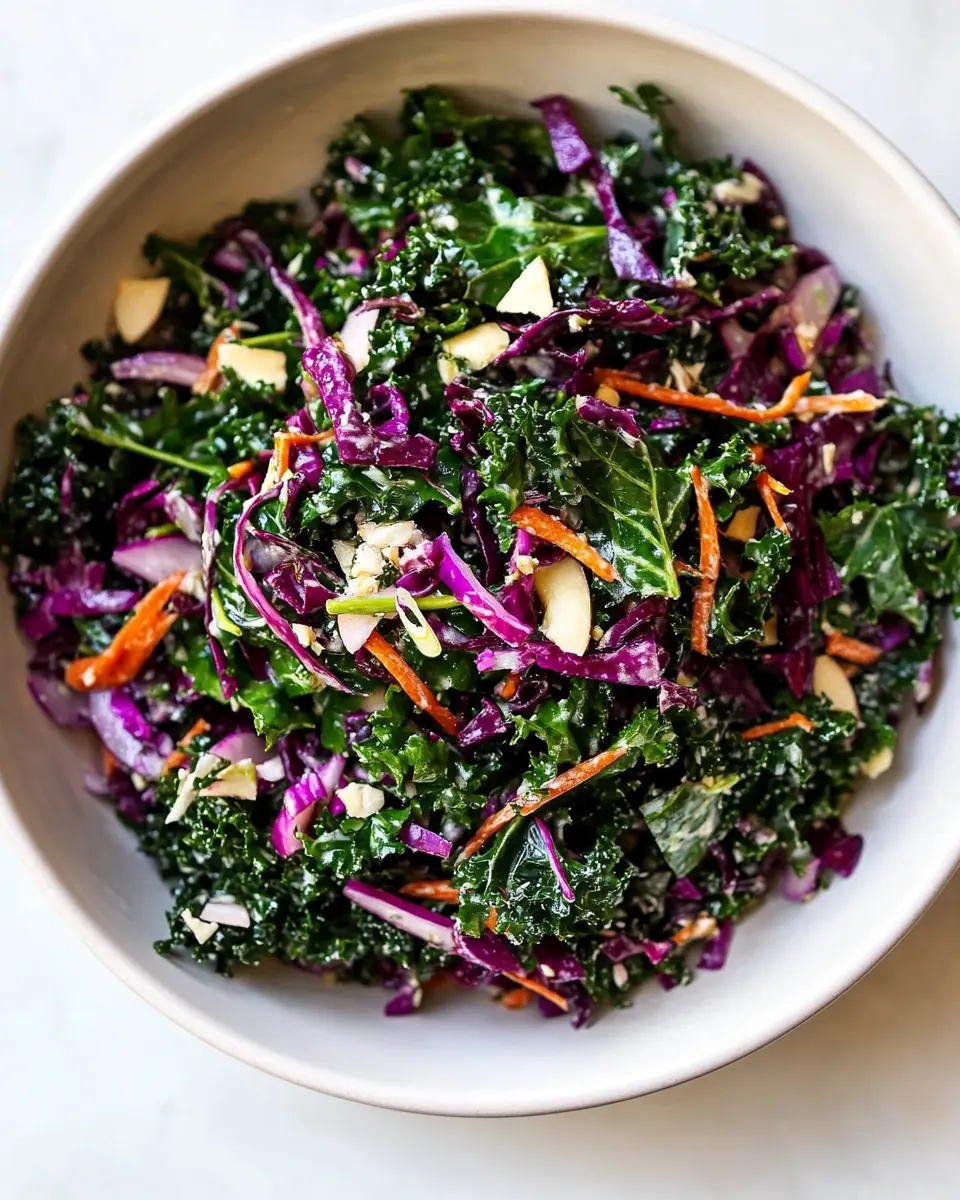
I approach these ingredients with a simple philosophy: balance bold greens with textural contrasts and a lively dressing. The key players are the sturdy kale that stands up to a bright dressing, the crunchy sliced almonds for toasty depth, and the chewy dried cranberries for a sweet note. Each element is chosen to support the others so the salad is flavorful and keeps well.
- 1/3 cup extra-virgin olive oil plus more for massaging kale: Enhance flavor and mouthfeel by providing a rich, fruity base fat that carries and melds other dressing components; used both in the vinaigrette and sparingly to massage the kale to soften fibers and add sheen. Balance peppery kale by selecting a high-quality extra–virgin olive oil for a brighter finished salad, and add more as needed when massaging to achieve tender, vibrant leaves.
- 1/4 cup fresh lemon juice: Add bright acidity and fresh citrus brightness to the dressing, helping to cut through the oil and enliven the greens; lemon juice also helps tenderize kale slightly during massaging. Use freshly squeezed juice for the cleanest flavor, and adjust amount to maintain a lively, balanced vinaigrette.
- 1 tablespoon balsamic vinegar: Contribute mellow tang and subtle sweetness to the dressing while deepening the overall flavor profile; balsamic vinegar provides rounded acidity that complements lemon without overpowering it. Use a small amount to add complexity and a slightly glossy finish to the vinaigrette.
- 1 teaspoon Dijon mustard: Stabilize and emulsify the vinaigrette while adding a sharp, savory note; Dijon mustard helps bind oil and acid into a cohesive dressing. Whisk thoroughly to create a smooth emulsion and use a measured teaspoon to avoid overwhelming the delicate flavors of the salad.
- 1 tablespoon honey plus more to taste: Deliver gentle sweetness and help balance acidity and bitterness in the dressing; honey also provides viscosity that aids emulsification and mouthfeel. Start with the specified tablespoon and add additional honey to taste if the dressing needs softening or rounding.
- Kosher salt and freshly ground black pepper to taste: Season and harmonize all components by enhancing natural flavors and controlling taste balance; kosher salt brings out sweetness and savory notes while black pepper adds mild heat and aromatic depth. Add gradually and taste as you go to avoid over-salting and ensure a well-rounded seasoning profile.
- 2 bunches kale stems removed and finely chopped (about 8 cups): Provide hearty, leafy bulk with a robust texture and earthy, slightly bitter flavor that stands up to the bold dressing; stems should be removed and leaves finely chopped for tender, easy-to-eat bites. Massage chopped kale with a little oil and acid to break down toughness and produce a more palatable, silky texture.
- 3/4 cup red cabbage finely chopped: Introduce color, crunch, and a mild, peppery bite that contrasts with the kale; finely chopped red cabbage also adds nutritional fiber and visual appeal. Combine with the other vegetables to create varied texture and a vibrant look that enhances overall salad interest.
- 1 cup shredded carrots: Add natural sweetness, crispness, and a tender crunch with bright orange color that complements the cabbage and kale; shredded carrots also contribute beta-carotene and fresh, vegetal flavor. Distribute evenly to ensure each forkful includes a hint of sweetness and textural variety.
- 1/2 cup toasted sliced almonds: Provide nutty flavor, satisfying crunch, and a toasty aroma that elevates the salad’s texture; sliced almonds toasted until golden add richness and complexity. Sprinkle toward the end to preserve crunch, and consider lightly chopping if smaller bites are preferred.
- 1/3 cup dried cranberries: Offer concentrated bursts of sweet-tart flavor and chewy texture that contrast with crunchy elements; dried cranberries add fruity brightness and a pleasing chew. Scatter evenly so their sweetness balances the savory and bitter notes throughout the salad.
The Process for Making Chopped Kale Salad
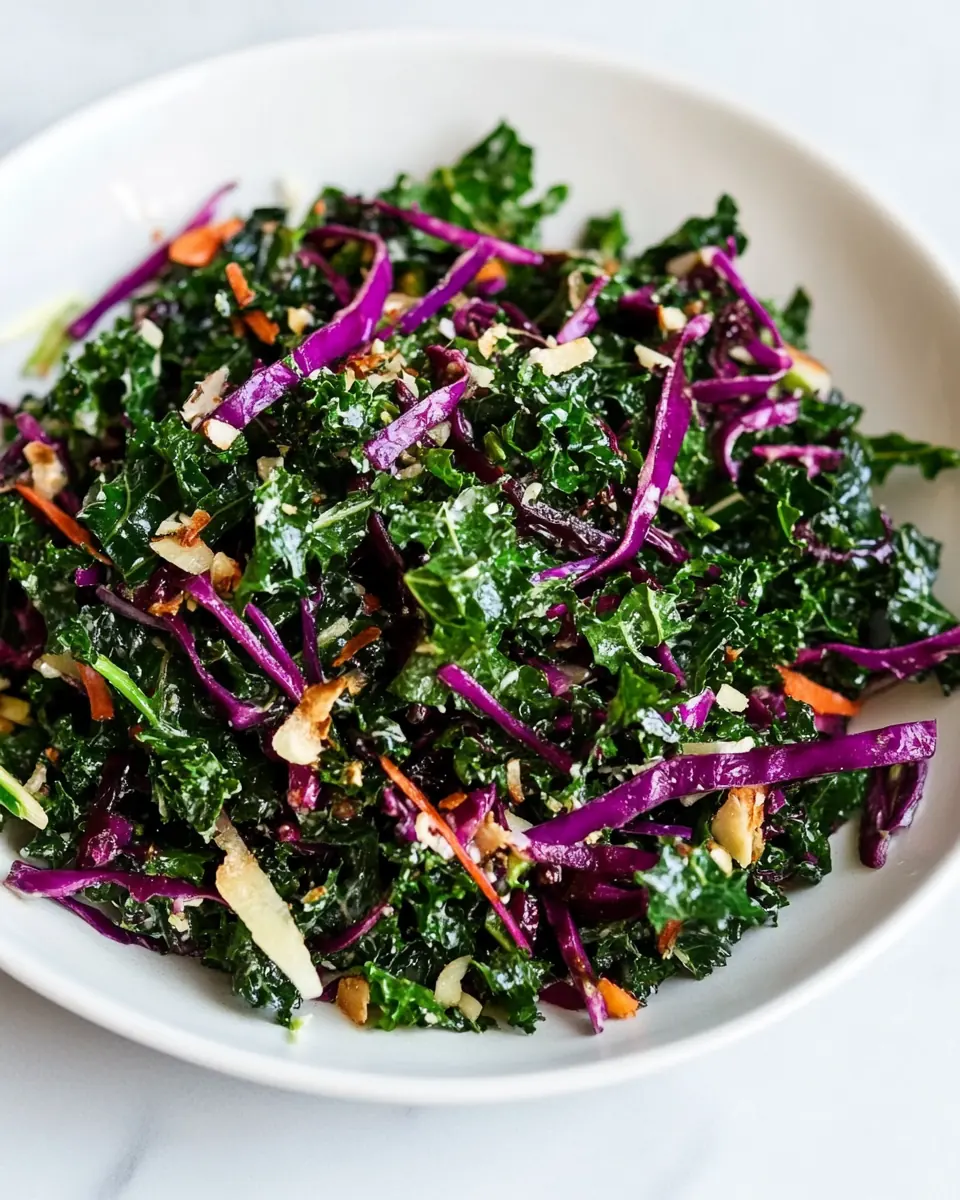
This salad comes together quickly, and the process rewards a little attention to detail. Below I walk through each step with sensory cues and troubleshooting tips so you can get consistent results every time.
- In a small bowl, whisk together the extra-virgin olive oil, fresh lemon juice, balsamic vinegar, Dijon mustard, honey, and a pinch of salt and pepper. If needed, add more salt or honey to reach your desired taste.: The dressing should smell bright and slightly sweet, with the citrus and vinegar immediately noticeable. Whisking vigorously creates a slightly emulsified texture where the oil shines and clings to a whisk, giving a glossy finish. This emulsion matters because it helps the dressing coat the kale evenly rather than pooling at the bottom. A common mistake is under-whisking, which leaves the oil separated and the salad looking oily rather than well dressed.
- Place the chopped kale in a large bowl. Drizzle lightly with olive oil and sprinkle a pinch of salt. Massage the kale with your fingers until it softens.: Taste the dressing and let your palate guide you, noting the balance between tart, sweet, and savory. You should be able to detect the brightness of the lemon juice , the rounded tang of the balsamic vinegar , and a faint sweetness from the honey . Adjust in small increments, because large additions can throw the balance off. Over seasoning, especially with salt, is easy to do; if you suspect that happened, add a bit more olive oil or a squeeze of lemon juice to temper it.
- Add the red cabbage and shredded carrots to the massaged kale. Pour the dressing over the vegetables and toss well. Top with toasted sliced almonds and dried cranberries, mix gently, and serve.: The bowl should be big enough to toss without spilling, and you will notice the raw kale is dense and slightly coarse to the touch. The leaves will look voluminous at first, but they will wilt down as you work them. Choosing a roomy bowl helps you massage and then toss the salad comfortably without bruising the leaves unevenly.
- Drizzle lightly with olive oil and sprinkle a pinch of salt: The initial drizzle and salt begin the softening process and season the leaves from within. As you feel the texture change under your fingers, you will see the leaves darken slightly, signaling they are breaking down. Resist adding too much oil at this stage because you can always dress later, and excess oil can leave the greens heavy.
- Massage the kale with your fingers until it softens: The massage should take a few minutes, and you will notice the leaves become more pliable, fragrant, and slightly glossy. Use a firm but gentle motion, pressing and rubbing the leaves; the sound is muted, but the visual cue is the color deepening and the volume reducing. This step is essential because it transforms sturdy kale into a tender base that is pleasant to eat. A typical error is rushing the massage, which leaves the leaves tough and bitter.
- Add the red cabbage and shredded carrots to the massaged kale: As you fold the crisp red cabbage and shredded carrots in, listen for a soft, dry rustle, and notice how the colors combine into an appealing medley. These vegetables contribute both structural crunch and sweetness, and adding them after massaging preserves their texture. Be mindful not to over mix vigorously, or you may bruise the softer greens.
- Pour the dressing over the vegetables and toss well: When the dressing hits the bowl the aroma will lift, and you'll see a light, even sheen on the leaves when tossed correctly. Use tongs or clean hands to fold the salad gently so every piece gets coated. The visual cue is uniform gloss and no large pools of dressing in the bottom. A common pitfall is overdressing, which can make the salad soggy; start with less and add more if needed.
- Top with toasted sliced almonds and dried cranberries: Scatter the warm, fragrant sliced almonds and jewel like dried cranberries over the salad to add contrasting texture and sweetness. The almonds should have a nutty perfume and a satisfying crunch, while the cranberries add chew and color. Adding them at the end preserves their texture, and if you toss too vigorously after adding, you risk breaking the almonds.
- Mix gently, and serve: Give the salad one final gentle fold so the toppings distribute evenly without softening the almonds or crushing the cranberries. Serve immediately for the best texture, noticing the layered textures and the way the dressing clings to each ingredient. If you need to hold the salad, keep the dressing separate and toss just before serving to maintain crispness. A common slip is leaving the salad dressed too long, which will result in limp vegetables and less contrast.
Ways to Customize
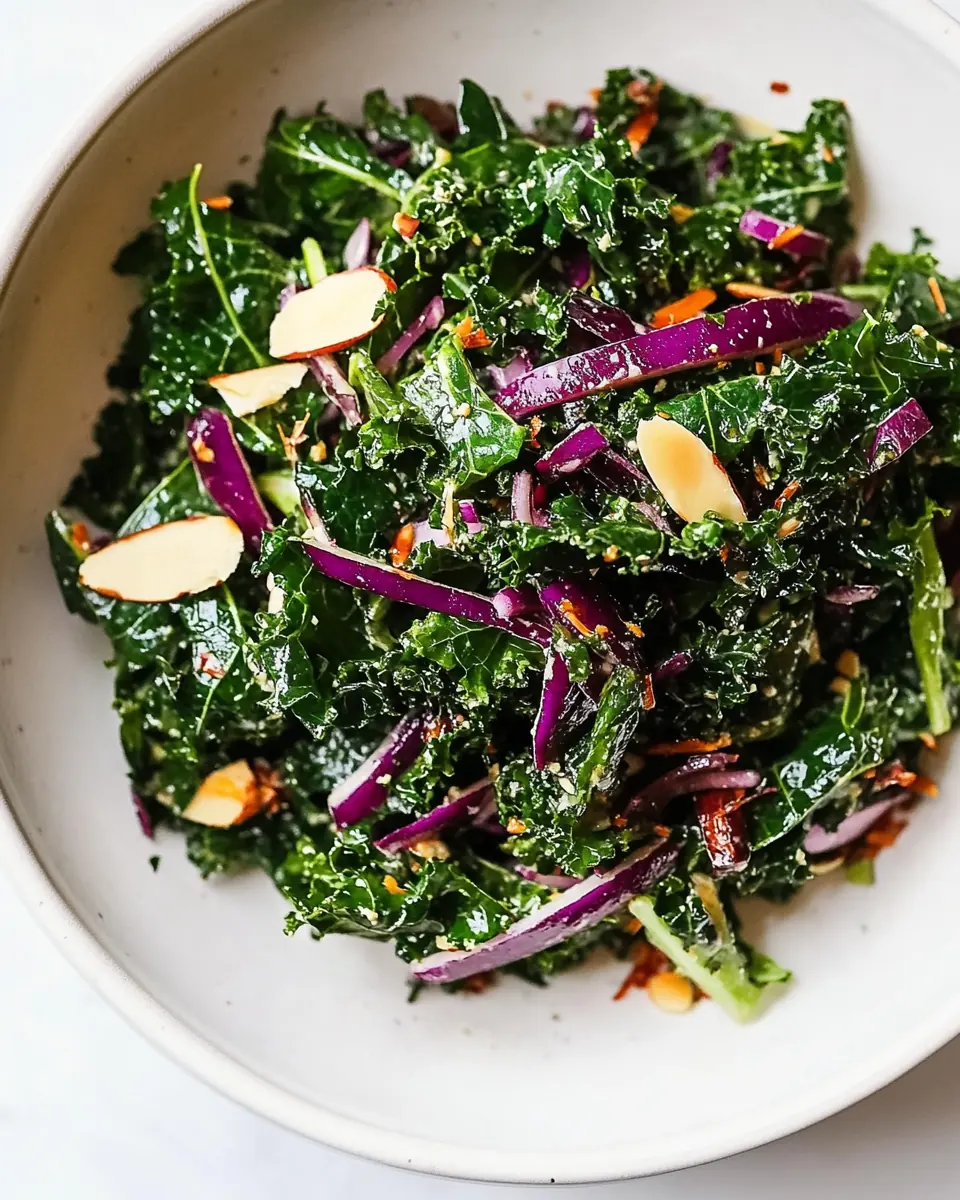
This salad is a wonderful template for small adjustments that change the mood or emphasis. Below are practical ways I like to tweak it for different occasions, each starting with a bold prompt to guide you.
- Boost the citrus: Increase the lemon juice by a tablespoon for extra brightness, which works well if you pair the salad with richer mains and want a sharper counterpoint.
- Adjust the sweetness: Add an additional teaspoon of honey if you prefer a sweeter profile, especially useful when serving to kids or balancing particularly tart lemon juice.
- Make it ahead: Massage the kale and store it separately from the dressing for up to two days, then toss right before serving to preserve crunch and color.
- Warm the almonds: Toast the sliced almonds just before serving to amplify their aroma and crunch; the warm nuts add a cozy contrast to the cool salad.
- Plump the cranberries: If your dried cranberries are very dry, soak them briefly in warm water, drain well, and add to the salad for juicier bites.
Best Served With
This salad pairs beautifully with a variety of meals and occasions. Below I describe serving ideas, occasions, and storage notes to help you plan the perfect pairing.
- As a weeknight side: Serve alongside roasted chicken or a simple grain bowl for a balanced, quick dinner that feels composed and fresh.
- For potlucks and gatherings: Transport the components separately and toss together upon arrival to keep textures lively and presentable.
- Seasonal pairing: This salad works well in spring through fall, and because it is listed as All Year it is versatile enough for most menus where fresh greens are welcome.
- Storage tips: Store the dressed salad in an airtight container in the fridge for up to one day, but keep the dressing separate if you need longer storage to preserve crunch.
- Occasion suggestions: Ideal for casual lunches, brunches, or as a colorful side for holiday meals that feature roasted mains.
FAQ
Conclusion
Chopped Kale Salad shines because it balances bold greens with crunchy and sweet contrasting elements, resulting in a satisfying, make ahead friendly dish. I encourage you to try it for a weeknight side or bring it to your next gathering, because the textures and bright dressing consistently win over skeptics. It is approachable, forgiving, and full of fresh flavor, which makes it a reliable addition to your recipe rotation.
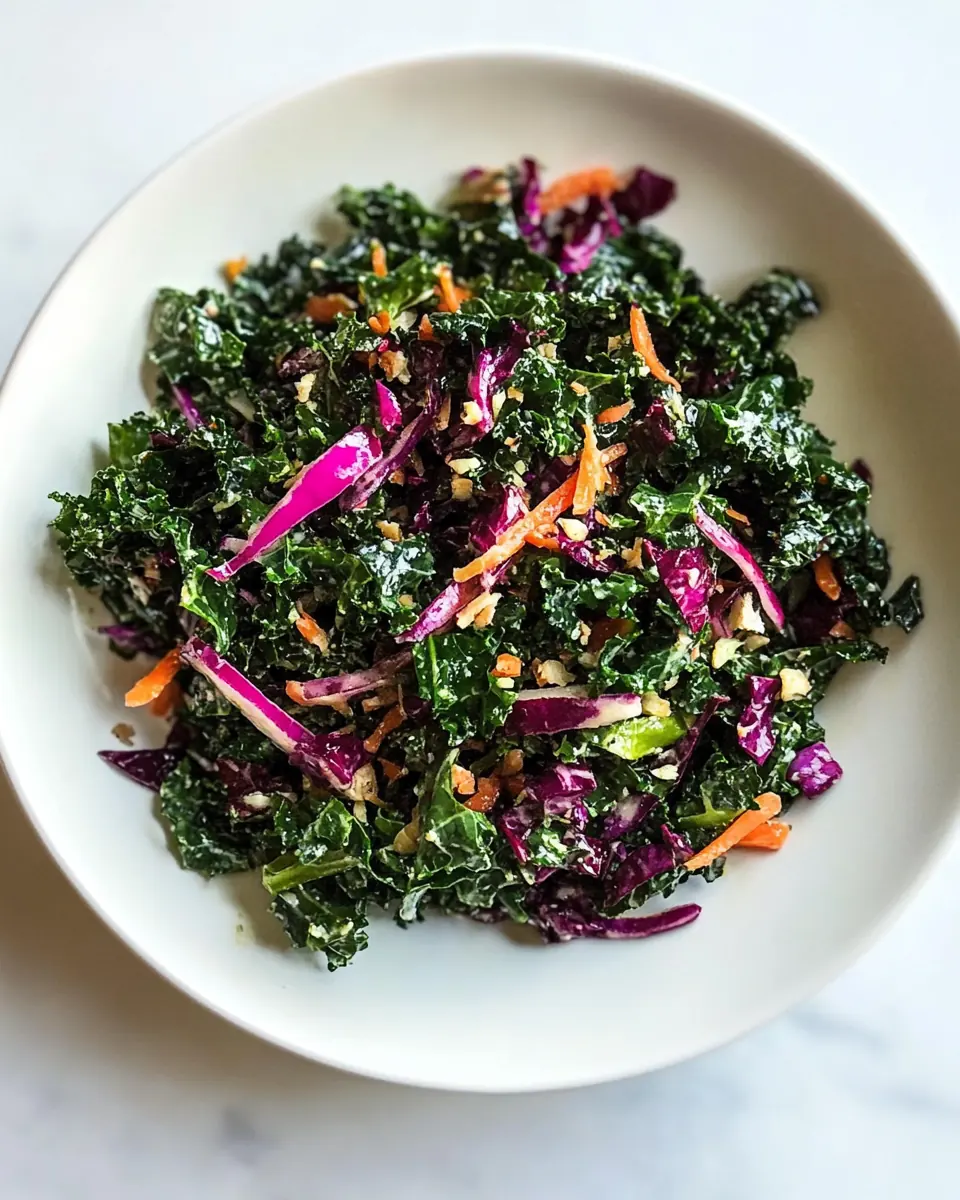
Chopped Kale Salad
Ingredients
Equipment
Method
- In a small bowl, whisk together the extra-virgin olive oil, fresh lemon juice, balsamic vinegar, Dijon mustard, honey, and a pinch of salt and pepper. If needed, add more salt or honey to reach your desired taste.: The dressing should smell bright and slightly sweet, with the citrus and vinegar immediately noticeable. Whisking vigorously creates a slightly emulsified texture where the oil shines and clings to a whisk, giving a glossy finish. This emulsion matters because it helps the dressing coat the kale evenly rather than pooling at the bottom. A common mistake is under-whisking, which leaves the oil separated and the salad looking oily rather than well dressed.
- Place the chopped kale in a large bowl. Drizzle lightly with olive oil and sprinkle a pinch of salt. Massage the kale with your fingers until it softens.: Taste the dressing and let your palate guide you, noting the balance between tart, sweet, and savory. You should be able to detect the brightness of the lemon juice , the rounded tang of the balsamic vinegar , and a faint sweetness from the honey . Adjust in small increments, because large additions can throw the balance off. Over seasoning, especially with salt, is easy to do; if you suspect that happened, add a bit more olive oil or a squeeze of lemon juice to temper it.
- Add the red cabbage and shredded carrots to the massaged kale. Pour the dressing over the vegetables and toss well. Top with toasted sliced almonds and dried cranberries, mix gently, and serve.: The bowl should be big enough to toss without spilling, and you will notice the raw kale is dense and slightly coarse to the touch. The leaves will look voluminous at first, but they will wilt down as you work them. Choosing a roomy bowl helps you massage and then toss the salad comfortably without bruising the leaves unevenly.
- Drizzle lightly with olive oil and sprinkle a pinch of salt: The initial drizzle and salt begin the softening process and season the leaves from within. As you feel the texture change under your fingers, you will see the leaves darken slightly, signaling they are breaking down. Resist adding too much oil at this stage because you can always dress later, and excess oil can leave the greens heavy.
- Massage the kale with your fingers until it softens: The massage should take a few minutes, and you will notice the leaves become more pliable, fragrant, and slightly glossy. Use a firm but gentle motion, pressing and rubbing the leaves; the sound is muted, but the visual cue is the color deepening and the volume reducing. This step is essential because it transforms sturdy kale into a tender base that is pleasant to eat. A typical error is rushing the massage, which leaves the leaves tough and bitter.
- Add the red cabbage and shredded carrots to the massaged kale: As you fold the crisp red cabbage and shredded carrots in, listen for a soft, dry rustle, and notice how the colors combine into an appealing medley. These vegetables contribute both structural crunch and sweetness, and adding them after massaging preserves their texture. Be mindful not to over mix vigorously, or you may bruise the softer greens.
- Pour the dressing over the vegetables and toss well: When the dressing hits the bowl the aroma will lift, and you'll see a light, even sheen on the leaves when tossed correctly. Use tongs or clean hands to fold the salad gently so every piece gets coated. The visual cue is uniform gloss and no large pools of dressing in the bottom. A common pitfall is overdressing, which can make the salad soggy; start with less and add more if needed.
- Top with toasted sliced almonds and dried cranberries: Scatter the warm, fragrant sliced almonds and jewel like dried cranberries over the salad to add contrasting texture and sweetness. The almonds should have a nutty perfume and a satisfying crunch, while the cranberries add chew and color. Adding them at the end preserves their texture, and if you toss too vigorously after adding, you risk breaking the almonds.
- Mix gently, and serve: Give the salad one final gentle fold so the toppings distribute evenly without softening the almonds or crushing the cranberries. Serve immediately for the best texture, noticing the layered textures and the way the dressing clings to each ingredient. If you need to hold the salad, keep the dressing separate and toss just before serving to maintain crispness. A common slip is leaving the salad dressed too long, which will result in limp vegetables and less contrast.
Notes
- Boost the citrus: Increase the lemon juice by a tablespoon for extra brightness, which works well if you pair the salad with richer mains and want a sharper counterpoint.
- Adjust the sweetness: Add an additional teaspoon of honey if you prefer a sweeter profile, especially useful when serving to kids or balancing particularly tart lemon juice.
- Make it ahead: Massage the kale and store it separately from the dressing for up to two days, then toss right before serving to preserve crunch and color.
- Warm the almonds: Toast the sliced almonds just before serving to amplify their aroma and crunch; the warm nuts add a cozy contrast to the cool salad.
- Plump the cranberries: If your dried cranberries are very dry, soak them briefly in warm water, drain well, and add to the salad for juicier bites.