Bunny Tails
Bunny Tails are one of those small, joyful treats that always transport me back to childhood craft tables and sunlit holiday kitchens.
Years ago I made my first batch of Bunny Tails for an impromptu spring tea, and I remember the way the sweet aroma of melting white chocolate mingled with the faint coconut breeze in the air. I was nervous because I had never worked with marshmallows as a finished confection, only as a gooey s’more filling, yet the simplicity won me over. I invited a friend over, we spread newspaper on the counter, and half an hour later we had a dozen fluffy, coconut-coated morsels that looked like tiny bunny tails. We sampled one each and laughed at how such a modest ingredient list could bring so much cheer.
Since then I’ve tweaked the technique, learning how to dip cleanly and how to let the coating set without sticking. When I make Bunny Tails now, I think about presentation, how they sit upright with their snowy coconut skirts, and how they work as a playful addition to brunch, a classroom party, or an Easter basket. I like that they are quick to make, which means I often recruit kids to help with the sprinkling part, and they always beam with pride at the results. The recipe is forgiving, portable, and wonderfully shareable, which is why I keep it in my rotation for any occasion that needs a sweet, whimsical touch.
Recipe Snapshot
10 mins
10 mins
0 mins
Easy
150 kcal
American
Gluten-Free, Vegan
Desserts
Microwave or double boiler, Parchment paper, Shallow bowls
The Best Thing About This Bunny Tails
Simple ingredients, big impact
I love that Bunny Tails are built from just a few pantry staples. The combination of pillowy marshmallows, creamy white chocolate, and flaky coconut delivers contrast in texture and flavor without any fuss. For me this means I can whip them up on short notice and still impress guests.
Kid friendly and hands on
I often get kids involved, because the steps are safe and tactile. Dipping and sprinkling keeps little hands busy, and they adore watching the chocolate set. It’s one of those recipes that turns into an activity, not just food prep.
Great for gifting and gatherings
I frequently package Bunny Tails in small boxes for neighbors or lay them out on dessert trays at holiday brunches. They store well for several days when sealed, so you can make them ahead and focus on other dishes on the event day.
Visually charming
The fluffy white exterior gives these treats a whimsical look that fits Easter and springtime menus. I pay attention to presentation because a small touch like arranging them in paper cups makes them feel special.
Flexible and forgiving
If the white chocolate gets a little thick, or the coconut seems sparse, the recipe still succeeds. That forgiving nature makes it great for cooks of all skill levels, especially when you want a no stress sweet that still feels homemade.
Ingredients You’ll Need for Bunny Tails
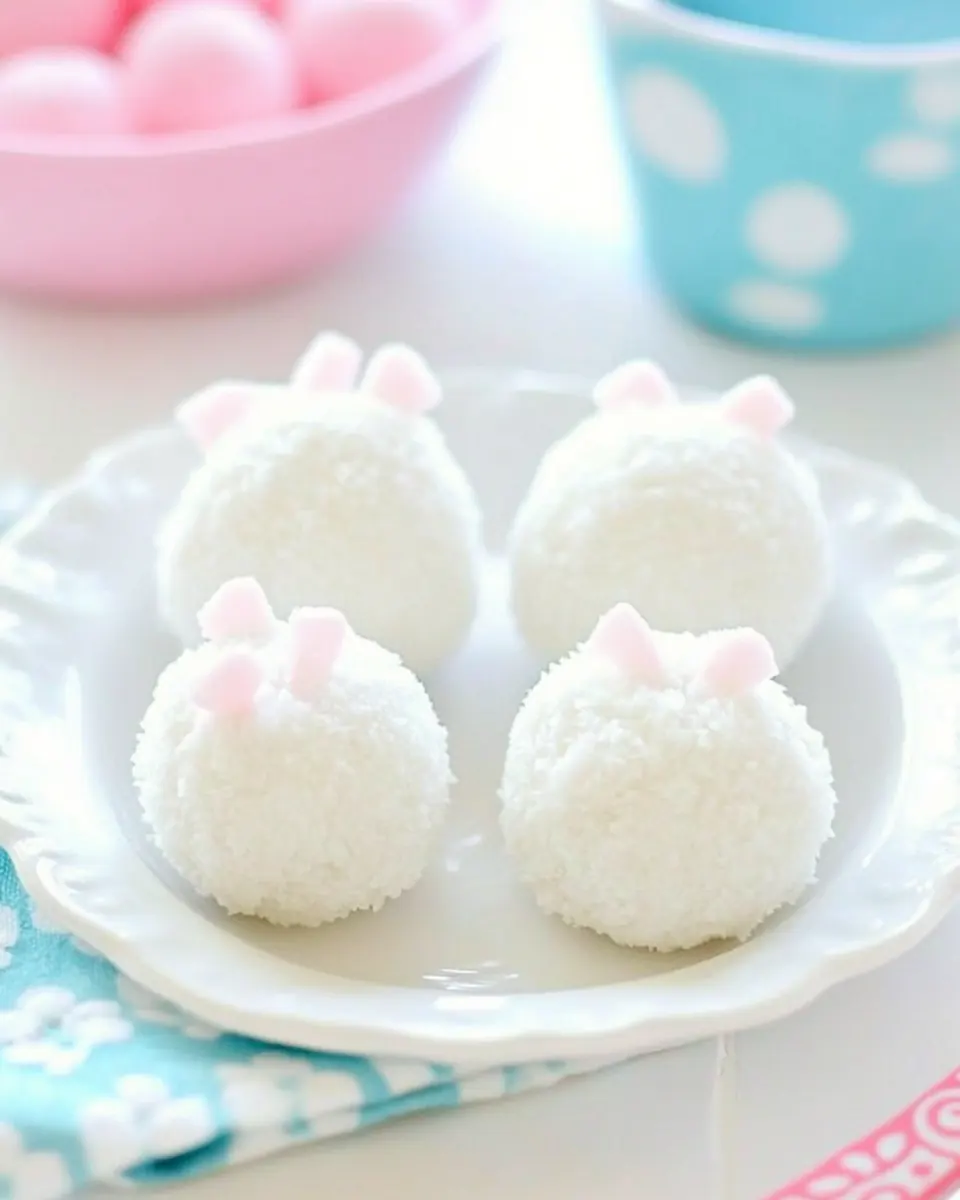
These ingredients are intentionally minimal, allowing each component to play a clear role. The marshmallows provide a soft, airy base, the white chocolate creates a smooth, sweet coating that helps the coconut adhere, and the sweetened coconut flakes add texture and a light chew. Together they form a pleasing contrast of fluffy and crunchy textures, while staying approachable and quick to assemble.
- 12 Large marshmallows: Provide a soft, pillowy base contributing chewiness and structure to each bite; easily skewered or dipped to form the core of the bunny tail treat. Absorb flavors and coatings well, offering a neutral sweetness that balances richer elements and helps maintain the playful shape when assembled.
- 1 cup white chocolate chips melted: Add a smooth, glossy coating that hardens slightly to encase the marshmallow and bind other coatings; melts quickly when warmed for easy dipping and sets to a delicate shell. Impart a rich, sweet milk-chocolate flavor that enhances mouthfeel and helps the coconut adhere for a tidy finished look.
- 1 cup sweetened coconut flakes: Create a light, flaky exterior that mimics fur texture while adding a tropical, sweet aroma and subtle chew; sticks well to melted chocolate for an authentic bunny-tail appearance. Provide visual contrast and a pleasing crunch that complements the softness of the marshmallow center.
Putting Together Bunny Tails
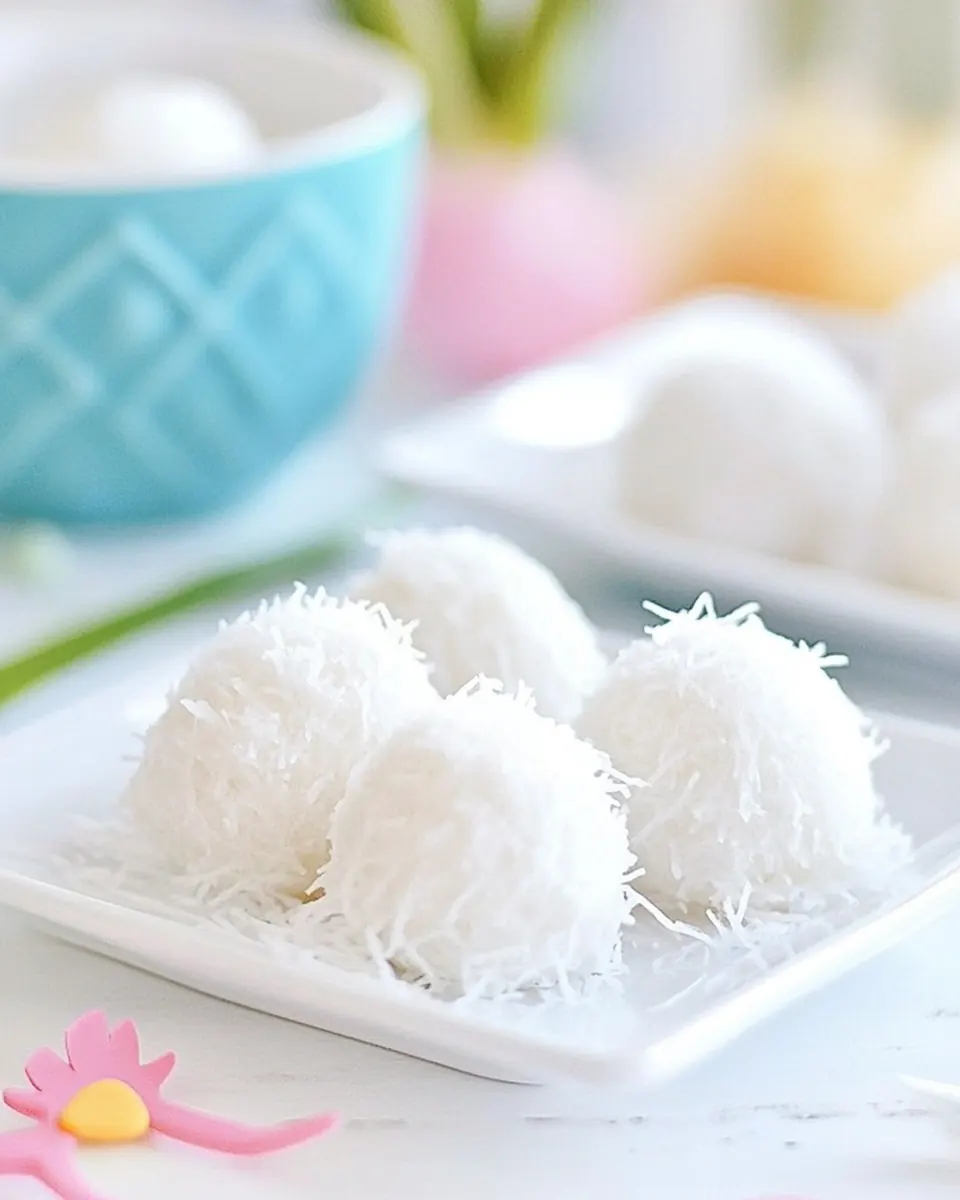
These instructions are conversational and comforting, designed to guide you step by step while keeping things relaxed. I’ll walk you through how to dip, coat, and set the treats so they look neat and taste delightful. You will rely on simple tactile cues like glossiness and dryness to know when you are on the right track.
- Dip half of a marshmallow into the melted white chocolate. Sprinkle coconut over the chocolate. Place the marshmallow chocolate side up to dry.: The first sensory cue is the glossy shimmer of the white chocolate as you lower the marshmallow in, followed by a gentle slick sound when you lift it out. You'll feel a thin, warm blanket of chocolate coat the base, and the visual should be even and smooth without air bubbles. This technique matters because the chocolate forms the adhesive layer that will hold the coconut, ensuring the final bite has an even distribution of coating. One common mistake is overheating the chocolate, which can become grainy and separate, so melt slowly and stir continuously. If the chocolate starts to cool and thicken too much, rewarm in short intervals, stirring to restore a glossy flow.
- Note-bunny tails can be stored in an air-tight container for 3-4 days.: As soon as the coated area glistens, bring the sweetened coconut flakes close and let them fall in a light, even shower. Listen for the soft whisper of flakes landing, and watch as the white surface becomes textured and flaky. This step is crucial because the coconut gives the whimsical, snowy appearance and adds chew. A useful trick is to hold the marshmallow over a shallow dish of coconut so stray flakes are caught for reuse. A frequent error is waiting too long to apply the coconut, which can cause poor adherence; work briskly so the flakes stick while the chocolate is still tacky.
- Place the marshmallow chocolate side up to dry: Set each finished piece upright, with the chocolate coated side facing upward, on a parchment lined tray. Visually you want a glossy top that dulls slightly as it sets, and the surface should become firm to the touch after cooling. This placement matters because it prevents pooling and preserves the neat, domed shape. Avoid stacking them or placing them on a warm surface, which can cause stickiness or misshapen tails. If a piece shifts, gently reposition it right away before the chocolate fully sets.
- Note-bunny tails can be stored in an air-tight container for 3 to 4 days: Once the coating is fully set, transferring the treats into a sealed container will keep them fresh and maintain texture. You should notice the coconut staying crisp and the white chocolate remaining firm, not tacky. Proper storage matters because exposure to air can make the coconut dry out or the chocolate bloom. A common oversight is leaving them uncovered on the counter, which shortens shelf life; instead, layer them with parchment to prevent sticking and keep them airtight.
Customization Ideas
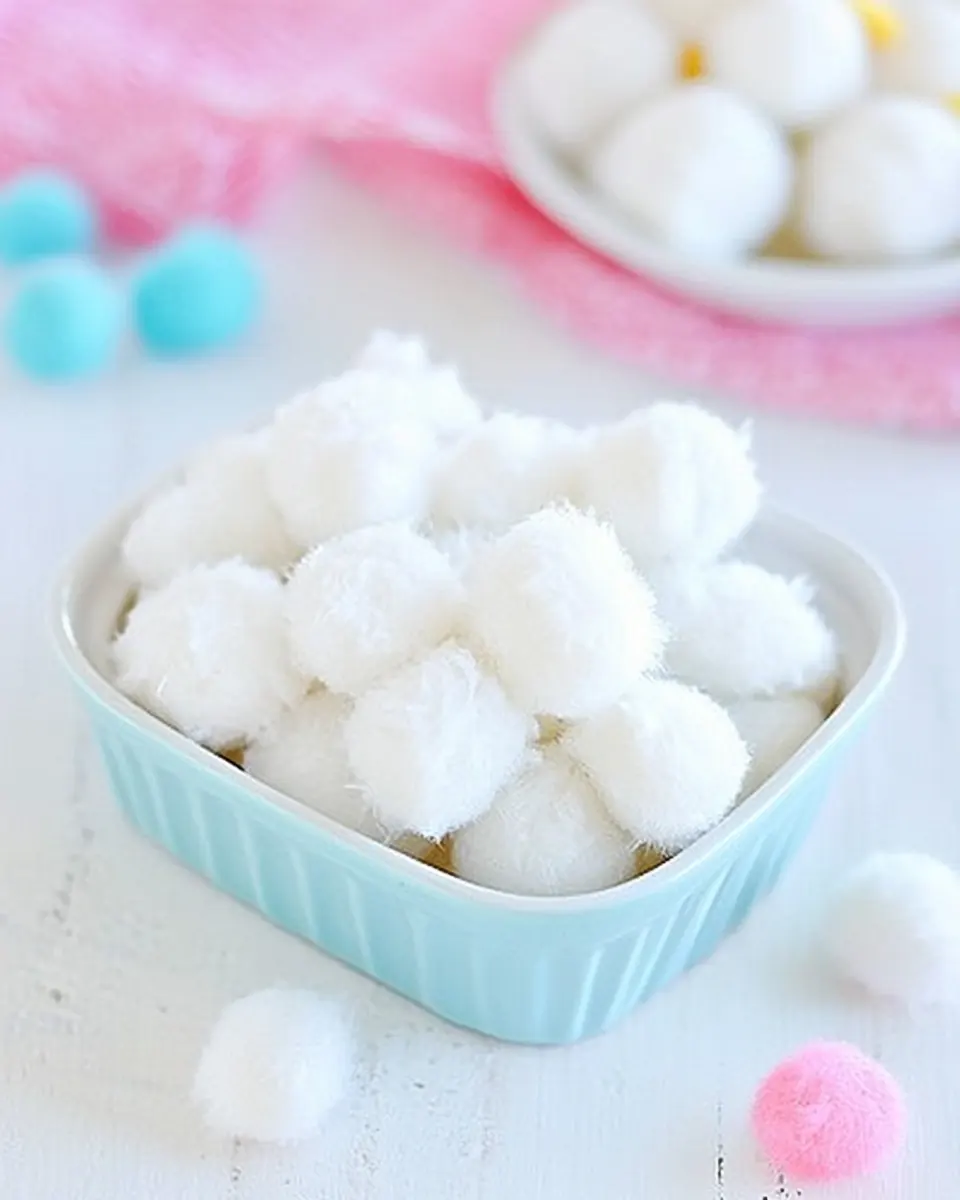
I like to offer a few simple ways to customize Bunny Tails without complicating the process. Below are ideas that keep the easy spirit of the recipe while letting you play with texture and presentation.
- Toast the coconut to add a warm, nutty depth; spread the sweetened coconut flakes on a sheet and bake at 325 F for a few minutes until pale gold, watching closely to avoid burning.
- Adjust sweetness by using less white chocolate coating or by choosing a white chocolate with a lower sugar content, keeping in mind texture may change slightly.
- Make mini versions by using smaller marshmallows, perfect for bite sized party trays and easy snacking, though the coating ratio will differ.
- Use flaked coconut for more visual texture; larger flakes create a fluffier, more pronounced appearance on each tail.
- Seal for gifting by placing the finished treats in small paper cups inside a box, which keeps them neat and ready for handing out at spring gatherings.
How to Serve Bunny Tails
Serving Bunny Tails is fun because their look is already playful, so a simple approach works best. I often arrange them in little paper cups and place them on a dessert platter, letting the coconut texture take center stage. These treats pair well with light beverages and are ideal for family brunches or festive gatherings.
- On a dessert platter, place each Bunny Tail in a small paper cup and stagger them in concentric circles for a polished display that guests can help themselves from.
- In Easter baskets, nestle a few into the grass for a seasonal surprise that doubles as an edible decoration, perfect for egg hunts or holiday gift giving.
- For classroom parties, pack single portions in clear bags tied with ribbon to keep them sanitary and portable for little hands to enjoy.
- Storage for events, keep finished pieces in an airtight container at room temperature and arrange them just before serving to maintain the coconut texture and chocolate sheen.
- Casual snack, set a bowl of Bunny Tails beside coffee or tea for an impromptu treat that feels festive without fuss, suitable for springtime afternoons.
FAQ
Conclusion
Bunny Tails are special because they turn three humble ingredients into a charming and shareable springtime treat. They are quick to assemble, visually delightful, and forgiving enough for cooks of all ages to enjoy. I encourage you to give them a try the next time you want a low effort sweet that still feels festive and homemade. Make a batch, invite a friend or little helper, and enjoy the simple pleasure of creating something sweet together.
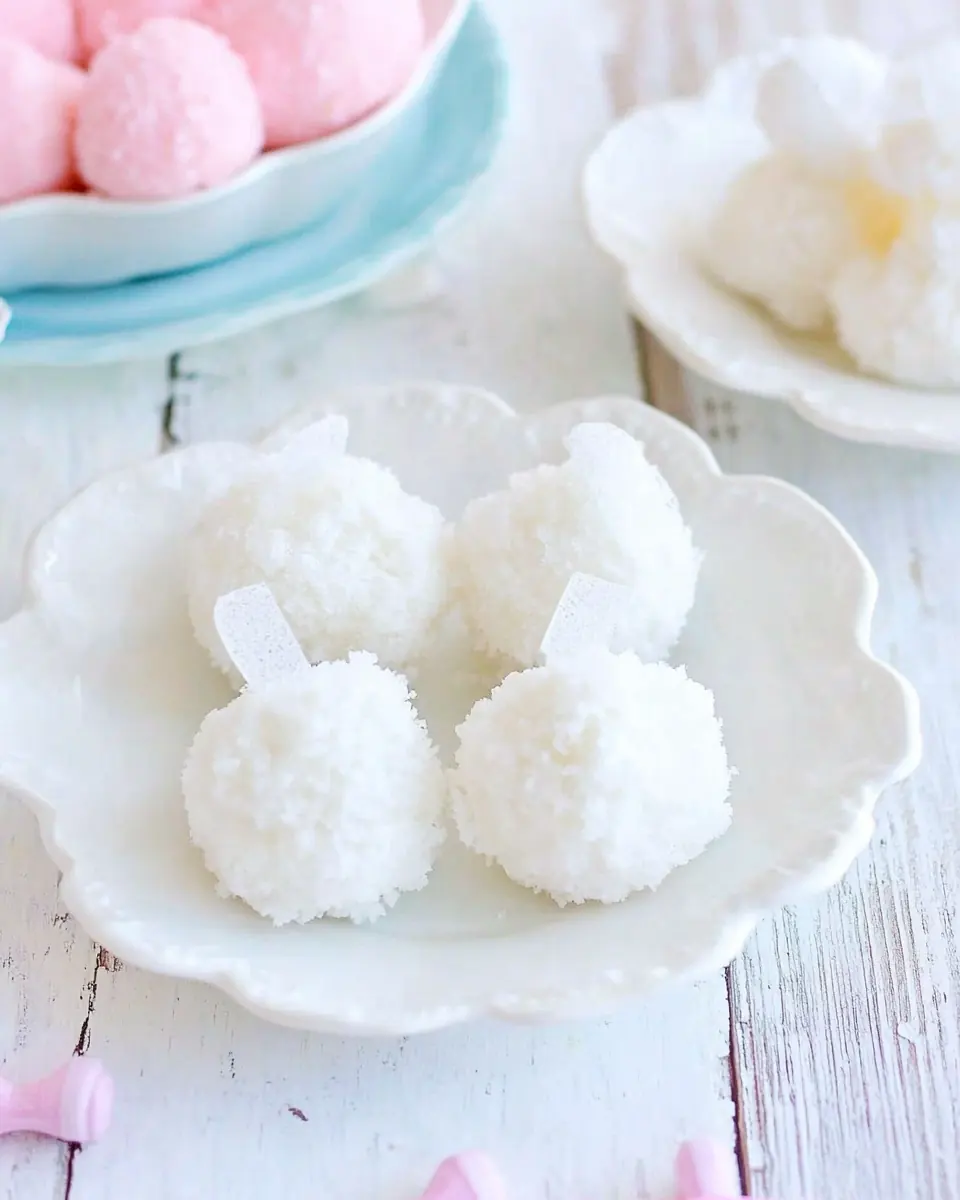
Bunny Tails
Ingredients
Equipment
Method
- Dip half of a marshmallow into the melted white chocolate. Sprinkle coconut over the chocolate. Place the marshmallow chocolate side up to dry.: The first sensory cue is the glossy shimmer of the white chocolate as you lower the marshmallow in, followed by a gentle slick sound when you lift it out. You'll feel a thin, warm blanket of chocolate coat the base, and the visual should be even and smooth without air bubbles. This technique matters because the chocolate forms the adhesive layer that will hold the coconut, ensuring the final bite has an even distribution of coating. One common mistake is overheating the chocolate, which can become grainy and separate, so melt slowly and stir continuously. If the chocolate starts to cool and thicken too much, rewarm in short intervals, stirring to restore a glossy flow.
- Note-bunny tails can be stored in an air-tight container for 3-4 days.: As soon as the coated area glistens, bring the sweetened coconut flakes close and let them fall in a light, even shower. Listen for the soft whisper of flakes landing, and watch as the white surface becomes textured and flaky. This step is crucial because the coconut gives the whimsical, snowy appearance and adds chew. A useful trick is to hold the marshmallow over a shallow dish of coconut so stray flakes are caught for reuse. A frequent error is waiting too long to apply the coconut, which can cause poor adherence; work briskly so the flakes stick while the chocolate is still tacky.
- Place the marshmallow chocolate side up to dry: Set each finished piece upright, with the chocolate coated side facing upward, on a parchment lined tray. Visually you want a glossy top that dulls slightly as it sets, and the surface should become firm to the touch after cooling. This placement matters because it prevents pooling and preserves the neat, domed shape. Avoid stacking them or placing them on a warm surface, which can cause stickiness or misshapen tails. If a piece shifts, gently reposition it right away before the chocolate fully sets.
- Note-bunny tails can be stored in an air-tight container for 3 to 4 days: Once the coating is fully set, transferring the treats into a sealed container will keep them fresh and maintain texture. You should notice the coconut staying crisp and the white chocolate remaining firm, not tacky. Proper storage matters because exposure to air can make the coconut dry out or the chocolate bloom. A common oversight is leaving them uncovered on the counter, which shortens shelf life; instead, layer them with parchment to prevent sticking and keep them airtight.
Notes
- Toast the coconut to add a warm, nutty depth; spread the sweetened coconut flakes on a sheet and bake at 325 F for a few minutes until pale gold, watching closely to avoid burning.
- Adjust sweetness by using less white chocolate coating or by choosing a white chocolate with a lower sugar content, keeping in mind texture may change slightly.
- Make mini versions by using smaller marshmallows, perfect for bite sized party trays and easy snacking, though the coating ratio will differ.
- Use flaked coconut for more visual texture; larger flakes create a fluffier, more pronounced appearance on each tail.
- Seal for gifting by placing the finished treats in small paper cups inside a box, which keeps them neat and ready for handing out at spring gatherings.