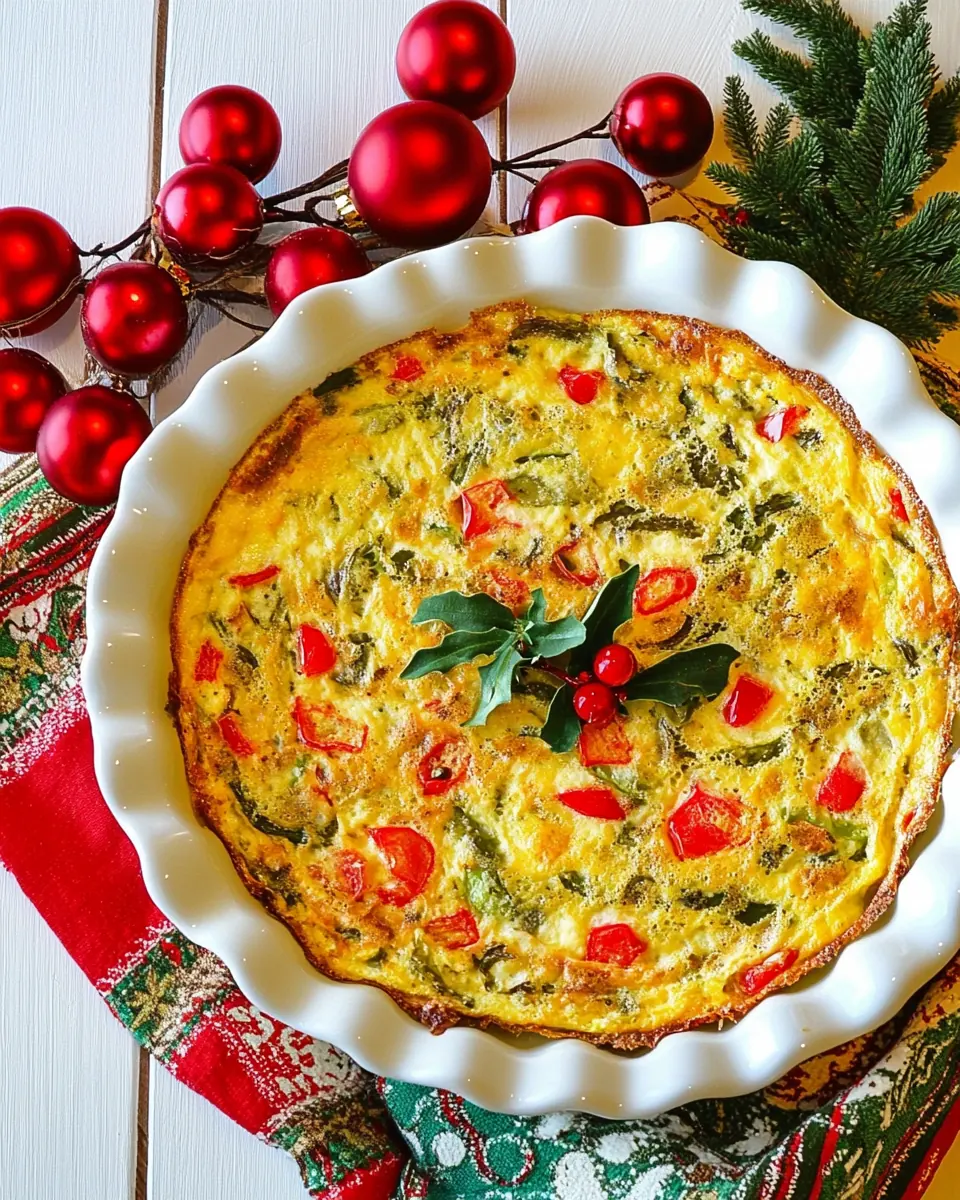
Preheat oven to 350°F.: Warmth in the oven feels like the calm center of the process, and you should notice steady, even heat when you open the door. This temperature helps the frittata cook through without rushing, preserving a soft texture. If the oven is cooler than expected, the middle may remain undercooked, so use an oven thermometer if needed to verify accuracy. Listen for the quiet whoosh as the door opens and close it gently to keep the temperature steady.
In a skillet over medium-low heat, melt the butter and cook the onion, bell pepper and garlic for 5 minutes or until tender. Remove from the heat. Stir in the tomatoes and parsley, and set aside. In a large bowl, combine the remaining ingredients. Stir in the cooked vegetables.: You will smell the sweetening onion and the gentle perfume of softened bell pepper , while the garlic releases a warm, savory aroma near the end. The sizzle should be soft, not aggressive; that signals you are extracting sugars without browning. Stir occasionally to ensure even cooking, and reduce heat if the edges begin to color too quickly, because browned vegetables will change the intended gentle sweetness.
Pour into an ungreased 9-inch pie plate. Bake, uncovered, for 25 to 30 minutes or until a knife inserted near the center comes out clean. Let stand for 5 minutes before cutting.: When you lift the skillet away from the burner, the residual warmth continues to finish the vegetables without overcooking them. The surface will still steam slightly, and that lingering heat helps the tomatoes and parsley integrate smoothly without wilting. A common mistake is leaving the pan on the hot burner which can keep cooking the aromatics and risk a bitter edge.
Stir in the tomatoes and parsley, and set aside.: The bright scent of fresh parsley will pop against the cooked vegetables, and the tomatoes add a mild tang that balances the fat. Mixing them off heat preserves freshness and prevents the herbs from turning dull. If you add them too early on the hot pan, the parsley will lose its vibrant color and flavor.
In a large bowl, combine the remaining ingredients.: Here the room fills with the mingled aromas of beaten eggs , shredded mozzarella cheese , breadcrumbs , Worcestershire sauce , salt, and black pepper . Whisk or stir until uniform, but avoid vigorous whipping that introduces excess air. Over aeration can produce an overly sponge like texture rather than the desired custardy interior.
Stir in the cooked vegetables.: As you fold the sautéed mixture into the egg blend, the contrast of warm vegetables meeting cool custard creates a pleasant steam and a fragrant lift. The goal is even distribution so each slice gets vegetables, cheese, and crumbs. Avoid violent mixing which can break down pieces and create an uneven texture; gentle folding keeps distinct pockets intact.
Pour into an ungreased 9-inch pie plate.: Pouring the mixture should feel smooth and slightly viscous as it levels out across the plate. You may hear a light settling sound as air escapes, and the surface will gleam from the melted cheese. Using an ungreased plate helps the bottom form a subtle crust, but if you worry about sticking, lightly swipe a bit of butter first. Sticking usually happens when the pan surface is too worn or if the frittata is overbaked.
Bake, uncovered, for 25 to 30 minutes or until a knife inserted near the center comes out clean.: During baking, the kitchen fills with a warm, savory scent as the edges turn lightly golden and the center firms. You should see a slight puff and set top, with cheese bubbling gently around the edges. Check with a clean narrow knife near the center to confirm doneness, and avoid opening the oven repeatedly which can lower the temperature and extend bake time. Underbaking leaves a runny interior, while overbaking creates a dry, crumbly finish.
Let stand for 5 minutes before cutting.: Resting allows the steam to redistribute so the slices hold together more neatly, and the heat mellows slightly for safer serving. You will notice the surface settle and the aroma calm into a cohesive scent. Cutting too soon can cause the frittata to break apart, while waiting longer will make it firmer and easier to slice into clean wedges.