Coconut Baked Shrimp
Coconut Baked Shrimp arrived in my life on a sun soaked afternoon when I wanted something crunchy and bright without turning on the grill. I remember carrying a basket of groceries back from the market, the scent of fresh shrimp making my mouth water, and deciding to pair it with toasted coconut for texture and a touch of tropical sweetness. That impulse turned into a recipe I now reach for when guests drop by or when I crave a simple weeknight treat.
I love how Coconut Baked Shrimp feels both indulgent and approachable. The crisp coconut crust gives each bite a satisfying snap while the shrimp inside stays tender and juicy. Over time I tuned the assembly line technique so it moves fast, and learned little tricks to keep the coating glued on and perfectly golden under the broiler. Every time I make it, the kitchen fills with a warm, toasty aroma that makes the whole house stop and come taste.
Recipe Snapshot
16 mins
10 mins
6 mins
Medium
300 kcal
American
Gluten-Free, Low FODMAP
Appetizers
Oven, Baking sheet, Wire rack, Mixing bowls
What We Adore About This Coconut Baked Shrimp
Golden Crunch Without Frying
I adore that Coconut Baked Shrimp gives you the crispness we crave, without deep frying. Baking under the broiler, or using an air fryer, lets the coconut toast up beautifully while keeping the shrimp succulent. You get a crunchy exterior and juicy center, so you can relish texture without a greasy finish.
Speed and Simplicity
I often need a fast but impressive dish, and this recipe fits the bill. With straightforward steps and a short bake time, it’s my go to for last minute company. The assembly line folding of flour, eggs, and shredded coconut is efficient, and the payoff is huge for the little time invested.
Flavor Balance
I love how the mildly sweet coconut contrasts with the tangy dipping sauce made from ketchup, honey, and rice vinegar. That interplay makes every bite interesting, brightening the natural sweetness of the shrimp without overpowering it.
Family Friendly and Versatile
My family responds to the crunch and sweet glaze every single time. You can plate this as an appetizer or as a main on a bed of rice, and it suits casual gatherings or a relaxed dinner. I appreciate that the method scales easily if I need to feed more people.
Make Ahead and Reheat Friendly
I like that you can prepare elements ahead, and reheat gently to retain crispness. The tips I’ve learned about reheating at low oven temperatures preserve texture, so leftovers remain enjoyable. For me, that reliability is essential when planning a busy weekend meal.
Ingredients for Coconut Baked Shrimp
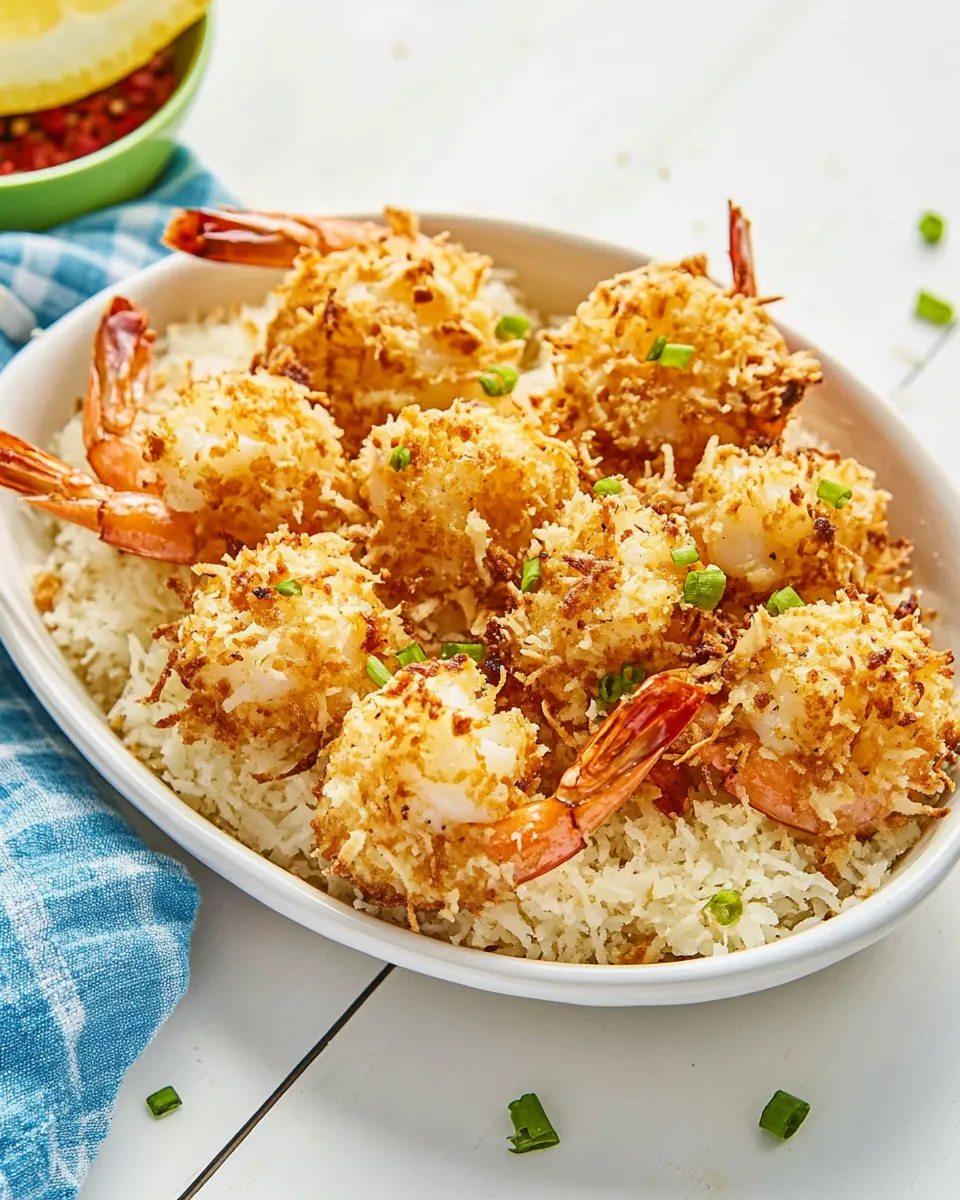
The philosophy here is simple: build a sturdy, crunchy exterior that complements the sweet brine of the shrimp. Each ingredient performs a clear role. The all purpose flour gives the coating something to cling to, the eggs or buttermilk act as glue, and the shredded unsweetened coconut provides texture and toasted flavor. The sauce ingredients bring acidity and sweetness to lift the whole dish.
- 1/4 cup all purpose flour: Coat and lightly thicken the shrimp before breading to help the coating adhere; flour also creates a slight crisp when baked and helps absorb excess moisture for better texture.
- 1/2 teaspoon kosher salt: Season and enhance overall flavor balance by adding salt that brings out natural tastes; kosher salt dissolves easily and provides reliable control over seasoning.
- 2 eggs, whisked (you could also use 1/2 cup buttermilk to coat the shrimp instead): Bind and provide moisture so the shredded coconut sticks to the shrimp; whisked eggs create an even coating and help ingredients adhere during baking.
- 1 cup shredded unsweetened coconut: Texture and flavor provider offering crunchy, toasty notes and tropical aroma when baked; unsweetened coconut keeps sweetness minimal while contributing structure to the crust.
- 1 pound shrimp, peeled and deveined: Protein and centerpiece of the dish that cooks quickly and soaks up the flavors of the coating and sauce; peeled and deveined shrimp ensure convenience and even cooking.
- 1/2 cup ketchup: Sweet-tangy base for the dipping or glaze component that adds color and acidity; ketchup supplies tomato flavor and body to the sauce mixture.
- 2 tablespoons honey: Add natural sweetness and viscosity to balance the ketchup's acidity and enhance caramelization; honey contributes depth and a glossy finish to the glaze.
- 3 tablespoons rice vinegar: Brighten and balance the sauce with acidity that cuts through sweetness; rice vinegar provides mild, rounded tang without overpowering the other flavors.
- 1 tablespoon water: Adjust consistency and mellow the sauce intensity by diluting and smoothing flavors; a small amount of water helps achieve the desired pourable texture.
- 1 teaspoon soy sauce: Introduce umami depth and subtle saltiness to the sauce for better complexity; soy sauce enhances savory notes and ties flavors together.
- 1/2 teaspoon minced ginger: Impart fragrant warmth and a spicy, zesty lift to the sauce, complementing the sweet and salty components; minced ginger adds freshness and aromatic bite.
Step by Step Guide for Coconut Baked Shrimp
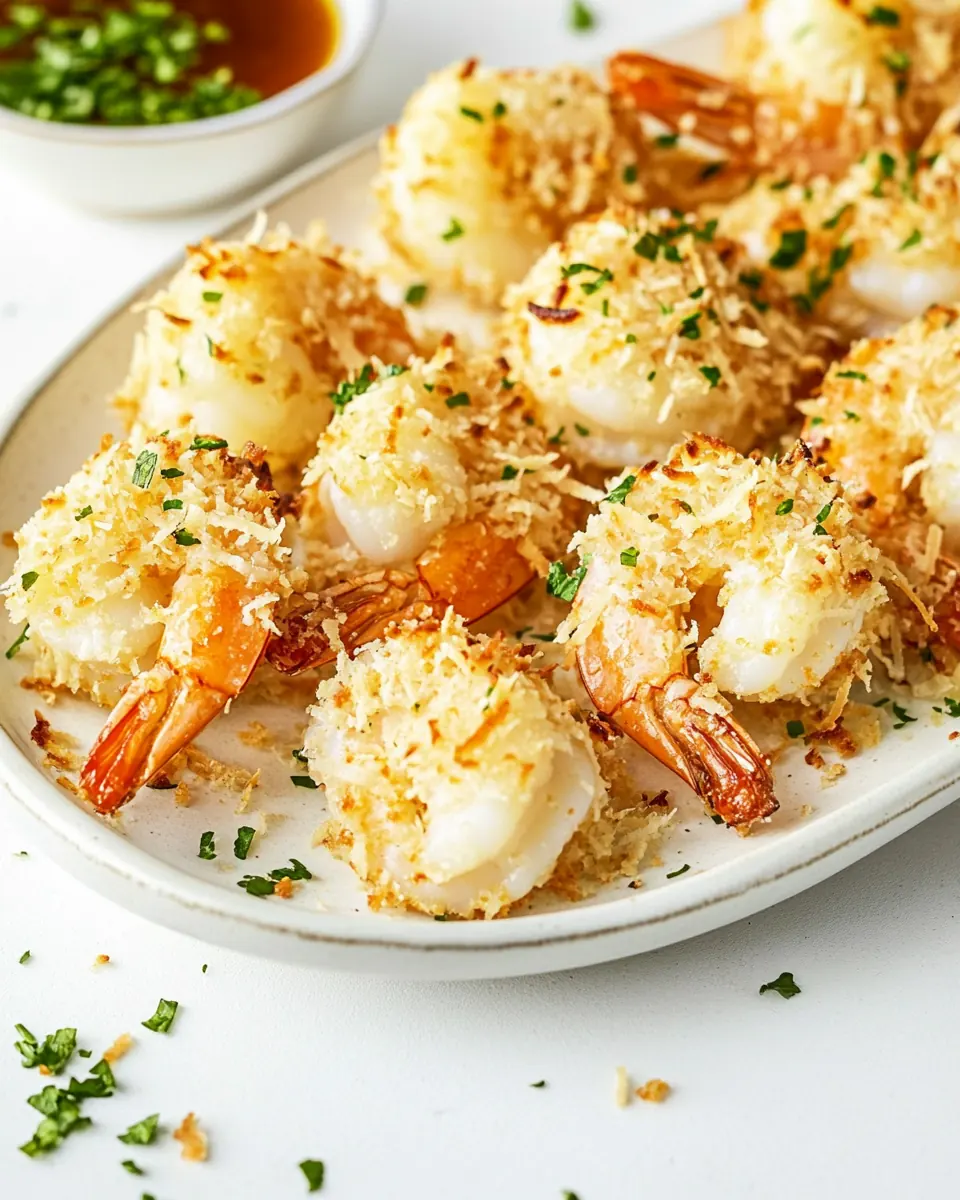
This method is quick and rhythmic, perfect for assembling like a small production line. Take your time during the coating stage so each shrimp ends up evenly covered in shredded coconut. The broiler finishes them in minutes, so set things up in advance and keep an eye on color as it develops.
- Preheat oven to broil setting.: When the oven warmth hits that intense broil heat you will sense it almost immediately, a dry, radiant air that toasts quickly. This concentrated heat is what gives the coconut its golden hue without overcooking the shrimp inside. Arrange your oven rack in the middle, not too close to the element, to avoid burning, and let the oven fully reach broil temperature before you slide anything in. A common mistake is to start broiling too early, which can cause uneven toasting, so always wait for the full blast of heat.
- Pat shrimp dry with a towel and season with 1/2 tsp salt.: You will immediately notice the surface moisture disappear as you pat the shrimp , leaving a slightly tacky exterior that helps the coating stick. The small amount of kosher salt seasons the flesh and enhances natural sweetness. If you skip drying, the coating can slip off or steam instead of crisping, so take this step seriously to get that satisfying crunchy contrast.
- Arrange three separate bowls in an assembly line. Place flour in one, whisked eggs (or buttermilk) in the second and shredded coconut in the third.: Setting up this station streamlines the process and keeps your hands moving, which helps the wet ingredients from clumping. Visually, you will see the transition from pale flour to glossy eggs to textured shredded coconut . If you skip organizing, you risk a messy, inconsistent coating job. One tip is to spread the shredded coconut flat in the bowl for even rolling.
- Lightly coat the shrimp in the flour and gently tap to remove excess flour.: As you dust each shrimp in flour , you will feel the flour clinging lightly to the damp surface. Tapping off the excess prevents a gummy layer and ensures the next stage grabs properly. A common error is over flouring, which leads to a pasty barrier between the shrimp and the coconut, so keep it light and even for the best texture.
- Dip the flour coated shrimp in the egg/buttermilk and then roll in the shredded coconut to coat.: Once dipped, the glossy egg creates that tacky surface that clings to the shredded coconut , and as you roll you will hear the strands compress against the shrimp . The sound is subtle but satisfying, and visually you should see full coverage. Press the coconut gently so it adheres, but avoid mashing the coating flat. If bits fall off, place them back on immediately to maintain an even crust.
- Place coconut shrimp on a sprayed/greased baking rack over a cookie sheet. When all the shrimp are on the rack, lightly coat them with cooking oil spray.: Lining a rack over a sheet lets air circulate so the underside crisps too, and the light spray of oil encourages even browning. You will notice the oil adds sparkle to the surface and helps the coconut reach that toasted color under the broiler. A frequent problem is placing shrimp directly on the pan which causes one sided browning, so always use a rack when possible.
- Place cookie sheet on the middle rack of your oven and broil for 3 minutes on each side or until golden.: Under the broiler the coconut will go from pale to golden quickly, producing a warm, toasty aroma that fills the kitchen. Flip halfway so both sides brown evenly and watch closely because color changes fast at broil intensity. The ideal cue is a uniform golden brown with toasted edges, and the shrimp should be opaque and firm to the touch. Avoid overbaking which dries the shrimp and turns the coconut too dark.
- Serve with dipping sauce.: The first time you dip a warm, crunchy piece into the tangy sweet sauce you will notice the contrast that lifts the whole bite. The sauce should be glossy, with a balance of sweetness, acidity, and umami that complements the coconut and shrimp . If the sauce seems too thick, a splash of water thins it and helps it cling better. Don’t drown the shrimp, a light dip preserves the crisp texture.
- Place all the ingredients in a bowl and stir to combine.: When you mix ketchup , honey , rice vinegar , water , soy sauce , and minced ginger , the aroma goes bright and slightly sweet with a savory undercurrent. Stirring until smooth ensures the sauce is cohesive and glossy, making it easy to serve alongside the hot shrimp. A common oversight is under stirring, leaving pockets of thicker honey or ketchup, so whisk until uniform.
Helpful Hints
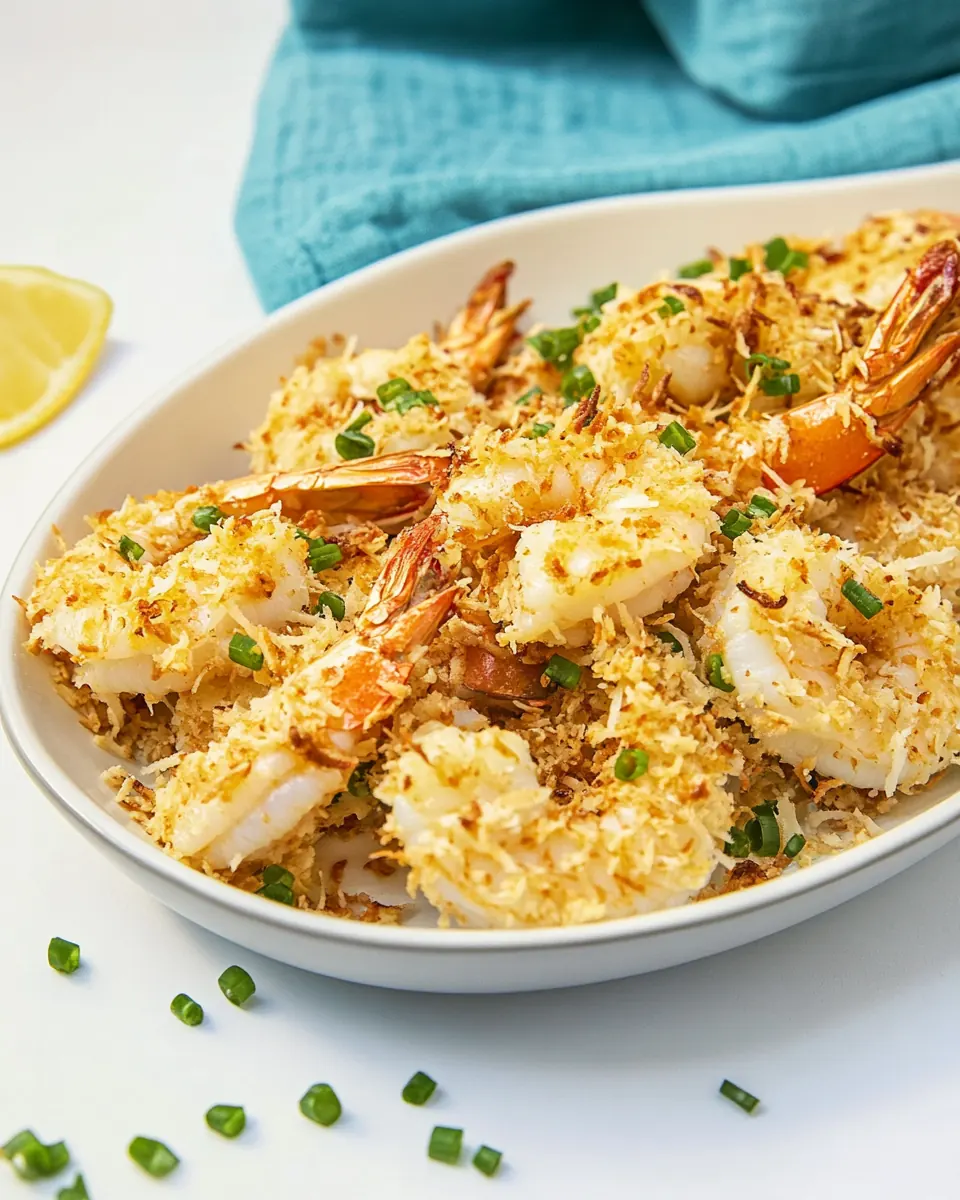
I like to keep the tone practical here, with tips that make execution easier and results more reliable. These hints expand on the method and notes so your Coconut Baked Shrimp come out consistently great.
- Prep in advance Split the steps by prepping the sauce and shredding any coconut if needed ahead of time. Store the sauce covered in the fridge and set up the assembly line when you are ready to cook, this reduces last minute rush and keeps the coating job neat.
- Use unsweetened coconut Sweetened coconut can caramelize too quickly and push the balance toward cloying. Unsweetened lets the dipping sauce control sweetness and yields a cleaner, toasted flavor profile.
- Even coating matters Take a moment to press stray coconut strands back onto any patchy spots, uneven crusts will brown unevenly under the broiler. This care ensures every bite has consistent texture and appearance.
- Oil spray is your friend Lightly misting the coated shrimp before broiling helps the coconut toast evenly rather than dry out. Too much oil leads to sogginess, so use a fine, even spray.
- Air fryer alternative If using an air fryer, arrange the shrimp in a single layer with space between them and air fry at 400°F for about 5 minutes until golden. This preserves crispness and shortens hands on time.
Serving This Coconut Baked Shrimp
This section explains serving ideas, pairings, and storage strategies to help you present Coconut Baked Shrimp with confidence. Think about texture contrasts, complementary flavors, and practical storage for leftovers.
- As an appetizer Serve warm on a platter with toothpicks and a small bowl of the dipping sauce, perfect for parties or casual get togethers where guests can graze.
- Main course Plate the shrimp over steamed rice or a bed of lightly seasoned greens to create a simple, satisfying dinner that balances crispy texture with mellow sides.
- Occasions This works well for summer gatherings, light dinners, or festive iftar meals during Ramadan when you want something shareable and not too heavy.
- Storage Cool completely before storing in an airtight container. Refrigerate up to three to four days, or freeze for up to six months. Reheat gently in a low oven to preserve crispness.
- Seasonal pairings In summer I like to add a fresh citrus salad on the side, the bright acidity complements the coconut and keeps the meal feeling light and vibrant.
FAQ
Conclusion
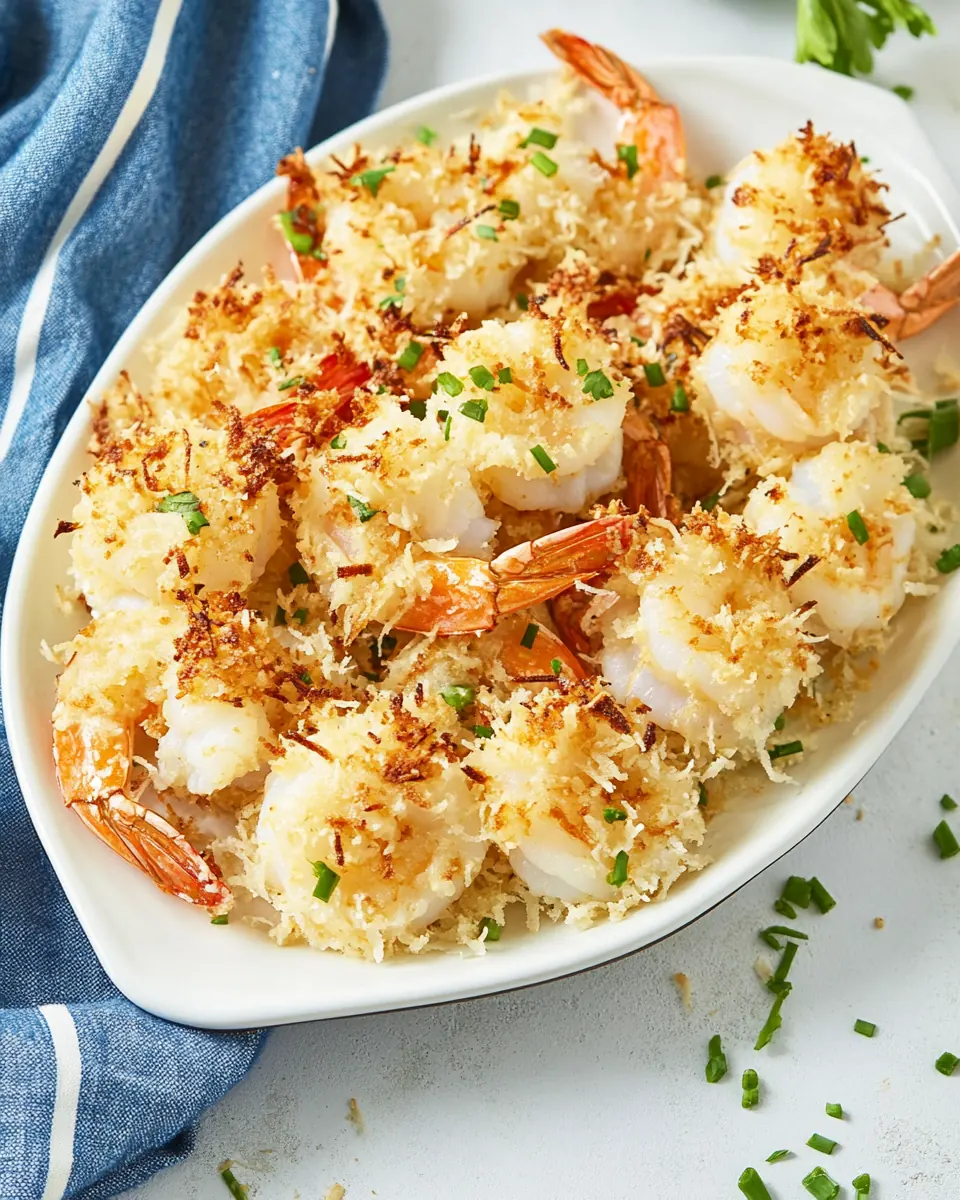
Coconut Baked Shrimp stands out for its crunchy toasted coconut crust and tender, juicy shrimp interior, a lovely balance of texture and flavor. It’s quick to assemble and cooks fast, so it’s perfect for both casual dinners and when you want an impressive appetizer. Give it a try the next time you want an easy, crowd pleasing seafood dish that delivers bright, toasty notes with a satisfying crunch. I hope it becomes one of your go to recipes for gatherings and weeknight enjoyment.
Coconut Baked Shrimp
Ingredients
Equipment
Method
- Preheat oven to broil setting.: When the oven warmth hits that intense broil heat you will sense it almost immediately, a dry, radiant air that toasts quickly. This concentrated heat is what gives the coconut its golden hue without overcooking the shrimp inside. Arrange your oven rack in the middle, not too close to the element, to avoid burning, and let the oven fully reach broil temperature before you slide anything in. A common mistake is to start broiling too early, which can cause uneven toasting, so always wait for the full blast of heat.
- Pat shrimp dry with a towel and season with 1/2 tsp salt.: You will immediately notice the surface moisture disappear as you pat the shrimp , leaving a slightly tacky exterior that helps the coating stick. The small amount of kosher salt seasons the flesh and enhances natural sweetness. If you skip drying, the coating can slip off or steam instead of crisping, so take this step seriously to get that satisfying crunchy contrast.
- Arrange three separate bowls in an assembly line. Place flour in one, whisked eggs (or buttermilk) in the second and shredded coconut in the third.: Setting up this station streamlines the process and keeps your hands moving, which helps the wet ingredients from clumping. Visually, you will see the transition from pale flour to glossy eggs to textured shredded coconut . If you skip organizing, you risk a messy, inconsistent coating job. One tip is to spread the shredded coconut flat in the bowl for even rolling.
- Lightly coat the shrimp in the flour and gently tap to remove excess flour.: As you dust each shrimp in flour , you will feel the flour clinging lightly to the damp surface. Tapping off the excess prevents a gummy layer and ensures the next stage grabs properly. A common error is over flouring, which leads to a pasty barrier between the shrimp and the coconut, so keep it light and even for the best texture.
- Dip the flour coated shrimp in the egg/buttermilk and then roll in the shredded coconut to coat.: Once dipped, the glossy egg creates that tacky surface that clings to the shredded coconut , and as you roll you will hear the strands compress against the shrimp . The sound is subtle but satisfying, and visually you should see full coverage. Press the coconut gently so it adheres, but avoid mashing the coating flat. If bits fall off, place them back on immediately to maintain an even crust.
- Place coconut shrimp on a sprayed/greased baking rack over a cookie sheet. When all the shrimp are on the rack, lightly coat them with cooking oil spray.: Lining a rack over a sheet lets air circulate so the underside crisps too, and the light spray of oil encourages even browning. You will notice the oil adds sparkle to the surface and helps the coconut reach that toasted color under the broiler. A frequent problem is placing shrimp directly on the pan which causes one sided browning, so always use a rack when possible.
- Place cookie sheet on the middle rack of your oven and broil for 3 minutes on each side or until golden.: Under the broiler the coconut will go from pale to golden quickly, producing a warm, toasty aroma that fills the kitchen. Flip halfway so both sides brown evenly and watch closely because color changes fast at broil intensity. The ideal cue is a uniform golden brown with toasted edges, and the shrimp should be opaque and firm to the touch. Avoid overbaking which dries the shrimp and turns the coconut too dark.
- Serve with dipping sauce.: The first time you dip a warm, crunchy piece into the tangy sweet sauce you will notice the contrast that lifts the whole bite. The sauce should be glossy, with a balance of sweetness, acidity, and umami that complements the coconut and shrimp . If the sauce seems too thick, a splash of water thins it and helps it cling better. Don’t drown the shrimp, a light dip preserves the crisp texture.
- Place all the ingredients in a bowl and stir to combine.: When you mix ketchup , honey , rice vinegar , water , soy sauce , and minced ginger , the aroma goes bright and slightly sweet with a savory undercurrent. Stirring until smooth ensures the sauce is cohesive and glossy, making it easy to serve alongside the hot shrimp. A common oversight is under stirring, leaving pockets of thicker honey or ketchup, so whisk until uniform.
Notes
- Prep in advance Split the steps by prepping the sauce and shredding any coconut if needed ahead of time. Store the sauce covered in the fridge and set up the assembly line when you are ready to cook, this reduces last minute rush and keeps the coating job neat.
- Use unsweetened coconut Sweetened coconut can caramelize too quickly and push the balance toward cloying. Unsweetened lets the dipping sauce control sweetness and yields a cleaner, toasted flavor profile.
- Even coating matters Take a moment to press stray coconut strands back onto any patchy spots, uneven crusts will brown unevenly under the broiler. This care ensures every bite has consistent texture and appearance.
- Oil spray is your friend Lightly misting the coated shrimp before broiling helps the coconut toast evenly rather than dry out. Too much oil leads to sogginess, so use a fine, even spray.
- Air fryer alternative If using an air fryer, arrange the shrimp in a single layer with space between them and air fry at 400°F for about 5 minutes until golden. This preserves crispness and shortens hands on time.