Coconut Curry Butternut Squash Soup
Coconut Curry Butternut Squash Soup is one of those bowls I turn to when I need comfort that feels both familiar and a little adventurous. The first time I made it, I was chasing warmth on a crisp afternoon, and the aroma of toasted spices filled the kitchen so quickly I had to open a window just to breathe. From that day on it became my go to for nights when I wanted something nourishing that still tastes a little luxurious.
I remember pulling a dented Dutch oven from the cabinet, rubbing my hands together because the house felt suddenly colder, and thinking how simple ingredients can make a moment feel special. The texture is creamy without being heavy, and the coconut adds a smooth sweetness that balances the curry’s earthier notes. I like to ladle it into deep bowls, add a swirl of extra coconut milk, and sit down with a thick scarf wrapped around my neck.
Over the years I have tweaked the spice balance so it sings rather than shouts, and I always keep a can of coconut milk and a small jar of madras curry powder on the shelf. When friends come over I watch their faces relax after the first spoonful, which never gets old. This soup has become my answer for chilly evenings, light dinners, and when I want to impress with minimal fuss.
Recipe Snapshot
25 mins
5 mins
20 mins
Easy
250 kcal
American
Keto, Gluten-Free
Soups
immersion blender, Blender, Dutch Ovenor soup pot
What’s Great About This Coconut Curry Butternut Squash Soup
Rich, layered flavor without fuss
I love how the combination of butternut squash, toasted spices, and coconut milk creates depth with very little effort. The soup builds flavor in stages, so you end up with a complex broth from simple steps. I often tell people this is the trick to tasting restaurant level results at home, because the spices bloom in the oil and the squash gives natural sweetness.
Comforting texture that still feels light
One thing I appreciate is the velvety mouthfeel. Using an immersion blender or regular Blender produces a smooth, luscious texture that is creamy yet not heavy. I prefer this when I want something satisfying but not overwhelming, and it makes the soup feel special without cream or butter.
Fast enough for weeknights
This recipe moves quickly, which is a major appeal for busy nights. From sautéing the onion and garlic to simmering until the butternut squash is tender, you’re looking at a short hands on time. I often throw this together after work, and while it simmers I tidy the kitchen and set the table. It’s my go to when I want something homey but not time consuming.
Versatile and easy to personalize
I like that the soup is a great canvas. You can garnish with extra coconut milk or chopped fresh cilantro for brightness. I sometimes add a splash of lemon juice at the end for lift or sprinkle a little toasted seed for crunch. The base is forgiving, so small tweaks make it your own without breaking the balance.
Friendly for many diets
This bowl plays nicely with vegetarian and light eating approaches, since the base is built from vegetable broth and pantry spices. I often make it when guests have varied preferences, because it satisfies meat eaters and vegetarians alike. That flexibility is part of why I reach for it so often.
What You’ll Need for Coconut Curry Butternut Squash Soup
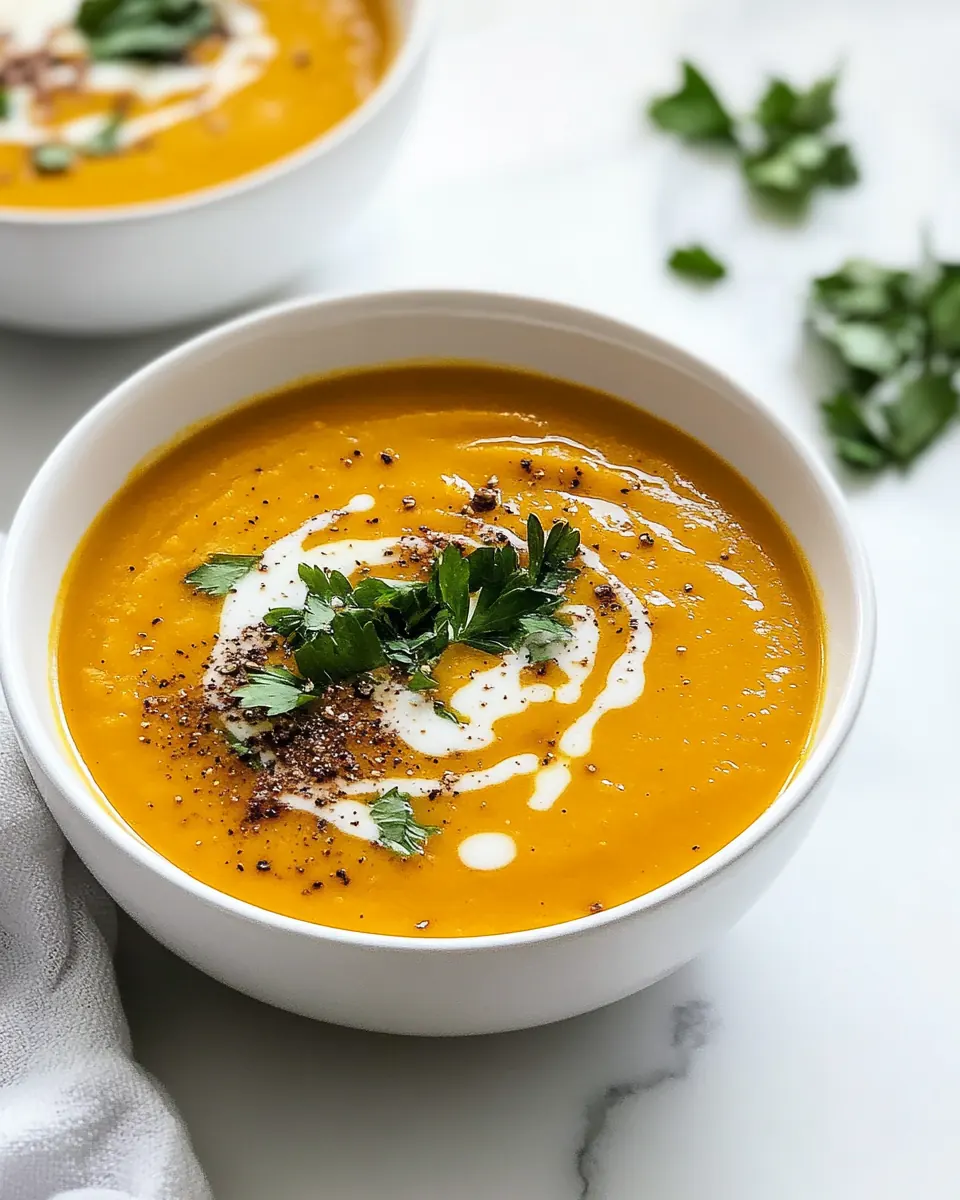
These ingredients come together to create a bowl that feels both homey and refined. The foundation is the butternut squash, which supplies body and natural sweetness. Spices like garam masala and madras curry powder are the flavor engines, blooming in oil to release fragrant aromatics. The coconut milk ties everything with silkiness while the vegetable broth balances thickness and seasoning. These elements are simple, yet purposeful, working together to produce a soup that is comforting and layered.
- 1 teaspoon olive oil: Heat gently to provide a cooking fat that softens aromatics and prevents sticking while adding a mild fruity flavor to the base of the soup.
- 1/2 teaspoon roasted cumin: Sprinkle evenly to introduce a warm, earthy ingredient that enhances depth and offers subtle smoky notes when toasted briefly in oil.
- 1 1/2 teaspoons garam masala: Whisk into the fat to contribute a complex blend of warm spices that brings floral and peppery undertones supporting the curry profile.
- 2 teaspoons madras curry powder: Add liberally to create a bold, tangy spice character with bright heat and fragrant curry flavors that define the soup’s overall seasoning.
- 1/2 medium onion, minced: Sauté until translucent to supply a sweet, savory foundation that releases moisture and builds sweetness, balancing the spices and coconut.
- 2 cloves garlic, minced: Cook briefly to release pungent, savory aromatics that deepen flavor complexity and complement the curry spices and onion base.
- 16 ounces butternut squash, about 2 cups chopped and peeled: Simmer until tender to provide a sweet, creamy vegetable body and hearty texture that becomes the main substance of the pureed soup.
- 1 cup canned light coconut milk, plus , more for garnish (optional): Stir in for creaminess and subtle tropical sweetness, lending a rich, silky mouthfeel while mellowing the heat and spices.
- 3 cups vegetable broth, or chicken broth (use less for a thicker soup): Pour in to create a flavorful liquid base that controls consistency and intensity; adjust quantity for desired thickness and simmering time.
- kosher salt and fresh black pepper, to taste: Season finally to taste to balance and brighten flavors with salt enhancer and ground pepper for a gentle aromatic heat finish.
- chopped fresh cilantro, for garnish (optional): Garnish sparingly to add fresh, bright herbal notes and a contrasting color and aroma that lift the finished soup presentation.
Instructions for Coconut Curry Butternut Squash Soup
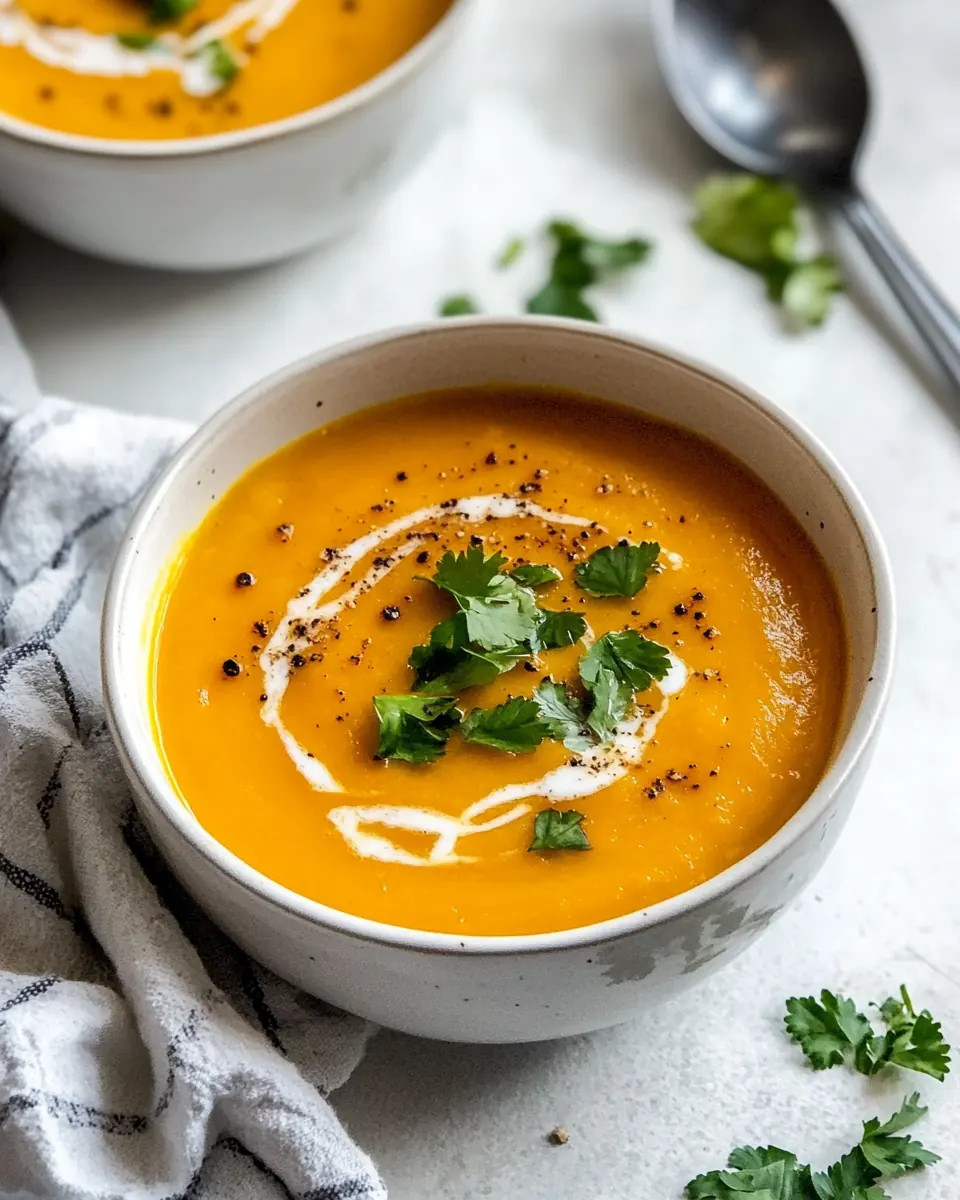
This soup comes together in a few focused stages, and the steps reward careful attention to aroma and texture. Use a large pot so the squash has room to cook evenly, and keep your immersion blender or Blender close for the smooth finish. Below, each step includes sensory cues and troubleshooting tips to help you nail the result.
- Add oil to a large soup pot or Dutch oven over medium heat.: You will notice the oil begin to shimmer, which is the visual cue that the pan is ready. This sheen means the oil is hot enough to gently sizzle aromatics without burning them. If the oil smokes, reduce the heat immediately, because overheated oil will impart a bitter, acrid flavor. Keep the pot steady on the burner so the oil pools evenly, and tilt the pot slightly to coat the bottom if needed.
- When oil is hot add onion and garlic and sauté until fragrant, about 2 to 3 minutes.: The first sensory change is sound, a soft sizzling as the minced onion hits the pan. Watch for the onion to become translucent and soft at the edges, and you will smell a sweet, savory aroma. The garlic will quickly become aromatic, but beware of browning it; burned garlic yields bitterness. Stir frequently to ensure even softening and to avoid hotspots, and lower the heat if the aromatics begin to color too fast.
- Add the roasted cumin, garam masala and madras curry powder and mix well cooking another minute.: Almost immediately you will sense the spices blooming, releasing warm, toasted aromatics that perfume the kitchen. Keep the heat moderate so the spices toast rather than burn; they should become fragrant and slightly glossy as they absorb the oil. A common mistake is leaving the spices too long on high heat which makes them taste acrid. Stir continuously for that minute so the flavors fully integrate with the softened onion and garlic .
- Add the broth, light coconut milk, butternut squash and bring to a boil, cover and cook low heat until the squash is soft, 12-15 minutes.: As the liquid heats you will see steam and hear a gentle bubbling as it approaches a boil. Once boiling, reduce to a low simmer and cover so the steam softens the butternut squash evenly. The squash will give off a sweet, toasty scent as it cooks and should easily yield to a fork when done. If it still feels firm after the time window, continue simmering a few more minutes rather than increasing the heat, which can break down texture unevenly.
- Remove cover and using an immersion blender, puree soup until smooth (or do this in batches in a regular blender).: When you start pureeing you will see the soup transform from chunky to velvety. Use an immersion blender for control, keeping it steady and moving slowly to avoid splatter. If using a regular Blender , work in batches and vent the lid slightly to release steam safely. The soup should become glossy and homogeneous; if it is too thin, simmer uncovered briefly to reduce. A common pitfall is overfilling a blender with hot liquid, which can push the lid off. To avoid this, fill the pitcher half full and cover with a towel when pulsing.
- Season with salt and fresh pepper, to taste and serve with fresh cilantro.: The final seasoning stage awakens the flavors. Add small increments of kosher salt and grind fresh black pepper , stirring and tasting between additions so you do not over salt. The aroma will brighten and the flavors will snap into place. Finish with chopped cilantro for an herbal lift and a contrasting color. If the soup tastes flat, a tiny squeeze of acid or a pinch more salt will usually fix it, but add sparingly and taste often.
Helpful Hints
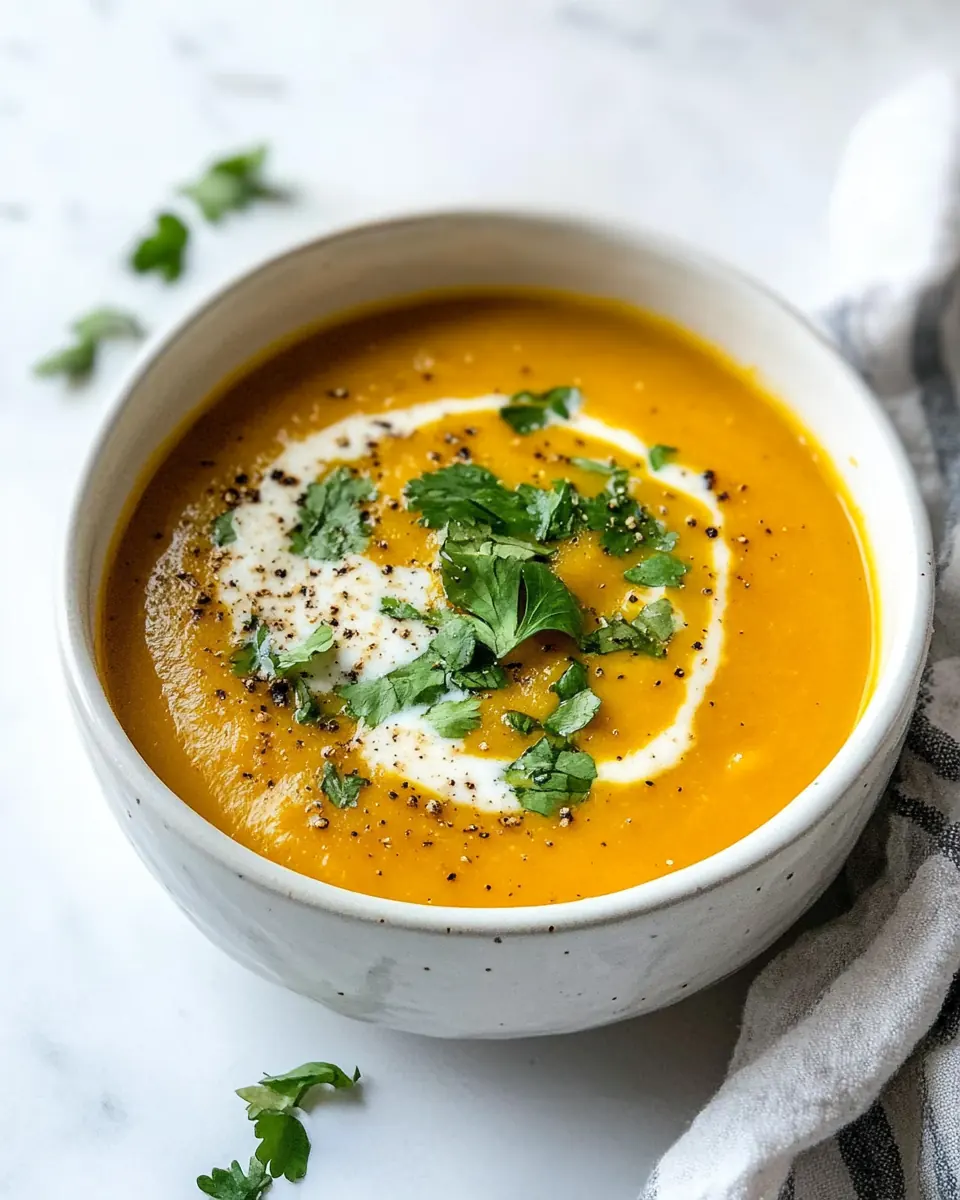
I keep helpful pointers close at hand whenever I make this soup, because a few small choices change the final bowl dramatically. Below are practical tips drawn from repeated trials, each expanded so you can apply them confidently in the kitchen.
- Start with the right pan Use a heavy bottom Dutch Ovenor soup pot so heat distributes evenly and the aromatics do not scorch, which would create off flavors.
- Control spice bloom Add the roasted cumin, garam masala, and madras curry powder to hot oil briefly, about a minute, so they release fragrance without turning bitter, and keep stirring to avoid burning.
- Mind the coconut milk texture Use canned light coconut milk for a silky mouthfeel without heaviness, and reserve a little for a decorative swirl when serving to add visual contrast.
- Uniform squash pieces Chop the butternut squash into similar sized cubes so they become uniformly tender, which makes pureeing smooth and predictable.
- Low simmer for even cooking After bringing to a boil, lower to a gentle simmer and cover; this helps the butternut squash soften all the way through without breaking down into stringy pieces.
- Blend safely If using a regular Blender, cool slightly and work in batches, venting the lid to allow steam to escape and prevent pressure buildup.
- Adjust thickness intentionally If the soup is thinner than you like, simmer it uncovered for a few minutes to reduce, or add a bit more cooked butternut squash to thicken naturally.
- Season gradually Add kosher salt in stages and taste as you go to avoid overseasoning; finishing salt at the end brings the flavors into balance.
- Fresh garnish finishes A sprinkle of chopped cilantro brightens the bowl and provides a fresh contrast to the warm spices, so add it just before serving.
- Reserve some texture For a heartier mouthfeel, save a few cooked cubes of butternut squash and fold them in after pureeing for pleasant bites.
What Goes Well With This Coconut Curry Butternut Squash Soup
This soup is versatile at the table, pairing beautifully with simple sides and fitting many occasions from casual weeknight dinners to more festive gatherings. Below are ideas organized so you can choose a serving style, storage notes, and seasonal pairings that complement the bowl.
- Crusty bread for dipping A warm, crisp loaf is a classic companion, letting you soak up the silky broth and add a crunchy contrast to the smooth texture.
- Light salads for balance A bright, crisp green salad with lemon based dressing offsets the soup‘s richness, making it an ideal lunch pairing or starter for a multi course meal.
- Simple grain bowls Serve the soup alongside steamed rice or quinoa for a heartier meal; grains provide grounding starch and make the dinner more filling for colder nights.
- Occasion suggestions This soup is perfect for fall evenings, casual dinner parties, or when you need a cozy meal during Ramadan if breaking fast with a warm, nourishing bowl.
- Storage tips Cool the soup to room temperature, transfer to airtight containers, and refrigerate for up to four days. Reheat gently on low heat, stirring occasionally to maintain a smooth texture.
- Freezing guidance For longer storage, freeze in portioned containers for up to three months. Thaw overnight in the refrigerator and rewarm on the stove, adding a splash of vegetable broth if the texture tightens.
- Seasonal pairings In fall, pair with roasted root vegetables or a warm grain salad. For winter, add a side of braised greens or roasted squash to echo the soup‘s flavors.
- Presentation tips Garnish with a swirl of extra coconut milk and chopped cilantro for color contrast, and serve in deep bowls to keep the soup warm longer.
- Serving temperature Serve hot but not scalding, allowing the flavors to shine without overwhelming the palate, and always taste before bringing to the table to adjust final seasoning.
- Pairing beverages Offer mild, non alcoholic beverages like spiced tea or ginger water to complement the curry warmth without masking delicate coconut notes.
FAQ
Conclusion
What makes this Coconut Curry Butternut Squash Soup special is how simple pantry spices and a humble tuber transform into a silky, aromatic bowl that warms both body and mood. The balance of toasted spices, bright aromatics, and creamy coconut milk creates a satisfying yet light meal that suits weeknights and gatherings alike. Give it a try when you want comfort without fuss; the method is forgiving, the flavors are layered, and the outcome feels thoughtfully indulgent. Serve it warm, garnish simply, and enjoy the cozy contrast between spice and sweetness.
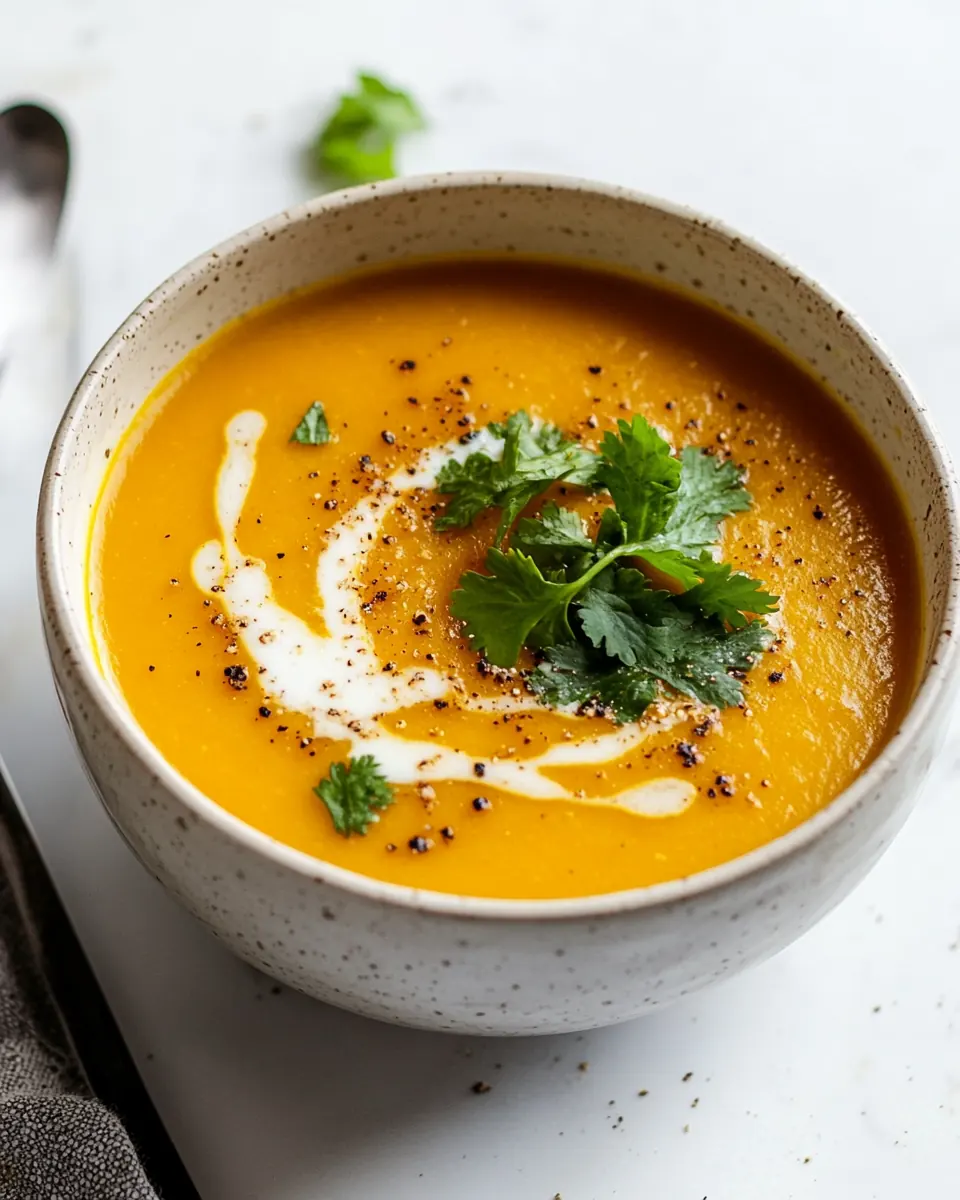
Coconut Curry Butternut Squash Soup
Ingredients
Equipment
Method
- Add oil to a large soup pot or Dutch oven over medium heat.: You will notice the oil begin to shimmer, which is the visual cue that the pan is ready. This sheen means the oil is hot enough to gently sizzle aromatics without burning them. If the oil smokes, reduce the heat immediately, because overheated oil will impart a bitter, acrid flavor. Keep the pot steady on the burner so the oil pools evenly, and tilt the pot slightly to coat the bottom if needed.
- When oil is hot add onion and garlic and sauté until fragrant, about 2 to 3 minutes.: The first sensory change is sound, a soft sizzling as the minced onion hits the pan. Watch for the onion to become translucent and soft at the edges, and you will smell a sweet, savory aroma. The garlic will quickly become aromatic, but beware of browning it; burned garlic yields bitterness. Stir frequently to ensure even softening and to avoid hotspots, and lower the heat if the aromatics begin to color too fast.
- Add the roasted cumin, garam masala and madras curry powder and mix well cooking another minute.: Almost immediately you will sense the spices blooming, releasing warm, toasted aromatics that perfume the kitchen. Keep the heat moderate so the spices toast rather than burn; they should become fragrant and slightly glossy as they absorb the oil. A common mistake is leaving the spices too long on high heat which makes them taste acrid. Stir continuously for that minute so the flavors fully integrate with the softened onion and garlic .
- Add the broth, light coconut milk, butternut squash and bring to a boil, cover and cook low heat until the squash is soft, 12-15 minutes.: As the liquid heats you will see steam and hear a gentle bubbling as it approaches a boil. Once boiling, reduce to a low simmer and cover so the steam softens the butternut squash evenly. The squash will give off a sweet, toasty scent as it cooks and should easily yield to a fork when done. If it still feels firm after the time window, continue simmering a few more minutes rather than increasing the heat, which can break down texture unevenly.
- Remove cover and using an immersion blender, puree soup until smooth (or do this in batches in a regular blender).: When you start pureeing you will see the soup transform from chunky to velvety. Use an immersion blender for control, keeping it steady and moving slowly to avoid splatter. If using a regular Blender , work in batches and vent the lid slightly to release steam safely. The soup should become glossy and homogeneous; if it is too thin, simmer uncovered briefly to reduce. A common pitfall is overfilling a blender with hot liquid, which can push the lid off. To avoid this, fill the pitcher half full and cover with a towel when pulsing.
- Season with salt and fresh pepper, to taste and serve with fresh cilantro.: The final seasoning stage awakens the flavors. Add small increments of kosher salt and grind fresh black pepper , stirring and tasting between additions so you do not over salt. The aroma will brighten and the flavors will snap into place. Finish with chopped cilantro for an herbal lift and a contrasting color. If the soup tastes flat, a tiny squeeze of acid or a pinch more salt will usually fix it, but add sparingly and taste often.
Notes
- Start with the right pan Use a heavy bottom Dutch Ovenor soup pot so heat distributes evenly and the aromatics do not scorch, which would create off flavors.
- Control spice bloom Add the roasted cumin, garam masala, and madras curry powder to hot oil briefly, about a minute, so they release fragrance without turning bitter, and keep stirring to avoid burning.
- Mind the coconut milk texture Use canned light coconut milk for a silky mouthfeel without heaviness, and reserve a little for a decorative swirl when serving to add visual contrast.
- Uniform squash pieces Chop the butternut squash into similar sized cubes so they become uniformly tender, which makes pureeing smooth and predictable.
- Low simmer for even cooking After bringing to a boil, lower to a gentle simmer and cover; this helps the butternut squash soften all the way through without breaking down into stringy pieces.
- Blend safely If using a regular Blender, cool slightly and work in batches, venting the lid to allow steam to escape and prevent pressure buildup.
- Adjust thickness intentionally If the soup is thinner than you like, simmer it uncovered for a few minutes to reduce, or add a bit more cooked butternut squash to thicken naturally.
- Season gradually Add kosher salt in stages and taste as you go to avoid overseasoning; finishing salt at the end brings the flavors into balance.
- Fresh garnish finishes A sprinkle of chopped cilantro brightens the bowl and provides a fresh contrast to the warm spices, so add it just before serving.
- Reserve some texture For a heartier mouthfeel, save a few cooked cubes of butternut squash and fold them in after pureeing for pleasant bites.