Orange Buffalo Grilled Chicken
Orange Buffalo Grilled Chicken is the kind of food that makes a backyard cookout feel like a celebration, and it hooked me the first time I tasted the sticky, bright glaze against a smoky char. I remember the afternoon I tested this recipe, juggling a pile of errands and a cooler full of expectations, and finding that a simple marinade turned ordinary chicken into something vivid and memorable. The orange adds a fresh citrus lift, and the buffalo heat gives each bite a warm push that keeps you going back for more.
That day, my neighbors lingered at the fence, asking for details as the grill hissed and the air filled with garlicky, tangy perfume. I like recipes that are forgiving, that let you be both relaxed and precise, and this one fits that bill. It marinates with minimal fuss, cooks quickly, and serves beautifully with whatever you have on hand. I also enjoy the contrast of textures here, the tender chicken yielding to a glossy, slightly sticky exterior that crackles softly when you slice into it.
Recipe Snapshot
20 mins
5 mins
15 mins
Easy
350 kcal
American
Paleo, Whole30
Dinner
Mixing Bowls, Grilling Tongs, Cast Iron Grill Pan, Charcoal Chimney Starter
Why This Orange Buffalo Grilled Chicken Works
Bold, balanced flavor
I love how Orange Buffalo Grilled Chicken marries citrus brightness with buffalo heat. The orange juice cuts through the richness, while the hot sauce brings a vinegary tang that wakes up the palate. I find this balance makes it approachable for people who like spice but do not want it to overwhelm the protein.
Fast and flexible prep
This is a go to when time is short. You can whisk the marinade in minutes and either marinate a few hours or overnight if you have time. I often make it on a weekday evening when I want an easy weeknight dinner that still feels special.
Great for grilling and beyond
Though it shines on a grill, the marinade is versatile. I have cooked the same recipe in a skillet or oven when the weather did not cooperate. The technique preserves juiciness, so you get a satisfying result no matter the method.
Feed a crowd without fuss
I appreciate how scalable this recipe is. Whether you are cooking for four or bringing something to a potluck, you can multiply the ingredients and still keep the flavors consistent. I often double the batch when friends drop by unexpectedly.
Simple ingredient list
The ingredients are pantry friendly, and they work together logically. The oil helps the marinade cling to the chicken, garlic adds savory depth, and Worcestershire sauce brings a subtle umami lift. I like that each component has a clear role, so substitutions are rarely needed.
What Goes Into Orange Buffalo Grilled Chicken
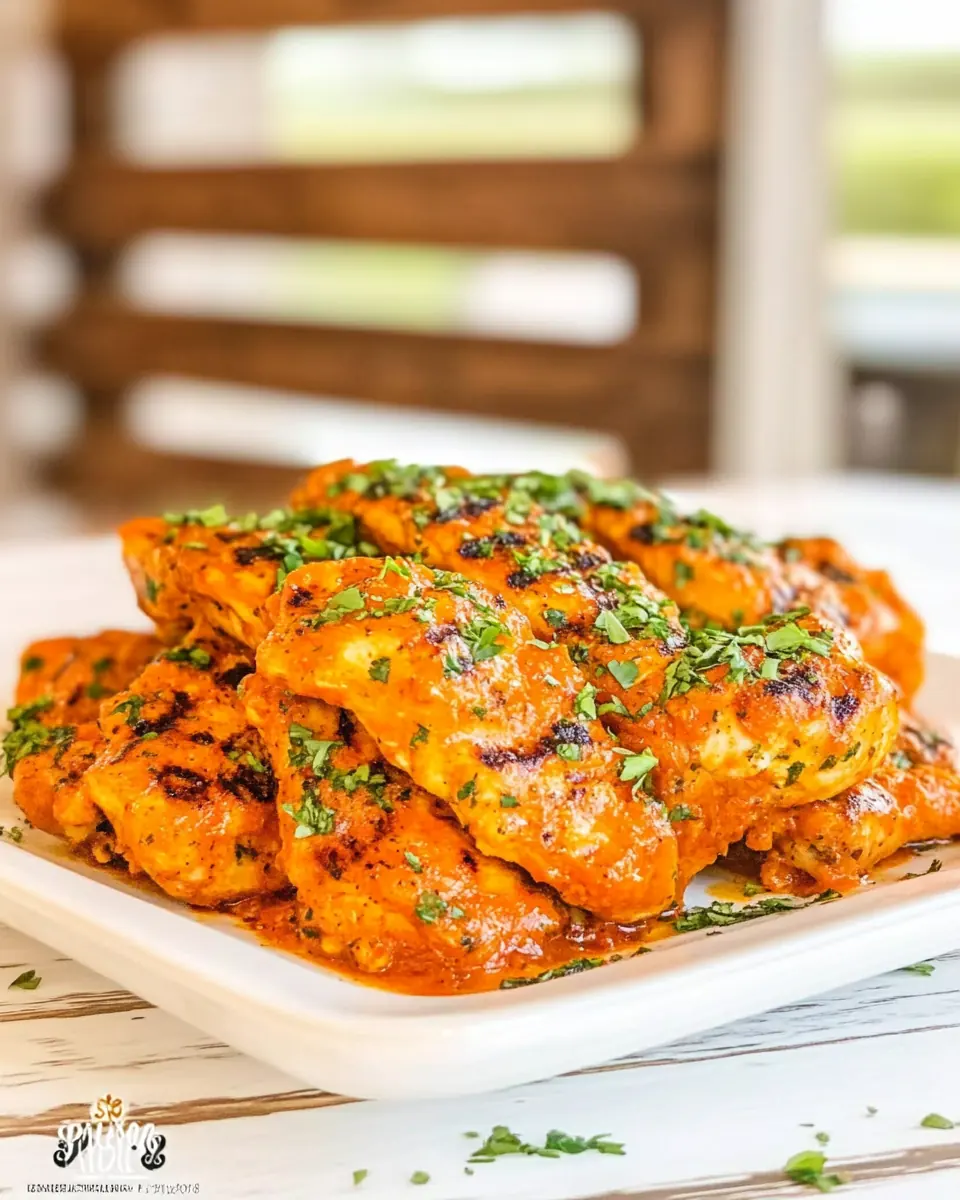
These ingredients are chosen to build bright heat and tender texture. The key players are the wing sauce and orange juice, which create a lively marinade that penetrates the chicken. Olive oil carries flavors and helps with browning, while garlic and Worcestershire sauce add savory depth. Salt and pepper finish the profile and make the taste pop.
- 4 boneless skinless chicken breasts: Provide lean protein and substantial texture, serving as the main component of the dish; slices cook quickly on the grill and absorb marinades well. Ensure even thickness for uniform cooking and rest briefly after grilling to retain juices.
- 1 cup Frank’s hot sauce or wing sauce: Contribute bold, vinegary heat and classic Buffalo flavor, acting as the primary spicy element in the sauce. Balance proportion with orange juice and oil to prevent overpowering the chicken while maintaining a tangy kick.
- 1/4 cup orange juice: Add bright citrus sweetness and acidity to balance the heat, thinning the sauce slightly for easier glazing. Use fresh juice for the best flavor and adjust amount to taste to enhance overall brightness.
- 2 cloves garlic, minced: Provide aromatic pungency and depth when minced, helping to build savory complexity in the marinade and sauce. Sauté briefly or mix directly into the sauce depending on desired raw or mellow garlic flavor.
- 2 tbsp olive oil: Supply rich mouthfeel and help emulsify the sauce, allowing it to cling to the chicken when grilled. Use extra-virgin for flavor, or standard olive oil for a neutral profile, and moderate heat to avoid smoke.
- 2 tbsp Worcestershire sauce: Introduce savory umami and subtle tang that deepens overall flavor and complements both the hot sauce and orange juice. Stir into the marinade to give a rounded, slightly sweet-savory backbone to the glaze.
- salt and pepper, to taste: Season to taste to enhance and balance flavors, drawing out natural juices and emphasizing the spicy-sweet interplay. Apply conservatively before grilling and adjust after tasting to avoid over-salting.
Step by Step Instructions for Orange Buffalo Grilled Chicken
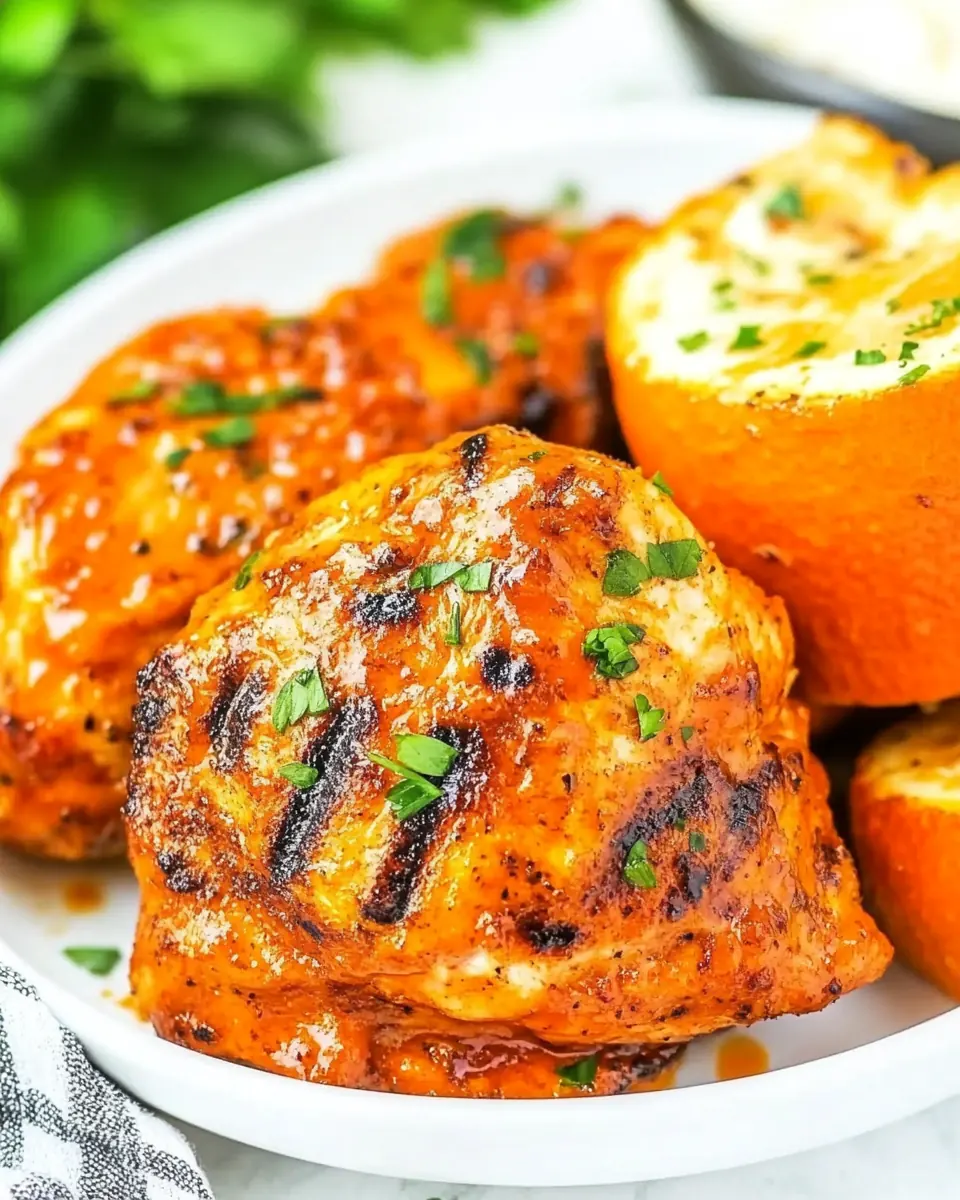
These directions are straightforward, but I like to talk you through them so you can sense when things are right. Take your time with the marinade so the flavors have a chance to infuse, and pay attention to visual and olfactory cues as you cook.
- In a medium bowl, whisk together hot sauce, orange juice, garlic, olive oil, Worcestershire sauce, salt, and pepper.: The aroma of garlic and citrus will hit you first, bright and savory, and you should see the marinade become homogeneous and slightly glossy. Whisking emulsifies the oil into the liquid, which helps the marinade cling to the chicken . If the mixture looks separated, keep whisking until smooth, because an uneven marinade will not coat consistently. A common misstep is skimping on whisking, which leaves pockets of oil and can lead to uneven flavor distribution.
- Place chicken in a resealable plastic bag.: When you slide the pieces into the bag, they should lie flat and not crowd each other. This position allows the marinade to coat all surfaces. Press out excess air before sealing so the bag lays flat in the refrigerator, enabling better contact. Avoid using a container that is too large, because the marinade may pool away from the meat and you will not get an even soak.
- Pour over chicken and marinate in the refrigerator a few hours to overnight.: You will notice the meat take on a glossy sheen and a faint orange hue as it marinates. Chilling both keeps the chicken safe and allows the flavors to penetrate. Marinating for at least a few hours yields more flavor, while overnight gives the deepest infusion. Do not exceed overnight often, as the acid in the orange juice can begin to change the texture and make the surface mushy.
- Remove chicken from marinade and cook until it reaches an internal temperature of 165ºF.: As the chicken hits the hot grill or pan, you should hear a satisfying sizzle and smell the caramelizing sugars from the orange and sauce. Cook until the internal temperature reads 165ºF at the thickest part, which ensures safe doneness while keeping the meat juicy. Let the cooked pieces rest briefly so juices redistribute. A common error is flipping too often, which prevents proper browning and can make the exterior less crisp. Watch for a confident char and glossy glaze as indicators of readiness.
Recipe Notes about Orange Buffalo Grilled Chicken
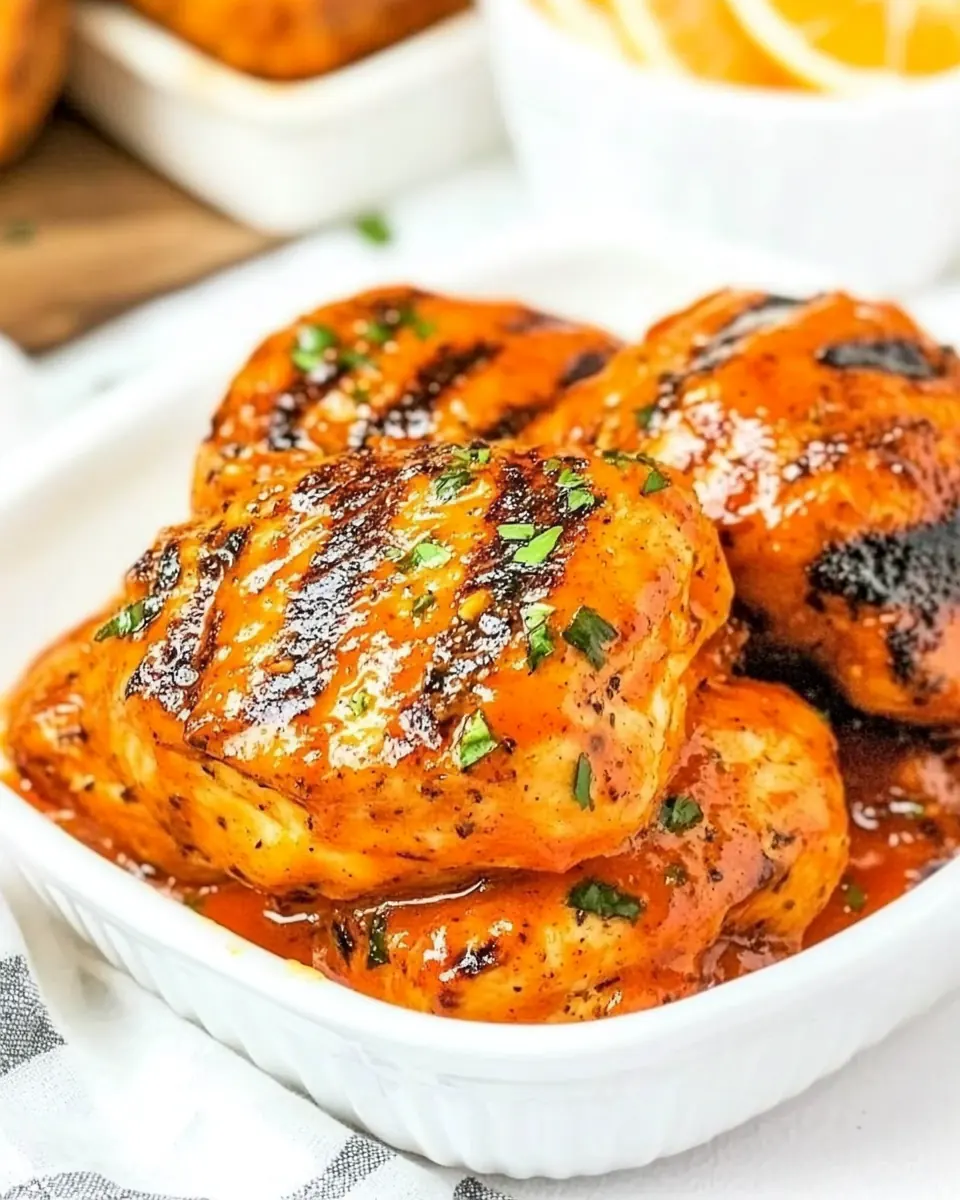
I like to keep a handful of practical tips handy when I grill this dish, because small adjustments make the difference between okay and memorable. Below are expanded notes that cover swaps, storage, and technique so you can get it right whether you grill, pan sear, or bake.
- Use the marinade on different cuts, you can apply this mixture to thighs, tenders, wings, or drumsticks. Dark meat may need longer cook times and will benefit from the extra fat content, which yields deeper flavor. Adjust timing so each cut reaches 165ºF, and remember bone in pieces will cook slower than boneless pieces.
- Pound breasts for even cooking, gently pound thicker parts to even thickness so the chicken cooks uniformly. This prevents a dry thin edge and an undercooked thick center. Place the breast between plastic wrap and use a flat mallet, working carefully to avoid tearing the meat.
- Oven or skillet options, if you do not have a grill, sear the chicken in a hot skillet for a few minutes per side then finish in a 400ºF oven until 165ºF. This method replicates the Maillard browning while ensuring even doneness, and it is ideal when weather or location prevents outdoor grilling.
- Freezing guidance, you can freeze the chicken raw in the marinade or cooked. For raw freezing, seal in a freezer bag and thaw overnight in the refrigerator before cooking. For cooked, cool completely before freezing to prevent ice crystals that damage texture on reheating.
- Control the heat, different wing sauces have varying heat levels. Start with the recipe amounts, then adjust to taste. If you need to tame the heat, add a touch more orange juice or a small spoon of olive oil to smooth the profile without diluting the core buffalo character.
Serving Suggestions
I enjoy serving this Orange Buffalo Grilled Chicken with simple sides that complement its bright heat. The list below covers plating ideas, occasions, and storage tips so you can plan a full meal that feels cohesive.
- Casual weeknight dinner, serve sliced over steamed rice with a green salad on the side. The rice tames the heat and the salad adds a crisp contrast.
- Backyard barbecue, present whole breasts on a platter with lemon wedges and extra sauce for guests to spoon. Add grilled corn or potato salad to round out the spread.
- Meal prep lunches, slice cooked chicken and pack with quinoa and roasted vegetables in meal containers. Stored in an airtight container, the chicken keeps well for three to four days in the refrigerator.
- Ramadan or fast breaking, this protein rich option works for evening meals when you want something satisfying and flavorful. Pair with warm flatbread and a cooling yogurt cucumber salad to balance spice.
- Seasonal pairing, in summer enjoy it with charred vegetables and a citrusy slaw, while in cooler months pair with roasted root vegetables and a grain salad for comfort and balance.
- Reheating tips, gently reheat in a low oven or covered skillet to preserve moisture. Avoid microwaving at high power which can dry the meat quickly; instead use short bursts and check frequently.
- Storage, keep leftover slices in an airtight container up to four days, and freeze for up to three months if needed. Thaw overnight in the refrigerator before reheating for best texture.
FAQ
Conclusion
This recipe stands out because it pairs bright citrus with classic buffalo tang to create juicy, flavorful grilled chicken that feels both simple and special. I encourage you to try it because the technique is forgiving, the ingredients are pantry friendly, and the results are reliably crowd pleasing. Whether you grill outdoors or finish inside, the balance of sweet, savory, and spicy elements makes it an excellent choice for weeknight dinners, weekend barbecues, or meal prep. Give it a go, and adjust the heat and marinating time to match your taste; you might find it becomes a new staple in your rotation.
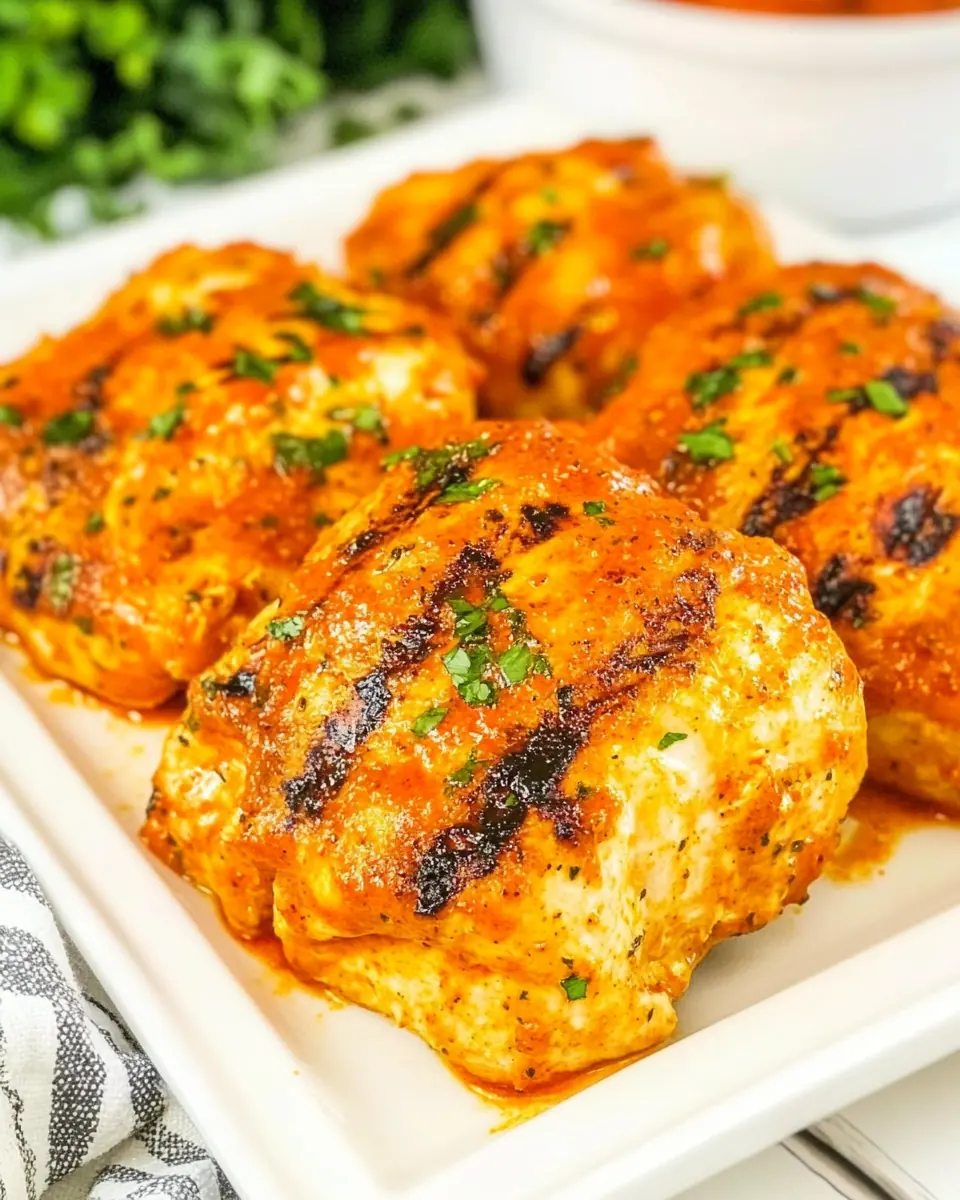
Orange Buffalo Grilled Chicken
Ingredients
Equipment
Method
- In a medium bowl, whisk together hot sauce, orange juice, garlic, olive oil, Worcestershire sauce, salt, and pepper.: The aroma of garlic and citrus will hit you first, bright and savory, and you should see the marinade become homogeneous and slightly glossy. Whisking emulsifies the oil into the liquid, which helps the marinade cling to the chicken . If the mixture looks separated, keep whisking until smooth, because an uneven marinade will not coat consistently. A common misstep is skimping on whisking, which leaves pockets of oil and can lead to uneven flavor distribution.
- Place chicken in a resealable plastic bag.: When you slide the pieces into the bag, they should lie flat and not crowd each other. This position allows the marinade to coat all surfaces. Press out excess air before sealing so the bag lays flat in the refrigerator, enabling better contact. Avoid using a container that is too large, because the marinade may pool away from the meat and you will not get an even soak.
- Pour over chicken and marinate in the refrigerator a few hours to overnight.: You will notice the meat take on a glossy sheen and a faint orange hue as it marinates. Chilling both keeps the chicken safe and allows the flavors to penetrate. Marinating for at least a few hours yields more flavor, while overnight gives the deepest infusion. Do not exceed overnight often, as the acid in the orange juice can begin to change the texture and make the surface mushy.
- Remove chicken from marinade and cook until it reaches an internal temperature of 165ºF.: As the chicken hits the hot grill or pan, you should hear a satisfying sizzle and smell the caramelizing sugars from the orange and sauce. Cook until the internal temperature reads 165ºF at the thickest part, which ensures safe doneness while keeping the meat juicy. Let the cooked pieces rest briefly so juices redistribute. A common error is flipping too often, which prevents proper browning and can make the exterior less crisp. Watch for a confident char and glossy glaze as indicators of readiness.
Notes
- Use the marinade on different cuts, you can apply this mixture to thighs, tenders, wings, or drumsticks. Dark meat may need longer cook times and will benefit from the extra fat content, which yields deeper flavor. Adjust timing so each cut reaches 165ºF, and remember bone in pieces will cook slower than boneless pieces.
- Pound breasts for even cooking, gently pound thicker parts to even thickness so the chicken cooks uniformly. This prevents a dry thin edge and an undercooked thick center. Place the breast between plastic wrap and use a flat mallet, working carefully to avoid tearing the meat.
- Oven or skillet options, if you do not have a grill, sear the chicken in a hot skillet for a few minutes per side then finish in a 400ºF oven until 165ºF. This method replicates the Maillard browning while ensuring even doneness, and it is ideal when weather or location prevents outdoor grilling.
- Freezing guidance, you can freeze the chicken raw in the marinade or cooked. For raw freezing, seal in a freezer bag and thaw overnight in the refrigerator before cooking. For cooked, cool completely before freezing to prevent ice crystals that damage texture on reheating.
- Control the heat, different wing sauces have varying heat levels. Start with the recipe amounts, then adjust to taste. If you need to tame the heat, add a touch more orange juice or a small spoon of olive oil to smooth the profile without diluting the core buffalo character.