Crispy Fried Potatoes
Crispy Fried Potatoes began as a humble kitchen experiment on a rainy afternoon when I had more time than plans and a bag of potatoes calling my name. I remember tossing the first slices into a shimmering skillet and being surprised by how quickly the kitchen filled with a warm, toasty aroma that made everyone wander in. That first batch was rough around the edges, but the texture, that contrast between a crisp exterior and a soft interior, hooked me instantly and turned routine potatoes into something worth lingering over.
Over the years I refined the method, testing oil temperatures, slice thickness, and the little trick of steaming briefly under a lid to coax tenderness before finishing with high heat for color. Each iteration taught me a small lesson, like how a quick soak in ice water tightens the starches, or how a single pad of butter at the end brings everything together. Friends started requesting that rainy day version, and now it’s the dish I bring when I want comfort food that still feels a little special.
Recipe Snapshot
25 mins
10 mins
15 mins
Medium
250 kcal
American
Gluten-Free, Vegan
Side Dishes
Large skillet, Knife, Cutting board, Colander, Paper towels
Why You’ll Love This Crispy Fried Potatoes
Perfect Crisp Every Time
I fell in love with Crispy Fried Potatoes because they deliver serious texture. When the oil is right, the surface sears and becomes a golden shell that crackles when you bite in. The contrast between that crunch and the soft, pillowy center makes each mouthful memorable.
Simple Ingredients, Big Impact
There is honesty to this recipe. With just potatoes, oil, salt, pepper, and a little butter, you get layers of flavor. I enjoy how each ingredient pulls its weight, and how optional additions like sweet onion or bell pepper can shift the whole profile with minimal fuss.
Adaptable and Approachable
I find these potatoes work for weeknight dinners, casual brunches, and relaxed gatherings. You can scale the recipe easily, and the technique translates whether you want fragrant pan fried slices or a skillet full to feed company. That flexibility is a huge reason I make them often.
Comfort with a Little Technique
What I appreciate most is that a tiny bit of technique yields big rewards. Soaking, patting dry, and managing skillet temperature are small steps that protect against soggy results. Once you know the sensory cues, you’ll hit the mark every time, and I love teaching that to friends who think frying is intimidating.
Finishing Touches That Elevate
Stirring in unsalted butter at the end feels like a secret handshake. It gives the dish a glossy finish and a gentle richness that ties the simple seasoning together. I always recommend finishing while the potatoes are still hot so the butter melts and coats each slice, making the dish feel indulgent without fuss.
Ingredients You’ll Need for Crispy Fried Potatoes
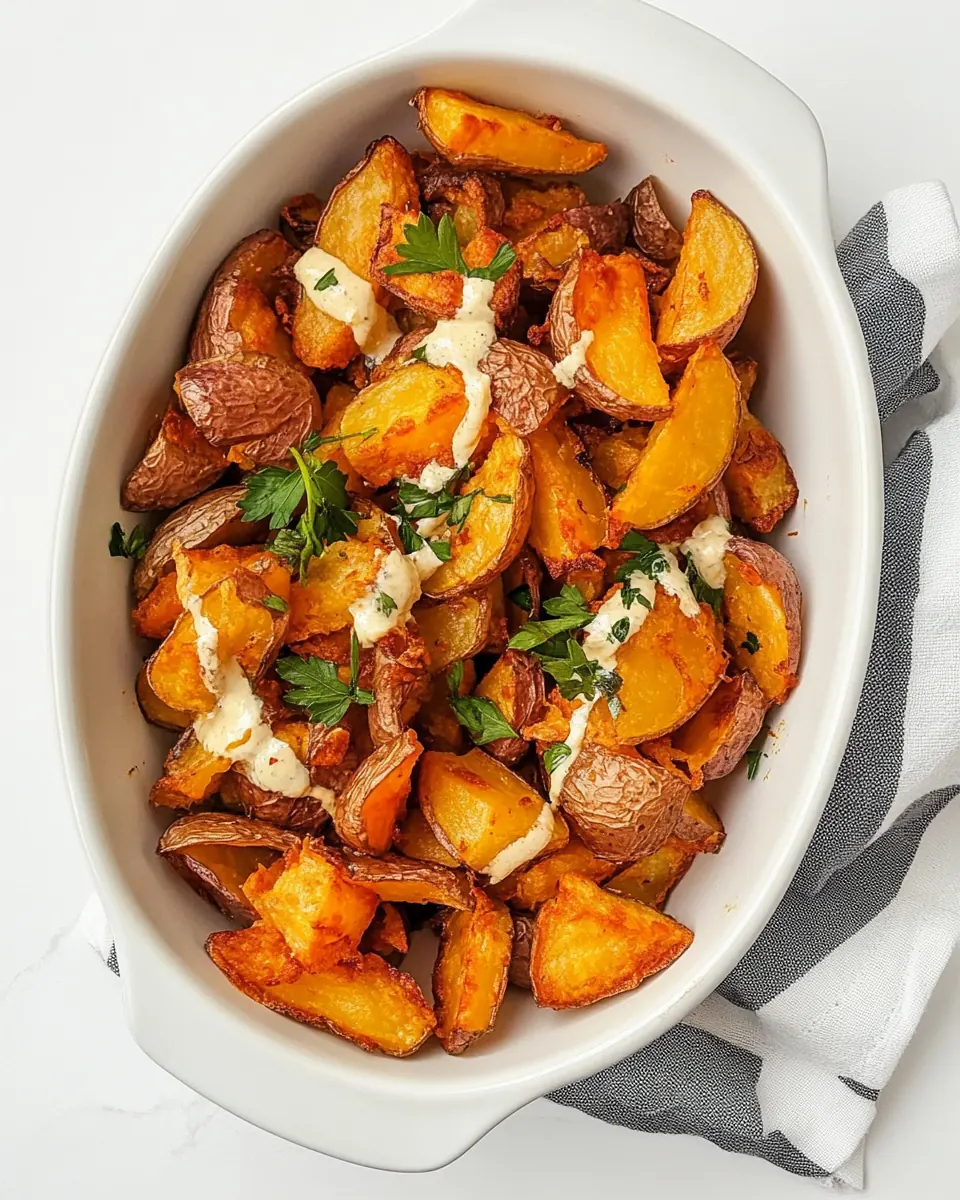
These ingredients are deliberately straightforward, chosen to let texture and seasoning shine. The focus is on the tuber and the cooking medium, while optional aromatics add personality. The key players work together to build contrast, provide fat for browning, and deliver a finishing richness that rounds the dish.
- 6 to 8 large potatoes peeled and sliced 1/4-inch thick: Provide starchy body and crisp texture when sliced thin; fried slices become golden brown and develop a fluffy interior while holding shape. Use uniform 1/4-inch thickness to ensure even cooking and a consistent crunchy exterior, adjusting frying time for potato variety and moisture content.
- 1/4 cup peanut oil or light vegetable oil: Add a high smoke-point cooking medium for frying; peanut or light vegetable oil promotes even heat transfer and helps achieve a crispy surface. Use the specified amount to shallow-fry until potatoes are golden, replenishing or maintaining temperature as needed to prevent sogginess.
- 1 sweet onion chopped () (optional): Contribute sweet, aromatic flavor and slight caramelization when cooked; chopped sweet onion softens and melds with potatoes to add depth. Include optional onion to brighten savory notes and provide a tender contrast to crispy potato edges.
- 1 clove garlic minced () (optional): Impart pungent, savory aroma and subtle heat when minced; garlic enhances overall flavor and browns quickly, so add later to avoid burning. Use optional garlic sparingly for mellowed richness that complements butter and vegetables.
- 1 bell pepper diced () (optional): Introduce fresh, slightly sweet vegetal flavor and a crisp tender bite; diced bell pepper adds color and textural contrast. Include optional pepper to balance richness from oil and butter while contributing mild, aromatic sweetness.
- Salt to taste: Season to enhance and balance flavors; salt brings out natural potato sweetness and heightens overall taste. Adjust to taste during cooking and after frying to avoid over-salting, especially if using salted butter.
- Black pepper to taste: Provide mild heat and depth; freshly ground black pepper adds aromatic spice that complements the starch and sweetness of other ingredients. Season lightly and taste as you go to achieve balanced warmth without overpowering.
- 2 tablespoons unsalted butter: Add rich, creamy fat and a glossy finish; unsalted butter melts into the hot potatoes to enrich flavor and help with browning. Use at the end of cooking to coat the potatoes, control added salt, and produce a silky mouthfeel.
Cooking Instructions for Crispy Fried Potatoes
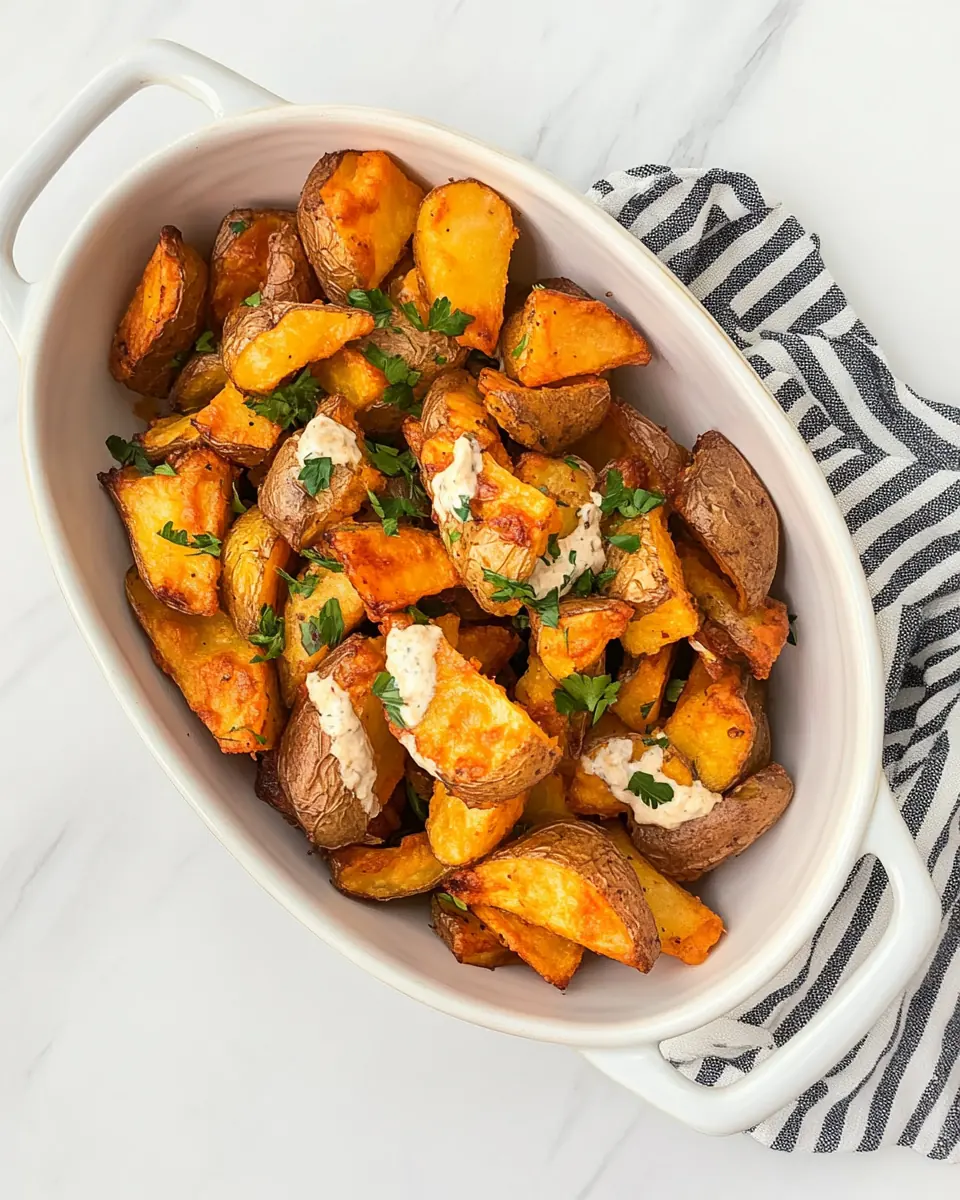
I like to approach the skillet with a calm, focused rhythm so each sensory cue is easy to read. These instructions walk you through the technique, with notes about what to listen for, what to smell, and common pitfalls to avoid so you can reproduce the same results every time.
- Wash and slice the potatoes. Optionally, you can peel them. For extra crispiness, soak the slices in ice water for 5-10 minutes.: The first sensory clue you get is the cool, earthy scent as you rinse the potatoes and the firm, slightly starchy texture under your knife. Use a sharp knife to keep slices smooth, which encourages even browning. A common misstep is uneven slicing, which leads to some pieces burning while others remain undercooked. If you hear null or inconsistent sizzling later, it often traces back to thickness variation.
- Drain the potatoes thoroughly and pat them dry with a towel to ensure they are completely moisture-free.: Right after soaking or rinsing, you should feel the surface beginning to dry when you press a slice. Removing moisture prevents the oil from spitting and allows the surface to sear quickly into a crisp shell. If the potatoes are damp, they will steam instead, producing limp rather than crunchy results, so take the extra time to blot them well.
- Heat the oil in a large skillet over medium-high heat until it shimmers. Carefully add the potatoes in a single layer.: Watch the oil carefully as it warms; a shimmering surface and the faint scent of the oil indicate readiness. Drop a small test piece in and listen for an immediate, lively sizzle. If the oil smokes, it is too hot and will impart bitterness, so lower the heat and let it calm. If there is only a weak sizzle, the potatoes will absorb oil instead of browning.
- Fry the potatoes for about 2 minutes, until they start to turn golden. Then, cover and steam on medium heat for 2-3 minutes.: When you slide the slices into the pan, you should hear distinct sizzling contact sounds, and the first edges should start to color within a minute or two. Crowding the pan lowers oil temperature and prevents browning, so work in batches if needed. If pieces clump together, they steam and lose crispness, so leave space between slices.
- Uncover, increase the heat, and flip the potatoes. Fry until the other side is golden as well.: Look for the first hints of gold along the edges and underside, and listen for the sizzle to remain energetic. At this stage, you may notice a nutty aroma as the surface caramelizes. Avoid flipping too early, which can tear softening centers; wait until a golden crust forms before moving on to the next step.
- Transfer the potatoes to a colander to drain excess oil. Blot with paper towels before returning them to the skillet.: Placing the lid traps warm steam that gently cooks the interior, resulting in tender cores while preserving the developing crust. You will see a subtle cloud of steam and hear softer bubbling beneath the lid. The mistake here is leaving the lid too long, which can collapse crispness, so keep the timing short and controlled.
- Add the optional onion, garlic, and bell pepper to the skillet. Season with salt and pepper, and sauté until the potatoes are tender.: When you remove the lid, listen for the sizzle to return and watch for renewed browning. Increasing the heat rejuvenates crisping on the surface, and flipping exposes the uncooked side to direct contact. If you crank the temperature too high, the outsides may char before the inside finishes, so raise heat just enough to re-establish a good sear.
- Stir in the butter just before serving, and adjust the seasoning if necessary. Serve the potatoes hot and enjoy!: This is the moment to pay close attention to color, sound, and aroma. The second side often browns more quickly, so be ready to remove pieces as they reach a deep golden hue. A common error is leaving pieces too long in the oil, which produces an overly hard crust and a dry interior, so test one piece for tenderness before finishing the batch.
- DEVOUR!: As you lift them out, you should see small beads of oil run off, and the slices will briefly steam in the open air. Blotting with paper towels absorbs lingering surface oil and helps preserve crispness when you return them to the skillet. If you skip draining, the added oil will make the potatoes greasy and mask delicate flavors.
- Blot with paper towels before returning them to the skillet: The tactile step of pressing with a towel should leave the slices visibly drier, and the sound of gentle rustling reassures you the surface is ready. This drying step prevents oil from pooling and encourages even reheating. Failing to blot can cause the butter and aromatics to sizzle unevenly and produce spotted browning.
- Add the optional onion, garlic, and bell pepper to the skillet: When these aromatics hit the warm pan, you will smell a bright, savory lift as they begin to soften. Sauté them briefly so they release sweetness and meld with the potatoes, taking care not to let garlic burn which would introduce bitterness. Overcooking the peppers will make them mushy, so add them when the potatoes are mostly tender.
- Season with salt and pepper, and sauté until the potatoes are tender: Taste and tune the seasoning as you go; a sprinkle of salt draws out flavor, while black pepper adds a lively edge. The final sauté should feature gentle sizzling, aromatic steam, and a cohesive mix of textures. A frequent mistake is underseasoning early and overcompensating at the end, which can lead to uneven flavor distribution.
- Stir in the butter just before serving, and adjust the seasoning if necessary: As the unsalted butter melts, it will gloss the slices and carry the seasonings, creating a warm, nuanced finish. The aroma of melted butter is a strong cue that the dish is ready to plate. If the butter is added too early, it may brown and change the flavor profile, so reserve it for the final moment.
- Serve the potatoes hot and enjoy: Hot servings deliver the best contrast between crunchy edges and soft interiors. You should notice a satisfying fork resistance followed by a tender center and a buttery aftertaste. Serving them at room temperature will lessen the crisp sensation, so aim to present them hot off the skillet.
- DEVOUR: This is the last reminder to savor the textures and aromas you worked to build. Take a moment to appreciate the layered flavors, and avoid refrigerating leftovers without cooling first, which can make them soggy when reheated if not stored properly.
Pro Tips and Tweaks
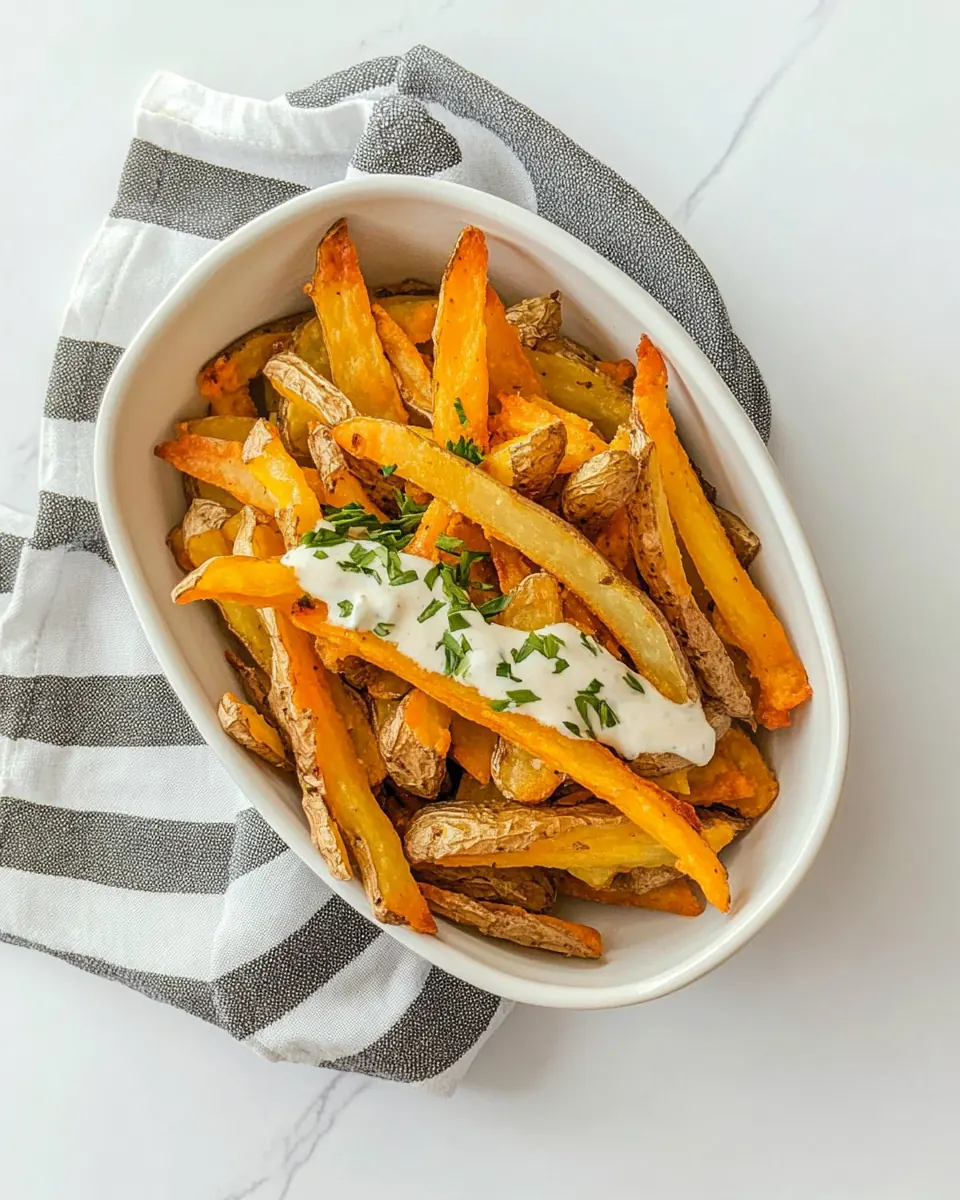
These pro tips will help you refine technique and make the most of your Crispy Fried Potatoes. Small changes in handling and timing create big improvements in texture and flavor.
- Choose the right potato Use starchy or all purpose potatoes for a fluffy interior and a crisp exterior; waxy varieties can stay dense and resist the desired contrast.
- Maintain oil temperature Keep the heat steady so each slice hits a sizzling surface that seals in texture, adjusting burner heat as batches cool the pan.
- Soak for crispness A short ice water soak tightens starches and helps the surface crisp, but dry slices completely before frying to avoid steaming.
- Work in single layers Make sure slices do not overlap so every edge gets direct contact with the hot pan, creating even browning across each piece.
- Finish with butter Add the unsalted butter at the end for a glossy mouthfeel and to carry the seasoning without browning it prematurely.
Accompaniments for Crispy Fried Potatoes
These serving ideas will help you present Crispy Fried Potatoes for different occasions, whether casual or celebratory. I like pairing textural elements and bright accents to balance the richness.
- Casual weeknight Serve hot with a simple green salad and a squeeze of lemon to lift the dish and cut through the richness.
- Brunch spread Offer alongside eggs and grilled tomatoes so the potatoes add hearty texture without overpowering the table.
- Family dinner Pair with roasted vegetables and a light protein if desired, letting the potatoes play the role of comforting side dish.
- Storage tip Cool completely before refrigerating in an airtight container, then reheat in a skillet to restore crispness rather than in a microwave.
- Seasonal pairings In cooler months, lean into caramelized onions and warm, savory accents; in spring, keep it bright with herbs and fresh peppers.
FAQ
Conclusion
Crispy Fried Potatoes shine because they turn modest ingredients into something texturally addictive and deeply satisfying. Give the simple method a try, paying attention to the sensory cues and those little technique points, and you will be rewarded with golden, flavorful slices that come together quickly. I hope you enjoy making them as much as I do, and that they become a reliable go to for weeknights and gatherings alike.
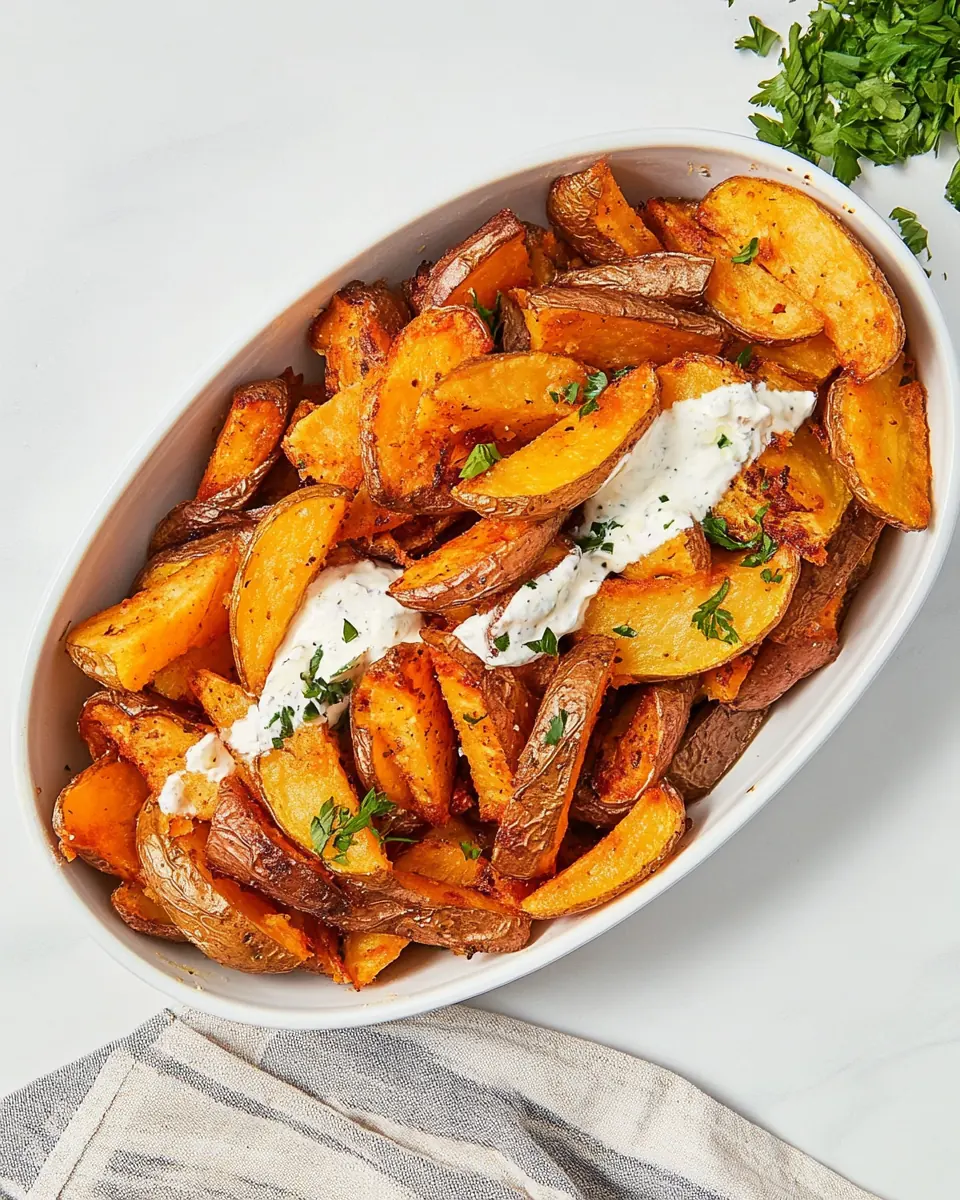
Crispy Fried Potatoes
Ingredients
Equipment
Method
- Wash and slice the potatoes. Optionally, you can peel them. For extra crispiness, soak the slices in ice water for 5-10 minutes.: The first sensory clue you get is the cool, earthy scent as you rinse the potatoes and the firm, slightly starchy texture under your knife. Use a sharp knife to keep slices smooth, which encourages even browning. A common misstep is uneven slicing, which leads to some pieces burning while others remain undercooked. If you hear null or inconsistent sizzling later, it often traces back to thickness variation.
- Drain the potatoes thoroughly and pat them dry with a towel to ensure they are completely moisture-free.: Right after soaking or rinsing, you should feel the surface beginning to dry when you press a slice. Removing moisture prevents the oil from spitting and allows the surface to sear quickly into a crisp shell. If the potatoes are damp, they will steam instead, producing limp rather than crunchy results, so take the extra time to blot them well.
- Heat the oil in a large skillet over medium-high heat until it shimmers. Carefully add the potatoes in a single layer.: Watch the oil carefully as it warms; a shimmering surface and the faint scent of the oil indicate readiness. Drop a small test piece in and listen for an immediate, lively sizzle. If the oil smokes, it is too hot and will impart bitterness, so lower the heat and let it calm. If there is only a weak sizzle, the potatoes will absorb oil instead of browning.
- Fry the potatoes for about 2 minutes, until they start to turn golden. Then, cover and steam on medium heat for 2-3 minutes.: When you slide the slices into the pan, you should hear distinct sizzling contact sounds, and the first edges should start to color within a minute or two. Crowding the pan lowers oil temperature and prevents browning, so work in batches if needed. If pieces clump together, they steam and lose crispness, so leave space between slices.
- Uncover, increase the heat, and flip the potatoes. Fry until the other side is golden as well.: Look for the first hints of gold along the edges and underside, and listen for the sizzle to remain energetic. At this stage, you may notice a nutty aroma as the surface caramelizes. Avoid flipping too early, which can tear softening centers; wait until a golden crust forms before moving on to the next step.
- Transfer the potatoes to a colander to drain excess oil. Blot with paper towels before returning them to the skillet.: Placing the lid traps warm steam that gently cooks the interior, resulting in tender cores while preserving the developing crust. You will see a subtle cloud of steam and hear softer bubbling beneath the lid. The mistake here is leaving the lid too long, which can collapse crispness, so keep the timing short and controlled.
- Add the optional onion, garlic, and bell pepper to the skillet. Season with salt and pepper, and sauté until the potatoes are tender.: When you remove the lid, listen for the sizzle to return and watch for renewed browning. Increasing the heat rejuvenates crisping on the surface, and flipping exposes the uncooked side to direct contact. If you crank the temperature too high, the outsides may char before the inside finishes, so raise heat just enough to re-establish a good sear.
- Stir in the butter just before serving, and adjust the seasoning if necessary. Serve the potatoes hot and enjoy!: This is the moment to pay close attention to color, sound, and aroma. The second side often browns more quickly, so be ready to remove pieces as they reach a deep golden hue. A common error is leaving pieces too long in the oil, which produces an overly hard crust and a dry interior, so test one piece for tenderness before finishing the batch.
- DEVOUR!: As you lift them out, you should see small beads of oil run off, and the slices will briefly steam in the open air. Blotting with paper towels absorbs lingering surface oil and helps preserve crispness when you return them to the skillet. If you skip draining, the added oil will make the potatoes greasy and mask delicate flavors.
- Blot with paper towels before returning them to the skillet: The tactile step of pressing with a towel should leave the slices visibly drier, and the sound of gentle rustling reassures you the surface is ready. This drying step prevents oil from pooling and encourages even reheating. Failing to blot can cause the butter and aromatics to sizzle unevenly and produce spotted browning.
- Add the optional onion, garlic, and bell pepper to the skillet: When these aromatics hit the warm pan, you will smell a bright, savory lift as they begin to soften. Sauté them briefly so they release sweetness and meld with the potatoes, taking care not to let garlic burn which would introduce bitterness. Overcooking the peppers will make them mushy, so add them when the potatoes are mostly tender.
- Season with salt and pepper, and sauté until the potatoes are tender: Taste and tune the seasoning as you go; a sprinkle of salt draws out flavor, while black pepper adds a lively edge. The final sauté should feature gentle sizzling, aromatic steam, and a cohesive mix of textures. A frequent mistake is underseasoning early and overcompensating at the end, which can lead to uneven flavor distribution.
- Stir in the butter just before serving, and adjust the seasoning if necessary: As the unsalted butter melts, it will gloss the slices and carry the seasonings, creating a warm, nuanced finish. The aroma of melted butter is a strong cue that the dish is ready to plate. If the butter is added too early, it may brown and change the flavor profile, so reserve it for the final moment.
- Serve the potatoes hot and enjoy: Hot servings deliver the best contrast between crunchy edges and soft interiors. You should notice a satisfying fork resistance followed by a tender center and a buttery aftertaste. Serving them at room temperature will lessen the crisp sensation, so aim to present them hot off the skillet.
- DEVOUR: This is the last reminder to savor the textures and aromas you worked to build. Take a moment to appreciate the layered flavors, and avoid refrigerating leftovers without cooling first, which can make them soggy when reheated if not stored properly.
Notes
- Choose the right potato Use starchy or all purpose potatoes for a fluffy interior and a crisp exterior; waxy varieties can stay dense and resist the desired contrast.
- Maintain oil temperature Keep the heat steady so each slice hits a sizzling surface that seals in texture, adjusting burner heat as batches cool the pan.
- Soak for crispness A short ice water soak tightens starches and helps the surface crisp, but dry slices completely before frying to avoid steaming.
- Work in single layers Make sure slices do not overlap so every edge gets direct contact with the hot pan, creating even browning across each piece.
- Finish with butter Add the unsalted butter at the end for a glossy mouthfeel and to carry the seasoning without browning it prematurely.