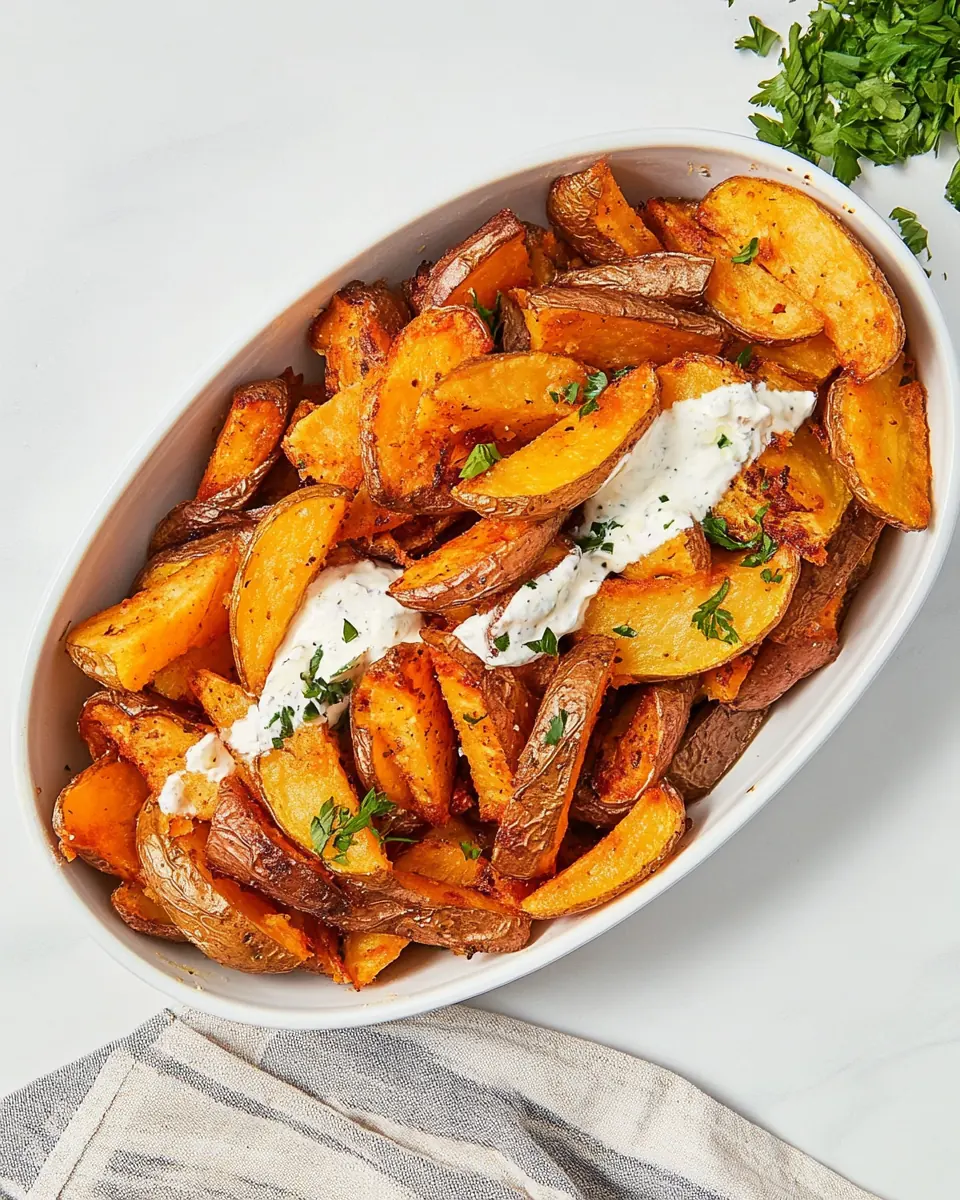
Wash and slice the potatoes. Optionally, you can peel them. For extra crispiness, soak the slices in ice water for 5-10 minutes.: The first sensory clue you get is the cool, earthy scent as you rinse the potatoes and the firm, slightly starchy texture under your knife. Use a sharp knife to keep slices smooth, which encourages even browning. A common misstep is uneven slicing, which leads to some pieces burning while others remain undercooked. If you hear null or inconsistent sizzling later, it often traces back to thickness variation.
Drain the potatoes thoroughly and pat them dry with a towel to ensure they are completely moisture-free.: Right after soaking or rinsing, you should feel the surface beginning to dry when you press a slice. Removing moisture prevents the oil from spitting and allows the surface to sear quickly into a crisp shell. If the potatoes are damp, they will steam instead, producing limp rather than crunchy results, so take the extra time to blot them well.
Heat the oil in a large skillet over medium-high heat until it shimmers. Carefully add the potatoes in a single layer.: Watch the oil carefully as it warms; a shimmering surface and the faint scent of the oil indicate readiness. Drop a small test piece in and listen for an immediate, lively sizzle. If the oil smokes, it is too hot and will impart bitterness, so lower the heat and let it calm. If there is only a weak sizzle, the potatoes will absorb oil instead of browning.
Fry the potatoes for about 2 minutes, until they start to turn golden. Then, cover and steam on medium heat for 2-3 minutes.: When you slide the slices into the pan, you should hear distinct sizzling contact sounds, and the first edges should start to color within a minute or two. Crowding the pan lowers oil temperature and prevents browning, so work in batches if needed. If pieces clump together, they steam and lose crispness, so leave space between slices.
Uncover, increase the heat, and flip the potatoes. Fry until the other side is golden as well.: Look for the first hints of gold along the edges and underside, and listen for the sizzle to remain energetic. At this stage, you may notice a nutty aroma as the surface caramelizes. Avoid flipping too early, which can tear softening centers; wait until a golden crust forms before moving on to the next step.
Transfer the potatoes to a colander to drain excess oil. Blot with paper towels before returning them to the skillet.: Placing the lid traps warm steam that gently cooks the interior, resulting in tender cores while preserving the developing crust. You will see a subtle cloud of steam and hear softer bubbling beneath the lid. The mistake here is leaving the lid too long, which can collapse crispness, so keep the timing short and controlled.
Add the optional onion, garlic, and bell pepper to the skillet. Season with salt and pepper, and sauté until the potatoes are tender.: When you remove the lid, listen for the sizzle to return and watch for renewed browning. Increasing the heat rejuvenates crisping on the surface, and flipping exposes the uncooked side to direct contact. If you crank the temperature too high, the outsides may char before the inside finishes, so raise heat just enough to re-establish a good sear.
Stir in the butter just before serving, and adjust the seasoning if necessary. Serve the potatoes hot and enjoy!: This is the moment to pay close attention to color, sound, and aroma. The second side often browns more quickly, so be ready to remove pieces as they reach a deep golden hue. A common error is leaving pieces too long in the oil, which produces an overly hard crust and a dry interior, so test one piece for tenderness before finishing the batch.
DEVOUR!: As you lift them out, you should see small beads of oil run off, and the slices will briefly steam in the open air. Blotting with paper towels absorbs lingering surface oil and helps preserve crispness when you return them to the skillet. If you skip draining, the added oil will make the potatoes greasy and mask delicate flavors.
Blot with paper towels before returning them to the skillet: The tactile step of pressing with a towel should leave the slices visibly drier, and the sound of gentle rustling reassures you the surface is ready. This drying step prevents oil from pooling and encourages even reheating. Failing to blot can cause the butter and aromatics to sizzle unevenly and produce spotted browning.
Add the optional onion, garlic, and bell pepper to the skillet: When these aromatics hit the warm pan, you will smell a bright, savory lift as they begin to soften. Sauté them briefly so they release sweetness and meld with the potatoes, taking care not to let garlic burn which would introduce bitterness. Overcooking the peppers will make them mushy, so add them when the potatoes are mostly tender.
Season with salt and pepper, and sauté until the potatoes are tender: Taste and tune the seasoning as you go; a sprinkle of salt draws out flavor, while black pepper adds a lively edge. The final sauté should feature gentle sizzling, aromatic steam, and a cohesive mix of textures. A frequent mistake is underseasoning early and overcompensating at the end, which can lead to uneven flavor distribution.
Stir in the butter just before serving, and adjust the seasoning if necessary: As the unsalted butter melts, it will gloss the slices and carry the seasonings, creating a warm, nuanced finish. The aroma of melted butter is a strong cue that the dish is ready to plate. If the butter is added too early, it may brown and change the flavor profile, so reserve it for the final moment.
Serve the potatoes hot and enjoy: Hot servings deliver the best contrast between crunchy edges and soft interiors. You should notice a satisfying fork resistance followed by a tender center and a buttery aftertaste. Serving them at room temperature will lessen the crisp sensation, so aim to present them hot off the skillet.
DEVOUR: This is the last reminder to savor the textures and aromas you worked to build. Take a moment to appreciate the layered flavors, and avoid refrigerating leftovers without cooling first, which can make them soggy when reheated if not stored properly.